Categories
COVID-19 Government Guidelines Medical Equipments Medical Updates Medicine & Health

Covid-19 or influenza: dilemma of the day

As H3N2 and Covid-19 present similar symptoms, one can be misconceived as the other; experts help differentiate.

Fever, fatigue and persistent cough are among the many symptoms being witnessed in people across the country in the recent past. But, the question is — is it Covid-19 or H3N2 virus that one is down with?

A subtype of influenza A, H3N2 presents symptoms similar to that of Covid-19. But, experts say the former is leading to more cases of hospitalisation at present. Covid-19 cases are also increasing at a steady pace, with 5,676 cases recorded on April 11 in India.

“We are getting around 20-30 cases every day of people coming in with flu symptoms. Of these, most are testing positive for influenza,” says Dr AK Jhingan, senior director, Internal Medicine at BLK MAX Hospital.

Covid-19 or influenza: dilemma of the day

Key differences

Though testing is the safest way to differentiate, a cursory understanding of the symptoms may help doctors understand whether one is suffering from influenza or Covid-19 and prescribe tests accordingly.

“Both viruses present predominantly with respiratory symptoms as well as flu-like illness, but loss of smell and taste are more common in Covid-19,” says Dr Rahul Roshan, senior consultant, Chest and Respiratory Diseases at a Delhi-based hospital.

While influenza may typically severely impact the elderly population and people with co-morbidities, Covid-19 may give rise to serious illness in people of all ages. Also, when infected with influenza, one may experience symptoms within 1-4 days, while in case of Covid-19, it may take 2-14 days for the symptoms to show.

“Covid-19 mutates faster and attacks the lungs early, whereas influenza may affect the lungs a little later,” says Dr Sunny Kalra, senior consultant, Respiratory Medicine at a Delhi-based hospital.

Coughing is a common symptom. But, it is more prevalent in case of influenza and can leave the patient feeling tired. In case of Covid-19, experts say, cough is comparatively milder.

“H3N2 mainly causes respiratory illness and starts with high fever, sneezing, dry cough and throat pain. On the other hand, Covid-19 may present symptoms such as bodyache, headache, irritability, lethargy and progress later to mild cough, abdominal symptoms such as nausea, vomiting and loss of taste, besides fever and cough,” says Dr Sanjeev Dutta, HOD and senior consultant, Paediatrics at Marengo Asia Hospitals.

Eat right to energise

A wholesome meal is one that is rich in proteins, healthy fats and a moderate quantity of good carbs, besides good vitamin intake. “Regular intake of vitamin C in the form of one lemon a day and prescribed supplements must be taken throughout the year, not just when one catches an infection,” says nutritionist Tripti Tandon. She also suggests opting for fruits over juice: “A glass of juice is made using two-three fruits, increasing the consumption of natural sugar. That can lead to diabetes, if overdone. On the other hand, if you eat a fruit, even a small quantity is filing and the fibre intake is an added advantage.” Some other must-adds to the diet are coconut water, nuts, legumes and sprouts.

Practice Yoga to power through

These cleansing rituals and breathing exercises can help attain physical and mental well-being:

Jal Neti: Cleanses the nasal passage

Vaman DhautiCleanses the digestive track

Anulom Vilom: Increases the oxygen level in the blood, helps attain physical and mental well-being, strengthens immunity

Ujjayi Pranayama: Helps get rid of phlegm in the throat

Surya Bhedi Pranayama: It helps activate the right nostril, which in turn aids in fighting cold, cough and sinus-related problems

Bhramari Pranayama: It helps relieve tension and anxiety

Inputs by Gaurav Chauhan, yoga expert and instructor

Read more at-https://bit.ly/41euq5e

Categories
COVID-19 Government Guidelines Medical Equipments Medical Updates

Covid-19 cases in children on rise; watch out for these signs and symptoms, preventive measures

Experts say that many kids are suffering from high grade fever, persistent cough and diarrhoea as the Covid cases across the country are on rise.

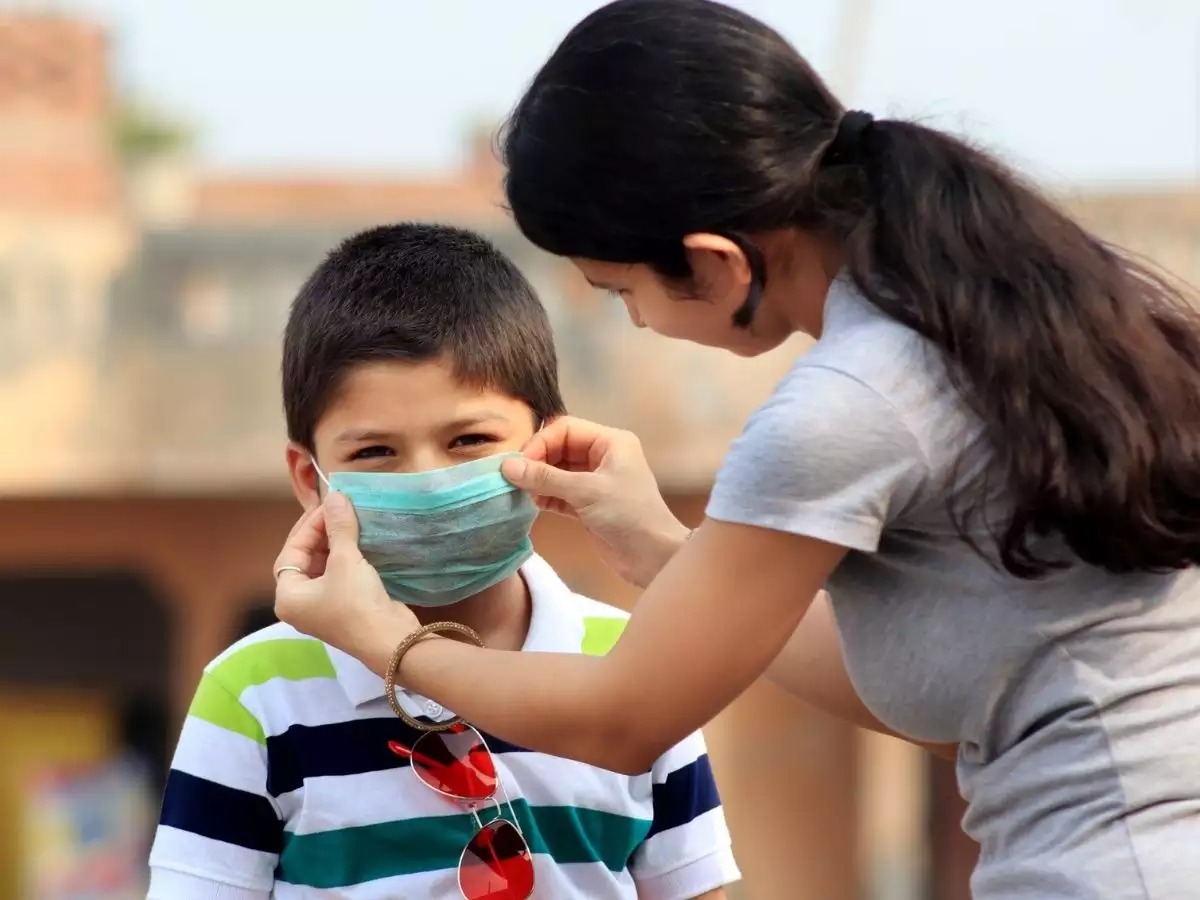
Covid-19 cases in children have been on rise in the past few days in kids under 15 years of age and while the symptoms are mostly mild in the little ones, experts have warned parents to take Covid-appropriate measures for preventing spread. Considering kids are vulnerable to viral infections and diseases like RSV (Respiratory Syncytial Virus), flu, adenovirus and Covid are on rise, it’s imperative to get them vaccinated if eligible, promote regular handwashing, and wearing masks (kids over 5 years). Children who have cough, cold, stomach flu and other flu-like symptoms should not be sent to school and get tested for Covid. Experts say one should not take the current surge in Covid cases lightly. Especially when it comes to high-risk children who have any kind of health complication like diabetes, asthma, heart disease among other issues, symptoms should be monitored closely.

Signs of Covid in kids

“In the past few days there have been reports of children less than 15 years getting infected with Covid. The cases though are mild and not very severe. The symptoms to watch out among kids remain same as we have seen in recent times which primarily include high fever, coughing, head and body ache, fatigue, runny nose to name a few which are very similar to other flu and adenovirus symptoms. In adenovirus though, other symptoms like redness of eyes, conjunctivitis and watery eyes can be seen through which we can differentiate between the two, says Dr. Kuldeep Kumar Grover, Head of critical care & Pulmonology – CK Birla Hospital, Gurgaon.

“Covid is a viral infection and like many other viruses, it has been around for some time. Symptoms of Covid like any other viral infection will be fever, cold, a bit of cough, stomach flu, diarrhoea, conjunctivitis, body pain etc. In adenovirus we see a little more conjunctivitis, swollen lymph nodes – these are just like tonsils that we have outside body also, lympth nodes are the tissue collections that can get swollen or painful just at the back of the neck or under the chin area. Other thing with Covid is that the symptoms are more gradual. The fever comes in gradually and may rise later on. In common flu, the symptom onset is usually very dramatic with sudden muscle ache, fatigue and high-grade fever. So, there’s no real one sign that can help differentiate between Covid and other viruses,” says Dr Poonam Sidana, Director Neonatology and Pediatrics, C K Birla Hospital Delhi.

“For the past one month, there has been a rapid rise in OPD footfalls of children who are suffering from symptoms like sore throat, cold, cough, diarrhoea, vomiting, abdominal pain and the fever which is high grade, reaching up to 103 degree or more. The cough is quite severe in these cases and in some cases even lasting for more than 3 weeks. Considering the symptoms of Covid, adenovirus, and RSV are similar, it’s difficult for parents to distinguish between the two. While fever, cough, cold, abdominal issues, vomiting are more common in Covid and other viral illnesses that are spreading nowadays, red eyes, sticky eyes and conjunctivitis is more common in case of adenovirus,” says Dr Somalika Pal, Senior Consultant, Department of Neonatology and Paediatrics, Cloudnine Group of Hospitals, New Delhi (East of Kailash)
Covid-19 cases in children on rise; watch out for these signs and symptoms, preventive measures

“Flu viruses such as SARS CoV-2 and Influenza virus, predominantly causes respiratory tract illness, while Adenovirus, a DNA virus, causes a variety of illness in addition to respiratory tract infections, such as conjunctivitis, ear infections, gastroenteritis, hepatitis, myocarditis, meningoencephalitis etc. The symptoms are usually fever, sore throat, running nose, cough, body ache, fatigue, shortness of breath, diarrhoea etc. In most cases, it is difficult to differentiate these based on symptoms alone,” says Dr Rohit Kumar Garg, Consultant, Department of Infectious Diseases at Amrita Hospital, Faridabad.

Signs of severe Covid in kids

“Parents must be watchful of symptoms and if high-grade fever is lasting for beyond 5 days or the cough is worsening, if the kid is lethargic, unable to feed, finding it difficult to breath, diarrhoea is worsening or the lips are seen parched or peeled, it’s a sign that your child may need hospital care,” says Dr Pal.

“Some patients may develop severe illness, such as pneumonia. Symptoms like persistent fever, severe cough, shortness of breath, low oxygen saturation, troubled, fast, noisy breathing, may help to suspect severe illness,” says Dr Garg.

Preventive measures for kids

“It is still critical for the kids and most importantly their parents to remain vigilant and protect themselves and their kids by teaching them to follow the Covid preventive measures in schools and nearby areas where they play with other kids like regular masking, self-hygiene and washing their hands and face frequently after coming from outside, sanitizing themselves properly at regular intervals. Also, parents are advised to undergo the RT-PCR test in case they see any symptoms as a precautionary step, says Dr Grover.

“Any child having fever, cough, cold, as a general principal should not be sent to school and get tested. Sports and other activities where kids are in close contact should be avoided in schools. Frequent handwashing, not touching nose or mouth is important. Kids over 5 years should be wearing masks and overcrowding in social gatherings and outings must be avoided,” says Dr Sidana.

Why Covid cases have been on rise in India

Dr. Pavithra Venkatagopalan, Coronavirologist and Covid Awareness Specialist, Rotary Club of Madras NextGen sheds light on why the number of Covid cases have been on rise for a couple of weeks in India.

“The number of cases of coronavirus has increased in the last few weeks in India. We have to first look at if the number of tests has increased. We are a country that is quite crowded giving a lot of infections a good environment to breed. Nowadays, a lot of respiratory infections are going on and some of them are taking a long time to heal, people are suffering for a longer time. Typically, this has been the flu but doctors will diagnose you when you are going through a severe respiratory infection, and they will have you test for known respiratory infections which are flu and cold.

While the XBB 1.16 has a change in the spike that allows it to infect people easily, it does not have a direct impact on the number of hospitalisations,” says Dr Pavithra.

Need for booster campaign

“It is also time for us to start with a booster campaign for Covid. It has to become like an annual booster that we all should be taking once a year. These thing matter, especially to people who are more vulnerable than the average population. Young children from 12-13 years onwards have been vaccinated, schools have had vaccination campaigns, most adults have had two doses, some have had one booster shot and some even had two booster shots. We have to work on the enthusiasm of people to get the annual vaccines as they become available so that the number of people carrying the infection will be reduced. This will help protect people whose immune systems are weaker like people with comorbidities, immuno-supressed people, people who have had transplants, women who are pregnant, and the population that can’t be vaccinated just yet. We have to bring that campaign back and increase awareness around vaccinations so that the number of people that can transmit the particles are reduced and thereby reducing the number of infections and severe cases,” adds Dr Pavithra.

Read more at-https://bit.ly/3KghEf6

Categories
Government Guidelines Medical Updates Medicine & Health

Brain proteins may play important role in body weight regulation: Study

The study states that there are 60 proteins produced in the brain that help in regulating the body weight.

Body mass index, or BMI, variation in the population may be caused by genetic variables to the extent of 50-75 per cent. Researchers from Universite Laval and the Quebec Heart and Lung Institute Research Center have discovered 60 distinct proteins produced in the brain that may be important regulators of body weight by examining the genomes of more than 800,000 people of European origin.

This study explored the link between genetic regions associated with body weight and the proteins expressed in the brain. “Previous study showed that hundreds of genetic regions influence body weight. In most cases, the function of these genes remains unknown. Our study reports that about 60 of these genes encode proteins that could influence body weight via their expression in the brain,” said Eloi Gagnon, a doctoral student in clinical and biomedical sciences at the Universite Laval Faculty of Medicine and first author of the study.

Brain proteins may play important role in body weight regulation: Study

For the study, the research team focused on a brain region that could influence food reward sensitivity, such as the pleasure felt when eating fatty or sugary food, as well as cognitive processes including decision-making and memory. This brain region, the dorsolateral prefrontal cortex, is also thought to be implicated in appetite and satiety.

The team’s results support the hypothesis that the brain plays a critical role in body weight regulation. This discovery could explain why BMI varies significantly from one person to another.

Lead author Benoit Arsenault, professor at the Universite Laval Faculty of Medicine and researcher at the Quebec Heart and Lung Institute, points out that several myths remain in the public domain regarding the impact of genetic factors on body weight. “I often hear that genes cannot explain why the average weight of the population has increased over the past 40 years when our genes have not changed,” he said.

Genetics and the food environment

According to the researchers, the evolving food environment may have influenced food behaviours and energy storage capacity over the last few decades. “Individuals with a genetic predisposition to an elevated body weight have a higher weight than before, whereas individuals who do not have this predisposition were thin before and are still thin today,” added Professor Arsenault.

The team believes that the biological role of these proteins in various parts of the brain and their contribution to energy homeostasis, i.e., the balance between food intake and energy expenditure, needs to be studied in more detail. “Overall, the results of our study support the existence of a potential interaction between the brain proteome and the evolving food environment. This relationship could influence eating behaviors and energy storage,” said Professor Arsenault.

He stresses that people living in larger bodies are often victims of prejudice and may experience discrimination, intimidation, or stigmatization. These phenomena associated with fatphobia could have repercussions on physical and psychological health. The researcher also notes that several studies have shown that factors beyond our control, such as genetics, account for an important proportion of body weight variation across the population.

“Weight is not a choice. Neither is it a lifestyle habit. We don’t have elevated body weight because we are lazy or lack willpower. Unconscious neuronal mechanisms are at play. The brain is the one in charge. I hope that the results of this study can partly explain why body weight varies so much from one person to another,” concluded Benoit Arsenault.

Read more at-https://bit.ly/3UjsVjp

Categories
COVID-19 Government Guidelines Medical Equipments Medical Updates

8 chronic illnesses that are becoming common in post Covid-19 world

Chronic diseases like diabetes, heart disease, and cancer are on rise post pandemic. Here are 8 such illnesses you need to know about.

Covid-19 cases have been on rise in the past couple of weeks in India, but the virus is no longer perceived as a threat it earlier was. People have been largely reporting mild cases of Covid in the recent times, however, its long-term impact on people’s health remains unclear. The pandemic not only affected mental health as people lived in isolation from their loved ones and many grieved for their departed ones, it also impacted physical health as many studies discussed the virus’s impact on heart, lungs, kidneys and other body processes. The ongoing pandemic also acted as a roadblock to diagnosis and treatment of many existing diseases that could have been cured effectively otherwise. Another aspect of Covid-19 pandemic has been the sedentary lifestyle people became accustomed to. Many are still reeling with its impact as its endless side-effects continue to ail people.

Chronic diseases are those that last for at least one year or more and require ongoing medical attention. Be it diabetes, cancer heart disease, chronic kidney disease, they are the leading cause of death and disability all over the world. we asked experts about the chronic illnesses that are on rise post pandemic.

“If we look at the statistics, lifestyle diseases like diabetes, hypertension and cardiovascular diseases are on rise in the post- pandemic era. One may wonder why this is happening. During the pandemic era, the people were sitting at home doing Yoga, Pranayama and exercises. There was hardly any traffic on the roads. Now the roads are full, and so also the traffic jams people were on their nerves and cursing each other. Businesses are thriving and so also the competition that is the reason for increased BP in the population. People are having no time for exercise or yoga and eating unhealthy food, smoking, and drinking alcohol to reduce stress. In the nutshell, a ripe atmosphere for lifestyle diseases,” says Dr Pawan Kumar Goyal – Senior Consultant – Internal Medicine, Fortis Hospital Shalimar Bagh.

 8 chronic illnesses that are becoming common in post Covid-19 world

“Covid-19 not only affects lung but also harm kidneys, heart, and brain. Many psycho-social issues are also brought on by it. Heart attacks, paralysis, kidney illness, or a need for long-term oxygen are just a few of the less frequent but dangerous adverse effects. Cancer, high blood pressure, diabetes, asthma, and chronic obstructive pulmonary disease are among the main comorbidities with Covid-19. People of any age can get Covid-19 infection, but the elderly are most vulnerable. The pandemic significantly hampered the ability to diagnose, treat, and monitor chronic diseases. As a result, there are now more people suffering from chronic illnesses,” says Dr Parth Prajapati, MD – General Medicine, General Physician, Lybrate.

“The burden of non-communicable diseases has been on an alarming rise in India, accounting for 66% of deaths in 2019. The last three years brought to the fore the relationship COVID-19 and NCDs share, i.e., both exacerbating each other’s impact. NCDs that involve the cardio-renal-metabolic systems like diabetes, chronic kidney disease (CKD) and cardiovascular diseases are the top contributors to the rising healthcare burden. Moreover, cardiovascular diseases are the leading cause of death in our Indian population, accounting for over 1 out of all 4 deaths. Our national health policy aims to reduce the risk of premature deaths in India by 25%, by the year 2025,” says Dr. Shraddha Bhure, Medical Director, Boehringer Ingelheim India.

Here are chronic illnesses that have become common post Covid-19.

1. Psychological conditions

“Anxiety, depression, new or worsened problems with memory, concentration issues, worsened quality of life have become common post pandemic. The contributing factors have been stress, isolation, grief due to loss of near and dear ones and financial hardships,” says Dr Rajiva Gupta, Senior Consultant – Internal medicine at the CK Birla Hospital, Gurugram.

2. Cancer

“As Covid-19 targets multiple proteins involved in the pathophysiology, the infection may raise the risk of getting several cancers. A recent study described how the Covid-19 virus interacts with p53 and associated pathways, potentially leading to DNA and cell oxidative damage,” says Dr Prajapati.

3. Respiratory illnesses:

“Covid-19 may result in long term persistent cough, shortness of breath, tightness of the chest etc. These may deteriorate the quality of life of people with pre-existing respiratory conditions like Asthma or chronic obstructive pulmonary disease (COPD),” says Dr Gupta.

4. Hypertension:

“Increasing evidence indicates that the prevalence of hypertension among people has reached epidemic levels. According to a study in the journal Circulation, Covid pandemic has increased patients with high blood pressure among different age groups which is worrisome,” says Dr Prajapati.

5. Heart diseases

“The risk of cardiovascular or heart complications eg heart attack, stroke, irregularities of the heart rhythms, heart failure and blood clotting may have increased after Covid-19,” says Dr Gupta.

6. Diabetes

“Some Covid-19 survivors may develop newly diagnosed diabetes or other long-term health problems. High blood glucose, or blood sugar, causes this chronic illness,” says Dr Prajapati.

7. Asthma

“Inhaled oxygen typically has a more challenging time entering the bloodstream for persons with Covid-19. An inflammatory reaction can start when the immune system encounters a virus or other foreign substance. As a result, the muscles around the airways contract, and the airways narrow, swell, and produce more mucus. The subsequent mucus build-up causes related symptoms, such as coughing, chest aches, wheezing, etc,” says Dr Prajapati.

8. Chronic obstructive pulmonary disease (COPD)

The respiratory and lung symptoms of Covid-19 may be substantially more severe for people with COPD than those without COPD. Being diagnosed with COPD already increases your risk of developing pneumonia, which is true of Covid-19. You could experience worsening COPD symptoms in addition to the signs of Covid-19, which would make breathing extremely difficult and cause severe shortness of breath,” says Dr Prajapati.

Read more at-https://bit.ly/41agokB

Categories
COVID-19 Government Guidelines Medical Equipments Medical Updates Medicine & Health

COVID XBB 1.16 variant: Tracker finds high cases in India, know the symptoms

A new variant of COVID XBB, namely XBB 1.16 is in news currently for driving infection cases in the country. As per an international COVID tracking platform, the highest number of sequences of this sublineage have come from India followed by Brunei, the US and Singapore, media reports have said.The prevalence of this variant of COVID virus can lead to a fresh wave of infections, reports have predicted.

The COVID positivity rates in states like Maharashtra, Karnataka and Gujarat have increased. Maharashtra, from where this new variant is believed to have originated, reported 155 COVID positive cases in a single day along with two deaths. Telangana recorded more than 100 cases on Tuesday and Wednesday combinedly. In states like Rajasthan, Madhya Pradesh, Tamil Nadu, HimachalPradesh and J&K the positivity rate is between 5% and 10%.

So far, no different symptom related to the new circulating COVID variant has been reported.The classic symptoms of COVID which give a preliminary idea about the infection are headache, muscle pain, fatigue, sore throat, runny nose and cough.Apart from the classic signs people also experience abdominal pain and discomfort, and diarrhea.

“In India, XBB.1.16 is showing a high prevalence in the states of Maharashtra and Gujarat as per covSPECTRUM. XBB 1.16 has not descended from XBB.1.5 but both have descended from XBB and more recently XBB.1,” TOI has reported quoting a top expert from India’s genome sequencing network.”XBB is currently dominating in India, and the latest uptick in cases in the country could be a result of XBB 1.16 and perhaps XBB 1.5 but a few more sample runs would clear the picture,” the expert has told the media.

COVID XBB 1.16 variant: Tracker finds high cases in India, know the symptoms

The new variant is circulating at a faster pace and is already seen as a threat. Going with the previous experience of dealing with the virus, mutants of COVID virus are smarter in escaping immunity and are contagious in nature. The Omicron variant, of which the XBB 1.16 is a sub-sub variant, is notorious for its high transmission rate. Since the later months of 2021, the Omicron variant has been circulating worldwide replacing the Delta variant.As of now less is known about the course of action of the variant is not known. The rate of hospitalisation which is a serious concern during a COVID wave is also unknown. Hence people need to be careful about their own safety and also take care of those who are in the vulnerable groups.

Avoid going outdoors when you have few symptoms of the infectionAvoid going near to those who have the symptoms of the infectionAvoid going to crowded places without wearing masksDo not touch the face, especially nose, mouth and eyes, without cleaning the handsDo not touch any exposed and unclean surfaceKeep kids and older people isolated when someone in the family or in the neighbourhood has COVID.Keep the indoor air circulating. Stale air indoors is a breeding ground for coronavirus.

XBB 1.16 scare has arised amid scare around the H3N2 influenza virus which has claimed 7 lives in the country so far.H3N2 is a seasonal influenza virus caused by the viruses which are part of the viral family Orthomyxoviridae. Health experts have said that H3N2 virus does not affect the lungs and is mild in nature except for older people and those with comorbidities.COVID led to global pandemic and nationwide shut down in 2020. While things have returned to normalcy health experts are constantly warning people to stay safe from the viral infection. COVID also poses another risk of complications which are combinedly referred to as long COVID.

Read more at-https://bit.ly/42lTUP2

Categories
Government Guidelines Medical Equipments Medicine & Health

Cancer treatment: Artificial human skin now part of new skin cancer therapy

Artificial skin is the closest we get to real human skin and a new study has been successful in stopping invasive growth in a skin cancer model by utilising synthetic human skin.

A research team from the University of Copenhagen has been successful in stopping invasive growth in a skin cancer model by utilising synthetic human skin.

The study, which examines what exactly occurs when a cell transforms into a cancer cell, has been published in Science Signaling.

“We have been studying one of the cells’ signalling pathways, the so-called TGF beta pathway. This pathway plays a critical role in the cell’s communication with its surroundings, and it controls e.g., cell growth and cell division. If these mechanisms are damaged, the cell may turn into a cancer cell and invade the surrounding tissue,” explains Professor and Team Lead Hans Wandall from the Department of Cellular and Molecular Medicine at the University of Copenhagen.

Under normal circumstances, your skin cells will not just start to invade the hypodermis and wreak havoc. Instead, they will produce a new layer of skin. But when cancer cells emerge, the cells no longer respect the boundaries between skin layers, and they start to invade each other. This is called invasive growth.

Cancer treatment: Artificial human skin now part of new skin cancer therapy

Hans Wandall and his colleagues have been studying the TGF beta pathway and applied methods for blocking invasive growth and thus curbing the invasive growth in skin cancer.

“We already have various drugs that can block these signalling pathways and which may be used in tests. We have used some of them in this study,” explains Associate Professor and co-author of the study Sally Dabelsteen from the School of Dentistry.

Hans Wandall and Sally Dabelsteen have worked together with Dr Zilu Ye and Professor Jesper V. Olsen from the Novo Nordisk Foundation Center for Protein Research at the Faculty of Health and Medical Sciences.

“Some of these drugs have already been tested on humans, and some are in the process of being tested in connection with other types of cancer. They could also be tested on skin cancer specifically,” she says.

Artificial skin is the closest we get to real human skin

The artificial skin used by the researchers in the new study consists of artificial, genetically manipulated human skin cells. Skin cells are produced on subcutaneous tissue made of collagen. This makes the cells grow in layers, just like real human skin.

Unlike mice models, the skin model, which is another word for artificial skin, allows researchers to introduce artificial genetic changes relatively quickly, which provides insight into the systems that support skin development and renewal.

This way they are also able to reproduce and follow the development of other skin disorders, not just skin cancer.

“By using artificial human skin we are past the potentially problematic obstacle of whether results from tests on mice models can be transferred to human tissue. Previously, we used mice models in most studies of this kind. Instead, we can now conclude that these substances probably are not harmful and could work in practice, because the artificial skin means that we are closer to human reality,” says Hans Wandall.

The artificial skin used by the researchers resembles the skin used to test cosmetics in the EU, which banned animal testing in 2004. However, artificial skin does not allow the researchers to test the effect of a drug on the entire organism, Hans Wandall points out. Skin models like the one used here have been used by cosmetics companies since the mid-1980s.

“We can study the effect focussing on the individual organ — the skin — and then we reap experiences with regard to how molecules work, while we seek to determine whether they damage the structure of the skin and the healthy skin cells,” he says.

Read more at-https://bit.ly/3Fk8MUd

Categories
Government Guidelines Medical Equipments Medical Updates

Be on alert, closely monitor H3N2 influenza situation, Union Health Minister tells states

Synopsis

In a tweet, Mandaviya said, “Held a meeting to review rising cases of #H3N2 Influenza virus in the country. Advisory issued to states to be on the alert and closely monitor the situation. Government of India is working with states and extending support for public health measures to address the situation.”

As India recorded its first two deaths due to seasonal influenza subtype H3N2, one each from Karnataka and Haryana, Union Health Minister Mansukh Mandaviya on Friday asked states to be on alert and closely monitor the situation in view of “rising” cases. From January 2 to March 5, 451 cases of H3N2 have been reported in the country, according to data shared by the health ministry.

“It can be seen that Influenza H3N2 is the predominant subtype among the samples testing positive for influenza, since the beginning of this year,” it said.

In a tweet, Mandaviya said, “Held a meeting to review rising cases of #H3N2 Influenza virus in the country. Advisory issued to states to be on the alert and closely monitor the situation. Government of India is working with states and extending support for public health measures to address the situation.”

The ministry is also tracking and keeping a close watch on morbidity and mortality due to the H3N2 subtype of the seasonal influenza, according to an official statement.

Be on alert, closely monitor H3N2 influenza situation, Union Health Minister tells states


“Young children and old age persons with comorbidities are the most vulnerable groups in context of seasonal influenza. So far, Karnataka and Haryana have confirmed one death each from H3N2 influenza,” the ministry said.

In an advisory issued by the Indian Council of Medical Research (ICMR) last week, it urged people to wash hands with soap and water if symptomatic, wear masks and avoid crowded places, and cover mouth and nose while sneezing and coughing.

The apex health research body also advised people to take plenty of liquids, avoid touching eyes and nose, and take paracetamol for fever and bodyache.

Among the dont’s, it has urged people not to shake hands or use other contact greetings, spit in public, not to take antibiotics or other medicines without consulting doctor and eat together sitting close to others.

Read more at-https://bit.ly/3Jx8k7y

Categories
Medical Equipments Medical Updates Medicine & Health

ASG Eye Hospitals takes operation control of Vasan Eye Care

Synopsis

Investors of ASG Eye Hospitals include Foundation Holdings, General Atlantic, and Kedaara Capital. The investors would work closely with the teams of ASG and Vasan to realise the vision of becoming the leading eye care franchise in India by providing high quality eye care services. Foundation Holdings Managing Director Aakash Sachdev, who is also the ASG Eye Hospitals Director, said the strategic acquisition marks an exciting time for ASG and Vasan and a historic milestone in the eye care sector.

Rajasthan-headquartered ASG Eye Hospitals has commenced steps to take operational control of Vasan Eye Care following the completion of all formalities and transfer of ownership, the eye care provider said on Saturday. Post the merger, Vasan Eye Care would remain as an independent eye care brand, ASG Eye Hospitals said.

On February 3, National Company Law Tribunal approved the resolution plan of ASG Hospitals to acquire Vasan Healthcare Pvt Ltd with a bid value of Rs 526 crore with 98 per cent of the votes received from the Committee of Creditors.

The successful completion of acquisition marks a significant milestone in ASG Eye Hospitals’ journey to expand into new and underserved markets in India and make quality eye care accessible to all,” ASG Eye Hospitals said.

ASG Eye Hospitals takes operation control of Vasan Eye Care

Commenting on the development, ASG Eye Hospital Pvt Ltd Chairman and Managing Director Arun Singhvi said: “Post this strategic acquisition, we are proud to expand our network presence in South India. Vasan Eye Care is a valued and respected name in eye care and will continue as an independent brand.”
ASG Eye Hospitals, based in Jodhpur, has served over 7.5 million people through its 54 state-of-the-art speciality eye care hospitals across 17 states in the country. It has a presence abroad in Uganda and Nepal as well.

With the addition of Vasan Eye Care, the network of ASG Eye Hospitals would increase to over 150 across India with presence in 21 states, it said.
The strategic acquisition would strengthen ASG’s position in the healthcare industry and enhance its market presence, ASG Eye Hospitals said.

“We are delighted to welcome the Vasan team to the ASG family to join our mission to enhance the delivery of quality eye care for all and improve the quality of life across India.” Singhvi said.

“We look forward to working closely with all stakeholders in the Vasan ecosystem to ensure a seamless transition as we continue to deliver unparalleled patient care,” he said.

Investors of ASG Eye Hospitals include Foundation Holdings, General Atlantic, and Kedaara Capital. The investors would work closely with the teams of ASG and Vasan to realise the vision of becoming the leading eye care franchise in India by providing high quality eye care services.

Foundation Holdings Managing Director Aakash Sachdev, who is also the ASG Eye Hospitals Director, said the strategic acquisition marks an exciting time for ASG and Vasan and a historic milestone in the eye care sector.

The Vasan acquisition will be a perfect geographic fit with ASG and a unique opportunity to establish ASG as a world-class healthcare delivery platform with a scaled South India presence and pan-India reach,” he said.

Vasan Eye Care network is a premier institution of eye care hospitals in the country and has been serving over six million patients every year. It has over 100 super speciality eye care hospitals in its network, Vasan Eye Care said in its website.

Read more at-https://bit.ly/3mwi88w

Categories
COVID-19 Government Guidelines Medical Equipments Medical Updates Medicine & Health

Influenza (flu) vs Covid: Symptoms, differences and similarities

Despite the fact that COVID-19 and influenza (flu) are both contagious respiratory illnesses, they are caused by separate viruses. COVID-19 is induced by contact with a coronavirus (SARS-CoV-2) that was discovered in 2019. Flu is caused by infection with a flu virus (influenza viruses).

From no signs (asymptomatic) to severe symptoms, COVID-19 and the flu can both have a range of symptoms. The flu and COVID-19 both commonly exhibit these symptoms:

Experiencing chills or feeling feverish, Cough, Respiratory issues or shortness of breath, Fatigue, Sore throat, Runny or congested nostrils, Headache, Vomiting, Diarrhea (more common in children with flu, but can occur in any age with COVID-19), Taste or scent alteration or loss, though this occurs more frequently with COVID-19.

How does it spread?

Similarities:

People who are close to or in direct contact with one another are more likely to contract COVID-19 or the flu. Both are primarily transmitted by virus-containing large and small particles that are released when COVID-19 or flu patients cough, sneeze, or talk. Majority of transmission occurs through the inhalation of large and tiny droplets, it is still possible for someone to become infected by touching another person who has the virus

Differences:

Superspreading episodes for COVID-19 have been found to be higher than those for flu. This implies that the virus that causes COVID-19 can rapidly and easily spread to a large number of people and cause ongoing spreading among people over time.
People without symptoms, people with very mild symptoms, and people who never experience symptoms can all transmit the virus that causes COVID-19 to others (asymptomatic people).

Similarities: For both COVID-19 and the flu, it may take one or more days for a person to start showing signs after contracting the infection. The virus that causes COVID-19 can be contracted even if no signs are present. Flu viruses can also infect people even when they show no signs.

Differences: Compared to the flu, COVID-19 patients may encounter symptoms later in the course of the illness where as an individual typically experiences symptoms one to four days after infection in flu.

Influenza (flu) vs Covid: Symptoms, differences and similarities

Differences:
Compared to the flu, COVID-19 may render an individual more contagious for a prolonged period of time.

Flu
Before showing symptoms, people who have the flu virus are possibly contagious for about one day. However, it is thought that the majority of those who transmit the flu virus infection are already exhibiting flu-like symptoms.
Although some individuals may continue to be contagious for a little longer periods, older children and adults with the flu appear to be most contagious during the first 3–4 days of their illness.

COVID-19
The COVID-19 virus can start spreading between two and three days before symptoms appear, but it reaches its highest infectiousness the day before symptoms start. The COVID-19 virus can also propagate among people even when they are asymptomatic. People are typically deemed contagious for eight days after the onset of their symptoms.

Similarities: COVID-19 and the flu both have the potential to cause serious sickness and complications. Those at higher risk comprise of older people, individuals with particular underlying medical problems, pregnant women.

Differences:

Even healthy individuals can develop a severe COVID-19 illness that requires hospitalisation and results in death. Some COVID-19 patients may go on to acquire multisystem inflammatory syndrome or post-COVID conditions (MIS)

Certified treatments

Similarities:

People who are more likely to develop complications or who have been admitted to the hospital with COVID-19 or the flu should receive the proposed treatments and supportive care to assist with symptom relief and complications.

Differences:

Flu
Guidelines for treating COVID-19 have been established by the National Institutes of Health (NIH), and they are frequently updated as new information about potential treatments becomes available. Antiviral therapy is included here for individuals who aren’t admitted but are at higher risk.

COVID-19
Guidelines for treating COVID-19 have been established by the National Institutes of Health (NIH), and they are frequently updated as new information about potential treatments becomes accessible. This covers both antiviral treatment for patients hospitalised with severe COVID-19 and antiviral treatment for non-hospitalized individuals at higher risk for the virus. People who are more likely to develop severe COVID-19 should get help as soon as their first symptoms appear.

Read more at-https://bit.ly/3SIeeWe

Categories
COVID-19 Government Guidelines Medical Equipments Medical Updates

What is a stem cell transplant?

A third patient was reported HIV-free this week after receiving a stem cell transplant. Here’s everything you need to know about the procedure.

A study published February 9 declared a third person free of HIV after receiving a specific type of bone marrow, or stem cell, transplant. The 53-year-old man, who researchers are calling the “Düsseldorf” patient, received the treatment in 2013 and has been monitored since.

Like the two others — known as the “Berlin” and “London” patients, respectively — the man was positive for Type 1 HIV (HIV-1) and received a specific type of stem cell transplant to help treat a cancer diagnosis.

Both the Düsseldorf and Berlin patients had leukemia, while the London patient had Hodgkin’s lymphoma. (Also Read | ‘Duesseldorf patient’ cured of HIV, cancer after stem cell transplant: Study)

What is a stem cell transplant?

What are stem cells?

“Stem cell” is an umbrella term that refers to cells that are constantly dividing and have the potential to form different cell types.

Most of the body’s cells are very specialized and can’t change type — they will be stuck as heart muscle cells, neurons or intestine wall cells for the rest of their “lives”.

In contrast, stem cells are more like teenagers about to graduate high school.

They have the potential to become pretty much anything — a lawyer, nurse, scientist, journalist, influencer or TikToker — and must adapt to new trends.

What are hematopoietic stem cells?

The three HIV-free patients all received an allogenic hematopoietic stem cell (HSC) transplant.

The terms “bone marrow” and “stem cell” are often used interchangeably when talking about this procedure, because there are HSCs in our bone marrow.

HSCs are a cell-producing machinery that can give rise to blood and immune system cells through a process called hematopoiesis, which comes from two Greek words that together mean “blood making”.

You might not realize it, but every day HSCs produce around 300 billion new cells in your bone marrow.

Different types of stem cells

But not all teenagers are equally flexible when it comes to figuring out what they want to become. Some may be really into art, while others may be passionate about science and incapable of drawing a tree.

Stem cells also have different types of potential. Some can generate many different cell types, while others only a few.

Pluripotent stem cells can generate all the different types of cells required for an embryo to develop. Multipotent stem cells, on the other hand, can only generate a few types of cells.

Adult humans have multipotent stem cells in parts of the body where the cells need constant replenishment, like the skin, bones and gonads.

Scientists received the Nobel Prize in 2012 after proving it’s possible to manipulate already-differentiated cells into becoming pluripotent again through a process called “cell reprogramming”.

Since then, stem cell therapy has become a very active field of research.

Hematopoietic stem cell transplant

There are several types of stem cell therapies, and despite being harsh and risky, the HSC transplant is the most popular.

The procedure attempts to fix unhealthy bone marrow by replacing it with healthy marrow from a donor. It treats conditions that are often life-threatening, like certain types of cancers or blood/immune disorders such as sickle cell disease.

Stem cell transplants are classified by the origin of the stem cells that are being transplanted. For example, if the cells come from the body of the person who is being treated, the procedure is called an autologous stem cell transplant. If they come from someone else, it’s considered allogenic.

Each of the three HIV-free patients received an allogenic HSC transplant.

A high-risk transplant

Before receiving an HSC transplant, a patient is required to undergo a harsh “conditioning” regimen, which can include chemotherapy and radiotherapy.

Both treatments can have serious side effects, like infections, organ failure and even death. They are conducted in order to destroy the patient’s unhealthy bone marrow and heavily suppress their immune system, which allows the transplant to properly integrate.

If the treatment is successful, the transplanted cells will trigger an immune reaction against any residual cancer cells, helping clear them in what’s called a graft-versus-tumour effect.

But things can go awry. In some cases, the donor’s transplanted immune cells may start to recognize the recipient’s body as foreign and attack it, leading to graft-versus-host disease.

Graft-versus-host disease can affect the skin, the intestines and the liver. In some cases, it can even be life-threatening.

Not a treatment for HIV

Due to its high risk, researchers from the three HIV-remission studies have repeatedly cautioned that HSC transplants should not be seen as a treatment for HIV, which can be well managed with anti-retroviral treatment.

Researchers across the world are still looking for a cure or vaccine for the virus.

Read more at-https://bit.ly/3EzfjJY