Categories
COVID-19 Government Guidelines Medical Equipments Medical Updates

Adenovirus cases spike in West Bengal: Symptoms, treatment and precautions

Adenovirus: Adenovirus causes mild cold or flu-like illness which can affect people of all ages, according to US Centers for Disease Control and Prevention (CDC).

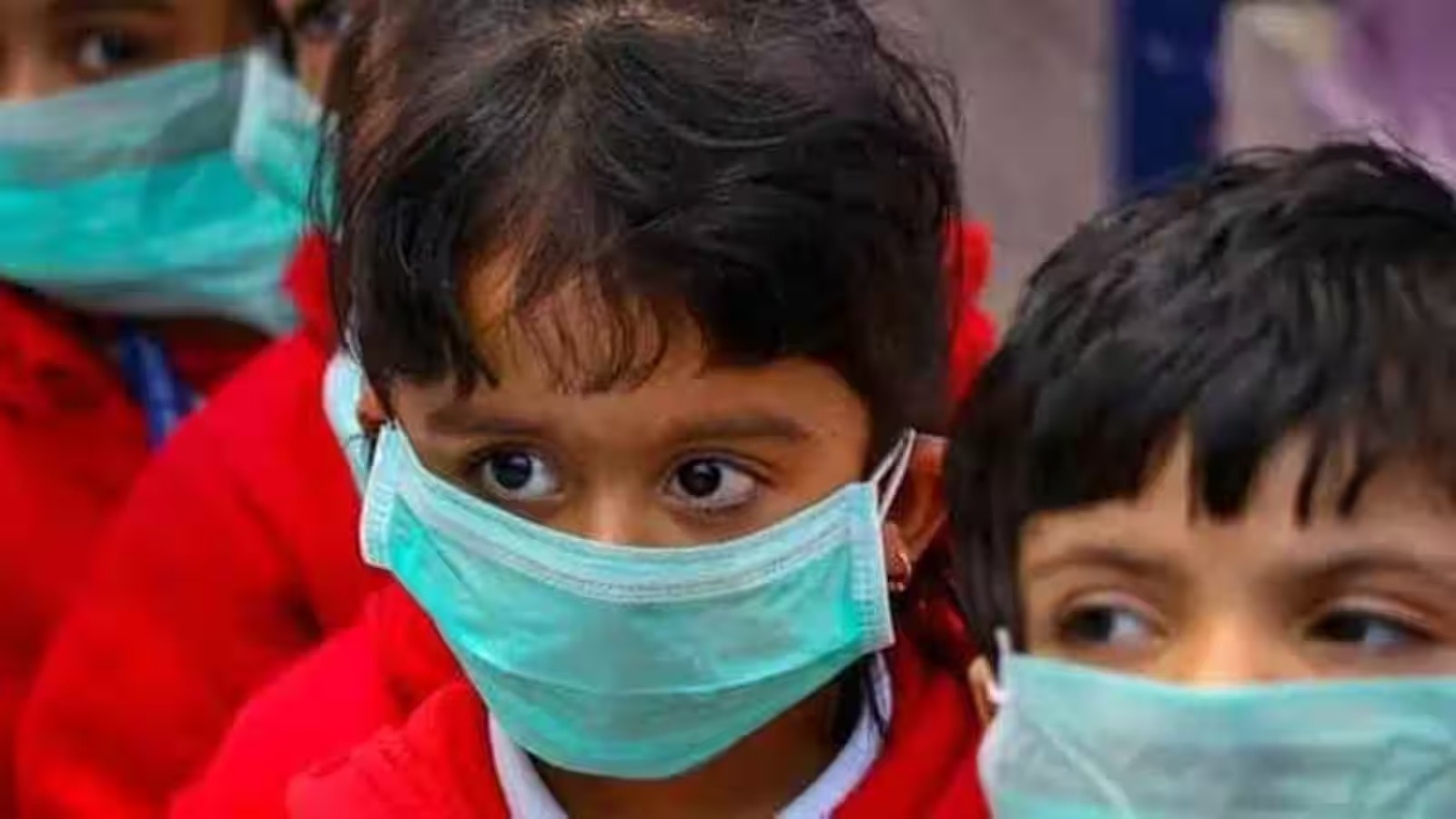
Bengal health authorities have been asked to be vigilant after the state recorded a big spike in adenovirus cases that has led to pediatric wards in state-run and private hospitals filling up fast. Health officials say at least 32 per cent of samples sent to the National Institute of Cholera and Enteric Diseases (ICMR-NICED) in Kolkata since January have tested positive for the virus. Two children – a six-month-old boy and 2.5-year-old girl – died Sunday, though the cause of deaths has not yet been formally identified as the adenovirus, which causes a mild cold, or flu-like, illness that can affect people of all ages.

Adenovirus cases spike in West Bengal: Symptoms, treatment and precautions

Symptoms:

Infected people may have relatively mild symptoms like a cold or flu, a fever, and a sore throat, or acute bronchitis, pneumonia, conjunctivitis and acute gastroenteritis, which is an inflammation of stomach. Adenovirus can cause mild and severe illnesses but the latter is relatively uncommon. People with weak immune systems, existing respiratory or cardiac diseases are at higher risk of developing severe illness from adenovirus.

Transmission:

The virus is usually transmitted by physical contact with an infected person, the United States’ Centers for Disease Control and Prevention said. It can also be spread through the air (via coughs and sneezes) or a patient’s stool; for example, while changing diapers.

Treatment:

There is currently no specific course of treatment or approved antiviral medication. Since most cases are mild, they are managed by pain-killlers or medication to manage symptoms.

Doctors suggest the best way to tackle the infection is prevention. Steps to avoid getting infected include avoiding touching your eyes, nose or mouth with contaminated hands and to regularly use soap or sanitiser to wash your hands.

Read more at-https://bit.ly/3lQDddM

Categories
COVID-19 Government Guidelines Medical Equipments Medical Updates

COVID-19 infection increases diabetes risk: Research

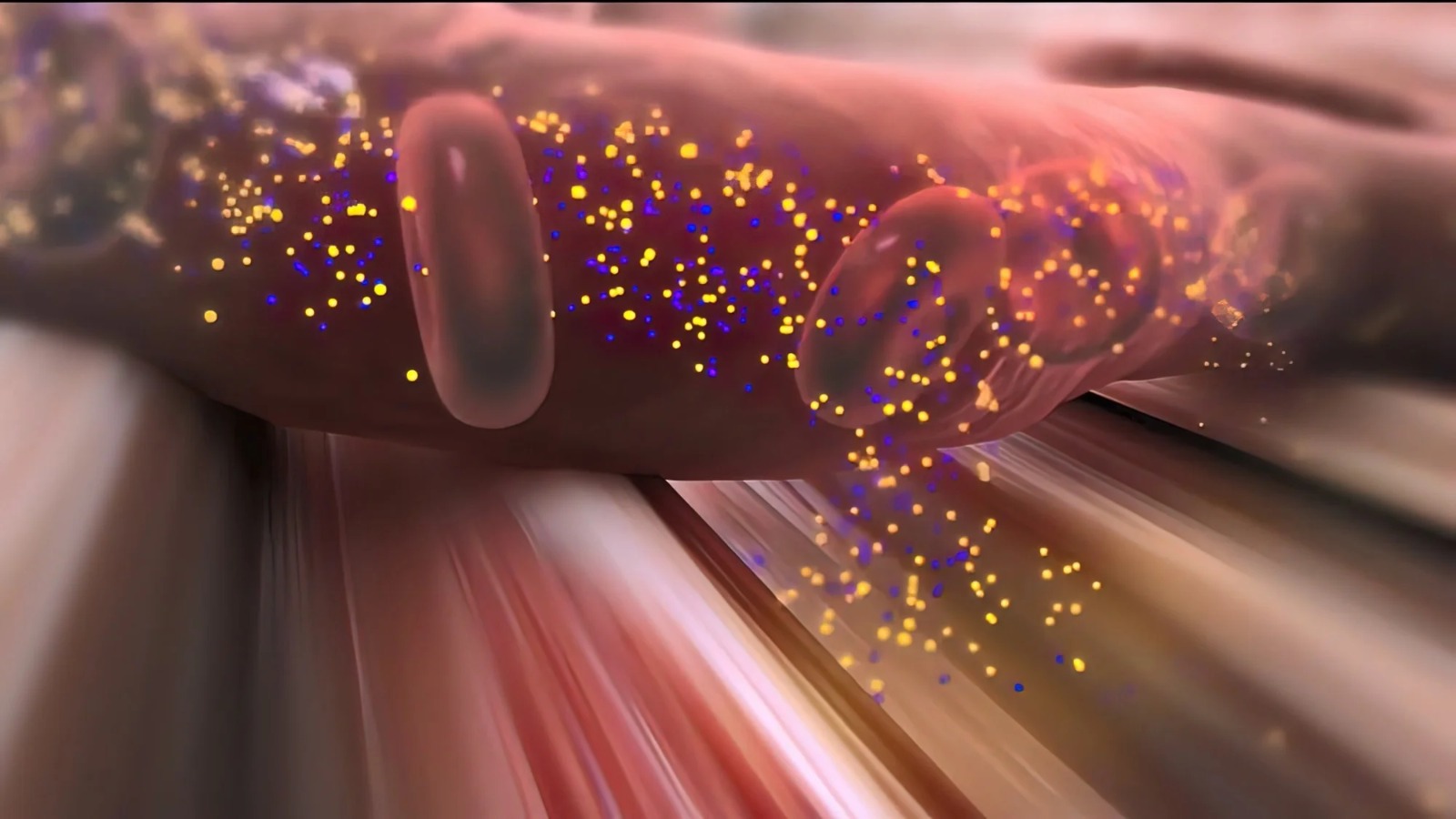
Diabetes disrupts normal metabolism and metabolic processes, preventing the pancreas from producing enough insulin, a hormone that helps regulate blood levels of glucose and amino acids.

Those who have undergone COVID-19 have a higher risk of having new-onset diabetes, which is the main cause of cardiovascular disease, according to research from Cedars-Smidt Sinai’s Heart Center.

The findings, published in the journal JAMA Network Open, also suggest that the risk of Type 2 diabetes appears lower in individuals who were already vaccinated against COVID-19 by the time they were infected.

“Our results verify that the risk of developing Type 2 diabetes after a COVID-19 infection was not just an early observation but, in fact, a real risk that has, unfortunately, persisted through the Omicron era,” said Alan Kwan, MD, first and corresponding author of the study and a cardiovascular physician in the Smidt Heart Institute at Cedars-Sinai.

The trend, Kwan says, is concerning because most people in the United States will eventually experience a COVID-19 infection. “This research study helps us understand–and better prepare for–the post-COVID-19 era of cardiovascular risk,” Kwan said.
COVID-19 infection increases diabetes risk: Research

To determine the rising rates of diabetes, investigators evaluated medical records from 23,709 adult patients who had at least one documented COVID-19 infection and were treated within the Cedars-Sinai Health System in Los Angeles from 2020-2022. The average patient was 47 years old, and 54% of subjects were female.

Within the study time frame:

– The combined risk of Type 2 diabetes after COVID-19 exposure–accounting for both vaccinated and unvaccinated patients–was 2.1%, with 70% occurring after COVID-19 infection versus 30% happening prior to COVID-19 exposure.

– The risk of Type 2 diabetes after COVID-19 exposure for unvaccinated patients was 2.7%, with 74% occurring after COVID-19 infection versus 26% happening prior to COVID-19 exposure.

– The risk of Type 2 diabetes after COVID-19 exposure for vaccinated patients was 1.0%, with 51% occurring after COVID-19 infection versus 49% happening prior to COVID-19 exposure.

“These results suggest that COVID-19 vaccination prior to infection may provide a protective effect against diabetes risk,” said Kwan. “Although further studies are needed to validate this hypothesis, we remain steadfast in our belief that COVID-19 vaccination remains an important tool in protecting against COVID-19 and the still-uncertain risks that people may experience during the post-infection period.”

Susan Cheng, MD, MPH, senior author of the study, professor of Cardiology, and director for Cardiovascular Population Sciences in the Smidt Heart Institute, says these findings broaden the medical field’s understanding of the effects of COVID-19 on the body, while simultaneously unearthing yet-to-be-answered questions.

“Although we don’t yet know for certain, the trends and patterns that we see in the data suggest that COVID-19 infection could be acting in certain settings like a disease accelerator, amplifying risk for a diagnosis that individuals might have otherwise received later in life,” said Cheng, the Erika J. Glazer Chair in Women’s Cardiovascular Health and Population Science. “So, it could be that instead of being diagnosed with diabetes by age 65, a person with preexisting risk for diabetes might–after a COVID-19 infection–be more likely to develop diabetes by age 45 or 55.”

Diabetes disrupts normal metabolism and metabolic processes, preventing the pancreas from producing enough insulin, a hormone that helps regulate blood levels of glucose and amino acids. Because diabetes can damage vital organs and blood vessels, people with diabetes are at higher risk for heart attack and stroke.

The disease affects an estimated 26 million people in the United States.

This research, Kwan says, is one piece of the puzzle that will help researchers understand how to prevent metabolic as well as cardiovascular disease risk in the future.

“As we learn how to live with COVID-19, we also have to be prepared to recognize and treat the various conditions linked to its aftereffects,” said Kwan. “Our ultimate goal–with every research study we conduct–is to find ways to keep people healthy and able to engage in their everyday activities and lives.”

Read more at-https://bit.ly/3lMXil2

Categories
COVID-19 Government Guidelines Medical Equipments Medical Updates

Health ministry to organise ‘Chintan Shivir’ to explore ways to build trust on Indian drugs

Synopsis

“The aim is to build trust and confidence on the quality of Indian drugs, cosmetics and medical devices in the domestic and global markets.”

The Union Health Ministry will organise a two-day ‘Chintan Shivir’ from February 26 to explore ways to build trust on Indian drugs, cosmetics and medical devices in domestic and export markets and strengthen the regulations to ensure their quality, officials said on Tuesday. The Chintan Shivir on ‘Drugs: Quality Regulations and Enforcement’ holds significance against the backdrop of questions being raised about the quality of some Indian drugs amid instances of Global Pharma Healthcare recalling entire lots of eye drop linked to vision loss in the US and India-made cough syrups being linked to children deaths in Gambia and Uzbekistan.

At the two-day event to be organised in collaboration with the Department of Pharmaceuticals in Hyderabad, experts and officials will review the predictability, transparency and accountability in the regulation of quality of drugs, ensure compliance to Indian pharmacopoeia standards and develop robust network for pharmacovigilance and materiovigilance programmes, the officials said.

The event will also see introduction of digital tools for uniform and effective regulation.

“The aim is to build trust and confidence on the quality of Indian drugs, cosmetics and medical devices in the domestic and global markets.

“Experts will also deliberate on effective enforcement at the field level for ensuring quality, safety and efficacy till the last mile. Discussions will focus on the present enforcement mechanism in place to address spurious, adulterated and substandard drugs, and the necessity for greater coordination between the states and the Centre in this regard and the issues and challenges in enforcement,” an official said.

Health ministry to organise 'Chintan Shivir' to explore ways to build trust on Indian drugs

The shivir will also deliberate on creation of a unified IT platform for all regulatory activities such as an online National Drug Licensing Portal (NDLS).

The Central Drugs Standard Control Organisation (CDSCO) is the regulatory authority and under the Drugs and Cosmetics Act and rules made thereunder, it is responsible for approval of new drugs, conduct of clinical trials, control over the quality of imported drugs in the country and coordination of the activities of State Drug Control Organizations by providing expert advice with a view of bringing about the uniformity in the enforcement of the said Act, the official explained.

The Drugs and Cosmetics Act, 1940 and rules made thereunder have entrusted various responsibilities to Central and state regulators for regulation of drugs and cosmetics. It envisages uniform implementation of the provisions of the Act and rules for ensuring the safety, rights and wellbeing of patients by regulating the drugs and cosmetics.

Read more at-https://bit.ly/3Iy4Ocl

Categories
COVID-19 Government Guidelines Medical Updates Medicine & Health

Organ damage persists in 59% of long Covid patients a year after diagnosis: Study

Scientists have found that organ damage persisted in 59 per cent of long Covid patients a year after initial symptoms, even in those not severely affected when first diagnosed with the virus, according to a new study.

Scientists have found that organ damage persisted in 59 per cent of long Covid patients a year after initial symptoms, even in those not severely affected when first diagnosed with the virus, according to a new study. The study also found that 29 per cent of patients with long COVID had multi-organ impairment, with persistent symptoms and reduced function at six and twelve months, it said.

The comprehensive study of organ impairment in long COVID patients over 12 months focused on patients reporting extreme breathlessness, cognitive dysfunction and poor health-related quality of life, it said.

According to the study, of the 536 patients who were studied, 13 per cent were hospitalised when first diagnosed with COVID-19, with 32 per cent of people taking part in the study being healthcare workers.

The study found that of the 536 patients, 331, or 62 per cent, were identified with organ impairment six months after their initial diagnosis. It is published in the Journal of the Royal Society of Medicine.

Organ damage persists in 59% of long Covid patients a year after diagnosis: Study

These patients were followed up six months later with a 40-minute multi-organ MRI scan (Perspectum’s CoverScan), analysed in Oxford, the study said.

“Symptoms were common at six and twelve months and associated with female gender, younger age and single organ impairment,” said Amitava Banerjee, Professor of Clinical Data Science at the UCL Institute of Health Informatics, UK.

The study reported a reduction in symptoms between six and 12 months, it said. Extreme breathlessness came down from being reported in 38 per cent of the patients to 30 per cent of patients, the study said, while cognitive dysfunction came down from 48 per cent to 38 per cent.

Poor health-related quality of life came down from 57 per cent to 45 per cent of patients, the study said.

“Several studies confirm persistence of symptoms in individuals with long COVID up to one year.

“We now add that three in five people with long COVID have impairment in at least one organ, and one in four have impairment in two or more organs, in some cases without symptoms,” said Banerjee.

“Impact on quality of life and time off work, particularly in healthcare workers, is a major concern for individuals, health systems and economies.

“Many healthcare workers in our study had no prior illness, but of 172 such participants, 19 were still symptomatic at follow-up and off work at a median of 180 days,” said Banerjee.

The underlying mechanisms of long COVID remain elusive, said the researchers, who did not find evidence by symptoms, blood investigations or MRI to clearly define long COVID subtypes, the study said.

They said that future research must consider associations between symptoms, multi-organ impairment and function in larger cohorts.

“Organ impairment in long COVID has implications for symptoms, quality of life and longer-term health, signalling the need for prevention and integrated care for long COVID patients,” said Banerjee.

Read more at-https://bit.ly/3Kc6cmh

Categories
COVID-19 Government Guidelines Medical Updates Medicine & Health

Free sugars linked with higher risk of cardiovascular disease: Study

The authors suggest that replacing free sugars with non-free sugars – mostly those naturally occurring in whole fruits and vegetables – and a higher fibre intake, may help protect against cardiovascular disease.

An increased diet of free sugars – both added sugars and those found naturally in honey and fruit juice linked to an increased risk of cardiovascular disease, according to a study. The findings support the global dietary recommendation to limit free sugar consumption to less than 5 per cent of total daily energy consumption.

The findings of the study were published in BMC Medicine.

Free sugars linked with higher risk of cardiovascular disease: Study

Rebecca Kelly and colleagues analysed data from 110,497 individuals from the UK Biobank who had completed at least two dietary assessments. The researchers tracked individuals for around 9.4 years and during this time, total cardiovascular disease (heart disease and stroke combined), heart disease, and stroke occurred in 4,188, 3,138, and 1,124 participants, respectively.

The authors found total carbohydrate intake was not associated with cardiovascular disease outcomes. However, when looking at the types and sources of carbohydrates consumed, they found that higher free sugar intake from foods such as sugary drinks, fruit juice and sweets, was associated with increased risk of all cardiovascular disease outcomes. For each 5% higher total energy from free sugars, the associated risk of total cardiovascular disease was 7% higher. The authors found that the risk of heart disease was 6% higher, while the risk of stroke was 10% higher. Additionally, consuming five grams higher fibre per day was associated with 4% lower risk of total cardiovascular disease, but this association did not remain significant after accounting for body mass index (BMI).

The authors suggest that replacing free sugars with non-free sugars – mostly those naturally occurring in whole fruits and vegetables – and a higher fibre intake, may help protect against cardiovascular disease.

Read more at-https://bit.ly/3k5OeXT

Categories
COVID-19 Government Guidelines Medical Equipments Medical Updates

Paxlovid reduced hospitalisation, death risk during Omicron wave: Study

Antiviral drug, paxlovid, significantly reduced the likelihood of hospitalisation or death from COVID-19 in people at risk of severe illness during the Omicron wave, according to a study.

Antiviral drug, paxlovid, significantly reduced the likelihood of hospitalisation or death from COVID-19 in people at risk of severe illness during the Omicron wave, according to a study. The research, published in the Canadian Medical Association Journal, aimed to evaluate the effectiveness of paxlovid, a combiantion of nirmatrelvir and ritonavir drugs, in preventing severe illness during the emergence of the Omicron variant.

The researchers from Public Health Ontario looked at data on adults with mild disease in Ontario, Canada who tested positive for SARS-CoV-2 by polymerase chain reaction (PCR) test between April 4 and August 31, 2022.

They compared 8,876 patients treated with nirmatrelvir–ritonavir with 1,68, 669 who were not treated. Most patients were older than 70 years, were vaccinated and had potential drug–drug interactions.

A previous randomised controlled trial conducted before the emergence of the Omicron variant had found nirmatrelvir–ritonavir to be effective at treating patients.

However, that trial did not include people who had been vaccinated or who had potential drug–drug interactions.

Paxlovid reduced hospitalisation, death risk during Omicron wave: Study

“Our study, in conjunction with previous clinical trials and observational research, supports the effectiveness of nirmatrelvir–ritonavir at reducing hospital admission from COVID-19 and all-cause death,” said study lead author Kevin Schwartz from Public Health Ontario.

The researchers found that for every 62 people treated with nirmatrelvir–ritonavir, the medication prevented one case of severe COVID-19.

“This study highlights the importance of testing for SARS-CoV-2 if you have symptoms, and access to Paxlovid for those at risk for severe COVID-19,” Schwartz said.

“If you test positive for COVID-19, are over 60 years of age, or if you have other risk factors for severe infection, such as chronic medical conditions or are undervaccinated, contact your health care provider or pharmacy within 5 days of symptoms starting and ask about Paxlovid,” the scientist added.

Read more at-https://bit.ly/3YxzfFe

Categories
COVID-19 Government Guidelines Medical Equipments Medical Updates

Mucosal vaccines for respiratory viruses are difficult to develop: Study

Vaccines that provide long-lasting protection against influenza, coronaviruses and respiratory syncytial virus (RSV) are difficult to develop. New study, explore the challenges and outline approaches to improved vaccines.

Vaccines that provide long-lasting protection against influenza, coronaviruses and respiratory syncytial virus (RSV) are difficult to develop. In a new review article in Cell Host & Microbe, researchers from the National Institute of Allergy and Infectious Diseases (NIAID), part of the NIH, explore the challenges and outline approaches to improved vaccines. Anthony S. Fauci, M.D., former NIAID director, is an author along with Jeffery K. Taubenberger, M.D., PhD, and David M. Morens, M.D.

Unlike the respiratory viruses that cause measles, mumps and rubella — for which vaccination or recovery from illness provides decades-long protection against future infection — flu, RSV, SARS-CoV-2 and ‘common cold’ coronaviruses share several characteristics that enable them to cause repeated re-infections. These include very short incubation periods, rapid host-to-host transmission and replication in the nasal mucosa rather than throughout the body. This last feature — non-systemic replication — means these viruses do not stimulate the full force of the adaptive immune response, which typically takes a week or more to mount.

A next generation of improved vaccines for mucosa-replicating viruses will require advances in understanding on several fronts, the authors say. For instance, more must be learned about interactions between flu viruses, coronaviruses and RSV and the components of the immune response that operate largely or exclusively in the upper respiratory system. Over time, these interactions have evolved and led to ‘immune tolerance’, wherein the human host tolerates transient, limited infections by viruses that are generally non-lethal to avoid the destructive consequences of an all-out immune system attack.

Mucosal vaccines for respiratory viruses are difficult to develop: Study

The authors note that mucosal immunization appears to be an optimal route of vaccination for the viruses of interest, when feasible. However, to develop useful mucosal vaccines, significant knowledge gaps must be filled including finding ideal vaccine formulations; determining dosage size, frequency and timing; and developing techniques for overcoming immune tolerance.

The NIAID authors urge fellow researchers to ‘think outside the box’ to make strides toward vaccines that can elicit durable protection against these viruses of considerable public health impact. They conclude, “we are excited and invigorated that many investigators…are rethinking, from the ground up, all of our past assumptions and approaches to preventing important respiratory viral diseases and working to find bold new paths forward.”

Read more at-https://bit.ly/3XpXVye

Categories
COVID-19 Government Guidelines Medical Equipments Medical Updates Medicine & Health

Actual Covid infections in India 17 times higher than reported: BHU study

Synopsis

According to government data, nearly 4.5 crore people in India have been infected with COVID-19 so far. However, the study published in the International Journal of Infectious Diseases (IJID) estimated that the actual coronavirus cases in the country may be between 58 to 98 crores.

The actual COVID-19 infections in India may be around 17 times higher than the official figure, a study led by researchers at Banaras Hindu University (BHU) suggests. According to government data, nearly 4.5 crore people in India have been infected with COVID-19 so far. However, the study published in the International Journal of Infectious Diseases (IJID) estimated that the actual coronavirus cases in the country may be between 58 to 98 crores.

The research “has shown that the actual corona infection in India was at least 17 times higher,” according to a statement by BHU.

“The discrepancy observed in our study is due to the overwhelming number of asymptomatic people, which was several-fold higher than the true official infection,” said BHU geneticist Professor Gyaneshwer Chaubey.

“Asymptomatic cases were more inclined towards the younger population,” Chaubey, who led the study, told PTI.

The study involved 88 scientists from 34 research institutes across the country.

Actual Covid infections in India 17 times higher than reported: BHU study

The team conducted serosurvey (antibody testing) among 2,301 individuals in urban areas of fourteen Indian districts in six states during the month of September-December 2020.

The most striking aspect of this study was that a large proportion of the Indian population was asymptomatic for COVID infection and the age group 26-35 had the maximum number of asymptomatic people, the researchers said.

The team conducted the research among a large number of people — street vendors — living in urban areas from fourteen Indian districts who are most at risk of corona infection.

“For the first time, we have used a novel approach to estimate the frequency of people infected in a certain geographical region,” said BHU’s Prajjval Pratap Singh, the study’s first author.

Samples were taken of only those people who self-reported that they never had any Covid symptoms or positive RT PCR test.

The minimum proportion of antibody-positive people was observed in Raipur district of Chhattisgarh (2 per cent), while the maximum proportion of antibody-positive persons was found in Ghazipur district (47 per cent) of Uttar Pradesh.

The research also revealed that the cases reported by the government were several times lower than the actual incidence of infection.

Through mathematical calculations, it was estimated that the actual corona cases in India are between 58 to 98 crores, the researchers said.

“The extensive serosurveillance has enabled us to have a clear picture rather than antigen testing or RT-PCR test,” said Professor VN Mishra from BHU, who led the medical testing in the study.

India on Wednesday recorded 96 fresh COVID-19 cases, while the number of active cases increased to 1,785, according to Union health ministry data.

With the new cases, the total tally stands at 4.46 crore (4,46,83,639). The death toll increased to 5,30,746 with one death reported from Uttara pardesh the data stated.

Read more at-https://bit.ly/3RSmsuy

Categories
Government Guidelines Medical Equipments Medical Updates

Health expert on how Mechanical Thrombectomy is extremely beneficial for stroke patients

Currently, stroke cases are rising at a rapid rate in India and it is commonly seen in elderly people but there are rare instances of youngsters getting affected too. Did you know that mechanical thrombectomy can be helpful to recover from a stroke?

stroke, or brain attack, happens when blood flow to your brain is reduced or interrupted so, health experts recommend B.E.F.A.S.T (Balance Loss, Eyesight Blurring or Loss, Facial drooping, Arm weakness, Speech difficulties and Time) treatment within the golden hour of the stroke to recover without any severe complications. Currently, stroke cases are rising at a rapid rate in the country where stroke is commonly seen in elderly people but there are rare instances of youngsters getting affected too.

Moreover, it can lead to higher mortality and morbidity rates all over the world but did you know that mechanical thrombectomy can be helpful to recover from a stroke? In an interview with HT Lifestyle, Dr Pavan Pai, Consultant Interventional Neurologist at Wockhardt Hospital on Mira Road, explained, “Mechanical Thrombectomy is a type of interventional procedure that is extremely beneficial for stroke patients. This procedure will help to remove a blood clot from the artery that supplies blood to the brain. Speak to your doctor about it. Remember that timely intervention is beneficial for stroke patients.”

Health expert on how Mechanical Thrombectomy is extremely beneficial for stroke patients

Highlighting that a stroke can affect the mobility of the patient, he elaborated, “Many patients get paralysed after a stroke. If an emergency like a brain stroke occurs, know that in a large artery occlusion after IV thrombolysis within window period of 4.5 hours or when a TPA cannot be opted for due to recent surgery or outside window period situation then mechanical thrombectomy is a safe option that is preferred by the Doctors. Put in simple words, mechanical thrombectomy is one of the safest options to manage brain stroke by removing clots that clog the arteries that are responsible for supplying blood to the brain. Thus, this procedure is helpful for patients with acute ischemic stroke i.e. brain stroke victims as the brain does not get blood supply as required. Are you aware? The blood vessels in the brain become narrow because of the fats or plaque.”

He advised, “Diagnostic techniques such as CT or MRI scans can help to know about the blockage of the artery and then only the doctor will be able to decide if the patient is fit to undergo, mechanical thrombectomy. For good clinical outcomes Mechanical thrombectomy has to be done within 6 hours of the onset of a stroke in front arteries and upto 12 hours in arteries supplying back of the brain. In certain situations it can be done upto 24 hours. This process means recanalization or re-opening and restoration of normal blood flow which is done via groin or wrist arteries.”

Dr Pavan Pai revealed, “During this procedure, an aspiration catheter or stent retriever or sometimes both are advanced into the site of the occlusion. There is X-ray imaging is used to check if the stent goes past the clot, clears the clot, and resumes the blood flow. The hospitals should be well-equipped to perform this procedure under the guidance of a skilled expert. The impact of this surgery is immediate and many patients become disability free after the procedure. Those who don’t show immediate recovery show better functionality at the end of 3 months than their counterparts who hadn’t undergone the procedure in the window period initially.”

Read more at-https://bit.ly/40MLIpU

Categories
COVID-19 Government Guidelines Medical Updates Medicine & Health

India reports 109 new covid cases

Covid cases are declining across the country with daily and weekly positivity recorded at 0.08%.

India has reported 109 new covid cases in the last 24 hours, with active cases declining to 1,781, the union health ministry data on Thursday showed. ‘

The total number of covid cases has reached 4.47 crore, and covid related deaths stood at 530,748 since the onset of covid pandemic.

Covid cases are declining across the country with daily and weekly positivity recorded at 0.08%.

Karnataka reported 108 active cases while Kerala has 1218 active cases. Maharashtra has 83 active cases, Odisha 88 cases, Rajasthan 10 cases, Tamil Nadu 36 active cases, Uttar Pradesh 16 and West Bengal 43 cases.

Around 4,41,51,219 people have recovered from the infection with the current recovery rate touching 98.81%.

With the rapid decline in the trajectory of covid cases, scientists believe that Omicron and its sub-lineages will not affect India as large number of populations is already exposed to the virus and vaccinated. Scientists say that people in India have developed hybrid immunity (due to vaccination and natural infection). However, they suggest people wear masks in crowded places and complete their vaccination doses if not done yet.

India reports 109 new covid cases

At present, large number of cases are being reported in China and other countries as a result of which the government has tightened covid preparedness measures. The government has directed the INSACOG under the supervision of Department of Biotechnology (DBT) to keep a close watch on covid situation in the country and continue to do constant genome sequencing to track any new variant.

The government is conducting RT-PCR testing for people returning from China, Hong Kong, Japan, Singapore, Thailand, and South Korea and mandated the filling up of ‘Air Suvidha’ forms for travelers from six countries under which 72-hour prior RT-PCR testing is compulsory.

The country has conducted over 1,41,248 tests in the last 24 hours taking the total trajectory of covid testing to 91.67 crore so far.

Under the covid vaccination drive, more than 220.61 crore vaccine doses have been administered to the people across the country so far. In the last 24 hours, around 1,13,507 vaccine doses were administered.

Besides, surveillance at the hospital level is also going on to monitor lnfluenza-like illness (lLl) & SARI cases.

Read more at-https://bit.ly/3loHftC