Categories
Medical Equipments Medical Updates Medicine & Health

ASG Eye Hospitals takes operation control of Vasan Eye Care

Synopsis

Investors of ASG Eye Hospitals include Foundation Holdings, General Atlantic, and Kedaara Capital. The investors would work closely with the teams of ASG and Vasan to realise the vision of becoming the leading eye care franchise in India by providing high quality eye care services. Foundation Holdings Managing Director Aakash Sachdev, who is also the ASG Eye Hospitals Director, said the strategic acquisition marks an exciting time for ASG and Vasan and a historic milestone in the eye care sector.

Rajasthan-headquartered ASG Eye Hospitals has commenced steps to take operational control of Vasan Eye Care following the completion of all formalities and transfer of ownership, the eye care provider said on Saturday. Post the merger, Vasan Eye Care would remain as an independent eye care brand, ASG Eye Hospitals said.

On February 3, National Company Law Tribunal approved the resolution plan of ASG Hospitals to acquire Vasan Healthcare Pvt Ltd with a bid value of Rs 526 crore with 98 per cent of the votes received from the Committee of Creditors.

The successful completion of acquisition marks a significant milestone in ASG Eye Hospitals’ journey to expand into new and underserved markets in India and make quality eye care accessible to all,” ASG Eye Hospitals said.

ASG Eye Hospitals takes operation control of Vasan Eye Care

Commenting on the development, ASG Eye Hospital Pvt Ltd Chairman and Managing Director Arun Singhvi said: “Post this strategic acquisition, we are proud to expand our network presence in South India. Vasan Eye Care is a valued and respected name in eye care and will continue as an independent brand.”
ASG Eye Hospitals, based in Jodhpur, has served over 7.5 million people through its 54 state-of-the-art speciality eye care hospitals across 17 states in the country. It has a presence abroad in Uganda and Nepal as well.

With the addition of Vasan Eye Care, the network of ASG Eye Hospitals would increase to over 150 across India with presence in 21 states, it said.
The strategic acquisition would strengthen ASG’s position in the healthcare industry and enhance its market presence, ASG Eye Hospitals said.

“We are delighted to welcome the Vasan team to the ASG family to join our mission to enhance the delivery of quality eye care for all and improve the quality of life across India.” Singhvi said.

“We look forward to working closely with all stakeholders in the Vasan ecosystem to ensure a seamless transition as we continue to deliver unparalleled patient care,” he said.

Investors of ASG Eye Hospitals include Foundation Holdings, General Atlantic, and Kedaara Capital. The investors would work closely with the teams of ASG and Vasan to realise the vision of becoming the leading eye care franchise in India by providing high quality eye care services.

Foundation Holdings Managing Director Aakash Sachdev, who is also the ASG Eye Hospitals Director, said the strategic acquisition marks an exciting time for ASG and Vasan and a historic milestone in the eye care sector.

The Vasan acquisition will be a perfect geographic fit with ASG and a unique opportunity to establish ASG as a world-class healthcare delivery platform with a scaled South India presence and pan-India reach,” he said.

Vasan Eye Care network is a premier institution of eye care hospitals in the country and has been serving over six million patients every year. It has over 100 super speciality eye care hospitals in its network, Vasan Eye Care said in its website.

Read more at-https://bit.ly/3mwi88w

Categories
COVID-19 Government Guidelines Medical Equipments Medical Updates

AIIMS Delhi to set up robotic surgery training facility

Synopsis

It said that robotic-assisted surgery is one of the newest areas of innovation in minimally invasive surgery. AIIMS Delhi has been an early adopter of this innovation in medical technology and has a talent pool of faculty using robotic surgical systems for many years.

AIIMS Delhi will soon set up a robotic surgery training facility in its campus here to train its doctors and other healthcare professionals across India. The premier hospital will float an open expression of interest (EOI) to invite Robotic Surgery System manufacturers (OEMs) to co-create and develop robotic surgery training facilities at AIIMS on a not-for-profit basis within the next 3-6 months, according to an office memorandum issued by AIIMS director Dr M Srinivas said on Friday.

AIIMS Delhi will provide around 500 sq ft of space, academic areas, cadavers/tissues for training and a pool of trained faculty among others, the memorandum stated.

It said that robotic-assisted surgery is one of the newest areas of innovation in minimally invasive surgery. AIIMS Delhi has been an early adopter of this innovation in medical technology and has a talent pool of faculty using robotic surgical systems for many years.

AIIMS Delhi to set up robotic surgery training facility

“Keeping in view the availability of adequate number of master trainers at AlIMS New Delhi, there is an immediate requirement to establish Robotic Surgery Training Facilities herein for imparting training to doctors from AIIMS New Delhi and other healthcare facilities in India,” the memorandum said.

“Accordingly, it is desired that an open expression of interest (EOI) should be floated to invite Robotic Surgery System manufacturers (OEMs) to co-create and develop Robotic Surgery Training facilities at various campuses of AIIMS, New Delhi on not-for-profit basis within the next 3-6 months,” it said.

The OEMS shall be expected to install the complete robotic surgery training platform and provide related accessories and consumables, etc free of cost. OEMS may at their own cost, also invite external experts for imparting training on any newer techniques with the prior permission of AIIMS, New Delhi, the document stated.

Read more at-https://bit.ly/3ZmAt6w

Categories
COVID-19 Government Guidelines Medical Equipments Medical Updates Medicine & Health

Influenza (flu) vs Covid: Symptoms, differences and similarities

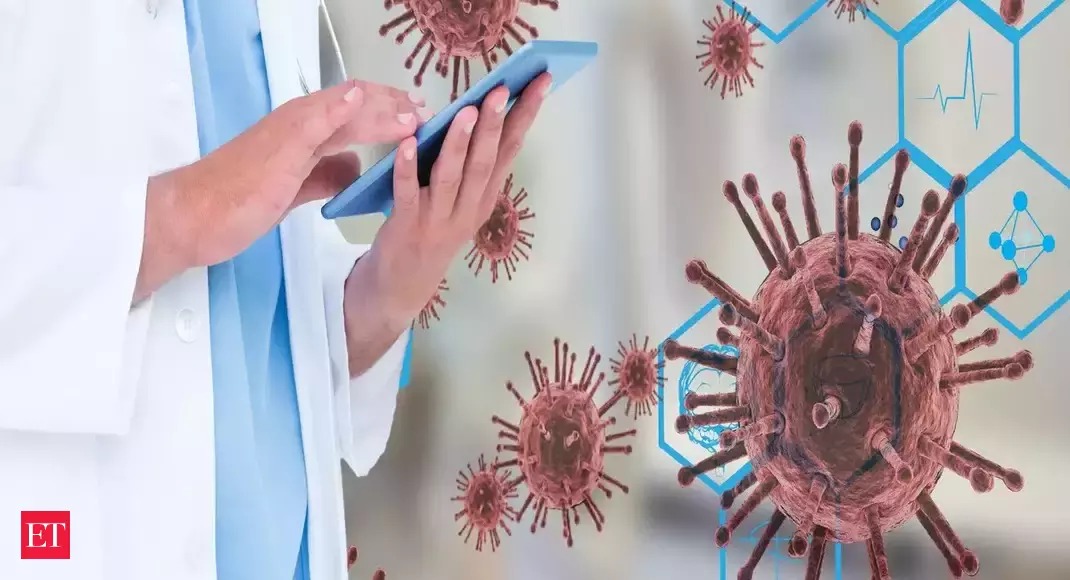
Despite the fact that COVID-19 and influenza (flu) are both contagious respiratory illnesses, they are caused by separate viruses. COVID-19 is induced by contact with a coronavirus (SARS-CoV-2) that was discovered in 2019. Flu is caused by infection with a flu virus (influenza viruses).

From no signs (asymptomatic) to severe symptoms, COVID-19 and the flu can both have a range of symptoms. The flu and COVID-19 both commonly exhibit these symptoms:

Experiencing chills or feeling feverish, Cough, Respiratory issues or shortness of breath, Fatigue, Sore throat, Runny or congested nostrils, Headache, Vomiting, Diarrhea (more common in children with flu, but can occur in any age with COVID-19), Taste or scent alteration or loss, though this occurs more frequently with COVID-19.

How does it spread?

Similarities:

People who are close to or in direct contact with one another are more likely to contract COVID-19 or the flu. Both are primarily transmitted by virus-containing large and small particles that are released when COVID-19 or flu patients cough, sneeze, or talk. Majority of transmission occurs through the inhalation of large and tiny droplets, it is still possible for someone to become infected by touching another person who has the virus

Differences:

Superspreading episodes for COVID-19 have been found to be higher than those for flu. This implies that the virus that causes COVID-19 can rapidly and easily spread to a large number of people and cause ongoing spreading among people over time.
People without symptoms, people with very mild symptoms, and people who never experience symptoms can all transmit the virus that causes COVID-19 to others (asymptomatic people).

Similarities: For both COVID-19 and the flu, it may take one or more days for a person to start showing signs after contracting the infection. The virus that causes COVID-19 can be contracted even if no signs are present. Flu viruses can also infect people even when they show no signs.

Differences: Compared to the flu, COVID-19 patients may encounter symptoms later in the course of the illness where as an individual typically experiences symptoms one to four days after infection in flu.

Influenza (flu) vs Covid: Symptoms, differences and similarities

Differences:
Compared to the flu, COVID-19 may render an individual more contagious for a prolonged period of time.

Flu
Before showing symptoms, people who have the flu virus are possibly contagious for about one day. However, it is thought that the majority of those who transmit the flu virus infection are already exhibiting flu-like symptoms.
Although some individuals may continue to be contagious for a little longer periods, older children and adults with the flu appear to be most contagious during the first 3–4 days of their illness.

COVID-19
The COVID-19 virus can start spreading between two and three days before symptoms appear, but it reaches its highest infectiousness the day before symptoms start. The COVID-19 virus can also propagate among people even when they are asymptomatic. People are typically deemed contagious for eight days after the onset of their symptoms.

Similarities: COVID-19 and the flu both have the potential to cause serious sickness and complications. Those at higher risk comprise of older people, individuals with particular underlying medical problems, pregnant women.

Differences:

Even healthy individuals can develop a severe COVID-19 illness that requires hospitalisation and results in death. Some COVID-19 patients may go on to acquire multisystem inflammatory syndrome or post-COVID conditions (MIS)

Certified treatments

Similarities:

People who are more likely to develop complications or who have been admitted to the hospital with COVID-19 or the flu should receive the proposed treatments and supportive care to assist with symptom relief and complications.

Differences:

Flu
Guidelines for treating COVID-19 have been established by the National Institutes of Health (NIH), and they are frequently updated as new information about potential treatments becomes available. Antiviral therapy is included here for individuals who aren’t admitted but are at higher risk.

COVID-19
Guidelines for treating COVID-19 have been established by the National Institutes of Health (NIH), and they are frequently updated as new information about potential treatments becomes accessible. This covers both antiviral treatment for patients hospitalised with severe COVID-19 and antiviral treatment for non-hospitalized individuals at higher risk for the virus. People who are more likely to develop severe COVID-19 should get help as soon as their first symptoms appear.

Read more at-https://bit.ly/3SIeeWe

Categories
COVID-19 Government Guidelines Medical Updates

Early-life stress can disrupt brain’s reward circuits: Research

In addition to CRH, projection fibres co-expressed gamma-aminobutyric acid. They found that this new pathway, when stimulated, suppresses several types of reward behaviours in male mice.

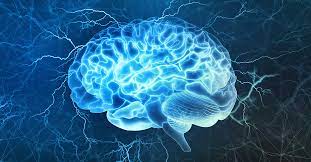
A novel brain link may provide a new therapeutic target for the treatment of mental illness by explaining how early stress and adversity cause the reward circuit in the brain to function improperly. This circuit’s dysfunction is regarded to be the root cause of a number of severe illnesses, including depression, drug misuse, and excessive risk-taking.

In an article recently published online in Nature Communications, Dr Tallie Z. Baram, senior author and UCI Donald Bren Professor and Distinguished Professor in the Departments of Anatomy & Neurobiology, Pediatrics, Neurology and Physiology & Biophysics, and Matt Birnie, lead author and a postdoctoral researcher, describe the cellular changes in the brain’s circuitry caused by exposure to adversity during childhood.

“We know that early-life stress impacts the brain, but until now, we didn’t know how,” Baram said. “Our team focused on identifying potentially stress-sensitive brain pathways. We discovered a new pathway within the reward circuit that expresses a molecule called corticotropin-releasing hormone that controls our responses to stress. We found that adverse experiences cause this brain pathway to be overactive.”

“These changes to the pathway disrupt reward behaviours, reducing pleasure and motivation for fun, food and sex cues in mice,” she said. “In humans, such behavioural changes, called ‘anhedonia,’ are associated with emotional disorders. Importantly, we discovered that when we silence this pathway using modern technology, we restore the brain’s normal reward behaviours.”

Early-life stress can disrupt brain's reward circuits

Researchers mapped all the CRH-expressing connections to the nucleus accumbens, a pleasure and motivation hub in the brain, and found a previously unknown projection arising from the basolateral amygdala. In addition to CRH, projection fibres co-expressed gamma-aminobutyric acid. They found that this new pathway, when stimulated, suppresses several types of reward behaviours in male mice.

The study involved two groups of male and female mice. One was exposed to adversity early in life by living for a week in cages with limited bedding and nesting material, and the other was reared in typical cages. As adults, the early adversity-experiencing male mice had little interest in sweet foods or sex cues compared to typically reared mice. In contrast, adversity-experiencing females craved rich, sweet food. Inhibiting the pathway restored normal reward behaviours in males, yet it had no effect in females.

“We believe that our findings provide breakthrough insights into the impact of early-life adversity on brain development and specifically on control of reward behaviours that underlie many emotional disorders. Our discovery of the previously unknown circuit function of the basolateral amygdala-nucleus accumbens brain pathway deepens our understanding of this complex mechanism and identifies a significant new therapeutic target.” Baram said. “Future studies are needed to increase our understanding of the different and sex-specific effects of early-life adversity on behaviour.”

Read more at-https://bit.ly/3m9iulk

Categories
Medical Equipments Medical Updates Medicine & Health

Brain disorders and human cognition: An insight

Human intellect is a distinguishing aspect of human evolution that distinguishes humans from other apes. Despite the fact that there have been over 100 million mutations since the human-chimp split, only a small percentage of these have been shown to be relevant.

Computer modelling was used by National Institutes of Health (NIH) researchers to find mutations in the human genome that are likely to have changed how human intelligence evolved. This groundbreaking human genomics study may advance our understanding of human health and pave the way for the creation of novel treatments for challenging brain diseases.

The study’s findings were released in Science Advances.

Human intellect is a distinguishing aspect of human evolution that distinguishes humans from other apes. Despite the fact that there have been over 100 million mutations since the human-chimp split, only a small percentage of these have been shown to be relevant. Researchers from the National Library of Medicine (NLM) and the National Cancer Institute (NCI) developed an artificial intelligence (AI) model of gene regulation in the human brain to help them traverse this huge terrain of genetic alterations. The model discovered hundreds of mutations that are likely influencing neocortical development and enhancing mathematical ability acquisition via changed brain gene regulatory pathways.

When the human genome was sequenced in 2001, researchers learned that only 2 per cent of the sequence of our genome is used for coding genes that, in turn, translate into proteins. This is the sequence information that is being used by every single cell. The function of the other 98 per cent of our DNA — often referred to as “noncoding DNA” — remains relatively unknown. It is believed that 95 per cent of disease associations hide within these noncoding parts of our genome.

Brain disorders and human cognition: An insight

The research group of Ivan Ovcharenko, PhD, senior investigator in the Computational Biology Branch of NLM’s Intramural Research Program teamed up with the research group of Sridhar Hannenhalli, PhD, senior investigator in NCI’s Center for Cancer Research to create an AI model that measures the effect of noncoding genome mutations on human brain function and development. This led to the identification of a group of noncoding mutations disrupting brain regulatory pathways and potentially causing various complex brain disorders, including autism.

“There are treasure islands within the sea of noncoding DNA in the human genome that are critically important for regulating human genes,” said Dr Ovcharenko.

“Mutations in these regions are largely benign, but there is a class of mutations which detrimentally impact the function of regulatory regions in the brain and affect cellular activity there. By being able to address the impact of individual mutations, we are advancing towards understanding the mechanism of complex diseases and disorders and paving the way for the development of novel therapeutic approaches.” (ANI)

Read more at-https://bit.ly/3ZplqZp

Categories
Medical Equipments Medical Updates Medicine & Health

National Protein Day: Everyday tips for healthy protein consumption

While it is important to consume enough protein, it is also crucial to ensure that the sources of protein are healthy and nutritious. Check out some expert approved tips for healthy protein consumption.

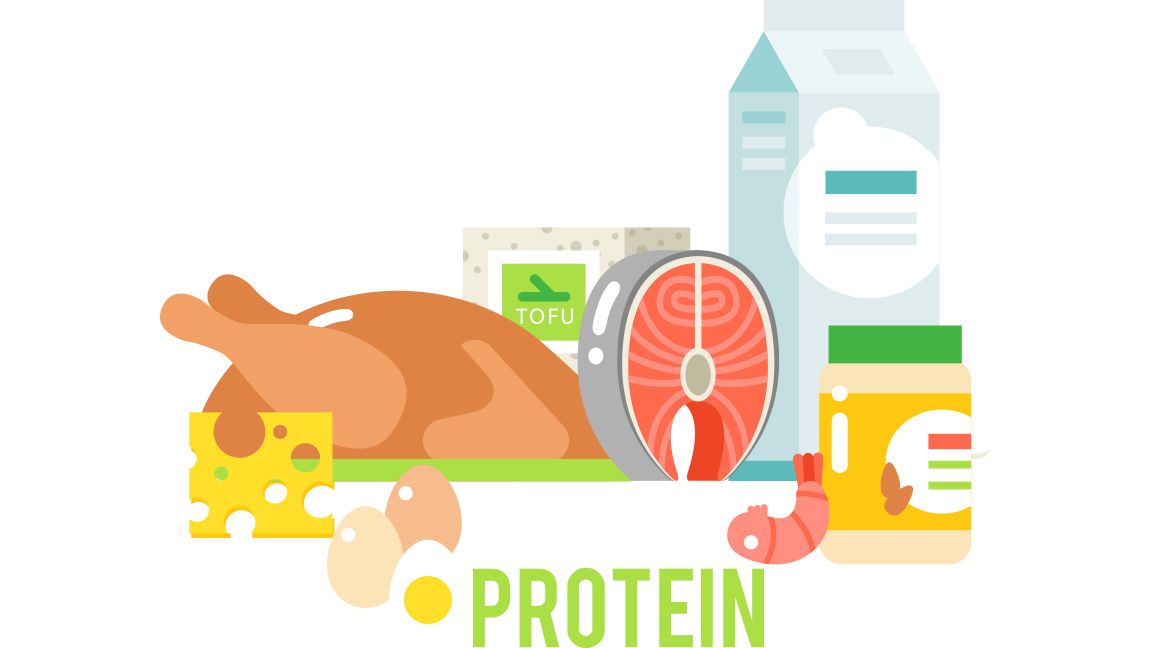
Protein is an essential macronutrient that plays a vital role in building and repairing tissues, regulating hormones, and supporting a healthy immune system. While it is important to consume enough protein, it is also crucial to ensure that the sources of protein are healthy and nutritious. Despite its many benefits, many people struggle to consume enough protein in their diet, which can lead to a host of health problems. That’s why National Protein Day is an excellent opportunity to focus on incorporating more high-quality protein into your daily routine. Whether you’re a vegetarian, vegan, or meat-eater, there are plenty of delicious and healthy protein-rich foods to choose from.

On National Protein Day, Soumava Sengupta, CEO, BUILD., shared some tips with HT Lifestyle for healthy protein consumption.

National Protein Day: Everyday tips for healthy protein consumption

1. Choose lean protein sources: Lean protein sources such as chicken, turkey, fish, and legumes are excellent options for healthy protein consumption. They are low in saturated fat and provide important nutrients like iron, zinc, and vitamin B12.

2. Incorporate plant-based proteins: Plant-based proteins such as tofu, tempeh, nuts, and seeds are great sources of protein for vegetarians and vegans. They are also typically high in fibre and other important nutrients.

3. Don’t forget about eggs: Eggs are an excellent source of protein, as well as vitamin D, vitamin B12, and choline. Aim to incorporate eggs into your diet in a variety of ways, such as scrambled, hard-boiled, or in omelettes.

4. Use protein powder wisely: Protein powder/whey proteins can be a convenient way to add protein to your diet, but it is important to choose a high-quality, minimally processed brand. Additionally, be mindful of added sugars and other additives in protein powders.

5. Balance your meals: When planning meals, aim to include a source of protein, carbohydrates, and healthy fats. This will not only help ensure that you are getting enough protein but also help keep you feeling full and satisfied.

6. Snack smart: Snacks can be a great opportunity to sneak in some extra protein. Some healthy protein-packed snack options include Greek yogurt, string cheese, and hummus with veggies.

7. Watch your portions: While protein is important, it is also important not to overdo it. Aim for a portion size of about 3-4 ounces of lean protein per meal.

8. Stay hydrated: Drinking enough water is important for overall health, including proper digestion and absorption of nutrients like protein. Aim to drink at least 8 cups of water per day.

Incorporating healthy protein sources into your diet is essential for overall health and wellness. By choosing lean protein sources, incorporating plant-based proteins, and balancing your meals, you can ensure that you are getting enough protein to support your body’s needs.

Additionally, snacking smart and watching your portions can help you avoid overdoing it on protein. With these everyday tips for healthy protein consumption, you can feel confident that you are providing your body with the nutrients it needs to thrive.

Read more at-https://bit.ly/3kw32zs

Categories
Medical Equipments Medical Updates Medicine & Health

Autoimmune liver disease: Warning signs, lifestyle changes, treatment

The exact cause of autoimmune liver disease is not known, but it is believed to be a combination of genetic and environmental factors. Here’s all you want to know.

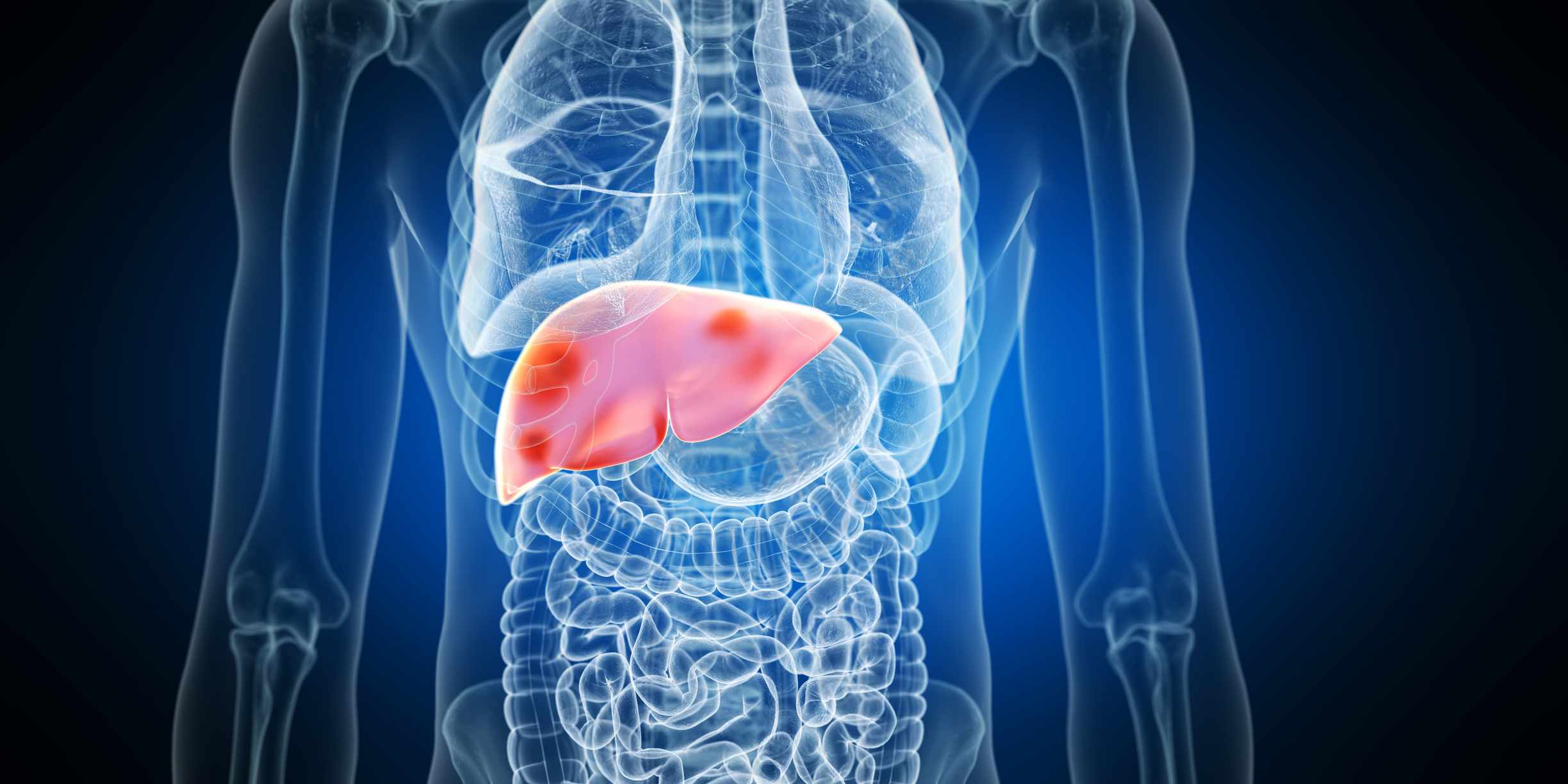
Autoimmune liver disease is a condition where the body’s immune system mistakenly attacks the liver cells, leading to inflammation and damage to the liver. Sometimes, people suffering from this condition do not have symptoms unless serious damage is caused. Having a family history of autoimmune diseases, certain infections or hormonal imbalances during pregnancy or menopause can also trigger this. Some of the symptoms of autoimmune liver disease includes fatigue, abdominal discomfort, yellowing of the skin and whites of the eyes, an enlarged liver, abnormal blood vessels on skin, skin rashes, joint pain, loss of menstrual periods among others.

There are two main types of autoimmune liver disease: autoimmune hepatitis (AIH) and primary biliary cholangitis (PBC).

Autoimmune liver disease: Warning signs, lifestyle changes, treatment

Causes of autoimmune liver disease

“The exact cause of autoimmune liver disease is not known, but it is believed to be a combination of genetic and environmental factors. Some risk factors for developing autoimmune liver disease include family history of autoimmune disease, certain infections, such as hepatitis A, B, or C, exposure to certain drugs or toxins, hormonal imbalances, such as during pregnancy or menopause, autoimmune disorders, such as rheumatoid arthritis or lupus,” says Dr Neerav Goyal, Senior Consultant, Liver Transplant, Indraprastha Apollo Hospitals, New Delhi.

Treatment of autoimmune liver disease

The treatment for autoimmune liver disease depends on the specific type and severity of the condition. In general, the goal of treatment is to reduce inflammation, slow or stop the progression of liver damage, and manage symptoms.

Dr Goyal suggests the following treatments:

1. Medications: Immunosuppressive medications, such as corticosteroids and azathioprine, are often used to suppress the immune system and reduce inflammation.

2. Ursodeoxycholic acid: This medication is often used in the treatment of primary biliary cholangitis. It helps to slow down the progression of liver damage and relieve some symptoms.

3. Liver transplant: In severe cases where the liver has sustained significant damage, a liver transplant may be necessary. During a liver transplant, the damaged liver is replaced with a healthy liver from a donor.

4. Lifestyle changes: Making healthy lifestyle choices, such as maintaining a healthy weight, avoiding alcohol and tobacco, and getting regular exercise, can help improve liver function and overall health.

It is important to work closely with a healthcare provider to develop a treatment plan that is tailored to the individual’s needs and goals. Regular monitoring of liver function and symptoms is also necessary to track the progression of the disease and adjust treatment as needed.

Read more at-https://bit.ly/3KAw7Ei

Categories
COVID-19 Government Guidelines Medical Equipments Medical Updates

What is a stem cell transplant?

A third patient was reported HIV-free this week after receiving a stem cell transplant. Here’s everything you need to know about the procedure.

A study published February 9 declared a third person free of HIV after receiving a specific type of bone marrow, or stem cell, transplant. The 53-year-old man, who researchers are calling the “Düsseldorf” patient, received the treatment in 2013 and has been monitored since.

Like the two others — known as the “Berlin” and “London” patients, respectively — the man was positive for Type 1 HIV (HIV-1) and received a specific type of stem cell transplant to help treat a cancer diagnosis.

Both the Düsseldorf and Berlin patients had leukemia, while the London patient had Hodgkin’s lymphoma. (Also Read | ‘Duesseldorf patient’ cured of HIV, cancer after stem cell transplant: Study)

What is a stem cell transplant?

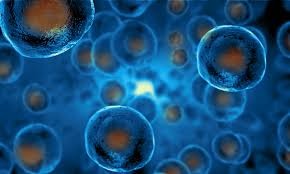
What are stem cells?

“Stem cell” is an umbrella term that refers to cells that are constantly dividing and have the potential to form different cell types.

Most of the body’s cells are very specialized and can’t change type — they will be stuck as heart muscle cells, neurons or intestine wall cells for the rest of their “lives”.

In contrast, stem cells are more like teenagers about to graduate high school.

They have the potential to become pretty much anything — a lawyer, nurse, scientist, journalist, influencer or TikToker — and must adapt to new trends.

What are hematopoietic stem cells?

The three HIV-free patients all received an allogenic hematopoietic stem cell (HSC) transplant.

The terms “bone marrow” and “stem cell” are often used interchangeably when talking about this procedure, because there are HSCs in our bone marrow.

HSCs are a cell-producing machinery that can give rise to blood and immune system cells through a process called hematopoiesis, which comes from two Greek words that together mean “blood making”.

You might not realize it, but every day HSCs produce around 300 billion new cells in your bone marrow.

Different types of stem cells

But not all teenagers are equally flexible when it comes to figuring out what they want to become. Some may be really into art, while others may be passionate about science and incapable of drawing a tree.

Stem cells also have different types of potential. Some can generate many different cell types, while others only a few.

Pluripotent stem cells can generate all the different types of cells required for an embryo to develop. Multipotent stem cells, on the other hand, can only generate a few types of cells.

Adult humans have multipotent stem cells in parts of the body where the cells need constant replenishment, like the skin, bones and gonads.

Scientists received the Nobel Prize in 2012 after proving it’s possible to manipulate already-differentiated cells into becoming pluripotent again through a process called “cell reprogramming”.

Since then, stem cell therapy has become a very active field of research.

Hematopoietic stem cell transplant

There are several types of stem cell therapies, and despite being harsh and risky, the HSC transplant is the most popular.

The procedure attempts to fix unhealthy bone marrow by replacing it with healthy marrow from a donor. It treats conditions that are often life-threatening, like certain types of cancers or blood/immune disorders such as sickle cell disease.

Stem cell transplants are classified by the origin of the stem cells that are being transplanted. For example, if the cells come from the body of the person who is being treated, the procedure is called an autologous stem cell transplant. If they come from someone else, it’s considered allogenic.

Each of the three HIV-free patients received an allogenic HSC transplant.

A high-risk transplant

Before receiving an HSC transplant, a patient is required to undergo a harsh “conditioning” regimen, which can include chemotherapy and radiotherapy.

Both treatments can have serious side effects, like infections, organ failure and even death. They are conducted in order to destroy the patient’s unhealthy bone marrow and heavily suppress their immune system, which allows the transplant to properly integrate.

If the treatment is successful, the transplanted cells will trigger an immune reaction against any residual cancer cells, helping clear them in what’s called a graft-versus-tumour effect.

But things can go awry. In some cases, the donor’s transplanted immune cells may start to recognize the recipient’s body as foreign and attack it, leading to graft-versus-host disease.

Graft-versus-host disease can affect the skin, the intestines and the liver. In some cases, it can even be life-threatening.

Not a treatment for HIV

Due to its high risk, researchers from the three HIV-remission studies have repeatedly cautioned that HSC transplants should not be seen as a treatment for HIV, which can be well managed with anti-retroviral treatment.

Researchers across the world are still looking for a cure or vaccine for the virus.

Read more at-https://bit.ly/3EzfjJY

Categories
COVID-19 Government Guidelines Medical Equipments Medical Updates

Circovirus involved in human hepatitis: Study

Circoviruses are a family of small, highly resistant DNA viruses that were initially identified in 1974 in various animal species, where they can cause respiratory, renal, dermatological and reproductive problems. HCirV-1 is a novel virus that is distant from known animal circoviruses.

Scientists from the Institut Pasteur, Necker-Enfants Malades Hospital (AP-HP), Inserm in the Imagine Institute, Universite Paris Cite and the Alfort National Veterinary School (EnvA) have identified a previously unknown species of circovirus, provisionally named human circovirus 1 (HCirV-1).

Circoviruses are a family of small, highly resistant DNA viruses that were initially identified in 1974 in various animal species, where they can cause respiratory, renal, dermatological and reproductive problems. HCirV-1 is a novel virus that is distant from known animal circoviruses. It was shown to be implicated in damage to the liver of a patient undergoing immunosuppressive treatment. This discovery of the first circovirus in humans, linked to hepatitis, was published in the journal Emerging Infectious Diseases on January 3, 2023.

Although the transmission of animal viruses to humans is regularly reported in the scientific literature, it is rare for a novel virus to be identified in a patient in Europe. But as part of a recent study, scientists and physicians have identified the first circovirus involved in human hepatitis. “The patient had unexplained chronic hepatitis, with few symptoms. She had received a heart-lung transplant 17 years earlier and had been monitored regularly since. We had access to a large number of samples over several years and were therefore able to identify this novel virus, which was completely unexpected,” explains Marc Eloit, last author of the study, Head of the Institut Pasteur’s Pathogen Discovery laboratory and a Professor of Virology at the Alfort National Veterinary School (EnvA). His laboratory specializes in the identification of pathogens in patients suspected of severe infection of unknown cause.

In March 2022, in collaboration with the Department of Clinical Microbiology at Necker-Enfants Malades Hospital (AP-HP), the pathological tissue samples of this 61-year-old female patient receiving immunosuppressive treatment, whose hepatitis had no identifiable cause, were sequenced to search for microbial sequences. The RNA (ribonucleic acid) sequences extracted from the tissues were analyzed and compared with those of known microbes. “The aim is to identify sequences of interest among all the sequences obtained, which is like searching for a needle in a haystack!” continues the scientist Marc Eloit. These thousands of RNA sequences were analyzed in parallel using mNGS (metagenomic next-generation sequencing) high-throughput sequencing techniques and sophisticated algorithms. After ruling out common etiologies, the analysis led to the identification of a previously unknown species of circovirus, provisionally named human circovirus 1 (HCirV-1). No other viral or bacterial sequence was found.

Circovirus involved in human hepatitis: Study

The involvement of HCirV-1 in the hepatitis was then demonstrated by analyzing samples taken from the patient in previous years as part of her post-transplant treatment. The results showed that the HCirV-1 viral genome was undetectable in the blood samples from 2017 to 2019, then that its concentration peaked in September 2021. Viral replication in liver cells was demonstrated (2 to 3% of liver cells were infected), pointing to the role of HCirV-1 in liver damage: once the virus has used the resources in the liver cell to replicate, it destroys the cell.

From November 2021 onwards, following antiviral treatment, the patient’s liver enzymes returned to normal levels, indicating the end of hepatic cytolysis.

Diagnosing hepatitis of unknown etiology remains a major challenge, as shown by the cases of acute hepatitis reported in children in the United Kingdom and Ireland last April and signaled by WHO. “We need to know the cause of the hepatitis, and especially whether or not it is viral, to be able to offer suitable treatment and monitor patients effectively. The identification of this novel virus that is pathogenic in humans, and the development of a test that can be performed by any hospital laboratory, offers a new tool for diagnosing and monitoring patients with hepatitis,” stresses Anne Jamet from the Department of Clinical Microbiology at Necker-Enfants Malades Hospital (AP-HP), who is also affiliated with Inserm and co-last author of the study.

Although some circoviruses are pathogenic for animals and vaccines can be administered, especially in pigs, this is the first known circovirus to be pathogenic for humans. The patient’s symptoms remained mild; the virus was able to be identified because she was being closely monitored following her combined transplant. The origin of the virus — whether it is circulating in humans or of animal origin — has yet to be identified, and the source of infection (contact, food, etc.) remains unknown. Following their discovery, the scientists developed a specific PCR test that is now available for etiological diagnosis of hepatitis of unknown origin. A serological test is also being developed.

“These results show the value of this type of sequencing analysis in identifying novel or unexpected pathogens. It is always important for clinicians to know whether or not an infection is viral so that they can adapt the treatment accordingly. It is also crucial to be able to identify a novel pathogen when an infection remains unexplained and to develop a diagnostic test, because any new case of human infection with an emerging pathogen may potentially signal the start of an outbreak,” concludes Marc Eloit. The test is available for the medical community and can now be easily performed for other cases of unexplained hepatitis.

Read more at-https://bit.ly/3xN8GQI

Categories
Government Guidelines Medical Equipments Medical Updates Medicine & Health

Exam anxiety: 6 ways students can ghost negativity

Exam anxiety frequently has a negative impact on your academic achievement. Here are 6 ways students can ghost negativity.

Examination anxiety limits your outlook on life, your academic or professional performance, as well as how you live your daily life since your body starts to feel anxious weeks before the exam and it reaches a high on the day of the exam. Unfortunately, exam anxiety frequently has a negative impact on your academic achievement.

In an interview with HT Lifestyle, Kanchan Rai, Emotional and Mental Wellbeing Coach and Founder of Let Us Talk, suggested some tips to keep the anxiety at a bay:

Exam anxiety: 6 ways students can ghost negativity

1. Banish all negative energy

Stop what you are doing and clear your mind if you feel like you are brewing a storm of unfavorable thoughts. Permit yourself to fantasize a little and picture yourself relaxing with close pals. Wait until you feel the tension dissipate before returning to studies.

2. Make a plan and stick to it

You can make a plan for studying as soon as you are aware that an exam will soon be upon you. Create a plan for the actual exam as soon as you receive your exam paper. Don’t wait until the last minute to study for a test; the stress you put on yourself and the late night will make you more anxious, and you won’t remember much.

3. Psychological need

It is true that students occasionally put off attending to their physical needs in order to study for an exam. keep up healthy eating and sleeping routines. A student who is hungry and exhausted is likely to perform worse on an exam than one who is well-rested and fed. Exercise frequently, and after you have thoroughly prepared for the exam, relax.

4. Study a little earlier

Studying gradually over time is considerably more beneficial than cramming everything in at once. Additionally, spending time studying in the same or nearby locations as your test can aid in your ability to retain the material when it comes time to take the test.

5. Explore relaxation practices

To be calm and confident both before and during the test, practice relaxation techniques like deep breathing, relaxing each muscle one at a time, or closing your eyes and visualizing a positive outcome.

6. Focus more on discipline

Better plans, goals and interim practice help you find a way to address more discipline. The approach of focus goals builds you to access and get achievements. Lack of motivation also comes from imbalance study routine.

Read more at-https://bit.ly/3EwPpXA