Categories
Medical Updates Medicine & Health

5 ways climbing stairs can improve your heart health

Climbing stairs is a heart-healthy exercise as it can not only improve cardiorespiratory fitness but also indicate if anything is wrong with your heart.

Climbing stairs is one of the most inexpensive, convenient and effective ways to keep fit. It is especially a heart-healthy exercise as it can not only improve cardiorespiratory fitness but can also indicate if anything is wrong with your heart. In some ways, climbing stairs is more effect than walking on plain ground and also provides workout to your lower body which may be deprived of any movement due to sedentary lifestyle of people. Stair climbing is also good for lowering high blood pressure.

According to the journal of Medicine & Science in Sports & Exercise, just half-n-hour of stair-climbing a week, broken up in 10-minute sessions three times a week, can greatly improve cardiorespiratory fitness. There are studies that prove people who can climb 4 consecutive flights of stairs in less than 1 minute have good cardiovascular health. On the other hand, if you take more than 1 minute 30 seconds to climb 4 flights of stairs, it could indicate cardiovascular disease.

Taking the stairs instead of elevators is a simple yet effective way to improve your heart health. According to Dr Jayati Rakhit, Founder and Clinical Director at Ohio Hospital in Newtown, Kolkata, here are five ways this choice can have a positive impact on your cardiovascular well-being:

5 ways climbing stairs can improve your heart health

5 ways taking stairs can improve your heart health

  1. Enhanced cardiovascular fitness

Climbing stairs is a cardiovascular exercise that engages multiple muscle groups, including the legs and core. Regular stair climbing elevates your heart rate, promoting better cardiovascular fitness. Over time, this can lead to a stronger heart that pumps blood more efficiently and reduces the risk of heart disease.

2. Calorie burning and weight management

Opting for the stairs can help you burn calories, aiding in weight management and reducing the risk of obesity, a major contributor to heart problems. Climbing stairs engages larger muscle groups, which can burn more calories than taking the elevator. Maintaining a healthy weight is crucial for heart health.

3. Improved blood circulation

Stair climbing promotes better blood circulation throughout your body. As you climb, your heart pumps more blood, delivering oxygen and nutrients to your muscles and organs. This improved circulation can reduce the risk of blood clots, atherosclerosis, and hypertension, all of which can contribute to heart disease.

4. Lowered cholesterol levels

Regular physical activity, such as taking the stairs, can help raise high-density lipoprotein (HDL) cholesterol, often referred to as ‘good’ cholesterol. Higher levels of HDL cholesterol can reduce the build-up of ‘bad’ low-density lipoprotein (LDL) cholesterol in your arteries. This lowers the risk of plaque formation and keeps your arteries clear and healthy.

5. Stress reduction

Climbing stairs can also serve as a stress-reliever. Physical activity triggers the release of endorphins, natural mood enhancers that reduce stress and anxiety. Chronic stress is linked to heart disease, so managing stress through regular stair climbing can have a protective effect on your heart.

Incorporating this simple change into your daily routine can contribute significantly to a healthier heart and a reduced risk of heart disease. So, the next time you’re faced with the choice between stairs and an elevator, consider taking the stairs for the sake of your heart’s well-being.

Read more at-https://shorturl.at/ahw25

Categories
Medical Equipments Medical Updates Medicine & Health

Tips to reduce your mental load

Sometimes we can feel extremely overwhelmed with the work at hand. When we are overburdened with work, the sense of feeling overwhelmed can make us feel more stressed. “Lightening the mental load is an ongoing process, and it’s important to find strategies that work best for your unique situation. A few tweaks can dial down the stress and make daily life feel less heavy,” wrote Therapist Carolyn Rubenstein. Here are a few ways to reduce the mental load.

We should filter the workload based on how immediately it needs to be done. Delegating and delaying the workload helps in diving the work.

Tips to reduce your mental load

Instead of taking up the whole work together, we should break it down into small and manageable steps.

We should refrain from taking up more work when we are already overburdened. We should learn to say no

To maintain a manageable workload, we should regularly assess our commitments and routine.

Read more at-https://shorturl.at/lmnJQ

Categories
COVID-19 Government Guidelines Medical Equipments Medical Updates

Immune cells are critical to efficacy of coronavirus vaccinations: Study

The study shows that vital subset of immune system cells that are required for successful vaccination of covid.

A study has provided fresh information on a vital subset of immune system cells required for successful vaccination against the SARS-CoV-2 pandemic virus.

The study, led by researchers at NYU Grossman School of Medicine and the New York Genome Centre, focused on T cells, which, along with B cells, form the human immune system’s response to invading viruses and bacteria. T lymphocytes labelled with the surface protein CD8 generate chemicals that kill infected cells directly. B cells secrete antibodies, which neutralise and mark contaminated cells for removal from the body.’

Vaccines expose patients to a bit of an invading bacterium in order to generate responses such as B and T cell activation so that the system is ready for the invader if it is met again. The COVID-19 mRNA vaccines were based on RNA, a genetic material utilised to encode the spike protein required by the virus to adhere to human cells. When mRNA instructions are injected, the spike is generated, and the immune response is activated.

In the rush to create vaccines against SARS-CoV-2, clinical trials relied mostly on antibody levels, when efficient diagnostics were available, to determine whether patients’ immune responses to mRNA vaccine candidates were protective. However, clinical protection was observed as early as ten days following the initial vaccine dose, well before neutralising antibodies could be produced. T cells were thought to be at least as significant in this protection, but normal methods for tracking them were too sluggish, so careful examinations of CD8 T cell responses were put on hold.

Immune cells are critical to efficacy of coronavirus vaccinations: Study

The study published in Nature Immunology describes a quick (high-throughput) approach for tracking T cell responses, demonstrates that they are critical to the early protection afforded by mRNA vaccines against COVID-19, and identifies the T cell subsets most responsible for it.

Our study identified markers for the CD8 T cells that arise from mRNA vaccination and that track closely with successful vaccination, which had previously been difficult to quantify on the population level,” said co-first study author Rabi Upadhyay, MD, assistant professor in the Department of Medicine at NYU Langone Health, and faculty in its Perlmutter Cancer Center.

“Although our study looks at mRNA vaccination against coronavirus, the antigen-specific CD8 T cell subpopulations we uncover represent key features of immune responses more broadly, and may help us to study T cells in other disease settings.”

For the current study, the research team analyzed gene expression over time in single T cells collected before and after immunization with the mRNA vaccine produced by BioNTech and Pfizer against SARS-CoV-2.

The researchers found distinct subsets of CD8 T cells that reliably multiplied (proliferated) 21 days after the original vaccination, specifically targeting and attacking key proteins (antigens) that make up the pandemic virus.

In looking at the genetic makeup of the most effective T cells, the researchers observed that cells lacking a surface protein called KLRG1, which stands for co-inhibitory receptor killer-cell lectin-like receptor G1, were the most likely to multiply quickly after mRNA vaccination and specifically attack.

When study authors checked for these profiles in hospitalized COVID-19 patients, those with the most “properly programmed” T cells – lacking KLRG1 but expressing other markers such as CD38 and HLA-DR – were the most likely to successfully recover from their infections.

In the years since the pandemic began, mRNA vaccines, first used against the virus, are now in clinical trials wherein they direct the body’s immune system to attack cancerous cells.

By clarifying T cell markers (e.g. KLRG1, CD38, HLA-DR), and the timeline for when CD8 T cells arise in the blood after vaccination, the new work may enable clinical teams to tell which patients are responding to the vaccines within days or weeks, say the authors.

That compares to the more than two months that oncologists must currently wait after mRNA vaccination to perform CT scans and assess whether their lung, breast, or prostate cancer patients responded to an mRNA vaccine.

If they are validated in this setting and dramatically shorten such wait times, the new profiling methods promise to help patients pivot more quickly to other treatments if necessary, the researchers say.

Furthermore, the study authors refer to a recent study led by a different research team which found that T cells with very similar attributes, again involving KLRG1, CD38, and HLA-DR, were the most effective at attacking cancer cells after treatment with an immune system-triggering drug (immunotherapy), just as they were the most effective at attacking the SARS-CoV-2 virus in the current study.

“It is remarkable that T cell attributes found after treatment with an effective immunotherapy mirrored those that we found to track with patient recovery from COVID-19,” said co-corresponding author Dan Littman, MD, PhD, the Helen L. and Martin S. Kimmel Professor of Molecular Immunology in the Department of Cell Biology at NYU Langone. “This pattern suggests that the close monitoring of antigen-specific CD8 T cell subpopulations will be central to future efforts to design treatments and vaccines against either viruses or tumours.”

Read more at-https://shorturl.at/HKRY1

Categories
Government Guidelines Medical Updates Medicine & Health

Nipah virus outbreak: Top 10 symptoms of the deadly virus; prevention and treatment tips

While Nipah virus starts with mild symptoms like headache, muscle pain, fatigue, nausea, it may progress to deadly symptoms as the disease advances.

Amid the outbreak of Nipah virus in Kerala, the state has been taking all the precautionary measures to control the spread. So far, two people have died and at least five have been infected by the virus which has high mortality rate but is less infectious.

WHO says the Nipah virus’s fatality rate may be between 40- 75 percent. Nipah virus is a viral infection and the name ‘Nipah’ comes from a Malaysian village, where the first outbreak was reported in 1998-1999 and it has high mortality.

While Nipah virus starts with mild symptoms like headache, muscle pain, fatigue, nausea, it may progress to mental confusion, seizures and encephalitis when the virus starts affecting brain function.

What is Nipah virus?

“Nipah virus (NiV) is a zoonotic virus that can cause severe illness in humans. It is primarily transmitted from animals to humans and can also spread from human to human. The symptoms of Nipah virus infection can range from mild to severe,” says Dr Ajay Aggarwal, Director – Internal Medicine, Fortis Hospital Noida.

“Nipah virus was first identified in 1998 during an outbreak in Malaysia. Nipah virus infection can lead to severe respiratory illness and encephalitis (inflammation of the brain),” says Dr G Sneha, Consultant – General Medicine, CARE Hospitals, Banjara Hills, Hyderabad.

“Nipah virus is primarily seen in Indo Bangladesh region. In Malaysia, the source of infection was nosocomial, the source being pigs and bats who had transmitted the virus to humans. Consecutively, human to human infection is the cause of spread of the infection through droplet infection. Recently, two unnatural deaths were reported in Kozhikode, Kerela suspected to be due to a new virus outbreak in the area. It is feared that the deaths might be caused due to the Nipah virus,” says Dr Tushar Tayal, Consultant, Internal Medicine, CK Birla Hospital, Gurugram.

Symptoms of Nipah virus

Initial symptoms of Nipah virus are non-specific such as fever, headache, dizziness, myalgia, vomiting and loose stools. This may progress to brain involvement in the form of seizures and encephalitis. There may also be respiratory involvement causing respiratory failure.

“Nipah infection has very high morbidity in the form of psychiatric and neurological complications (depression, personality changes, deficits in attention, verbal, and/or visual memory) after recovery. Mortality rate of Nipah is also very high as it is majorly untraceable, and has a fatality rate of 40 to 75 percent, according to the World Health Organisation (WHO),” says Dr Tayal.

Dr Ajay Agarwal shares Nipah virus’s symptoms in detail:

1. Fever: Nipah virus infection often starts with a high fever.

2. Headache: Headaches are a common early symptom.

3. Muscle pain: Muscle aches and pain may occur, similar to flu-like symptoms.

4. Fatigue: Profound weakness and fatigue can be present.

5. Nausea: Many individuals experience nausea, sometimes accompanied by vomiting.

6. Dizziness: Some people may feel dizzy or lightheaded.

7. Mental confusion: As the disease progresses, confusion and disorientation may develop.

8. Seizures: In severe cases, individuals may experience seizures due to neurological complications.

9. Respiratory symptoms: Respiratory distress, including difficulty breathing, can occur in severe cases.

10. Coma: In the most severe cases, individuals can slip into a coma.

Dr G Sneha shares the following symptoms for Nipah virus

Fever: Nipah virus infection often begins with a high fever, typically 3 to 14 days after exposure.

Headache: Severe headaches are common.

Dizziness: Patients may experience dizziness or disorientation.

Nausea and vomiting: Gastrointestinal symptoms like nausea and vomiting may occur.

Neck rigidity: Stiff neck and muscle pain can be early signs of the infection.

Mental confusion: As the disease progresses, patients may become disoriented and develop mental confusion.

Coma: In severe cases, Nipah virus infection can lead to a coma within 24-48 hours.

“Furthermore, it’s crucial to take precautions to prevent Nipah virus transmission, as it can spread from person to person through close contact, respiratory droplets, or contact with contaminated objects or surfaces. Public health measures such as isolation, quarantine, and infection control practices are essential to prevent outbreaks of Nipah virus infection. If you suspect a Nipah virus outbreak in your area or have concerns about potential exposure, it’s essential to contact local health authorities for guidance and follow recommended preventive measures,” says Dr Agarwal.

Nipah virus outbreak: Top 10 symptoms of the deadly virus; prevention and treatment tips

Treatment

Dr G Sneha says there is no specific antiviral treatment for Nipah virus infection and supportive care is the mainstay of treatment.

It may include:

1. Hospitalization: Infected individuals are usually hospitalized to receive appropriate medical care and to prevent the spread of the virus.

2. Supportive care: This includes intravenous fluids to maintain hydration, pain management, and mechanical ventilation in severe cases to assist with breathing.

3. Experimental treatments: In some cases, experimental antiviral drugs or therapies may be considered, but their effectiveness is not well established.

“Also, there are very few experimental medications such as Ribavirin and favipiravir which have shown some benefit, but the treatment remains primarily symptomatic,” says Dr Tayal.

Management

Dr G Sneha suggests Nipah virus patient should be isolated and quarantined. Here are points to remember:

1. Isolation and quarantine: Infected hould be isolated to prevent further transmission. Close contacts should be monitored and quarantined if necessary.

2. Infection control: Healthcare workers and caregivers should follow strict infection control measures to prevent the spread of the virus.

3. Preventive measures: In areas with known Nipah virus outbreaks, measures such as avoiding contact with sick animals, not consuming fruits contaminated by bat saliva or urine, and practicing good hygiene are important for prevention.

4. Vaccines: Research is ongoing, and vaccines are being developed, but as of my last update in September 2021, there was no licensed vaccine for Nipah virus.

“Hand hygiene and personal protective equipment (PPE) remain as pillars of comprehensive infection prevention. We have to remember our learning from Covid and use the same precautions that we have been following for the past few years that is hand hygiene, social distancing and usage of masks,” says Dr Tayal.

Read more at-https://shorturl.at/osuB2

Categories
COVID-19 Medical Equipments Medical Updates Medicine & Health

Nipah virus suspected behind ‘unnatural’ deaths in India: Causes, risk factors, symptoms, treatment

Nipah virus outbreak has raised health alert in Kerala after 2 ‘unnatural’ deaths were reported in Kozhikode. Know its causes, risk factors, symptoms, treatment

The Kerala Health Department has issued a health alert in Kozhikode district after two “unnatural” deaths by suspected Nipah virus infection were reported on August 30 and September 11. Nipah virus is a zoonotic virus that has been responsible for outbreaks of severe respiratory and neurological disease in humans where the risk factors and causes of Nipah virus transmission are primarily linked to its origin in fruit bats and subsequent spillover into other animals and humans.

Risk Factors of Nipah Virus:

In an interview with HT Lifestyle, Dr Aniket Mule, Consultant Internal Medicine at Wockhardt Hospitals in Mumbai’s Mira Road, listed the causes as –

1. Fruit Bat Reservoir: Fruit bats, particularly the Pteropus genus, are natural hosts of Nipah virus. Their excretions and saliva may contain the virus, and direct contact with these bats or consumption of fruits contaminated by their saliva can lead to transmission.

2. Intermediate Hosts: The virus can be transmitted to humans via intermediate hosts such as pigs. Close contact with infected pigs or their contaminated tissues can result in human infection.

3. Human-to-Human Transmission: In some cases, Nipah virus can spread from person to person through close contact, especially within healthcare settings. This mode of transmission poses a significant risk during outbreaks.

Nipah virus suspected behind ‘unnatural’ deaths in India: Causes, risk factors, symptoms, treatment

Symptoms of Nipah Virus:

Dr Aniket Mule revealed, “The symptoms of Nipah virus infection can vary from mild to severe and may include fever, headache, dizziness, cough, and in severe cases, encephalitis (inflammation of the brain) leading to altered consciousness, seizures, and coma. Respiratory symptoms can also occur.”

Treatment for Nipah Virus:

According to Dr Aniket Mule, there is no specific antiviral treatment for Nipah virus infection. He said, “Supportive care is essential, including maintaining respiratory function, managing fever and pain, and providing intravenous fluids. Experimental treatments and antiviral drugs have been explored in some cases, but their efficacy remains uncertain. Given the serious nature of Nipah virus and the potential for outbreaks, it is crucial to follow guidelines and recommendations from public health authorities and seek immediate medical attention if suspected cases arise. Additionally, research and surveillance efforts continue to deepen our understanding of this virus and may lead to improved treatment options in the future.”

Read more at-https://shorturl.at/iwNU0
Categories
Medical Updates Medicine & Health

Growing pains in children are linked to migraines

The study states that headache and discomfort in lower limbs in children are often associated with the risk of migraines.

According to new research published in the journal Headache, discomfort in the lower limbs, which is commonly referred to as “growing pains” by physicians and is sometimes associated with rapid growth, may suggest the presence or risk of migraines in children and teenagers.

The study included 100 children and adolescents born to mothers with migraines seen at a headache clinic, with half of the youth experiencing growing pains.

“In families of children with growing pains, there is an increased prevalence of other pain syndromes, especially migraine among parents,” the authors wrote. “On the other hand, children with migraine have a higher prevalence of growing pains, suggesting a common pathogenesis; therefore, we hypothesized that growing pains in children are a precursor or comorbidity with migraine.”

Growing pains in children are linked to migraines: Study

After 5 years of follow-up, 78 patients completed the study, of which 42 were from the group that experienced growing pains and 36 were from the control group.

Headaches occurred in 76 per cent of participants who had growing pains and in 22 per cent of controls. Growing pains persisted in 14 per cent of participants who had growing pains at the start of the study and appeared in 39 per cent of participants who were previously asymptomatic.

“Pain in the lower limbs of children and adolescents may reflect a precursor or comorbidity with migraine,” the authors concluded.

Read more at-https://shorturl.at/kCFJV

Categories
Medical Equipments Medical Updates Medicine & Health

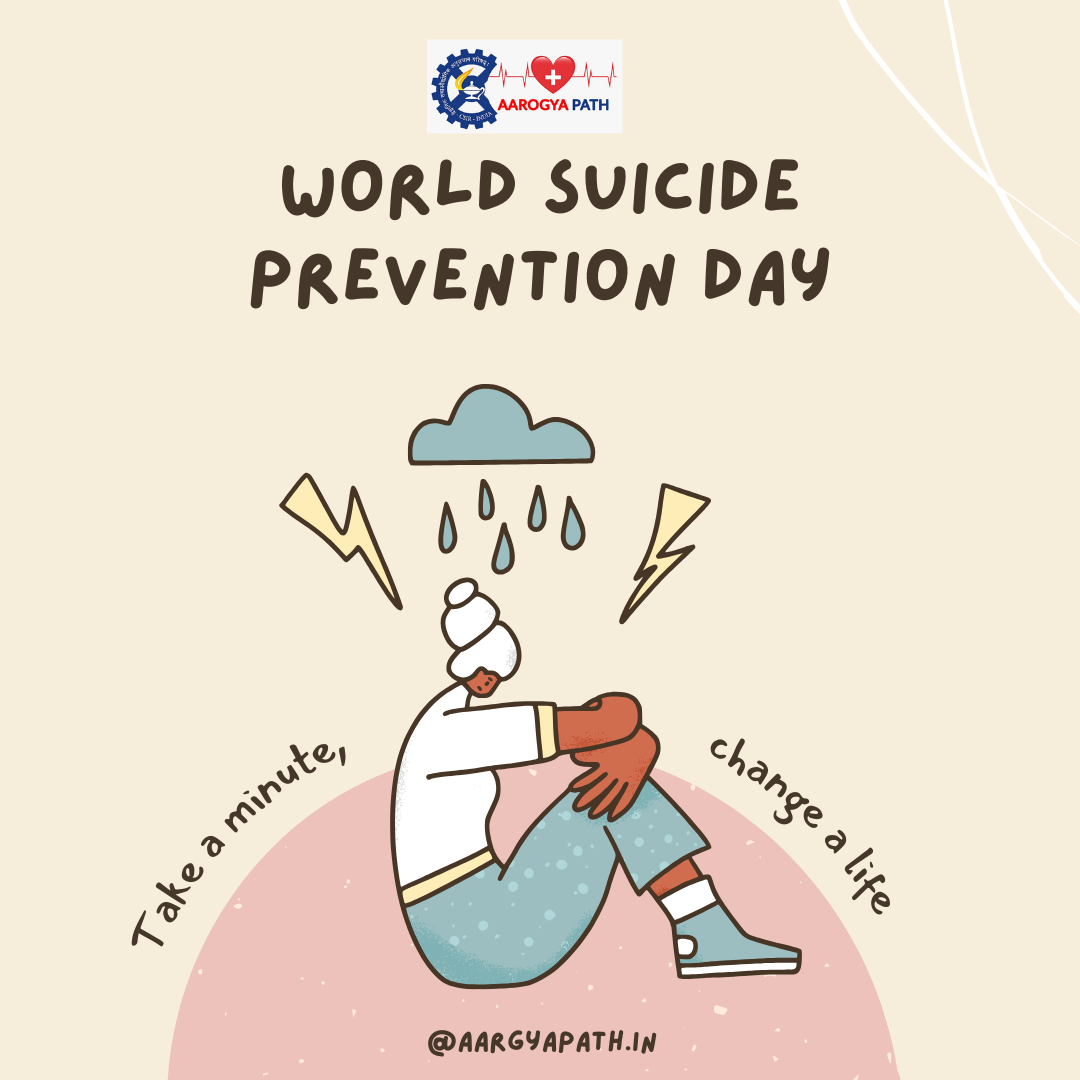
World Suicide Prevention Day: Are suicidal thoughts normal? An expert guide on how to deal with them

From taking a stroll to talking to a family member, here are effective ways to deal with suicidal thoughts.

Our brain works non-stop doing a series of functions which also includes thinking a wide variety of thoughts. Some can pertain to managing daily chores, others can be imaginative, creative, analytical or ruminative. Suicidal thoughts, if fleeting in nature, can occur sometimes and usually are not a cause of any worry. However, frequent suicidal thoughts are not normal and need to be addressed. People with depression, chronic pain or drug addicts may have such thoughts.

“Regardless of age or gender, a passing thought about suicide is something that many may have experienced at some point of time, however, frequent suicidal thoughts are not normal. Before we learn how to deal with them, it is important to understand that having suicidal thoughts does not make a person weak or abnormal and you don’t need to feel guilty or ashamed, no matter your situation,” says Dr Sneha Sharma, Consultant, Psychiatry and Drug Deaddiction, Aakash Healthcare, New Delhi.

Dr Sneha says if suicidal thoughts have been on mind for sometime there are certain steps one can take to stay safe before getting further support.

Speaking with an expert is the effective way to deal with thoughts of suicide. A therapist can provide direction in pinpointing potential triggers, researching available treatments, and formulating a safety plan.

On the occasion of World Suicide Prevention Day (September 10), Dr Sneha shares effective ways to deal with suicidal thoughts:

World Suicide Prevention Day: Are suicidal thoughts normal? An expert guide on how to deal with them

• Speak up

Family members you can trust can listen and provide emotional support. They can also aid in keeping you secure. A crisis counsellor is a good place to start if you’re not sure who to contact. They’ll compassionately listen and give advice on how to reach out.

• Look for a safe haven

A safe, secure and happy place like a friend’s home, library or other public area helps to prevent working on suicide ideas. You may even try a new room in your own home.

• Avoid access to weapons

Safety also includes having no access to drugs, guns, and other potential suicide things and techniques. If you need to continue taking medicine, a friend or family member can stay with you while you remove these things. So that you don’t have access to more tablets, they might provide one dose at a time.

• Steer clear of alcohol and other drugs

Alcohol and other drugs may seem like a good way to dull unpleasant feelings, but you may find that they make depression and suicidal thoughts worse.

• Try grounding strategies

A few grounding exercises include taking a little stroll, petting a pet, and doing 4-7-8 breathing when you’re feeling very distressed. Not sure where to begin? A crisis counsellor can also walk you through testing them out over the phone or via text.

• Take a break

You might feel calmer and less anxious by enjoying your favourite food or drink, listening to music, or viewing pictures (or videos) of loved ones and animals.

• Prioritize self-care

Taking care of your bodily requirements may not always help to lessen suicidal thoughts. However, if your bodily requirements are being satisfied, you might find it simpler to control them. Try to eat balanced meals, drink enough of water, engage in some physical exercise (even if it’s just moving about the house or stretching), and aim for sufficient hours of sleep each night.

Read more at-https://shorturl.at/bvFN9

Categories
COVID-19 Medical Updates Medicine & Health

Covid vaccines used in India and risk of heart attack are not related: Study

The study emphasising on the effect of jabs has stated that the risk of heart attacks is not associated with covid vaccines.

There is no association between the Covid-19 vaccines used in India — Covishield and Covaxin — and increase in the risk of heart attacks, according to an observational study which emphasises the protective effect of the jabs.

The research, published recently in the journal PLOS One, determined the impact of COVID-19 vaccination on mortality following acute myocardial infarction (AMI) or heart attack.

The retrospective study used data from 1,578 people admitted to G B Pant hospital in Delhi between August 2021 and August 2022. As many as 1,086 (68.8 per cent) were vaccinated against COVID-19 while 492 (31.2 per cent) were unvaccinated.

Among the vaccinated group, 1,047 (96 per cent) had received two doses of the vaccine while 39 (4 per cent) had received only a single dose.

“Our study found that vaccines used in India are safe. There was no association of vaccination in India with heart attack. In fact, the study found that there were less chances of death after heart attack in vaccinated individuals,” Mohit Gupta, who led the study, from G B Pant Hospital, told PTI.

Covid vaccines used in India and risk of heart attack are not related:

The adverse effects (AEs) of COVID-19 vaccines have mostly been mild, transient and self-limiting. However, concerns have been raised regarding the cardiovascular adverse effects of these vaccines.

Any side effect can have catastrophic effects especially in large densely populated countries such as India, the authors noted.

In all the enrolled patients, data regarding the patient’s vaccination status including details on type of vaccine, date of vaccination and adverse effects were obtained.

The researchers found that the analysis did not show a specific clustering of AMI at any particular time post vaccination, suggesting there was no significant association between COVID-19 jabs and heart attacks.

On 30-day follow-up, all-cause mortality occurred in 201 (12.7 per cent) patients with adjusted odds of mortality being significantly lower in the vaccinated group.

Similarly, at six months of follow-up, the vaccinated AMI group had lower odds of mortality as compared to the non-vaccinated group.

COVID-19 vaccines showed a decrease in all-cause mortality at 30 days and six months following AMI, according to the study.

However, increasing age, diabetics and smokers had a higher risk of 30-day mortality, the researchers said.

“Findings of our study showed that the 30-day and six months all-cause mortality risk was significantly lower in the vaccinated subjects as compared to the unvaccinated population,” the authors of the study said.

This study is the first to be conducted among a larger population of AMI patients which has shown COVID-19 vaccine to be not only safe but also have a protective effect in terms of reduction of all-cause mortality both on short term as well as at six months of follow-up, the authors of the study said.

They noted some limitations, saying that this was a single centre retrospective study, and the findings need to be validated in further larger studies from different ethnic groups.

Read more at-https://shorturl.at/oxY25

Categories
COVID-19 Medical Equipments Medical Updates Medicine & Health

Back Brain fog after Covid-19 linked to blood clots: Researchers

A recent study in UK suggests how blood clots formed in brain or in the lungs can explain some common symptoms of “long Covid”, including brain fog and fatigue.

The study was carried out on 1,837 patients admitted in the hospital due to Covid-19. Researchers found that two blood proteins point to clots being one cause, reported BBC.

Researchers found that 16% of patients with the clots were having problem in thinking, concentrating or remembering the things for at least six months.

Prof Paul Harrison of Oxford University, the author of the study, said identifying predictors and possible mechanisms was “a key step” in understanding post-Covid brain fog.

However, Prof Chris Brightling of Leicester University said there may still be many different causes of long Covid.

Back Brain fog after Covid-19 linked to blood clots: Researchers

“It’s a combination of someone’s health before, the acute event itself and what happens afterwards that lead on to physical and mental health consequences, ” Prof Brightling said.

Another study in Nature Medicine, blamed higher levels of the protein fibrinogen and protein fragment D-dimer of a covid-19 patient for brain fog.

“Both fibrinogen and D-dimer are involved in blood clotting and so the results support the hypothesis that blood clots are a cause of post-Covid cognitive problems,” reported BBC quoting Dr Max Taquet, from Oxford University.

“Fibrinogen may be directly acting on the brain and its blood vessels, whereas D-dimer often reflects blood clots in the lungs and the problems in the brain might be due to lack of oxygen,” he added.

Read more at-https://shorturl.at/nzCI2

Categories
COVID-19 Government Guidelines Medical Equipments Medicine & Health

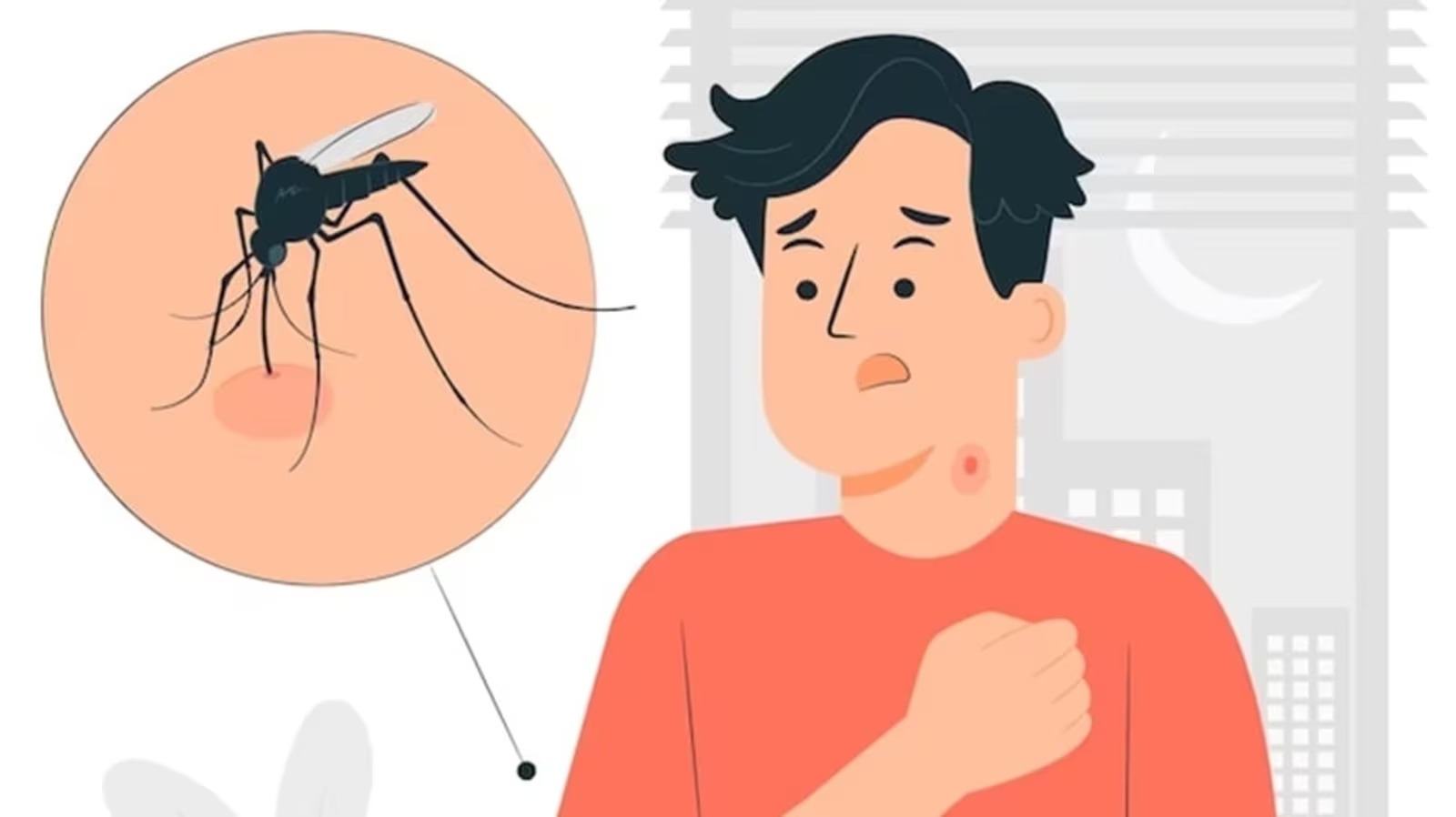
Dengue outbreaks: 9 reasons why dengue cases are getting more severe; what role does global warming play

Prenatal genetic testing is now quite affordable and being increasingly used for improving reproductive outcomes in every pregnant woman as genetic testing prenatally, a.k.a before birth has given the opportunity to screen for a variety of severe genetic abnormalities and take necessary action in time. This helps in preventing the birth of children with genetic birth defects thus saving financial and emotional burden on the family.

With the advent of such testing, couples are now able to obtain information about genetic disorders of their foetus and make an informed decision about the same. In an interview with HT Lifestyle, Dr Veronica Arora, Assistant Consultant at Institute of Medical Genetics and Genomics at Sir Ganga Ram Hospital, revealed, “Genetic testing is not offered to obtain information about the foetus to predict non-disease-related traits. Such practice is strongly condemned. Some common myths about prenatal genetic testing include that it is only done for older women, it is very expensive, it is only done for Down syndrome, not required in the absence of family history, or done only for high-risk women.”

Highlighting that testing in the prenatal scenario includes non-invasive and invasive genetic tests, she elaborated –

  • Non-invasive tests: Biochemical markers, non-invasive prenatal screening are those which are performed on the blood of the mother. Testing for common aneuploidies and thalassemia is included in this category, and these are offered universally to all pregnant women.
  • Invasive genetic testing: Amniocentesis or Chorionic villus sampling is limited to fetuses at risk of having a genetic disorder. This includes those at risk due to positive family history, advanced maternal age, positive screening tests for aneuploidies or ultrasound abnormalities.

Dengue outbreaks: 9 reasons why dengue cases are getting more severe; what role does global warming play

Addressing myths on prenatal genetic testing, Dr Ramesh Hariharan, CEO and Co-Founder of Strand Life Sciences, shared –

  1. Prenatal genetic testing can help determine if the baby, while still in the mother’s womb, has a genetic abnormality.
  2. Pre-natal testing need not be invasive for the baby; some abnormalities in the baby can be detected from the mother’s blood; these include large scale genomic abnormalities that cause Down’s syndrome.
  3. Not all abnormalities can be easily detected from the mother’s blood though, particularly finer genetic abnormalities, those may need a procedure called amniocentesis or CVS to access cells from the baby.
  4. All positive results detected from mother’s blood should be confirmed by an amnio or CVS.

Read more at-https://shorturl.at/eoSZ7