

When we experience any problems with our skin health, such as sudden appearance of acne, we may start applying creams or wash our face repeatedly during the day. However, not every skin issue may be caused due to unclean skin or polluted environment. Sometimes, the cause may be deeper than you think — coming from your gut. Our gut health is connected with our skin health, and so, poor gut health can show through various problems with your skin. Here are some of the skin problems caused by bad gut:

Eczema is a condition that causes your skin to become dry, itchy and bumpy. Symptoms of eczema can show up anywhere on your skin. Your intestinal flora influences the microbes that live on the skin. An imbalanced microbiome may play a role in the inflammation and immune response that causes eczema. This also means that healthy dietary changes can help alleviate your eczema symptoms.
Poor gut health can promote growth of acne on your skin. Leaky gut occurs when the intestinal walls and microbiome aren’t able to keep up with the build-up of toxins in the body. If toxins aren’t well processed in your gut, you may start to see them exiting your skin via acne. Make sure you’re eating healthy foods to get probiotics, polyphenols, and minerals that heal your skin from the inside out.
Psoriasis is a skin disease in which skin cells build up and form itchy and dry, scaly patches. The cause of psoriasis isn’t fully understood. As per research, one possible connection is that between psoriasis and inflammatory bowel disease. Since the skin is made up of tissue that absorbs things more easily, it is sensitive and reacts to the inflammation signals that travel throughout the body.
Rosacea can lead to larger pores on the face as well as dry skin. The development of this condition is related to inflammatory bowel disease, celiac disease, irritable bowel syndrome, and gastroesophageal reflux disease. Treating rosacea with antibiotics or microbiome modulation has been shown to help with disease management. For healthy, refreshed and disease-free skin, here are some tips to improve gut health. Stress can mess with your gut, so manage stress with yoga and meditation. Regularly consume probiotics and fermented foods to lower inflammation of the gut. Stay hydrated by drinking enough water. Avoid excess consumption of sugar and eat fibre-rich vegetables and fruits, sprouts, whole grains, and legumes. Cut down on smoking, alcohol, junk, and processed food.
visit – http://surl.li/mpjdm
When trying to lose weight, many people tend to skip meal(s) thinking that will help them in their journey. However, this is not what helps in weight loss. As per Anjali Mukerjee, a nutritionist, eating frequent and small meals throughout the day help achieve the goal.
While people follow different diets and hacks like intermittent fasting and calorie counting, experts believe that portion control is one of the most popular and effective ways to keep your weight in check.
Defined as “the process of making sure that the amount of food you eat for each meal is not too large, especially when you are trying to lose weight,” portion control can help you with your weight loss journey.
As per Anjali, studies have shown that eating frequent mini-meals spread throughout the day prevents the metabolism from slowing down, reduces hunger pangs, optimally fuels your body, and has a positive impact on cholesterol and insulin levels.
Stressing the importance of portion control, Anjali wrote, “In the world of nutrition, it is a known fact that you should burn more calories than you consume to lose weight and fat. And how can one achieve this? By portion control and optimal meal frequency.”
Portion size is a key driver of energy intake and also impacts the weight of a person. Therefore, measuring and controlling the portion size has become very crucial to control (and not gain) weight,” Dr Garima Goyal, a nutritionist, told indianexpress.com previously.
visit on – https://shorturl.at/fhjZ5
ADHD, a highly prevalent psychiatric disorder, can significantly impact their academic performance, work performance, and daily life. The condition may continue in adulthood or develop as a late-onset type among young adults despite not meeting ADHD diagnostic criteria in childhood.
Studies have reported that medical students, particularly those consuming SSBs in high amounts, are more prone to ADHD than those with low SSB intake.
However, there is limited research concerning ADHD among adult populations, including medical students, the dose-response association between SSBs and ADHD symptoms, and practical limits to ensure healthy consumption.
In the present cross-sectional study, researchers determined the association between added sugar intake from commonly consumed beverages and ADHD symptoms among medical students.
A web-based survey was conducted between May 2022 and April 2023 for medical students of Chiang Mai University recruited by snowball and convenience sampling. The target survey population included undergraduate students attending their first to sixth academic year in 2022. ADHD symptom presence was determined based on the Adult ADHD Self-Report Scale (ASRS) scores ≥3.0.
The team excluded individuals with active medical disorders, those with a prior history of mood disorders, including major depressive disorder (MDD), bipolar disorders, ADHD, and anxiety, and those who failed to complete the ASRS questionnaire.
Added sugar intake from frequently consumed beverages in Thailand was measured using the Thai Adolescence SSB Intake (THASSI) questionnaire, focusing on sweetened forms of water/drinks, carbonated beverages, coffee, energy drinks, green tea, yogurt drinks, fruit and vegetable juice, milk, soy milk, and herbal fluids.
Individuals documented the packaging type (can or bottle), beverage size, amount consumed on different occasions, and weekly consumption for all items. The total daily intake was categorized based on the American Heart Association-recommended limit of added sugar intake.
Multivariate logistic regression modeling was performed to calculate the adjusted odds ratios (aORs), adjusting for age, gender, body mass index (BMI), family history of ADHD, monthly payment, household income, paternal educational attainment, screen time, and sleeping duration.
Of 1,472 medical students invited to participate in the survey, 534 (36%) responded, of which 441 eligible individuals were included. The mean participant age was 21 years, and 50% were male. Nearly 60% of the participants were from pre-clinical academic years. Among the participants, 30% (n=132) experienced ADHD symptoms.
The most common ADHD symptoms were difficulty finishing final details (49%), difficulty remembering appointments (37%), and difficulty getting things in order (34%).
SSB intake exceeding 25 grams daily elevated ADHD risk (aOR, 1.8). Similar results were obtained using the gender-specific cut-offs (aOR, 1.7).
Students experiencing ADHD reported significantly higher intake of sweetened green tea (third tertile versus first tertile aOR 1.7) and water/drinks (third tertile versus first tertile aOR 1.8) than those without ADHD symptoms. Soy milk consumption yielded similar results (above median versus below median aOR 1.8).
Individuals who developed ADHD symptoms were significantly older, academically more senior, with higher BMI, and higher screen time than those with no ADHD symptoms.
Being overweight (aOR 1.9) and having more than seven hours of screen time each day (aOR 2.0) significantly elevated ADHD symptoms risk, adjusting for SSB intake.
A probable mechanism by which sweetened beverages could enhance ADHD symptom risk is by altering bi-directional communications between the gut and brain and disrupting the gut microbial balance.
Dysbiosis increases intestinal permeability, inflammation, and the transport of lipopolysaccharide (LPS) endotoxins across cells. LPS could bind with toll-like receptors (TLRs) on the membranes of microglial cells in the brain and increase inflammatory cytokine release through nuclear factor kappa B (NF-kB) stimulation. Central nervous system (CNS) inflammation could give rise to ADHD symptomatology.
Overall, the study findings showed that SSB intake of more than 25 grams per day may elevate ADHD symptom risk among medical students in Thailand. In particular, sweetened water/drinks, soy milk, and green tea could increase ADHD symptom risk.
The study findings support the implementation of health policies that promote healthy consumption behaviors among medical students to reduce ADHD symptoms and promote the learning and well-being of medical students.
However, further research must validate the findings, including prospective studies with larger sample sizes and diverse populations.
visit at -https://shorturl.at/pyAX6
A recent study published in The American Journal of Clinical Nutrition investigated the hypothesis that higher gluten intake during early childhood may be associated with a higher risk of developing celiac disease autoimmunity (CDA) and celiac disease. They further evaluated dietary patterns independent of gluten for their relative contributions to CDA and celiac disease risk in children genetically predisposed to these conditions. Results from their large cohort, long-term study revealed that high vegetable fats and milk intake at age nine months was associated with reduced CDA risk. At age 24 months, high vegetable fats, juices, and wheat intake increased CDA risk, which was exuberated by low milk, meat, and oats consumption. These findings establish the association between diet and autoimmune risk in genetically susceptible children during the first two years of their lives.
Celiac disease is a chronic autoimmune disorder characterized by an immune reaction to dietary gluten, resulting in damage to the small intestine’s lining. Symptoms include diarrhea, bloating, fatigue, anemia, and, in severe cases, osteoporosis. Celiac disease is a common condition estimated to affect 1.4% of all humans globally. Research has identified the human leukocyte antigen (HLA)-DQ2 and DQ8 haplotypes as being strongly associated with the disease. However, this genetic predisposition accounts for only half of the overall disease risk, suggesting that environmental exposure (diet) plays a significant role in disease manifestation.
Studies on the association between dietary patterns (total dietary exposure) and subsequent health outcomes are superior to conventionally studied single food/nutrient investigations, as they help establish the synergistic effects between multiple nutrients. For example, western diets, composed of higher quantities of sugar, saturated fats, and ultra-processed foods alongside lower fiber intake, have been associated with enhanced risk of proinflammatory biomarkers and allergic risk compared to traditional diets rich in minimally processed foods and higher fruits and vegetables.
Recent research has identified high dietary exposure to pasta, potatoes, vegetables, and rice, alongside lower intake of sweetened beverages and refined cereals, as beneficial to children susceptible to celiac disease autoimmunity (CDA). However, this study included a small cohort, was short-term, and has yet to be verified by follow-up research, necessitating a comprehensive analysis of the dietary patterns responsible for CDA risk and those that may confer resistance against the condition.
In the present study, researchers aimed to investigate the associations between early childhood (9 to 24 months) dietary patterns that impacted CDA and celiac disease risk in children genetically predisposed to these conditions. Participants were enrolled from the Environmental Determinants of Diabetes in the Young (TEDDY) cohort, across the United States (US), Sweden, Germany, and Finland. TEDDY comprises 8,676 children genetically susceptible to type 1 diabetes, of which 6,677 were recruited into the present study, with the remaining excluded due to a lack of dietary data or clinical celiac disease screening.
Three-day food records were used to assess daily dietary intake. These composite records were collected at 9, 12, 18, and 24 months of age and, during analysis, were disaggregated and recategorized into one of 27 food cohorts based on the preexisting TEDDY database. A total of 22,410 records were collected for this study.

The radiobinding assay was used to assess tissue transglutaminase autoantibodies (tTGAs) as a proxy for celiac disease prevalence. Screening was first conducted at 24 months of age, with follow-up screening every subsequent three months. In children positive for CDA at 24 months, routine blood samples collected as a part of the TEDDY methodology were analyzed to identify the first instance of seropositivity.
Statistical analyses involved using principle component analysis (PCA) to evaluate dietary patterns of children at months 9, 12, 18, and 24. Food groups were coded as predictors and dietary patterns as components, with the exploratory analyses attempting to resolve predictors that explained maximum variation in the observed data. Individual adherence scores were calculated for each child to estimate their dietary intake in relation to their identified dietary pattern.
Finally, Cox proportional hazards regression was employed to elucidate associations between dietary adherence (for each age period) and CDA/celiac disease risk. Regression models were corrected for risk factors previously reported as being associated with CDA. These association analyses were only carried out for individuals with complete genetic, clinical, and dietary data.
This study revealed that dietary patterns during the first 24 months of a child’s life significantly increased their risk of contracting CDA or celiac disease. The associations elucidated were independent of their quanta of gluten intake, suggesting that additional dietary factors following weaning may contribute to CDA and celiac disease in children.
The ‘Vegetable fats and Milk’ dietary pattern at nine months of age was associated with reduced CDA risk, even after adjusting for overall gluten intake. Children from the US and Finland showed the most robust adherence to this dietary pattern. Surprisingly, vegetable fats (alongside wheat consumption) at 18 and 24 months resulted in increased CDA risk, though this association was weaker than that at nine months.
The dietary pattern ‘Meat, Rice and GF grains’ depicted reduced risk of celiac disease at age 18 months. Similar to results from the CDA analyses, at 24 months, ‘Vegetable fats and Milk’ dietary patterns showed a direct positive association with increased celiac disease risk.
In the present study, researchers aimed to investigate the associations between early-life dietary patterns and CDA or celiac disease risk in a large cohort (TEDDY), long-term (24 months) analysis. Their findings reveal that adherence to specific dietary regimes during the first two years of life can significantly alter CDA/celiac disease risk, independent of gluten intake. Significantly, wheat, juice, vegetable fats, and processed meats were associated with higher CDA and celiac disease risk. This association was exuberated by low milk, oats, meat, and legume consumption during the second year of a child’s life.
visit more at -https://shorturl.at/U2378
Poor mental health can directly affect your productivity, moods and relationships. If not addressed, it can put one at risk of mental health disorders. Unlike other illnesses, signs of mental health issues are not clear but some of the early signs of poor mental health are disrupted sleep, sullen mood and irritable behavior. Poor mental health can take a heavy toll on physical health and may even lead to serious ailments and chronic health issues. Like other aspects of health, our mental health also requires attention. If you are finding it difficult to focus, facing sleep issues, suffering from aches and pains or isolating yourself, you must consult a mental health expert to get into the root of your problems.
“Mental health encompasses an individual’s emotional, psychological, and social well-being, shaping their thoughts, emotions, and behaviors. Therefore, it is essential for individuals to remain vigilant for signs that could indicate a decline in their mental well-being. Some of these signs include lack of proper refreshing sleep, sustained mood change, significant changes in energy levels, losing interest, feeling quite insecure, odd experiences of hearing or seeing things that others cannot, thinking of harming self, and losing the meaning of life, sometimes accompanied by aggression,” says Dr Sameer Malhotra, Director and Head – Department of Mental Health and Behavioral Sciences, Max Super Specialist Hospital, Saket.

“Our mental health is as important as physical health, and recognizing the signs of struggling mental well-being is crucial for early intervention and support,” says Dr Jyoti Kapoor, Founder-Director and Senior Psychiatrist, Manasthali
Here are 7 poor mental health signs shares by Dr Jyoti Kapoor that one should never ignore:
1. Persistent mood swings: Feeling consistently sad, hopeless, or experiencing drastic mood swings that interfere with daily life can be a sign of depression or other mood disorders.
2. Social withdrawal: If you start isolating yourself, avoiding friends and family, it may indicate emotional distress or social anxiety.
3. Irregular sleeping patterns: Insomnia, oversleeping, or disrupted sleep can be linked to mental health issues.
4. Appetite and weight changes: Significant changes in appetite, whether overeating or undereating, can be indicative of emotional distress.
5. Difficulty in concentrating: Struggling to focus, making decisions, or complete tasks may be a sign of underlying mental health issues, such as anxiety or attention disorders.
6. Constant aches: Unexplained physical symptoms like headaches, stomach aches, or unexplained aches and pains can sometimes be manifestations of emotional distress.
7. Increased substance use: Escalating or excessive use of alcohol, drugs, or other substances as a coping mechanism can be a red flag for mental health problems.
If you or someone you know is exhibiting these signs, please reach out to a mental health professional or a counsellor.
Read more at-https://shorturl.at/aTXZ6
Just as you prioritize physical fitness, it’s crucial to incorporate daily practices to nurture your mental health. Here are 10 daily habits to follow.
Unlike physical, signs of mental health issues are difficult to spot or not visible at first glimpse. However, a sound mental health is crucial for our overall well-being and can contribute greatly in helping us lead a happy, stress-free and disease-free life. While there are some mental health disorders that may be genetic, many others stem from lifestyle factors such as stress, lack of sleep, exercise, sunlight, and self care. One may take immediate measures for physical health conditions like fever, headache and muscle pain, but steps related to mental health are rarely taken. Like brushing teeth, taking a bath, and having a meal, there are things that people should do every day for a sound mental health.
On World Mental Health Day, Dr Jyoti Kapoor, Founder-Director and Senior Psychiatrist, Manasthali shares 10 everyday habits that can boost mental health.

Taking care of your mental health is essential for overall well-being. Just as you prioritize physical fitness, it’s crucial to incorporate daily practices to nurture your mental health. Here are ten things you can do every day to promote emotional resilience and mental wellness.
1. Practice mindfulness meditation: Dedicate a few minutes each day to mindful meditation. It can help you stay grounded, reduce stress, and increase self-awareness.
2. Exercise regularly: Engage in physical activity that you enjoy, whether it’s a brisk walk, yoga, or a full workout. Exercise releases endorphins, which boost your mood.
3. Prioritize sleep: Aim for at least 8 hours of quality sleep each night. A well-rested mind is better equipped to handle daily stressors.
4. Connect with loved ones: Foster relationships with family and friends. Spending time with loved ones provides emotional support and strengthens your social connections.
5. Control screen time: Set boundaries on screen time, especially on social media and news consumption. Overexposure to negative information can contribute to anxiety.
6. Practice gratitude: Keep a gratitude journal and write down three things you’re thankful for each day. This practice promotes a positive mindset.
7. Learn something new: Stimulate your mind by acquiring new skills or knowledge. It can boost confidence and keep your brain active.
8. Establish a routine: Create a daily schedule that includes time for work, relaxation, and self-care. A routine provides structure and reduces uncertainty.
9. Express yourself: Find creative outlets like art, writing, or music to express your emotions. It can be therapeutic and help you process feelings.
10. Take Professional help if needed: Don’t hesitate to reach out to a mental health professional if you’re struggling with your mental health. Therapy can provide valuable support and coping strategies.
Read more at-https://shorturl.at/bX347
Often, we feel that we are moving from one stressful experience to another. This can be extremely mentally draining and frustrating, and it can make us feel clueless about what to do next. Stress can impact the body and make us feel tired all the time. In such times, it is important to make conscious efforts to unlock the happy hormones that will help us see the positive. “Consciously remembering and reintroducing the things that used to make you smile and give you joy. Bringing in ways to help you relax and feel safe which will help you sleep,” wrote Psychotherapist Nikola Jack as she explained the importance of moving from stress with the help of happy hormones.
“After an unpleasant or stressful experience prioritising comfort, releasing stress hormones to make way for happy hormones can help us switch from stressed to calm,” added Nikola. She further suggested a few ways by which we can unlock the happy hormones:

Releasing emotions: Be it talking about it to loved ones, or going for a walk to shake things off, or maintaining a journal of thoughts, we should find ways to release pent-up emotions and seek ways to release them in a healthy way.
Get warm and cozy: Wearing comfortable pajamas and getting inside a weighted blanket will help us feel that we are safe and happy in the environment. This will help us to further combat signs of stress.
Do the things you love: We all have a list of things that we love doing – be it painting, singing, dancing or just sitting and watching our favourite comfort movies all over again. Sometimes spending time with our pets and lying down while cuddling them can also make us happy.
Breathe and stretch: Doing stretching exercises such as the Child’s Pose, or Box Breathing, or meditation can help in having a better perspective on things.
Read more at-https://shorturl.at/hsNY5
According to a new longitudinal study published online in the International Journal of Chronic Obstructive Pulmonary Disease (COPD), older persons with COPD were at a higher risk of depression during the early phases of the COVID-19 epidemic
The study looked at 875 people with COPD from the Canadian Longitudinal Study on Ageing, a national study of Canadian seniors. Using longitudinal data, researchers were able to distinguish between 369 COPD patients who had a history of depression previous to the pandemic and 506 patients who had never experienced depression prior to the pandemic.
Researchers discovered that 1 in 6 people with COPD who had no prior history of depression experienced depression for the first time during the early phases of the pandemic. These findings show the toll that the epidemic inflicted on many people who had previously been depression-free.
“Our findings highlight the substantial burden of COVID-19 on those who were mentally healthy prior to the pandemic,” said first author Aneisha Taunque, research assistant at the Institute for Life Course and Aging at the University of Toronto. “It is evident that the pandemic has had a detrimental impact on the mental health of many individuals, even those who had no lifetime history of depression.”
When the analysis was restricted to those who had a history of depression prior to the pandemic, the prevalence of depression was substantially higher, with approximately one-half of these individuals experiencing a recurrence or persistence of depression during the autumn of 2020.

“Older adults who have a history of depressive episodes are a highly vulnerable subset of the population, particularly those who faced numerous challenges with managing their chronic health conditions during the pandemic when access to regular health care was severely disrupted,” said co-author Grace Li, PhD candidate in the Sociology Department at the University of Victoria.
“The COVID-19 pandemic further exacerbated the risk of depression among those with COPD,” says co-author Ishnaa Gulati, a Master of Public Health Student at the University of Toronto’s Dalla Lana School of Public Health. “There was already an established higher risk of depression among individuals with COPD when compared to those without COPD prior to the pandemic,” Gulati said. “When considering the mental health stressors during the pandemic, such as extended periods of lockdown, economic precarity, and concerns about contracting or spreading COVID-19, it is unsurprising that this group experienced major mental health challenges during this period.”
Although there is a burgeoning body of research examining depression during the pandemic, very little research has specifically examined the vulnerabilities among those with COPD. Understanding the risk factors for depression in subpopulations of older adults can aid health professionals in more effectively targeting treatment.
The study’s researchers highlighted several risk factors for both incident and recurrent depression among those with COPD, including loneliness, family conflict, and functional limitations.
“We found that experiencing functional limitations approximately doubled the risk of depression among older adults with COPD,” said co-author Ying Jiang, Senior Epidemiologist at the Public Health Agency of Canada.
“Physical activity is integral for maintaining functional status and reducing functional limitations among COPD patients, however many individuals with COPD are hesitant to engage in physical activity. Increases in time spent sedentary during periods of lockdown may have further ramifications for this population, potentially contributing to increases in depression.”
Women with COPD also had nearly double the risk of recurrent depression when compared to their male counterparts.
“During the pandemic, many women experienced an exacerbation of gendered roles, such as increased time spent caregiving and doing household labour, which may have contributed to declines in their mental health,” said co-author Margaret de Groh, Scientific Manager at the Public Health Agency of Canada.
Among individuals with no history of depression, experiencing disruptions to healthcare access was associated with approximately double the risk of incident depression.
“Many people with COPD encountered difficulties accessing pulmonary rehabilitation services during the pandemic, which are essential for supporting both the physical and mental health of COPD patients,” said co-author Andie MacNeil, research assistant at the University of Toronto’s Factor Inwentash Faculty of Social Work (FIFSW).
“Our finding that disruptions to healthcare access were associated with incident depression highlights the reverberating consequences when healthcare is inaccessible.”
Senior author, Esme Fuller-Thomson, a Professor at FIFSW and Director of the Institute for Life Course & Aging says she hopes the study’s findings can help inform healthcare workers and social service providers about the pandemic’s impact on the mental health of people with COPD. “Future research should continue to examine depression among older adults with COPD to better understand the pandemic’s cascading impact, even in the post-COVID era,” Fuller-Thomson said.
Read more at-https://shorturl.at/lmEJV
Our brain works non-stop doing a series of functions which also includes thinking a wide variety of thoughts. Some can pertain to managing daily chores, others can be imaginative, creative, analytical or ruminative. Suicidal thoughts, if fleeting in nature, can occur sometimes and usually are not a cause of any worry. However, frequent suicidal thoughts are not normal and need to be addressed. People with depression, chronic pain or drug addicts may have such thoughts.
“Regardless of age or gender, a passing thought about suicide is something that many may have experienced at some point of time, however, frequent suicidal thoughts are not normal. Before we learn how to deal with them, it is important to understand that having suicidal thoughts does not make a person weak or abnormal and you don’t need to feel guilty or ashamed, no matter your situation,” says Dr Sneha Sharma, Consultant, Psychiatry and Drug Deaddiction, Aakash Healthcare, New Delhi.
Dr Sneha says if suicidal thoughts have been on mind for sometime there are certain steps one can take to stay safe before getting further support.
Speaking with an expert is the effective way to deal with thoughts of suicide. A therapist can provide direction in pinpointing potential triggers, researching available treatments, and formulating a safety plan.
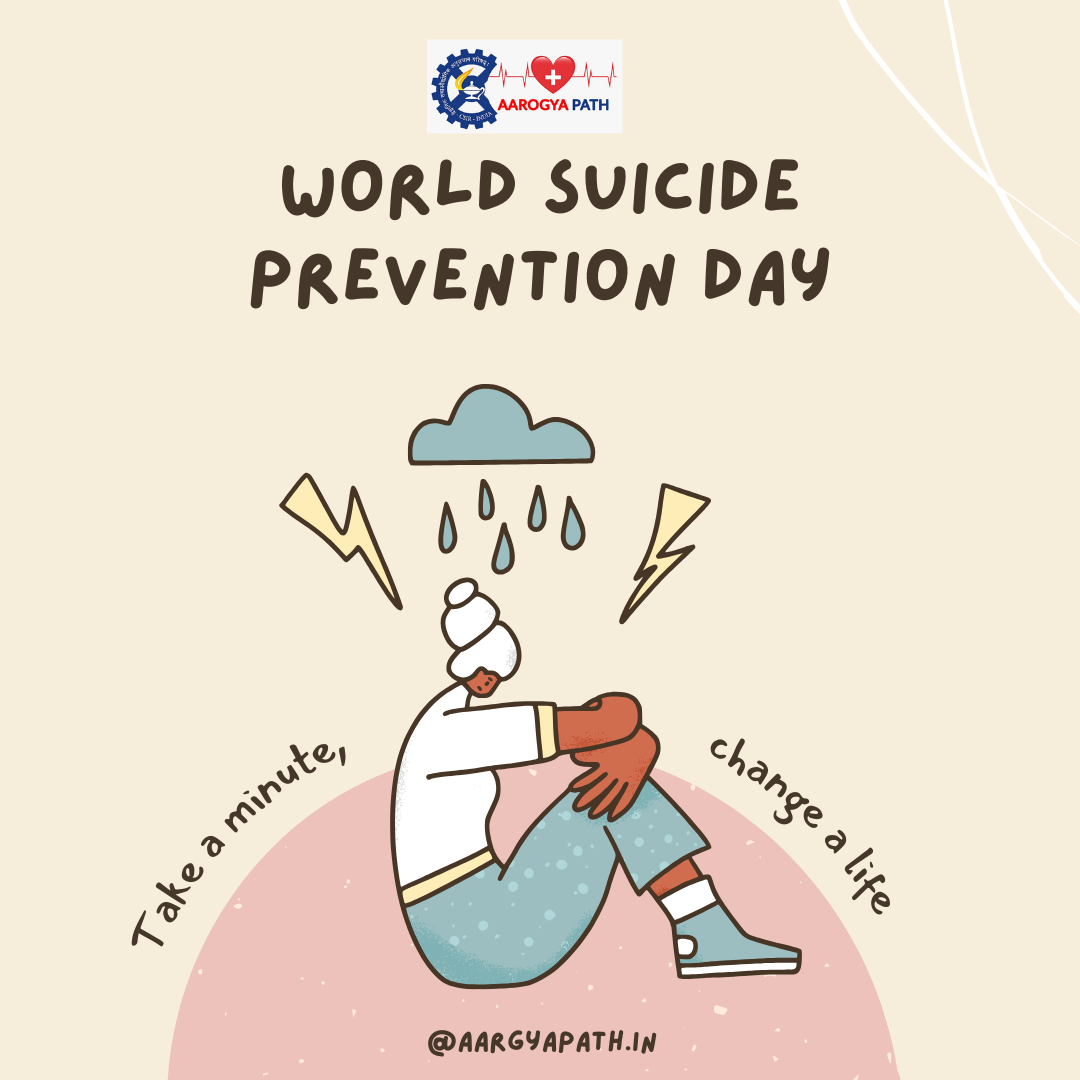
On the occasion of World Suicide Prevention Day (September 10), Dr Sneha shares effective ways to deal with suicidal thoughts:

Family members you can trust can listen and provide emotional support. They can also aid in keeping you secure. A crisis counsellor is a good place to start if you’re not sure who to contact. They’ll compassionately listen and give advice on how to reach out.
A safe, secure and happy place like a friend’s home, library or other public area helps to prevent working on suicide ideas. You may even try a new room in your own home.
Safety also includes having no access to drugs, guns, and other potential suicide things and techniques. If you need to continue taking medicine, a friend or family member can stay with you while you remove these things. So that you don’t have access to more tablets, they might provide one dose at a time.
Alcohol and other drugs may seem like a good way to dull unpleasant feelings, but you may find that they make depression and suicidal thoughts worse.
A few grounding exercises include taking a little stroll, petting a pet, and doing 4-7-8 breathing when you’re feeling very distressed. Not sure where to begin? A crisis counsellor can also walk you through testing them out over the phone or via text.
You might feel calmer and less anxious by enjoying your favourite food or drink, listening to music, or viewing pictures (or videos) of loved ones and animals.
Taking care of your bodily requirements may not always help to lessen suicidal thoughts. However, if your bodily requirements are being satisfied, you might find it simpler to control them. Try to eat balanced meals, drink enough of water, engage in some physical exercise (even if it’s just moving about the house or stretching), and aim for sufficient hours of sleep each night.
Read more at-https://shorturl.at/bvFN9