Categories
COVID-19 Medical Updates Medicine & Health

Heart attack cases not rising due to Covid vaccine, but stress and other traditional factors, says cardiologist

Dr Mohit Gupta from GB Pant Hospital who was part of a new study published in the journal PLOS One, says Covid vaccine is in fact providing protection to heart.

The administration of Covid vaccines to a wide population across the globe has helped bring Coronavirus threat in control. While the virus continues to evolve and new variants are emerging, the symptoms are milder than early pandemic years. Irrespective of the role Covid vaccines played in controlling the spread of the virus, the reports of its side effects, especially its role in triggering heart attack is often debated by common people. A new observational study published in the journal PLOS One, determines the impact of Covid-19 vaccination on mortality following heart attack or acute myocardial infarction (AMI).

The study concludes that Covid vaccines Covishield and Covaxin do not pose as a risk factor for a heart attack and in fact have a protective effect on heart.

“The retrospective study used data from 1,578 people admitted to G B Pant hospital in Delhi between August 2021 and August 2022. As many as 1,086 (68.8 per cent) were vaccinated against COVID-19 while 492 (31.2 per cent) were unvaccinated,” reported PTI.

Among the vaccinated group, 1,047 (96 per cent) had received two doses of the vaccine while 39 (4 per cent) had received only a single dose.

Heart attack cases not rising due to Covid vaccine, but stress and other traditional factors, says cardiologist

“We analysed patients detected with heart attack in our set up. Many of them were vaccinated and some of them were not so retrospectively, we started analysing them and what we saw was very surprising. When these patients were taken for vaccination, the vaccine administration was absolutely safe, they didn’t have any significant side effects that could be linked to heart attack. It was concluded that there was no association between vaccine administration and occurrence of heart attack,” says Dr Mohit Gupta, Interventional Cardiologist and Professor of cardiology, who led the study, from G B Pant Hospital.

Dr Mohit added that they found that people who were vaccinated had lesser risk of heart attack compared to unvaccinated lot which means the vaccine in fact had a protective effect for cardiovascular health.

“This study conclusively point out that what we are using is safe and if one gets vaccinated it will give protection. Covid vaccination will be like influenza vaccine which would be given every year. With new variants, vaccines will be updated,” says Dr Mohit.

While the study rules out Covid vaccine’s role in triggering heart attack, the cases are on rise after pandemic.

“India is evolving into a world capital of heart attack because of many factors and traditional factors like diabetes, obesity, hypertension, smoking are always there. Patterns and prevalence of these diseases are changing due to genetics also. Indians are more prone to heart attack than earlier. Second, factors like psychosocial stress, like anger, they are now having third highest predictive value of heart attacks. Our own analysis of 1700 patients showed 95% of population is suffering from severe to moderate stress in some way or the other. We are still bind-folded and not accepting this risk factor. 25% of heart attack population is between 18 to 35 years of age. They study telomere length or genetic length. You would be surprised that without any risk factor, their body age was 25 to 30 years, but their genetic age was 60 to 90 years. This is happening because their telomere length was completely destroyed,” says Dr Mohit Gupta.

Read more at-https://shorturl.at/mGMS3
Categories
COVID-19 Government Guidelines Medical Updates

Updated COVID vaccine effective against newer variant, says Moderna

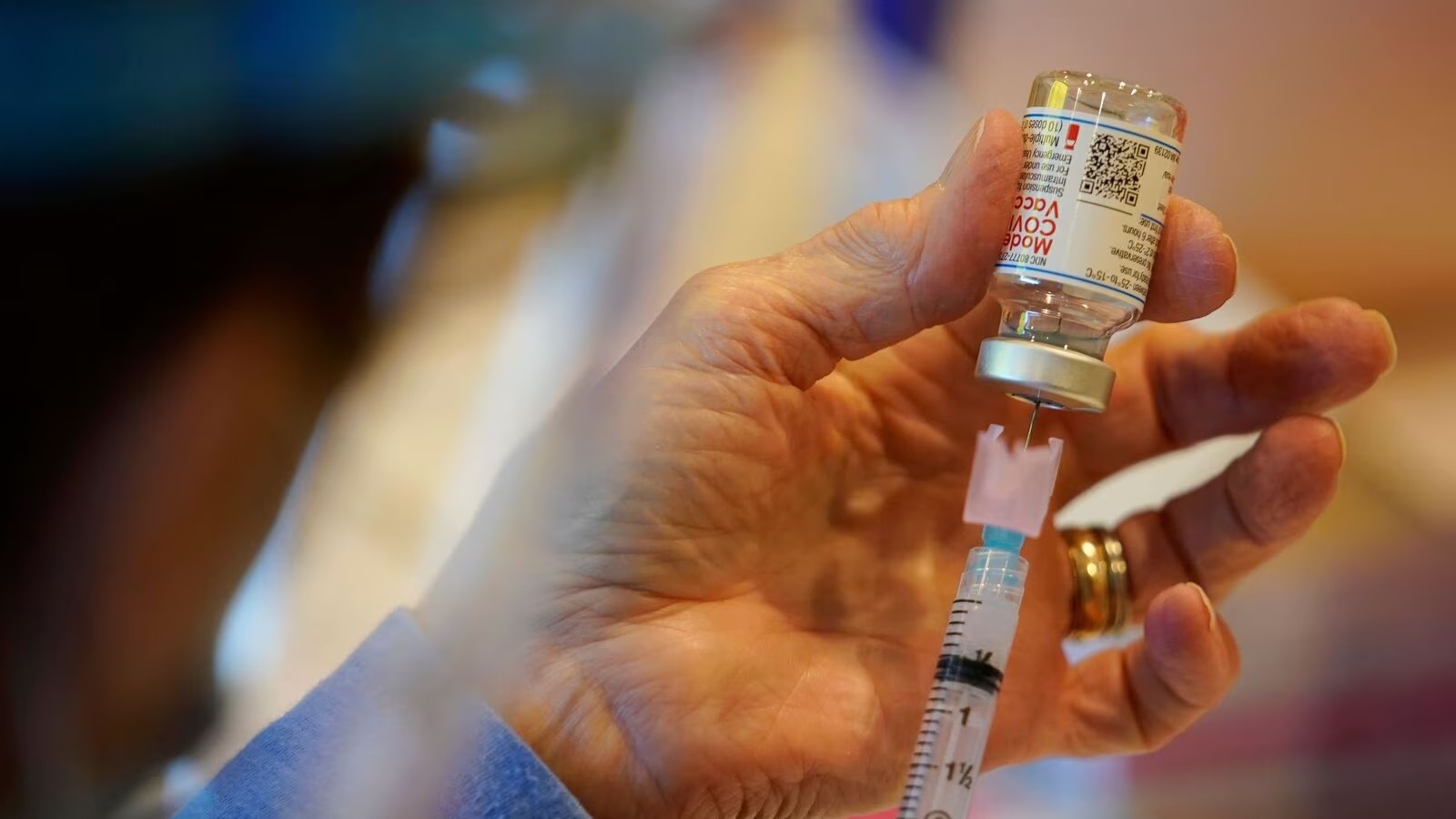
Moderna has said clinical trial data showed its updated COVID-19 vaccine will likely be effective against the highly-mutated BA.2.86 subvariant of the coronavirus that has raised fears of a resurgence of infections.

Moderna has said that the clinical trial data showed its updated COVID-19 vaccine shot generated an 8.7-fold increase in neutralizing antibodies in humans against the highly-mutated BA.2.86 subvariant of the coronavirus that has raised fears of a resurgence of infections, Reuters reported on Wednesday.

“We think this is news people will want to hear as they prepare to go out and get their fall boosters,” Reuters quoted Jacqueline Miller head of infectious diseases in Moderna said in an interview, adding that the data should also help reassure regulators.

The Centers for Disease Control and Prevention (CDC) has previously indicated that BA.2.86 may be more capable of causing infection in people who previously had COVID or were vaccinated with previous shots.

Updated COVID vaccine effective against newer variant, says Moderna

The Omicron offshoot carries more than 35 mutations in key portions of the virus compared with XBB.1.5, the dominant variant through most of 2023 and the target of the updated shots.

Moderna said it had shared the new finding on its vaccine with regulators and submitted it for peer review publication.

The retooled Moderna shot is expected to be available later this month or in early October, though it is yet to be approved by the US Food and Drug Administration.

Meanwhile, rival COVID-19 vaccine manufacturers Novavax and Pfizer with German partner BioNTech have created versions of their shots aimed at the XBB.1.5 subvariant.

In August, Moderna and Pfizer each said their new vaccines appeared to be effective against another new subvariant of concern dubbed EG.5 in initial testing

Britain’s Medicines and Healthcare products Regulatory Agency has approved Pfizer/BioNTech shot, but have not make any announcements on Moderna’s updated vaccine.

A WHO official said the BA.2.86 the subvariant of the coronavirus has been detected in Switzerland, South Africa as well as Israel, Denmark, the US and Britain.

According to experts it is important to monitor the variant, but it is unlikely to cause a wave of severe disease and death because of immune defenses built up worldwide from mass vaccination and prior infection.

Read more at-https://shorturl.at/quyUZ

Categories
COVID-19 Medical Updates Medicine & Health

Covid vaccines used in India and risk of heart attack are not related: Study

The study emphasising on the effect of jabs has stated that the risk of heart attacks is not associated with covid vaccines.

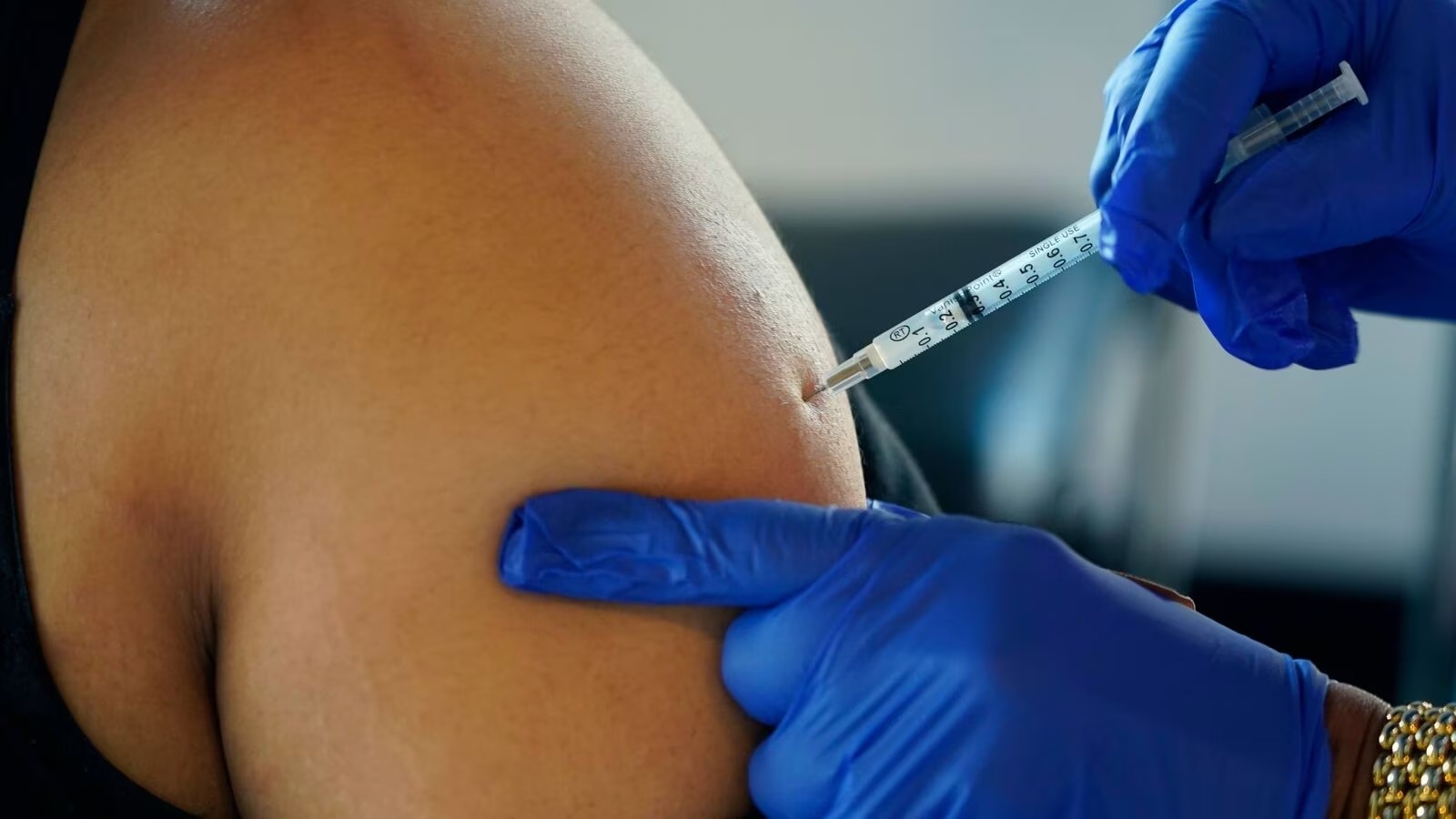
There is no association between the Covid-19 vaccines used in India — Covishield and Covaxin — and increase in the risk of heart attacks, according to an observational study which emphasises the protective effect of the jabs.

The research, published recently in the journal PLOS One, determined the impact of COVID-19 vaccination on mortality following acute myocardial infarction (AMI) or heart attack.

The retrospective study used data from 1,578 people admitted to G B Pant hospital in Delhi between August 2021 and August 2022. As many as 1,086 (68.8 per cent) were vaccinated against COVID-19 while 492 (31.2 per cent) were unvaccinated.

Among the vaccinated group, 1,047 (96 per cent) had received two doses of the vaccine while 39 (4 per cent) had received only a single dose.

“Our study found that vaccines used in India are safe. There was no association of vaccination in India with heart attack. In fact, the study found that there were less chances of death after heart attack in vaccinated individuals,” Mohit Gupta, who led the study, from G B Pant Hospital, told PTI.

Covid vaccines used in India and risk of heart attack are not related:

The adverse effects (AEs) of COVID-19 vaccines have mostly been mild, transient and self-limiting. However, concerns have been raised regarding the cardiovascular adverse effects of these vaccines.

Any side effect can have catastrophic effects especially in large densely populated countries such as India, the authors noted.

In all the enrolled patients, data regarding the patient’s vaccination status including details on type of vaccine, date of vaccination and adverse effects were obtained.

The researchers found that the analysis did not show a specific clustering of AMI at any particular time post vaccination, suggesting there was no significant association between COVID-19 jabs and heart attacks.

On 30-day follow-up, all-cause mortality occurred in 201 (12.7 per cent) patients with adjusted odds of mortality being significantly lower in the vaccinated group.

Similarly, at six months of follow-up, the vaccinated AMI group had lower odds of mortality as compared to the non-vaccinated group.

COVID-19 vaccines showed a decrease in all-cause mortality at 30 days and six months following AMI, according to the study.

However, increasing age, diabetics and smokers had a higher risk of 30-day mortality, the researchers said.

“Findings of our study showed that the 30-day and six months all-cause mortality risk was significantly lower in the vaccinated subjects as compared to the unvaccinated population,” the authors of the study said.

This study is the first to be conducted among a larger population of AMI patients which has shown COVID-19 vaccine to be not only safe but also have a protective effect in terms of reduction of all-cause mortality both on short term as well as at six months of follow-up, the authors of the study said.

They noted some limitations, saying that this was a single centre retrospective study, and the findings need to be validated in further larger studies from different ethnic groups.

Read more at-https://shorturl.at/oxY25

Categories
COVID-19 Medical Equipments Medical Updates Medicine & Health

Back Brain fog after Covid-19 linked to blood clots: Researchers

A recent study in UK suggests how blood clots formed in brain or in the lungs can explain some common symptoms of “long Covid”, including brain fog and fatigue.

The study was carried out on 1,837 patients admitted in the hospital due to Covid-19. Researchers found that two blood proteins point to clots being one cause, reported BBC.

Researchers found that 16% of patients with the clots were having problem in thinking, concentrating or remembering the things for at least six months.

Prof Paul Harrison of Oxford University, the author of the study, said identifying predictors and possible mechanisms was “a key step” in understanding post-Covid brain fog.

However, Prof Chris Brightling of Leicester University said there may still be many different causes of long Covid.

Back Brain fog after Covid-19 linked to blood clots: Researchers

“It’s a combination of someone’s health before, the acute event itself and what happens afterwards that lead on to physical and mental health consequences, ” Prof Brightling said.

Another study in Nature Medicine, blamed higher levels of the protein fibrinogen and protein fragment D-dimer of a covid-19 patient for brain fog.

“Both fibrinogen and D-dimer are involved in blood clotting and so the results support the hypothesis that blood clots are a cause of post-Covid cognitive problems,” reported BBC quoting Dr Max Taquet, from Oxford University.

“Fibrinogen may be directly acting on the brain and its blood vessels, whereas D-dimer often reflects blood clots in the lungs and the problems in the brain might be due to lack of oxygen,” he added.

Read more at-https://shorturl.at/nzCI2

Categories
COVID-19 Government Guidelines Medical Updates Medicine & Health

Mystery respiratory virus spreading in Hyderabad; know symptoms and prevention tips

The mystery virus may belong to the Adeno, Corona, Influenza or MERS family. All you want to know about symptoms and prevention.

An acute viral illness with symptoms similar to Swine Flu, influenza, and adeno virus is spreading in Hyderabad, affecting either children or adults with comorbid conditions. The virus is yet to be identified and many people who are testing for Swine Flu, Covid-19, or Influenza are getting negative reports. Experts, however, say there is no cause of alarm as the recovery rate of this mystery illness is 100% and patients are taking 5 days to recover, which is a normal recovery time for a viral infection. The symptoms range from runny nose, sore throat, dry cough, fever with body pain and difficulty in breathing.

“We have been seeing an acute febrile viral illness for the past 6-8 weeks now and we have observed coryzal symptoms in these patients. This virus has been affecting 6-7 out of 100 people, and 50% of them are children. This is because the immunity of the children is not fully developed. The other 50% of patients are adults with comorbid lung diseases like COPD (also called smoker’s asthma), Post TB and Covid-destroyed lungs and asthma,” says Dr Syed Abdul Aleem, Consultant – Pulmonology CARE Hospitals, Musheerabad, Hyderabad.

Symptoms of the mystery virus

The symptoms of this mystery virus start with a runny nose, followed by a sore throat, dry cough, fever with body pain and difficulty in breathing. 1-2% of these patients have experienced respiratory failure.

“The symptoms affect the upper respiratory tract and gradually affect the lower respiratory tract as well. We have been running tests for influenza A and B, swine flu – H1N1, avian flu – H3N2 and dengue as well. We observed false positive results in 3-4% of these tests because the structural similarity of the mystery virus is very similar to these virus families,” says Dr Syed.

Mystery respiratory virus spreading in Hyderabad; know symptoms and prevention tips

Treatment

“Fortunately, we are catching this early, and we are following symptomatic treatment where patients are responding well. We are treating patients with respiratory failure with Oseltamivir, an anti-viral drug and we are seeing good results. Along with treatment, we suggest maintaining hydration, and isolation as well until there is a complete recovery,” says the expert.

Precautions

The precautions for this mystery virus are covering the nose and mouth while coughing or sneezing or using an N95 mask, keeping distance from people, sanitizing regularly, vaccinating against influenza and immediate isolation and approaching a healthcare professional for treatment.

What could be this mystery virus?

“This mystery virus may belong to the Adeno, Corona, Influenza or MERS family. So, we are suggesting a multiplex PCR panel of tests including Influenza A&B, H1N1, H3N2, and Covid RT-PCR,” says Dr Syed.

Read more at-https://shorturl.at/fkrZ6

Categories
COVID-19 Government Guidelines Medical Equipments

Covid-19 vaccine boosters are the best defence: Older adults shouldn’t rely on previous infection for immunity

Despite researchers’ efforts to understand SARS-CoV-2, the virus continues to hold many secrets.

Despite researchers’ efforts to understand SARS-CoV-2, the virus continues to hold many secrets. As much as we’ve tried to shoehorn it into our thinking about how respiratory viruses work, it will simply not comply. Some thought the virus would settle into a strictly seasonal pattern. It hasn’t. Some thought we could we move to a single annual vaccine every autumn. That was upended by having multiple waves of infection each year, that seem to occur in the late summer.

Some variants we thought would be terrible turned out to be mild, while others have turned out to be very problematic.

Surprising study results

Now we have a new puzzle.

Through the first couple of years of the pandemic before the emergence of the Omicron variant, it was believed the combination of vaccination and prior infection — which is called hybrid immunity — provided the highest level of protection against future infections.

Our research group has been studying vaccinated older adults in long-term care and retirement homes throughout the pandemic, and our recent findings have jolted us.

We found that those who had battled the BA.1-2 variant of Omicron in early 2022 had a 30-fold higher risk of contracting the BA.5 variant later in the year. That was exactly the opposite of what we, or anyone, would have predicted.

This new knowledge is critically important, not just to other older adults, but to all of us.

Covid-19 vaccine boosters are the best defence: Older adults shouldn’t rely on previous infection for immunity

Does this surprising twist apply to the broader population? Possibly, but until we know how infections work to increase susceptibility to reinfection, we can’t know if this susceptibility is specific to older adults. Does it apply to other variants, including the newest ones in circulation? That’s unclear.

What the findings do tell us is that older adults who have had a previous COVID-19 infection shouldn’t rely on that to protect them against reinfection this fall. To protect against severe illness, keeping booster shots up to date is recommended.

We can’t let our guard down

We were able to make this discovery because our study participants in long-term care and retirement homes are part of the most frequently tested, highly vaccinated and closely observed group in the entire population.

The end of frequent PCR testing and documentation of infection for those who are sick (after all, we researchers don’t know if you tested positive on a rapid test) left us without much data about COVID infections and reinfections in the broader population, so these seniors are helping us see things we’d otherwise have missed.

Through them, we’ve realized the virus has evolved in a way that means one infection doesn’t necessarily guarantee immunity from another.

Though we still have so much to learn about many aspects of COVID-19 — including its lingering health effects and the mechanics of its endless mutations — we do know enough to say one thing: we can’t let our guard down.

Among other conclusions, we know that while vaccines mitigate the worst consequences of subsequent COVID infections, the virus is still developing new ways to elude our immune systems.

Protecting ourselves and our communities

So, do we still need masks and boosters? Yes. However tiresome they have become, they’re still crucial. This is especially true for our most vulnerable, including older adults, people with chronic conditions or who are immune compromised and those who work with them.

We know the protective value of multiple COVID vaccines does not accumulate like money in a bank account. It’s the recency of our boosters that will determine our degree of protection.

Though imperfect, timely boosters are still our best shields. It’s time to think of them less like our childhood vaccines, where we expect to be protected for long periods of time, and more like annual flu vaccines where we need to be vaccinated for the strain that is circulating and can only expect that protection to reduce symptomatic infection, last a few months but — importantly — help keep us out of hospital.

We need to remain vigilant and to continue to keep our vaccines up to date, to protect against COVID infections and their threat of debilitating long-term effects and even death.

Protecting ourselves and our communities

Our participants have been great partners in our work. As a group, and are willing to participate in this research because they are interested in helping others. They helped us discover that hybrid immunity does not always protect older adults from future COVID-19 infection, suggesting that some assumptions about COVID-19 infection risk may need to be revisited, and that we need to study how different variants evade the immune system.

These research partners deserve the thanks of the community for contributing to this important lesson. We can all honour them by heeding that lesson and taking precautions against spreading COVID-19 this fall, including wearing masks and getting a booster shot.

Read more at-https://shorturl.at/uEFJ7

Categories
COVID-19 Government Guidelines Medicine & Health

New Covid-19 variant ‘Pirola’ or BA.2.86 is different from others, Coronavirologist shares 5 important facts

Coronavirologist Dr Pavithra Venkatagopalan says that Pirola or BA.2.86 variant has as many changes as Omicron had from Delta.

Coronavirus has been changing and evolving ever since it was first discovered in the year 2019 and became a global concern in a matter of few months. The original Covid strain soon turned into the ‘deadly Delta’ taking a huge toll across the globe. With massive vaccination drive all across India and other parts of the world, and the efforts of Covid warriors including scientists, medical practitioners, doctors, nurses, this health crisis could be curbed. As Covid transformed into a way milder Omicron variant, the symptoms became less severe and the fears regarding the spread of the virus eased.

Coronavirologist Dr Pavithra Venkatagopalan says that Pirola or BA.2.86 variant that has been increasing cases in US, UK, China and other countries, seems to have as many changes as Omicron had from Delta. The coronavirologist also added that we are yet to understand the severity of the strain and the impact of the new mutations the virus has.

Dr Pavithra Venkatagopalan, corona-virologist and Covid awareness specialist at Rotary Club of Madras NextGen in a telephonic interview with HT Digital shares 5 important facts about Pirola or BA.2.86 that everyone wants to know.

New Covid-19 variant ‘Pirola’ or BA.2.86 is different from others, Coronavirologist shares 5 important facts

1. Pirola or BA.2.86 has 35 new mutations

All viruses change with time including SARS-Cov2. These changes are designated as variant depending on how different they are based on their genetic sequence as compared to the previous variant. One of the recent variants that has been discovered is BA 2.86. This variant is interesting because it has a lot of 35 new mutations that sets it apart from previously known prevalent Covid variants.

2. BA.2.86 has limited samples so severity is unknown

We don’t know the severity of this strain because worldwide we have received just 9 samples. This does not mean that there are only 9 cases. This simply means that all the Covid virus cases that were tested for the genetic sequence, 9 have been identified in different parts of the world suggesting it’s prevalent worldwide.

3. Pirola may not be really new

It is important to remember that just because we have detected a variant now doesn’t mean it’s new. Covid is no longer considered a global crisis. The efforts put into genetically sequencing the virus have also come down, so we don’t know for how long this variant has been travelling undetected. There is no evidence to suggest that this variant is a lot more severe in terms of symptoms they cause or how quickly they transmit from each other simply because we have just 9 identified sequence samples which simply don’t know about genetic makeup of other variants that may be spreading.

4. Why BA.2.86 is a variant of interest

It is variant of interest because it has around 30 genetic changes from its parent which is B82 variant which is dubbed as omicron in the media. Omicron was designated as a different variant from its ancestral Covid variant which was delta which was the B 1.617.8.2. This seems to have as many changes as Omicron had from Delta.

5. Will previous vaccines work to prevent Pirola?

Whether the previous vaccines will work or not, we will have to wait and see because we do not know how long this variant has been getting transmitted. All those people who have had Covid and had more global vaccines and not specific RNA vaccines are expected to have some level of leverage. These companies have been updating their vaccines as the virus is evolving. If you have those vaccines in access and are eligible to take those vaccines, please continue to take them as advised by your local health body.

Read more at-https://shorturl.at/bfisY

Categories
COVID-19 Government Guidelines Medical Equipments Medicine & Health

ICMR study: Who’s more at risk after leaving the hospital with COVID-19?

The Indian Council of Medical Research (ICMR) recently published a research paper highlighting varying vulnerability to post-discharge mortality in COVID-19 cases. The study highlights three risk factors for death after discharge while also highlighting the importance of vaccinating prior to contracting the coronavirus.

“Post-discharge mortality” refers to the occurrence of death after a person has been discharged from a medical facility, such as a hospital, following treatment for a specific medical condition.
The new ICMR study, titled “Determinants of post-discharge mortality among hospitalized COVID-19 patients,” identifies three prominent risk factors associated with post-discharge mortality among COVID-19 survivors. People over the age of 40, men with co-morbidities and individuals who endured moderate to severe COVID-19 cases have a more pronounced risk of post-charge mortality.
On a more positive note, the study reveals that those who received at least one dose of the SARS-CoV-2 vaccine before contracting the virus experienced a 60 percent reduction in the risk of post-discharge mortality.
The research accumulated results from 14,419 participants hailing from 31 hospitals nationwide, who were followed up for a period ranging from four weeks to one-year post-discharge. 942 individuals (6.5 percent) had succumbed, while the remaining 93.5 percent were documented as alive during the year-long follow-up.
“Similar trends were seen in participants, 18-45 years of age,” the ICMR team said.
ICMR study: Who's more at risk after leaving the hospital with COVID-19?
While the findings offer valuable insights, the study acknowledges limitations stemming from telephonic follow-ups, which could lead to symptom underreporting. Also, the study’s focus was exclusively on hospitalised COVID-19 patients, which restricts the generalisability of the conclusions to the broader population.
In parallel to this study, the ICMR is currently overseeing a multicentric hospital-based matched case-control study, which seeks to investigate the impact of the COVID-19 vaccine on heart attacks among individuals aged 18–45 years in India.
Furthermore, the ICMR is actively researching factors associated with sudden deaths among adults aged 18–45 years in India.
Meanwhile, PK Mishra, the principal secretary to Prime Minister Narendra Modi, on Monday, held a high-level meeting to review the global and national COVID-19 situation in view of the new variants, Pirola (BA.2.86) and Eris (EG.5).
During the meeting, Mishra highlighted the need for states to monitor trends of influenza-like illnesses despite the stable COVID-19 situation, and prepared healthcare systems. He also focused on the need to send enough samples for genome sequencing.
Read more at-https://tinyurl.com/v7zjzezx
Categories
COVID-19 Government Guidelines Medical Equipments Medicine & Health

Dengue outbreaks: 9 reasons why dengue cases are getting more severe; what role does global warming play

Prenatal genetic testing is now quite affordable and being increasingly used for improving reproductive outcomes in every pregnant woman as genetic testing prenatally, a.k.a before birth has given the opportunity to screen for a variety of severe genetic abnormalities and take necessary action in time. This helps in preventing the birth of children with genetic birth defects thus saving financial and emotional burden on the family.

With the advent of such testing, couples are now able to obtain information about genetic disorders of their foetus and make an informed decision about the same. In an interview with HT Lifestyle, Dr Veronica Arora, Assistant Consultant at Institute of Medical Genetics and Genomics at Sir Ganga Ram Hospital, revealed, “Genetic testing is not offered to obtain information about the foetus to predict non-disease-related traits. Such practice is strongly condemned. Some common myths about prenatal genetic testing include that it is only done for older women, it is very expensive, it is only done for Down syndrome, not required in the absence of family history, or done only for high-risk women.”

Highlighting that testing in the prenatal scenario includes non-invasive and invasive genetic tests, she elaborated –

  • Non-invasive tests: Biochemical markers, non-invasive prenatal screening are those which are performed on the blood of the mother. Testing for common aneuploidies and thalassemia is included in this category, and these are offered universally to all pregnant women.
  • Invasive genetic testing: Amniocentesis or Chorionic villus sampling is limited to fetuses at risk of having a genetic disorder. This includes those at risk due to positive family history, advanced maternal age, positive screening tests for aneuploidies or ultrasound abnormalities.

Dengue outbreaks: 9 reasons why dengue cases are getting more severe; what role does global warming play

Addressing myths on prenatal genetic testing, Dr Ramesh Hariharan, CEO and Co-Founder of Strand Life Sciences, shared –

  1. Prenatal genetic testing can help determine if the baby, while still in the mother’s womb, has a genetic abnormality.
  2. Pre-natal testing need not be invasive for the baby; some abnormalities in the baby can be detected from the mother’s blood; these include large scale genomic abnormalities that cause Down’s syndrome.
  3. Not all abnormalities can be easily detected from the mother’s blood though, particularly finer genetic abnormalities, those may need a procedure called amniocentesis or CVS to access cells from the baby.
  4. All positive results detected from mother’s blood should be confirmed by an amnio or CVS.

Read more at-https://shorturl.at/eoSZ7

Categories
COVID-19 Government Guidelines Medical Equipments

Covid-19 poses high chances of death to people above 40: ICMR study

The latest research paper released by Indian Council of Medical Research (ICMR) has revealed that covid-19 people above 40 years of age, men with co-morbidities and those individuals who suffered moderate to severe covid-19 were associated with higher odds of post-discharge one-year mortality, whereas 60% protection was conferred by vaccination before the covid-19 infection.

Of the 14,419 participants from 31 hospitals across the country who were followed up at least once between four weeks and one year post discharge, 942 (6.5%) had died and the remaining (93.5%) were reported alive at any contact during one year of follow up.

The study titled– “Determinants of post discharge mortality among hospitalized covid-19 patients: Nested matched case-control analyses from the National Clinical Registry for covid-19″ has now been published in the latest issue of Indian Journal of Medical Research (IJMR) was conducted by the National Clinical Registry for covid-19 study team.

“Participants who had received at least one dose of the anti-SARS-CoV-2 vaccine before their covid-19 infection had a lower risk of post-discharge mortality,” the study said.

Covid-19 poses high chances of death to people above 40: ICMR study

“Emphasis was put on the 18-45 years of age to understand the factors associated with post discharge death in young adults. Factors associated with death in them after discharge were similar to the ones observed in other age brackets. Prior anti-covid-19 vaccination did lend some protection against all-cause post discharge death in this age group, although this cannot be claimed conclusively as the association was not statistically significant,” the study said.

The limitations of the current investigation include reliance on telephonic follow-up, which could have led to underreporting of the symptoms. The present analyses only included patients who were hospitalized due to covid-19, and consequently, the findings cannot be generalized to all patients who had covid-19, the study stated. In addition to this, ICMR is also conducting a multicentric hospital-based matched case-control study   on the effect of covid-19 vaccine on heart attack among 18–45-year-old population in India in 2022 and on factors associated with sudden deaths among adults aged 18–45 years in India.

Read more at-https://t.ly/KwMYe