Categories
COVID-19 Government Guidelines Medical Equipments Medical Updates

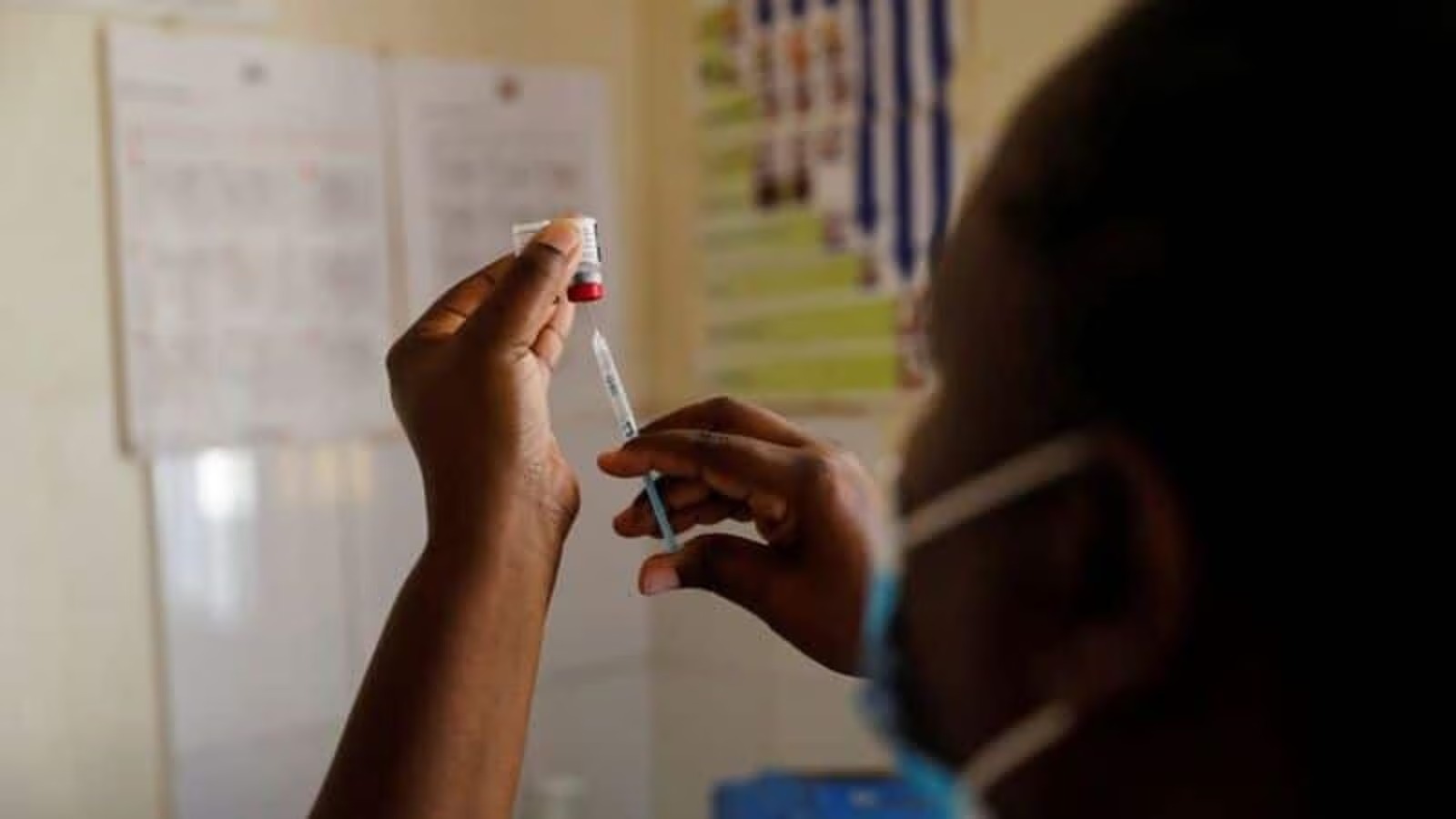
COVID variant EG.5: What we know about Eris

The WHO says new omicron subvariant EG.5 Eris is a virus of interest. It’s reignited talk about vaccines and speculation about a return of the pandemic.

After more than three years of the COVID-19 pandemic, the World Health Organization ended the global public health emergency on May 5, 2023. But at the same time, WHO Director-General, Tedros Adhanom Ghebreyesus noted that SARS-CoV-2, the virus that leads to COVID, had not been fully defeated, that it continued to circulate in the world and that we could still see the emergence of new and more dangerous variants.

And that’s where we are now: there is a new COVID variant: EG.5, also known as Eris. We just don’t know whether it’s more dangerous than previous variants yet.

The WHO has classified the EG.5 as a Variant of Interest (VOI). At time of writing, it is not a Variant of Concern (VOC), which is one step worse that a Variant of Interest.

Variants of Concern are those whose characteristics have a significant influence on the spread of the virus — because of higher rates of contagion and rising infection rates, or an increase in severe cases of the illness and COVID mortality rates.

EG.5 is one of three variants on the WHO’s watchlist. The other two are XBB.1.5, which is largely circulating in Europe and the Americas, and XBB.1.16, which is predominant in Asia.

Eris is just a nickname for EG.5

T. Ryan Gregory, an Canadian evolutionary biologist based at the University of Guelph, Ontario, has studied the subtype EG.5.1 (Ed.: note the added “.1” which indicates this is the first version of EG.5) and posted a comment on its nickname, Eris, suggesting that the nickname may lead to some confusion as we talk more and more about the variant.

Eris is also the name of one of the largest dwarf planets in our solar system — Eris is the Greek goddess of chaos. But, notes Gregory, the nickname is unlikely to cause a big wave in itself.

COVID variant EG.5: What we know about Eris

How has EG.5 spread so far?

The WHO classified EG.5 as a VOI due to rising infection rates attributed to the variant, the fact that it spreads fast and its ability of so-called “immune escape”.

EG.5 is a descendent lineage of XBB. 1.9.2. It has an additional spike mutation that may explain why it can escape the human immune system’s response.

That’s according to the Neherlab research group, based at the Biozentrum, University of Basel, Switzerland. In a Neherlab variant report posted at the end of June 2023, EG.5 was already described as the “fastest growing lineage with significant circulation” in the world.

The report said that EG.5 “might also be a slightly beneficial mutation.”

Neherlab’s data suggests that EG.5 was first detected in February 2023 in Indonesia and the following month in the USA.

EG.5 was also on the agenda of a virtual press conference hosted by the WHO on July 27, 2023. During the briefing, Maria Van Kerkhove, the WHO’s Technical Lead for COVID-19, said “all of the variants that we are detecting that are sublineages of Omicron have an increased growth rate.”

That, said Van Kerkhove, “raises the point that this virus continues to circulate and it continues to change.”

In its EG.5 Initial Risk Evaluation report (August 7, 2023), the WHO said the variant had been sequenced more than 7,350 times, with samples from 51 countries.

Most of the variant sequences were from China, with 30.6%, or 2247 sequences. Other countries listed with at least 100 sequences included the USA, South Korea, Japan, Canada, Australia, Singapore, the UK, France, Portugal and Spain.

Why we still have to ‘keep an eye’ on COVID

At the end of July, Van Kerkhoven said “[w]e aren’t seeing the same level of impact in terms of hospitalizations and deaths because people are protected largely from vaccination but also from past infection, so we have some immunity that has been built up.”

But Van Kerkhove says there is a concern that “we could potentially see new variants that could be more severe and that’s something we have to keep an eye out for […].”

As a result, warned the epidemiologists, it’s important that nations continue to report COVID-related mortality rates, hospitalizations, cases requiring intensive. But in July, only a quarter of all nations provided the WHO with death rates, and only 11% of nations provided data on severe cases.

Continuing sequencing is also vital, said Van Kerkhove: “make no mistake, the virus has not gone away.”

It is, however, as yet unclear whether EG.5 caused the most recent rise in COVID cases. US-based physician and scientist Eric Topol said in a post that while it was important to “track the evolution” of the virus, there was “no clear [cause] and effect relationship with the current (small) increases in wastewater, cases, hospitalizations […].”

That was backed up by the WHO’s August 9 EG.5 risk assessment.

COVID-19: The seasonal effect

Despite conclusions drawn at the time of writing, the WHO sees a potential for EG.5 to “cause a rise in case incidence and become dominant in some countries or even globally” due to its “growth advantage and immune escape characteristics” — same as it was with other variants in the omicron lineage of the virus.

Right now, though, the consensus is that EG.5 is not a big threat. The rise in cases could be explained by the fact that we (in the Northern Hemisphere) are in the midst of a summertime COVID-wave. During the heat of summer, people tend to stay in air conditioned spaces. The virus continues to mutate, protection we had from previous infections diminishes, and the risk of our catching a new infection goes up.

So, it’s a good reminder for us to keep COVID-19 in view and under control. Latest reports suggest that updated COVID vaccines — for protection against new variants, including EG.5 — should be available in the coming months.

Read more at-https://shorturl.at/fCFJL
Categories
COVID-19 Government Guidelines Medical Equipments Medical Updates Medicine & Health

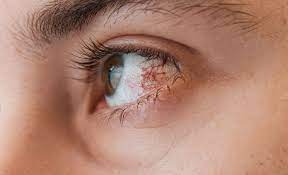
Eyes, allergies and monsoon: Tips on coping with seasonal eye allergies in rainy season

As the humidity rises, let’s explore the link between allergies, infections and rains and learn some essential tips to cope with pesky eye issues this monsoon

Monsoon, the much-awaited respite from scorching heat, brings with it a mix of delight and distress because while the raindrops dance merrily, our eyes often find themselves struggling to keep up with the joy as it is that time of the year again when seasonal eye allergies and infections make their unwelcome appearance. As the heavens open up and the humidity rises, let’s explore the connection between allergies, infections, the rains and discover some essential tips to cope with these pesky eye issues.

Connection between allergies and monsoon

In an interview with HT Lifestyle, Dr Vijay Mathur, Senior Consultant at Sharp Sight Eye Hospitals , shared, “Monsoon is notorious for triggering eye allergies and infections. The dampness fosters the growth of viruses and fungi, leading to conjunctivitis, commonly known as “pink eye.” Symptoms include redness, itching, grittiness and excessive tearing with discharge. Pollen, dust, and other airborne particles carried by the monsoon winds can further aggravate eye irritation, causing discomfort to even non-allergic individuals.”

Common eye-related problems in monsoon

Dr Vijay Mathur highlighted –

1. Epidemic infectious conjunctivitis: Is the leading culprit. This condition causes red, itchy, gritty and watery eyes due to infection caused by viruses (adenovirus is the most common) in the air. This condition is highly infectious and can easily transmit from one person to another. Personal hygiene including hand washing is an effective way to prevent person to person transmission.

2. Allergic conjunctivitis: Monsoon is a time when fungi and moulds multiply. This leads to allergies in susceptible individuals.

3. Styes and chalazion: The damp environment fosters bacterial growth, leading to painful styes and chalazion on the eyelids.

4. All other eye infections: Bacteria and viruses thrive in the monsoon, increasing the risk of eye infections like Keratitis and Dacrocystitis.

Coping strategies:

Bringing his expertise to the same, Dr Rishi Raj Borah, Country Director – India, Orbis, revealed, “During the monsoon season, it is essential to focus more on our eyes since the rains and increasing humidity offer an ideal environment for pathogenic organisms such as bacteria, viruses, and fungal moulds to develop and multiply. Eye conditions such as allergies and conjunctivitis are prevalent during the rainy season. They usually cause red, itchy, and watery eyes. Identifying and suppressing the root cause is the best approach to avoid all the sufferings associated with eye allergies. This means that if a person knows they are allergic to a specific substance, such as a fungal mould, they should avoid going to wet regions where they might come into contact with mould.”

Eyes, allergies and monsoon: Tips on coping with seasonal eye allergies in rainy season

He added, “Similarly, if someone is allergic to pollen, they should avoid stepping out of the house during the period when the pollen concentration is high in the air. Furthermore, wearing eyeglasses when going outside is a good practice that everyone should undertake. Maintaining personal hygiene by often washing hands with soap and water is essential. To reduce the chances of introducing irritants from the surroundings into the eyes, avoid touching the face and eyes frequently. Even when humidity levels are at their highest during the monsoon, dry eyes can occur.”

Dr Rishi Raj Borah suggested, “In such circumstances, artificial tears can assist to relieve discomfort while also moisturising the eyes. Furthermore, sharing personal belongings like towels and makeup should be avoided. It is also preferable to avoid utilising public swimming pools during the rainy season, since these might serve as breeding grounds for the spread of bacterial illnesses. Seeking professional medical assistance should be the norm for anyone experiencing symptoms of an eye allergy and if you are unsure of the underlying cause, an eye doctor or ophthalmologist will be able to help find out the probable root cause and offer therapies to relieve the symptoms.”

According to Dr Vijay Mathur, to combat these monsoon-related eye issues, follow these essential coping strategies –

1. Cleanliness first: Regularly clean your living space to reduce mold and dust accumulation.

2. Hand hygiene: Maintain good hand hygiene to prevent eye infections by refraining from touching your eyes with unwashed hands.

3. Use eye drops: Over-the-counter artificial tears provide relief from dryness and flush out allergens.

4. Stay dry: Avoid getting drenched in rain and getting splashed with dirty water in puddles to minimise exposure to allergens and infectious agents.

5. Consult your doctor: If symptoms persist, seek professional help for proper diagnosis and treatment.

With a little vigilance and proactive care, you can ensure that your eyes remain resilient during the monsoon. Welcome the rains with open arms and remember to shield your precious vision from seasonal woes.

Read more at-https://shorturl.at/psuH0

Categories
Medical Equipments Medical Updates Medicine & Health

New Covid variant EG.5: Symptoms to transmissibility; 7 things to know about Omicron subvariant Eris

Covid variant EG.5 which is also unofficially known as Eris has been declared by WHO a variant of interest and the organization has asked countries to monitor the cases. Eris has been spreading fast in UK and is adding to the number of infections. Experts, however, say there’s no need to worry as the cases are largely mild and while hospitalisation cases in elderly have slightly increase, they remain lower than earlier waves. As per WHO, Eris has been found in 51 countries, including China, the US, the Republic of Korea, Japan, Canada, Australia, Singapore, the UK, France, Portugal and Spain. The symptoms of the new Covid variant Eris are reported to be running nose, sneezing, cough, fever, fatigue among others.

“The World Health Organization has identified a new strain of Covid-19 as a noteworthy variation, despite the little risk to the general public’s health. The EG. 5 or ‘Eris’ version, which is more prevalent globally, is connected to the Omicron subvariant XBB.1.9.2. Despite EG.5’s higher prevalence, growth advantage, and immune escape traits, no changes in disease severity have been noted yet. As per availability of suggested data, there is currently no reason to believe that this wave will be worse than past waves this year, but it will likely result in a wave of more cases and all the complications that brings, including more hospitalizations and Long Covid,” says Dr Vidya S Nair, Sr. Consultant & HOD- Pulmonology at Marengo Asia Hospitals, Faridabad.

Dr Ather Pasha, Senior consultant Internal Medicine, CARE Hospitals, Banjara Hills, Hyderabad shares 7 things you want to know about Covid’s new variant Eris.

New Covid variant EG.5: Symptoms to transmissibility; 7 things to know about Omicron subvariant Eris

7 facts about EG.5 or Eris
1. Omicron’s sub-variant

Eris is a subvariant of the Omicron variant, specifically XBB.1.9.2. It was first identified in China in February 2023 and has since spread to over 50 countries.

2. Transmissibility higher?

Eris is thought to be more transmissible than previous Omicron subvariants, but it is not clear if it is more severe. Early studies suggest that Eris may cause more hospitalizations than previous Omicron subvariants, but more research is needed to confirm this.

3. Eris evades immunity gained by infection or vaccination

Eris appears to be able to evade some of the antibodies produced by previous COVID-19 infections and vaccinations. This means that people who have been previously infected or vaccinated may still be at risk of getting sick with Eris.

4. Signs and symptoms of Eris

The symptoms of Eris are similar to those of other COVID-19 variants, including fever, cough, shortness of breath, fatigue, muscle aches, headache, and sore throat. Some people with Eris may also experience a loss of taste or smell.

5. Treatment for Eris

There is no specific treatment for Eris. Treatment is supportive and includes rest, fluids, and over-the-counter medications to relieve symptoms. In some cases, hospitalization may be necessary.

6. Ways to prevent Eris

The best way to protect yourself from Eris is to get vaccinated and boosted against COVID-19. Vaccination and boosters help to protect you from getting sick, even if you do get infected.

7. Covid-appropriate behaviour

You can also protect yourself from Eris by wearing a mask, social distancing, and washing your hands frequently.

“Since vaccination is still the strongest defense against upcoming Covid-19 waves, it is crucial that everyone get all of the doses for which they are qualified as soon as possible. In India, presence of herd immunity also is going to be an added advantage as we have seen multiple waves of the Omicron variants. Long-term illness in anyone who has the infection is always a concern, as is severe disease in older adults and people with underlying problems. Therefore, every precaution should be taken (including avoiding crowded areas, wearing appropriate masking, cleaning hands, etc,” says Dr Nair.

Read more at-https://tinyurl.com/yjbprr9h

Categories
COVID-19 Government Guidelines Medical Updates Medicine & Health

New coronavirus variant EG.5 on the rise: WHO, CDC on alert

The EG.5 variant has been spreading rapidly in the US and has higher transmissibility. A US health official says updated vaccines will offer protection.

The World Health Organization (WHO) on Wednesday classified a new strain of COVID-19 as a “variant of interest.” The EG.5 variant has been spreading rapidly in the United States, encompassing over 17% of cases. It has also been detected in China, South Korea, Japan and Canada.

What else do we know about the EG.5 variant of COVID-19?

The WHO said that the new variant does not at present seem to pose an additional public health risk compared to other strains of COVID-19.

“Collectively, available evidence does not suggest that EG.5 has additional public health risks relative to the other currently circulating Omicron descendent lineages,” the organization said.

It said that a more comprehensive evaluation of the risk posed by EG.5 was needed. 

Maria Van Kerkhove, the WHO’s technical lead on COVID-19, said that while EG.5 had increased transmissibility, infections were not more severe than other Omicron variants.

“We don’t detect a change in severity of EG.5 compared to other sublineages of Omicron that have been in circulation since late 2021,” she said.

New coronavirus variant EG.5 on the rise: WHO, CDC on alert

Meanwhile, Dr Mandy Cohen, the director of the US Center for Disease Control and Prevention (CDC), said that updated vaccines to be offered in mid-to-late September will provide protection against the variant.

“Right now, what we’re seeing with the changes in the viruses, they’re still susceptible to our vaccine, they’re still susceptible to our medicines, they’re still picked up by the tests,” Cohen said.

The CDC chief said that the mutations in the virus amounted to “small changes” and “subtypes of what we’ve seen before.”

“We are likely to see this as a recommendation as an annual COVID shot just like we have an annual flu shot,” she said.

Countries not reporting COVID-19 data, WHO says

Meanwhile, WHO Director General Tedros Adhanom Ghebreyesus said that many countries were not reporting coronavirus data to the organization.

He said only 11% had reported hospitalizations and ICU admissions related to COVID-19.

The WHO issued a set of recommendations for reporting data on the virus, particularly mortality and morbidity. It also urged countries to continue offering vaccination.

“About a year ago, we were in a much better situation to either anticipate or act or be more agile,” Van Kerkhove said.

“And now the delay in our ability to do that is growing. And our ability to do this is declining.”

“What we cannot do right now is give you an accurate statistic of how many deaths are actually occurring for Covid-19,” she said.

Read more at-https://shorturl.at/dxBK0

Categories
COVID-19 Government Guidelines Medical Equipments Medical Updates Medicine & Health

Long covid symptoms may appear months after infection: Study

The study states that the symptoms of long covid can last even after a year after the sickness has subsided.

According to the most thorough examination of how symptoms develop over a year, long COVID-19 can last at least a year after the acute sickness has subsided.

The multicenter study, a collaboration between UC San Francisco, the Centers for Disease Control, and seven other sites, advances understanding of post-COVID-19 conditions by describing trends in greater detail than prior research and highlighting the significant effects the epidemic has had on the American health care system.

The study appeared in Morbidity and Mortality Weekly Report (MMWR), a publication of the CDC.

For about 16 per cent of the COVID-positive people in the study, symptoms lasted for at least a year; but for others, they came and went. The study assessed symptoms every three months, enabling researchers to differentiate between symptoms that improve and those that emerge months after the initial infection.

“It was common for symptoms to resolve then re-emerge months later,” said lead author Juan Carlos Montoy, MD, PhD, associate professor at UCSF’s Department of Emergency Medicine. “A lot of prior research has focused on symptoms at one or two points in time, but we were able to describe symptom trajectory with greater clarity and nuance. It suggests that measurements at a single point in time could underestimate or mischaracterizes the true burden of disease.”

Long covid symptoms may appear months after infection: Study

Fluctuating Nature of Disease:

Long Covid involves a range of symptoms that persist or develop about a month after initial infection. These symptoms are associated with significant morbidity or reduced quality of life.

The study involved 1,741 participants – two-thirds of them female – who sought COVID-19 testing at eight major healthcare systems across the country. Three-quarters tested positive for Covid-19, but those who tested negative may also have had an infection of some type, since they were experiencing symptoms. These included fatigue, runny nose, headache, sore throat, shortness of breath, chest pain, diarrhoea, forgetfulness and difficulty thinking or concentrating.

Covid positive participants were more likely to have symptoms in each of the symptom categories at baseline, but by the end of the year, there was no difference between those who were Covid-positive and negative.

“We were surprised to see how similar the patterns were between the Covid positive and Covid negative groups,” said Montoy. “It shows that the burden after Covid may be high, but it might also be high for other non-Covid illnesses. We have a lot to learn about post-illness processes for Covid and other conditions.”

Read more at-https://shorturl.at/avL29

Categories
Medical Equipments Medical Updates Medicine & Health

Rainbow diet for mental health: 9 colourful foods to boost energy, feel happy

Different coloured plant foods contain a variety of nutrients, antioxidants, and phytochemicals that support brain function and mood regulation.

When it comes to disease prevention, boosting immunity and brain power, people often wonder what foods to add to their diet for warding off chronic diseases, dementia, depression and to supply their bodies with essential vitamins and minerals. Apart from a balanced diet, nutrition experts recommend including a blast of colours to your plate for improving not just body function but cognitive function. It is usual to feel lethargic, low on energy and anxious for people in modern times due to a combination of factors from lack of good nutrition to accumulation of stress. There is a deep connection between mood regulation and diet and if one can understand it, it’s possible to stay in the best of moods that will also support productivity and a feeling of well-being.

What is a rainbow diet

A rainbow diet is one which contains fruits and vegetables in different colours like red, yellow, purple, green, orange et al. The idea of this diet is to minimise carbs, gluten, fat or meat which could be burdening your system and making it ill over a period of time. Rainbow diet has fruits and veggies with specific micronutrients that can support health and provide necessary antioxidants and anti-inflammatory molecules. The high amount of fibre in this diet can work wonders for digestive system which can further support your overall health including mental well-being.

“Eating the rainbow is essential for optimal mental health and well-being. Different coloured plant foods contain a variety of nutrients, antioxidants, and phytochemicals that support brain function and mood regulation. As a nutritional psychiatrist, I recommend various ways to incorporate the rainbow into your diet,” says Dr Uma Naidoo, Harvard trained psychiatrist, Professional Chef and Nutrition Specialist in her recent Instagram post.

Dr Naidoo shares different ways to add colours to your plate and how they benefit you:

Rainbow diet for mental health: 9 colourful foods to boost energy, feel happy

1. Colourful vegetables and fruits

Aim to consume a diverse range of colourful vegetables and fruits. These foods provide vitamins, minerals, and antioxidants that help protect brain cells from damage and support cognitive function.

2. Leafy greens

They are rich in folate, which is important for neurotransmitter production and mood stability:

3. Berries

They are packed with antioxidants that protect against oxidative stress, which can contribute to mood disorders.

4. Orange and yellow foods

Consume foods like sweet potatoes, carrots, and bell peppers. They contain beta-carotene and vitamin C, which are beneficial for brain health and immune function.

5. Purple foods

Include purple fruits like grapes, blackberries, and plums. They contain anthocyanins that have anti-inflammatory and neuroprotective effects.

6. Whole grains

Choose colourful whole grains like quinoa, brown rice, and whole wheat. These grains provide sustained energy and are linked to improved mood and cognitive function.

7. Nuts and seeds

Snack on a variety of nuts and seeds such as almonds, walnuts, chia seeds, and flaxseeds. They provide healthy fats, fibre, and essential nutrients that support brain health.

8. Lean proteins

Opt for lean protein sources like fish, poultry, legumes, and tofu. These foods provide amino acids that are essential for neurotransmitter production.

9. Herbs and spices

Incorporate herbs and spices like turmeric, ginger, and rosemary. They contain compounds that have anti-inflammatory and cognitive-enhancing properties.

Read more at-https://shorturl.at/e0267

Categories
Medical Equipments Medical Updates Medicine & Health

New Covid variant Eris detected in Maharashtra; should India be worried? What experts say

Amid spread of new Covid variant, India needs to be careful, as Covid appropriate behaviour has taken a back seat and immunity is waning, says expert.

New Covid variant EG.5.1 or Eris that has been adding to the surge of Coronavirus cases in UK has also been causing slight increase in Coronavirus caseload in Maharashtra. The new Omicron variant was first detected in May but did not cause any notable impact in the months of subsequent months of June and July. However, as per state health department data, Covid cases have increased from 70 at the end of July to 115 on August 6, said a TOI report. The new Covid strain Eris has increased hospitalisation cases among elderly in UK and while there is no need to panic, it’s imperative to keep a close watch on it. The rise in Corona cases could be due to waning immunity from previous infections or vaccinations and it’s important to take booster shots to fight the virus.

New Covid variant Eris detected in Maharashtra; should India be worried? | Health - Hindustan Times

‘India needs to be careful amid waning immunity’

“The concern about new Covid-19 strains depend on various factors, including their transmissibility, severity, and the effectiveness of vaccines and treatments against them. Given that viruses can mutate over time, there is always a possibility of new strains emerging. The latest strain EG5.1, also known as Eris is one such strain which WHO is closely monitoring. India needs to be careful, since the Covid appropriate behaviour has taken a back seat and vaccination immunity is probably waning. So, if caught off guard, it can be disastrous,” says Dr Ravi Shekhar Jha, Director & HOD-Pulmonology, Fortis Escorts Hospital, Faridabad.

“The new strain was initially started from the United Kingdom, and now very few cases have been reported in Mumbai. Since the positivity rate or any upsurge in cases have not been reported so far, thus this strain may not be of much concern for India,” says Dr Kuldeep Kumar Grover, Head of critical care & Pulmonology – CK Birla Hospital, Gurgaon.

Symptoms of Eris or EG5.1

“The symptoms are same as previous variants, like cough, cold, fever, throat pain and chest tightness, but in immunocompromised people and some susceptible individuals, it can lead to fatal ARDS. It also appears to be more contagious than previous variants,” adds Dr Jha.

“Usually, infected people may witness mild kind of Covid feelings since this is the new co-variant of Omicron strain, but that may not cause any significant harm. As we all know that rapid spread of the Covid strain is characterised by more infectivity and less visibility. But since almost every individual has been double vaccinated and has developed hybrid immunity, the infection spread rate may be minimal, with almost nil hospitalisation,” says Dr Grover.

“We need to keep a close watch and need to follow normal hygiene like hand wash and mask at public places which also effectively reduces the risk of other viral and some bacterial infections. The cases in Maharashtra are not of too much concern but again, since this is flu season and season of fever due to other causes too, like malaria, typhoid and Dengue, we are not testing enough for Covid, so cases may be missed. We need to be careful if we see sudden spike in fever cases where no cause could be established,” says Dr Jha.

What people in India need to do for avoiding Covid infection

“So first and foremost, three things to ensure – healthy balanced diet, hygienic lifestyle, regular vaccination (if applicable or flu shots), and again following the Covid appropriate behaviour – wearing mask, avoiding crowded places and proper sanitisation,” says Dr Grover.

While the strain hasn’t increased the cases much, “public need to be vigilant on their part and follow the safety precautions, even though this strain does not seem to be that much contagious,” as per Dr Grover.

Read more at-http://surl.li/jxnqg

Categories
Government Guidelines Medical Equipments Medical Updates Medicine & Health

New Covid variant Eris spreading rapidly in UK; know symptoms and prevention measures

From running nose to fatigue, know 5 symptoms of new Covid variant Eris that is spreading fast in UK.

The pandemic has eased but newer variants of Covid keep emerging. EG.5.1 or Eris that was first identified in May has been raising the number of Covid cases in UK and currently 1 out of 10 Covid cases in UK are due to this latest strain which is not currently listed as variant of concern. Eris has been contributing to hospitalisation cases in UK albeit mostly among elderly.

Experts opine that there is a need to keep a close eye on this new strain which is of Omicron lineage and spreads faster than the original Covid-19 virus. However, there is no reason to believe that EG.5.1 is deadlier than previous strain. The rise in cases could be due to waning immunity from previous infections or vaccinations and it’s important to take booster shots to build up a defence against the virus.

Eris raising hospitalisation cases among elderly

“As seasons are changing and Covid virus continues to spread, newer variants continue to emerge worldwide. One of the recent variants that has been identified is Eris variant which has recognised to be come out of UK where it has been known to cause 1 in 10 of the Covid cases. This is showing an increase in number of cases in UK, with a somewhat higher levels of hospitalisation for people who are seniors even if they are vaccinated. So, it is something which we need to keep an eye on. This is strain of the Omicron variant which itself was significantly mutated compared to the original Covid 19 virus that came in 2019,” says Dr Pavithra Venkatagopalan, corona-virologist and Covid awareness specialist at Rotary Club of Madras NextGen.

New Covid variant Eris spreading rapidly in UK; know symptoms and prevention measures

Symptoms of new Covid variant Eris

This variant has very similar symptoms compared to previous variants as per Dr Pavithra.

  • Running nose
  • Sneezing
  • Cough
  • Fever
  • Fatigue (mild or severe depending on the person’s composition).

Preventive measures

Dr Pavithra says people need to take booster shots if they haven’t done already and get tested in case of any symptoms to contain the spread.

“We have to keep an eye on spread of this variant. However treatment and preventive measures continue to be the same. Unvaccinated people should get vaccinated as soon as they are eligible. Booster shots have to be taken if not done so far. If people are known to be showing symptoms, they need to be isolated, get tested if needed. More importantly, now that the schools have started in full swing, the wave will see increase in number of cases. But whether this will result in hospitalisation of the younger population we do not know,” says the expert.

Read more at-https://shorturl.at/nuFZ3

Categories
Government Guidelines Medical Equipments Medical Updates Medicine & Health

Customs duty adjustment, banning imports of used equipment to help medical devices industry reach USD 50 bn by 2030′

Synopsis

“The Indian medical devices industry can expand from USD 12 billion to USD 50 billion by 2030, reducing import reliance to 35 per cent and boosting exports to USD 18 billion from USD 3.4 billion at present. The industry’s growth potential could surpass that of the smartphone sector due to India’s expanding health sector, projected to reach USD 600 billion by 2030,” GTRI Co-founder Ajay Srivastava said.

Steps such as raising customs duty on certain items, banning import of used or old equipment, and introduction of performance linked incentive scheme for value-added production will help India’s medical devices industry touch USD 50 billion by 2030, a report by think tank GTRI said. Suggesting six action points for the government and industry for accelerating growth of the sector, the Global Trade Research Initiative (GTRI) also asked the government to not allow input tax credit (ITC) for  the IGST paid on import of items where basic customs duty is zero; combatting foreign influence; and encourage local sourcing for essential Make in India products.

The Indian medical devices industry can expand from USD 12 billion to USD 50 billion by 2030, reducing import reliance to 35 per cent and boosting exports to USD 18 billion from USD 3.4 billion at present. The industry’s growth potential could surpass that of the smartphone sector due to India’s expanding health sector, projected to reach USD 600 billion by 2030,” GTRI Co-founder Ajay Srivastava said.

He said this shift could generate over 1.5 million jobs in medical device manufacturing and healthcare services like hospitals and labs.

It has also suggested that basic customs duty be raised from the current 0-7.5 per cent to 15-20 per cent for devices not covered under WTO’s Information Technology Agreement – 1.

“This approach is WTO (World Trade Organization) compatible, as bound duties stand at 40 per cent. Initial duty hike should apply to products with demonstrated quality production and exports of around Rs 20 crore,” it said.

Customs duty adjustment, banning imports of used equipment to help medical devices industry reach USD 50 bn by 2030'

Global import duties for medical devices vary such as in Brazil it is 14 per cent, Russia (0-15 per cent), India (0-7.5 per cent), China (3.3-17 per cent), South Africa (0-20 per cent). It also said that developed countries, and China does not allow import of used products.

Old devices used for MRI or ultrasound scanning, X rays, Mammography may provide faulty prognosis and threaten lives, the report said adding many old devices are at risk of spreading harmful contaminants like depleted Uranium. It asked for a Performance Linked Incentive (PLI) plus scheme for high import-intensive products, such as diagnostic reagent kits, surgical instruments, and other medical devices.

Offer incentives to companies that add significant value in India rather than just assembling imported components,” the report said adding India should guard against foreign interests dictating policy outcomes reports of foreign lobbies.

It added that the government should ensure that Indian manufacturers can compete effectively with foreign imports for vital supplies, including masks, oximeters, syringes, thermometers, examination gloves, and blood collection tubes, in government tenders and critical healthcare scenarios.

The government notified the National Medical Devices Policy in April but the current domestic supply and exports are far below potential, the report said.

“Local firms fulfil just 34.6 per cent of the USD 12 billion Indian market needs, while imports cover the remaining 64.4 per cent, costing USD 7.6 billion in FY’2023,” Srivastava said adding achieving the full potential of the sector will require further support as the sector faces 15 per cent cost disability due to high cost of power supply chain inefficiencies.

Government support is needed to check dumping, ramp up domestic production and cut imports. India has 1,200 local companies and multinational corporations that manufacture a wide range of devices, except for advanced high-tech ones.

The sector showcased its capabilities during the COVID-19 pandemic by swiftly scaling up the production of essential items like ventilators, Rapid Antigen Test kits, PPE kits, and N-95 masks for both domestic and global use. Currently, India produces around USD 7.6 billion worth of medical devices, out of which USD 3.4 billion is exported, and the remaining USD 4.2 billion is used domestically.

However, the annual demand for medical devices in India is valued at USD 11.8 billion, with the rest being covered by imports totalling USD 7.6 billion.

Commenting on the sector, Administration in charge of Patna-based Sanjeevani hospital Manish Singh said the government should adopt a three pronged strategy to boost growth of this segment.

Singh suggested domestic industries to manufacture technology driven medical equipment of high quality at minimum possible prices; gradual substitution of foreign-made devices in big private hospitals with the Indian ones; and creation of a department of trained sales force armed with sufficient data to target the world market.

Echoing similar views, Richa Chauhan, Senior consultant (Oncologist), Mahavir Cancer Sansthan, said Government of India’s initiative to give a push to medical equipment manufacturing in the country is a “highly appreciable” decision.

The diagnosis and treatment of many diseases including the life threatening cancer requires high-end machines like CT Scan, MRI, Cobalt-based Radiotherapy units, and linear accelerators.

With only a few manufacturers across the world for radiotherapy machines, there is an urgent need for indigenous production of these machines,” Chauhan said. She suggested that the manufacturers should work in close collaboration with the users of the machine to rectify or modify the devices accordingly.

“With no dearth of talent in our country, I am sure we can utilise this opportunity and become a leading manufacturer and importer of medical devices,” she added.

Read more at-https://rb.gy/w7ctb

Categories
Medical Equipments Medical Updates Medicine & Health

Why developing the world’s first malaria vaccine has taken so long

On July 5th the World Health Organisation, UNICEF and Gavi, an organisation promoting vaccination, announced that 12 African countries would receive 18m doses of the world’s first malaria vaccine. Mosquirix, developed by GSK, a British pharma firm, will be deployed over two years with deliveries starting at the end of 2023. It is expected to save tens of thousands of lives each year, mostly of very young children. Around 95% of malaria cases and deaths are in Africa, and at least 28 countries there have expressed an interest in the new jab; by 2026 demand is expected to reach 40m-60m doses. Why has it taken so long to develop a malaria vaccine?

Malaria, a parasitic infection transmitted by mosquitoes, is one of Africa’s deadliest diseases. Although it is treatable, the infection must be identified and the patient attended to quickly. That is difficult in the continent’s many remote rural areas. As a result malaria kills nearly 500,000 children under the age of five every year. Hitherto the best option has been to try to prevent malaria with insecticide-treated nets and antimalarial drugs. But these efforts have been insufficient. Scientists have been trying to develop a vaccine for decades. Mosquirix had been in the works since the 1980s.

The development of an effective malaria vaccine has been a formidable scientific challenge. Normally, vaccines work by training the immune system to recognise antigens—typically proteins—that are found on the surface of the infectious agent. But targeting such proteins on the Plasmodium parasite that causes malaria has proven difficult. The parasite has a multi-stage life cycle, which presents different antigens at different stages, making it harder to pick the best target. It has also evolved ways of avoiding detection by the human immune system. For example, the parasite can turn off a protein on its surface, which allows it to travel undetected between blood cells. Once it has infected a new cell it switches the protein back on. All this means it has been hard to find the right antigen to flag to the immune system. But Mosquirix has managed to find a point in the parasite’s life cycle that is possible to target: the stage before it infects liver cells.

why developing the world’s first malaria vaccine has taken so long


Between 2019 and 2021 trials in 800,000 children in Ghana, Kenya, and Malawi found that inoculation led to a 30% reduction in severe malaria infections, and a 10% decline in mortality. Shortages of supply mean that the vaccine is for now being allocated to countries where the burden of malaria is heaviest (see map).

Although the vaccine is a milestone in malaria treatment, more work is needed. Mosquirix’s efficacy is relatively low—particularly when compared with the 95% achieved by covid-19 vaccines. But a more effective jab, R21/Matrix-M, might be in sight. Small-scale trials suggest it could have an 77% efficacy rate—although this rate has not been shown in late-stage trials. Adrian Hill, director of Oxford University’s Jenner Institute, which developed R21, told the Lancet, a medical journal, that he hoped it would be possible to bring annual malaria deaths down to fewer than 50,000 globally by the end of the decade. Slightly behind R21 is an early-stage mRNA malaria vaccine developed by BioNtech, a German pharma firm. This innovation points to a future where malaria is preventable, and much less deadly than it is today. Some even hope that the disease will be completely eradicated.
Read more at-https://shorturl.at/izIR3