Categories
COVID-19 Medicine & Health

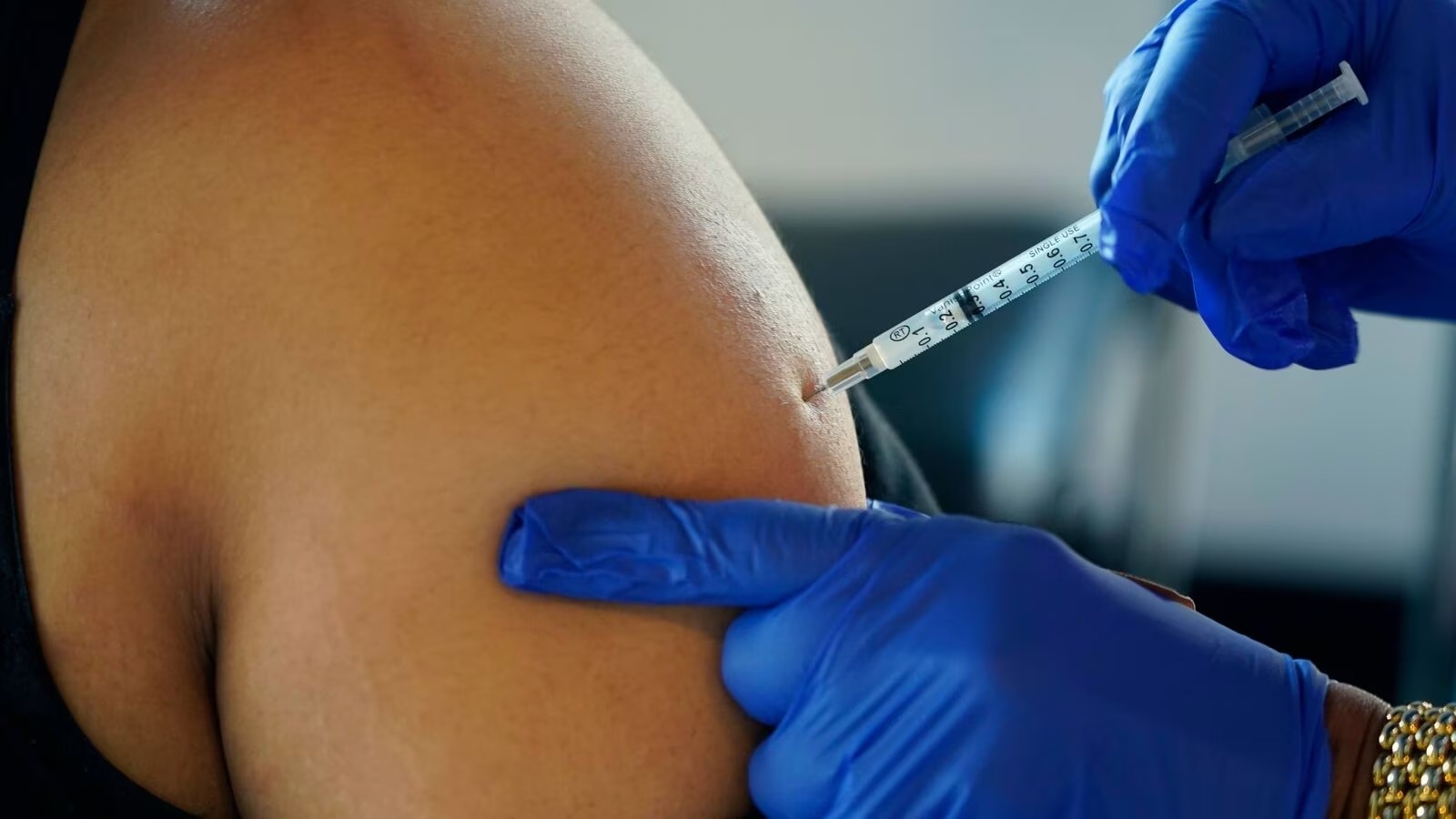
USFDA gives nod to first vaccine to protect newborns from Respiratory Syncytial Virus

The United States Food and Drug Administration (FDA) on Monday approved the first vaccination to save newborns from Respiratory Syncytial Virus

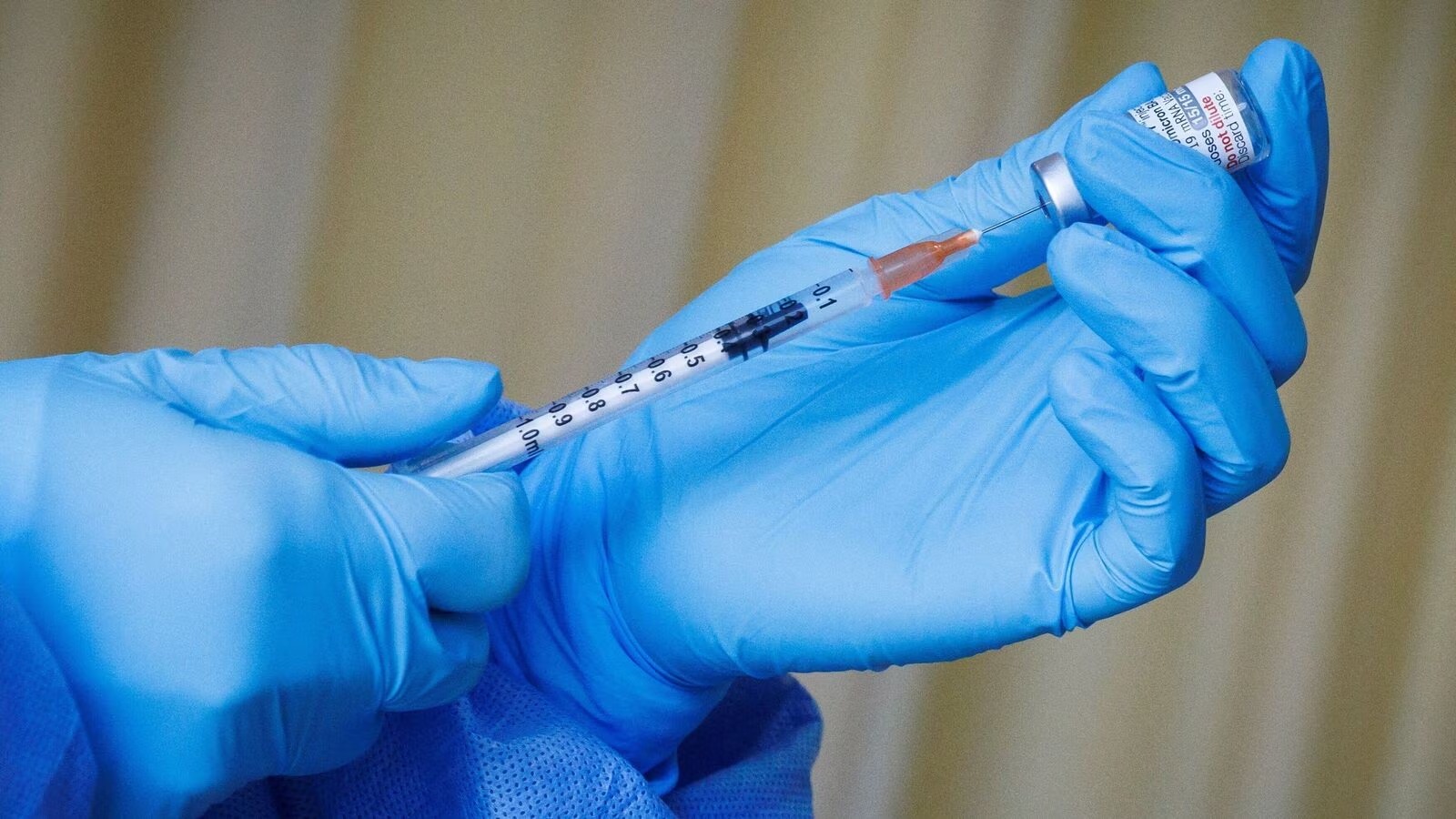
The US Food and Drug Administration (FDA) on Monday approved the first vaccine that protects newborns from Respiratory Syncytial Virus (RSV), reported ANI citing CNN.

The new vaccine is made by Pfizers and is given to mothers late in their pregnancies. It provides protection to infants through their first six months of life.

During the trial of the vaccine on more than 7,000 pregnant people and their infants, it was found that it cut the risk that infants needed to see a doctor. It also reduced the cases of hospitalisation among infants.

About Respiratory Syncytial Virus (RSV)

People suffering from this illness are affected with infections of the lungs and respiratory tract. It is highly commong among children and elderly. It also leads to large number of hospitalisation. It typically hits hardest during the winter months. The last RSV season was longer and more severe than usual, overwhelming children’s hospitals.

Director of the FDA’s Center for Biologics Evaluation and Research, Peter Marks in a statement said: “RSV is a common cause of illness in children, and infants are among those at highest risk for severe disease, which can lead to hospitalization.”

USFDA gives nod to first vaccine to protect newborns from Respiratory Syncytial Virus

“This approval provides an option for healthcare providers and pregnant individuals to protect infants from this potentially life-threatening disease,” he added as per CNN.

According to the CNN report, there are many vaccines to protect people from RSV. The recently approved antibody shot can protec infants after birth from the illness. There are new vaccine also available for people 60 and older.

Pfizer’s senior vice president and chief scientific officer for vaccine research and development Annaliesa Anderson said in a statement: “ABRYSVO’s approval as the first and only maternal immunization to help protect newborns immediately at birth through six months from RSV marks a significant milestone for the scientific community and for public health.”

Pfizer has said that maternal vaccination could prevent up to 16,000 hospitalizations and more than 300,000 visits to the doctor due to RSV each year if the vaccine were universally applied.

Read more at-https://shorturl.at/jxGW4

Categories
COVID-19 Government Guidelines Medical Updates Medicine & Health

Mystery respiratory virus spreading in Hyderabad; know symptoms and prevention tips

The mystery virus may belong to the Adeno, Corona, Influenza or MERS family. All you want to know about symptoms and prevention.

An acute viral illness with symptoms similar to Swine Flu, influenza, and adeno virus is spreading in Hyderabad, affecting either children or adults with comorbid conditions. The virus is yet to be identified and many people who are testing for Swine Flu, Covid-19, or Influenza are getting negative reports. Experts, however, say there is no cause of alarm as the recovery rate of this mystery illness is 100% and patients are taking 5 days to recover, which is a normal recovery time for a viral infection. The symptoms range from runny nose, sore throat, dry cough, fever with body pain and difficulty in breathing.

“We have been seeing an acute febrile viral illness for the past 6-8 weeks now and we have observed coryzal symptoms in these patients. This virus has been affecting 6-7 out of 100 people, and 50% of them are children. This is because the immunity of the children is not fully developed. The other 50% of patients are adults with comorbid lung diseases like COPD (also called smoker’s asthma), Post TB and Covid-destroyed lungs and asthma,” says Dr Syed Abdul Aleem, Consultant – Pulmonology CARE Hospitals, Musheerabad, Hyderabad.

Symptoms of the mystery virus

The symptoms of this mystery virus start with a runny nose, followed by a sore throat, dry cough, fever with body pain and difficulty in breathing. 1-2% of these patients have experienced respiratory failure.

“The symptoms affect the upper respiratory tract and gradually affect the lower respiratory tract as well. We have been running tests for influenza A and B, swine flu – H1N1, avian flu – H3N2 and dengue as well. We observed false positive results in 3-4% of these tests because the structural similarity of the mystery virus is very similar to these virus families,” says Dr Syed.

Mystery respiratory virus spreading in Hyderabad; know symptoms and prevention tips

Treatment

“Fortunately, we are catching this early, and we are following symptomatic treatment where patients are responding well. We are treating patients with respiratory failure with Oseltamivir, an anti-viral drug and we are seeing good results. Along with treatment, we suggest maintaining hydration, and isolation as well until there is a complete recovery,” says the expert.

Precautions

The precautions for this mystery virus are covering the nose and mouth while coughing or sneezing or using an N95 mask, keeping distance from people, sanitizing regularly, vaccinating against influenza and immediate isolation and approaching a healthcare professional for treatment.

What could be this mystery virus?

“This mystery virus may belong to the Adeno, Corona, Influenza or MERS family. So, we are suggesting a multiplex PCR panel of tests including Influenza A&B, H1N1, H3N2, and Covid RT-PCR,” says Dr Syed.

Read more at-https://shorturl.at/fkrZ6

Categories
COVID-19 Government Guidelines Medical Equipments

Covid-19 vaccine boosters are the best defence: Older adults shouldn’t rely on previous infection for immunity

Despite researchers’ efforts to understand SARS-CoV-2, the virus continues to hold many secrets.

Despite researchers’ efforts to understand SARS-CoV-2, the virus continues to hold many secrets. As much as we’ve tried to shoehorn it into our thinking about how respiratory viruses work, it will simply not comply. Some thought the virus would settle into a strictly seasonal pattern. It hasn’t. Some thought we could we move to a single annual vaccine every autumn. That was upended by having multiple waves of infection each year, that seem to occur in the late summer.

Some variants we thought would be terrible turned out to be mild, while others have turned out to be very problematic.

Surprising study results

Now we have a new puzzle.

Through the first couple of years of the pandemic before the emergence of the Omicron variant, it was believed the combination of vaccination and prior infection — which is called hybrid immunity — provided the highest level of protection against future infections.

Our research group has been studying vaccinated older adults in long-term care and retirement homes throughout the pandemic, and our recent findings have jolted us.

We found that those who had battled the BA.1-2 variant of Omicron in early 2022 had a 30-fold higher risk of contracting the BA.5 variant later in the year. That was exactly the opposite of what we, or anyone, would have predicted.

This new knowledge is critically important, not just to other older adults, but to all of us.

Covid-19 vaccine boosters are the best defence: Older adults shouldn’t rely on previous infection for immunity

Does this surprising twist apply to the broader population? Possibly, but until we know how infections work to increase susceptibility to reinfection, we can’t know if this susceptibility is specific to older adults. Does it apply to other variants, including the newest ones in circulation? That’s unclear.

What the findings do tell us is that older adults who have had a previous COVID-19 infection shouldn’t rely on that to protect them against reinfection this fall. To protect against severe illness, keeping booster shots up to date is recommended.

We can’t let our guard down

We were able to make this discovery because our study participants in long-term care and retirement homes are part of the most frequently tested, highly vaccinated and closely observed group in the entire population.

The end of frequent PCR testing and documentation of infection for those who are sick (after all, we researchers don’t know if you tested positive on a rapid test) left us without much data about COVID infections and reinfections in the broader population, so these seniors are helping us see things we’d otherwise have missed.

Through them, we’ve realized the virus has evolved in a way that means one infection doesn’t necessarily guarantee immunity from another.

Though we still have so much to learn about many aspects of COVID-19 — including its lingering health effects and the mechanics of its endless mutations — we do know enough to say one thing: we can’t let our guard down.

Among other conclusions, we know that while vaccines mitigate the worst consequences of subsequent COVID infections, the virus is still developing new ways to elude our immune systems.

Protecting ourselves and our communities

So, do we still need masks and boosters? Yes. However tiresome they have become, they’re still crucial. This is especially true for our most vulnerable, including older adults, people with chronic conditions or who are immune compromised and those who work with them.

We know the protective value of multiple COVID vaccines does not accumulate like money in a bank account. It’s the recency of our boosters that will determine our degree of protection.

Though imperfect, timely boosters are still our best shields. It’s time to think of them less like our childhood vaccines, where we expect to be protected for long periods of time, and more like annual flu vaccines where we need to be vaccinated for the strain that is circulating and can only expect that protection to reduce symptomatic infection, last a few months but — importantly — help keep us out of hospital.

We need to remain vigilant and to continue to keep our vaccines up to date, to protect against COVID infections and their threat of debilitating long-term effects and even death.

Protecting ourselves and our communities

Our participants have been great partners in our work. As a group, and are willing to participate in this research because they are interested in helping others. They helped us discover that hybrid immunity does not always protect older adults from future COVID-19 infection, suggesting that some assumptions about COVID-19 infection risk may need to be revisited, and that we need to study how different variants evade the immune system.

These research partners deserve the thanks of the community for contributing to this important lesson. We can all honour them by heeding that lesson and taking precautions against spreading COVID-19 this fall, including wearing masks and getting a booster shot.

Read more at-https://shorturl.at/uEFJ7

Categories
COVID-19 Government Guidelines Medicine & Health

New Covid-19 variant ‘Pirola’ or BA.2.86 is different from others, Coronavirologist shares 5 important facts

Coronavirologist Dr Pavithra Venkatagopalan says that Pirola or BA.2.86 variant has as many changes as Omicron had from Delta.

Coronavirus has been changing and evolving ever since it was first discovered in the year 2019 and became a global concern in a matter of few months. The original Covid strain soon turned into the ‘deadly Delta’ taking a huge toll across the globe. With massive vaccination drive all across India and other parts of the world, and the efforts of Covid warriors including scientists, medical practitioners, doctors, nurses, this health crisis could be curbed. As Covid transformed into a way milder Omicron variant, the symptoms became less severe and the fears regarding the spread of the virus eased.

Coronavirologist Dr Pavithra Venkatagopalan says that Pirola or BA.2.86 variant that has been increasing cases in US, UK, China and other countries, seems to have as many changes as Omicron had from Delta. The coronavirologist also added that we are yet to understand the severity of the strain and the impact of the new mutations the virus has.

Dr Pavithra Venkatagopalan, corona-virologist and Covid awareness specialist at Rotary Club of Madras NextGen in a telephonic interview with HT Digital shares 5 important facts about Pirola or BA.2.86 that everyone wants to know.

New Covid-19 variant ‘Pirola’ or BA.2.86 is different from others, Coronavirologist shares 5 important facts

1. Pirola or BA.2.86 has 35 new mutations

All viruses change with time including SARS-Cov2. These changes are designated as variant depending on how different they are based on their genetic sequence as compared to the previous variant. One of the recent variants that has been discovered is BA 2.86. This variant is interesting because it has a lot of 35 new mutations that sets it apart from previously known prevalent Covid variants.

2. BA.2.86 has limited samples so severity is unknown

We don’t know the severity of this strain because worldwide we have received just 9 samples. This does not mean that there are only 9 cases. This simply means that all the Covid virus cases that were tested for the genetic sequence, 9 have been identified in different parts of the world suggesting it’s prevalent worldwide.

3. Pirola may not be really new

It is important to remember that just because we have detected a variant now doesn’t mean it’s new. Covid is no longer considered a global crisis. The efforts put into genetically sequencing the virus have also come down, so we don’t know for how long this variant has been travelling undetected. There is no evidence to suggest that this variant is a lot more severe in terms of symptoms they cause or how quickly they transmit from each other simply because we have just 9 identified sequence samples which simply don’t know about genetic makeup of other variants that may be spreading.

4. Why BA.2.86 is a variant of interest

It is variant of interest because it has around 30 genetic changes from its parent which is B82 variant which is dubbed as omicron in the media. Omicron was designated as a different variant from its ancestral Covid variant which was delta which was the B 1.617.8.2. This seems to have as many changes as Omicron had from Delta.

5. Will previous vaccines work to prevent Pirola?

Whether the previous vaccines will work or not, we will have to wait and see because we do not know how long this variant has been getting transmitted. All those people who have had Covid and had more global vaccines and not specific RNA vaccines are expected to have some level of leverage. These companies have been updating their vaccines as the virus is evolving. If you have those vaccines in access and are eligible to take those vaccines, please continue to take them as advised by your local health body.

Read more at-https://shorturl.at/bfisY

Categories
COVID-19 Government Guidelines Medical Equipments Medicine & Health

ICMR study: Who’s more at risk after leaving the hospital with COVID-19?

The Indian Council of Medical Research (ICMR) recently published a research paper highlighting varying vulnerability to post-discharge mortality in COVID-19 cases. The study highlights three risk factors for death after discharge while also highlighting the importance of vaccinating prior to contracting the coronavirus.

“Post-discharge mortality” refers to the occurrence of death after a person has been discharged from a medical facility, such as a hospital, following treatment for a specific medical condition.
The new ICMR study, titled “Determinants of post-discharge mortality among hospitalized COVID-19 patients,” identifies three prominent risk factors associated with post-discharge mortality among COVID-19 survivors. People over the age of 40, men with co-morbidities and individuals who endured moderate to severe COVID-19 cases have a more pronounced risk of post-charge mortality.
On a more positive note, the study reveals that those who received at least one dose of the SARS-CoV-2 vaccine before contracting the virus experienced a 60 percent reduction in the risk of post-discharge mortality.
The research accumulated results from 14,419 participants hailing from 31 hospitals nationwide, who were followed up for a period ranging from four weeks to one-year post-discharge. 942 individuals (6.5 percent) had succumbed, while the remaining 93.5 percent were documented as alive during the year-long follow-up.
“Similar trends were seen in participants, 18-45 years of age,” the ICMR team said.
ICMR study: Who's more at risk after leaving the hospital with COVID-19?
While the findings offer valuable insights, the study acknowledges limitations stemming from telephonic follow-ups, which could lead to symptom underreporting. Also, the study’s focus was exclusively on hospitalised COVID-19 patients, which restricts the generalisability of the conclusions to the broader population.
In parallel to this study, the ICMR is currently overseeing a multicentric hospital-based matched case-control study, which seeks to investigate the impact of the COVID-19 vaccine on heart attacks among individuals aged 18–45 years in India.
Furthermore, the ICMR is actively researching factors associated with sudden deaths among adults aged 18–45 years in India.
Meanwhile, PK Mishra, the principal secretary to Prime Minister Narendra Modi, on Monday, held a high-level meeting to review the global and national COVID-19 situation in view of the new variants, Pirola (BA.2.86) and Eris (EG.5).
During the meeting, Mishra highlighted the need for states to monitor trends of influenza-like illnesses despite the stable COVID-19 situation, and prepared healthcare systems. He also focused on the need to send enough samples for genome sequencing.
Read more at-https://tinyurl.com/v7zjzezx
Categories
COVID-19 Government Guidelines Medical Equipments Medicine & Health

Dengue outbreaks: 9 reasons why dengue cases are getting more severe; what role does global warming play

Prenatal genetic testing is now quite affordable and being increasingly used for improving reproductive outcomes in every pregnant woman as genetic testing prenatally, a.k.a before birth has given the opportunity to screen for a variety of severe genetic abnormalities and take necessary action in time. This helps in preventing the birth of children with genetic birth defects thus saving financial and emotional burden on the family.

With the advent of such testing, couples are now able to obtain information about genetic disorders of their foetus and make an informed decision about the same. In an interview with HT Lifestyle, Dr Veronica Arora, Assistant Consultant at Institute of Medical Genetics and Genomics at Sir Ganga Ram Hospital, revealed, “Genetic testing is not offered to obtain information about the foetus to predict non-disease-related traits. Such practice is strongly condemned. Some common myths about prenatal genetic testing include that it is only done for older women, it is very expensive, it is only done for Down syndrome, not required in the absence of family history, or done only for high-risk women.”

Highlighting that testing in the prenatal scenario includes non-invasive and invasive genetic tests, she elaborated –

  • Non-invasive tests: Biochemical markers, non-invasive prenatal screening are those which are performed on the blood of the mother. Testing for common aneuploidies and thalassemia is included in this category, and these are offered universally to all pregnant women.
  • Invasive genetic testing: Amniocentesis or Chorionic villus sampling is limited to fetuses at risk of having a genetic disorder. This includes those at risk due to positive family history, advanced maternal age, positive screening tests for aneuploidies or ultrasound abnormalities.

Dengue outbreaks: 9 reasons why dengue cases are getting more severe; what role does global warming play

Addressing myths on prenatal genetic testing, Dr Ramesh Hariharan, CEO and Co-Founder of Strand Life Sciences, shared –

  1. Prenatal genetic testing can help determine if the baby, while still in the mother’s womb, has a genetic abnormality.
  2. Pre-natal testing need not be invasive for the baby; some abnormalities in the baby can be detected from the mother’s blood; these include large scale genomic abnormalities that cause Down’s syndrome.
  3. Not all abnormalities can be easily detected from the mother’s blood though, particularly finer genetic abnormalities, those may need a procedure called amniocentesis or CVS to access cells from the baby.
  4. All positive results detected from mother’s blood should be confirmed by an amnio or CVS.

Read more at-https://shorturl.at/eoSZ7

Categories
COVID-19 Government Guidelines Medical Equipments

Covid-19 poses high chances of death to people above 40: ICMR study

The latest research paper released by Indian Council of Medical Research (ICMR) has revealed that covid-19 people above 40 years of age, men with co-morbidities and those individuals who suffered moderate to severe covid-19 were associated with higher odds of post-discharge one-year mortality, whereas 60% protection was conferred by vaccination before the covid-19 infection.

Of the 14,419 participants from 31 hospitals across the country who were followed up at least once between four weeks and one year post discharge, 942 (6.5%) had died and the remaining (93.5%) were reported alive at any contact during one year of follow up.

The study titled– “Determinants of post discharge mortality among hospitalized covid-19 patients: Nested matched case-control analyses from the National Clinical Registry for covid-19″ has now been published in the latest issue of Indian Journal of Medical Research (IJMR) was conducted by the National Clinical Registry for covid-19 study team.

“Participants who had received at least one dose of the anti-SARS-CoV-2 vaccine before their covid-19 infection had a lower risk of post-discharge mortality,” the study said.

Covid-19 poses high chances of death to people above 40: ICMR study

“Emphasis was put on the 18-45 years of age to understand the factors associated with post discharge death in young adults. Factors associated with death in them after discharge were similar to the ones observed in other age brackets. Prior anti-covid-19 vaccination did lend some protection against all-cause post discharge death in this age group, although this cannot be claimed conclusively as the association was not statistically significant,” the study said.

The limitations of the current investigation include reliance on telephonic follow-up, which could have led to underreporting of the symptoms. The present analyses only included patients who were hospitalized due to covid-19, and consequently, the findings cannot be generalized to all patients who had covid-19, the study stated. In addition to this, ICMR is also conducting a multicentric hospital-based matched case-control study   on the effect of covid-19 vaccine on heart attack among 18–45-year-old population in India in 2022 and on factors associated with sudden deaths among adults aged 18–45 years in India.

Read more at-https://t.ly/KwMYe

Categories
COVID-19 Government Guidelines Medical Equipments Medical Updates

New Covid variant Eris symptoms appear a week before positive test? Know all about this ‘pre-Covid’ phenomenon

Experts say this could be because when a person contracts a virus, it takes time for it to replicate within the body to trigger noticeable symptoms.

New Covid variant EG.5 has been spreading fast in different parts of the world and while the strain is good at escaping immunity, the symptoms remain mild, and experts say it doesn’t pose a significant threat. EG.5 has been declared as a variant of interest and will be monitored for its mutations. The strain may become dominant in many countries with its rapid spread. As the Eris and other Omicron variants are being detected, people are also reporting a ‘pre-Covid’ phenomenon that was even being reported in the initial days of pandemic. This means that people are showing signs of Covid even with a negative test and upon being tested again after a week or so, the result comes positive.

Experts say this is because when a person contracts a virus, such as Covid-19, it takes time for the virus to replicate within the body to trigger noticeable symptoms. The initial test comes negative due to low viral load and the same increases with each passing day. If you too are facing this ‘pre-Covid’ phenomenon, get tested again after a week for correct diagnosis.

The incubation period effect

“This phenomenon can be attributed to the virus’s incubation period. When a person contracts a virus, such as Covid-19, it takes time for the virus to replicate within the body to levels that trigger noticeable symptoms. This period between exposure to the virus and the appearance of symptoms is known as the incubation period. Eris is one of the two latest sub-variants of Corona virus. The symptoms of Eris variant start about a week before it could be detected by tests. The symptoms are nearly the same as those of Covid illness,” says Dr Anurag Saxena, HOD-Internal Medicine, Primus Super Speciality Hospital.

“In the case of Eris and similar illnesses, symptoms may manifest roughly a week before a positive test because the virus or pathogen has been present in the body long enough to cause noticeable symptoms, but it might still take a little more time for the viral load to reach a level detectable by the testing methods in use,” adds Dr Saxena.
New Covid variant Eris symptoms appear a week before positive test? Know all about this 'pre-Covid' phenomenon

Go for RT-PCR tests

“In some patients, they continue to test negative for Covid illness, because they don’t have it. In some cases, initial tests can be negative due to low viral load initially, i.e., load below the limit of detection of that particular test. In such cases, repeating a test after few days usually helps to confirm the diagnosis. In other patient, use of rapid antigen tests, improper sampling technique (when performed by self) etc. can be cause of negative result despite having Covid illness. In such cases, RT-PCR tests, a more accurate test than rapid antigen tests, should be performed, and sampling performed preferably by trained personnel. As of now, there is very limited data to suggest any significant difference compared to previously circulating variants with respect to transmissibility, immune evasiveness, severity, diagnostic modalities, or response to available treatment. Furthermore, more robust, large cohort-based data is needed, on viral dynamics of new emerging variants, and performance characteristics of various tests in such scenarios to ascertain such phenomenon and its plausible explanation,” says Dr Rohit Garg, Consultant, Dept of Infectious Disease, Amrita Hospital, Faridabad.

“Symptoms such as nasal congestion, sneezing, cough, fever and fatigue is commonly seen in the ‘pre COVID’ period. This can last upto first 7 days of the infection. It is seen with Eris variant as the transmissibility of this virus is higher than the previous variants. However, there is no need to panic and it becomes imperative to follow Covid appropriate behaviour, especially hand hygiene, during the monsoon season when the rate of airborne and droplet infections are already high,” says Dr Charu Dutt Arora, Infectious Disease Specialist, Consultant Physician, AmeriHealth, Asian Hospital.

“Understanding this timeline helps in both managing the illness and preventing further transmission, as individuals with symptoms can take appropriate precautions and seek medical attention promptly, reducing the risk of spreading the illness to others,” says Dr Saxena.

Eris symptoms

Dr Saibal Chakravorty, Senior Consultant – Internal Medicine, Metro Hospital Noida says the symptoms of the new variant as of now are same as we have seen and witnessed previously, though more research on this is being done.

As per limited evidence, the symptoms are:

  • Cough
  • High Fever
  • Severe Headache
  • Body ache
  • Weakness and Fatigue
  • Decreased Appetite

Read more at-https://shorturl.at/ceptO

Categories
COVID-19 Government Guidelines Medical Equipments Medical Updates

New Covid variants Eris vs BA 2.86: Is the one scarier than the other? Know difference between symptoms

Eris vs BA 2.86, both are variants from XBB lineage which is a descendent of Omicron. Here’s what to know about their symptoms are transmissibility.

Even as pandemic threat subsides, Covid-19 virus continues to evolve and most recently two Covid variants namely Eris or EG.5 and BA 2.86 have been increasing the caseload in UK, China and other countries. While Covid symptoms seem to have become milder with course of time and newer variants, the mutations in the spike protein have increased due to which they are becoming good at escaping immunity and also infecting people faster. While EG.5 has been declared variant of interest, BA 2.86 is being called variant under monitoring by WHO. BA 2.86 is said to be highly mutated and this particular strain has some new symptoms associated with it, says Dr Pavithra Venkatagopalan, corona-virologist and Covid awareness specialist at Rotary Club of Madras NextGen in a conversation with HT Digital.

Why newer variants of Covid-19 are evolving

“The virus causing Covid-19 has continued to evolve from the time it was identified in December 2019. Over these last 3-3.5 years, we have seen lot of different variants come and go and each of these variants have lot of properties in common and some other varying ones. One of the common properties include the transmission via droplets. This has not changed in any of the variants that have come so far. We have seen the beta, gamma, delta, and Omicron variants. All these variants are causing Covid-19. What happens is when people with different symptoms of Covid-are identified, their sample is collected and sent for sequencing. Sequencing is a simple way of understanding what this virus is made of. Each of these variants behave differently because they have different genetic sequence changes,” says Dr Pavithra.

Eris or EG.5 and BA 2.86 are the two variants that have been making headlines as they are spreading very fast and are able to evade vaccine immunity or immunity acquired from an infection. Dr Pavithra explains the difference between the two strains.

Difference between EG.5 and BA 2.86 Covid variants

“We have a new ‘variant of interest’ and another fresh ‘variant under monitoring’ at this point – one is Eris EG.5 and the other is BA2.86. Both of these are variants from XBB lineage which is a descendent of Omicron. The difference is we have identified more of Eris cases worldwide which seems to have high rates of transmissibility. Whether we have more cases of BA2.86 or not, we have to see,” says Dr Pavithra.

New Covid variants Eris vs BA 2.86: Is the one scarier than the other? Know difference between symptoms

New Covid symptoms of BA 2.86

Dr Pavithra says BA 2.86 has few new extra symptoms which seem to be associated with this variant infection.

“People are getting rashes, there is some eye redness, there is some cases of diarrhoea,” she says.

Fever, cough, shortness of breath, fatigue, muscle aches, headache, loss of taste and smell, and sore throat are symptoms that are being reported with Eris infection.

Does this make BA 2.86 less or scarier? These aren’t overly surprising symptoms, but it’s a sudden change that shows the virus is continuously evolving, says Dr Pavithra.

New vaccines to fight new variants

“BA 2.86 has 36 new mutations that may allow it to evade the antibodies we already have. In the US and Germany they are upgrading PFizer and Moderna against the new strains. This doesn’t mean that the shots we took earlier are not effective, but they may be less effective. The battle between our immune system and the virus will be constantly faced as virus evolves. If not vaccinated, we must make sure you get it, especially if it’s been over a year.

Read more at-https://shorturl.at/lxEKY

Categories
Government Guidelines Medical Equipments Medical Updates

Cancer-infecting virus warms up cold tumors, boosts immunotherapy: Research

The study states that cancer-infecting viruses can boost immunity of the body and support immunotherapy.

According to recent research published in the Journal of Experimental Medicine, equipping cancer-infecting viruses with tumor-inhibiting genetic cargo boosts the immune system and supports immunotherapy in reducing or totally eradicating aggressive tumours in mice. The findings pave the path for clinical studies combining oncolytic viruses with immunotherapy.

Oncolytic viruses are genetically modified viruses that target rapidly dividing tumor cells while avoiding normal cells.

Oncolytic viruses were originally designed to directly kill cancer cells, but researchers later noticed that they also stimulated the immune system, suggesting that they could be coupled with other cancer therapies such as immune checkpoint inhibitors, which remove the brakes on the immune system so that T cells can recognize and attack tumors.

“Immune checkpoint inhibitors work only in ‘hot’ tumors, which have already been infiltrated by T cells,” said senior author Greg Delgoffe, Ph.D., associate professor of immunology at Pitt’s School of Medicine and director of the Tumor Microenvironment Center at UPMC Hillman Cancer Center. “Oncolytic viruses can help ‘warm up’ cold tumors, so they have amazing potential to work hand-in-hand with immunotherapy, but they haven’t yet lived up to that promise.”

According to lead author Kristin DePeaux, a graduate student in Delgoffe’s lab, the problem is that many patients’ tumors do not respond to oncolytic viruses.

Cancer-infecting virus warms up cold tumors, boosts immunotherapy: Research

“There’s been a lot of interesting lab-based research on oncolytic viruses, but it hasn’t translated to the clinic,” she said. “We wanted to understand the mechanisms behind tumor resistance to these viruses to see what we can do to help patients.”

The researchers first developed a head-and-neck squamous cell carcinoma (HNSCC) cell line that is very sensitive to an oncolytic virus called vaccinia. Tumors injected with the virus regress after a single dose. They also developed a second cancer cell line that was otherwise identical but resistant to vaccinia.

After injecting both types of cells into mice and comparing immunological differences in the tumors that grew, they found that resistance to vaccinia was driven by high levels of a signaling protein called TGF-β, which is known to promote cancer growth by suppressing the immune environment.

Partnering with Andrew Hinck, Ph.D., professor of structural biology at Pitt, the team next engineered vaccinia to carry a gene encoding a TGF-β inhibitor.

“TGF-β inhibitors are very potent. They’ve been tried in the clinic, but they’re usually toxic because they’re delivered systemically,” said Delgoffe. “What’s really cool about using oncolytic viruses is that they deliver this cargo directly to the tumor microenvironment, so it’s very targeted and a much safer way to treat.”

When they injected the modified vaccinia into mice with vaccinia-resistant HNSCC, the tumors shrank or, in about 50% of mice, completely cleared, greatly increasing survival compared to animals that received the control virus, which didn’t carry the TGF-β inhibitor. Importantly, the treatment didn’t cause any autoimmune or toxicity-related side effects.

Next, the researchers tested whether the modified viruses could work similarly in a highly aggressive form of melanoma that is resistant to anti-PD1 immune checkpoint inhibitors. Animals that received no treatment, anti-PD1 or control vaccinia all died within about 24 days, while about 20% of those that received the modified virus had complete clearance of the tumor.

The most dramatic results occurred when modified vaccinia was combined with anti-PD1. In 67% of mice, tumors completely cleared, and survival was greatly extended.

Delgoffe and his team hope that a version of their modified vaccinia virus, which they’ve licensed to Kalivir Immunotherapeutics, could soon be ready to test in human clinical trials as an adjuvant for immune checkpoint inhibitors in patients who haven’t responded to these immunotherapies.

Read more at-https://shorturl.at/pxCZ7