Categories
Medical Equipments Medical Updates Medicine & Health

Tips to reduce your mental load

Sometimes we can feel extremely overwhelmed with the work at hand. When we are overburdened with work, the sense of feeling overwhelmed can make us feel more stressed. “Lightening the mental load is an ongoing process, and it’s important to find strategies that work best for your unique situation. A few tweaks can dial down the stress and make daily life feel less heavy,” wrote Therapist Carolyn Rubenstein. Here are a few ways to reduce the mental load.

We should filter the workload based on how immediately it needs to be done. Delegating and delaying the workload helps in diving the work.

Tips to reduce your mental load

Instead of taking up the whole work together, we should break it down into small and manageable steps.

We should refrain from taking up more work when we are already overburdened. We should learn to say no

To maintain a manageable workload, we should regularly assess our commitments and routine.

Read more at-https://shorturl.at/lmnJQ

Categories
COVID-19 Government Guidelines Medical Equipments Medical Updates

Immune cells are critical to efficacy of coronavirus vaccinations: Study

The study shows that vital subset of immune system cells that are required for successful vaccination of covid.

A study has provided fresh information on a vital subset of immune system cells required for successful vaccination against the SARS-CoV-2 pandemic virus.

The study, led by researchers at NYU Grossman School of Medicine and the New York Genome Centre, focused on T cells, which, along with B cells, form the human immune system’s response to invading viruses and bacteria. T lymphocytes labelled with the surface protein CD8 generate chemicals that kill infected cells directly. B cells secrete antibodies, which neutralise and mark contaminated cells for removal from the body.’

Vaccines expose patients to a bit of an invading bacterium in order to generate responses such as B and T cell activation so that the system is ready for the invader if it is met again. The COVID-19 mRNA vaccines were based on RNA, a genetic material utilised to encode the spike protein required by the virus to adhere to human cells. When mRNA instructions are injected, the spike is generated, and the immune response is activated.

In the rush to create vaccines against SARS-CoV-2, clinical trials relied mostly on antibody levels, when efficient diagnostics were available, to determine whether patients’ immune responses to mRNA vaccine candidates were protective. However, clinical protection was observed as early as ten days following the initial vaccine dose, well before neutralising antibodies could be produced. T cells were thought to be at least as significant in this protection, but normal methods for tracking them were too sluggish, so careful examinations of CD8 T cell responses were put on hold.

Immune cells are critical to efficacy of coronavirus vaccinations: Study

The study published in Nature Immunology describes a quick (high-throughput) approach for tracking T cell responses, demonstrates that they are critical to the early protection afforded by mRNA vaccines against COVID-19, and identifies the T cell subsets most responsible for it.

Our study identified markers for the CD8 T cells that arise from mRNA vaccination and that track closely with successful vaccination, which had previously been difficult to quantify on the population level,” said co-first study author Rabi Upadhyay, MD, assistant professor in the Department of Medicine at NYU Langone Health, and faculty in its Perlmutter Cancer Center.

“Although our study looks at mRNA vaccination against coronavirus, the antigen-specific CD8 T cell subpopulations we uncover represent key features of immune responses more broadly, and may help us to study T cells in other disease settings.”

For the current study, the research team analyzed gene expression over time in single T cells collected before and after immunization with the mRNA vaccine produced by BioNTech and Pfizer against SARS-CoV-2.

The researchers found distinct subsets of CD8 T cells that reliably multiplied (proliferated) 21 days after the original vaccination, specifically targeting and attacking key proteins (antigens) that make up the pandemic virus.

In looking at the genetic makeup of the most effective T cells, the researchers observed that cells lacking a surface protein called KLRG1, which stands for co-inhibitory receptor killer-cell lectin-like receptor G1, were the most likely to multiply quickly after mRNA vaccination and specifically attack.

When study authors checked for these profiles in hospitalized COVID-19 patients, those with the most “properly programmed” T cells – lacking KLRG1 but expressing other markers such as CD38 and HLA-DR – were the most likely to successfully recover from their infections.

In the years since the pandemic began, mRNA vaccines, first used against the virus, are now in clinical trials wherein they direct the body’s immune system to attack cancerous cells.

By clarifying T cell markers (e.g. KLRG1, CD38, HLA-DR), and the timeline for when CD8 T cells arise in the blood after vaccination, the new work may enable clinical teams to tell which patients are responding to the vaccines within days or weeks, say the authors.

That compares to the more than two months that oncologists must currently wait after mRNA vaccination to perform CT scans and assess whether their lung, breast, or prostate cancer patients responded to an mRNA vaccine.

If they are validated in this setting and dramatically shorten such wait times, the new profiling methods promise to help patients pivot more quickly to other treatments if necessary, the researchers say.

Furthermore, the study authors refer to a recent study led by a different research team which found that T cells with very similar attributes, again involving KLRG1, CD38, and HLA-DR, were the most effective at attacking cancer cells after treatment with an immune system-triggering drug (immunotherapy), just as they were the most effective at attacking the SARS-CoV-2 virus in the current study.

“It is remarkable that T cell attributes found after treatment with an effective immunotherapy mirrored those that we found to track with patient recovery from COVID-19,” said co-corresponding author Dan Littman, MD, PhD, the Helen L. and Martin S. Kimmel Professor of Molecular Immunology in the Department of Cell Biology at NYU Langone. “This pattern suggests that the close monitoring of antigen-specific CD8 T cell subpopulations will be central to future efforts to design treatments and vaccines against either viruses or tumours.”

Read more at-https://shorturl.at/HKRY1

Categories
COVID-19 Medical Updates Medicine & Health

Tips to unlock your happy hormones and move from stressed to calm

From releasing emotions to stretching exercises, here are a few ways to unlock happy hormones.

Often, we feel that we are moving from one stressful experience to another. This can be extremely mentally draining and frustrating, and it can make us feel clueless about what to do next. Stress can impact the body and make us feel tired all the time. In such times, it is important to make conscious efforts to unlock the happy hormones that will help us see the positive. “Consciously remembering and reintroducing the things that used to make you smile and give you joy. Bringing in ways to help you relax and feel safe which will help you sleep,” wrote Psychotherapist Nikola Jack as she explained the importance of moving from stress with the help of happy hormones.

“After an unpleasant or stressful experience prioritising comfort, releasing stress hormones to make way for happy hormones can help us switch from stressed to calm,” added Nikola. She further suggested a few ways by which we can unlock the happy hormones:

Tips to unlock your happy hormones and move from stressed to calm

Releasing emotions: Be it talking about it to loved ones, or going for a walk to shake things off, or maintaining a journal of thoughts, we should find ways to release pent-up emotions and seek ways to release them in a healthy way.

Get warm and cozy: Wearing comfortable pajamas and getting inside a weighted blanket will help us feel that we are safe and happy in the environment. This will help us to further combat signs of stress.

Do the things you love: We all have a list of things that we love doing – be it painting, singing, dancing or just sitting and watching our favourite comfort movies all over again. Sometimes spending time with our pets and lying down while cuddling them can also make us happy.

Breathe and stretch: Doing stretching exercises such as the Child’s Pose, or Box Breathing, or meditation can help in having a better perspective on things.

Read more at-https://shorturl.at/hsNY5

Categories
COVID-19 Medical Equipments Medical Updates Medicine & Health

Older adults with COPD had depression during COVID pandemic: Study

According to a new longitudinal study published online in the International Journal of Chronic Obstructive Pulmonary Disease (COPD), older persons with COPD were at a higher risk of depression during the early phases of the COVID-19 epidemic

The study looked at 875 people with COPD from the Canadian Longitudinal Study on Ageing, a national study of Canadian seniors. Using longitudinal data, researchers were able to distinguish between 369 COPD patients who had a history of depression previous to the pandemic and 506 patients who had never experienced depression prior to the pandemic.

Researchers discovered that 1 in 6 people with COPD who had no prior history of depression experienced depression for the first time during the early phases of the pandemic. These findings show the toll that the epidemic inflicted on many people who had previously been depression-free.

“Our findings highlight the substantial burden of COVID-19 on those who were mentally healthy prior to the pandemic,” said first author Aneisha Taunque, research assistant at the Institute for Life Course and Aging at the University of Toronto. “It is evident that the pandemic has had a detrimental impact on the mental health of many individuals, even those who had no lifetime history of depression.”

When the analysis was restricted to those who had a history of depression prior to the pandemic, the prevalence of depression was substantially higher, with approximately one-half of these individuals experiencing a recurrence or persistence of depression during the autumn of 2020.

Older adults with COPD had depression during COVID pandemic: Study

“Older adults who have a history of depressive episodes are a highly vulnerable subset of the population, particularly those who faced numerous challenges with managing their chronic health conditions during the pandemic when access to regular health care was severely disrupted,” said co-author Grace Li, PhD candidate in the Sociology Department at the University of Victoria.

“The COVID-19 pandemic further exacerbated the risk of depression among those with COPD,” says co-author Ishnaa Gulati, a Master of Public Health Student at the University of Toronto’s Dalla Lana School of Public Health. “There was already an established higher risk of depression among individuals with COPD when compared to those without COPD prior to the pandemic,” Gulati said. “When considering the mental health stressors during the pandemic, such as extended periods of lockdown, economic precarity, and concerns about contracting or spreading COVID-19, it is unsurprising that this group experienced major mental health challenges during this period.”

Although there is a burgeoning body of research examining depression during the pandemic, very little research has specifically examined the vulnerabilities among those with COPD. Understanding the risk factors for depression in subpopulations of older adults can aid health professionals in more effectively targeting treatment.

The study’s researchers highlighted several risk factors for both incident and recurrent depression among those with COPD, including loneliness, family conflict, and functional limitations.

“We found that experiencing functional limitations approximately doubled the risk of depression among older adults with COPD,” said co-author Ying Jiang, Senior Epidemiologist at the Public Health Agency of Canada.

“Physical activity is integral for maintaining functional status and reducing functional limitations among COPD patients, however many individuals with COPD are hesitant to engage in physical activity. Increases in time spent sedentary during periods of lockdown may have further ramifications for this population, potentially contributing to increases in depression.”

Women with COPD also had nearly double the risk of recurrent depression when compared to their male counterparts.

“During the pandemic, many women experienced an exacerbation of gendered roles, such as increased time spent caregiving and doing household labour, which may have contributed to declines in their mental health,” said co-author Margaret de Groh, Scientific Manager at the Public Health Agency of Canada.

Among individuals with no history of depression, experiencing disruptions to healthcare access was associated with approximately double the risk of incident depression.

“Many people with COPD encountered difficulties accessing pulmonary rehabilitation services during the pandemic, which are essential for supporting both the physical and mental health of COPD patients,” said co-author Andie MacNeil, research assistant at the University of Toronto’s Factor Inwentash Faculty of Social Work (FIFSW).

“Our finding that disruptions to healthcare access were associated with incident depression highlights the reverberating consequences when healthcare is inaccessible.”

Senior author, Esme Fuller-Thomson, a Professor at FIFSW and Director of the Institute for Life Course & Aging says she hopes the study’s findings can help inform healthcare workers and social service providers about the pandemic’s impact on the mental health of people with COPD. “Future research should continue to examine depression among older adults with COPD to better understand the pandemic’s cascading impact, even in the post-COVID era,” Fuller-Thomson said.

Read more at-https://shorturl.at/lmEJV

Categories
Medical Updates Medicine & Health

World Alzheimer’s Day: 7 things you should do every day to cut Alzheimer’s disease risk

World Alzheimer’s Day: While there is no cure of Alzheimer’s the disease can be avoided by following certain lifestyle habits.

Alzheimer’s disease can have a devastating impact on one’s life. The neurological disease shrinks the brain and over a course of time diminishes thinking, memory, and social skills. In advanced stage, people with Alzheimer’s are completely dependent on their caretakers and eventually with severe loss of brain function, people can suffer from dehydration, malnutrition or infection. This can even turn fatal and cause death. Studies prove that chances of Alzheimer’s can be reduced with lifestyle modifications be it regular physical activity, good diet, managing stress and chronic conditions. (Also read: World Alzheimer’s Day 2023: Date, history, significance)

As per researchers, compared to people with no or one healthy lifestyle factors, the risk of Alzheimer’s was 37% lower in those with two to three, and 60% lower in those with four to five healthy lifestyle factors. The lifestyle factors in this study include at least 150 minutes per week of moderate to vigorous-intensity physical activity, not smoking, light-to-moderate alcohol consumption, a high-quality, mediterranean-DASH Intervention for Neurodegenerative Delay (MIND) diet and engagement in late-life cognitive activities.

“Alzheimer’s disease poses a devastating global challenge, impacting millions of individuals. While a definitive cure remains elusive, mounting evidence suggests that adopting specific lifestyle choices can mitigate the likelihood of developing this debilitating ailment. By integrating the following seven habits into your daily regimen, you can proactively safeguard your brain health and diminish the risk of Alzheimer’s,” says Dr Neha Kapoor, Associate Director & Head-Neurology, Asian Hospital Faridabad.

On the occasion of World Alzheimer’s Day (September 21), here are factors that can help reduce risk of the disease.

World Alzheimer's Day: 7 things you should do every day to cut Alzheimer's disease risk

Lifestyle habits that can help cut Alzheimer’s risk

1. Embrace a heart-healthy diet

Cultivate a diet abundant in fruits, vegetables, whole grains, and lean proteins to bolster brain health. Prioritize foods rich in antioxidants, such as berries and leafy greens, which combat brain inflammation and oxidative stress. Additionally, incorporate omega-3 fatty acids from sources like salmon and walnuts to further reduce Alzheimer’s risk.

2. Engage in regular physical activity

Establish a consistent exercise routine to enhance overall health and decrease Alzheimer’s susceptibility. Strive for a minimum of 150 minutes of moderate-intensity aerobic exercise or 75 minutes of vigorous-intensity activity weekly. Exercise stimulates improved cerebral blood circulation, fosters the release of brain-protective compounds, and maintains optimal brain tissue health.

3. Foster mental stimulation

Keep your cognitive faculties engaged through regular challenges. Activities like reading, puzzles, acquiring new skills, and participating in intellectually stimulating conversations fortify cognitive reserves, potentially delaying the onset of Alzheimer’s symptoms.

4. Prioritize quality sleep

Give your brain the restorative sleep it needs by aiming for 7-9 hours of nightly rest. Inadequate sleep patterns and sleep-related disorders are associated with heightened cognitive decline and Alzheimer’s risk.

5. Manage stress

Chronic stress can detrimentally impact brain health. Incorporate stress-reduction techniques into your daily routine, such as mindfulness meditation, yoga, deep breathing exercises, or enjoyable hobbies. Reducing stress levels can safeguard your brain against harm caused by excessive cortisol production.

6. Cultivate social connections

Social engagement is a cornerstone of brain health. Regular interaction with friends and family, participating in group activities, and nurturing social ties can preserve cognitive function. Loneliness and isolation are linked to an increased Alzheimer’s risk.

7. Monitor chronic health conditions

Maintain vigilance over your overall health, particularly conditions like hypertension, diabetes, and high cholesterol, as they elevate Alzheimer’s risk. Collaborate closely with your healthcare provider to effectively manage these conditions.

“Adopting these habits into your daily life can significantly diminish your Alzheimer’s risk. Consistent, long-term practice is crucial for their effectiveness. Additionally, consult a healthcare professional for personalized guidance in crafting a brain-healthy lifestyle tailored to your specific needs and risk factors. Proactive care for your brain enhances the prospect of enjoying a vibrant and cognitively sound life as you age,” says Dr Kapoor.

Read more at-https://shorturl.at/aPW79

Categories
Medical Updates Medicine & Health

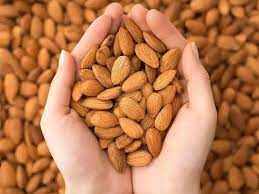
Almonds with energy-restricted diets aid in weight loss, improve cardiometabolic health: Study

When it comes to weight reduction, nuts often get a poor rap. However, recent research indicates that you can eat almonds and lose weight at the same time.

Researchers discovered that incorporating almonds into a low-energy diet not only helped participants lose weight but also improved their cardiometabolic health. The study was published in the journal Obesity.

When it comes to weight reduction, nuts often get a poor rap: while they’re high in protein, they’re also heavy in fat, which often puts people off. However, recent research from the University of South Australia indicates that you can eat almonds and lose weight at the same time.

Researchers showed that when energy-restricted diets were supplemented with Californian almonds or carbohydrate-rich snacks, both diets successfully lowered body weight by roughly 7kg.

More than 1.9 billion persons worldwide are overweight (650 million are obese). In Australia, two out of every three persons (about 12.5 million adults) are overweight or obese.

According to UniSA researcher Dr Sharayah Carter, the study shows how nuts can help with weight control and cardiometabolic health.

“Nuts, like almonds, are a great snack. They’re high in protein, and fibre, and packed with vitamins and minerals, but they also have a high fat content which people can associate with increased body weight,” Dr Carter said.

Almonds with energy-restricted diets aid in weight loss, improve cardiometabolic health: Study

“Nuts contain unsaturated fats – or healthy fats – which can improve blood cholesterol levels, ease inflammation, and contribute to a healthy heart.

“In this study, we examined the effects of an almond-supplemented diet with a nut-free diet to identify any influence on weight and cardiometabolic outcomes.

“Both the nut and nut-free diets resulted in approximately 9.3 per cent reduction in body weight over the trial.

“Yet the almond-supplemented diets also demonstrated statistically significant changes in some highly atherogenic lipoprotein subfractions, which may lead to improved cardiometabolic health in the longer term.

“Additionally, nuts have the added benefit of making you feel fuller for longer, which is always a pro when you’re trying to manage your weight.”

Read more at-https://shorturl.at/fikL5

Categories
Government Guidelines Medical Updates Medicine & Health

Dengue: Top tips to prevent and protect yourself amid record fever outbreak

Protection against dengue is crucial, especially in India and Bangladesh where cases are rising amid worst-ever dengue fever outbreak. Here are some top tips

Health departments in India and Bangladesh have swung into action after dengue cases surge amidst heavy rainfall this monsoon, with over 7,000 dengue cases reported in Karnataka, nearly 3,475 dengue cases in Punjab, Ambala’s dengue cases climbing to 173, Lucknow crossing the 300-mark, two notified dengue deaths in Navi Mumbai and suspected dengue cases pegged at 126, another suspected dengue death in Ghaziabad and an uptick in dengue cases in Delhi where doctors warn that numbers may increase. Meanwhile, the World Health Organization reported that neighbouring country, Bangladesh, is facing its worst-ever dengue outbreak with the climate crisis being cited as a key factor in the increased transmission of these mosquito-borne diseases.

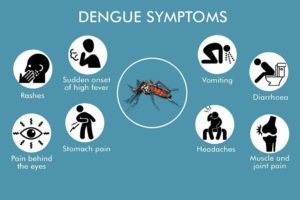
This viral infection is caused by the dengue virus (DENV) which is transmitted to humans through the bite of infected mosquitoes and while many DENV infections are asymptomatic or produce only mild illness, high fever, headache, body aches, nausea and rash, DENV can occasionally cause more severe cases and even death. Hence, health experts insist that early detection and access to proper medical care greatly lower fatality rates of severe dengue.

In an interview with HT Lifestyle, Dr Divya Singh, Senior Surgeon at Ram Manohar Lohia Hospital and Director at Maaiya Social Change Front Foundation, asserted that protection against dengue is crucial, especially in Delhi where cases are rising. She suggested some top tips to help you prevent dengue –

Dengue: Top tips to prevent and protect yourself amid record fever outbreak

  • Eliminate breeding sites: The Aedes mosquitoes that transmit dengue breed in stagnant water. Regularly check and eliminate any standing water around your home, such as in flower pots, discarded containers, and gutters. Do not allow water to stagnate in or around the household.
  • Regular screening of the house – Regular screenings by local authorities, building associations and on your own is a must to remain vigilant and present any breeding spots from being missed out.
  • Use mosquito nets and screens: Sleep under mosquito nets, especially during daytime when Aedes mosquitoes are most active. Use window and door screens to prevent mosquitoes from entering your home.
  • Wear protective clothing: When outdoors, wear long-sleeved shirts, long pants, socks, and shoes to minimize exposure to mosquitoes. Light-colored clothing can also help as mosquitoes are attracted to dark colors.
  • Use mosquito repellents: Apply mosquito repellents on exposed skin and clothing. Look for products containing DEET, picaridin, or oil of lemon eucalyptus. Follow the instructions on the label.
  • Keep your environment clean: Maintain good hygiene and cleanliness in and around your home. Trim bushes and shrubs, and keep grass short to reduce mosquito resting areas.
  • Keep the house and surrounding areas airy and well lit: Mosquitoes usually breed in dark places. Dimly lit areas and neglected spots harbour mosquitoes and may be overseen during sanitation checks which causes pooling of water and a fertile ground for larvae to grow.
  • Avoid peak mosquito activity: Aedes mosquitoes are most active during early morning and late afternoon. If possible, stay indoors during these times.
  • Avoid smells that attract mosquitoes: Growing lemongrass, eucalyptus and peppermint around the house will aid in fending off mosquitoes.
  • Promote community action: Work together with your neighbors to eliminate breeding sites in your community. Mosquitoes can travel short distances, so collective efforts are important.
  • Support vector control measures: Cooperate with local health authorities and their efforts to control mosquito populations through fogging, spraying, and larvicidal treatments.
  • Stay informed: Stay updated on dengue-related information from local health authorities and government agencies. Follow their recommendations for prevention and control.
  • Seek medical attention: If you experience symptoms such as high fever, severe headache, joint and muscle pain, rash, or bleeding, seek medical attention promptly. Early diagnosis and proper medical care are essential for managing dengue.

Emphasising the importance of collective efforts, the health expert urged everyone to actively engage in dengue prevention by adopting these measures and inspiring others within the community. Through united action, we can significantly diminish the spread of dengue and safeguard the well-being of our neighbourhoods.

Read more at-https://shorturl.at/cCRT2

Categories
Medical Updates Medicine & Health

Holistic healing for headache: Ayurveda’s approach to migraine relief

Ayurveda expert reveal Ayurvedic tips to effectively manage and reduce the frequency and severity of migraine attacks.

A migraine is a neurological disorder characterised by recurring, intense headaches often accompanied by symptoms like nausea, vomiting and sensitivity to light and sound. There is no known permanent cure for migraines however, various treatments and lifestyle changes can effectively manage and reduce the frequency and severity of migraine attacks.

In an interview with HT Lifestyle, Shreedha Singh, Co-founder and CEO at The Ayurveda Company, suggested medications, stress management, identifying triggers and adopting a healthy lifestyle and shared, “Ayurveda addresses migraines through ingredients like ashwagandha, butterbur, feverfew and white willow and promotes balance in bodily energies. Ashwagandha is known for its adaptogenic properties; it helps manage stress and anxiety, which are often migraine triggers. Butterbur has shown tremendous results in reducing the frequency and intensity of migraines, possibly by acting as a vasodilator and anti-inflammatory agent.”

She revealed, “Feverfew is renowned for its analgesic and anti-inflammatory effects and has been used traditionally to alleviate migraine symptoms. Its compounds can inhibit the release of inflammatory substances and constrict blood vessels, potentially reducing migraine onset. White willow contains salicin, a natural precursor to aspirin; it may alleviate migraine discomfort by reducing inflammation and inhibiting pain-inducing chemicals. This holistic approach aims to relieve symptoms and prevent future occurrences. In Ayurveda, personalised approaches are critical. These ingredients might be integrated into therapies based on an individual’s dosha (constitution) to address underlying imbalances contributing to migraines. However, consulting an Ayurvedic practitioner is crucial for a tailored treatment plan.”

Holistic healing for headache: Ayurveda's approach to migraine relief

Bringing her expertise to the same, Dolly Kumar, Founder and Director of Gaia, said, “In the midst of pain, hope remains, guiding us through the storm of migraine towards tougher days. It is important to note that migraine should not be get ignored. Within the delicate embrace of Green Tea, Tulsi Tea and Hibiscus, tea has hydrating and anti-inflammatory properties that come from catechins –antioxidants. A harmonious symphony of Ayurvedic wisdom unfolds, weaving nature’s tender touch with the essence of relief for migraines. As each sip graces your senses, it brings a journey, where the ancient secrets of herbs and leaves come together to serenade your mind, easing the burden of migraines, nurturing a heaven of calm, enhancing the body’s metabolism and leading to improved digestion. One should get it to reduce stress and fatigue.”

Asserting that migraines are becoming an increasingly common problem in today’s culture, Palak Midha, Co-Founder of Miduty, said, “The ideal storm for migraine episodes has been produced by stress, inconsistent sleep habits, excessive screen time, and poor nutritional choices. What’s more alarming is the rise in the number of children who suffer from migraines as a result of excessive screen time, insufficient sleep and poor eating habits. Changing our lifestyle choices is the first step in resolving migraine issues. As a health advisor, what I have seen is that while these lifestyle adjustments are advantageous.”

She added, “One factor that is sometimes forgotten is Magnesium. This essential mineral is anti-inflammatory and has the potential to relax blood vessels, resulting in less constriction during a migraine. While magnesium can be found in a variety of foods such as almonds, spinach and avocados, many people find it difficult to receive enough magnesium from diet alone. Magnesium supplements can be an invaluable ally in the fight against migraines, assisting you in finding relief from this agonising disease.”

Read more at- https://shorturl.at/gqF45

Categories
Government Guidelines Medical Updates Medicine & Health

Nipah virus outbreak: Top 10 symptoms of the deadly virus; prevention and treatment tips

While Nipah virus starts with mild symptoms like headache, muscle pain, fatigue, nausea, it may progress to deadly symptoms as the disease advances.

Amid the outbreak of Nipah virus in Kerala, the state has been taking all the precautionary measures to control the spread. So far, two people have died and at least five have been infected by the virus which has high mortality rate but is less infectious.

WHO says the Nipah virus’s fatality rate may be between 40- 75 percent. Nipah virus is a viral infection and the name ‘Nipah’ comes from a Malaysian village, where the first outbreak was reported in 1998-1999 and it has high mortality.

While Nipah virus starts with mild symptoms like headache, muscle pain, fatigue, nausea, it may progress to mental confusion, seizures and encephalitis when the virus starts affecting brain function.

What is Nipah virus?

“Nipah virus (NiV) is a zoonotic virus that can cause severe illness in humans. It is primarily transmitted from animals to humans and can also spread from human to human. The symptoms of Nipah virus infection can range from mild to severe,” says Dr Ajay Aggarwal, Director – Internal Medicine, Fortis Hospital Noida.

“Nipah virus was first identified in 1998 during an outbreak in Malaysia. Nipah virus infection can lead to severe respiratory illness and encephalitis (inflammation of the brain),” says Dr G Sneha, Consultant – General Medicine, CARE Hospitals, Banjara Hills, Hyderabad.

“Nipah virus is primarily seen in Indo Bangladesh region. In Malaysia, the source of infection was nosocomial, the source being pigs and bats who had transmitted the virus to humans. Consecutively, human to human infection is the cause of spread of the infection through droplet infection. Recently, two unnatural deaths were reported in Kozhikode, Kerela suspected to be due to a new virus outbreak in the area. It is feared that the deaths might be caused due to the Nipah virus,” says Dr Tushar Tayal, Consultant, Internal Medicine, CK Birla Hospital, Gurugram.

Symptoms of Nipah virus

Initial symptoms of Nipah virus are non-specific such as fever, headache, dizziness, myalgia, vomiting and loose stools. This may progress to brain involvement in the form of seizures and encephalitis. There may also be respiratory involvement causing respiratory failure.

“Nipah infection has very high morbidity in the form of psychiatric and neurological complications (depression, personality changes, deficits in attention, verbal, and/or visual memory) after recovery. Mortality rate of Nipah is also very high as it is majorly untraceable, and has a fatality rate of 40 to 75 percent, according to the World Health Organisation (WHO),” says Dr Tayal.

Dr Ajay Agarwal shares Nipah virus’s symptoms in detail:

1. Fever: Nipah virus infection often starts with a high fever.

2. Headache: Headaches are a common early symptom.

3. Muscle pain: Muscle aches and pain may occur, similar to flu-like symptoms.

4. Fatigue: Profound weakness and fatigue can be present.

5. Nausea: Many individuals experience nausea, sometimes accompanied by vomiting.

6. Dizziness: Some people may feel dizzy or lightheaded.

7. Mental confusion: As the disease progresses, confusion and disorientation may develop.

8. Seizures: In severe cases, individuals may experience seizures due to neurological complications.

9. Respiratory symptoms: Respiratory distress, including difficulty breathing, can occur in severe cases.

10. Coma: In the most severe cases, individuals can slip into a coma.

Dr G Sneha shares the following symptoms for Nipah virus

Fever: Nipah virus infection often begins with a high fever, typically 3 to 14 days after exposure.

Headache: Severe headaches are common.

Dizziness: Patients may experience dizziness or disorientation.

Nausea and vomiting: Gastrointestinal symptoms like nausea and vomiting may occur.

Neck rigidity: Stiff neck and muscle pain can be early signs of the infection.

Mental confusion: As the disease progresses, patients may become disoriented and develop mental confusion.

Coma: In severe cases, Nipah virus infection can lead to a coma within 24-48 hours.

“Furthermore, it’s crucial to take precautions to prevent Nipah virus transmission, as it can spread from person to person through close contact, respiratory droplets, or contact with contaminated objects or surfaces. Public health measures such as isolation, quarantine, and infection control practices are essential to prevent outbreaks of Nipah virus infection. If you suspect a Nipah virus outbreak in your area or have concerns about potential exposure, it’s essential to contact local health authorities for guidance and follow recommended preventive measures,” says Dr Agarwal.

Nipah virus outbreak: Top 10 symptoms of the deadly virus; prevention and treatment tips

Treatment

Dr G Sneha says there is no specific antiviral treatment for Nipah virus infection and supportive care is the mainstay of treatment.

It may include:

1. Hospitalization: Infected individuals are usually hospitalized to receive appropriate medical care and to prevent the spread of the virus.

2. Supportive care: This includes intravenous fluids to maintain hydration, pain management, and mechanical ventilation in severe cases to assist with breathing.

3. Experimental treatments: In some cases, experimental antiviral drugs or therapies may be considered, but their effectiveness is not well established.

“Also, there are very few experimental medications such as Ribavirin and favipiravir which have shown some benefit, but the treatment remains primarily symptomatic,” says Dr Tayal.

Management

Dr G Sneha suggests Nipah virus patient should be isolated and quarantined. Here are points to remember:

1. Isolation and quarantine: Infected hould be isolated to prevent further transmission. Close contacts should be monitored and quarantined if necessary.

2. Infection control: Healthcare workers and caregivers should follow strict infection control measures to prevent the spread of the virus.

3. Preventive measures: In areas with known Nipah virus outbreaks, measures such as avoiding contact with sick animals, not consuming fruits contaminated by bat saliva or urine, and practicing good hygiene are important for prevention.

4. Vaccines: Research is ongoing, and vaccines are being developed, but as of my last update in September 2021, there was no licensed vaccine for Nipah virus.

“Hand hygiene and personal protective equipment (PPE) remain as pillars of comprehensive infection prevention. We have to remember our learning from Covid and use the same precautions that we have been following for the past few years that is hand hygiene, social distancing and usage of masks,” says Dr Tayal.

Read more at-https://shorturl.at/osuB2

Categories
Government Guidelines Medical Updates Medicine & Health

Tips to maintain a healthy diet during office hours

Maintaining a healthy diet during office hours is crucial for your well-being and productivity. Here are some tips to help you stay on track.

Within the conventional 9-to-5 grind at workplace, challenges arise as the fast-paced work rhythm strains even the most resilient individuals. Individuals who work at a workstation while in a seated position are more inclined to have unhealthy eating habits.

According to the National Family Health Survey, roughly 10% of Indians, primarily women, consume deep-fried meals on a daily basis and 36% on a weekly basis. In an interview with HT Lifestyle, Dr Mukesh Batra, Founder and Chairman Emeritus at Dr. Batra’s Healthcare, shared, “The gravitational pull towards readily available, calorie-laden junk food becomes a tempting escape, subtly leading to weight gain and associated health concerns. Such dietary choices take a toll on both productivity and overall well-being. The crux lies in a pivotal choice – to choose sustenance that rejuvenates rather than incapacitates.”

He suggested, “A collection of nutrient-rich alternatives stands ready – nuts, seeds, Greek yogurt, vibrant vegetables, succulent fruits, and the nourishing embrace of whole-grain crackers, each bestowing sustained energy and vitality. Amid the bustling work hours, committing to consuming 3 to 4 liters of water daily can become transformative. By resisting sugary drinks, indulge in herbal teas’ comfort instead. Also, by balancing hunger’s pull, people can learn that satisfaction doesn’t equate to excess. Mindfully embracing smaller portion sizes, aided by smaller plates and bowls, orchestrates moderation’s symphony and curbs overindulgence. The intentional nourishment of human bodies can become a declaration of empowerment.”

Tips to maintain a healthy diet during office hours

According to Dr Diti Makhija, Director at QMS MAS, maintaining a healthy diet during office hours is crucial for your well-being and productivity. She recommended some tips to help you stay on track –

1. Drink Adequate Water: Start your day by drinking a glass of water, and aim to continue sipping water throughout the day. Staying hydrated aids in digestion, helps control appetite, and keeps you energised.

2. Healthy Snacking: Instead of reaching for unhealthy snacks, keep a small box of nutritious options handy. Some good choices include a mix of almonds, dates, and raisins. These provide protein, fiber, and essential nutrients to keep you satisfied.

3. Limit Caffeine: While a cup of coffee or tea can provide a quick energy boost, excessive caffeine can lead to hyperacidity and jitters. Consider switching to healthier alternatives like herbal teas or fresh fruit juices.

4. Pack a Balanced Lunch: Prepare your lunch at home whenever possible. Include a variety of foods from different food groups: lean proteins, whole grains, vegetables, and fruits. This balanced meal will provide sustained energy throughout the day.

5. Healthy Cravings: When you’re craving a snack, opt for healthier options. Carry small packets of flavored Makhana (fox nuts) or protein bars. These choices are low in unhealthy fats and sugars and can satisfy your cravings without derailing your diet.

Remember, maintaining a healthy diet during office hours is about making conscious choices and planning ahead. By staying hydrated, snacking wisely, and having a balanced lunch, you’ll not only boost your productivity but also promote your overall health.

Read more at-https://shorturl.at/arC38