Categories
Medical Updates Medicine & Health

10 ways sitting for 10 hours daily is affecting your brain and raising risk of dementia

Long hours of sitting can put you at an increased risk of dementia compared to those who sit less, says a new study published in the peer-reviewed journal JAMA. While this has become a norm in modern lifestyle, this can severely impact brain health, as per experts. So far, sedentary lifestyle has been associated with increased risk of heart disease, diabetes, stroke, and even death, however this kind of behaviour can also cause cognitive decline, mood disorders, sleep disturbances and increased stress among other mental health issues.

If your job entails long hours of sitting, one must ensure to keep the brain active and stimulated by playing crosswords and other such activities. It is also advised to take a 2-minute break every 30 minutes or maybe work on a standing desk that’s becoming popular nowadays among professionals.

How sedentary lifestyle can affect brain?

Dr Kunal Bahrani, Director-Neurology, Fortis Escorts Hospital, Faridabad explains that a sedentary lifestyle, which involves prolonged periods of sitting and little physical activity, can have several negative effects on the brain.

Here are some of the ways in which a sedentary lifestyle can impact brain health:

1. Cognitive decline

Studies have shown that people who lead sedentary lives are at a higher risk of cognitive decline and conditions like dementia and Alzheimer’s disease. Regular physical activity has been linked to improved memory, attention, and cognitive function.

2. Mood

Physical activity is known to release endorphins, which are natural mood lifters. When you are sitting all the time, the flow of these hormones is restricted, and one ends up feeling low.

3. Mental health

A sedentary lifestyle can increase the risk of depression, anxiety, and other mood disorders. Additionally, being inactive can lead to stress and lower overall mental well-being.

4. Reduced blood flow

Physical activity increases blood flow throughout the body, including the brain. When you are sedentary, blood flow to the brain can be compromised, which may lead to reduced oxygen and nutrient delivery to brain cells. This can affect cognitive function and overall brain health.

5. Reduced brain plasticity

Physical activity promotes neuroplasticity, which is the brain’s ability to adapt and reorganize itself. This is crucial for learning, memory, and skill development. A sedentary lifestyle can hinder neuroplasticity and make it more difficult for the brain to adapt to new challenges.

6. Obesity and metabolic disorders

Sedentary living is often associated with weight gain and an increased risk of obesity, which can lead to various metabolic disorders like type 2 diabetes. These conditions can have a negative impact on brain health, including an increased risk of cognitive impairment.

7. Sleep disturbances

Lack of physical activity can disrupt sleep patterns. Poor sleep can impair cognitive function, memory consolidation, and emotional regulation, leading to various cognitive and mood issues.

8. Increased stress

Sedentary lifestyles can contribute to chronic stress, which has been linked to structural and functional changes in the brain, particularly in regions associated with memory and emotion regulation.

9. Decreased brain-derived neurotrophic factor (BDNF)

BDNF is a protein that supports the growth, function, and survival of brain cells. Physical activity increases BDNF levels, while a sedentary lifestyle can lead to reduced BDNF production, potentially impacting brain health.

10. Social isolation

Sedentary behaviour often leads to isolation and reduced social interaction. Social engagement is important for brain health as it stimulates cognitive function and emotional well-being.

10 ways sitting for 10 hours daily is affecting your brain and raising risk of dementia

How to protect brain from negative effects of sedentary lifestyle

To mitigate the negative effects of a sedentary lifestyle on the brain, it is essential to incorporate regular physical activity into your routine. Even small amounts of exercise, such as walking, can have a positive impact on brain health.

Reducing the risk to brain health involves adopting a holistic approach that incorporates various lifestyle changes and practices, says Dr Bahrani.

Here are lifestyle changes you should consider:

1. Stay physically active: Regular physical exercise is one of the most effective ways to support brain health. Aim for at least 150 minutes of moderate-intensity aerobic activity or 75 minutes of vigorous-intensity aerobic activity per week, as recommended by health guidelines.

2. Eat a brain-healthy diet: Consume a balanced diet rich in fruits, vegetables, whole grains, lean proteins, and healthy fats. Omega-3 fatty acids, found in fish like salmon and walnuts, are particularly beneficial for brain health. Minimize processed foods, sugar, and saturated fats.

3. Manage stress: Chronic stress can negatively impact brain health. Practice stress management techniques such as mindfulness meditation, deep breathing exercises, yoga, and progressive muscle relaxation to reduce stress levels.

4. Get adequate sleep: Prioritize quality sleep, aiming for 7-9 hours of uninterrupted sleep per night. Establish a regular sleep schedule and create a comfortable sleep environment to improve sleep quality.

5. Limit alcohol and avoid substance abuse: Consume alcohol in moderation, if at all, and avoid illicit drug use. Excessive alcohol and drug abuse can have detrimental effects on brain health.

6. Protect your head: Take precautions to prevent head injuries. Wear helmets when engaging in activities that carry a risk of head trauma, such as cycling or playing contact sports.

7. Avoid smoking and tobacco use: Quit smoking and avoid exposure to second-hand smoke. Smoking and tobacco products can harm blood vessels and brain function.

Read more at-https://shorturl.at/fklmB

Categories
Medical Equipments Medical Updates Medicine & Health

Increasing daily steps by 3,000 can reduce blood pressure in older adults

The study explores how 3000 daily steps can help in regulating blood pressure in older adults.

A new study discovered that increasing exercise by 3,000 steps per day can significantly reduce high blood pressure in older persons.

Pescatello worked in Duck-Chun Lee’s lab at Iowa State University with Elizabeth Lefferts, the paper’s primary author, and others.

The findings were published in the Journal of Cardiovascular Development and Disease.

“We’ll all get high blood pressure if we live long enough, at least in this country,” Pescatello said. “That’s how prevalent it is.”

Pescatello is an expert on hypertension (the clinical term for high blood pressure) and exercise. Her previous research has demonstrated that exercise can have a significant immediate and long-lasting impact on lowering blood pressure in hypertensive adults.

This study sought to determine if older adults with hypertension could receive these benefits by moderately increasing their daily walking, which is one of the easiest and most popular forms of physical activity for this population.

It’s easy to do, they don’t need any equipment, they can do it anywhere at almost any time,” Lee said.

The study focused on a group of sedentary older adults between ages 68 and 78 who walked an average of about 4,000 steps per day before the study.

After consulting existing studies, Lee determined that 3,000 steps would be a reasonable goal. This would also put most participants at 7,000 daily steps, in line with the American College of Sports Medicine’s recommendation.

“3,000 steps is large enough but not too challenging to achieve for health benefits,” Lee said.

The team conducted the study during the height of the COVID-19 pandemic, which meant they had to do everything remotely.

The researchers sent participants a kit with pedometers, blood pressure monitors, and step diaries for participants to log how much they were walking each day.

Increasing daily steps by 3,000 can reduce blood pressure in older adults

On average, participants’ systolic and diastolic blood pressure decreased by an average of seven and four points, respectively, after the intervention.

“It’s exciting that a simple lifestyle intervention can be just as effective as structured exercise and some medications,” Lefferts saud.

The findings suggest that the 7,000-step regimen the participants in the study achieved is on-par with reductions seen with anti-hypertensive medications. Eight of the 21 participants were already on anti-hypertensive medications. Those participants still saw improvements in systolic blood pressure from increasing their daily activity.

“In a previous study, we found that when exercise is combined with medication, exercise bolsters the effects of blood pressure medication alone,” Pescatello said. “It just speaks to the value of exercise as anti-hypertensive therapy. It’s not to negate the effects of medication at all, but it’s part of the treatment arsenal.”

The researchers found that walking speed and walking in continuous bouts did not matter as much as simply increasing total steps.

“We saw that the volume of physical activity is what’s really important here, not the intensity,” Pescatello said.

“Using the volume as a target, whatever fits in and whatever works convey health benefits.”

Read more at-https://shorturl.at/ekmF5

Categories
COVID-19 Medical Updates Medicine & Health

Cough sound analysis assists in determining severity of Covid-19 patients

The study states that assessing the cough sounds can help in detecting the risk of severe pneumonia

While most persons infected with COVID-19 experience minor symptoms and recover in a matter of weeks, the global pandemic caused by the SARS-CoV-2 virus remains a significant health danger.

Some of those infected may develop more severe illness and pneumonia, resulting in a more bleak outlook.

Although techniques for assessing patients’ risk have been created, diagnostic and prognostic tools rely mostly on expensive and less accessible imaging technologies such as radiography, ultrasonography, or computed tomography (CT).

As a result, there is a need for the development of a simpler and more easily accessible prognostic tool that allows healthcare providers to identify individuals who have developed or are at risk of getting severe disease. This would simplify patient triage and allow for earlier intervention, even at home or in primary care settings.

In the early stages of COVID-19, a research team directed by IBEC and Hospital del Mar, with support from the Universitat Politècnica de Catalunya (UPC), CIBER-BBN, and CIBERES, conducted a study based on the analysis and interpretation of cough sounds.

Cough sound analysis assists in determining severity of Covid-19 patients

This method is given as a potentially predictive, straightforward, and user-friendly tool for assessing the risk of severe pneumonia.

The study included smartphone recordings of voluntarily coughing sounds from 70 patients with SARS-CoV-2 infection, all taken within the first 24 hours of their hospitalisation.

IBEC performed an acoustic analysis of these recordings, which revealed significant changes in cough sounds depending on the severity of the respiratory ailment, which had previously been confirmed by imaging tests and the requirement for supplemental oxygen.

According to the findings, this approach might be utilised to classify COVID-19 patients as mild, moderate, or severe, as well as to monitor patients with chronic COVID-19. The study used data obtained at Hospital del Mar between April 2020 and May 2021, and the results were published in the European Respiratory Journal Open Research.

Read more at-https://shorturl.at/dlnuI

Categories
COVID-19 Medical Updates Medicine & Health

Long Covid prevalence vastly overestimated?

A group of scientists claim that flawed studies lacking control groups has mislead and increased public anxiety.

Our understanding of COVID is constantly evolving, much as the virus is itself. For example, new evidence shows that anti viral drugs aiming to treat the disease may in fact be fueling the virus’ evolution. Scientists said antiviral use increases the genetic diversity of the virus in the wild and provided more options for future evolution.

Another area is long COVID. Some studies estimate the prevalence of post-COVID symptoms is 25-45%.

However, scientists have cast doubt on these studies.

An opinion piecein BMJ Evidence-Based Medicine claims these studies have been misleading and vastly overestimate the prevalence of long COVID.

“Overly broad definitions”, “methodological flaws”, “striking absence of control groups”: these are just some of the issues of long COVID research studies according to scientists writing in an influential medical journal.

The US authors believe poorly conducted studies and lack of clarity around how to diagnoselong COVID has led “undue concern and anxiety” in the public.

They claim that treatable conditions are commonly misdiagnosed as long COVID, which diverts attention and funds away from people who truly suffer from conditions not caused by COVID-19.

“I think this publication is important because it gives food for thought. The first thesis put forward by the authors is that the frequency of long COVID is overestimated. I partially agree with that,” said Andreas Stallmach, head of the long COVID Center, Jena University Hospital, Germany.

The researchers call for clearer definitions and diagnostic criteria for long COVID, and the use of longitudinal studies with appropriate controls to better monitor the illness.

Long COVID or post-COVID symptoms?

One of the major issues the piece highlights is the lack of consistent terminology around long COVID and related post-COVID syndromes and symptoms.

None of the definitions provided by health bodies like the World Health Organization (WHO) and the US Centers for Disease Control and Prevention (CD) requires a causal link between the COVID-19 virus and a long COVID diagnosis.

The piece highlights several studies which failed to confirm prior COVID-19 infection in patients included in long COVID studies.

Long Covid prevalence vastly overestimated?

“Many studies include a broad range of symptoms without any evidence of a causal link to SARS-CoV-2 infection,” the authors write.

“Over 200 symptoms are now associated with COVID-19. All are largely unspecific and without a causal connection to the disease,” Peter Berlit, Secretary General, German Society for Neurology (DGN), told media outlets.

According to Berlit, the only hallmark symptoms of COVID-19 are impaired sense of smell and taste.

“There are also quite specific patterns of neurocognitive disorders that can last longer. But very few long-lasting symptoms can be attributed solely to COVID-19,” he said.

Studies lack rigor

The authors also claim many studies lack control groups with people who didn’t test positive for COVID-19, highlight a recent systemic review which identified control groups were only included in 11% of long COVID studies.

“I agree with the shortcomings described in the BMJ analysis. For example, the initial lack of control groups, the lack of a clear definition of the disease. Such deficiencies can distort the risk of disease.” said Clara Leman, an infectious disease specialist at Cologne University Hospital.

Berlit added that inadequate control groups in many studies have certainly contributed to the disease risk being overestimated today.

“Even in the opinion of many doctors, the number of long COVID patients is far too high,” said Berlit.

Long Covid not as prevalent as thought?

The piece highlights several, rigorous, long COVID studies which the authors believe give an accurate, “more reassuring” picture of long COVID prevalence.

For example, the study would refute the WHO’s claims that 36 million people in Europe are suffering from long COVID.

For example, a UK study found that 12 common symptoms of long COVID were prevalent in 5% of people 12-16 weeks after a COVID-19 infection.

However, the same symptoms were found in 3.4% of people who did not have a COVID-19 infection, showing only a 1.4% difference.

These figures also show how relatively common symptoms are in the population at any given time, say the authors.

The study calls for a new definition of long COVID which should include continuous symptoms after confirmed COVID-19 infection, and take into considering physical and mental health, which may contribute to an individual’s post-COVID experience.

“The fundamental problem is that there are currently no clear biomarkers or radiological findings that allow a clear diagnosis of long COVID,” said Lehmann.

Long COVID still a major health issue for some

The fact remains that many people are still struggling with debilitating long COVID symptoms, with women less likely to recover from long COVID.

While the authors strongly criticized the state of long COVID research, they hope their recommendations for research of long COVID will improve standards of medicine for those who do have long COVID.

Berlit stated that he agrees, saying we need to know more about patients’ history and social situation, as many previous physical and mental illnesses lead to an increased risk of long COVID.

“I’m not talking about long COVID being an imaginary illness, but depending on your previous illness and your life situation, just dealing with the potentially serious infection can lead to long-lasting symptoms,” said Berlit.

Researchers have identified a number of risk factors, but are still trying to work out what exactly causes long COVID in some people, and not in others.

Read more at-https://shorturl.at/cHILV

Categories
COVID-19 Medical Equipments Medicine & Health

What is Disease X; can this potential threat be deadlier than Covid? Doctor explains

While Covid-19 pandemic is almost over, healthcare professionals are now preparing for a potential new pandemic called Disease X.

The next pandemic could take 50 million lives said Dame Kate Bingham, who chaired the UK’s Vaccine Taskforce saying that it might already be on its way and that Covid-19 was not that lethal. The new pandemic has been dubbed Disease X by World Health Organisation (WHO) and Bingham says it could be 20 times deadlier than Coronavirus. Bingham told Daily Mail, “The world will have to prepare for mass vaccination drives and deliver the doses in record time…Imagine Disease X is as infectious as measles with the fatality rate of Ebola (67 per cent). Somewhere in the world, it’s replicating, and sooner or later, somebody will start feeling sick.”

According to Bingham, while scientists have identified 25 virus families encompassing thousands of individual viruses, there are millions of other viruses yet to be discovered, reported the Daily Mail.

“While Covid-19 and its variants have impact in terms of recurring and familiar health issues, healthcare professionals are now preparing for a potential new pandemic called Disease X. Healthcare experts have issued a caution that this new virus can be as devastating as the Spanish Flu. According to the World Health Organization (WHO), “Disease X refers to pathogen – known/potentially unknown that can cause large scale, serious pandemic leading to mass scale human disease,” says Dr Neha Rastogi, Consultant, infectious disease, Fortis Memorial Research Institute, Gurugram.

What is Disease X?

“Disease X is possibly and plausibly caused by a ‘pathogen X’. It could be related to zoonotic disease likely an RNA virus, emerging from an area where the epidemiological triad – environment host favours sustained transmission. These emerging/re-emerging z pathogens can be labelled as X and they are a threat which mandates intense and ongoing active surveillance and monitoring,” says Dr Rastogi.

What is Disease X; can this potential threat be deadlier than Covid? Doctor explains

There are postulated data about the possibility of syndrome X as an engineered pandemic pathogen. Incidental laboratory accidents or as an act of bioterrorism, might lead to a disastrous Disease X which can be potentially pose global catastrophic risk, says the expert.

Prevention

“Containment and mitigation strategies involve development and implementation of uniform international guidelines to control bioterrorism. Immediate and appropriate travel restrictions including strict airport screening requires to be implemented to contain the spread of pathogen X across borders. It also necessitates collaborative approach of global leaders, scientists, epidemiologists, and infectious disease experts to investigate, control, and eliminate disease X. Widespread and mass testing, surveillance and aggressive contact tracing are potential effective tools to timely contain outbreak like situations,” says Dr Rastogi.

“Concentrated efforts to accelerate the access, rapid availability of immediate medical measures – test kits, vaccines, and first aid required before and during the pandemic. Ongoing continuum of research on preventive aspect – development and process of vaccines needs boost and heightened priorities to abate and combat severe adverse consequences of disease X,” she says.

“A One Health approach which aims at bridging institutional gaps, building and stratifying priority risk and alert pathogens and emphasizing on mitigation strategies for emerging and re-emerging pathogens – potential disease X should be the need of an hour to prevent these global and global catastrophes,” concludes the expert.

Read more at-https://shorturl.at/kntxU

Categories
Medical Equipments Medicine & Health

World Heart Day 2023: Sudden cardiac arrest, heart attack, heart failure; what’s the difference? Cardiologist explains

A cardiologist explains how the three CVD conditions – heart attacks, heart failure and sudden cardiac deaths, differ in condition, symptoms, and treatment.

Heart health has been one of the biggest casualties in the today’s fast-paced routine that leaves little time and space for developing healthy lifestyle habits which can go a long way in preventing onset of chronic diseases. Rise in heart attacks, sudden cardiac arrest and other cardiovascular conditions has become a cause of concern. Stress, alcohol, smoking, lack of exercise, poor diet are among the major factors that are affecting heart health of people of all age groups. While people are hitting gyms to stay in shape, they are hardly modifying their food habits and taking measures to control stress, which could be causing sudden cardiac events and deaths.

“India accounts for approximately a quarter of cardiovascular disease (CVDs) related deaths worldwide, with an estimated 17.9 million deaths annually. An equally disturbing number of hospitalizations supplement the alarming number of deaths due to multiple categories of cardiovascular conditions. A study published by the Asian Pacific Society of Cardiology (APSC) reports that this high number can be due to various factors, the most prominent being bad lifestyle choices and unhealthy diets. Despite trying to be physically fit, people suffer from poor health due to lifestyle behaviours such as food and drink choices, smoking, alcoholism, inadequate sleep and more,” says Dr H.N. Mishra, Senior Consultant Interventional Cardiologist, Apollo Hospital Bhubaneswar.

Unfortunately, most individuals do not take the onset of the conditions seriously until they become more critical, mainly due to the lack of understanding of the condition and their implications. Not only the public but also caregivers confuse the medical terms and use them interchangeably without understanding the repercussions.

“While heart complications and associated co-morbid conditions are interlinked, these conditions require distinct treatments based on a patient’s medical condition. Thus, it becomes essential to understand how the three most critical CVD conditions, heart attacks, heart failure and sudden cardiac deaths, differ in condition, symptoms, and treatment,” says Dr Mishra.

On the occasion of World Heart Day (September 29), let’s understand from Dr Mishra how heart attack, sudden cardiac arrest and heart failure are different from each other.

1. Heart attack

A heart attack occurs when blood flow to the heart is reduced or blocked. Blood clots, atherosclerosis, fat, or cholesterol deposits in the coronary arteries cause this blockage. During a heart attack, the heart continues to beat, but oxygen-rich blood can’t reach the organ for proper functioning. The longer the treatment is delayed, the more damage happens, causing a heart attack possibly leading to sudden cardiac arrest.

The three types of heart attacks are:

  • Unstable angina: Damage to the heart due to reduced blood flow to the heart occurring at rest or on minimal exertion in the absence of damage of heart muscle is an unstable angina. This could lead to heart attack.
  • Non-ST segment elevation myocardial infarction (NSTEMI): When the coronary artery is partially blocked, blood flow is reduced, causing damage to the heart. This condition is referred to as NSTEMI, which is a severe condition.
  • ST segment elevation myocardial infarction (STEMI): When a coronary artery becomes completely blocked, and a large portion of the muscle stops receiving blood, the condition is referred to as STEMI or a major heart attack.
  • MINOCA: When the patient of heart attack with signs and symptoms of heart damage, investigations suggesting damage to heart and blood vessel supplying the heart is < 50% blocked and not obstructing the blood flow, then the condition is referred to as MINOCA or Myocardial Infarction with Non-Obstructive Coronary Arteries.
Symptoms of heart attack

Heart attack symptoms might vary based on age, gender, and lifestyle. However, some common signs include chest pain, shortness of breath, cold sweats, nausea, and vomiting, which usually develop slowly over time. If you or someone you know is experiencing these symptoms, an immediate visit to a cardiologist is recommended.

World Heart Day 2023: Sudden cardiac arrest, heart attack, heart failure; what's the difference? Cardiologist explains

2. Heart failure

When the heart cannot pump enough blood through the body, the condition is referred to as heart failure. The condition is caused by multiple underlying conditions such as coronary artery disease, high blood pressure or diabetes.

Symptoms of heart failure

The most common symptoms of heart failure are swelling of feet, ankles and legs as the heart’s pumping ability weakens, and blood and fluid travel back into the lungs. Some people also experience weakness, lethargy, and shortness of breath. A cardiologist will determine the underlying cause of heart failure and then outline the treatment based on the cause.

3. Cardiac arrest

When there is a sudden loss of all heart activity due to an irregular heart rhythm, the condition is referred to as cardiac arrest. During a cardiac arrest, the person stops breathing and becomes unconscious, which could lead to death without immediate treatment. The underlying causes of cardiac arrest include coronary heart disease, physical stress, and hereditary disorders. However, cardiac arrest can also occur with no known cause. Emergency treatment with professional healthcare providers is required for sudden cardiac arrest. The line of treatment could include cardiopulmonary resuscitation (CPR) and shocks to the heart with an automated external defibrillator (AED).

“Any heart condition is serious and requires immediate medical intervention. Recognizing the warning signs early is crucial for timely intervention and preventing complications. Besides staying vigilant and seeking prompt medical attention when needed, people should go for regular check-ups with a cardiologist and maintaining a healthy lifestyle,” adds Dr Mishra.

Read more at-https://shorturl.at/nCG29

Categories
Medical Updates Medicine & Health

Do blue-light glasses really work? Can they reduce eye strain or help me sleep?

Blue-light glasses are said to reduce eye strain when using computers, improve your sleep and protect your eye health.

Blue-light glasses are said to reduce eye strain when using computers, improve your sleep and protect your eye health. You can buy them yourself or your optometrist can prescribe them. But do they work? Or could they do you harm We reviewed the evidence. Here’s what we found.

Blue-light glasses, blue light-filtering lenses or blue-blocking lenses are different terms used to describe lenses that reduce the amount of short-wavelength visible (blue) light reaching the eyes.

Most of these lenses prescribed by an optometrist decrease blue light transmission by 10-25 per cent. Standard (clear) lenses do not filter blue light.

A wide variety of lens products are available. A filter can be added to prescription or non-prescription lenses. They are widely marketed and are becoming increasingly popular.

There’s often an added cost, which depends on the specific product. So, is the extra expense worth it?

Do blue-light glasses really work? Can they reduce eye strain or help me sleep?

Outdoors, sunlight is the main source of blue light. Indoors, light sources – such as light-emitting diodes (LEDs) and the screens of digital devices – emit varying degrees of blue light.

The amount of blue light emitted from artificial light sources is much lower than from the Sun. Nevertheless, artificial light sources are all around us, at home and at work, and we can spend a lot of our time inside.

Our research team at the University of Melbourne, along with collaborators from Monash University and City, University London, sought to see if the best available evidence supports using blue light-filtering glasses, or if they could do you any harm. So we conducted a systematic review to bring together and evaluate all the relevant studies.

We included all randomised controlled trials (clinical studies designed to test the effects of interventions) that evaluated blue light-filtering lenses in adults. We identified 17 eligible trials from six countries, involving a total of 619 adults.

We found no benefit of using blue light-filtering lenses, over standard (clear) lenses, to reduce eye strain with computer use.

This conclusion was based on consistent findings from three studies that evaluated effects on eye strain over time periods ranging from two hours to five days.

Possible effects on sleep were uncertain. Six studies evaluated whether wearing blue-light filtering lenses before bedtime could improve sleep quality, and the findings were mixed.

These studies involved people with a diverse range of medical conditions, including insomnia and bipolar disorder. Healthy adults were not included in the studies. So we do not yet know whether these lenses affect sleep quality in the general population.

We did not find any clinical evidence to support using blue-light filtering lenses to protect the macula (the region of the retina that controls high-detailed, central vision).

None of the studies evaluated this.

We could not draw clear conclusions on whether there might be harms from wearing blue light-filtering lenses, compared with standard (non blue-light filtering) lenses.

Some studies described how study participants had headaches, lowered mood and discomfort from wearing the glasses. However, people using glasses with standard lenses reported similar effects.

There are some important general considerations when interpreting our findings.

First, most of the studies were for a relatively short period of time, which limited our ability to consider longer-term effects on vision, sleep quality and eye health.

Second, the review evaluated effects in adults. We don’t yet know if the effects are different for children.

Finally, we could not draw conclusions about the possible effects of blue light-filtering lenses on many vision and eye health measures, including colour vision, as the studies did not evaluate these.

Overall, based on relatively limited published clinical data, our review does not support using blue-light filtering lenses to reduce eye strain with digital device use. It is unclear whether these lenses affect vision quality or sleep, and no conclusions can be drawn about any potential effects on the health of the retina.

High-quality research is needed to answer these questions, as well as whether the effectiveness and safety of these lenses varies in people of different ages and health status.

If you have eye strain, or other eye or vision concerns, discuss this with your optometrist. They can perform a thorough examination of your eye health and vision, and discuss any relevant treatment options.

Read more at-https://shorturl.at/gzNT7

Categories
Medical Equipments Medical Updates Medicine & Health

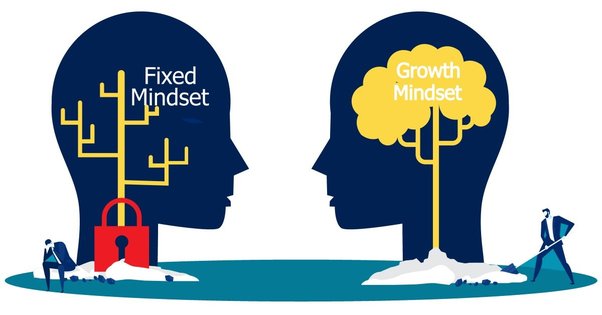
Tips to grow the growth mindset

The growth mindset helps us to see the larger picture and takes us closer to our goals. Imbibing the growth mindset also involves making a lot of positive changes to ourselves, the lifestyle we lead and the perspectives we have. “It’s all about embracing challenges, adapting, and nurturing a belief in the potential for change,” wrote Therapist Diane. Here are a few ways to imbibe the growth mindset.

We should focus on practicing rather than trying once and giving up. When it comes to relationships, the growth mindset involves practicing effective communication and empathy

While the fear of failure or the fear of rejection may make us want to stay away from trying out new things, we should push ourselves to get out there and explore new things.

Tips to grow the growth mindset

Constantly working on building effective communication skills can come handy when we are trying out new things or building a healthy relationship.

We should reflect on the past patterns, and refrain from making the same mistakes. Developing attraction and selection skills helps in meeting the right kind of people.

We should see failures as stepping stones from which we learn and use the lessons in developing our own skills, thereby focusing on personal growth.

Read more at-https://shorturl.at/bjrIU

Categories
COVID-19 Government Guidelines Medical Updates Medicine & Health

‘Disease X’ could be 20 times deadlier than COVID-19, says expert

UK healthcare professionals are preparing for a potential new pandemic known as ‘Disease X,’ which could be more deadly than COVID-19, with the capacity to result in 20 times more fatalities. Disease X could potentially cause up to 50 million deaths.

As COVID-19 transitions into a recurring and more familiar health concern, healthcare professionals in the UK are now gearing up for a potential new pandemic known as “Disease X.” They caution that this new virus could have a similar impact to the devastating Spanish Flu of 1918-1920.

Health experts are sounding the alarm about “Disease X,” a term coined by the World Health Organization. They warn that this potential new pandemic has the capacity to result in 20 times more fatalities than the coronavirus. The COVID-19 pandemic began in 2020 and has tragically claimed the lives of over 2.5 million people worldwide. Here are the top 10 points about Disease X.

1. In an interview with the Daily Mail, Kate Bingham, who served as the chair of the UK’s Vaccine Taskforce from May to December 2020, expressed her belief that Disease X is expected to be considerably more perilous than COVID-19.


2. Based on expert estimates, Disease X could potentially result in up to 50 million fatalities. “Let me put it this way: the 1918-19 flu pandemic killed at least 50 million people worldwide, twice as many as were killed in World War I. Today, we could expect a similar death toll from one of the many viruses that already exist,” she told the Daily Mail.

In response to Disease X, Bingham asserted, “the world will have to prepare for mass vaccination drives and deliver the doses in record time.”

'Disease X' could be 20 times deadlier than COVID-19, says expert

3. She disclosed that while scientists have identified 25 virus families encompassing thousands of individual viruses, she holds the view that there are millions of viruses yet to be discovered, and these have the potential to evolve into pandemics.

4. “In a sense, we got lucky with Covid-19, despite the fact that it caused 20 million or more deaths across the world. The point is that the vast majority of people infected with the virus managed to recover. Imagine Disease X is as infectious as measles with the fatality rate of Ebola [67%]. Somewhere in the world, it’s replicating, and sooner or later, somebody will start feeling sick.”

5. The rise in outbreaks, according to Bingham, is attributed to the growing trend of more people congregating in urban areas. She also emphasizes that the continual destruction of millions of acres of natural habitat each year is contributing to this increase.

6. “This reason is particularly important, because around three-quarters of emerging infectious diseases originate in animals and then leap from species to species until they can, in certain circumstances, infect human beings.”

Mint is now on WhatsApp Channels :rocket: Subscribe today by clicking the link and stay updated with the latest financial insights! Click here!

7. According to Bingham, one of the initial actions that need to be taken is to allocate the necessary financial resources, essentially putting “the money on the table.” Bingham said, ” The monetary cost of inaction is seismic. After all, even Covid-19 – a milder virus than Disease X – managed to leave us holding a bill for $16 trillion in both lost output and public health expenditure.”

8. Regarding vaccines for Disease X, there are currently no approved vaccines available. Nevertheless, Bingham underscores the importance of scientists developing a collection of “different prototype vaccines for every threatening virus family”. She stressed that only a ‘head start’ on vaccines could help to target specific features of Disease X.

9. Bingham explained about the portfolio strategy – vaccines countering different facets of the virus. She explains by saying that ‘different types of vaccines stimulate different immune responses and therefore they provide different levels of protection’.

10. She further noted that the manufacturing capabilities vary enormously across countries and regions. Some vaccine formats may be suitable for large-scale production, while others may be easier to produce in the third world. Third, we need to address the shortcomings of current vaccines, not all of which are durable, easy to transport or cheap. Fourth, researchers must be encouraged to trial new technologies and approaches to vaccine design, potentially leading to more effective and efficient vaccines in the future.”

Read more at-https://shorturl.at/einQ3


Categories
Medical Updates Medicine & Health

5 ways climbing stairs can improve your heart health

Climbing stairs is a heart-healthy exercise as it can not only improve cardiorespiratory fitness but also indicate if anything is wrong with your heart.

Climbing stairs is one of the most inexpensive, convenient and effective ways to keep fit. It is especially a heart-healthy exercise as it can not only improve cardiorespiratory fitness but can also indicate if anything is wrong with your heart. In some ways, climbing stairs is more effect than walking on plain ground and also provides workout to your lower body which may be deprived of any movement due to sedentary lifestyle of people. Stair climbing is also good for lowering high blood pressure.

According to the journal of Medicine & Science in Sports & Exercise, just half-n-hour of stair-climbing a week, broken up in 10-minute sessions three times a week, can greatly improve cardiorespiratory fitness. There are studies that prove people who can climb 4 consecutive flights of stairs in less than 1 minute have good cardiovascular health. On the other hand, if you take more than 1 minute 30 seconds to climb 4 flights of stairs, it could indicate cardiovascular disease.

Taking the stairs instead of elevators is a simple yet effective way to improve your heart health. According to Dr Jayati Rakhit, Founder and Clinical Director at Ohio Hospital in Newtown, Kolkata, here are five ways this choice can have a positive impact on your cardiovascular well-being:

5 ways climbing stairs can improve your heart health

5 ways taking stairs can improve your heart health

  1. Enhanced cardiovascular fitness

Climbing stairs is a cardiovascular exercise that engages multiple muscle groups, including the legs and core. Regular stair climbing elevates your heart rate, promoting better cardiovascular fitness. Over time, this can lead to a stronger heart that pumps blood more efficiently and reduces the risk of heart disease.

2. Calorie burning and weight management

Opting for the stairs can help you burn calories, aiding in weight management and reducing the risk of obesity, a major contributor to heart problems. Climbing stairs engages larger muscle groups, which can burn more calories than taking the elevator. Maintaining a healthy weight is crucial for heart health.

3. Improved blood circulation

Stair climbing promotes better blood circulation throughout your body. As you climb, your heart pumps more blood, delivering oxygen and nutrients to your muscles and organs. This improved circulation can reduce the risk of blood clots, atherosclerosis, and hypertension, all of which can contribute to heart disease.

4. Lowered cholesterol levels

Regular physical activity, such as taking the stairs, can help raise high-density lipoprotein (HDL) cholesterol, often referred to as ‘good’ cholesterol. Higher levels of HDL cholesterol can reduce the build-up of ‘bad’ low-density lipoprotein (LDL) cholesterol in your arteries. This lowers the risk of plaque formation and keeps your arteries clear and healthy.

5. Stress reduction

Climbing stairs can also serve as a stress-reliever. Physical activity triggers the release of endorphins, natural mood enhancers that reduce stress and anxiety. Chronic stress is linked to heart disease, so managing stress through regular stair climbing can have a protective effect on your heart.

Incorporating this simple change into your daily routine can contribute significantly to a healthier heart and a reduced risk of heart disease. So, the next time you’re faced with the choice between stairs and an elevator, consider taking the stairs for the sake of your heart’s well-being.

Read more at-https://shorturl.at/ahw25