Categories
Government Guidelines Medical Updates Medicine & Health

Heart damage: Another reason to cut down on children’s screen time

Evidence indicates that excessive screen time is harmful both to neurological development and socialisation.

The effects of prolonged screen use during childhood have been extensively studied in recent years. Evidence indicates that excessive screen time is harmful both to neurological development and socialisation. This is because, among other things, they cause us to disconnect from our surroundings, leading to very real addictions that often require intervention from a mental health professional.

Additionally, screen use can cause neurocognitive learning disorders at the early stages of personality formation in childhood.

But above all, excessive time spent in front of televisions, video games, mobile phones and tablets during childhood and adolescence leads to a sedentary lifestyle.

In fact, there is already a proven link between overuse of screens and the increase in sedentary lifestyles among children.

Now, a new dimension can be added to all these reasons for limiting the time children spend in front of televisions, video games and mobile phones.

According to a new study, led by Andrew Agbaje at the University of Eastern Finland in Kuopio and presented at the European Society of Cardiology Congress 2023, sedentary children are at increased risk of heart damage in early adulthood.

Heart damage: Another reason to cut down on children’s screen time

In other words, inactivity during infancy may well set the stage for heart attacks and strokes later in life, even if weight and blood pressure are within the normal ranges.

Excessive screen time increases heart weight

The research analysed the cumulative effects of sedentary time on the heart, drawing data from Children of the 90s, a landmark multigenerational study that is unique in its breadth and depth of scope.

It tracked the health and lifestyles of 14,500 babies born in 1990 and 1991 into their adult lives.

Of the children included in the study, 766 –55 per cent of them girls and 45 per cent boys– were asked at age 11 to wear a smart watch that monitored their activity for seven days.

At age 15 they were asked to repeat this, and then again at 24. In parallel, an echocardiographical analysis was taken of each subject’s left ventricle at ages 17 and 24, which was then adjusted for height, sex, blood pressure, body fat, tobacco use, physical activity and socioeconomic status.

The results indicated that at age 11 the subjects were sedentary for an average of 362 minutes per day.

In adolescence (age 15) this increased to 474 minutes per day, and then went up to 531 minutes per day in adulthood (age 24).

Sedentary time increased by an average of 2.8 hours per day over the 13 years of the study.

A large amount of this sedentary time was spent in front of screens. `Most seriously, the echocardiography registered an increase in heart weight among young people that correlated directly to time spent being sedentary.

Once they entered adulthood, this increased the likelihood of heart attacks and strokes.

This direct relation between accumulated inactive time and heart damage was independent of body weight and blood pressure.

Tell me how much you moved as a child…

By now it is common knowledge that sedentary lifestyles increase the risk of metabolic conditions (such as obesity and type 2 diabetes), neurodegenerative disease and cardiovascular disease in adults.

The new study shows that sedentary behaviour at a very early age –especially unrestricted screen time– may lead to an earlier onset of cardiovascular disease in adulthood.

For this reason, it is of the utmost importance that parents encourage children and adolescents to move around more, and limit the time they spend watching television, or using social media and videogames.

As we have already suggested with regard to premature birth, the list of known, conventional cardiovascular risk factors (smoking, diabetes, hypertension, etc.) should be revised and updated as a result of the study to include the cumulative time spent engaging in sedentary behaviour in childhood.

We should all, from an early age, heed the words of Martin Luther King when he said “If you can’t fly, then run. If you can’t run, then walk. If you can’t walk, then crawl, but whatever you do, you have to keep moving.”

Read more at- https://shorturl.at/rvxO3
Categories
Medical Equipments Medical Updates Medicine & Health

5 nutrients that can help reduce anxiety

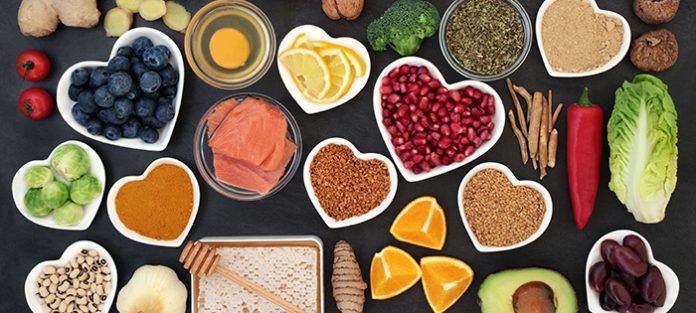
  • A good mental health not just requires rest, rejuvenation and de-stressing, but also nutrition. If you are suffering from anxiety, here are nutrients to add.

Your diet can be a secret weapon for mental well-being. Nutrients play a pivotal role in promoting good mental health and reducing anxiety,” says Nutritionist Lovneet Batra in her recent Instagram post.

Vitamin D: Vitamin D has immunomodulatory, neuroprotective, and neurotrophic properties and may affect the brain tissues involved in the pathophysiology of anxiety.

NAC: The anti-inflammatory activity of NAC is protective against chronic inflammation, which is implicated in the pathogenesis of many psychiatric disorders. NAC can influence the balance of a neurotransmitter called glutamate in the brain. Imbalances in glutamate are associated with anxiety disorders, and NAC may help restore this balance.

5 nutrients that can help reduce anxiety

Magnesium: Magnesium is involved in regulating neurotransmitters and the function of the central nervous system. It helps balance the excitatory and inhibitory signals in the brain, potentially reducing anxiety symptoms. Magnesium may stimulate the production of gamma-aminobutyric acid (GABA), a neurotransmitter that has a calming effect on the brain.

Probiotics: Probiotics have the ability to restore normal microbial balance, and therefore have a potential role in the treatment and prevention of anxiety. They can play a key role in mood regulation by helping to reduce inflammation in your body, produce feel-good neurotransmitters, and affect your stress response.

Probiotics: Probiotics have the ability to restore normal microbial balance, and therefore have a potential role in the treatment and prevention of anxiety. They can play a key role in mood regulation by helping to reduce inflammation in your body, produce feel-good neurotransmitters, and affect your stress response.

Read more at-https://shorturl.at/acEI9

Categories
Medical Updates Medicine & Health

Trying to lose weight? These mini meals can help in portion control

When trying to lose weight, many people tend to skip meal(s) thinking that will help them in their journey. However, this is not what helps in weight loss. As per Anjali Mukerjee, a nutritionist, eating frequent and small meals throughout the day help achieve the goal.

While people follow different diets and hacks like intermittent fasting and calorie counting, experts believe that portion control is one of the most popular and effective ways to keep your weight in check.Trying to lose weight? These mini meals can help in portion control

Defined as “the process of making sure that the amount of food you eat for each meal is not too large, especially when you are trying to lose weight,” portion control can help you with your weight loss journey.

As per Anjali, studies have shown that eating frequent mini-meals spread throughout the day prevents the metabolism from slowing down, reduces hunger pangs, optimally fuels your body, and has a positive impact on cholesterol and insulin levels.

Stressing the importance of portion control, Anjali wrote, “In the world of nutrition, it is a known fact that you should burn more calories than you consume to lose weight and fat. And how can one achieve this? By portion control and optimal meal frequency.”

Portion size is a key driver of energy intake and also impacts the weight of a person. Therefore, measuring and controlling the portion size has become very crucial to control (and not gain) weight,” Dr Garima Goyal, a nutritionist, told indianexpress.com previously.

visit on – https://shorturl.at/fhjZ5

Categories
Medical Updates Medicine & Health

Sugar-sweetened beverages pose a potential risk of ADHD

ADHD, a highly prevalent psychiatric disorder, can significantly impact their academic performance, work performance, and daily life. The condition may continue in adulthood or develop as a late-onset type among young adults despite not meeting ADHD diagnostic criteria in childhood.

Studies have reported that medical students, particularly those consuming SSBs in high amounts, are more prone to ADHD than those with low SSB intake.

However, there is limited research concerning ADHD among adult populations, including medical students, the dose-response association between SSBs and ADHD symptoms, and practical limits to ensure healthy consumption.

In the present cross-sectional study, researchers determined the association between added sugar intake from commonly consumed beverages and ADHD symptoms among medical students.

A web-based survey was conducted between May 2022 and April 2023 for medical students of Chiang Mai University recruited by snowball and convenience sampling. The target survey population included undergraduate students attending their first to sixth academic year in 2022. ADHD symptom presence was determined based on the Adult ADHD Self-Report Scale (ASRS) scores ≥3.0.

The team excluded individuals with active medical disorders, those with a prior history of mood disorders, including major depressive disorder (MDD), bipolar disorders, ADHD, and anxiety, and those who failed to complete the ASRS questionnaire.Sugar-sweetened beverages pose a potential risk of ADHD

Added sugar intake from frequently consumed beverages in Thailand was measured using the Thai Adolescence SSB Intake (THASSI) questionnaire, focusing on sweetened forms of water/drinks, carbonated beverages, coffee, energy drinks, green tea, yogurt drinks, fruit and vegetable juice, milk, soy milk, and herbal fluids.

Individuals documented the packaging type (can or bottle), beverage size, amount consumed on different occasions, and weekly consumption for all items. The total daily intake was categorized based on the American Heart Association-recommended limit of added sugar intake.

Multivariate logistic regression modeling was performed to calculate the adjusted odds ratios (aORs), adjusting for age, gender, body mass index (BMI), family history of ADHD, monthly payment, household income, paternal educational attainment, screen time, and sleeping duration.

Of 1,472 medical students invited to participate in the survey, 534 (36%) responded, of which 441 eligible individuals were included. The mean participant age was 21 years, and 50% were male. Nearly 60% of the participants were from pre-clinical academic years. Among the participants, 30% (n=132) experienced ADHD symptoms.

The most common ADHD symptoms were difficulty finishing final details (49%), difficulty remembering appointments (37%), and difficulty getting things in order (34%).

SSB intake exceeding 25 grams daily elevated ADHD risk (aOR, 1.8). Similar results were obtained using the gender-specific cut-offs (aOR, 1.7).

Students experiencing ADHD reported significantly higher intake of sweetened green tea (third tertile versus first tertile aOR 1.7) and water/drinks (third tertile versus first tertile aOR 1.8) than those without ADHD symptoms. Soy milk consumption yielded similar results (above median versus below median aOR 1.8).

Individuals who developed ADHD symptoms were significantly older, academically more senior, with higher BMI, and higher screen time than those with no ADHD symptoms.

Being overweight (aOR 1.9) and having more than seven hours of screen time each day (aOR 2.0) significantly elevated ADHD symptoms risk, adjusting for SSB intake.

A probable mechanism by which sweetened beverages could enhance ADHD symptom risk is by altering bi-directional communications between the gut and brain and disrupting the gut microbial balance.

Dysbiosis increases intestinal permeability, inflammation, and the transport of lipopolysaccharide (LPS) endotoxins across cells. LPS could bind with toll-like receptors (TLRs) on the membranes of microglial cells in the brain and increase inflammatory cytokine release through nuclear factor kappa B (NF-kB) stimulation. Central nervous system (CNS) inflammation could give rise to ADHD symptomatology.

Overall, the study findings showed that SSB intake of more than 25 grams per day may elevate ADHD symptom risk among medical students in Thailand. In particular, sweetened water/drinks, soy milk, and green tea could increase ADHD symptom risk.

The study findings support the implementation of health policies that promote healthy consumption behaviors among medical students to reduce ADHD symptoms and promote the learning and well-being of medical students.

However, further research must validate the findings, including prospective studies with larger sample sizes and diverse populations.

visit at -https://shorturl.at/pyAX6

Categories
Medical Updates Medicine & Health

Early eating habits shape celiac disease risk in young kids, study shows

A recent study published in The American Journal of Clinical Nutrition investigated the hypothesis that higher gluten intake during early childhood may be associated with a higher risk of developing celiac disease autoimmunity (CDA) and celiac disease. They further evaluated dietary patterns independent of gluten for their relative contributions to CDA and celiac disease risk in children genetically predisposed to these conditions. Results from their large cohort, long-term study revealed that high vegetable fats and milk intake at age nine months was associated with reduced CDA risk. At age 24 months, high vegetable fats, juices, and wheat intake increased CDA risk, which was exuberated by low milk, meat, and oats consumption. These findings establish the association between diet and autoimmune risk in genetically susceptible children during the first two years of their lives.

Celiac disease and diet

Celiac disease is a chronic autoimmune disorder characterized by an immune reaction to dietary gluten, resulting in damage to the small intestine’s lining. Symptoms include diarrhea, bloating, fatigue, anemia, and, in severe cases, osteoporosis. Celiac disease is a common condition estimated to affect 1.4% of all humans globally. Research has identified the human leukocyte antigen (HLA)-DQ2 and DQ8 haplotypes as being strongly associated with the disease. However, this genetic predisposition accounts for only half of the overall disease risk, suggesting that environmental exposure (diet) plays a significant role in disease manifestation.

Studies on the association between dietary patterns (total dietary exposure) and subsequent health outcomes are superior to conventionally studied single food/nutrient investigations, as they help establish the synergistic effects between multiple nutrients. For example, western diets, composed of higher quantities of sugar, saturated fats, and ultra-processed foods alongside lower fiber intake, have been associated with enhanced risk of proinflammatory biomarkers and allergic risk compared to traditional diets rich in minimally processed foods and higher fruits and vegetables.

Recent research has identified high dietary exposure to pasta, potatoes, vegetables, and rice, alongside lower intake of sweetened beverages and refined cereals, as beneficial to children susceptible to celiac disease autoimmunity (CDA). However, this study included a small cohort, was short-term, and has yet to be verified by follow-up research, necessitating a comprehensive analysis of the dietary patterns responsible for CDA risk and those that may confer resistance against the condition.

About the study

In the present study, researchers aimed to investigate the associations between early childhood (9 to 24 months) dietary patterns that impacted CDA and celiac disease risk in children genetically predisposed to these conditions. Participants were enrolled from the Environmental Determinants of Diabetes in the Young (TEDDY) cohort, across the United States (US), Sweden, Germany, and Finland. TEDDY comprises 8,676 children genetically susceptible to type 1 diabetes, of which 6,677 were recruited into the present study, with the remaining excluded due to a lack of dietary data or clinical celiac disease screening.

Three-day food records were used to assess daily dietary intake. These composite records were collected at 9, 12, 18, and 24 months of age and, during analysis, were disaggregated and recategorized into one of 27 food cohorts based on the preexisting TEDDY database. A total of 22,410 records were collected for this study.

Early eating habits shape celiac disease risk in young kids, study shows

The radiobinding assay was used to assess tissue transglutaminase autoantibodies (tTGAs) as a proxy for celiac disease prevalence. Screening was first conducted at 24 months of age, with follow-up screening every subsequent three months. In children positive for CDA at 24 months, routine blood samples collected as a part of the TEDDY methodology were analyzed to identify the first instance of seropositivity.

Statistical analyses involved using principle component analysis (PCA) to evaluate dietary patterns of children at months 9, 12, 18, and 24. Food groups were coded as predictors and dietary patterns as components, with the exploratory analyses attempting to resolve predictors that explained maximum variation in the observed data. Individual adherence scores were calculated for each child to estimate their dietary intake in relation to their identified dietary pattern.

Finally, Cox proportional hazards regression was employed to elucidate associations between dietary adherence (for each age period) and CDA/celiac disease risk. Regression models were corrected for risk factors previously reported as being associated with CDA. These association analyses were only carried out for individuals with complete genetic, clinical, and dietary data.

Study findings

This study revealed that dietary patterns during the first 24 months of a child’s life significantly increased their risk of contracting CDA or celiac disease. The associations elucidated were independent of their quanta of gluten intake, suggesting that additional dietary factors following weaning may contribute to CDA and celiac disease in children.

The ‘Vegetable fats and Milk’ dietary pattern at nine months of age was associated with reduced CDA risk, even after adjusting for overall gluten intake. Children from the US and Finland showed the most robust adherence to this dietary pattern. Surprisingly, vegetable fats (alongside wheat consumption) at 18 and 24 months resulted in increased CDA risk, though this association was weaker than that at nine months.

The dietary pattern ‘Meat, Rice and GF grains’ depicted reduced risk of celiac disease at age 18 months. Similar to results from the CDA analyses, at 24 months, ‘Vegetable fats and Milk’ dietary patterns showed a direct positive association with increased celiac disease risk.

Conclusions

In the present study, researchers aimed to investigate the associations between early-life dietary patterns and CDA or celiac disease risk in a large cohort (TEDDY), long-term (24 months) analysis. Their findings reveal that adherence to specific dietary regimes during the first two years of life can significantly alter CDA/celiac disease risk, independent of gluten intake. Significantly, wheat, juice, vegetable fats, and processed meats were associated with higher CDA and celiac disease risk. This association was exuberated by low milk, oats, meat, and legume consumption during the second year of a child’s life.

visit more at -https://shorturl.at/U2378

Categories
COVID-19 Government Guidelines Medical Updates Medicine & Health

Long Covid study links lingering virus with bowel-to-brain havoc

The findings of the study provides an explanation for poor concentration, memory problems and other neurocognitive symptoms in long Covid.

Covid may trigger complex biological reactions from the bowel to the brain, leading to persistent neurological symptoms in some people, according to a study that points the way toward a treatment.

Viral vestiges in the gastrointestinal tracts of a subset of long-Covid patients may drive chronic inflammation that interferes with a key chemical messenger involved in nerve activity, brain function and memory, researchers at the University of Pennsylvania reported Monday in the journal Cell.

The findings provide an explanation for poor concentration, memory problems and other neurocognitive symptoms in long Covid, they said. Importantly, their experiments identified Prozac and other drugs that boost levels of the chemical messenger — serotonin — as promising targets for future study.

More than 200 symptoms have been associated with long Covid, an umbrella term applied to the often debilitating health problems estimated to afflict 10% or more of people who have had Covid-19. The new research suggests some hallmark symptoms “may converge on common pathways,” said co-author Christoph Thaiss, an assistant professor of microbiology at the Penn Institute for Immunology in Philadelphia.

Long Covid study links lingering virus with bowel-to-brain havoc

Further research may determine how many long Covid sufferers are affected by this cascade of reactions and uncover additional potential therapies, he said. The implications of the study may also extend to other post-viral syndromes.

While serotonin is most widely associated with mood and mental health, the researchers had a different focus as they sought to unravel drivers of long Covid. Thaiss and colleagues found that ongoing inflammation in the gut, which they link to a persistent reservoir of the virus, sabotages circulating levels of the neurotransmitter in multiple ways, including through blood clotting abnormalities.

‘Unifying Framework’

“This is as close as I have seen to a unifying framework for long Covid,” said Ziyad Al-Aly, director of the clinical epidemiology center at the Veterans Affairs St. Louis Health Care System in Missouri, whose research has led to important long Covid findings. “This is a very important advance in the field.”

Cohort studies and lab experiments were used to interpret the cause of serotonin depletion and its downstream effects. The researchers focused on the molecule’s activity on the vagus nerve, which innervates internal organs and is thought to stimulate neurons in the hippocampus, a brain region involved in learning, memory and cognition.

“The fact that we see serotonin being dysregulated in some individuals with long Covid can potentially explain why there’s such a broad spectrum of symptoms,” spanning brain fog and mood to problems sleeping and gastric upset, Thaiss said.

Low serotonin has been observed across several long-Covid studies, including patients with different but over-lapping symptoms, he said.

“The sicker the person is in terms of the number of symptoms they present with, the lower their serotonin,” Thaiss said.

No Silver Bullet

A single biological pathway isn’t likely to explain all long Covid cases, said Akiko Iwasaki, a professor of immunobiology at the Yale School of Medicine in New Haven, who also studies the condition. Other proposed drivers of neurologic symptoms include persistent neuroinflammation, possibly from a deficient immune response that allows the virus to linger in the brain.

“But still, it’s a very important mechanism that deserves a lot of attention,” Iwasaki said in an interview. Serotonin might help gauge the effects of treatments in studies, including a trial of Pfizer Inc.’s antiviral Paxlovid that she is working on.

“If serotonin is really the key marker, we definitely should be including that,” Iwasaki said.

Not all scientists are convinced that low serotonin is playing a key role or acting in isolation in long Covid. Also many sufferers have taken the medicines without benefit.

Avindra Nath, clinical director of the National Institute of Neurological Disorders and Stroke in Bethesda, Maryland, praised the study for its extensive body of research, but said that except in some rare disorders or micronutrient and vitamin deficiencies, it’s unlikely alterations in levels of a single molecule can be blamed for starting a disease process, especially one triggered by an infection.

Targeted Studies

Strategies aimed at increasing serotonin levels or targeting its signaling should be examined in randomized, controlled trials of patients most likely to benefit from the approach, said Liam O’Mahony, a professor of immunology at University College Cork, whose own research found serotonin depletion in long Covid patients.

Prozac, Luvox and other antidepressants that work by increasing serotonin in the brain have been studied during the pandemic to both prevent and treat Covid due to their potential to disrupt the biological processes of infection, but results have been mixed. People taking them when they caught Covid had about a 25% lower risk of developing long Covid, scientists at the National Institutes of Health found in a retrospective study released in November before peer-review and publication.

“It may be a combination of therapies that ends up being the most effective for patients and not one drug in isolation,” said study co-author Benjamin Abramoff, director of Penn Medicine’s Post-Covid Assessment and Recovery Clinic.

Read more at-https://shorturl.at/chmx3

Categories
Medical Equipments Medical Updates Medicine & Health

Kidney-friendly diet to lower your creatinine levels, promote overall kidney health

The best way to lower creatinine level is to treat the underlying kidney disease. Here are foods to lower your creatinine levels

Creatinine is a natural waste product produced by muscles during regular wear and tear and it exits the body through urine but in cases of impaired kidney function, it can accumulate in the blood. High creatinine level can be a sign of serious health condition but also be a temporary byproduct of certain lifestyle factors or conditions hence, any treatment or lifestyle changes undertaken for high creatinine levels should be under a guidance of healthcare provider.

In an interview with HT Lifestyle, Dr Atit Dharia, Consultant – Nephrology at Jaslok Hospital and Research Centre in Mumbai, shared, “Creatinine is a muscle breakdown product, formed due to hydrolysis of creatine and phosphocreatine. Creatinine is endogenously produced in the human body and freely filtered by the kidneys. Therefore, serum creatinine concentration is utilized as an indirect measure of ‘kidney function’ and is the commonest biomarker used in estimation of glomerular filtration rate (eGFR)’. A normal level depends on the age, gender, race and body size (muscle mass). High creatinine levels may be a sign of kidney disease.”

Hee explained, “Creatinine levels in the blood can temporarily rise after strenuous exercise and consuming certain medications like trimethoprim and should always be enquired if high serum concentration is noted. If temporary causes of high creatinine concentration are ruled out, then the best way to lower creatinine level is to treat the underlying kidney disease. Along with medications and other treatments, your healthcare provider can suggest certain lifestyle changes including dietary advice which are appropriate for you and can help in naturally lowering your creatinine levels.”

Dr Atit Dharia highlighted, “Creatine, which is a pre-cursor of creatinine is an oral supplement used by athlete and body builders for performance enhancement. Such supplements can increase creatinine level in patients with kidney disease and is best avoided till we have further research. High protein diet, esp. cooked red meat is known to increase creatinine levels. Patients with known kidney ailments in which they are losing protein in their urine, decreasing protein intake in their diet is known to decrease creatinine level and slow the progression of kidney disease. Foods rich in fiber like fruits, vegetables, legumes can help in reducing creatinine levels in people with kidney disease.”

Kidney-friendly diet to lower your creatinine levels, promote overall kidney health

he elaborated, “Over the counters medications like non-steroidal anti-inflammatory drugs (NSAIDs) may harm the kidneys if taken too often or in amounts over the recommended dosage, in particular if there is underlying kidney disease. Cigarette smoking and excessive alcohol consumption are known risk factors for chronic kidney disease. Fluid intake is a very tricky subject in patients with kidney disease. Dehydration can raise creatinine levels. Excessive fluid intake can also be an issue for people with kidney disease. Talk to your doctor about how much water and other fluids you should drink daily.”

Bringing her expertise to the same, Sushma PS, Chief Dietician at Jindal Naturecure Institute, said, “Maintaining good hydration and making dietary adjustments can help lower creatinine levels. Reducing consumption of red meat and fish, along with incorporating a high-fiber diet rich in fruits, vegetables and whole grains, can effectively bring down creatinine levels.”

For individuals with elevated creatinine levels, she recommended the following foods –

  • Fruits: Antioxidant-rich options like cranberries, kiwi, apples and blueberries aid in lowering creatinine levels.
  • Vegetables: Including a variety of vegetables like bitter gourd, eggplant, carrot, cauliflower, red bell pepper, cucumber and onions helps regulate creatinine levels.
  • Spices: Cinnamon, known for its kidney-friendly properties, can be added to the diet to help manage creatinine levels.
  • Nettle Leaf Tea: Consuming 1-2 cups a day can serve as a powerful kidney tonic, potentially improving kidney function and reducing serum creatinine levels.
  • Plant-Based Proteins: Consider substituting some or all of your animal protein sources with plant-based options like beans, lentils, and tofu.

The nutrition expert revealed, “These foods not only provide valuable plant-based protein but are also recommended as part of a kidney-friendly diet to manage creatinine levels and promote overall kidney health. Research has indicated that high-quality protein sources like beans, lentils, and tofu can enhance kidney function and decrease the risk of kidney disease. Additionally, these options are low in potassium, which is crucial for individuals with kidney disease who need to monitor their potassium intake.”

Read more at-https://t.ly/UGVFO

Categories
Medical Equipments Medical Updates Medicine & Health

Things that you need to let go for your personal growth

From letting people’s opinion affect us to being afraid of change, here are a few things that we should let go for our personal growth.

As we grow up, we need to learn a lot of things that are good and healthy for our mental health. Besides learning, unlearning certain things is also important. Knowing what to hold on to and what to let go helps in determining the curve of personal growth that we are working on. When we start to identify things that are holding us back from developing ourselves and becoming a better version, we should learn to let them go slowly but steadily. Sometimes, we hold onto certain teachings, habits and patterns since childhood because of the orientation we received in the family and from past experiences. Personal growth involves understanding what is unhealthy for us and what no longer serves us and letting those things go.

Therapist Israa Nasir addressed this and shared a few things that we need to let go for our personal growth:

Things that you need to let go for your personal growth

Thinking that sacrifice and love are the same: We often mistake sacrifice with love. This happens because of how we have seen the older generation glorify sacrifices. However, these two are extremely different things, and love does not need to be conditional. We should set clear boundaries in love and understand that sacrifice is not always driven by love – it also often leads to resentment.

Letting other people’s opinions guide you: While we all need a little bit of guidance in life, we should know that the perspectives of others have nothing to do with us. How they perceive us is based on their orientation – we should learn to have our own perspectives of ourselves and love ourselves no matter what.

Feeling responsible for other people’s emotions: We always should take ownership of our own mistakes, but we should also identify things that we have no control over and learn to move on from them.

Comparing ourselves to others: Each person has their own set of strengths, weaknesses, boundaries and skills. When we start to compare our progress with that of others, we start to disrespect ourselves more. Instead, we should love and embrace ourselves.

Being afraid of change: Life demands changes with time. We should be able to make changes and adapt to the changing environments with time. That is the only way to move forward.

Read more at-https://t.ly/99B4a

Categories
Medical Updates Medicine & Health

Navratri 2023: How dandiya raas can help in weight loss, improve heart health. Know all benefits

Navratri is the festival of fasting and feasting. It is also the time to rejoice and have social gatherings. The nine-day festival is celebrated with diverse traditions across the country and notable one among them is Gujarat’s folk dance Dandiya Raas. Devotees in Gujarat and even other parts of the country participate in this highly energetic dance form, wearing beautiful and colourful traditional outfits. Dandiya Raas is performed used wooden sticks known as dandiyas. It is performed in large groups where men and women dance using these sticks for various dance moves. Playing Dandiya Raas is an exhilarating experience and not just brings benefits for physical but also mental health. It is quite a fun way to burn calories, release stress, and doing arm workout. The dance form is also a good cardiovascular workout and improves the heart rate.

Shardiya Navratri brings with it the opportunity to engage in the traditional dance form of Dandiya, and it is worth noting the numerous health benefits associated with this activity,” says Chitharesh Natesan, professional bodybuilder and gym trainer in an interview with HT Digital.

Chitharesh Natesan opens up on the range of health benefits playing dandiya can bring for your health this Navratri.

Navratri 2023: How dandiya raas can help in weight loss, improve heart health. Know all benefits

1. Heart health

Dancing to the lively beats of Dandiya serves as an effective cardiovascular exercise, promoting better blood circulation and oxygenation of cells due to the continuous and rhythmic movements involved. This can contribute to improved heart health.

2. Better coordination and balance

Dandiya can enhance coordination and balance, providing physical benefits by strengthening both body and mind.

3. Weight loss

Participating in Dandiya Raas is also an engaging way to burn calories, helping you maintain a healthy weight amidst the festive season. Indulging in some delicious festive food after a dandiya session can multiply the joy of the festival.

4. Flexibility

Dandiya is a fantastic way to stretch and flex all your body muscles, improving flexibility over time. The repetitive and energetic nature of the dance also aids in increasing stamina, making it an effective fitness routine.

5. Mental health

Beyond the physical advantages, Dandiya fosters social connections and a sense of community, promoting mental and emotional well-being. It allows individuals to come together and celebrate their cultural heritage, contributing to a sense of unity and joy.

Shardiya Navratri this year is set to begin October 15 and conclude on October 24 with Dussehra. The festival is dedicated to Maa Durga and her many avatars.

Read more at-https://rb.gy/vb0tf

Categories
Medical Updates Medicine & Health

World Sight Day: Screen time and meals for kids, tips to make mealtime relaxing and enjoyable

Poor psycho-social skills, lower cognitive development are seen in kids with increased screen time. On World Sight Day, here are tips on screen time and meals.

As kids grow up, it is difficult to feed them due to their altered food habits and it is a common sight at home to find kids eating meals with TV/tablet/mobile phones. As it takes time to feed kids, it becomes easy for parents to feed them with cartoons playing on the screen but various studies and research show that there are down-side to this habit.

In an interview with HT Lifestyle on World Sight Day, Susmita N, Clinical Nutritionist at Cloudnine Group of Hospitals in Bangalore, Bellandur and Jayanagar, recommended, “As kids grow, we should let them serve and feed themselves. This helps to know the body cues. Watching screen while eating keeps them distracted and they will not pay attention to what food is in the plate, food texture and quantity of food been consumed. It is also observed that there is an increased consumption of unhealthy junk food between meals as they are not able to remember the quantity of foods eaten for meal. Poor intake of vegetables and fruits are also seen in these children.”

Revealing that children who have an increased screen time have more exposure to junk food due to the advertisements that targets the young population, the nutrition expert said, “Kids get attracted to these junk food commercials and crave to eat them leading to alternation of their food habits. Making the children play outside builds up their appetite and they tend to what food is served. This can be taken as an advantage by parents by serving them healthy food options. Avoid junk food as snacks and serve fruits, milkshakes/smoothies, roasted nuts mix, makhana etc that have nutritional value. Keep healthy snacks options ready at home.”

She added, “Family plays an important role during meal time. Parents have to be a role models to children. Having a family meal time away from all distractions help in better eating habits, improve communication skills and help in better bonding. Studies have shown that children who eat together with family have better intake of vegetables, fruits and end up having healthy eating pattern. There is a positive correlation between eating together as a family and better cognitive skills in children leading to improved academic performances.”

World Sight Day: Screen time and meals for kids, tips to make mealtime relaxing and enjoyable

Susmita N suggested the following tips to make mealtime relaxing and enjoyable as possible –

  • Provide wholesome, acceptable foods.
  • Respect the child’s capability. If the child says he/she is full do not force them to empty the food in plate.
  • Allow them to choose from 2 or more healthy foods. Give them healthy options.
  • Don’t nag, bribe or force a child to eat. Always remember that children learn to hate the foods they are forced to eat.
  • Remove any kind of screened electronic devices from dining area.
  • Have age appropriate conversation with your kids. Ask them about how was their day, about their friends and discuss about topics of interest.
  • Plan for tomorrow’s meal keeping the child’s food interest in mind.
  • Be a role model and follow what you preach. Parents should not be distracted while feeding the kids.
  • Preplan the food a day prior. 3major meals and 2 snacks filled with nutrition. Keeping in mind to include grains, colorful vegetables, seasonal fruits and protein sources.
  • Have limited amount of screen time post meal.

She concluded, “Poor psycho-social skills, lower cognitive development are also observed in kids with increased screen time. Reduced physical activity leads to poor metabolism and causes obesity in children. Over a period of time these children grow up to become adults with eating disorders and are relatively obese.”

Read more at-https://shorturl.at/bntGI