Categories
COVID-19 Government Guidelines Medical Equipments Medical Updates

Immune cells are critical to efficacy of coronavirus vaccinations: Study

The study shows that vital subset of immune system cells that are required for successful vaccination of covid.

A study has provided fresh information on a vital subset of immune system cells required for successful vaccination against the SARS-CoV-2 pandemic virus.

The study, led by researchers at NYU Grossman School of Medicine and the New York Genome Centre, focused on T cells, which, along with B cells, form the human immune system’s response to invading viruses and bacteria. T lymphocytes labelled with the surface protein CD8 generate chemicals that kill infected cells directly. B cells secrete antibodies, which neutralise and mark contaminated cells for removal from the body.’

Vaccines expose patients to a bit of an invading bacterium in order to generate responses such as B and T cell activation so that the system is ready for the invader if it is met again. The COVID-19 mRNA vaccines were based on RNA, a genetic material utilised to encode the spike protein required by the virus to adhere to human cells. When mRNA instructions are injected, the spike is generated, and the immune response is activated.

In the rush to create vaccines against SARS-CoV-2, clinical trials relied mostly on antibody levels, when efficient diagnostics were available, to determine whether patients’ immune responses to mRNA vaccine candidates were protective. However, clinical protection was observed as early as ten days following the initial vaccine dose, well before neutralising antibodies could be produced. T cells were thought to be at least as significant in this protection, but normal methods for tracking them were too sluggish, so careful examinations of CD8 T cell responses were put on hold.

Immune cells are critical to efficacy of coronavirus vaccinations: Study

The study published in Nature Immunology describes a quick (high-throughput) approach for tracking T cell responses, demonstrates that they are critical to the early protection afforded by mRNA vaccines against COVID-19, and identifies the T cell subsets most responsible for it.

Our study identified markers for the CD8 T cells that arise from mRNA vaccination and that track closely with successful vaccination, which had previously been difficult to quantify on the population level,” said co-first study author Rabi Upadhyay, MD, assistant professor in the Department of Medicine at NYU Langone Health, and faculty in its Perlmutter Cancer Center.

“Although our study looks at mRNA vaccination against coronavirus, the antigen-specific CD8 T cell subpopulations we uncover represent key features of immune responses more broadly, and may help us to study T cells in other disease settings.”

For the current study, the research team analyzed gene expression over time in single T cells collected before and after immunization with the mRNA vaccine produced by BioNTech and Pfizer against SARS-CoV-2.

The researchers found distinct subsets of CD8 T cells that reliably multiplied (proliferated) 21 days after the original vaccination, specifically targeting and attacking key proteins (antigens) that make up the pandemic virus.

In looking at the genetic makeup of the most effective T cells, the researchers observed that cells lacking a surface protein called KLRG1, which stands for co-inhibitory receptor killer-cell lectin-like receptor G1, were the most likely to multiply quickly after mRNA vaccination and specifically attack.

When study authors checked for these profiles in hospitalized COVID-19 patients, those with the most “properly programmed” T cells – lacking KLRG1 but expressing other markers such as CD38 and HLA-DR – were the most likely to successfully recover from their infections.

In the years since the pandemic began, mRNA vaccines, first used against the virus, are now in clinical trials wherein they direct the body’s immune system to attack cancerous cells.

By clarifying T cell markers (e.g. KLRG1, CD38, HLA-DR), and the timeline for when CD8 T cells arise in the blood after vaccination, the new work may enable clinical teams to tell which patients are responding to the vaccines within days or weeks, say the authors.

That compares to the more than two months that oncologists must currently wait after mRNA vaccination to perform CT scans and assess whether their lung, breast, or prostate cancer patients responded to an mRNA vaccine.

If they are validated in this setting and dramatically shorten such wait times, the new profiling methods promise to help patients pivot more quickly to other treatments if necessary, the researchers say.

Furthermore, the study authors refer to a recent study led by a different research team which found that T cells with very similar attributes, again involving KLRG1, CD38, and HLA-DR, were the most effective at attacking cancer cells after treatment with an immune system-triggering drug (immunotherapy), just as they were the most effective at attacking the SARS-CoV-2 virus in the current study.

“It is remarkable that T cell attributes found after treatment with an effective immunotherapy mirrored those that we found to track with patient recovery from COVID-19,” said co-corresponding author Dan Littman, MD, PhD, the Helen L. and Martin S. Kimmel Professor of Molecular Immunology in the Department of Cell Biology at NYU Langone. “This pattern suggests that the close monitoring of antigen-specific CD8 T cell subpopulations will be central to future efforts to design treatments and vaccines against either viruses or tumours.”

Read more at-https://shorturl.at/HKRY1

Categories
COVID-19 Medical Equipments Medical Updates Medicine & Health

Older adults with COPD had depression during COVID pandemic: Study

According to a new longitudinal study published online in the International Journal of Chronic Obstructive Pulmonary Disease (COPD), older persons with COPD were at a higher risk of depression during the early phases of the COVID-19 epidemic

The study looked at 875 people with COPD from the Canadian Longitudinal Study on Ageing, a national study of Canadian seniors. Using longitudinal data, researchers were able to distinguish between 369 COPD patients who had a history of depression previous to the pandemic and 506 patients who had never experienced depression prior to the pandemic.

Researchers discovered that 1 in 6 people with COPD who had no prior history of depression experienced depression for the first time during the early phases of the pandemic. These findings show the toll that the epidemic inflicted on many people who had previously been depression-free.

“Our findings highlight the substantial burden of COVID-19 on those who were mentally healthy prior to the pandemic,” said first author Aneisha Taunque, research assistant at the Institute for Life Course and Aging at the University of Toronto. “It is evident that the pandemic has had a detrimental impact on the mental health of many individuals, even those who had no lifetime history of depression.”

When the analysis was restricted to those who had a history of depression prior to the pandemic, the prevalence of depression was substantially higher, with approximately one-half of these individuals experiencing a recurrence or persistence of depression during the autumn of 2020.

Older adults with COPD had depression during COVID pandemic: Study

“Older adults who have a history of depressive episodes are a highly vulnerable subset of the population, particularly those who faced numerous challenges with managing their chronic health conditions during the pandemic when access to regular health care was severely disrupted,” said co-author Grace Li, PhD candidate in the Sociology Department at the University of Victoria.

“The COVID-19 pandemic further exacerbated the risk of depression among those with COPD,” says co-author Ishnaa Gulati, a Master of Public Health Student at the University of Toronto’s Dalla Lana School of Public Health. “There was already an established higher risk of depression among individuals with COPD when compared to those without COPD prior to the pandemic,” Gulati said. “When considering the mental health stressors during the pandemic, such as extended periods of lockdown, economic precarity, and concerns about contracting or spreading COVID-19, it is unsurprising that this group experienced major mental health challenges during this period.”

Although there is a burgeoning body of research examining depression during the pandemic, very little research has specifically examined the vulnerabilities among those with COPD. Understanding the risk factors for depression in subpopulations of older adults can aid health professionals in more effectively targeting treatment.

The study’s researchers highlighted several risk factors for both incident and recurrent depression among those with COPD, including loneliness, family conflict, and functional limitations.

“We found that experiencing functional limitations approximately doubled the risk of depression among older adults with COPD,” said co-author Ying Jiang, Senior Epidemiologist at the Public Health Agency of Canada.

“Physical activity is integral for maintaining functional status and reducing functional limitations among COPD patients, however many individuals with COPD are hesitant to engage in physical activity. Increases in time spent sedentary during periods of lockdown may have further ramifications for this population, potentially contributing to increases in depression.”

Women with COPD also had nearly double the risk of recurrent depression when compared to their male counterparts.

“During the pandemic, many women experienced an exacerbation of gendered roles, such as increased time spent caregiving and doing household labour, which may have contributed to declines in their mental health,” said co-author Margaret de Groh, Scientific Manager at the Public Health Agency of Canada.

Among individuals with no history of depression, experiencing disruptions to healthcare access was associated with approximately double the risk of incident depression.

“Many people with COPD encountered difficulties accessing pulmonary rehabilitation services during the pandemic, which are essential for supporting both the physical and mental health of COPD patients,” said co-author Andie MacNeil, research assistant at the University of Toronto’s Factor Inwentash Faculty of Social Work (FIFSW).

“Our finding that disruptions to healthcare access were associated with incident depression highlights the reverberating consequences when healthcare is inaccessible.”

Senior author, Esme Fuller-Thomson, a Professor at FIFSW and Director of the Institute for Life Course & Aging says she hopes the study’s findings can help inform healthcare workers and social service providers about the pandemic’s impact on the mental health of people with COPD. “Future research should continue to examine depression among older adults with COPD to better understand the pandemic’s cascading impact, even in the post-COVID era,” Fuller-Thomson said.

Read more at-https://shorturl.at/lmEJV

Categories
COVID-19 Medical Equipments Medical Updates Medicine & Health

Nipah virus suspected behind ‘unnatural’ deaths in India: Causes, risk factors, symptoms, treatment

Nipah virus outbreak has raised health alert in Kerala after 2 ‘unnatural’ deaths were reported in Kozhikode. Know its causes, risk factors, symptoms, treatment

The Kerala Health Department has issued a health alert in Kozhikode district after two “unnatural” deaths by suspected Nipah virus infection were reported on August 30 and September 11. Nipah virus is a zoonotic virus that has been responsible for outbreaks of severe respiratory and neurological disease in humans where the risk factors and causes of Nipah virus transmission are primarily linked to its origin in fruit bats and subsequent spillover into other animals and humans.

Risk Factors of Nipah Virus:

In an interview with HT Lifestyle, Dr Aniket Mule, Consultant Internal Medicine at Wockhardt Hospitals in Mumbai’s Mira Road, listed the causes as –

1. Fruit Bat Reservoir: Fruit bats, particularly the Pteropus genus, are natural hosts of Nipah virus. Their excretions and saliva may contain the virus, and direct contact with these bats or consumption of fruits contaminated by their saliva can lead to transmission.

2. Intermediate Hosts: The virus can be transmitted to humans via intermediate hosts such as pigs. Close contact with infected pigs or their contaminated tissues can result in human infection.

3. Human-to-Human Transmission: In some cases, Nipah virus can spread from person to person through close contact, especially within healthcare settings. This mode of transmission poses a significant risk during outbreaks.

Nipah virus suspected behind ‘unnatural’ deaths in India: Causes, risk factors, symptoms, treatment

Symptoms of Nipah Virus:

Dr Aniket Mule revealed, “The symptoms of Nipah virus infection can vary from mild to severe and may include fever, headache, dizziness, cough, and in severe cases, encephalitis (inflammation of the brain) leading to altered consciousness, seizures, and coma. Respiratory symptoms can also occur.”

Treatment for Nipah Virus:

According to Dr Aniket Mule, there is no specific antiviral treatment for Nipah virus infection. He said, “Supportive care is essential, including maintaining respiratory function, managing fever and pain, and providing intravenous fluids. Experimental treatments and antiviral drugs have been explored in some cases, but their efficacy remains uncertain. Given the serious nature of Nipah virus and the potential for outbreaks, it is crucial to follow guidelines and recommendations from public health authorities and seek immediate medical attention if suspected cases arise. Additionally, research and surveillance efforts continue to deepen our understanding of this virus and may lead to improved treatment options in the future.”

Read more at-https://shorturl.at/iwNU0
Categories
Medical Equipments Medical Updates Medicine & Health

New variant of chickenpox causing virus in India; know symptoms of Clade 9 and prevention tips

Chickenpox strain Clade 9 which is usually common in countries like UK and US is detected in India. Know its common symptoms.

A new variant of chickenpox namely Clade 9 has been detected in the country. The National Institute of Virology (NIV) has found the presence of Clade 9 variant of chickenpox-causing varicella-zoster virus (VZV) for the first time in India; the said variant is more common in countries like Germany, UK and US. Varicella-zoster virus is one of the nine herpes viruses and causes chickenpox in children, teens and shingles in adults. In India, so far Clade 1 and Clade 5 have been found, but Clade 9 has been detected for the first time.

What is Clade 9?

Clade 9 is a variant of varicella zoster virus (VZV) that causes chickenpox, a common childhood illness, says Dr Vineeta Taneja – Director – Internal Medicine – Fortis Hospital, Shalimar Bagh.

Common strains of Varicella zoster in India

“Varicella zoster is a virus which causes chickenpox in younger population and shingles in adults. Clade 1 and 5 were the variants of varicella zoster known to cause infection in Indian population. But in a recent survey, it was found that Clade 9 which is the dominant strain in western countries, has been found in circulation in the Indian subcontinent too,” says Dr Tushar Tayal, Consultant- Internal Medicine, CK Birla Hospital, Gurugram.

What are its symptoms?

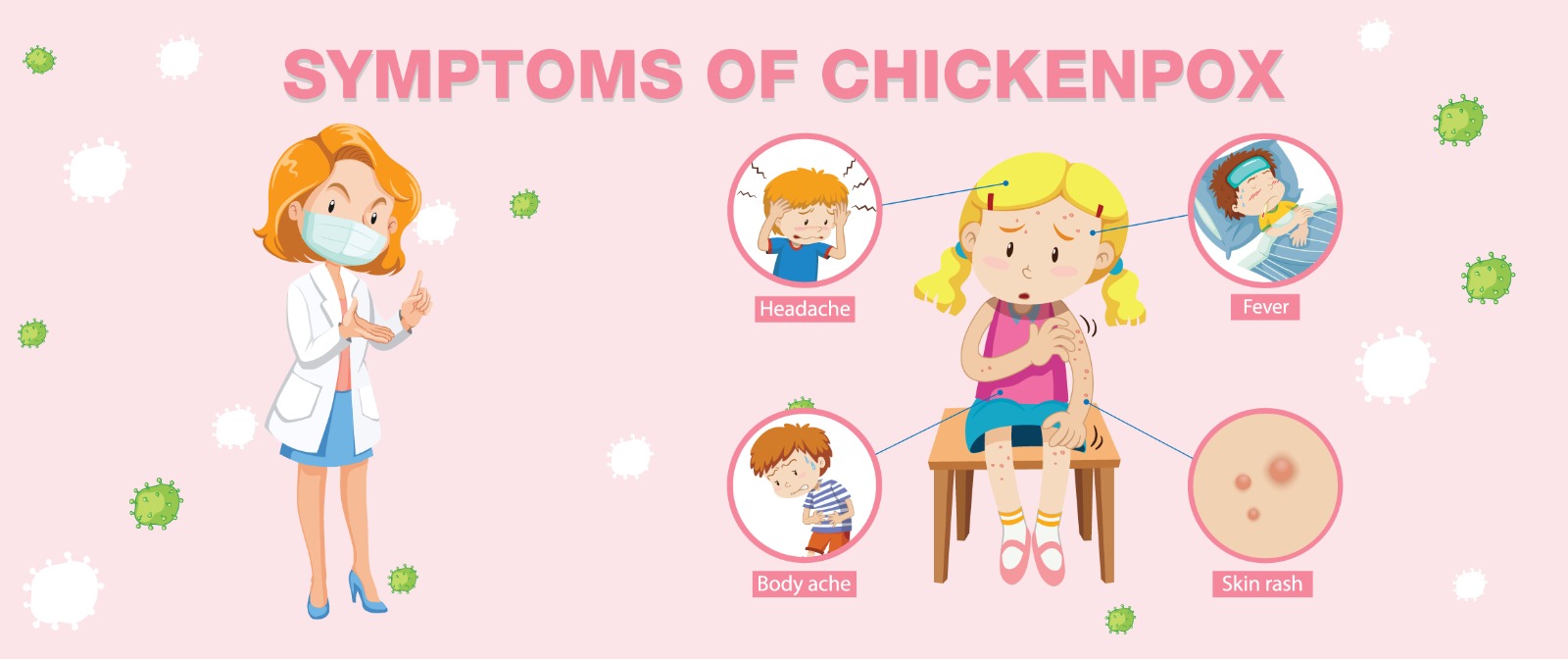
Some of the symptoms of Clade 9 includes rash, fever, loss of appetite, headache, fatigue and an overall sense of ill health, adds Dr Taneja.

The chicken pox rash appears 2-3 weeks after exposure to the virus. Prior to appearance of rash, patient develops fever, body ache and headache. The rash appears in form of bumps called papules followed by small fluid-filled blisters called vesicles which eventually heal with formation of scabs. The fever settles 1-2 days after the appearance of rash. The entire process happens over a period of 2 weeks and the person is infective to others 2 days prior to onset of rash and the infectivity continue till scab formation,” says Dr Tayal.

Is clade 9 more severe than previous variants?

“Presently there is no difference in the severity of infection with Clade 9 as compared to the previous variants,” adds Dr Tayal.

New variant of chickenpox causing virus in India; know symptoms of Clade 9 and prevention tips

Prevention tips

Dr Vineeta Taneja says the most effective way to prevent chickenpox is getting vaccinated. One should also practice good hygiene and regular handwashing can also help.

“In many countries, including the United States and several European countries, the Varicella vaccine is routinely administered to children as part of the immunization schedule. If you’re in a region where this vaccine is available, make sure you and your children are up-to-date with their vaccinations,” says Dr Taneja.

“Practicing good hygiene can help reduce the risk of VZV transmission. Encourage regular handwashing with soap and water, especially after coughing, sneezing, or touching the face. Avoid close contact with individuals who have chickenpox or shingles,” she adds.

Here are other prevention tips to follow:

Isolation: If someone in your household has chickenpox, try to isolate them from others, especially individuals who are at high risk of severe complications, such as pregnant women, newborns, and individuals with weakened immune systems.

Cover coughs and sneezes: Teach proper cough and sneeze etiquette to minimize the spread of respiratory droplets that may contain the virus. Use a tissue or your elbow to cover your mouth and nose when coughing or sneezing.

Avoid sharing personal items: Refrain from sharing personal items like towels, clothing, and utensils with someone who has chickenpox until they are no longer contagious.

Maintain a healthy lifestyle: A strong immune system can help prevent infections. Ensure you and your family members maintain a healthy lifestyle with a balanced diet, regular exercise, and adequate sleep.

Seek medical advice: If you or your child is exposed to chickenpox or develops symptoms, seek medical advice promptly. There may be specific recommendations from healthcare professionals to manage the situation, especially if you or your child are at higher risk of complications.

Post-exposure prophylaxis: In some cases, post-exposure prophylaxis with Varicella-Zoster Immune Globulin (VZIG) may be recommended for individuals at high risk of severe disease after exposure to chickenpox. Consult a healthcare provider for guidance.

Treatment

Antiviral medications: Antiviral drugs, such as acyclovir, valacyclovir, or famciclovir, are commonly prescribed to manage VZV infections. These medications can help reduce the severity and duration of symptoms, as well as the risk of complications. Treatment should ideally start within 72 hours of the rash onset for maximal effectiveness.

Pain management: Pain, itching, and discomfort are common symptoms of VZV infections. Over-the-counter pain relievers like acetaminophen or nonsteroidal anti-inflammatory drugs (NSAIDs) can help alleviate these symptoms.

Calamine lotion: Applying calamine lotion to the skin can help relieve itching and discomfort associated with chickenpox or shingles rashes.

Cool baths: Taking cool baths or applying cool, damp compresses to the affected areas may provide relief from itching.

Rest: Rest is important to support the body’s immune response and help with the healing process.

Antibiotics: Antibiotics may be prescribed if a secondary bacterial infection occurs as a complication of scratching the rash.

Topical antivirals: In some cases, topical antiviral creams or ointments may be used to manage skin lesions, particularly in cases of herpes zoster.

Antiviral prophylaxis: High-risk individuals, such as those with weakened immune systems, may be given antiviral medications as prophylaxis if they are exposed to VZV to prevent severe disease. Consult a healthcare provider for guidance.

Eye care: If the eye is affected by herpes zoster (ophthalmic shingles), consult an eye specialist (ophthalmologist) for proper evaluation and treatment.

Pregnant women: Special precautions and management may be required for pregnant women who develop chickenpox or shingles, as these infections can pose risks to the foetus. Consult a healthcare provider for guidance.

“Treatment of chicken pox is primarily symptomatic. Antivirals may be added for reducing the severity of infection and duration of recovery. Self isolation is extremely important to prevent spread of u infection to unvaccinated population and elderly. Prevention of chicken pox is with help of varicella zoster vaccine which is to be taken in 2 doses 4 months apart,” says Dr Tayal.

Read more at-https://shorturl.at/koruL

Categories
Medical Equipments Medical Updates Medicine & Health

World Suicide Prevention Day: Are suicidal thoughts normal? An expert guide on how to deal with them

From taking a stroll to talking to a family member, here are effective ways to deal with suicidal thoughts.

Our brain works non-stop doing a series of functions which also includes thinking a wide variety of thoughts. Some can pertain to managing daily chores, others can be imaginative, creative, analytical or ruminative. Suicidal thoughts, if fleeting in nature, can occur sometimes and usually are not a cause of any worry. However, frequent suicidal thoughts are not normal and need to be addressed. People with depression, chronic pain or drug addicts may have such thoughts.

“Regardless of age or gender, a passing thought about suicide is something that many may have experienced at some point of time, however, frequent suicidal thoughts are not normal. Before we learn how to deal with them, it is important to understand that having suicidal thoughts does not make a person weak or abnormal and you don’t need to feel guilty or ashamed, no matter your situation,” says Dr Sneha Sharma, Consultant, Psychiatry and Drug Deaddiction, Aakash Healthcare, New Delhi.

Dr Sneha says if suicidal thoughts have been on mind for sometime there are certain steps one can take to stay safe before getting further support.

Speaking with an expert is the effective way to deal with thoughts of suicide. A therapist can provide direction in pinpointing potential triggers, researching available treatments, and formulating a safety plan.

On the occasion of World Suicide Prevention Day (September 10), Dr Sneha shares effective ways to deal with suicidal thoughts:

World Suicide Prevention Day: Are suicidal thoughts normal? An expert guide on how to deal with them

• Speak up

Family members you can trust can listen and provide emotional support. They can also aid in keeping you secure. A crisis counsellor is a good place to start if you’re not sure who to contact. They’ll compassionately listen and give advice on how to reach out.

• Look for a safe haven

A safe, secure and happy place like a friend’s home, library or other public area helps to prevent working on suicide ideas. You may even try a new room in your own home.

• Avoid access to weapons

Safety also includes having no access to drugs, guns, and other potential suicide things and techniques. If you need to continue taking medicine, a friend or family member can stay with you while you remove these things. So that you don’t have access to more tablets, they might provide one dose at a time.

• Steer clear of alcohol and other drugs

Alcohol and other drugs may seem like a good way to dull unpleasant feelings, but you may find that they make depression and suicidal thoughts worse.

• Try grounding strategies

A few grounding exercises include taking a little stroll, petting a pet, and doing 4-7-8 breathing when you’re feeling very distressed. Not sure where to begin? A crisis counsellor can also walk you through testing them out over the phone or via text.

• Take a break

You might feel calmer and less anxious by enjoying your favourite food or drink, listening to music, or viewing pictures (or videos) of loved ones and animals.

• Prioritize self-care

Taking care of your bodily requirements may not always help to lessen suicidal thoughts. However, if your bodily requirements are being satisfied, you might find it simpler to control them. Try to eat balanced meals, drink enough of water, engage in some physical exercise (even if it’s just moving about the house or stretching), and aim for sufficient hours of sleep each night.

Read more at-https://shorturl.at/bvFN9

Categories
COVID-19 Medical Equipments Medical Updates Medicine & Health

Back Brain fog after Covid-19 linked to blood clots: Researchers

A recent study in UK suggests how blood clots formed in brain or in the lungs can explain some common symptoms of “long Covid”, including brain fog and fatigue.

The study was carried out on 1,837 patients admitted in the hospital due to Covid-19. Researchers found that two blood proteins point to clots being one cause, reported BBC.

Researchers found that 16% of patients with the clots were having problem in thinking, concentrating or remembering the things for at least six months.

Prof Paul Harrison of Oxford University, the author of the study, said identifying predictors and possible mechanisms was “a key step” in understanding post-Covid brain fog.

However, Prof Chris Brightling of Leicester University said there may still be many different causes of long Covid.

Back Brain fog after Covid-19 linked to blood clots: Researchers

“It’s a combination of someone’s health before, the acute event itself and what happens afterwards that lead on to physical and mental health consequences, ” Prof Brightling said.

Another study in Nature Medicine, blamed higher levels of the protein fibrinogen and protein fragment D-dimer of a covid-19 patient for brain fog.

“Both fibrinogen and D-dimer are involved in blood clotting and so the results support the hypothesis that blood clots are a cause of post-Covid cognitive problems,” reported BBC quoting Dr Max Taquet, from Oxford University.

“Fibrinogen may be directly acting on the brain and its blood vessels, whereas D-dimer often reflects blood clots in the lungs and the problems in the brain might be due to lack of oxygen,” he added.

Read more at-https://shorturl.at/nzCI2

Categories
Medical Equipments Medical Updates

Teachers’ Day 2023: Essential mental health and self-care tips for teachers battling work pressure

Teachers’ Day 2023: Explore some essential mental health tips tailored specifically for teachers who find themselves grappling with the weight of work pressure.

Teachers’ Day, celebrated on the 5th of September, is the perfect opportunity to celebrate all teachers and the immense contribution they make to society. Teaching is a noble and rewarding profession, but it comes with its fair share of challenges. The gruelling responsibilities of the job, strict regulations and the duty to nurture young minds can sometimes lead to extreme work pressure. Even when you have a lot on your plate, you should not neglect your mental health. In a recent survey of more than 30,000 educators by the American Federation of Teachers, more than 75% of respondents said they did not have enough staff to do the work, and 78% said they were often physically and emotionally exhausted at the end of the day.

It should be a priority for everyone to take care of their inner and emotional health. It is necessary to engage in activities that calm the mind and soul. It’s not easy to be a teacher, and with all the work that has to be done, the job can sometimes become too demanding and can take a toll on your well-being.

Teachers' Day 2023: Essential mental health and self-care tips for teachers battling work pressure

Mental Health Tips for Teachers Battling Work Pressure

“Teachers must prioritize their mental well-being because it has an impact on their students”, according to Aashmeen Munjal, Ontologist, Mental Health and Relationship Expert. She further shared with HT Lifestyle a few suggestions for coping with work pressure.

1. When work gets wrapped up on time, a huge amount of stress passes away. Teachers need to prioritize duties, develop schedules, and set aside time for breaks. This will help them to have better time management

2. Who says “self-care is unethical, it’s fundamental”? Teachers need to rejuvenate from time to time. They should make the most of their free time by reading, gardening, jogging or relaxing.

3. Integrating mindful meditation and relaxation practices into their daily routine as an educator, increases focus and reduces stress. It can be achieved by engaging in activities like deep breathing exercises, meditation, or even brisk walks. A lot of stress can be relieved by practising the same.

4. To avoid feeling drained, it is advised that teachers maintain an organized workspace and make effective use of planners and digital calendars.

“These are just some of the techniques that can help to improve mental health for teachers in battling work pressure. As long as teachers are willing to learn and flourish professionally, learning never ceases. They ought to never forget the accomplishments they have made. Being in this line of work can occasionally be exhausting. They should always keep their thoughts intact and keep a positive attitude, even when situations are tough. A teacher should always remember that by taking care of her mental health, she will prove herself to be more committed,” says Aashmeen.

Teacher’s Role in Enhancing Student Mental Well-being

“The lives of children seem similar to a spider’s web. Through their orientation and guidance, teachers help students unwind the complicated network. Teachers encourage pupils to develop their emotional and psychological well-being in addition to their academic skills. The widespread use of all facets being digital has certain adverse impacts on students’ mental health. The role of educators in cultivating pupils’ healthy mental health grows. Students’ abilities are enhanced when teachers cultivate a positive attitude towards their charges. Teachers can shape, boost, and nourish the hearts and brains of their students,” says Aashmeen.

She, added, “Students embrace empathy, trust, and positive interaction through fostering strong teacher-student connections, which establishes the foundation for their emotional development and perseverance. A teacher must have faith in their pupils’ knowledge while motivating them to discover their strengths. Such praises support a child’s optimism and stimulate a good sense of dignity. The ability to solve problems helps youngsters retain excellent mental health throughout their lives since life is full of obstacles.”

“Teachers need to practice inclusion and work to mitigate stigma. Respecting cultural diversity in the classroom promotes a healthy mental environment. Instead of being considered a taboo subject, talking about mental health should be encouraged. This promises the pupils that asking for help does not indicate weakness but rather strength. Overall, instructors serve as role models by encouraging students to have ambitions and believe in their abilities. This optimism has a significant bearing on a child’s future achievement and mental health, ” concluded Aashmeen.

Read more at-https://shorturl.at/qtzEH

Categories
COVID-19 Government Guidelines Medical Equipments

Covid-19 vaccine boosters are the best defence: Older adults shouldn’t rely on previous infection for immunity

Despite researchers’ efforts to understand SARS-CoV-2, the virus continues to hold many secrets.

Despite researchers’ efforts to understand SARS-CoV-2, the virus continues to hold many secrets. As much as we’ve tried to shoehorn it into our thinking about how respiratory viruses work, it will simply not comply. Some thought the virus would settle into a strictly seasonal pattern. It hasn’t. Some thought we could we move to a single annual vaccine every autumn. That was upended by having multiple waves of infection each year, that seem to occur in the late summer.

Some variants we thought would be terrible turned out to be mild, while others have turned out to be very problematic.

Surprising study results

Now we have a new puzzle.

Through the first couple of years of the pandemic before the emergence of the Omicron variant, it was believed the combination of vaccination and prior infection — which is called hybrid immunity — provided the highest level of protection against future infections.

Our research group has been studying vaccinated older adults in long-term care and retirement homes throughout the pandemic, and our recent findings have jolted us.

We found that those who had battled the BA.1-2 variant of Omicron in early 2022 had a 30-fold higher risk of contracting the BA.5 variant later in the year. That was exactly the opposite of what we, or anyone, would have predicted.

This new knowledge is critically important, not just to other older adults, but to all of us.

Covid-19 vaccine boosters are the best defence: Older adults shouldn’t rely on previous infection for immunity

Does this surprising twist apply to the broader population? Possibly, but until we know how infections work to increase susceptibility to reinfection, we can’t know if this susceptibility is specific to older adults. Does it apply to other variants, including the newest ones in circulation? That’s unclear.

What the findings do tell us is that older adults who have had a previous COVID-19 infection shouldn’t rely on that to protect them against reinfection this fall. To protect against severe illness, keeping booster shots up to date is recommended.

We can’t let our guard down

We were able to make this discovery because our study participants in long-term care and retirement homes are part of the most frequently tested, highly vaccinated and closely observed group in the entire population.

The end of frequent PCR testing and documentation of infection for those who are sick (after all, we researchers don’t know if you tested positive on a rapid test) left us without much data about COVID infections and reinfections in the broader population, so these seniors are helping us see things we’d otherwise have missed.

Through them, we’ve realized the virus has evolved in a way that means one infection doesn’t necessarily guarantee immunity from another.

Though we still have so much to learn about many aspects of COVID-19 — including its lingering health effects and the mechanics of its endless mutations — we do know enough to say one thing: we can’t let our guard down.

Among other conclusions, we know that while vaccines mitigate the worst consequences of subsequent COVID infections, the virus is still developing new ways to elude our immune systems.

Protecting ourselves and our communities

So, do we still need masks and boosters? Yes. However tiresome they have become, they’re still crucial. This is especially true for our most vulnerable, including older adults, people with chronic conditions or who are immune compromised and those who work with them.

We know the protective value of multiple COVID vaccines does not accumulate like money in a bank account. It’s the recency of our boosters that will determine our degree of protection.

Though imperfect, timely boosters are still our best shields. It’s time to think of them less like our childhood vaccines, where we expect to be protected for long periods of time, and more like annual flu vaccines where we need to be vaccinated for the strain that is circulating and can only expect that protection to reduce symptomatic infection, last a few months but — importantly — help keep us out of hospital.

We need to remain vigilant and to continue to keep our vaccines up to date, to protect against COVID infections and their threat of debilitating long-term effects and even death.

Protecting ourselves and our communities

Our participants have been great partners in our work. As a group, and are willing to participate in this research because they are interested in helping others. They helped us discover that hybrid immunity does not always protect older adults from future COVID-19 infection, suggesting that some assumptions about COVID-19 infection risk may need to be revisited, and that we need to study how different variants evade the immune system.

These research partners deserve the thanks of the community for contributing to this important lesson. We can all honour them by heeding that lesson and taking precautions against spreading COVID-19 this fall, including wearing masks and getting a booster shot.

Read more at-https://shorturl.at/uEFJ7

Categories
COVID-19 Government Guidelines Medical Equipments Medicine & Health

ICMR study: Who’s more at risk after leaving the hospital with COVID-19?

The Indian Council of Medical Research (ICMR) recently published a research paper highlighting varying vulnerability to post-discharge mortality in COVID-19 cases. The study highlights three risk factors for death after discharge while also highlighting the importance of vaccinating prior to contracting the coronavirus.

“Post-discharge mortality” refers to the occurrence of death after a person has been discharged from a medical facility, such as a hospital, following treatment for a specific medical condition.
The new ICMR study, titled “Determinants of post-discharge mortality among hospitalized COVID-19 patients,” identifies three prominent risk factors associated with post-discharge mortality among COVID-19 survivors. People over the age of 40, men with co-morbidities and individuals who endured moderate to severe COVID-19 cases have a more pronounced risk of post-charge mortality.
On a more positive note, the study reveals that those who received at least one dose of the SARS-CoV-2 vaccine before contracting the virus experienced a 60 percent reduction in the risk of post-discharge mortality.
The research accumulated results from 14,419 participants hailing from 31 hospitals nationwide, who were followed up for a period ranging from four weeks to one-year post-discharge. 942 individuals (6.5 percent) had succumbed, while the remaining 93.5 percent were documented as alive during the year-long follow-up.
“Similar trends were seen in participants, 18-45 years of age,” the ICMR team said.
ICMR study: Who's more at risk after leaving the hospital with COVID-19?
While the findings offer valuable insights, the study acknowledges limitations stemming from telephonic follow-ups, which could lead to symptom underreporting. Also, the study’s focus was exclusively on hospitalised COVID-19 patients, which restricts the generalisability of the conclusions to the broader population.
In parallel to this study, the ICMR is currently overseeing a multicentric hospital-based matched case-control study, which seeks to investigate the impact of the COVID-19 vaccine on heart attacks among individuals aged 18–45 years in India.
Furthermore, the ICMR is actively researching factors associated with sudden deaths among adults aged 18–45 years in India.
Meanwhile, PK Mishra, the principal secretary to Prime Minister Narendra Modi, on Monday, held a high-level meeting to review the global and national COVID-19 situation in view of the new variants, Pirola (BA.2.86) and Eris (EG.5).
During the meeting, Mishra highlighted the need for states to monitor trends of influenza-like illnesses despite the stable COVID-19 situation, and prepared healthcare systems. He also focused on the need to send enough samples for genome sequencing.
Read more at-https://tinyurl.com/v7zjzezx
Categories
COVID-19 Government Guidelines Medical Equipments Medicine & Health

Dengue outbreaks: 9 reasons why dengue cases are getting more severe; what role does global warming play

Prenatal genetic testing is now quite affordable and being increasingly used for improving reproductive outcomes in every pregnant woman as genetic testing prenatally, a.k.a before birth has given the opportunity to screen for a variety of severe genetic abnormalities and take necessary action in time. This helps in preventing the birth of children with genetic birth defects thus saving financial and emotional burden on the family.

With the advent of such testing, couples are now able to obtain information about genetic disorders of their foetus and make an informed decision about the same. In an interview with HT Lifestyle, Dr Veronica Arora, Assistant Consultant at Institute of Medical Genetics and Genomics at Sir Ganga Ram Hospital, revealed, “Genetic testing is not offered to obtain information about the foetus to predict non-disease-related traits. Such practice is strongly condemned. Some common myths about prenatal genetic testing include that it is only done for older women, it is very expensive, it is only done for Down syndrome, not required in the absence of family history, or done only for high-risk women.”

Highlighting that testing in the prenatal scenario includes non-invasive and invasive genetic tests, she elaborated –

  • Non-invasive tests: Biochemical markers, non-invasive prenatal screening are those which are performed on the blood of the mother. Testing for common aneuploidies and thalassemia is included in this category, and these are offered universally to all pregnant women.
  • Invasive genetic testing: Amniocentesis or Chorionic villus sampling is limited to fetuses at risk of having a genetic disorder. This includes those at risk due to positive family history, advanced maternal age, positive screening tests for aneuploidies or ultrasound abnormalities.

Dengue outbreaks: 9 reasons why dengue cases are getting more severe; what role does global warming play

Addressing myths on prenatal genetic testing, Dr Ramesh Hariharan, CEO and Co-Founder of Strand Life Sciences, shared –

  1. Prenatal genetic testing can help determine if the baby, while still in the mother’s womb, has a genetic abnormality.
  2. Pre-natal testing need not be invasive for the baby; some abnormalities in the baby can be detected from the mother’s blood; these include large scale genomic abnormalities that cause Down’s syndrome.
  3. Not all abnormalities can be easily detected from the mother’s blood though, particularly finer genetic abnormalities, those may need a procedure called amniocentesis or CVS to access cells from the baby.
  4. All positive results detected from mother’s blood should be confirmed by an amnio or CVS.

Read more at-https://shorturl.at/eoSZ7