Categories
Medical Equipments Medical Updates Medicine & Health

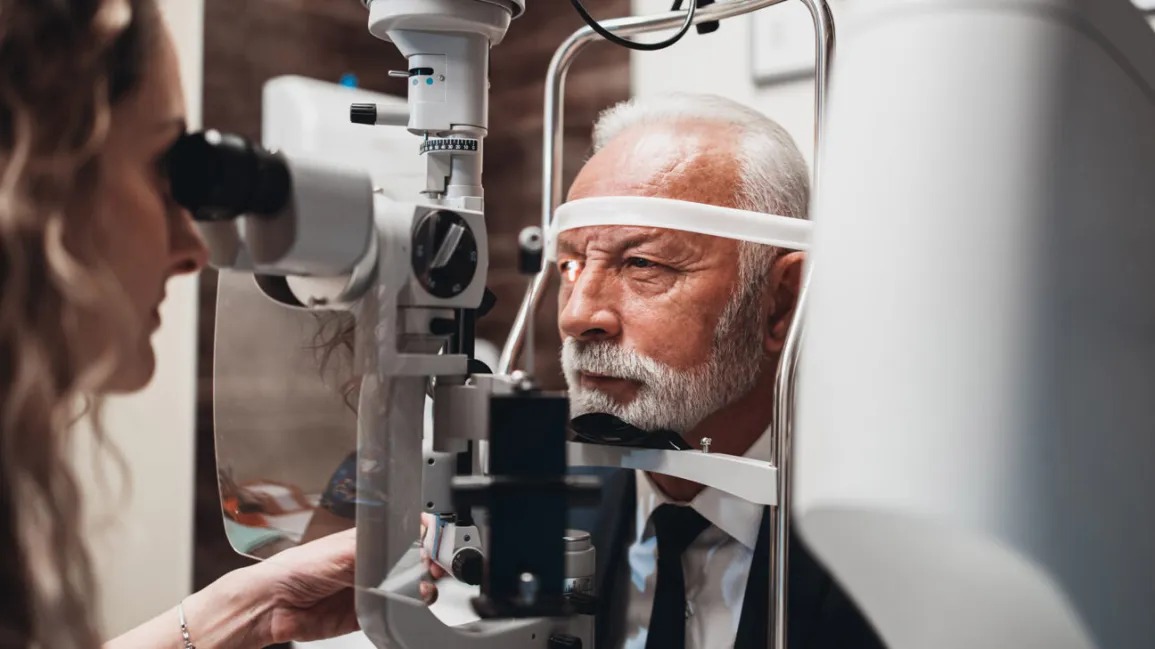
Cholesterol medicines lessen risk of degenerative eye disease of ageing

In high-income nations, AMD is the main contributor to serious vision impairment in elderly adults. The ailment presently affects 67 million individuals in Europe alone, and as the continent’s population ages, it is expected that the number of new cases would skyrocket.

According to a pooled data analysis of the available evidence, which was published online in the British Journal of Ophthalmology, regular use of medications to lower cholesterol and manage type 2 diabetes may reduce the risk of AMD, a degenerative eye condition associated with ageing.

According to the findings, these common medications are associated with a lower prevalence of AMD (age-related macular degeneration) in European populations.
Cholesterol medicines lessen risk of degenerative eye disease of ageing

In high-income nations, AMD is the main contributor to serious vision impairment in elderly adults. The ailment presently affects 67 million individuals in Europe alone, and as the continent’s population ages, it is expected that the number of new cases would skyrocket.

AMD impairs both central vision and fine detail perception. AMD is assumed to be caused by a number of genetic and environmental ageing-related factors, but the best ways to prevent it or halt its growth are yet unknown.

Prior studies have suggested that medications to lower cholesterol, manage diabetes, and reduce inflammation may assist to minimise the chance of getting AMD, but these results were inconsistent and based on small participant numbers.

The researchers aggregated the findings from 14 population-based and hospital-based studies, encompassing 38,694 participants from France, Germany, Greece, Ireland, Italy, Norway, Portugal, Russia, and the UK, in an effort to circumvent these problems.

The studies are a part of the European Eye Epidemiology (E3) project, a pan-European collaborative network whose main goal is to create and analyse sizable pooled datasets to further our understanding of eye illness and vision loss.

All of the participants were over 50 and receiving at least one of the medications listed below: Levodopa used to treat movement difficulties brought on by neurodegenerative diseases; statins to lower cholesterol; insulin to regulate diabetes; steroids to reduce inflammation.

In the studies that were considered, the prevalence of AMD ranged from 12.5 per cent to 64.5 per cent, totalling 9,332 instances, whereas the prevalence of advanced (late) AMD ranged from 0.5 per cent to 35.5 per cent, totalling 951.

After taking into account any potential influencing factors, the pooled data analysis revealed that medications to lower cholesterol or control diabetes were related to, respectively, 15 per cent and 22 per cent lower prevalence of any type of AMD.

Despite the fact that there were only a very small number of such cases, the researchers highlight that no such connections were discovered for any of the other drug classes or for severe AMD in particular.

Theirs are the first large pooled data analysis of its kind to use individual-level data from various population-based and hospital-based studies, highlight the researchers.

“Yet, further longitudinal data are needed to confirm our findings, which are inherently limited by using cross-sectional data only and cannot infer causality,” they cautioned.

But the findings point to a likely key role for metabolic processes in the development of AMD, which may offer potential new avenues for treatment and have implications for public health messaging, they suggest.

“Our study suggests that regular intake of [lipid lowering] and antidiabetic drugs is associated with reduced prevalence of AMD in the general population. Given a potential interference of these drugs with pathophysiological pathways relevant in AMD, this may contribute to a better understanding of AMD aetiology,” they concluded.

Read more at-https://bit.ly/3Ukeafi
Categories
COVID-19 Medical Equipments Medical Updates Medicine & Health

Blood oxygen monitors don’t work as well on people with darker skin: FDA

Synopsis

As smartwatches now claim to read blood oxygen levels, the US Food and Drug Administration (FDA) has raised fresh concerns over pulse oximeters that monitor blood oxygen levels in the hospital and at home.

As smartwatches now claim to read blood oxygen levels, the US Food and Drug Administration (FDA) has raised fresh concerns over pulse oximeters that monitor blood oxygen levels in the hospital and at home.

According to an FDA advisory panel, blood oxygen monitors need to be more carefully regulated as they don’t work as well on people with darker skin tones.

In 2021 during the pandemic, the FDA had issued an alert saying that these devices have “limitations”.

Blood oxygen monitors don't work as well on people with darker skin: FDA

“As part of its premarket evaluation of pulse oximeters, FDA has long required premarket data assessing pulse oximeter performance in subjects with different skin pigmentation. However, a December 2020 published report suggests that pulse oximeters may be less accurate in patients with darker skin pigmentation,” said the FDA panel in its report.

The panel reviewed multiple research studies that show oximeters don’t work as well on darker skin.

It delayed Covid treatments in Black patients because the devices didn’t show dropping oxygen levels, according to one study.

The over-the-counter pulse oximeters or “wellness” devices aren’t reviewed by the FDA.

An assessment of the US pulse oximeter market demonstrates the use of these devices increased during the first year of the Covid-19 pandemic.

Since the December 2020 study, additional real-world studies have been published suggesting increased risk for missed diagnosis of “occult hypoxemia”, delays in treatment eligibility decisions and worse patient outcomes among subjects with darker skin pigmentation.

“Occult hypoxemia” is defined as Sao2 less than 88 per cent despite a Spo2 of greater than 92 per cent, based on previously published parameters.

Pulse oximeters are widely used by many types of healthcare providers and consumers to obtain an indirect measure (SpO2) of arterial blood oxygen saturation (SaO2).

“We need to take appropriate steps to remove the growing uncertainty around these devices and ensure the health and safety of the public,” anesthesiologist Jesse Ehrenfeld told the panel, reports The Verge.

Read more at-https://bit.ly/3NBPWKY

Categories
Medical Equipments Medical Updates Medicine & Health

Health tips on rebuilding your work life after suffering a heart stroke

Returning to work after suffering a cardiac arrest? Here’s what you need to know about the kind of help you require and a back-to-work program that can help to create a safe workspace for people with heart stroke tendency .

Stroke is a major public health challenge in India, specifically with the annual stroke cases rising since 2000 and this non-communicable disease with a high burden is one of the leading causes of disability in the country. Furthermore, stroke can affect persons of various age groups but an alarming number of people are getting affected in the age group of 30 to 40 years, which makes up a considerable size of the working population.

Stroke can affect muscle strength, walking ability, balance, speech, bladder control and can lead to psychological problems and loss of independence to a certain extent. While there have been advancements in stroke care, there are still challenges in rehabilitating person with stroke hence, it is important to ensure that timely and correct treatment is provided to persons with stroke to mitigate the long-term effects and enable them to lead healthy lives.

Health tips on rebuilding your work life after suffering a heart stroke

However, it is natural for a person to face certain difficulties after a stroke. This instantly affects confidence levels when one returns to work, and often lack the courage to ask for support in performing their duties.

In an interview with HT Lifestyle, Dr Shiva Kumar R, Clinical Coordinator, Senior Consultant Neurologist Epileptologist at Sakra World Hospital in Bengaluru, insisted that employees should speak up about the kind of help they require. According to him, some quick factors to keep in mind are:

1. Your commute to work and alternatives if you cannot travel to the office every day

2. The number of hours your body will allow putting in for work without straining yourself

3. Create a list of tasks that you can and cannot perform in line with your job description and discuss it with your manager

4. Proactive work reviews with your team to smoothen out any operational issues and share responsibilities or delegate tasks if need be

5. Most notably, one must have a clear communication with their manager on the effects of stroke, medication, and emotional state of mind for a mutually beneficial arrangement for everyone involved at work

He said, “On several occasions, companies are not equipped to navigate the challenges of person with stroke and provide them with the support they need. There is an acute need for guidance and back-to-work programs that foster an inclusive working environment for employees with difficulties.” He revealed that some elements in a back-to-work program that can help to create a safe workspace for people with stroke. These include:

1. Ergonomic workstations and equipment such as stand-sitting desks, among others

2. Speech recognition software to aid patients suffering from speech impairment

3. Reviewing the company’s leave policies so that an employee can take personal time off without feeling guilty or facing any financial strain

4. Flexible working hours and models, that allows employees to work from home permanently if needed

5. Most importantly, communicating and being flexible with your employee who is returning to work after a stroke

Dr Shiva Kumar R suggested, “A stroke should not hinder letting one live their life to the fullest. When employers and employees can work cohesively to chart a plan that works for everyone, it can be a major confidence booster for the person affected with stroke. That, in turn, would lead to enhanced emotional well-being and greater productivity. It is imperative that instead of viewing this issue with fear and reluctance, it is addressed with compassion and acceptance.”

Read more at-https://bit.ly/3zwXHMo

Categories
COVID-19 Medical Equipments Medical Updates

BXX variant of Covid virus spreads, but less severe

Synopsis

According to him the proportion of BXX which is a recombinant variant has increased gradually by20-30% in the country. BA2.75 continues to be the dominant variant accounting for 60% of Covid-19 cases. An INSACOG member said they are monitoring the spread. A review meeting was held on Friday to evaluate the Covid-19 situation across the country.

The Indian Sars-CoV-2 Consortium on Genomics (INSACOG), a network of laboratories monitoring genomic variations of the Covid-19 virus, has found the proportion of BXX sub-variant increasing in the country. However, the good news is that the severity and hospitalisation have not increased, a member told ET.

According to him the proportion of BXX which is a recombinant variant has increased gradually by20-30% in the country. BA2.75 continues to be the dominant variant accounting for 60% of Covid-19 cases.

BXX variant of Covid virus spreads, but less severe

An INSACOG member said they are monitoring the spread. A review meeting was held on Friday to evaluate the Covid-19 situation across the country.

In the last few weeks multiple Omicron subvariants like BQ.1, and BXX have been detected along with other emerging sub-variants like BA5.1.7 and BF.7. BQ.1 is an offshoot of the variant related to the BA.5 version that drove the surge in the US.

Keeping in view the expected rise in the number of cases due to the festival season, the Union health minister also held a meeting to review the situation last week.

Read more at-https://bit.ly/3Fp3Lul

Categories
COVID-19 Government Guidelines Medical Equipments Medical Updates Medicine & Health

Global roll-out of 12 billion COVID-19 vaccine doses largest-ever but access an issue: WHO

Synopsis

Addressing the annual general meeting of the Developing Countries Vaccine Manufacturers Network (DCVMN) virtually on Thursday, he flagged the issue of inequities in access to COVID-19 vaccines.

World Health Organization (WHO) director-general Dr Tedros Adhanom Ghebreyesus has said that global roll-out of more than 12 billion COVID-19 vaccine doses is the largest and fastest in human history.
Addressing the annual general meeting of the Developing Countries Vaccine Manufacturers Network (DCVMN) virtually on Thursday, he flagged the issue of inequities in access to COVID-19 vaccines.

The three-day event is being co-hosted by the Pune-based Serum Institute of India (SII), the world’s largest vaccine manufacturer by volume, said a statement.
“Global roll-out of more than 12 billion COVID-19 vaccine doses is the largest and fastest in history with an estimated 60 per cent doses produced by manufacturers in developing countries. Despite this achievement, stark inequities in access to COVID-19 vaccines remain,” he said.

Global roll-out of 12 billion COVID-19 vaccine doses largest-ever but access an issue: WHO

“These inequities are due partly to the fact that globally vaccine production is too concentrated. To address this, the WHO and our partners have established the mRNA Tech Transfer hub in South Africa to facilitate the know-how in low & middle-income countries,” Ghebreyesus said.
Adar Poonawalla, CEO of SII, said it was a proud moment for his company to co-host the 23rd DCVMN annual general meeting in Pune.

“Today, the world is more aware and focused on chalking out an ambition-to-action roadmap for future pandemic preparedness. For that, building the infrastructure and regulations to ensure global equity and timely access to vaccines is the foremost priority,” Poonawalla said.

Union Minister for Health and Family Welfare Mansukh Mandaviya delivered the inaugural address.
DCVMN is an international alliance of manufacturers from developing countries who are engaged in innovation, research, development, manufacturing and supply of high-quality vaccines to 170 countries.

The organisation aims to protect people against known and emerging infectious diseases globally by increasing the production of high-quality vaccines in developing countries.

Read more at-https://bit.ly/3gKtK55

Categories
Medical Equipments Medical Updates Medicine & Health

Serum Institute to produce Ebola vaccine for use in Uganda outbreak

Synopsis
The Serum Institute of India plans to manufacture 20,000 to 30,000 doses of an experimental Ebola vaccine by the end of November for use in trials against an outbreak in Uganda, its developers and a company source said.

The Serum Institute of India plans to manufacture 20,000 to 30,000 doses of an experimental Ebola vaccine by the end of November for use in trials against an outbreak in Uganda, its developers and a company source said.
The response to Uganda’s outbreak has been blunted by the absence of a proven vaccine against the Sudan strain of the virus.

There have been 54 confirmed cases and 19 deaths since last month and the first case in the capital, Kampala, was recorded last week. But health authorities believe the actual numbers could be higher.

Vaccines against the more common Zaire strain of Ebola have proven highly effective during recent outbreaks in neighbouring Democratic Republic of Congo.

Serum Institute to produce Ebola vaccine

Oxford University’s Jenner Institute, which developed a COVID-19 vaccine with AstraZeneca, has an Ebola vaccine that has been shown to induce an immune response to both the Sudan and Zaire strains in Phase 1 trials.

Its developers said it could be deployed in Uganda as part of a clinical trial once the authorities there gave regulatory approval.

“We are working very closely with Serum Institute to rapidly scale up the manufacture of this vaccine,” said Teresa Lambe, the chief scientific adviser on Ebola at the Jenner Institute.

“We are hoping to have a large number of doses, approximately 20,000 to 30,000 or more by mid-to-end of November,” she told Reuters.

A source at the Serum Institute, the world’s biggest vaccine maker and part of a conglomerate run by Indian billionaire Cyrus Poonawalla, confirmed this information. The source said the Ebola vaccine doses would be supplied free of cost.

‘PLAYING CATCH UP’

Uganda’s Information Minister Chris Baryomunsi said in an interview on Saturday that he did not have any information on a vaccine rollout but that the outbreak was under control.

President Yoweri Museveni said the same day that the government would implement an overnight curfew and restrict movement into and out of two districts in central Uganda affected by Ebola for 21 days.

World Health Organization (WHO) chief Tedros Adhanom Ghebreyesus said last week that clinical trials of two vaccines could begin in the coming weeks pending Ugandan government approvals, without naming the vaccines.

There are at least six vaccines in development for the Sudan strain, including three with Phase 1 data, according to WHO.

The Oxford researchers voiced frustration that their vaccine was not ready to be rolled out when the outbreak hit, saying governments around the world had not made investing in vaccines enough of a priority in the wake of the COVID-19 pandemic.

The vaccine has been in development for several years but its progress through clinical trials has been slowed by funding shortfalls, they said.

“With better investment the world could easily have ready-made vaccines sitting in vials for this and a number of other diseases,” said Sandy Douglas, an investigator at the Jenner Institute.

“We’re spending a couple of months now playing catch up on work that could have been done ahead of time.”

Read more at-https://bit.ly/3SlxI1h


Categories
COVID-19 Medical Equipments Medical Updates Medicine & Health

Indonesia approves first home-grown COVID vaccine for emergency use

The Indovac vaccine has been developed by Indonesia’s state-owned pharmaceutical company Bio Farma and the Texas Children’s Hospital Center for Vaccine Development at Baylor College of Medicine.

Indonesia has approved its first domestically-produced COVID-19 vaccine for emergency use for people over 18, the chief of the country’s food and drugs agency (BPOM) was quoted by news media as saying on Wednesday. The Indovac vaccine has been developed by Indonesia’s state-owned pharmaceutical company Bio Farma and the Texas Children’s Hospital Center for Vaccine Development at Baylor College of Medicine.

Indonesia approves first home-grown COVID vaccine for emergency use

Penny Lukito, the head of BPOM, was cited by news portal CNN Indonesia as saying the approval was “given as a primary vaccine for adults. “Penny and a Bio Farma spokesperson did not immediately respond to requests for comment. Bio Farma said this month it would produce 20 million doses of the vaccine in 2022 and 100 million doses by 2024. It has also said it has sought a halal certificate – which would make the vaccine permissible under Islam – from relevant authorities. Indonesia is the world’s biggest Muslim-majority nation.

Bio Farma chief Honesti Basyir said earlier this month that the vaccines were intended to “help reduce the nation’s dependency on imported vaccines,” adding 80% of Indovac is locally-sourced.

Indonesia, which reported one of the highest transmission rates of COVID-19 in the world last year, has used vaccines produced by China’s Sinovac Biotech, Pfizer Inc and BioNTech as well as Moderna Inc. Bio Farma has said it has also sought an emergency use approval from the World Health Organization (WHO). Indonesia is also developing another home-grown vaccine called Inavac.

Read more at-http://surl.li/dftch

Categories
COVID-19 Medical Equipments Medicine & Health

Novel test can identify patients at risk of severe COVID-19

The test proved over 90 per cent accurate at predicting patient outcomes for COVID-19 among over two dozen patients in intensive care and 100 patients from publicly available data, the researchers said.

Scientists in the US have developed a new genomic test that can predict a patient’s risk of developing severe COVID-19, an advance that could help doctors quickly begin tailored treatment. The test proved over 90 per cent accurate at predicting patient outcomes for COVID-19 among over two dozen patients in intensive care and 100 patients from publicly available data, the researchers said.

The test, called CovGENE, analyses genes expressed in a person’s blood to determine whether they may experience a severe disease course with increased risk of death, they said. “We have come far in the prevention and treatment of COVID-19 in the past two years. Regardless, we still struggle to identify patients at highest risk for severe disease,” said Alexandra Kadl, from the University of Virginia, US.

Novel test can identify patients at risk of severe COVID-19

“Our study uses a gene-analysis approach to identify an immune cell signature, distinct from other respiratory illnesses, that correlates with worse outcomes,” Kadl said in a statement. The approach, described recently in the journal Frontiers in Immunology, has the potential to help evaluate patients’ immune profile with commonly, readily available tests to identify patients at risk for bad outcomes.

Such patients would benefit from closer monitoring and advanced therapies to aid their recovery, the researchers said. Immune profiling helps to understand why one person may differ from another in their immune response to a virus, looking specifically at the immune markers (proteins) and cells present over time. This analysis can help determine the likelihood of disease, individual response to a virus and the impact of vaccinations. CovGENE’s developer, AMPEL Biosolutions, is seeking to partner with a diagnostic testing company or pharmaceutical company to bring the approach to market as a simple PCR-based blood test.

Novel test can identify patients at risk of severe COVID-19

“This unique collaboration with our colleagues from the University of Virginia has provided an easy and novel means to assess an individual patient’s response to the SARS-CoV-2 virus and predict the clinical outcome,” said Peter Lipsky, AMPEL’s CEO, chief medical officer and co-founder. “Now that this unique approach has been validated, we look forward to its rapid development as a precision-medicine tool that can improve the outcome of patients with COVID-19 and reduce the number of hospitalisations, especially the most vulnerable,” Lipsky added.

Read More At:-shorturl.at/NOZ26

Categories
COVID-19 Medical Equipments Medical Updates

Days Away From 1 Billion Vaccine Milestone, India Plans Big Celebration

The Health Ministry is preparing to celebrate administering 100 crore, or a billion vaccine doses with a variety of events across the country, sources.

The Health Ministry expects that India should be able to reach the milestone next week by Monday or Tuesday, the sources said, adding that Prime Minister Narendra Modi may also address the nation to thank healthcare workers for their immense contribution to India’s vaccine drive.

The Union Health Ministry is planning to celebrate the day with events across India, sources told News18, adding that it plans to involve Covid-19 warriors and ground-level healthcare staff, who are key to the vaccination drive.

Health Minister Mansukh Mandaviya has also sought ideas from the Ministry’s officials on how to honor Covid-19 warriors during the celebrations of 100 crore doses, including those who lost their lives in the line of duty.

Special recognition will also likely be announced to motivate the healthcare workers and professionals, and ASHA and Anganwadi workers who have been working tirelessly in the fight against Covid.

The BJP also plans to hold various activities across the country which may include a thank-you drive for doctors and professionals.

On October 10, Mandaviya had hailed India’s vaccine drive after the country crossed the 95 crore-landmark on Sunday, adding that the country is “marching rapidly towards administering 100 crore vaccine doses”.

According to the Cowin dashboard, 96,74,52,484 vaccine doses have been administered as of yet in the country. Thirty-two lakh vaccine doses have been administered on Wednesday till 7 PM.

Meanwhile, more than 97.79 crore COVID-19 vaccine doses have been provided to states and UTs so far, the Union Health Ministry said on Wednesday. Over 8.43 crore balance and unutilized vaccine doses are still available with the states and UTs to be administered, it said.

The vaccination drive has been ramped up through availability of more vaccines, advance visibility of vaccine availability to states and UTs for enabling better planning by them, and streamlining the vaccine supply chain, the ministry said.

More than 97.79 crore vaccine doses have been provided to States/UTs so far through Govt of India (free of cost channel) and through direct state procurement category, the ministry said.

The countrywide vaccination drive was rolled out on January 16 with healthcare workers (HCWs) getting inoculated in the first phase. The vaccination of frontline workers (FLWs) started from February 2.

The next phase of COVID-19 vaccination commenced from March 1 for people over 60 years of age and those aged 45 and above with specified co-morbid conditions. The country launched vaccination for all people aged more than 45 years from April 1.

The government then decided to expand its vaccination drive by allowing everyone above 18 to be vaccinated from May 1. Meanwhile, the Union Health Ministry said that more than 95.96 crore Covid vaccine doses have been provided to states and Union Territories so far.

source: https://www.news18.com/

Categories
Medical Equipments Medical Updates Medicine & Health

Digital Health ID card for every Indian. 5 key points explained

Prime Minister Narendra Modi on Monday launched the Ayushman Bharat Digital Mission to provide a digital Health ID to people which will contain their health records. The nationwide rollout of the digital Health ID coincides with the National Health Authority (NHA) celebrating the third anniversary of Ayushman Bharat Pradhan Mantri Jan Arogya Yojana (AB PM-JAY).

Currently, over one lakh unique Health IDs have been created under the National Digital Health Mission (NDHM), which was initially launched across six states and Union territories on a pilot basis on 15th August.

Digital health ID: Key things you should know

-Based on the foundations laid down in the form of Jan Dhan, Aadhaar and Mobile (JAM) trinity and other digital initiatives of the government, PM-DHM will create a seamless online platform through the provision of a wide-range of data, information and infrastructure services, duly leveraging open, interoperable, standards-based digital systems while ensuring the security, confidentiality and privacy of health-related personal information.

This mission will create interoperability within the digital health ecosystem, similar to the role played by the Unified Payments Interface in revolutionising payments.

– The key components of PM-DHM include a Health ID – unique 14-digit health identification number- for every citizen that will also work as their health account. The national Health ID will be a repository of all health-related information of a person. The health ID will enable access and exchange of longitudinal health records of citizens with their consent.

-This health account will contain details of every test, every disease, the doctors visited, the medicines taken and the diagnosis. This information will be very useful as it is portable and easily accessible even if the patient shifts to new place and visits a new doctor.

-The Health ID is created by using a person’s basic details and mobile number or Aadhaar number. Personal health records can be linked and viewed with the help of a mobile application, a Healthcare Professionals Registry (HPR), and Healthcare Facilities Registries (HFR).

-Health ID under NDHM is free of cost and voluntary. According to govt, analysis of health data will lead to better planning, budgeting and implementation for states and health programs, which should be a big cost optimizer.

Citizens will only be a click away from accessing healthcare facilities.

source: https://www.livemint.com/