Categories
COVID-19 Government Guidelines Medical Equipments Medical Updates Medicine & Health

Covid XBB.1.16: Symptoms of new Covid variant Arcturus in adults, children and elderly

Here are the symptoms of new Covid variant Arcturus or XBB.1.16 in adults, children and elderly. All you want to know.

Covid variant XBB.1.16, also known as Arcturus, has been dubbed as the ‘variant under monitoring’ by WHO (World Health Organisation) after it was found to be spreading fast in many parts of the world. According to recent WHO data, a total of 712 XBB.1.16 sequences were found in 21 countries. XBB 1.16 is a subvariant of the Omicron variant, which emerged in late 2021 and has since then replaced delta as the dominant variant around the world. Carrying additional spike mutations, Arcturus variant is considered more transmissible and immune-evasive than its predecessors and may escape immunity acquired by previous infections or vaccines. While the symptoms of XBB.1.16 are not very different from the previous strains and the disease caused by it largely remains mild, in case of vulnerable population like children and elderly, it can cause slightly different symptoms.

What is XBB.1.16 or Arcturus?

“XBB.1.16 variant, a sub-lineage of Omicron variant, is believed to be the cause of recent concerning surge in number of Covid cases. According to available reports based on genome sequencing, XBB 1.16 has few additional spike mutations. As per the available data, it seems to more transmissible and immune evasive, i.e. causing infections in patients with pre-existing natural or vaccine induced immunity,” says Dr Rohit Kumar Garg, Consultant, Department of Infectious Diseases, Amrita Hospital, Faridabad.

Covid XBB.1.16: Symptoms of new Covid variant Arcturus in adults, children and elderly

Common symptoms of XBB.1.16 or Arcturus in adults

Experts say the loss of taste and smell seen in the days of spread of Delta variant is uncommon now while symptoms like fever, sore throat, running nose, body ache, diarrhoea, fatigue are more common in Covid patients.

“The symptoms of XBB 1.16 are not much different from previous variants. Some of the common symptoms in adults include fever, sore throat, running nose, cough, body ache, myalgia, fatigue, diarrhoea. Symptoms due to shortness of breath, low oxygen saturation, respiratory distress can be seen in patients who develop severe illness,” says Dr Garg.

“Infected adults may experience symptoms like fever, cough, cold, nasal discharge/running nose, blocked nose, sneezing, soreness and irritation in throat, scratchy throat, change of voice/hoarse voice, shortness of breath, headache, body aches, fatigue, nausea, diarrhoea, chest pain. Loss of taste and smell as seen with Delta variant of Covid-19 is not much seen now,” says Dr Gurmeet Singh Chabbra, Director- Pulmonology, Marengo Asia Hospitals, Faridabad.

Symptoms of XBB.1.16 or Arcturus in children

Children in addition to sore throat, runny nose, blocked nose may have conjunctivitis or pink eye in this current surge of Covid infections.

“XBB.1.16 variant symptoms reported in children are high fever, cough, itchy conjunctivitis — or pinkeye — without pus, but with ‘sticky eyes’. Scratchy throat also leading to difficulty in swallowing, running nose, blocked nose seems to be more common symptoms in current Covid variant,” says Dr Chabbra.

“In cases of children, an additional symptom i.e., an itchy, pink eye (conjunctivitis) has been noted amongst others,” says Dr Garg.

“XBB covid in children has behaved like any other viral infection. Symptoms are typically indistinguishable from flu-like illness. Children get secondarily affected after someone in the family is infected with Covid. The treatment is aimed at maintaining hydration, giving paracetamol, multivitamins and bedrest with quarantine for 5 days. Most of the children recover very well. There is no need to panic with this new strain, especially for children. Children above 12 years should get Covid vaccination done,” says Dr Prashant Udavant, Paediatrician, Neonatologist at Ruby Hall Clinic.

Symptoms of XBB.1.16 or Arcturus in elderly or those with chronic conditions

Elderly patients must be treated keeping in account their risk factors considering they are more at risk to develop severe disease.

“According to available data, there is no increased severity associated with XBB 1.16 infection, compared to recently circulating variants. The nature of diseases is mild illness in majority of the patients infected with XBB 1.16. A very minor proportion of patients, with high-risk conditions such as elderly age group, immunocompromising condition (cancer, HIV, steroids etc), comorbid conditions such as diabetes, cardiovascular conditions, respiratory conditions etc, have been noted to develop severe disease,” says Dr Garg.

“Symptoms in elderly are usually the same as in an adult. But elderly is more prone to develop severe disease on account of their age-related immunosenescence (age related dysfunction of immune system) and associated co-morbid conditions rendering them prone to a more prolonged suffering and death,” says Dr Chabbra.

“Elderly may have a relatively lower temperature on presentation than an adult as mean body temperature decreases with age. As per IDSA modification of temperature of 99-degree Fahrenheit measured twice or single oral temperature of more than 100-degree Fahrenheit or incremental increase of 2-degree Fahrenheit from base line should be considered as definition of fever in elderly,” as per Dr Chabbra.

“Elderly, especially those over 85 years of age, are more likely to present with delirium and asthenia. It may be difficult to differentiate acute cough and shortness of breath in elderly patients with chronic lung disease,” adds Dr Chabbra.

Prevention tips for XBB.1.16

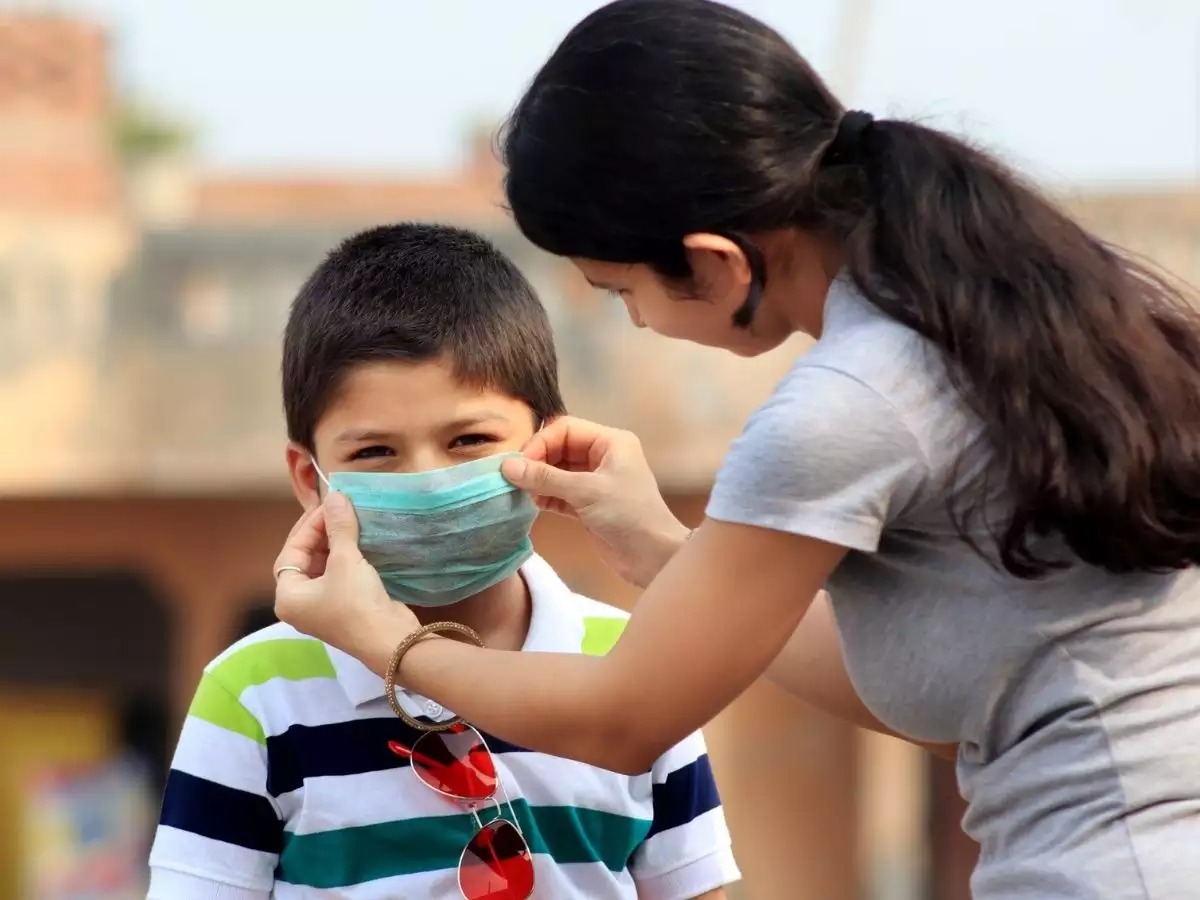
Dr Chabbra says people should wear triple-layered masks, take care of hand hygiene and follow social distancing measures. According to the expert, vaccination may prevent hospitalisation and severe disease in those with risk factors of severe disease.

“Avoid venturing outside in crowded areas unless necessary. Avoid touching your nose, eyes and mouth.

Isolate yourself immediately if symptoms appear and contact your doctor for further advise. Take adequate rest, maintain hydration, take healthy diet, fruits etc if you have been diagnosed with Covid. You may need multivitamins if found deficient. Your doctor may advise changes in treatment if you are on treatment for some chronic disease. You should monitor your oxygen saturation via pulse oximeter, pulse rate, respiratory rate and inform your doctor accordingly,” says Dr Chabbra.

“Amidst the resurgence of Covid cases and the looming threat of seasonal flu, we must not succumb to fear, but instead empower ourselves with knowledge and take necessary precautions. Influenza symptoms tend to manifest for a brief period of less than a week, with peak intensity lasting 1-2 days. To alleviate these symptoms, the recommended course of action is to administer paracetamol while avoiding antibiotics. Also, patients with comorbidities or underlying health conditions must seek professional assistance. Furthermore, to minimise the likelihood of contracting seasonal infections, it is imperative that basic hygiene protocols and preventive measures are diligently observed. As we presently have a few patients who are hospitalised with moderate to severe Covid pneumonia, it is vital to enforce Covid appropriate conduct, including the use of face masks and self-isolation in the event of influenza-like symptoms, says Dr Arunesh Kumar, Senior Consultant and Head of Pulmonology /Respiratory Medicine, Paras Health, Gurugram.

Read more at-https://bit.ly/3UCYDYV
Categories
COVID-19 Government Guidelines Medical Equipments Medical Updates Medicine & Health

Covid-19 or influenza: dilemma of the day

As H3N2 and Covid-19 present similar symptoms, one can be misconceived as the other; experts help differentiate.

Fever, fatigue and persistent cough are among the many symptoms being witnessed in people across the country in the recent past. But, the question is — is it Covid-19 or H3N2 virus that one is down with?

A subtype of influenza A, H3N2 presents symptoms similar to that of Covid-19. But, experts say the former is leading to more cases of hospitalisation at present. Covid-19 cases are also increasing at a steady pace, with 5,676 cases recorded on April 11 in India.

“We are getting around 20-30 cases every day of people coming in with flu symptoms. Of these, most are testing positive for influenza,” says Dr AK Jhingan, senior director, Internal Medicine at BLK MAX Hospital.

Covid-19 or influenza: dilemma of the day

Key differences

Though testing is the safest way to differentiate, a cursory understanding of the symptoms may help doctors understand whether one is suffering from influenza or Covid-19 and prescribe tests accordingly.

“Both viruses present predominantly with respiratory symptoms as well as flu-like illness, but loss of smell and taste are more common in Covid-19,” says Dr Rahul Roshan, senior consultant, Chest and Respiratory Diseases at a Delhi-based hospital.

While influenza may typically severely impact the elderly population and people with co-morbidities, Covid-19 may give rise to serious illness in people of all ages. Also, when infected with influenza, one may experience symptoms within 1-4 days, while in case of Covid-19, it may take 2-14 days for the symptoms to show.

“Covid-19 mutates faster and attacks the lungs early, whereas influenza may affect the lungs a little later,” says Dr Sunny Kalra, senior consultant, Respiratory Medicine at a Delhi-based hospital.

Coughing is a common symptom. But, it is more prevalent in case of influenza and can leave the patient feeling tired. In case of Covid-19, experts say, cough is comparatively milder.

“H3N2 mainly causes respiratory illness and starts with high fever, sneezing, dry cough and throat pain. On the other hand, Covid-19 may present symptoms such as bodyache, headache, irritability, lethargy and progress later to mild cough, abdominal symptoms such as nausea, vomiting and loss of taste, besides fever and cough,” says Dr Sanjeev Dutta, HOD and senior consultant, Paediatrics at Marengo Asia Hospitals.

Eat right to energise

A wholesome meal is one that is rich in proteins, healthy fats and a moderate quantity of good carbs, besides good vitamin intake. “Regular intake of vitamin C in the form of one lemon a day and prescribed supplements must be taken throughout the year, not just when one catches an infection,” says nutritionist Tripti Tandon. She also suggests opting for fruits over juice: “A glass of juice is made using two-three fruits, increasing the consumption of natural sugar. That can lead to diabetes, if overdone. On the other hand, if you eat a fruit, even a small quantity is filing and the fibre intake is an added advantage.” Some other must-adds to the diet are coconut water, nuts, legumes and sprouts.

Practice Yoga to power through

These cleansing rituals and breathing exercises can help attain physical and mental well-being:

Jal Neti: Cleanses the nasal passage

Vaman DhautiCleanses the digestive track

Anulom Vilom: Increases the oxygen level in the blood, helps attain physical and mental well-being, strengthens immunity

Ujjayi Pranayama: Helps get rid of phlegm in the throat

Surya Bhedi Pranayama: It helps activate the right nostril, which in turn aids in fighting cold, cough and sinus-related problems

Bhramari Pranayama: It helps relieve tension and anxiety

Inputs by Gaurav Chauhan, yoga expert and instructor

Read more at-https://bit.ly/41euq5e

Categories
COVID-19 Government Guidelines Medical Equipments Medical Updates Medicine & Health

Researchers discover how cancer evades immune system detection, spreads

A team of researchers has uncovered how cancer evades the immune system and spreads throughout the body.

A team of researchers has uncovered how cancer evades the immune system and spreads throughout the body and is investigating ways to disable this potentially harmful trait. A research led by the National Cancer Centre Singapore (NCCS) with members from Duke-NUS Medical School, KK Women and Children’s Hospital, A*STAR’s Singapore Immunology Network (SIgN), the University of Southampton and the Alan Turing Institute.

Many have been trying to figure out how cancer cells managed to avoid being found and eliminated by the immune system over the past few years. This most recent ground-breaking discovery, which was released on March 27, 2023 in the highly regarded scientific journal Nature Communications, has ramifications for the creation of cutting-edge cancer treatment methods.

The immune system searches and destroys abnormal cells such as cancer cells. However, in some instances, cancer cells avoid being detected and killed by the immune system and are able to develop and spread more easily. Metastasis, a process when cancer cells break away from the primary tumour and form in other parts of the body, makes cancer harder to treat and results in poorer prognosis. For this reason, the team decided to investigate early onset of metastasis which typically occurs when cancer cells are detected in lymph nodes near the primary tumour.

Researchers discover how cancer evades immune system detection, spreads

“Like an unethical employer that forces their employees to work continuously, cancer forces the immune cells to work overtime and become exhausted, rendering them incapable of functioning normally,” said Professor Gopal Iyer, senior author of the study and Head and Senior Consultant, Department of Head and Neck Surgery, Division of Surgery and Surgical Oncology, Singapore General Hospital and NCCS.

“Using a treatment to alleviate stress on immune cells, we found that immune cells were able to kill cancer cells more effectively. Still, just like some employees who are too burnt out to work properly even with a bonus, some immune cells were seen to remain exhausted even after treatment, which is how cancer may not be detected and effectively destroyed by the immune system.”

Uncovering cancer immune system suppression: A three-part investigation

As the basis of their investigation, the team profiled primary and metastatic lymph node tumours from 14 patients with head and neck squamous cell cancers, using single cell RNA sequencing. They found pre-metastatic cells within the primary tumours with the capacity to metastasise to the lymph nodes. They also found that a substantial proportion of CD8 cells, a key component of the immune system that searches and kills abnormal cells such as cancer, were ‘exhausted’ and unable to perform their protective role. This occurred when the immune cells were repeatedly exposed to cancer and unable to eliminate it.

Next, the team identified and targeted pathways that exclusively affected cancer cells, immune cells, as well as pathways that cancer cells utilise to negatively influence immune cells, and were able to prevent some cancer spread and rejuvenate immune cells. However, despite these promising results, cancer cells continued to show their ability to escape immune surveillance.

Using a mouse model, engrafted with pre-metastatic cancer cells, the team analysed a subgroup of CD8 T cells expressing Midkine (MDK) receptors. One group in the model was treated with anti-PD1, while the other was a control arm. There was an increase in exhausted MDK-receptor expressing CD8 T cells even after anti-PD1 treatment, suggesting that the MDK-signalling pathway instigates immune suppression that undoes the effects of anti-PD1 treatment. Taken together, the results implicate MDK-signalling as a pathway which pre-metastatic cancer cells use to evade CD8-mediated immune surveillance. It also explains why some patients do not respond as well as others to anti-PD1 therapy.

Finding solutions to improve treatment outcomes

“Our investigations indicate that we can use multiple pathways to effectively treat cancer – by targeting cancer cells, the immune system and using existing therapies to counter immune system evasion by cancer cells. We know we need an increased arsenal of weapons to use against cancer and have to put it together to improve treatment outcomes,” said Professor Iyer, who is also head of the Division of Medical Sciences at NCCS.

Read more at-https://bit.ly/3o7hnUk

Categories
COVID-19 Government Guidelines Medical Equipments Medical Updates

Bariatric surgery may reverse diabetes complications for people with obesity

Compared to previous studies of medical weight loss, when providers guide patient’s weight loss goals, bariatric surgery led to better metabolic improvements.

A Michigan Medical study found that for more than 100 million obese Americans, bariatric surgery may reverse complications related to diabetes, including regenerating damaged nerves. A research team led by the University of Michigan Health Department of Neurology followed more than 120 patients who underwent bariatric surgery for obesity over two years after the procedure. They found that all metabolic risk factors for developing diabetes, such as high glucose and lipid levels, improved outside of blood pressure and total cholesterol, according to results published in Diabetologia.

Investigators also found that patients two years removed from bariatric surgery showed improvements in peripheral neuropathy, a condition marked by damage to the nerves that go from the spinal cord all the way to the hands and feet.

“Our findings suggest that bariatric surgery likely enables the regeneration of the peripheral nerves and, therefore, may be an effective treatment for millions of individuals with obesity who are at risk of developing diabetes and peripheral neuropathy,” said senior author Brian C Callaghan, MD, MS, a neurologist at University of Michigan Health and the Eva L Feldman, MD, PhD, Professor of Neurology at U-M Medical School.

Bariatric surgery may reverse diabetes complications for people with obesity

Obesity is the second leading risk factor for peripheral neuropathy after diabetes, which affects more than 30 million Americans.

Researchers assessed two primary measures for peripheral neuropathy in patients with obesity by taking skin biopsies that show the nerve fiber density in the thigh and the leg. Two years after bariatric surgery, nerve fiber density improved in the thigh and remained stable in the leg.

Compared to previous studies of medical weight loss, when providers guide a patient’s weight loss goals, bariatric surgery led to better metabolic improvements and even greater improvements in peripheral neuropathy.

“Given the natural history of peripheral neuropathy decline in patients with obesity, even stability in nerve fiber density may be considered a successful result,” said first author Evan Reynolds, PhD, lead statistician for the NeuroNetwork for Emerging Therapies at Michigan Medicine. “Therefore, our findings of stability of nerve fiber density in the leg and improvement in nerve fiber density at the thigh indicate that bariatric surgery may be a successful therapy to improve or reverse peripheral neuropathy for patients with long-term metabolic impairment.”

Treatment for peripheral neuropathy currently focuses on pain, including oral medications such gabapentin and sodium channel blockers, topical analgesics and non-medical treatments, like exercise and cognitive behavioral therapy.

Read more at-https://bit.ly/3Myxep3

Categories
COVID-19 Government Guidelines Medical Equipments Medical Updates

Covid-19 cases in children on rise; watch out for these signs and symptoms, preventive measures

Experts say that many kids are suffering from high grade fever, persistent cough and diarrhoea as the Covid cases across the country are on rise.

Covid-19 cases in children have been on rise in the past few days in kids under 15 years of age and while the symptoms are mostly mild in the little ones, experts have warned parents to take Covid-appropriate measures for preventing spread. Considering kids are vulnerable to viral infections and diseases like RSV (Respiratory Syncytial Virus), flu, adenovirus and Covid are on rise, it’s imperative to get them vaccinated if eligible, promote regular handwashing, and wearing masks (kids over 5 years). Children who have cough, cold, stomach flu and other flu-like symptoms should not be sent to school and get tested for Covid. Experts say one should not take the current surge in Covid cases lightly. Especially when it comes to high-risk children who have any kind of health complication like diabetes, asthma, heart disease among other issues, symptoms should be monitored closely.

Signs of Covid in kids

“In the past few days there have been reports of children less than 15 years getting infected with Covid. The cases though are mild and not very severe. The symptoms to watch out among kids remain same as we have seen in recent times which primarily include high fever, coughing, head and body ache, fatigue, runny nose to name a few which are very similar to other flu and adenovirus symptoms. In adenovirus though, other symptoms like redness of eyes, conjunctivitis and watery eyes can be seen through which we can differentiate between the two, says Dr. Kuldeep Kumar Grover, Head of critical care & Pulmonology – CK Birla Hospital, Gurgaon.

“Covid is a viral infection and like many other viruses, it has been around for some time. Symptoms of Covid like any other viral infection will be fever, cold, a bit of cough, stomach flu, diarrhoea, conjunctivitis, body pain etc. In adenovirus we see a little more conjunctivitis, swollen lymph nodes – these are just like tonsils that we have outside body also, lympth nodes are the tissue collections that can get swollen or painful just at the back of the neck or under the chin area. Other thing with Covid is that the symptoms are more gradual. The fever comes in gradually and may rise later on. In common flu, the symptom onset is usually very dramatic with sudden muscle ache, fatigue and high-grade fever. So, there’s no real one sign that can help differentiate between Covid and other viruses,” says Dr Poonam Sidana, Director Neonatology and Pediatrics, C K Birla Hospital Delhi.

“For the past one month, there has been a rapid rise in OPD footfalls of children who are suffering from symptoms like sore throat, cold, cough, diarrhoea, vomiting, abdominal pain and the fever which is high grade, reaching up to 103 degree or more. The cough is quite severe in these cases and in some cases even lasting for more than 3 weeks. Considering the symptoms of Covid, adenovirus, and RSV are similar, it’s difficult for parents to distinguish between the two. While fever, cough, cold, abdominal issues, vomiting are more common in Covid and other viral illnesses that are spreading nowadays, red eyes, sticky eyes and conjunctivitis is more common in case of adenovirus,” says Dr Somalika Pal, Senior Consultant, Department of Neonatology and Paediatrics, Cloudnine Group of Hospitals, New Delhi (East of Kailash)

Covid-19 cases in children on rise; watch out for these signs and symptoms, preventive measures

“Flu viruses such as SARS CoV-2 and Influenza virus, predominantly causes respiratory tract illness, while Adenovirus, a DNA virus, causes a variety of illness in addition to respiratory tract infections, such as conjunctivitis, ear infections, gastroenteritis, hepatitis, myocarditis, meningoencephalitis etc. The symptoms are usually fever, sore throat, running nose, cough, body ache, fatigue, shortness of breath, diarrhoea etc. In most cases, it is difficult to differentiate these based on symptoms alone,” says Dr Rohit Kumar Garg, Consultant, Department of Infectious Diseases at Amrita Hospital, Faridabad.

Signs of severe Covid in kids

“Parents must be watchful of symptoms and if high-grade fever is lasting for beyond 5 days or the cough is worsening, if the kid is lethargic, unable to feed, finding it difficult to breath, diarrhoea is worsening or the lips are seen parched or peeled, it’s a sign that your child may need hospital care,” says Dr Pal.

“Some patients may develop severe illness, such as pneumonia. Symptoms like persistent fever, severe cough, shortness of breath, low oxygen saturation, troubled, fast, noisy breathing, may help to suspect severe illness,” says Dr Garg.

Preventive measures for kids

“It is still critical for the kids and most importantly their parents to remain vigilant and protect themselves and their kids by teaching them to follow the Covid preventive measures in schools and nearby areas where they play with other kids like regular masking, self-hygiene and washing their hands and face frequently after coming from outside, sanitizing themselves properly at regular intervals. Also, parents are advised to undergo the RT-PCR test in case they see any symptoms as a precautionary step, says Dr Grover.

“Any child having fever, cough, cold, as a general principal should not be sent to school and get tested. Sports and other activities where kids are in close contact should be avoided in schools. Frequent handwashing, not touching nose or mouth is important. Kids over 5 years should be wearing masks and overcrowding in social gatherings and outings must be avoided,” says Dr Sidana.

Why Covid cases have been on rise in India

Dr. Pavithra Venkatagopalan, Coronavirologist and Covid Awareness Specialist, Rotary Club of Madras NextGen sheds light on why the number of Covid cases have been on rise for a couple of weeks in India.

“The number of cases of coronavirus has increased in the last few weeks in India. We have to first look at if the number of tests has increased. We are a country that is quite crowded giving a lot of infections a good environment to breed. Nowadays, a lot of respiratory infections are going on and some of them are taking a long time to heal, people are suffering for a longer time. Typically, this has been the flu but doctors will diagnose you when you are going through a severe respiratory infection, and they will have you test for known respiratory infections which are flu and cold.

While the XBB 1.16 has a change in the spike that allows it to infect people easily, it does not have a direct impact on the number of hospitalisations,” says Dr Pavithra.

Need for booster campaign

“It is also time for us to start with a booster campaign for Covid. It has to become like an annual booster that we all should be taking once a year. These thing matter, especially to people who are more vulnerable than the average population. Young children from 12-13 years onwards have been vaccinated, schools have had vaccination campaigns, most adults have had two doses, some have had one booster shot and some even had two booster shots. We have to work on the enthusiasm of people to get the annual vaccines as they become available so that the number of people carrying the infection will be reduced. This will help protect people whose immune systems are weaker like people with comorbidities, immuno-supressed people, people who have had transplants, women who are pregnant, and the population that can’t be vaccinated just yet. We have to bring that campaign back and increase awareness around vaccinations so that the number of people that can transmit the particles are reduced and thereby reducing the number of infections and severe cases,” adds Dr Pavithra.

Read more at-https://bit.ly/3KghEf6

Categories
COVID-19 Government Guidelines Medical Updates Medicine & Health

Doctors on essential medical tests one should go for after the age of 30 and 40

Experts say that certain basic tests can be started after the age of 30 while others pertaining to heart can be added after the age of 40. All you want to know

With age, wear-and-tear starts happening in the body. A faulty lifestyle, however, speeds it up and in many cases even advances ageing process. The youth usually tend to ignore their health and remain oblivious to underlying issues till they take the shape of a full-blown disease. No wonder, the reports of sudden cardiac arrests and brain strokes are on the rise these days. As symptoms of a serious disease take time to appear, ignorance to early signals at time cost very dearly. It is therefore important to go for preventive health check-up to diagnose a disease early on and go for curing it. People who have history of heart disease, diabetes, blood pressure, cancer in their families especially should not delay getting the required tests so as to nip the disease in the bud and start early treatment.

“The precarious nature of human life has become all the more evident over the past few years as new viruses and illnesses are emerging and with that a host of health problems. But only a healthy body can and will be able to deal with the various environmental and mental health issues. With age, the immunity and healing capacity of body goes on decreasing and a person should seek regular medical advice and can periodically perform certain medical tests to stay fit. Basic tests can be started after the age of 30 and certain tests pertaining to heart can be added after the age of 40,” says Dr Tushar Tayal, Consultant, Internal Medicine, CK Birla Hospital.

“There is no specific test recommended below the age of 40 to any gender unless there is a family history of critical genetic illness like sickle cell anaemia, thalassemia etc, some disorders like hypertension, diabetes and history of sudden death etc. In above conditions it’s not required to undergo all the tailored health checks but consult medical specialists to know what is required.

We are seeing rise in people of younger age group coming to our OPD and asking to recommend various tests however, it is recommended that tests should only be done if it is prescribed by medical specialist,” says Dr Mugdha Tapdiya, Senior Consultant- Internal Medicine, Fortis Hospital, Vasant Kunj.

Dr Tapdiya says that people under 40 should go for specific tests only if there is easy fatiguability, less sleep, disturbed sleep, headache for more than two weeks, breathing difficulties, recurrent fever, joint pain, muscles stiffness or cramps, dry eyes or any other symptom that does not explain the uneasiness or is unusual.

Doctors on essential medical tests one should go for after the age of 30 and 40

At what age is complete health check-up required

“Complete health screening check-ups are recommended after age of 42 years and every two years up to the age 60 years; after that it is recommended to have health checks every year. However again it is preferred to have a tailored tests for each individual after age 60 years rather than undergoing fixed health care packages. Best is to listen to your body. Body will give some or the other symptoms if there is any underlying proliferating disease,” says Dr Tapdiya.

Tests to undergo after 30 and 40

However, in case of risk factors or any other discomfort, one should get tested after taking advice from their medical expert. Dr Tayal shares list of tests people should undergo at the age of 30 and some additional tests for people over 40.

Blood pressure monitoring: This should be done bi-annually, especially in people with strong family history; ideally BP should be below 130/84 mm Hg.

HbA1C: It can be done annually in people with sedentary lifestyle, obesity and strong family history to rule out diabetes. A person is nondiabetic at an HBA1C value below 5.7, prediabetic till 6.3 and diabetic above 6.4.

Liver function test: It can be done annually to rule out chronic liver disease and fatty liver disease.

Thyroid function test: If symptoms of underactive thyroid are present such as weight gain, hair loss and irregular menses, then you must get this test done.

Vitamin D and B12: This can be done annually and if found deficient appropriate supplements and dietary changes can be implemented.

Lipid profile: Especially in sedentary people and those with family history of heart disease this test is important. LDL cholesterol should ideally be below 100 And HDL should be in the high normal range.

Usg abdomen: This can be done annually in people with history of fatty liver or gall bladder/kidney polyps.

Breast ultrasound: Get this done every three years to rule out breast malignancy till the age of 40.

Pap smear test: This should be performed every three years to detect early changes of cervical cancer.

Screening for sexually transmitted infections: This should be done annually in individuals belonging to high-risk groups.

Tests after 40

After 40 years of age, following additional tests can be done:

1. Stool occult blood: This test can be done for early detection of colon cancer.

2. Prostate specific antigen: This is a blood marker for detection of prostate cancer in men, especially if there is family history of prostate cancer.

3. Mammogram: This should be done annually in women for early detection of breast cancer.

4. ECG -Electrocardiogram: This can be done annually for early detection of heart disease.

Read more at-https://bit.ly/3ZMDGM5

Categories
COVID-19 Government Guidelines Medical Equipments Medical Updates

8 chronic illnesses that are becoming common in post Covid-19 world

Chronic diseases like diabetes, heart disease, and cancer are on rise post pandemic. Here are 8 such illnesses you need to know about.

Covid-19 cases have been on rise in the past couple of weeks in India, but the virus is no longer perceived as a threat it earlier was. People have been largely reporting mild cases of Covid in the recent times, however, its long-term impact on people’s health remains unclear. The pandemic not only affected mental health as people lived in isolation from their loved ones and many grieved for their departed ones, it also impacted physical health as many studies discussed the virus’s impact on heart, lungs, kidneys and other body processes. The ongoing pandemic also acted as a roadblock to diagnosis and treatment of many existing diseases that could have been cured effectively otherwise. Another aspect of Covid-19 pandemic has been the sedentary lifestyle people became accustomed to. Many are still reeling with its impact as its endless side-effects continue to ail people.

Chronic diseases are those that last for at least one year or more and require ongoing medical attention. Be it diabetes, cancer heart disease, chronic kidney disease, they are the leading cause of death and disability all over the world. we asked experts about the chronic illnesses that are on rise post pandemic.

“If we look at the statistics, lifestyle diseases like diabetes, hypertension and cardiovascular diseases are on rise in the post- pandemic era. One may wonder why this is happening. During the pandemic era, the people were sitting at home doing Yoga, Pranayama and exercises. There was hardly any traffic on the roads. Now the roads are full, and so also the traffic jams people were on their nerves and cursing each other. Businesses are thriving and so also the competition that is the reason for increased BP in the population. People are having no time for exercise or yoga and eating unhealthy food, smoking, and drinking alcohol to reduce stress. In the nutshell, a ripe atmosphere for lifestyle diseases,” says Dr Pawan Kumar Goyal – Senior Consultant – Internal Medicine, Fortis Hospital Shalimar Bagh.

 8 chronic illnesses that are becoming common in post Covid-19 world

“Covid-19 not only affects lung but also harm kidneys, heart, and brain. Many psycho-social issues are also brought on by it. Heart attacks, paralysis, kidney illness, or a need for long-term oxygen are just a few of the less frequent but dangerous adverse effects. Cancer, high blood pressure, diabetes, asthma, and chronic obstructive pulmonary disease are among the main comorbidities with Covid-19. People of any age can get Covid-19 infection, but the elderly are most vulnerable. The pandemic significantly hampered the ability to diagnose, treat, and monitor chronic diseases. As a result, there are now more people suffering from chronic illnesses,” says Dr Parth Prajapati, MD – General Medicine, General Physician, Lybrate.

“The burden of non-communicable diseases has been on an alarming rise in India, accounting for 66% of deaths in 2019. The last three years brought to the fore the relationship COVID-19 and NCDs share, i.e., both exacerbating each other’s impact. NCDs that involve the cardio-renal-metabolic systems like diabetes, chronic kidney disease (CKD) and cardiovascular diseases are the top contributors to the rising healthcare burden. Moreover, cardiovascular diseases are the leading cause of death in our Indian population, accounting for over 1 out of all 4 deaths. Our national health policy aims to reduce the risk of premature deaths in India by 25%, by the year 2025,” says Dr. Shraddha Bhure, Medical Director, Boehringer Ingelheim India.

Here are chronic illnesses that have become common post Covid-19.

1. Psychological conditions

“Anxiety, depression, new or worsened problems with memory, concentration issues, worsened quality of life have become common post pandemic. The contributing factors have been stress, isolation, grief due to loss of near and dear ones and financial hardships,” says Dr Rajiva Gupta, Senior Consultant – Internal medicine at the CK Birla Hospital, Gurugram.

2. Cancer

“As Covid-19 targets multiple proteins involved in the pathophysiology, the infection may raise the risk of getting several cancers. A recent study described how the Covid-19 virus interacts with p53 and associated pathways, potentially leading to DNA and cell oxidative damage,” says Dr Prajapati.

3. Respiratory illnesses:

“Covid-19 may result in long term persistent cough, shortness of breath, tightness of the chest etc. These may deteriorate the quality of life of people with pre-existing respiratory conditions like Asthma or chronic obstructive pulmonary disease (COPD),” says Dr Gupta.

4. Hypertension:

“Increasing evidence indicates that the prevalence of hypertension among people has reached epidemic levels. According to a study in the journal Circulation, Covid pandemic has increased patients with high blood pressure among different age groups which is worrisome,” says Dr Prajapati.

5. Heart diseases

“The risk of cardiovascular or heart complications eg heart attack, stroke, irregularities of the heart rhythms, heart failure and blood clotting may have increased after Covid-19,” says Dr Gupta.

6. Diabetes

“Some Covid-19 survivors may develop newly diagnosed diabetes or other long-term health problems. High blood glucose, or blood sugar, causes this chronic illness,” says Dr Prajapati.

7. Asthma

“Inhaled oxygen typically has a more challenging time entering the bloodstream for persons with Covid-19. An inflammatory reaction can start when the immune system encounters a virus or other foreign substance. As a result, the muscles around the airways contract, and the airways narrow, swell, and produce more mucus. The subsequent mucus build-up causes related symptoms, such as coughing, chest aches, wheezing, etc,” says Dr Prajapati.

8. Chronic obstructive pulmonary disease (COPD)

The respiratory and lung symptoms of Covid-19 may be substantially more severe for people with COPD than those without COPD. Being diagnosed with COPD already increases your risk of developing pneumonia, which is true of Covid-19. You could experience worsening COPD symptoms in addition to the signs of Covid-19, which would make breathing extremely difficult and cause severe shortness of breath,” says Dr Prajapati.

Read more at-https://bit.ly/41agokB

Categories
COVID-19 Government Guidelines Medical Equipments Medical Updates

How cancer cells migrate to the brain? Study reveals

Treating cancer that has spread to the brain is challenging as most drugs designed to combat metastasis are either ineffective against brain metastases.

Options for treatment are limited when cancer spreads to the brain. The majority of medications made to fight metastases either cannot penetrate the blood-brain barrier or are ineffective against brain metastases.

“Understanding how cancer cells thrive or fail in the brain niche could help us develop new treatments targeting these molecular processes,” said Sofia Merajver, M.D., Ph.D., the Greater Good Breast Cancer Research Professor at the University of Michigan Rogel Cancer Center.

Merajver and colleagues used two microfluidic chips to record cancer cell migration to the brain and examine what was occurring in the blood-brain niche in order to comprehend the molecular mechanisms that affect how cancer cells pass through the blood-brain barrier. The journal Advanced NanoBiomed Research publishes the findings.

How cancer cells migrate to the brain? Study reveals

Using breast cancer cell lines, they found that Dkk-1, a cytokine released by the astrocytes, triggers the cancer cells to migrate. Dkk-1 is known to play a role in in Wnt signaling, a key signaling pathway linked to cancer progression.

“Crosstalk between brain niche cells and cancer cells allows invading cancer cells to permeate the blood-brain barrier. Reducing Dkk-1 levels near invading tumor cells might disrupt this crosstalk and prevent brain metastases,” said corresponding author Christopher R. Oliver, Ph.D., a post-doctoral fellow in the Merajver Lab.

Read more at-https://bit.ly/414NOAO

Categories
COVID-19 Government Guidelines Medical Equipments Medical Updates Medicine & Health

COVID XBB 1.16 variant: Tracker finds high cases in India, know the symptoms

A new variant of COVID XBB, namely XBB 1.16 is in news currently for driving infection cases in the country. As per an international COVID tracking platform, the highest number of sequences of this sublineage have come from India followed by Brunei, the US and Singapore, media reports have said.The prevalence of this variant of COVID virus can lead to a fresh wave of infections, reports have predicted.

The COVID positivity rates in states like Maharashtra, Karnataka and Gujarat have increased. Maharashtra, from where this new variant is believed to have originated, reported 155 COVID positive cases in a single day along with two deaths. Telangana recorded more than 100 cases on Tuesday and Wednesday combinedly. In states like Rajasthan, Madhya Pradesh, Tamil Nadu, HimachalPradesh and J&K the positivity rate is between 5% and 10%.

So far, no different symptom related to the new circulating COVID variant has been reported.The classic symptoms of COVID which give a preliminary idea about the infection are headache, muscle pain, fatigue, sore throat, runny nose and cough.Apart from the classic signs people also experience abdominal pain and discomfort, and diarrhea.

“In India, XBB.1.16 is showing a high prevalence in the states of Maharashtra and Gujarat as per covSPECTRUM. XBB 1.16 has not descended from XBB.1.5 but both have descended from XBB and more recently XBB.1,” TOI has reported quoting a top expert from India’s genome sequencing network.”XBB is currently dominating in India, and the latest uptick in cases in the country could be a result of XBB 1.16 and perhaps XBB 1.5 but a few more sample runs would clear the picture,” the expert has told the media.

COVID XBB 1.16 variant: Tracker finds high cases in India, know the symptoms

The new variant is circulating at a faster pace and is already seen as a threat. Going with the previous experience of dealing with the virus, mutants of COVID virus are smarter in escaping immunity and are contagious in nature. The Omicron variant, of which the XBB 1.16 is a sub-sub variant, is notorious for its high transmission rate. Since the later months of 2021, the Omicron variant has been circulating worldwide replacing the Delta variant.As of now less is known about the course of action of the variant is not known. The rate of hospitalisation which is a serious concern during a COVID wave is also unknown. Hence people need to be careful about their own safety and also take care of those who are in the vulnerable groups.

Avoid going outdoors when you have few symptoms of the infectionAvoid going near to those who have the symptoms of the infectionAvoid going to crowded places without wearing masksDo not touch the face, especially nose, mouth and eyes, without cleaning the handsDo not touch any exposed and unclean surfaceKeep kids and older people isolated when someone in the family or in the neighbourhood has COVID.Keep the indoor air circulating. Stale air indoors is a breeding ground for coronavirus.

XBB 1.16 scare has arised amid scare around the H3N2 influenza virus which has claimed 7 lives in the country so far.H3N2 is a seasonal influenza virus caused by the viruses which are part of the viral family Orthomyxoviridae. Health experts have said that H3N2 virus does not affect the lungs and is mild in nature except for older people and those with comorbidities.COVID led to global pandemic and nationwide shut down in 2020. While things have returned to normalcy health experts are constantly warning people to stay safe from the viral infection. COVID also poses another risk of complications which are combinedly referred to as long COVID.

Read more at-https://bit.ly/42lTUP2

Categories
COVID-19 Government Guidelines Medical Equipments Medical Updates Medicine & Health

H3N2 influenza in India; tips to prevent infection while playing Holi

Ahead of Holi, a new virus H3N2 has become a cause of concern in India with its rapid spread. Here are precautions you must follow during the festival of colours to prevent infection.

Holi celebrations have already begun in many parts of the country and the preparations for festival special food menu from gujiya, malpua, kheer to dahi vada as well as shopping for gulal, abeer, pichkari, are on in full swing. While Holi is all about keeping your everyday stress aside and soaking in the festive and colourful spirit of the festival, a new virus H3N2 has become a cause of concern in India with its rapid spread. It is thus important to not only take care of your skin and hair during the festival, but also follow social distancing measures to prevent from the infections. If you suffer from any of the symptoms from fever, respiratory symptoms like cough and runny nose, or body aches, nausea, vomiting, or diarrhoea, you must consult your doctor and start medication.

“Skin and hair issues in the festival of colours are not going to be the only concern this year as a new virus H3N2 has been spreading all over India, due to the rapid shift in weather from cold to warmer temperatures. The increase in the number of patients complaining of viral infections and chest congestion demonstrates how seasonal change is having a negative influence on people’s health. Pollution is also playing a significant influence in increasing the number of patients affected by viral diseases. With Holi coming into the picture, the elderly, children, and pregnant women are the most vulnerable to infection. As a result, they must exercise extreme caution while celebrating Holi. Apart from asthmatic patients, there are many additional individuals who have serious lung infections and are having difficulty breathing they need to be extra careful as they can inhale the colours which can cause serious harm to their health,” says Dr. SK Chhabra, Head of Department – Pulmonary, Primus Hospital, New Delhi.

H3N2 influenza in India; tips to prevent infection while playing Holi

“During Holi, even small respiratory problems must be reported to a pulmonologist or a physician to avoid the condition from worsening. Similar to seasonal flu virus H3N2, other viruses are also in circulation, including H1N1 and adenoviruses and these infections can cause fever, respiratory symptoms like cough and runny nose, as well as other symptoms including body aches, nausea, vomiting, or diarrhoea,” adds Dr. SK Chhabra.

Keeping skin and hair concerns in mind Dr. Navya Handa, Consultant Dermatologist and Cosmetologist at Primus Super Specialty Hospital suggests some useful tips such as a few hours before playing Holi, you should apply oil to your body and hair – you may use coconut or almond, or olive oil. “In addition, you should apply a good sunscreen on your face and any exposed skin. It hydrates the skin and reduces the number of colours absorbed by the skin and hair. Tie your hair instead of keeping them open so that there is less space for chemicals to get to the scalp,” says Dr Handa.

PRECAUTIONS TO FOLLOW DURING HOLI FOR PREVENTING FLU SPREAD

These measures will help prevent the flu and limit its spread:

1. Wash your hands frequently: Always and extensively clean your hands with soap and water, or an alcohol-based hand sanitizer if neither is available.

2. Cover your coughs and sneezes: Use a tissue or your elbow to sneeze or cough into if you must expose others to your germs. Do a quick handwashing.

3. Don’t touch your face unnecessarily: Don’t touch your face too much; that includes your eyes, nose, and mouth.

4. Clean surfaces: Keep frequently touched surfaces clean to avoid picking up the virus from them and spreading it to your body.

5. Avoid crowd: If at all possible, avoid congested areas. Keep your distance from those who are ill. You should avoid swine barns at seasonal fairs and elsewhere if you are at high risk of problems from the flu because of your age (younger than 5 or 65 or older), your health (pregnant or have a chronic illness like asthma).

Read more at-https://bit.ly/3ISDncl