Categories
COVID-19 Government Guidelines Medical Equipments

Covid-19 poses high chances of death to people above 40: ICMR study

The latest research paper released by Indian Council of Medical Research (ICMR) has revealed that covid-19 people above 40 years of age, men with co-morbidities and those individuals who suffered moderate to severe covid-19 were associated with higher odds of post-discharge one-year mortality, whereas 60% protection was conferred by vaccination before the covid-19 infection.

Of the 14,419 participants from 31 hospitals across the country who were followed up at least once between four weeks and one year post discharge, 942 (6.5%) had died and the remaining (93.5%) were reported alive at any contact during one year of follow up.

The study titled– “Determinants of post discharge mortality among hospitalized covid-19 patients: Nested matched case-control analyses from the National Clinical Registry for covid-19″ has now been published in the latest issue of Indian Journal of Medical Research (IJMR) was conducted by the National Clinical Registry for covid-19 study team.

“Participants who had received at least one dose of the anti-SARS-CoV-2 vaccine before their covid-19 infection had a lower risk of post-discharge mortality,” the study said.

Covid-19 poses high chances of death to people above 40: ICMR study

“Emphasis was put on the 18-45 years of age to understand the factors associated with post discharge death in young adults. Factors associated with death in them after discharge were similar to the ones observed in other age brackets. Prior anti-covid-19 vaccination did lend some protection against all-cause post discharge death in this age group, although this cannot be claimed conclusively as the association was not statistically significant,” the study said.

The limitations of the current investigation include reliance on telephonic follow-up, which could have led to underreporting of the symptoms. The present analyses only included patients who were hospitalized due to covid-19, and consequently, the findings cannot be generalized to all patients who had covid-19, the study stated. In addition to this, ICMR is also conducting a multicentric hospital-based matched case-control study   on the effect of covid-19 vaccine on heart attack among 18–45-year-old population in India in 2022 and on factors associated with sudden deaths among adults aged 18–45 years in India.

Read more at-https://t.ly/KwMYe

Categories
COVID-19 Government Guidelines Medical Equipments Medical Updates

New Covid variant Eris symptoms appear a week before positive test? Know all about this ‘pre-Covid’ phenomenon

Experts say this could be because when a person contracts a virus, it takes time for it to replicate within the body to trigger noticeable symptoms.

New Covid variant EG.5 has been spreading fast in different parts of the world and while the strain is good at escaping immunity, the symptoms remain mild, and experts say it doesn’t pose a significant threat. EG.5 has been declared as a variant of interest and will be monitored for its mutations. The strain may become dominant in many countries with its rapid spread. As the Eris and other Omicron variants are being detected, people are also reporting a ‘pre-Covid’ phenomenon that was even being reported in the initial days of pandemic. This means that people are showing signs of Covid even with a negative test and upon being tested again after a week or so, the result comes positive.

Experts say this is because when a person contracts a virus, such as Covid-19, it takes time for the virus to replicate within the body to trigger noticeable symptoms. The initial test comes negative due to low viral load and the same increases with each passing day. If you too are facing this ‘pre-Covid’ phenomenon, get tested again after a week for correct diagnosis.

The incubation period effect

“This phenomenon can be attributed to the virus’s incubation period. When a person contracts a virus, such as Covid-19, it takes time for the virus to replicate within the body to levels that trigger noticeable symptoms. This period between exposure to the virus and the appearance of symptoms is known as the incubation period. Eris is one of the two latest sub-variants of Corona virus. The symptoms of Eris variant start about a week before it could be detected by tests. The symptoms are nearly the same as those of Covid illness,” says Dr Anurag Saxena, HOD-Internal Medicine, Primus Super Speciality Hospital.

“In the case of Eris and similar illnesses, symptoms may manifest roughly a week before a positive test because the virus or pathogen has been present in the body long enough to cause noticeable symptoms, but it might still take a little more time for the viral load to reach a level detectable by the testing methods in use,” adds Dr Saxena.

New Covid variant Eris symptoms appear a week before positive test? Know all about this 'pre-Covid' phenomenon

Go for RT-PCR tests

“In some patients, they continue to test negative for Covid illness, because they don’t have it. In some cases, initial tests can be negative due to low viral load initially, i.e., load below the limit of detection of that particular test. In such cases, repeating a test after few days usually helps to confirm the diagnosis. In other patient, use of rapid antigen tests, improper sampling technique (when performed by self) etc. can be cause of negative result despite having Covid illness. In such cases, RT-PCR tests, a more accurate test than rapid antigen tests, should be performed, and sampling performed preferably by trained personnel. As of now, there is very limited data to suggest any significant difference compared to previously circulating variants with respect to transmissibility, immune evasiveness, severity, diagnostic modalities, or response to available treatment. Furthermore, more robust, large cohort-based data is needed, on viral dynamics of new emerging variants, and performance characteristics of various tests in such scenarios to ascertain such phenomenon and its plausible explanation,” says Dr Rohit Garg, Consultant, Dept of Infectious Disease, Amrita Hospital, Faridabad.

“Symptoms such as nasal congestion, sneezing, cough, fever and fatigue is commonly seen in the ‘pre COVID’ period. This can last upto first 7 days of the infection. It is seen with Eris variant as the transmissibility of this virus is higher than the previous variants. However, there is no need to panic and it becomes imperative to follow Covid appropriate behaviour, especially hand hygiene, during the monsoon season when the rate of airborne and droplet infections are already high,” says Dr Charu Dutt Arora, Infectious Disease Specialist, Consultant Physician, AmeriHealth, Asian Hospital.

“Understanding this timeline helps in both managing the illness and preventing further transmission, as individuals with symptoms can take appropriate precautions and seek medical attention promptly, reducing the risk of spreading the illness to others,” says Dr Saxena.

Eris symptoms

Dr Saibal Chakravorty, Senior Consultant – Internal Medicine, Metro Hospital Noida says the symptoms of the new variant as of now are same as we have seen and witnessed previously, though more research on this is being done.

As per limited evidence, the symptoms are:

  • Cough
  • High Fever
  • Severe Headache
  • Body ache
  • Weakness and Fatigue
  • Decreased Appetite

Read more at-https://shorturl.at/ceptO

Categories
COVID-19 Government Guidelines Medical Equipments Medical Updates

New Covid variants Eris vs BA 2.86: Is the one scarier than the other? Know difference between symptoms

Eris vs BA 2.86, both are variants from XBB lineage which is a descendent of Omicron. Here’s what to know about their symptoms are transmissibility.

Even as pandemic threat subsides, Covid-19 virus continues to evolve and most recently two Covid variants namely Eris or EG.5 and BA 2.86 have been increasing the caseload in UK, China and other countries. While Covid symptoms seem to have become milder with course of time and newer variants, the mutations in the spike protein have increased due to which they are becoming good at escaping immunity and also infecting people faster. While EG.5 has been declared variant of interest, BA 2.86 is being called variant under monitoring by WHO. BA 2.86 is said to be highly mutated and this particular strain has some new symptoms associated with it, says Dr Pavithra Venkatagopalan, corona-virologist and Covid awareness specialist at Rotary Club of Madras NextGen in a conversation with HT Digital.

Why newer variants of Covid-19 are evolving

“The virus causing Covid-19 has continued to evolve from the time it was identified in December 2019. Over these last 3-3.5 years, we have seen lot of different variants come and go and each of these variants have lot of properties in common and some other varying ones. One of the common properties include the transmission via droplets. This has not changed in any of the variants that have come so far. We have seen the beta, gamma, delta, and Omicron variants. All these variants are causing Covid-19. What happens is when people with different symptoms of Covid-are identified, their sample is collected and sent for sequencing. Sequencing is a simple way of understanding what this virus is made of. Each of these variants behave differently because they have different genetic sequence changes,” says Dr Pavithra.

Eris or EG.5 and BA 2.86 are the two variants that have been making headlines as they are spreading very fast and are able to evade vaccine immunity or immunity acquired from an infection. Dr Pavithra explains the difference between the two strains.

Difference between EG.5 and BA 2.86 Covid variants

“We have a new ‘variant of interest’ and another fresh ‘variant under monitoring’ at this point – one is Eris EG.5 and the other is BA2.86. Both of these are variants from XBB lineage which is a descendent of Omicron. The difference is we have identified more of Eris cases worldwide which seems to have high rates of transmissibility. Whether we have more cases of BA2.86 or not, we have to see,” says Dr Pavithra.

New Covid variants Eris vs BA 2.86: Is the one scarier than the other? Know difference between symptoms

New Covid symptoms of BA 2.86

Dr Pavithra says BA 2.86 has few new extra symptoms which seem to be associated with this variant infection.

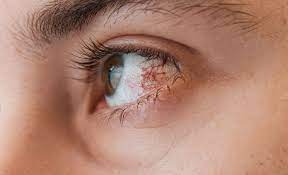
“People are getting rashes, there is some eye redness, there is some cases of diarrhoea,” she says.

Fever, cough, shortness of breath, fatigue, muscle aches, headache, loss of taste and smell, and sore throat are symptoms that are being reported with Eris infection.

Does this make BA 2.86 less or scarier? These aren’t overly surprising symptoms, but it’s a sudden change that shows the virus is continuously evolving, says Dr Pavithra.

New vaccines to fight new variants

“BA 2.86 has 36 new mutations that may allow it to evade the antibodies we already have. In the US and Germany they are upgrading PFizer and Moderna against the new strains. This doesn’t mean that the shots we took earlier are not effective, but they may be less effective. The battle between our immune system and the virus will be constantly faced as virus evolves. If not vaccinated, we must make sure you get it, especially if it’s been over a year.

Read more at-https://shorturl.at/lxEKY

Categories
COVID-19 Government Guidelines Medical Equipments Medical Updates

COVID variant EG.5: What we know about Eris

The WHO says new omicron subvariant EG.5 Eris is a virus of interest. It’s reignited talk about vaccines and speculation about a return of the pandemic.

After more than three years of the COVID-19 pandemic, the World Health Organization ended the global public health emergency on May 5, 2023. But at the same time, WHO Director-General, Tedros Adhanom Ghebreyesus noted that SARS-CoV-2, the virus that leads to COVID, had not been fully defeated, that it continued to circulate in the world and that we could still see the emergence of new and more dangerous variants.

And that’s where we are now: there is a new COVID variant: EG.5, also known as Eris. We just don’t know whether it’s more dangerous than previous variants yet.

The WHO has classified the EG.5 as a Variant of Interest (VOI). At time of writing, it is not a Variant of Concern (VOC), which is one step worse that a Variant of Interest.

Variants of Concern are those whose characteristics have a significant influence on the spread of the virus — because of higher rates of contagion and rising infection rates, or an increase in severe cases of the illness and COVID mortality rates.

EG.5 is one of three variants on the WHO’s watchlist. The other two are XBB.1.5, which is largely circulating in Europe and the Americas, and XBB.1.16, which is predominant in Asia.

Eris is just a nickname for EG.5

T. Ryan Gregory, an Canadian evolutionary biologist based at the University of Guelph, Ontario, has studied the subtype EG.5.1 (Ed.: note the added “.1” which indicates this is the first version of EG.5) and posted a comment on its nickname, Eris, suggesting that the nickname may lead to some confusion as we talk more and more about the variant.

Eris is also the name of one of the largest dwarf planets in our solar system — Eris is the Greek goddess of chaos. But, notes Gregory, the nickname is unlikely to cause a big wave in itself.

COVID variant EG.5: What we know about Eris

How has EG.5 spread so far?

The WHO classified EG.5 as a VOI due to rising infection rates attributed to the variant, the fact that it spreads fast and its ability of so-called “immune escape”.

EG.5 is a descendent lineage of XBB. 1.9.2. It has an additional spike mutation that may explain why it can escape the human immune system’s response.

That’s according to the Neherlab research group, based at the Biozentrum, University of Basel, Switzerland. In a Neherlab variant report posted at the end of June 2023, EG.5 was already described as the “fastest growing lineage with significant circulation” in the world.

The report said that EG.5 “might also be a slightly beneficial mutation.”

Neherlab’s data suggests that EG.5 was first detected in February 2023 in Indonesia and the following month in the USA.

EG.5 was also on the agenda of a virtual press conference hosted by the WHO on July 27, 2023. During the briefing, Maria Van Kerkhove, the WHO’s Technical Lead for COVID-19, said “all of the variants that we are detecting that are sublineages of Omicron have an increased growth rate.”

That, said Van Kerkhove, “raises the point that this virus continues to circulate and it continues to change.”

In its EG.5 Initial Risk Evaluation report (August 7, 2023), the WHO said the variant had been sequenced more than 7,350 times, with samples from 51 countries.

Most of the variant sequences were from China, with 30.6%, or 2247 sequences. Other countries listed with at least 100 sequences included the USA, South Korea, Japan, Canada, Australia, Singapore, the UK, France, Portugal and Spain.

Why we still have to ‘keep an eye’ on COVID

At the end of July, Van Kerkhoven said “[w]e aren’t seeing the same level of impact in terms of hospitalizations and deaths because people are protected largely from vaccination but also from past infection, so we have some immunity that has been built up.”

But Van Kerkhove says there is a concern that “we could potentially see new variants that could be more severe and that’s something we have to keep an eye out for […].”

As a result, warned the epidemiologists, it’s important that nations continue to report COVID-related mortality rates, hospitalizations, cases requiring intensive. But in July, only a quarter of all nations provided the WHO with death rates, and only 11% of nations provided data on severe cases.

Continuing sequencing is also vital, said Van Kerkhove: “make no mistake, the virus has not gone away.”

It is, however, as yet unclear whether EG.5 caused the most recent rise in COVID cases. US-based physician and scientist Eric Topol said in a post that while it was important to “track the evolution” of the virus, there was “no clear [cause] and effect relationship with the current (small) increases in wastewater, cases, hospitalizations […].”

That was backed up by the WHO’s August 9 EG.5 risk assessment.

COVID-19: The seasonal effect

Despite conclusions drawn at the time of writing, the WHO sees a potential for EG.5 to “cause a rise in case incidence and become dominant in some countries or even globally” due to its “growth advantage and immune escape characteristics” — same as it was with other variants in the omicron lineage of the virus.

Right now, though, the consensus is that EG.5 is not a big threat. The rise in cases could be explained by the fact that we (in the Northern Hemisphere) are in the midst of a summertime COVID-wave. During the heat of summer, people tend to stay in air conditioned spaces. The virus continues to mutate, protection we had from previous infections diminishes, and the risk of our catching a new infection goes up.

So, it’s a good reminder for us to keep COVID-19 in view and under control. Latest reports suggest that updated COVID vaccines — for protection against new variants, including EG.5 — should be available in the coming months.

Read more at-https://shorturl.at/fCFJL

Categories
COVID-19 Government Guidelines Medical Equipments Medical Updates Medicine & Health

Eyes, allergies and monsoon: Tips on coping with seasonal eye allergies in rainy season

As the humidity rises, let’s explore the link between allergies, infections and rains and learn some essential tips to cope with pesky eye issues this monsoon

Monsoon, the much-awaited respite from scorching heat, brings with it a mix of delight and distress because while the raindrops dance merrily, our eyes often find themselves struggling to keep up with the joy as it is that time of the year again when seasonal eye allergies and infections make their unwelcome appearance. As the heavens open up and the humidity rises, let’s explore the connection between allergies, infections, the rains and discover some essential tips to cope with these pesky eye issues.

Connection between allergies and monsoon

In an interview with HT Lifestyle, Dr Vijay Mathur, Senior Consultant at Sharp Sight Eye Hospitals , shared, “Monsoon is notorious for triggering eye allergies and infections. The dampness fosters the growth of viruses and fungi, leading to conjunctivitis, commonly known as “pink eye.” Symptoms include redness, itching, grittiness and excessive tearing with discharge. Pollen, dust, and other airborne particles carried by the monsoon winds can further aggravate eye irritation, causing discomfort to even non-allergic individuals.”

Common eye-related problems in monsoon

Dr Vijay Mathur highlighted –

1. Epidemic infectious conjunctivitis: Is the leading culprit. This condition causes red, itchy, gritty and watery eyes due to infection caused by viruses (adenovirus is the most common) in the air. This condition is highly infectious and can easily transmit from one person to another. Personal hygiene including hand washing is an effective way to prevent person to person transmission.

2. Allergic conjunctivitis: Monsoon is a time when fungi and moulds multiply. This leads to allergies in susceptible individuals.

3. Styes and chalazion: The damp environment fosters bacterial growth, leading to painful styes and chalazion on the eyelids.

4. All other eye infections: Bacteria and viruses thrive in the monsoon, increasing the risk of eye infections like Keratitis and Dacrocystitis.

Coping strategies:

Bringing his expertise to the same, Dr Rishi Raj Borah, Country Director – India, Orbis, revealed, “During the monsoon season, it is essential to focus more on our eyes since the rains and increasing humidity offer an ideal environment for pathogenic organisms such as bacteria, viruses, and fungal moulds to develop and multiply. Eye conditions such as allergies and conjunctivitis are prevalent during the rainy season. They usually cause red, itchy, and watery eyes. Identifying and suppressing the root cause is the best approach to avoid all the sufferings associated with eye allergies. This means that if a person knows they are allergic to a specific substance, such as a fungal mould, they should avoid going to wet regions where they might come into contact with mould.”

Eyes, allergies and monsoon: Tips on coping with seasonal eye allergies in rainy season

He added, “Similarly, if someone is allergic to pollen, they should avoid stepping out of the house during the period when the pollen concentration is high in the air. Furthermore, wearing eyeglasses when going outside is a good practice that everyone should undertake. Maintaining personal hygiene by often washing hands with soap and water is essential. To reduce the chances of introducing irritants from the surroundings into the eyes, avoid touching the face and eyes frequently. Even when humidity levels are at their highest during the monsoon, dry eyes can occur.”

Dr Rishi Raj Borah suggested, “In such circumstances, artificial tears can assist to relieve discomfort while also moisturising the eyes. Furthermore, sharing personal belongings like towels and makeup should be avoided. It is also preferable to avoid utilising public swimming pools during the rainy season, since these might serve as breeding grounds for the spread of bacterial illnesses. Seeking professional medical assistance should be the norm for anyone experiencing symptoms of an eye allergy and if you are unsure of the underlying cause, an eye doctor or ophthalmologist will be able to help find out the probable root cause and offer therapies to relieve the symptoms.”

According to Dr Vijay Mathur, to combat these monsoon-related eye issues, follow these essential coping strategies –

1. Cleanliness first: Regularly clean your living space to reduce mold and dust accumulation.

2. Hand hygiene: Maintain good hand hygiene to prevent eye infections by refraining from touching your eyes with unwashed hands.

3. Use eye drops: Over-the-counter artificial tears provide relief from dryness and flush out allergens.

4. Stay dry: Avoid getting drenched in rain and getting splashed with dirty water in puddles to minimise exposure to allergens and infectious agents.

5. Consult your doctor: If symptoms persist, seek professional help for proper diagnosis and treatment.

With a little vigilance and proactive care, you can ensure that your eyes remain resilient during the monsoon. Welcome the rains with open arms and remember to shield your precious vision from seasonal woes.

Read more at-https://shorturl.at/psuH0

Categories
COVID-19 Government Guidelines Medical Updates Medicine & Health

New coronavirus variant EG.5 on the rise: WHO, CDC on alert

The EG.5 variant has been spreading rapidly in the US and has higher transmissibility. A US health official says updated vaccines will offer protection.

The World Health Organization (WHO) on Wednesday classified a new strain of COVID-19 as a “variant of interest.” The EG.5 variant has been spreading rapidly in the United States, encompassing over 17% of cases. It has also been detected in China, South Korea, Japan and Canada.

What else do we know about the EG.5 variant of COVID-19?

The WHO said that the new variant does not at present seem to pose an additional public health risk compared to other strains of COVID-19.

“Collectively, available evidence does not suggest that EG.5 has additional public health risks relative to the other currently circulating Omicron descendent lineages,” the organization said.

It said that a more comprehensive evaluation of the risk posed by EG.5 was needed. 

Maria Van Kerkhove, the WHO’s technical lead on COVID-19, said that while EG.5 had increased transmissibility, infections were not more severe than other Omicron variants.

“We don’t detect a change in severity of EG.5 compared to other sublineages of Omicron that have been in circulation since late 2021,” she said.

New coronavirus variant EG.5 on the rise: WHO, CDC on alert

Meanwhile, Dr Mandy Cohen, the director of the US Center for Disease Control and Prevention (CDC), said that updated vaccines to be offered in mid-to-late September will provide protection against the variant.

“Right now, what we’re seeing with the changes in the viruses, they’re still susceptible to our vaccine, they’re still susceptible to our medicines, they’re still picked up by the tests,” Cohen said.

The CDC chief said that the mutations in the virus amounted to “small changes” and “subtypes of what we’ve seen before.”

“We are likely to see this as a recommendation as an annual COVID shot just like we have an annual flu shot,” she said.

Countries not reporting COVID-19 data, WHO says

Meanwhile, WHO Director General Tedros Adhanom Ghebreyesus said that many countries were not reporting coronavirus data to the organization.

He said only 11% had reported hospitalizations and ICU admissions related to COVID-19.

The WHO issued a set of recommendations for reporting data on the virus, particularly mortality and morbidity. It also urged countries to continue offering vaccination.

“About a year ago, we were in a much better situation to either anticipate or act or be more agile,” Van Kerkhove said.

“And now the delay in our ability to do that is growing. And our ability to do this is declining.”

“What we cannot do right now is give you an accurate statistic of how many deaths are actually occurring for Covid-19,” she said.

Read more at-https://shorturl.at/dxBK0

Categories
COVID-19 Government Guidelines Medical Equipments Medical Updates Medicine & Health

Long covid symptoms may appear months after infection: Study

The study states that the symptoms of long covid can last even after a year after the sickness has subsided.

According to the most thorough examination of how symptoms develop over a year, long COVID-19 can last at least a year after the acute sickness has subsided.

The multicenter study, a collaboration between UC San Francisco, the Centers for Disease Control, and seven other sites, advances understanding of post-COVID-19 conditions by describing trends in greater detail than prior research and highlighting the significant effects the epidemic has had on the American health care system.

The study appeared in Morbidity and Mortality Weekly Report (MMWR), a publication of the CDC.

For about 16 per cent of the COVID-positive people in the study, symptoms lasted for at least a year; but for others, they came and went. The study assessed symptoms every three months, enabling researchers to differentiate between symptoms that improve and those that emerge months after the initial infection.

“It was common for symptoms to resolve then re-emerge months later,” said lead author Juan Carlos Montoy, MD, PhD, associate professor at UCSF’s Department of Emergency Medicine. “A lot of prior research has focused on symptoms at one or two points in time, but we were able to describe symptom trajectory with greater clarity and nuance. It suggests that measurements at a single point in time could underestimate or mischaracterizes the true burden of disease.”

Long covid symptoms may appear months after infection: Study

Fluctuating Nature of Disease:

Long Covid involves a range of symptoms that persist or develop about a month after initial infection. These symptoms are associated with significant morbidity or reduced quality of life.

The study involved 1,741 participants – two-thirds of them female – who sought COVID-19 testing at eight major healthcare systems across the country. Three-quarters tested positive for Covid-19, but those who tested negative may also have had an infection of some type, since they were experiencing symptoms. These included fatigue, runny nose, headache, sore throat, shortness of breath, chest pain, diarrhoea, forgetfulness and difficulty thinking or concentrating.

Covid positive participants were more likely to have symptoms in each of the symptom categories at baseline, but by the end of the year, there was no difference between those who were Covid-positive and negative.

“We were surprised to see how similar the patterns were between the Covid positive and Covid negative groups,” said Montoy. “It shows that the burden after Covid may be high, but it might also be high for other non-Covid illnesses. We have a lot to learn about post-illness processes for Covid and other conditions.”

Read more at-https://shorturl.at/avL29

Categories
COVID-19 Medical Equipments Medical Updates

Preventing conjunctivitis: 7 simple exercises to ward off eye flu and keep your eyes healthy

Eye flu or conjunctivitis can also be prevented by following certain measures from taking a nutritious diet to doing eye exercises.

Conjunctivitis cases are spreading exponentially across various parts of the country especially in areas which have witnessed heavy rains, flooding and waterlogging. Keeping the ongoing monsoon season and the high humidity levels in mind that are leading to rise in bacterial and viral infections, it’s imperative to take care of your eye health. Acute viral conjunctivitis is on rise these days which can spread quite easily as it can survive on surfaces for quite a long time. To prevent its spread, it’s important to wash your hands frequently and avoid touching your eyes when in a public place. One should try to maintain social distance and be careful while travelling in public transport. Redness, itchiness, stickiness and pain in eyes should not be ignored as these can be signs of conjunctivitis or pink eye.

Eye flu or conjunctivitis can also be prevented by following certain measures from taking a nutritious diet to doing eye exercises. There are certain exercises that help control inflammation in the eyes and prepare them for fighting infections.

“As the monsoon season arrives, it not only brings a sense of relief from the scorching heat, but also ushers in a host of infections and diseases. The combination of humid weather and stagnant water becomes a breeding ground for various illnesses, posing a significant threat to our health. Among the common monsoon-related ailments, eye flu, or conjunctivitis, emerges as a frequent concern,” says Dr Anurag Wahi, Senior Consultant, Sharp Sight Eye Hospitals in an interview with HT Digital.

“Eye flu, also known as conjunctivitis, is a contagious eye infection that can cause discomfort and inconvenience. In addition to maintaining good hygiene practices, recent studies suggest that regular exercise can significantly contribute to preventing eye flu and promoting better eye health. Engaging in specific exercises helps improve blood circulation, reduce inflammation, and enhance tear production, making our eyes more resistant to infections,” adds Dr Wahi.

Let’s check out some simple yet effective exercises to keep your eyes healthy and flu-free.

Preventing conjunctivitis: 7 simple exercises to ward off eye flu and keep your eyes healthy

1. Brisk walking

Brisk walking is an accessible and low-impact exercise that stimulates blood flow throughout the body, including the eyes. Aim for at least 30 minutes of walking daily to improve overall circulation and eye health.

2. Cycling

Cycling is a great cardiovascular exercise that increases oxygen supply to the eyes. Regular cycling can help maintain eye health and prevent eye flu.

3. Aerobics

Engaging in aerobic exercises, such as jumping jacks and dancing, boosts heart rate and promotes tear production. Tears help protect the eyes from potential contaminants, reducing the risk of eye infections.

Simple yet effective exercises to keep your eyes healthy and flu-free.(Twitter/Central American Art)

4. Eye rolling

Eye rolling is a simple exercise to reduce eye strain and enhance eye lubrication. Sit comfortably and slowly roll your eyes in a circular motion five times clockwise and five times counterclockwise.

5. Blinking rapidly

Blink rapidly for about 20 seconds at regular intervals. Rapid blinking spreads natural tears over the eye’s surface, keeping them moisturized and less susceptible to infections.

6. Focus shifting

Focus on an object near you for a few seconds, then shift your focus to something far away. Repeat this exercise several times to improve eye flexibility and reduce strain.

7. Palming

Rub your palms together until they become warm, then gently place them over your closed eyes. Palming relieves eye fatigue, relaxes eye muscles, and provides a soothing effect.

“Preventing eye flu goes beyond practicing good hygiene; incorporating regular exercise into your routine can significantly contribute to better eye health. These simple exercises promote blood circulation, reduce inflammation, and enhance tear production, making your eyes more resilient to infections. Alongside exercise, remember to wash hands frequently, avoid touching your eyes unnecessarily, and maintain overall eye care,” concludes Dr Wahi.

Read more at –https://shorturl.at/mvVX7

Categories
COVID-19 Government Guidelines Medical Equipments Medical Updates Medicine & Health

Overflowing Yamuna raises risk of dengue; common signs and symptoms of the disease you should know

The flooding of Yamuna river inundating low-lying areas has led to the fear of dengue spread. High-grade fever to severe headaches, here’re symptoms of dengue.

While dengue cases have been on the rise ever since the monsoon rains began in the national capital, the flooding of Yamuna river inundating low-lying areas has led to the fear of virus spread growing multi-fold. Almost 140 cases of dengue were reported in Delhi which has raised alarm over the spread of the deadly virus. Transmitted by bite of mosquito, dengue can have both mild and major symptoms. People who have suffered from dengue previously are at higher risk of getting severe dengue. Prevention is always better than cure in case of dengue. The mosquitoes that spread the disease are active during the day and people are at risk of getting bitten while doing their chores, working or even sitting. To tackle this, full sleeved clothes should be worn, and use of mosquito repellents are suggested even during the day.

“With monsoon around the corner, we anticipate dengue and other vector borne diseases. Till last year, statistics show number of cases of the vector-borne disease climbing to over 3000 plus in national capital, according to NVBDCP report. We all are aware that dengue is a viral illness which gets transmitted through the bite of female Aedes mosquitoes. Dengue fever cannot spread directly from person to person unlike Covid-19 or flu, says Dr Neha Rastogi Panda, Consultant, Infectious Disease, Fortis Memorial Research Institute, Gurugram.

Overflowing Yamuna raises risk of dengue; common signs and symptoms of the disease you should know

Dengue is a viral disease transmitted by the infective bite of a mosquito called Aedes aegypti. Human beings develop disease after 5–6 days of being bitten by infected female mosquitoes that feed both indoors and outdoors during the daytime (from dawn to dusk). These mosquitoes thrive in areas with standing water including puddles, water tanks, containers and old tires. It occurs in two forms – classical dengue fever also known as ‘break bone’ fever and dengue haemorrhagic fever (DHF) which is life threatening. It is highly contagious and spreads from one person to another through mosquito bites,” says Dr Tushar Tayal, Consultant- Internal Medicine, CK Birla Hospital, Gurugram.

“The infection is characterized by flu-like symptoms which include a sudden high-grade fever coming in separate waves, pain behind the eyes, muscle, joint and bone pain, severe headache, abdominal fullness and discomfort and a skin rash with red spots which happens by the fifth day of illness,” says Dr Tayal.

Dengue illness can be prevented by using basic steps of hygiene and source control to ensure and eliminate any possible breeding locations in your home, such as watering cans, buckets, and clogged drains.

Signs and symptoms of dengue explained by Dr Panda

1. High fever: One of the primary signs of dengue fever is a sudden onset of high fever, often reaching 104°F (40°C). The fever typically lasts for 2 to 7 days.

2. Severe headache: Dengue fever is often accompanied by an intense headache, especially behind the eyes. This headache can be debilitating and persistent.

3. Pain behind the eyes: Individuals with dengue fever may experience pain and discomfort behind their eyes. This symptom is often described as a deep ache.

4. Joint and muscle pain: Dengue fever is known for causing severe joint and muscle pain, earning it the nickname ‘breakbone fever.’ The pain can be widespread and excruciating.

5. Rash: A characteristic rash may develop on the skin after a few days of fever. It typically appears as small, red, and raised spots and can be itchy.

6. Nausea and vomiting: Dengue fever can cause gastrointestinal symptoms such as nausea, vomiting, and abdominal pain. These symptoms may contribute to dehydration.

7. Fatigue: Individuals affected by dengue often experience extreme fatigue and weakness, even after the fever subsides. This fatigue can persist for weeks.

8. Bleeding: In some cases, dengue fever can lead to bleeding manifestations, such as nosebleeds, bleeding gums, or easy bruising. If severe, it may indicate dengue hemorrhagic fever, a potentially life-threatening condition.

Myths associated with dengue

“More than this illness, myths and panic associated with dengue is viral. The majority (90%) of people recover from this viral infection without much medical intervention following simple dictum of preventing dehydration by drinking with plenty of water, ensuring rest and relief of fever and pain with paracetamol. Severe/complicated dengue is seen in only about 10 per cent patients and only 5 per cent of dengue patients need to be hospitalised,” says Dr Panda.

“It is essential to note that dengue symptoms can vary from person to person, and some individuals may have mild or no symptoms at all. However, anyone experiencing the aforementioned symptoms, especially in areas with a high prevalence of dengue, should seek medical attention promptly,” concludes Dr Panda.

Read more at-https://shorturl.at/DEKQV

Categories
COVID-19 Government Guidelines Medical Equipments Medical Updates

Immune response against bystander virus, not SARS-CoV-2 causes long Covid: Study

Immune inflammatory reaction not against Covid, but against a harmless bystander virus present in the body, driving a cytokine storm, may be behind long Covid.

Immune inflammatory reaction not against COVID-19, but against a common, harmless, dormant “bystander” virus present in the body, driving a cytokine storm, may be behind long Covid, a new research has found. Analysing Covid-patients’ blood samples, researchers found that 3 months after being hospitalised for severe infection, there was no rapid increase in the immune cells targeting SARS-CoV-2, but an increase in those targeting the dormant Cytomegalovirus (CMV). CMV is usually harmless but can stay in your body for life once infected with it.

The finding indicated that the prolonged inflammation at 3 months in severe patients may not be driven by SARS-CoV-2 but instead may be “bystander driven”.

Immune response against bystander virus, not SARS-CoV-2 causes long Covid: Study

“Long Covid occurs in one out of ten COVID-19 cases, but we still don’t understand what causes it.

“Several theories proposed include whether it might be triggered by an inflammatory immune response towards the virus that is still persisting in our body, sending our immune system into overdrive or the reactivation of latent viruses such as human cytomegalovirus (CMV) and Epstein Barr virus (EBV),” said Laura Rivino, senior lecturer at the University of Bristol, UK, and the study’s lead author.

The researchers analysed blood samples of 63 patients hospitalised for mild, moderate or severe COVID-19 infection at the start of the pandemic when vaccines were not available.

The study also found patients with severe COVID-19 to display a higher number of long Covid symptoms compared to mild and moderate patients, even as the team’s analysis revealed no direct association between long Covid symptoms and Covid-related immune inflammatory responses.

Further, 79 per cent of all the patients reported at least one ongoing long Covid symptom with breathlessness and excessive fatigue being the most common, the study published in the journal eLife said.

The significant dysfunction found in the immune profiles of severe patients at 3 months indicated that inflammation may persist even for months post-recovery, even though results showed the inflammation in these patients to resolve over time.

At 12 months, the researchers found, both the immune profiles and inflammatory levels of patients with severe disease were similar to those of mild and moderate patients.

“Our findings suggest that prolonged immune activation and long Covid may correlate independently with severe COVID-19.

“Larger studies should be conducted looking at both a larger number of patients, including if possible vaccinated and non-vaccinated COVID-19 patients, and measuring a larger range of markers and cytokines.

“Understanding whether inflammation and immune activation associate with long Covid would allow us to understand whether targeting these factors may be a useful therapy for this debilitating condition,” said Rivino.

Read more at-https://shorturl.at/lnoM8