Categories
Medical Updates Medicine & Health

India’s healthcare ecosystem undergoing change: KPMG India co-head

India’s healthcare ecosystem is undergoing a change in terms of connectivity and accessibility to rural and previously untouched areas, Lalit Mistry, partner and co-head, Healthcare Sector, KPMG India said at the FICCI HEAL conference last week.
More than 20 new kinds of healthcare models have emerged in the aftermath of the COVID-19 pandemic, according to a report on new-age healthcare delivery models in India released by KPMG in collaboration with the Federation of Indian Chamber of Commerce and Industry (FICCI).

“The increased awareness of self-care, bolstered by easy access to information technology, lays a foundation for preventive measures and early interventions. This, along with the advent of telemedicine, has provided for a paradigm shift in how the healthcare sector is seen in India,” Mistry said.
The new models include increased use of healthcare aggregators, non-invasive wellness monitoring, and remote health management. Some prominent examples include Tata 1mg, Practo, and calorie counts done by the Fitbit Tracker.
The report also suggests that newer models are appearing in hospital care as well, with small healthcare organisations (SHCO) such as Apollo’s Cradle hospitals and Fortis La Femme being prime examples. These single-speciality hospitals focus on just one segment with more emphasis on personalised services.
According to the study, India is undergoing an epidemiological transition with a rising burden of non-communicable diseases (NCD), with the death rate due to NCDs increasing from 35.9 per cent in 1990 to 64.9 per cent in 2019.
The figure is in line with concerns over the rising NCD burden in India, which has led to the renaming of the National Programme for Prevention and Control of Cancer, Diabetes, Cardiovascular Diseases and Stroke (NPCDCS) to a combined National Programme for Prevention and Control of Non-Communicable Diseases (NP-NCD) by the central government.
The report also referenced Oxfam’s India Inequality Report, pointing out a rural-urban disparity in accessibility to healthcare. The data suggests that 70 per cent of India’s population is rural, but only 40 per cent of total beds available are present in rural areas.
On the question of tackling this disparity, Mistry said that the gains in telemedicine and connectivity have made it easier for rural health centres to adopt new models of healthcare. Electronic Intensive Care Units (eICU) is one of the ideas that can be used where patient monitoring can be done in both rural and urban areas.
visit – https://shorturl.at/chP36
Categories
Medical Updates Medicine & Health

Joint pains bothering you? This sitting asana, done on a sofa or mat, can help

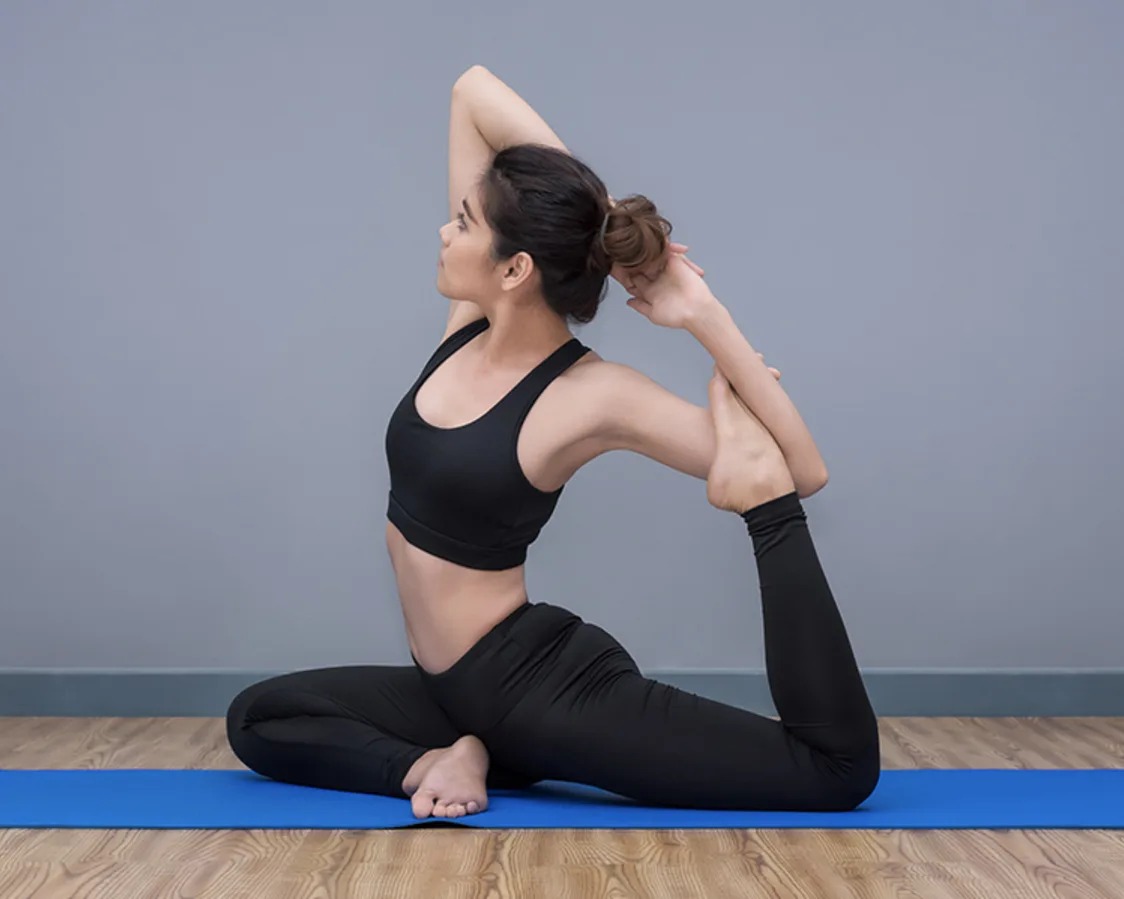
This exercises every joint, starting from the toes to the neck area. This frees up the joints and removes blockages, says yoga expert Kamini Bobde Winter is around the corner which is a bane for people suffering from all kinds of joint problems. Osteoarthritis, which is caused mainly by the degeneration of the cartilage between the joints, is also impacted by cold weather as it aggravates inflammation and stiffness in the joints. Sitting asanas done on sofa or mat can help One of the main reasons for osteoarthritis is excess body weight, stress, a poor lifestyle and a diet rich in meat, fat and sugar. Any excess or imbalance in daily living impacts the complex systems of our body right down to the cellular level, thus disrupting the auto-immune system and the central nervous system. The simplest but most effective practice to start with for osteoarthritis is Sushma Vyvyan. This exercises every joint of the body, starting from the toes to the neck area. This helps free up the joints, releases excess wind from the joints, removes blockages in the flow of pyranic energy and blood in the whole body. Synchronised with breath awareness, it helps better exchange of oxygen and carbon dioxide, resulting in better oxygenation. All this helps in preserving and reversing the cartilage degeneration. SUKSHMA VYAYAM OR PAWANMUKTASANA SERIES 1: This whole practice can be done in a sitting posture either on the yoga mat, a reasonably stiff sofa or bed. Sit comfortably with legs stretched out in front and palms behind your body with fingers pointing outwards, so that you can rest your back. Toe movement
  • Focus on your toes. With every inhalation, pull the toes of both legs up and with exhalation, bend them towards the floor. This is one round. Do five to 10 rounds.
Ankle joint movement
  •  Bringing attention to the ankle joints, inhale and pull them towards yourself and with exhalation, stretch and bend them away from yourself. This is one round. Do five to 10 rounds.
Knee joint movement Inhale, then squeeze and tighten your knee joint with the kneecap automatically moving upwards. Exhale and relax the knee joint. This is one round. Do five to 10 rounds. Hip joint movement
  • Fold your right leg and place your right foot on your left thigh. Place your right hand on the right knee and left hand on your right toes. Rotate the hip joint by moving the leg in circular motion, drawing an invisible circle with your right knee. Inhale as the knee moves down and exhale as you pull your knee up. A clockwise rotation makes one round. Do five rounds in clockwise and five rounds in anti-clockwise direction.
  • Do the same with the left hip joint.
Finger joints movement
  • Sitting with legs stretched out, stretch your arms out in front of you along your shoulder with palms facing each other. Inhale, stretch all your fingers out maximum. Exhale and relax all finger joints. This is one round. Do at least 10 rounds.
  • Wrist joint movement
  • Then make a fist with your arms still stretched out and rotate the wrist joint for five rounds in the clockwise direction and five rounds in an anti-clockwise direction.
Elbow joint movement
  • Cup your right elbow joint in your left palm. Then rotate the forearm in clockwise then anticlockwise direction for five to 10 times.
  • Do the same for the left elbow joint.
Shoulder joint movement
  • Fold both arms and place the tip of your right hand fingers on the right shoulder and the left hand fingers on the left shoulder. Join the elbows in front of the chest. Breathe in, pull both arms behind, then bring them back together in the front, thus completing one full rotation of both arms in the clockwise direction. Do five to 10 rounds.
Neck movement
  • Inhale, throw your head at the back and look up. Exhale and lower your chin to the chest in slow, smooth movements. This is one round. Do five rounds.
  • Sideways bending movement of the neck is done by inhaling when your head is straight. As you exhale, bend your head towards the right shoulder. Then inhale as you look straight and with exhalation bend the head to the left. Do five rounds.
  •  Keep your head straight and inhale. As you exhale, turn and twist your neck to the right looking as far back as possible. Repeat on the left side and do five rounds each.
  • Sitting upright, rotate your neck area first in a clockwise and then in an anti-clockwise direction. Inhale as your head goes back and exhale as your chin moves towards your chest. Do five clockwise and five anticlockwise rotations.
Practise five minutes of Shraavana daily. visit – https://shorturl.at/notvw
Categories
Medical Updates Medicine & Health

World Stroke Day 2023: Date, history, significance, theme and everything you need to know about this day

World Stroke Day is an annual global observance that serves as a critical reminder of the prevalence and impact of strokes on individuals and communities worldwide. This day is dedicated to raising awareness about strokes, their prevention, treatment, and the importance of timely intervention. Strokes, often referred to as brain attacks, are a leading cause of disability and death worldwide. It is a day for healthcare professionals, organizations, and communities to come together and educate the public about the signs, symptoms, and risk factors associated with strokes, with the ultimate goal of reducing the incidence and burden of this life-altering medical condition. Read on to know more about this day.

World Stroke Day 2023 theme

The theme for World Stroke Day 2023, as designated by WSO, is ‘Together we are #Greater Than Stroke.’

History of World Stroke Day

The European Stroke Initiative came up with the concept of organizing a day of awareness in the 1990s. But due to budgetary constraints, the endeavour could only be conducted in Europe. On May 10, the European Stroke Organization commemorates its awareness day, having carried out the initiative. The World Stroke Congress in Vancouver, Canada, in 2004 established World Stroke Day, which falls on October 29. Rd. Vladimir Hachinski led the formation of a working group, which in October 2006 became a World Stroke Proclamation. The World Stroke Organization, which assumed control of World Stroke Day, was formed at about the same time that the International Stroke Society and the World Stroke Federation combined.

In order to develop a more persistent strategy for raising public awareness of important issues in stroke recognition, prevention, and treatment, WSO leadership switched from concentrating on a single awareness day to a year-round campaign in 2009. With biennial themes that aim to raise awareness of important topics in stroke prevention and treatment, World Stroke Day continues to serve as a focal point for the campaign. Campaign “1 in 6” Archived 2010-10-28 at the Way back Machine was the first campaign that the WSO started in 2010 and would include more in the future.

World Stroke Day significance

Anyone at any age can have a stroke. In fact, worldwide, about one in four adults over the age of 25 will have a stroke in their lifetime. However, the majority of adults in the United States are unaware of the F.A.S.T. warning signs, which indicate that stroke is mostly preventable, treatable and curable. By raising awareness of stroke risk factors and warning signs among the general public, healthcare professionals and communities, this finding will help reduce the number of stroke-related deaths and disabilities worldwide. It underscores the ongoing work to improve stroke prevention and treatment on a global scale by highlighting the need for improved access to stroke care, research and support networks.

visit – https://shorturl.at/aoYZ3


Categories
Medical Updates

Vision for all: The essential role of eye care in primary healthcare

Dr Rishi Raj Borah, Country Director-India, Orbis stresses that primary healthcare, often a person’s first point of contact with the healthcare system, should ideally provide preventive eye care services as well. Preventive eye care revolves around a range of interventions aimed at identifying and addressing vision-related issues before they escalate into more severe conditions

One of the most important senses, vision allows us to completely participate in daily activities, learn, work, and navigate the world around us. Yet, for millions across the globe, access to adequate eye care remains elusive. This calls for integration of comprehensive eye care services into primary healthcare systems.

Primary healthcare, often a person’s first point of contact with the healthcare system, should ideally provide preventive eye care services as well. Preventive eye care revolves around a range of interventions aimed at identifying and addressing vision-related issues before they escalate into more severe conditions. Such interventions include regular eye examinations, health education and the provision of affordable eyeglasses. By incorporating these measures into primary healthcare, we can detect and treat visual impairments in their early stages, preventing avoidable blindness and reducing the burden on tertiary care facilities.

Early detection is indispensable

Many eye conditions, such as cataracts, glaucoma and diabetic retinopathy, progress asymptomatically in their initial stages. By the time symptoms become noticeable, irreversible damage may have already occurred. Integrating eye screenings into routine primary healthcare visits ensures that potential issues are identified promptly. Early detection allows for timely intervention, preserving vision and thus enhancing the quality of life.

Awareness: The catalyst for effective preventive measures

To work on preventive eye care, one needs to be educated about it. Communities often lack knowledge about the importance of regular eye examinations and protecting their eyes from environmental hazards. The need of the hour is to integrate eye care into primary healthcare systems. This way healthcare professionals can serve as a valuable channel for disseminating information on eye health thereby emphasising the significance of adequate eye protection. A balanced diet and refraining from habits like smoking can act as a preventive measure against eye ailments. Therefore, awareness is important because an informed person is better equipped to take proactive steps in maintaining their eye health.

Timely intervention in the form of eyeglasses can save eyesight

Affordable eyeglasses are another vital aspect of preventive eye care. It is an effective tool to correct refractive errors. However, affordable eyeglasses are not accessible to all. By integrating optometry services into primary healthcare, those in need of eyeglasses can receive them. This can address refractive errors and reduce the negative outcomes of poor vision such as productivity loss.

Incorporating eye care into primary healthcare also fosters equity and inclusivity. Vision impairment disproportionately affects vulnerable populations, including children, the elderly and those with low socioeconomic status. By making eye care services available at the primary healthcare level, we can remove barriers to access and ensure that everyone, regardless of their background or circumstances, can receive the care they need.

Integrating comprehensive eye care services into primary healthcare is not merely an option; it is a necessity. Preventive eye care plays a crucial role in preserving vision, enhancing well-being and promoting equity. By bridging the visual gap through primary healthcare, we can prevent avoidable suffering, reduce healthcare costs and empower people to lead fuller and more productive lives.

visit – https://shorturl.at/bfAH0

Categories
Medical Updates Medicine & Health

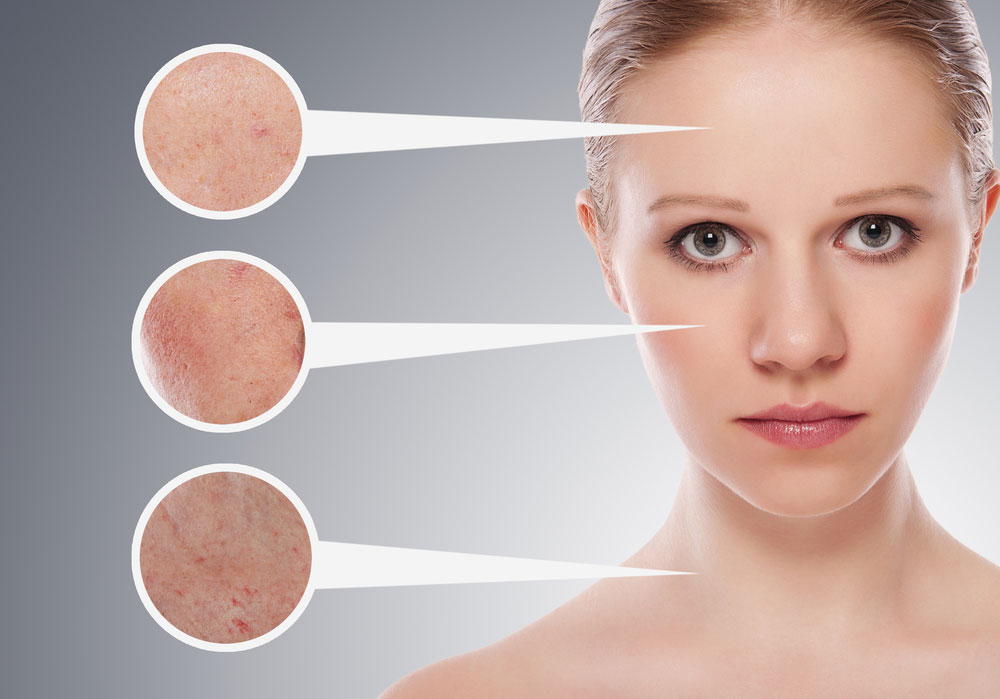
Skin problems that may be happening due to poor gut health

When we experience any problems with our skin health, such as sudden appearance of acne, we may start applying creams or wash our face repeatedly during the day. However, not every skin issue may be caused due to unclean skin or polluted environment. Sometimes, the cause may be deeper than you think — coming from your gut. Our gut health is connected with our skin health, and so, poor gut health can show through various problems with your skin. Here are some of the skin problems caused by bad gut:

Skin problems that may be happening due to poor gut health

Eczema is a condition that causes your skin to become dry, itchy and bumpy. Symptoms of eczema can show up anywhere on your skin. Your intestinal flora influences the microbes that live on the skin. An imbalanced microbiome may play a role in the inflammation and immune response that causes eczema. This also means that healthy dietary changes can help alleviate your eczema symptoms.


Poor  gut health can promote growth of acne on your skin. Leaky gut occurs when the intestinal walls and microbiome aren’t able to keep up with the build-up of toxins in the body. If toxins aren’t well processed in your gut, you may start to see them exiting your skin via acne. Make sure you’re eating healthy foods to get probiotics, polyphenols, and minerals that heal your skin from the inside out.

Psoriasis is a skin disease in which skin cells build up and form itchy and dry, scaly patches. The cause of psoriasis isn’t fully understood. As per research, one possible connection is that between psoriasis and inflammatory bowel disease. Since the skin is made up of tissue that absorbs things more easily, it is sensitive and reacts to the inflammation signals that travel throughout the body.

Rosacea can lead to larger pores on the face as well as dry skin. The development of this condition is related to inflammatory bowel disease, celiac disease, irritable bowel syndrome, and gastroesophageal reflux disease. Treating rosacea with antibiotics or microbiome modulation has been shown to help with disease management. For healthy, refreshed and disease-free skin, here are some tips to improve gut health. Stress can mess with your gut, so manage stress with yoga and meditation. Regularly consume probiotics and fermented foods to lower inflammation of the gut. Stay hydrated by drinking enough water. Avoid excess consumption of sugar and eat fibre-rich vegetables and fruits, sprouts, whole grains, and legumes. Cut down on smoking, alcohol, junk, and processed food.

visit – http://surl.li/mpjdm


Categories
Medical Updates Medicine & Health

World Polio Day highlights global efforts to end poliomyelitis worldwide

Polio, a life-threatening disease, is caused by the poliovirus, which the World Health Assembly committed to eradicate in 1988.

The poliovirus spreads from person to person and can infect a person’s spinal cord, causing paralysis.

The World Polio Day highlights the global efforts to end poliomyelitis (polio) worldwide.

The day is observed to raise awareness of the importance of polio vaccination to protect every child from this devastating disease and to honor those people whose efforts led to eradication of polio in many parts of the world.

World Polio Day highlights global efforts to end poliomyelitis worldwide

To ensure a polio-free world, efforts must continue to maintain high immunization coverage, implement high-quality surveillance to detect any presence of the virus, and prepare to respond in the event of an outbreak.

In 1988, poliovirus was present in 125 countries, paralyzing an estimated 1,000 children per day. That year, the Global Polio Eradication Initiative (GPEI) was launched with a goal to eradicate polio worldwide.

In last 35 years, due to GPEI cases of wild poliovirus have fallen by more than 99% – from 350,000 cases per year to fewer than 10 annual cases of wild polio.

Polio remains consistently present in just two countries – Afghanistan and Pakistan. As long as wild poliovirus continues to circulate in these 2 nations, all other countries are at risk of wild poliovirus being imported.

Polio vaccine is one of the most important vaccines to be administered to all children.

Polio, being a highly infectious viral disease mostly affects kids under the age of five.

According to the World Health Organization, the virus gets transmitted by person-to-person spread. It majorly happens through the faecal-oral route or contaminated water or food and then the virus multiplies in the intestine. From there, it can reach the nervous system and lead to paralysis.

  • visit on-http://surl.li/mnrji


Categories
Government Guidelines Medical Updates Medicine & Health

Heart damage: Another reason to cut down on children’s screen time

Evidence indicates that excessive screen time is harmful both to neurological development and socialisation.

The effects of prolonged screen use during childhood have been extensively studied in recent years. Evidence indicates that excessive screen time is harmful both to neurological development and socialisation. This is because, among other things, they cause us to disconnect from our surroundings, leading to very real addictions that often require intervention from a mental health professional.

Additionally, screen use can cause neurocognitive learning disorders at the early stages of personality formation in childhood.

But above all, excessive time spent in front of televisions, video games, mobile phones and tablets during childhood and adolescence leads to a sedentary lifestyle.

In fact, there is already a proven link between overuse of screens and the increase in sedentary lifestyles among children.

Now, a new dimension can be added to all these reasons for limiting the time children spend in front of televisions, video games and mobile phones.

According to a new study, led by Andrew Agbaje at the University of Eastern Finland in Kuopio and presented at the European Society of Cardiology Congress 2023, sedentary children are at increased risk of heart damage in early adulthood.

Heart damage: Another reason to cut down on children’s screen time

In other words, inactivity during infancy may well set the stage for heart attacks and strokes later in life, even if weight and blood pressure are within the normal ranges.

Excessive screen time increases heart weight

The research analysed the cumulative effects of sedentary time on the heart, drawing data from Children of the 90s, a landmark multigenerational study that is unique in its breadth and depth of scope.

It tracked the health and lifestyles of 14,500 babies born in 1990 and 1991 into their adult lives.

Of the children included in the study, 766 –55 per cent of them girls and 45 per cent boys– were asked at age 11 to wear a smart watch that monitored their activity for seven days.

At age 15 they were asked to repeat this, and then again at 24. In parallel, an echocardiographical analysis was taken of each subject’s left ventricle at ages 17 and 24, which was then adjusted for height, sex, blood pressure, body fat, tobacco use, physical activity and socioeconomic status.

The results indicated that at age 11 the subjects were sedentary for an average of 362 minutes per day.

In adolescence (age 15) this increased to 474 minutes per day, and then went up to 531 minutes per day in adulthood (age 24).

Sedentary time increased by an average of 2.8 hours per day over the 13 years of the study.

A large amount of this sedentary time was spent in front of screens. `Most seriously, the echocardiography registered an increase in heart weight among young people that correlated directly to time spent being sedentary.

Once they entered adulthood, this increased the likelihood of heart attacks and strokes.

This direct relation between accumulated inactive time and heart damage was independent of body weight and blood pressure.

Tell me how much you moved as a child…

By now it is common knowledge that sedentary lifestyles increase the risk of metabolic conditions (such as obesity and type 2 diabetes), neurodegenerative disease and cardiovascular disease in adults.

The new study shows that sedentary behaviour at a very early age –especially unrestricted screen time– may lead to an earlier onset of cardiovascular disease in adulthood.

For this reason, it is of the utmost importance that parents encourage children and adolescents to move around more, and limit the time they spend watching television, or using social media and videogames.

As we have already suggested with regard to premature birth, the list of known, conventional cardiovascular risk factors (smoking, diabetes, hypertension, etc.) should be revised and updated as a result of the study to include the cumulative time spent engaging in sedentary behaviour in childhood.

We should all, from an early age, heed the words of Martin Luther King when he said “If you can’t fly, then run. If you can’t run, then walk. If you can’t walk, then crawl, but whatever you do, you have to keep moving.”

Read more at- https://shorturl.at/rvxO3

Categories
COVID-19 Medical Equipments Medical Updates

Covid-19 antibodies making dengue more severe, says study; what experts say

As per a new study, Covid-19 antibodies can cross-react with DENV-2 and can worsen dengue infection. Here’re possible reasons why this may be happening.

While the rise in number of dengue cases in India is being attributed to heavy rains and waterlogging in many areas, Covid-19 antibodies may have been adding to the vector-borne disease’s severity, according to a new study. The analysis titled ‘SARS-CoV-2 antibodies cross-react and enhance dengue infection’ has been done at the Translational Health Science and Technology Institute (THSTI) under the central government’s department of biotechnology; the yet-to-be peer-reviewed study has been published in bioRxiv, the preprint server for medical sciences.

“This study is the first to demonstrate that anti-SARS-CoV-2 antibodies can cross-react with DENV-2 (dengue virus 2) and can enhance its infection through antibody- dependent enhancement (the ability of antibodies from a previous infection to help a virus infect greater numbers of cells than it would have on its own),” it said.

Dr Harish Chafle, Extensive experience in Pulmonology and Critical Care, Global Hospitals Parel Mumbai offers insights into the potential link between Covid-19 antibodies and worsening dengue cases.

Covid-19 antibodies making dengue more severe, says study; what experts say

“As we delve into the complex interactions of viral infections, we must consider the possibility of cross-reactivity between Covid-19 antibodies and dengue. The human immune system is a highly intricate network, and sometimes, antibodies produced in response to one virus can influence the body’s response to another. In the case of Covid-19 antibodies and dengue, it’s crucial to investigate if the presence of Covid-19 antibodies may inadvertently enhance the severity of dengue infection. This phenomenon is not entirely unexpected, as such interactions have been observed in other viral co-infections. The key lies in understanding the specific mechanisms at play, and whether these interactions can be harnessed for therapeutic strategies or if precautions should be taken for individuals at risk for both infections. More research is needed to shed light on this intricate relationship and its implications for public health,” says Dr Chafle.

Dr. Aditya S Chowti, Senior consultant, Internal Medicine, Fortis Cunningham, Bengaluru says there are several plausible explanations for how Covid-19 antibodies might exacerbate dengue infection:

1. Antibody-dependent enhancement (ADE) is a possibility where Covid-19 antibodies attach to dengue viruses without neutralizing them, potentially aiding the viruses in entering cells more effectively.

2. Another scenario involves Covid-19 antibodies triggering an exaggerated immune response, causing inflammation and tissue damage, which can intensify dengue symptoms.

3. Covid-19 infection might weaken the immune system, rendering individuals more susceptible to dengue and increasing the likelihood of severe disease.

“Further research is essential to comprehensively comprehend these mechanisms. It is crucial to acknowledge this potential risk, particularly for those who have had Covid-19 in dengue-endemic regions. In the interim, individuals should take steps to safeguard themselves against both Covid-19 and dengue, such as receiving the Covid-19 vaccine and practicing mosquito bite prevention, like using insect repellent and wearing protective clothing when outdoors,” adds Dr Chowti.

Read more at-https://shorturl.at/dfxC0

Categories
Medical Equipments Medical Updates Medicine & Health

5 nutrients that can help reduce anxiety

  • A good mental health not just requires rest, rejuvenation and de-stressing, but also nutrition. If you are suffering from anxiety, here are nutrients to add.

Your diet can be a secret weapon for mental well-being. Nutrients play a pivotal role in promoting good mental health and reducing anxiety,” says Nutritionist Lovneet Batra in her recent Instagram post.

Vitamin D: Vitamin D has immunomodulatory, neuroprotective, and neurotrophic properties and may affect the brain tissues involved in the pathophysiology of anxiety.

NAC: The anti-inflammatory activity of NAC is protective against chronic inflammation, which is implicated in the pathogenesis of many psychiatric disorders. NAC can influence the balance of a neurotransmitter called glutamate in the brain. Imbalances in glutamate are associated with anxiety disorders, and NAC may help restore this balance.

5 nutrients that can help reduce anxiety

Magnesium: Magnesium is involved in regulating neurotransmitters and the function of the central nervous system. It helps balance the excitatory and inhibitory signals in the brain, potentially reducing anxiety symptoms. Magnesium may stimulate the production of gamma-aminobutyric acid (GABA), a neurotransmitter that has a calming effect on the brain.

Probiotics: Probiotics have the ability to restore normal microbial balance, and therefore have a potential role in the treatment and prevention of anxiety. They can play a key role in mood regulation by helping to reduce inflammation in your body, produce feel-good neurotransmitters, and affect your stress response.

Probiotics: Probiotics have the ability to restore normal microbial balance, and therefore have a potential role in the treatment and prevention of anxiety. They can play a key role in mood regulation by helping to reduce inflammation in your body, produce feel-good neurotransmitters, and affect your stress response.

Read more at-https://shorturl.at/acEI9

Categories
Medical Updates Medicine & Health

Trying to lose weight? These mini meals can help in portion control

When trying to lose weight, many people tend to skip meal(s) thinking that will help them in their journey. However, this is not what helps in weight loss. As per Anjali Mukerjee, a nutritionist, eating frequent and small meals throughout the day help achieve the goal.

While people follow different diets and hacks like intermittent fasting and calorie counting, experts believe that portion control is one of the most popular and effective ways to keep your weight in check.Trying to lose weight? These mini meals can help in portion control

Defined as “the process of making sure that the amount of food you eat for each meal is not too large, especially when you are trying to lose weight,” portion control can help you with your weight loss journey.

As per Anjali, studies have shown that eating frequent mini-meals spread throughout the day prevents the metabolism from slowing down, reduces hunger pangs, optimally fuels your body, and has a positive impact on cholesterol and insulin levels.

Stressing the importance of portion control, Anjali wrote, “In the world of nutrition, it is a known fact that you should burn more calories than you consume to lose weight and fat. And how can one achieve this? By portion control and optimal meal frequency.”

Portion size is a key driver of energy intake and also impacts the weight of a person. Therefore, measuring and controlling the portion size has become very crucial to control (and not gain) weight,” Dr Garima Goyal, a nutritionist, told indianexpress.com previously.

visit on – https://shorturl.at/fhjZ5