Categories
COVID-19 Government Guidelines Medical Equipments Medical Updates

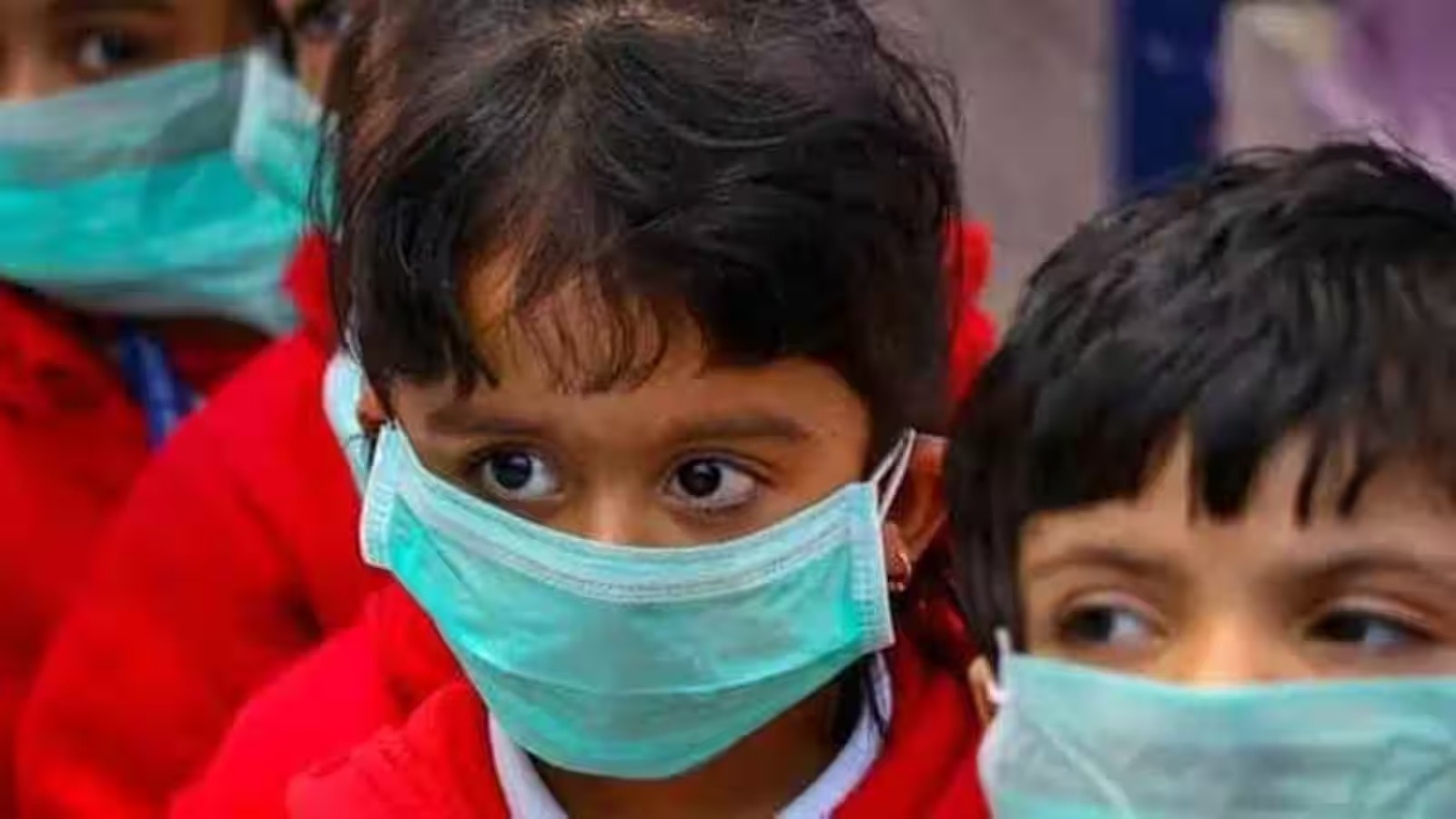
Adenovirus cases spike in West Bengal: Symptoms, treatment and precautions

Adenovirus: Adenovirus causes mild cold or flu-like illness which can affect people of all ages, according to US Centers for Disease Control and Prevention (CDC).

Bengal health authorities have been asked to be vigilant after the state recorded a big spike in adenovirus cases that has led to pediatric wards in state-run and private hospitals filling up fast. Health officials say at least 32 per cent of samples sent to the National Institute of Cholera and Enteric Diseases (ICMR-NICED) in Kolkata since January have tested positive for the virus. Two children – a six-month-old boy and 2.5-year-old girl – died Sunday, though the cause of deaths has not yet been formally identified as the adenovirus, which causes a mild cold, or flu-like, illness that can affect people of all ages.

Adenovirus cases spike in West Bengal: Symptoms, treatment and precautions

Symptoms:

Infected people may have relatively mild symptoms like a cold or flu, a fever, and a sore throat, or acute bronchitis, pneumonia, conjunctivitis and acute gastroenteritis, which is an inflammation of stomach. Adenovirus can cause mild and severe illnesses but the latter is relatively uncommon. People with weak immune systems, existing respiratory or cardiac diseases are at higher risk of developing severe illness from adenovirus.

Transmission:

The virus is usually transmitted by physical contact with an infected person, the United States’ Centers for Disease Control and Prevention said. It can also be spread through the air (via coughs and sneezes) or a patient’s stool; for example, while changing diapers.

Treatment:

There is currently no specific course of treatment or approved antiviral medication. Since most cases are mild, they are managed by pain-killlers or medication to manage symptoms.

Doctors suggest the best way to tackle the infection is prevention. Steps to avoid getting infected include avoiding touching your eyes, nose or mouth with contaminated hands and to regularly use soap or sanitiser to wash your hands.

Read more at-https://bit.ly/3lQDddM

Categories
COVID-19 Government Guidelines Medical Equipments Medical Updates

Health ministry to organise ‘Chintan Shivir’ to explore ways to build trust on Indian drugs

Synopsis

“The aim is to build trust and confidence on the quality of Indian drugs, cosmetics and medical devices in the domestic and global markets.”

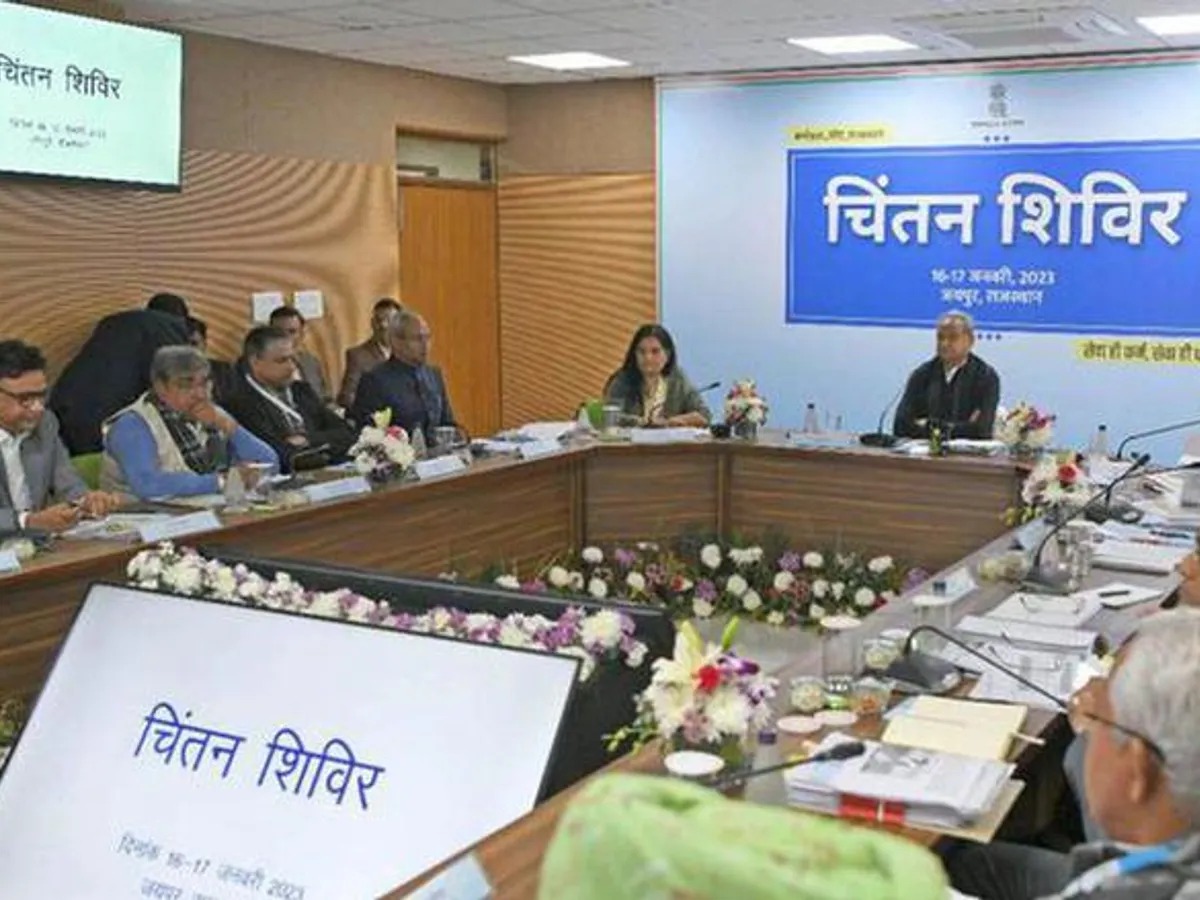
The Union Health Ministry will organise a two-day ‘Chintan Shivir’ from February 26 to explore ways to build trust on Indian drugs, cosmetics and medical devices in domestic and export markets and strengthen the regulations to ensure their quality, officials said on Tuesday. The Chintan Shivir on ‘Drugs: Quality Regulations and Enforcement’ holds significance against the backdrop of questions being raised about the quality of some Indian drugs amid instances of Global Pharma Healthcare recalling entire lots of eye drop linked to vision loss in the US and India-made cough syrups being linked to children deaths in Gambia and Uzbekistan.

At the two-day event to be organised in collaboration with the Department of Pharmaceuticals in Hyderabad, experts and officials will review the predictability, transparency and accountability in the regulation of quality of drugs, ensure compliance to Indian pharmacopoeia standards and develop robust network for pharmacovigilance and materiovigilance programmes, the officials said.

The event will also see introduction of digital tools for uniform and effective regulation.

“The aim is to build trust and confidence on the quality of Indian drugs, cosmetics and medical devices in the domestic and global markets.

“Experts will also deliberate on effective enforcement at the field level for ensuring quality, safety and efficacy till the last mile. Discussions will focus on the present enforcement mechanism in place to address spurious, adulterated and substandard drugs, and the necessity for greater coordination between the states and the Centre in this regard and the issues and challenges in enforcement,” an official said.

Health ministry to organise 'Chintan Shivir' to explore ways to build trust on Indian drugs

The shivir will also deliberate on creation of a unified IT platform for all regulatory activities such as an online National Drug Licensing Portal (NDLS).

The Central Drugs Standard Control Organisation (CDSCO) is the regulatory authority and under the Drugs and Cosmetics Act and rules made thereunder, it is responsible for approval of new drugs, conduct of clinical trials, control over the quality of imported drugs in the country and coordination of the activities of State Drug Control Organizations by providing expert advice with a view of bringing about the uniformity in the enforcement of the said Act, the official explained.

The Drugs and Cosmetics Act, 1940 and rules made thereunder have entrusted various responsibilities to Central and state regulators for regulation of drugs and cosmetics. It envisages uniform implementation of the provisions of the Act and rules for ensuring the safety, rights and wellbeing of patients by regulating the drugs and cosmetics.

Read more at-https://bit.ly/3Iy4Ocl

Categories
COVID-19 Government Guidelines Medical Updates Medicine & Health

Organ damage persists in 59% of long Covid patients a year after diagnosis: Study

Scientists have found that organ damage persisted in 59 per cent of long Covid patients a year after initial symptoms, even in those not severely affected when first diagnosed with the virus, according to a new study.

Scientists have found that organ damage persisted in 59 per cent of long Covid patients a year after initial symptoms, even in those not severely affected when first diagnosed with the virus, according to a new study. The study also found that 29 per cent of patients with long COVID had multi-organ impairment, with persistent symptoms and reduced function at six and twelve months, it said.

The comprehensive study of organ impairment in long COVID patients over 12 months focused on patients reporting extreme breathlessness, cognitive dysfunction and poor health-related quality of life, it said.

According to the study, of the 536 patients who were studied, 13 per cent were hospitalised when first diagnosed with COVID-19, with 32 per cent of people taking part in the study being healthcare workers.

The study found that of the 536 patients, 331, or 62 per cent, were identified with organ impairment six months after their initial diagnosis. It is published in the Journal of the Royal Society of Medicine.

Organ damage persists in 59% of long Covid patients a year after diagnosis: Study

These patients were followed up six months later with a 40-minute multi-organ MRI scan (Perspectum’s CoverScan), analysed in Oxford, the study said.

“Symptoms were common at six and twelve months and associated with female gender, younger age and single organ impairment,” said Amitava Banerjee, Professor of Clinical Data Science at the UCL Institute of Health Informatics, UK.

The study reported a reduction in symptoms between six and 12 months, it said. Extreme breathlessness came down from being reported in 38 per cent of the patients to 30 per cent of patients, the study said, while cognitive dysfunction came down from 48 per cent to 38 per cent.

Poor health-related quality of life came down from 57 per cent to 45 per cent of patients, the study said.

“Several studies confirm persistence of symptoms in individuals with long COVID up to one year.

“We now add that three in five people with long COVID have impairment in at least one organ, and one in four have impairment in two or more organs, in some cases without symptoms,” said Banerjee.

“Impact on quality of life and time off work, particularly in healthcare workers, is a major concern for individuals, health systems and economies.

“Many healthcare workers in our study had no prior illness, but of 172 such participants, 19 were still symptomatic at follow-up and off work at a median of 180 days,” said Banerjee.

The underlying mechanisms of long COVID remain elusive, said the researchers, who did not find evidence by symptoms, blood investigations or MRI to clearly define long COVID subtypes, the study said.

They said that future research must consider associations between symptoms, multi-organ impairment and function in larger cohorts.

“Organ impairment in long COVID has implications for symptoms, quality of life and longer-term health, signalling the need for prevention and integrated care for long COVID patients,” said Banerjee.

Read more at-https://bit.ly/3Kc6cmh

Categories
COVID-19 Government Guidelines Medical Updates Medicine & Health

Free sugars linked with higher risk of cardiovascular disease: Study

The authors suggest that replacing free sugars with non-free sugars – mostly those naturally occurring in whole fruits and vegetables – and a higher fibre intake, may help protect against cardiovascular disease.

An increased diet of free sugars – both added sugars and those found naturally in honey and fruit juice linked to an increased risk of cardiovascular disease, according to a study. The findings support the global dietary recommendation to limit free sugar consumption to less than 5 per cent of total daily energy consumption.

The findings of the study were published in BMC Medicine.

Free sugars linked with higher risk of cardiovascular disease: Study

Rebecca Kelly and colleagues analysed data from 110,497 individuals from the UK Biobank who had completed at least two dietary assessments. The researchers tracked individuals for around 9.4 years and during this time, total cardiovascular disease (heart disease and stroke combined), heart disease, and stroke occurred in 4,188, 3,138, and 1,124 participants, respectively.

The authors found total carbohydrate intake was not associated with cardiovascular disease outcomes. However, when looking at the types and sources of carbohydrates consumed, they found that higher free sugar intake from foods such as sugary drinks, fruit juice and sweets, was associated with increased risk of all cardiovascular disease outcomes. For each 5% higher total energy from free sugars, the associated risk of total cardiovascular disease was 7% higher. The authors found that the risk of heart disease was 6% higher, while the risk of stroke was 10% higher. Additionally, consuming five grams higher fibre per day was associated with 4% lower risk of total cardiovascular disease, but this association did not remain significant after accounting for body mass index (BMI).

The authors suggest that replacing free sugars with non-free sugars – mostly those naturally occurring in whole fruits and vegetables – and a higher fibre intake, may help protect against cardiovascular disease.

Read more at-https://bit.ly/3k5OeXT

Categories
COVID-19 Government Guidelines Medical Equipments Medical Updates

Mucosal vaccines for respiratory viruses are difficult to develop: Study

Vaccines that provide long-lasting protection against influenza, coronaviruses and respiratory syncytial virus (RSV) are difficult to develop. New study, explore the challenges and outline approaches to improved vaccines.

Vaccines that provide long-lasting protection against influenza, coronaviruses and respiratory syncytial virus (RSV) are difficult to develop. In a new review article in Cell Host & Microbe, researchers from the National Institute of Allergy and Infectious Diseases (NIAID), part of the NIH, explore the challenges and outline approaches to improved vaccines. Anthony S. Fauci, M.D., former NIAID director, is an author along with Jeffery K. Taubenberger, M.D., PhD, and David M. Morens, M.D.

Unlike the respiratory viruses that cause measles, mumps and rubella — for which vaccination or recovery from illness provides decades-long protection against future infection — flu, RSV, SARS-CoV-2 and ‘common cold’ coronaviruses share several characteristics that enable them to cause repeated re-infections. These include very short incubation periods, rapid host-to-host transmission and replication in the nasal mucosa rather than throughout the body. This last feature — non-systemic replication — means these viruses do not stimulate the full force of the adaptive immune response, which typically takes a week or more to mount.

A next generation of improved vaccines for mucosa-replicating viruses will require advances in understanding on several fronts, the authors say. For instance, more must be learned about interactions between flu viruses, coronaviruses and RSV and the components of the immune response that operate largely or exclusively in the upper respiratory system. Over time, these interactions have evolved and led to ‘immune tolerance’, wherein the human host tolerates transient, limited infections by viruses that are generally non-lethal to avoid the destructive consequences of an all-out immune system attack.

Mucosal vaccines for respiratory viruses are difficult to develop: Study

The authors note that mucosal immunization appears to be an optimal route of vaccination for the viruses of interest, when feasible. However, to develop useful mucosal vaccines, significant knowledge gaps must be filled including finding ideal vaccine formulations; determining dosage size, frequency and timing; and developing techniques for overcoming immune tolerance.

The NIAID authors urge fellow researchers to ‘think outside the box’ to make strides toward vaccines that can elicit durable protection against these viruses of considerable public health impact. They conclude, “we are excited and invigorated that many investigators…are rethinking, from the ground up, all of our past assumptions and approaches to preventing important respiratory viral diseases and working to find bold new paths forward.”

Read more at-https://bit.ly/3XpXVye

Categories
COVID-19 Government Guidelines Medical Equipments Medical Updates Medicine & Health

Actual Covid infections in India 17 times higher than reported: BHU study

Synopsis

According to government data, nearly 4.5 crore people in India have been infected with COVID-19 so far. However, the study published in the International Journal of Infectious Diseases (IJID) estimated that the actual coronavirus cases in the country may be between 58 to 98 crores.

The actual COVID-19 infections in India may be around 17 times higher than the official figure, a study led by researchers at Banaras Hindu University (BHU) suggests. According to government data, nearly 4.5 crore people in India have been infected with COVID-19 so far. However, the study published in the International Journal of Infectious Diseases (IJID) estimated that the actual coronavirus cases in the country may be between 58 to 98 crores.

The research “has shown that the actual corona infection in India was at least 17 times higher,” according to a statement by BHU.

“The discrepancy observed in our study is due to the overwhelming number of asymptomatic people, which was several-fold higher than the true official infection,” said BHU geneticist Professor Gyaneshwer Chaubey.

“Asymptomatic cases were more inclined towards the younger population,” Chaubey, who led the study, told PTI.

The study involved 88 scientists from 34 research institutes across the country.

Actual Covid infections in India 17 times higher than reported: BHU study

The team conducted serosurvey (antibody testing) among 2,301 individuals in urban areas of fourteen Indian districts in six states during the month of September-December 2020.

The most striking aspect of this study was that a large proportion of the Indian population was asymptomatic for COVID infection and the age group 26-35 had the maximum number of asymptomatic people, the researchers said.

The team conducted the research among a large number of people — street vendors — living in urban areas from fourteen Indian districts who are most at risk of corona infection.

“For the first time, we have used a novel approach to estimate the frequency of people infected in a certain geographical region,” said BHU’s Prajjval Pratap Singh, the study’s first author.

Samples were taken of only those people who self-reported that they never had any Covid symptoms or positive RT PCR test.

The minimum proportion of antibody-positive people was observed in Raipur district of Chhattisgarh (2 per cent), while the maximum proportion of antibody-positive persons was found in Ghazipur district (47 per cent) of Uttar Pradesh.

The research also revealed that the cases reported by the government were several times lower than the actual incidence of infection.

Through mathematical calculations, it was estimated that the actual corona cases in India are between 58 to 98 crores, the researchers said.

“The extensive serosurveillance has enabled us to have a clear picture rather than antigen testing or RT-PCR test,” said Professor VN Mishra from BHU, who led the medical testing in the study.

India on Wednesday recorded 96 fresh COVID-19 cases, while the number of active cases increased to 1,785, according to Union health ministry data.

With the new cases, the total tally stands at 4.46 crore (4,46,83,639). The death toll increased to 5,30,746 with one death reported from Uttara pardesh the data stated.

Read more at-https://bit.ly/3RSmsuy

Categories
Government Guidelines Medical Equipments Medical Updates

Health expert on how Mechanical Thrombectomy is extremely beneficial for stroke patients

Currently, stroke cases are rising at a rapid rate in India and it is commonly seen in elderly people but there are rare instances of youngsters getting affected too. Did you know that mechanical thrombectomy can be helpful to recover from a stroke?

stroke, or brain attack, happens when blood flow to your brain is reduced or interrupted so, health experts recommend B.E.F.A.S.T (Balance Loss, Eyesight Blurring or Loss, Facial drooping, Arm weakness, Speech difficulties and Time) treatment within the golden hour of the stroke to recover without any severe complications. Currently, stroke cases are rising at a rapid rate in the country where stroke is commonly seen in elderly people but there are rare instances of youngsters getting affected too.

Moreover, it can lead to higher mortality and morbidity rates all over the world but did you know that mechanical thrombectomy can be helpful to recover from a stroke? In an interview with HT Lifestyle, Dr Pavan Pai, Consultant Interventional Neurologist at Wockhardt Hospital on Mira Road, explained, “Mechanical Thrombectomy is a type of interventional procedure that is extremely beneficial for stroke patients. This procedure will help to remove a blood clot from the artery that supplies blood to the brain. Speak to your doctor about it. Remember that timely intervention is beneficial for stroke patients.”

Health expert on how Mechanical Thrombectomy is extremely beneficial for stroke patients

Highlighting that a stroke can affect the mobility of the patient, he elaborated, “Many patients get paralysed after a stroke. If an emergency like a brain stroke occurs, know that in a large artery occlusion after IV thrombolysis within window period of 4.5 hours or when a TPA cannot be opted for due to recent surgery or outside window period situation then mechanical thrombectomy is a safe option that is preferred by the Doctors. Put in simple words, mechanical thrombectomy is one of the safest options to manage brain stroke by removing clots that clog the arteries that are responsible for supplying blood to the brain. Thus, this procedure is helpful for patients with acute ischemic stroke i.e. brain stroke victims as the brain does not get blood supply as required. Are you aware? The blood vessels in the brain become narrow because of the fats or plaque.”

He advised, “Diagnostic techniques such as CT or MRI scans can help to know about the blockage of the artery and then only the doctor will be able to decide if the patient is fit to undergo, mechanical thrombectomy. For good clinical outcomes Mechanical thrombectomy has to be done within 6 hours of the onset of a stroke in front arteries and upto 12 hours in arteries supplying back of the brain. In certain situations it can be done upto 24 hours. This process means recanalization or re-opening and restoration of normal blood flow which is done via groin or wrist arteries.”

Dr Pavan Pai revealed, “During this procedure, an aspiration catheter or stent retriever or sometimes both are advanced into the site of the occlusion. There is X-ray imaging is used to check if the stent goes past the clot, clears the clot, and resumes the blood flow. The hospitals should be well-equipped to perform this procedure under the guidance of a skilled expert. The impact of this surgery is immediate and many patients become disability free after the procedure. Those who don’t show immediate recovery show better functionality at the end of 3 months than their counterparts who hadn’t undergone the procedure in the window period initially.”

Read more at-https://bit.ly/40MLIpU

Categories
Government Guidelines Medical Equipments Medical Updates Medicine & Health

Union Budget gives major emphasis on increasing Ayush services, scientific research

Synopsis

The integration of the Ayush system in the National Health ecosystem has got a major boost in the Budget 2023-24 presented by Finance Minister Nirmala Sitharaman on Wednesday.

The integration of the Ayush system in the National Health ecosystem has got a major boost in the Budget 2023-24 presented by Finance Minister Nirmala Sitharaman on Wednesday.

The total allocation to the Ayush Ministry has increased by 20 per cent to Rs 3,647 crore. The budget has also emphasised on promoting evidence-based research in Ayush systems through Ayush research councils.

Union Budget gives major emphasis on increasing Ayush services, scientific research

“The budget allocation to centrally-sponsored National Ayush Mission (NAM) has got a 50 per cent increase from Rs 800 crore to Rs 1200 crore. The NAM is majorly focused on providing cost effective Ayush services with the universal access through up-gradation of Ayush Hospitals and Dispensaries, comprehensive primary health care through upgrading health care facilities as Health & Wellness Centers (HWC), and co-location of Ayush facilities at PHCs, CHCs & DHs”, said Ayush Ministry in a statement.

The NAM also supports cultivation of medical plants, production of quality and standardised ingredients for supply of Ayush, integration of medicinal plants in farming systems and increasing export of value added items of medicinal plants. All the states (Rs 920 crore), union territories (Rs 96 crore) and north eastern areas (Rs 231 crore) have also witnessed an increase in grants-in-aids i.e from Rs 861.97 crore to Rs 1,246.73 crore, said the ministry.

Read more at-https://bit.ly/3HTCD7q

Categories
COVID-19 Medical Equipments Medicine & Health

New biomaterial may repair tissue damage from heart attack

Scientists have developed a new biomaterial that can be injected intravenously, reduces inflammation in tissue and that could be used to repair the damage to cardiac tissue resulting from a heart attack.

Scientists have developed a new biomaterial that can be injected intravenously, reduces inflammation in tissue and that could be used to repair the damage to cardiac tissue resulting from a heart attack. The researchers at the University of California (UC) San Diego, US, also provided proof of concept in a rodent model that the biomaterial could be beneficial to patients with traumatic brain injury and pulmonary arterial hypertension, the study said. The biomaterial was tested and proven effective in treating tissue damage caused by heart attacks in both rodent and large animal models, according to the study.

“This biomaterial allows for treating damaged tissue from the inside out,” said Karen Christman, a professor at UC San Diego, and the lead researcher on the team that developed the material.

“It’s a new approach to regenerative engineering,” said Christman.

A study on the safety and efficacy of the biomaterial in human subjects could start within one to two years, Christman said.

The study is published in the journal Nature Biomedical Engineering.

After a heart attack, scar tissue develops, which diminishes muscle function and can lead to congestive heart failure. There is no established treatment for repairing the resulting damage to cardiac tissue that follows a heart attack.

“Coronary artery disease, acute myocardial infarction, and congestive heart failure continue to be the most burdensome public health problems affecting our society today,” said Dr. Ryan R. Reeves, a physician in the UC San Diego Division of Cardiovascular Medicine.

“As an interventional cardiologist, who treats patients with coronary artery disease and congestive heart failure on a daily basis, I would love to have another therapy to improve patient outcomes and reduce debilitating symptoms,” said Reeves.

The team wanted to develop a treatment that could be administered immediately after a heart attack. This meant developing a biomaterial that could be infused into a blood vessel in the heart at the same time as other treatments such as angioplasty or a stent, or injected intravenously, the study said.
New biomaterial may repair tissue damage from heart attack

“We sought to design a biomaterial therapy that could be delivered to difficult-to-access organs and tissues, and we came up with the method to take advantage of the bloodstream – the vessels that already supply blood to these organs and tissues,” said Martin Spang, the paper’s first author.

According to the study, one advantage of the new biomaterial is that it gets evenly distributed throughout damaged tissue, because it is infused or injected intravenously.

Researchers in Christman’s lab started with the hydrogel they developed, which was proven to be compatible with blood injections as part of safety trials. But the particle size in the hydrogel was too big to target leaky blood vessels, the study said.

Spang, then a PhD student in Christman’s lab, solved this issue by putting the liquid precursor of the hydrogel through a centrifuge, which allowed for sifting out bigger particles and keeping only nano-sized particles, the study said.

The resulting material was put through dialysis and sterile filtering before being freeze dried. Adding sterile water to the final powder results in a biomaterial that can be injected intravenously or infused into a coronary artery in the heart, the study said.

Researchers then tested the biomaterial on a rodent model of heart attacks. They expected the material to pass through the blood vessels and into the tissue because gaps develop between endothelial cells in blood vessels after a heart attack, the study said.

But something else happened.

The biomaterial bound to those cells, closing the gaps and accelerating healing of the blood vessels, reducing inflammation as a result. Researchers tested the biomaterial in a porcine model of heart attack as well, with similar results, the study said.

The team also successfully tested the hypothesis that the same biomaterial could help target other types of inflammation in rat models of traumatic brain injury and pulmonary arterial hypertension. Christman’s lab will undertake several preclinical studies for these conditions, the study said.

Read more at-https://bit.ly/3l0UCQe

Categories
COVID-19 Government Guidelines Medical Equipments Medical Updates

Long Covid might teach us how to prevent Alzheimer’s

Researchers are uncovering links between viruses and brain diseases, which could point to a whole new approach to treatment.

Science is starting to uncover an unnerving fact about viruses: Some might affect our brains over the long haul. It came as a shock that SARS-CoV-2 can lead to lingering neurological problems — a post-viral syndrome we call long Covid. But the phenomenon might not be unique to this virus.

Scientists are finding links between common viruses such as influenza and brain diseases like multiple sclerosis, Parkinson’s, Alzheimer’s and ALS. Researchers are hoping that identifying a viral link might finally allow scientists to figure out what causes these mysterious, deadly ailments and develop new treatments.

A new study, published last week and summarized in Science, used a vast trove of electronic medical records to find thousands of people with neurodegenerative diseases and tease out correlations with 22 different kinds of infections. The biggest viral risk factor for dementia was encephalitis, which is an infection of the brain often caused by a mosquito or tick-borne disease. Other viruses tied to dementia included influenza, herpes zoster (shingles) and HPV.

Earlier studies had looked for specific viral links to Alzheimer’s and found correlations with herpes and some forms of HPV. And a study published last year showed that Epstein-Barr virus was necessary for developing MS. But scientists still haven’t figured out exactly what role the viruses play — whether they’re a direct trigger or have some peripheral role. Almost everyone on the planet carries Epstein-Barr virus, which causes mononucleosis, but only a tiny fraction ends up getting MS.

To better understand how viruses might be affecting the brain, I stopped by the National Institutes of Health to visit Avindra Nath, who is one of the few neurologists specializing in viruses — an interest he picked up after treating AIDS patients in the early 1980s. In 2014, he was the first neurologist to travel to Liberia to treat Ebola patients, and he said a fraction of those who recover suffer neurological symptoms similar to long Covid — especially chronic fatigue.

He told me that what really interests him are viruses that are embedded in our genetic codes — called endogenous retroviruses. They may have snuck in through a sexually transmitted virus that works itself into an embryo. These viruses are a source of genetic variation — and can add novel DNA to our genomes. Like mutations, these occasionally incur an advantage and spread through the population. About 8% of our genome is made of these embedded viruses.

Long Covid might teach us how to prevent Alzheimer’s

Nath’s interest in these started when he was treating a patient who had both HIV and ALS, and after taking antiretroviral drugs, the ALS disappeared. A series of human and animal studies convinced Nath that ALS might sometimes be triggered by an embedded virus called HERV-K.

Normally HERV-K is active during fetal development, so it may have spread through the human population because it does something useful in utero. But after we’re born, it normally shuts off (due to external chemical switches that bind to DNA).

Sometimes, he told me, these “off switches” fail, and one of these embedded viruses can become reactivated. That failure might be part of the cause of ALS. After years of animal studies, he started preliminary human trials assessing the effects of antiviral drugs on patients with ALS. He’s now planning a placebo-controlled clinical trial for drugs that he’s shown can suppress HERV-K.

He’s also studying the kinds of viruses we catch from the outside world. He thinks viruses are more likely to trigger brain diseases indirectly — not by getting directly into neurons, but by prompting inflammation. It’s the immune system’s response that causes the problem.

He’s now studying people with neurological problems following Covid infection — something that he estimates affected about 10% of people infected before vaccines were available and a much smaller fraction today. He said that at first he was very skeptical of claims that the virus hides out in the brain, but more recent studies have made him take it seriously, especially autopsy studies done by Dan Chertow at the NIH. It might be that those residual traces of the virus are causing persistent inflammation.

It’s possible that this has always been happening to some fraction of people who pick up common viruses. It’s just that it didn’t get all that much attention before the Covid pandemic. Nath said virology and neurology were two completely different worlds, and he was unique in trying to navigate both fields at the same time.

If viruses do indeed play a role in some of our most feared and costly diseases, that could point to a whole new approach to treatment and prevention. In the future, everyone might get vaccinated against Epstein-Barr virus as a protection against MS. And it may turn out that you can reduce your odds of getting Alzheimer’s disease by getting that shingles shot and a flu shot every year. If HPV adds to the risk, it could motivate the medical community to redouble its efforts to get that vaccine to more people.

Scientists could even eventually develop a universal, variant-proof Covid vaccine that would finally prevent the risk of long Covid.

Someday, people may look back at all the expensive drugs we tested for dementia and other brain diseases and wonder how we overlooked the benefits of cheap vaccines for so long.

Read more at-https://bit.ly/3kGNokj