Categories
COVID-19 Government Guidelines Medical Updates Medicine & Health

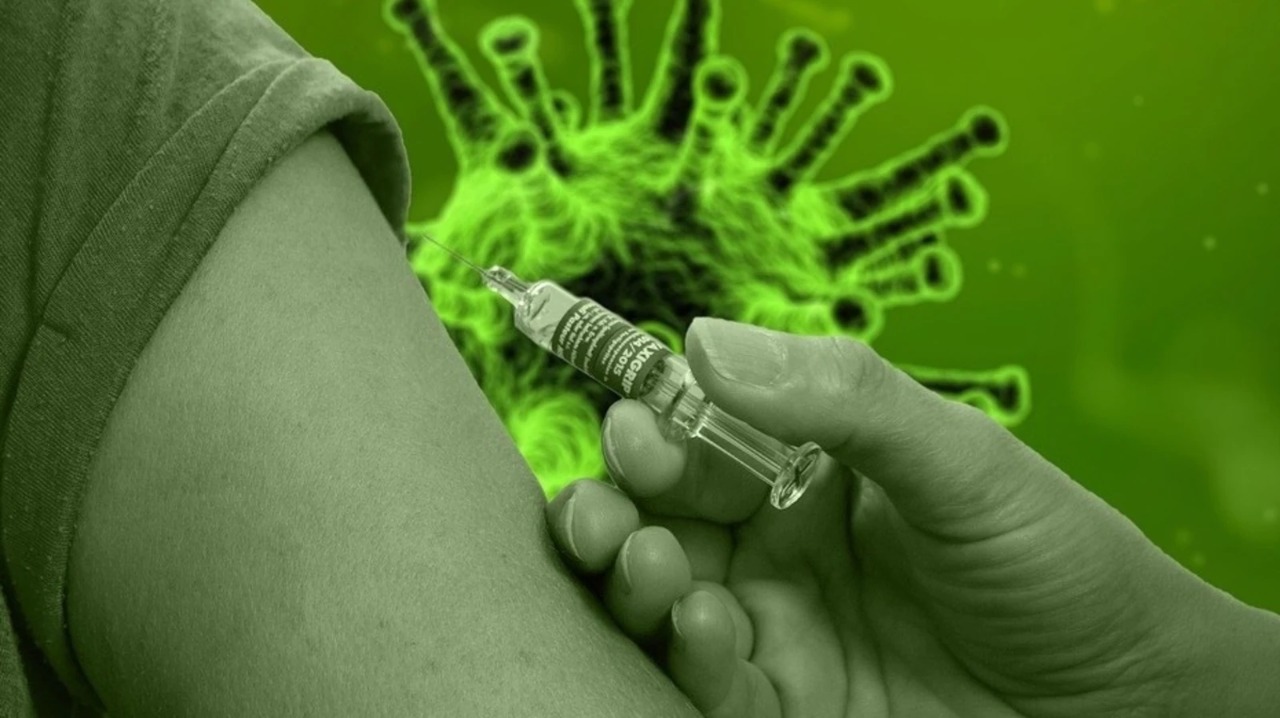
Nasal vaccine to prevent Omicron: Know how it works as booster, side effects

The unique and first of its kind Covid vaccine does not require an injection and is administered as nasal drops. All you want to know about nasal vaccines.

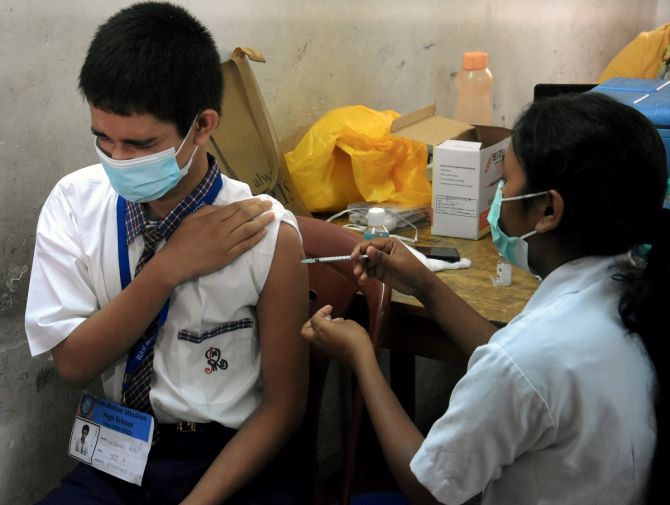
Bharat Biotech’s nasal vaccine, iNCOVACC, will soon be available as booster shot for eligible adults come fourth week of January. Nasal vaccines, which are sprayed into the nose directly, however, cannot be taken by those who have already taken their booster shots and is recommended as first booster shot. People who fear the jab can take a sigh of relief as the administration of these vaccines is quick and painless. This nasal vaccine will be administered to people twice with the gap of 28 days. Known as heterologous booster, any 18 + individual can take it who has already received covaxin or covishield vaccine earlier.

What is nasal vaccine

“In direction towards our efforts to prevent spread of covid 19, India had come up with a yet another novel nasal covid vaccine. It is a unique, first of its kind, covid vaccine as it does not require an injection instead it is administered as nasal drops. It has been cleared by DCGI, for administration, as heterologous booster, in 18+ individuals who have already received covaxin or covishield vaccine earlier,” says Dr. Gurmeet Singh Chabbra, Director Pulmonology Marengo QRG Hospital, Faridabad.

Nasal vaccine to prevent Omicron: Know how it works as booster, side effects

How is nasal vaccine given

It is an adeno virus vector based recombinant replication deficient stabilized spike protein vaccine. Heterologous booster vaccination means administration of vaccine other than the primary vaccination.

“It is given as 0.5ml dose (8 drops – 4 drops in each nostril) to be repeated after 4 weeks interval,” says Dr Chabbra.

How does it work

“Nasal vaccine stimulates immunity by development of neutralizing IgG, mucosal IgA and T cell response. It acts at the site of entry of covid virus – the nasal mucosa by local IgA antibody response and possibly preventing both infection to the individual and spread to others. It would help prevent spread from even asymptomatic and mild cases,” says Dr Chabbra.

Side effects of nasal vaccines

“Mild side effects may include headache, fever, running nose and sneezing. It is not to be given to those who are allergic to any of its component or had a severe allergic reaction to it in past and having acute infection or fever,” adds Dr Chabbra.

Read more at-https://bit.ly/3WxpYvM

Categories
COVID-19 Government Guidelines Medical Updates Medicine & Health

Omicron BF.7: Is mixing Covid vaccines more effective against the new subvariant? What experts say

Omicron BF.7: Is mixing Covid vaccines more effective against the new subvariant?

Amid rising cases of Omicron BF.7 in China and other parts of the world, there has been concerns of a fresh wave triggered by the subvariant in India in the coming months. Omicron BF.7 was first found in India in July and so far, just 4 cases have been detected across Gujarat and Odisha. Experts say we do not need to press the panic button as yet but at the same time renew social distancing measures and keep our guards on.

Getting booster shots is one of the ways to boost immunity against the new variant. According to a new AIG study, Hyderabad-based Biological E’s Corbevax booster in individuals already vaccinated with Covishield can offer maximum protection against Omicron variants. The study found that people who were given Corbevax showed higher levels of antibodies.

Following incidents of people inadvertently taking different vaccines in two separate doses, Indian Council of Medical Research (ICMR) study found that mix and match of vaccines had no adverse effect. There has, however, been concern around whether it is safe or mixing of two different vaccines could actually be more effective and provide better shield against different variants of Coronavirus.

So, can combining vaccines offer better protection against Omicron BF.7 and new emerging subvariants? We asked experts.

Omicron BF.7: Is mixing Covid vaccines more effective against the new subvariant? What experts say

‘MIXING SHOTS A PROMISING STRATEGY’

“Mixing Covid shots or what we call as heterologous boosting is a promising strategy in our fight against this pandemic. As per limited research it has been found that waning immunity is a concern in giving us protection from the virus. Mixing shots such as vector-based vaccines (Covishield) followed by mRNA based (Pfizer) can result in boosted or better immune protection. mRNA based vaccines generate a good antibody response and vector-based vaccines provide a good T Cell response. So, a combination of both seems to provide a promising protection,” says Dr. Shivanshu Raj Goyal, Consultant Pulmonologist, Artemis Hospitals, Gurugram.

“Side effects can vary from individuals but mixing vaccines is a good strategy to provide safe and effective protection and in some cases mixing vaccines mount lifetime immunity by kicking memory B and T cells into action, less seen otherwise. Whatever strategy we should follow and most beneficial to all would be updated timely by MoHFW on timely intervals and should be followed,” says Dr Goyal.

‘NO SIDE EFFECTS, IT CAN BOOST IMMUNITY’

“Mass Covid vaccination has played a key role in limiting the severity of Covid waves across India. Various Covid vaccines have been used globally after scientific approval the curb this pandemic. With the recent news of new variants, booster dose is to protect you and enhance your protection against severe covid infections. Sometimes availability or shortage of the same make of vaccine is a problem. However, mixing the vaccines has no side effects rather it can boost the immunity and give multiple ways to our immune system to identify the offending virus and act rapidly,” says Dr Rahul Sharma, Additional Director Pulmonology, Fortis Hospital Noida.

‘Mixing Covid vaccines need of the hour’

Covid vaccines booster strategy is need of the hour. Usually, sequential boosters are recommended.

Mixing heterologous immune response is an emerging concept. In initial US-based trials and studies it was observed that though it was necessity borne intervention turned out to be useful owing to mixing of vaccines resulted in increase in type of immune responses and potential prolonged immunogenic effect. Researchers have found that following one dose of the AstraZeneca with a dose of the Pfizer-BioNTech vaccine produces more stronger and better immune responses, as measured by blood tests.

Mixing vaccines gives advantage in pathogen recognition and better immunogenic responses in terms of all arms of immunity, says Dr Neha Rastogi Panda, Consultant Infectious Diseases, Fortis Memorial Research Institute, Gurugram.

‘Mixing of vaccines proven to be non-inferior or superior’

“Government of India has permitted the usage of Corbevax vaccine as a precaution dose after completion of six months from administration of second dose of either Covaxin or Covishield vaccines in adult population in August 2022. Decision of this by Covid-19 working Group was based on scientific evidence generated through double blinded randomised control trial of Corbevax vaccine phase-3 clinical study evaluating immunogenicity and safety of booster dose Corbevax vaccine in adult volunteers previously vaccinated with two doses of either Covaxin or Covishield. As per the global scientific evidence, usage of mixing of two different vaccines have been proven to be non-inferior or superior as compared to single vaccine usage in Covid-19 illness in terms of immunogenicity which is measured by antibodies level and T cell mediated immunity measured by CD4 and CD8 levels,” says Dr Manoj Sharma, Senior Consultant, Internal medicine, Fortis Hospital Vasant Kunj.

“Mixing of two different vaccines may give the immune system multiple ways to recognise a pathogen (Virus). In a Spanish study, 448 individuals who received a mix of AstraZenecia dose followed By Pfizer BioNTech dose, robust immune response was noted with fewer side effects. Similarly, Sputnik vaccine when combined with AstraZenecia also revealed stronger immune response,” says Dr Sharma.

Benefits of heterologous vaccination

Although the approved COVID vaccines provide a high level of protection against symptomatic infection and severe illness, there is increasing evidence to suggest waning of immunity over time. Also, it has been seen that some of the subvariants/sub lineages are immune-evasive i.e., can cause infection in those already having some immunity against SARS CoV-2 virus. Heterologous vaccination approach refers to the mixing of more than one type of vaccines. There are reasons to believe that immunization with different types of vaccines might provide immunological advantages. Mixing of vaccines provides a broadened level of protection, and for a longer duration. There is sufficient scientific data available to date to suggest superior immunological response with heterologous vaccines approach. Studies have shown better and prolonged immunological response following mixing and matching, both inactivated as well as mRNA-based vaccines. This benefit has been found with mixing of vaccines in primary series as well as booster dosing,” says Dr Rohit Kumar Garg, Consultant, Department of Infectious Diseases, Amrita Hospital, Faridabad.

Read more at-https://bit.ly/3WEIdjf

Categories
Medical Updates Medicine & Health

Ayurveda tips: 5 herbs for people with diabetes to prevent heart attack

Heart attack, sudden cardiac arrest cases are on rise across the country and people with diabetes are twice at risk. Ayurveda expert talks about five herbs for diabetics that they consume to prevent risk of heart attack.

Heart attack and sudden cardiac arrest cases are on rise across the country and even younger people leading apparently healthy lifestyles are found to have hidden cardiac issues that sometimes do not have any symptoms. Covid has played its own role in weakening our hearts while the cocktail of sedentary lifestyle and stress could prove to be deadly for cardiac health. People with diabetes are twice at risk of heart attack or stroke compared to people who are not suffering from the metabolic disorder.

Ayurveda tips: 5 herbs for people with diabetes to prevent heart attack

As the diabetes progresses, the heart health deteriorates and one becomes susceptible to sudden cardiac events. High blood sugar over the time can damage blood vessels and the nerves of the heart. Diabetics have other complications too that often accompany the disease like high blood pressure which can further affect heart function. So, if you have diabetes and your blood sugar levels remain uncontrolled most of the times, your heart is likely to be affected and it is important for you to make appropriate lifestyle changes. A healthy diet, staying active and lowering stress levels can help people with diabetes in not only maintaining healthy blood sugar levels but also optimum heart health.

Herbs for diabetics that can prevent heart attack

“People with diabetes (especially senior citizens) are more prone to heart diseases (high cholesterol, hypertension which eventually leads to heart attacks) due to reduced metabolism and liver function over a period of time due to being on diabetes medications,” writes Ayurveda expert Dr Dixa Bhavsar in her recent Instagram post.

Dr Bhavsar also suggests 5 herbs that can help manage sugar levels effectively and even prevent heart diseases:

1. Punarnava

It is the best diuretic which helps reduce sugar levels, blood pressure and even cholesterol. It is also good for liver, kidneys and eyes and is useful in preventing diabetic retinopathy, and nephropathy. It also improves metabolism.

How to take

You can have 2-5 gm of punarnava on an empty stomach daily.

2. Shunthi

Freshly crushed dry ginger powder is best cardio-protective and wonderful for metabolism. It also reduces overall inflammation and is good for heart.

How to take

You can have half tsp of it before meals once a day with warm water.

3. Marich (black pepper)

This easily available herb can aid in improving insulin sensitivity, digestion and even reducing bad cholesterol and triglycerides helping you prevent heart attacks especially in senior citizens.

How to take

You can take 1 black pepper daily in the morning.

4. Ela (Cardamom)

It is best for heart health and helps improve sugar levels by reducing cravings for sweet foods. Also relieves excess thirst – which is often experienced in diabetes patients.

How to take

It can be taken in tea, or powder of 1 elaichi can be taken 1 hour post meal with warm water.

5. Arjun-Chaal

It is the best herb for prevention of heart diseases as well as improving its function. Good for every kind of heart issue from blood pressure, cholesterol to tachycardia.

How to take

Every person with diabetes or heart disease in genes should consume it as a tea at bedtime.

“I request you all to incorporate these herbs in the routine for patients with diabetes, obesity (and high sugar levels), insulin resistance, heart diseases in genes. These herbs are best for senior citizens’ heart health,” says Dr Bhavsar.

Read more at-https://bit.ly/3YcsYyV

Categories
Medical Equipments Medical Updates Medicine & Health

‘Measles deaths’: Health ministry sends team to Mumbai

“The team will also undertake field visits to investigate the outbreak and assist the state health department in terms of public health measures, management guidelines, and protocols to manage the increasing cases of measles being reported in Mumbai,” said the ministry in a statement.

AFTER REPORTS of increase in suspected measles cases and three deaths in children, the Union Health Ministry on Wednesday rushed a multi-disciplinary team to Mumbai. It is yet to be determined whether the deaths could have been due to measles that can sometimes lead to complications such as encephalitis (swelling in the brain), blindness, and pneumonia.

“We don’t even know whether the deaths are because of measles; the state government has also not categorised these deaths as measles. The team of experts from different fields will determine whether these were in fact measles cases. The team will also see the vaccination status of the children who have died; measles deaths should not occur because our vaccination coverage is nearly 100%,” said an official from the Health Ministry. The team is likely to submit a preliminary report by Thursday evening.

‘Measles deaths’: Health ministry sends team to Mumbai

AFTER REPORTS of increase in suspected measles cases and three deaths in children, the Union Health Ministry on Wednesday rushed a multi-disciplinary team to Mumbai. It is yet to be determined whether the deaths could have been due to measles that can sometimes lead to complications such as encephalitis (swelling in the brain), blindness, and pneumonia.

“We don’t even know whether the deaths are because of measles; the state government has also not categorised these deaths as measles. The team of experts from different fields will determine whether these were in fact measles cases. The team will also see the vaccination status of the children who have died; measles deaths should not occur because our vaccination coverage is nearly 100%,” said an official from the Health Ministry. The team is likely to submit a preliminary report by Thursday evening.

The three-member team is headed by Dr Anubhav Srivastava, Deputy Director, Integrated Disease Surveillance Programme (IDSP), NCDC.

India has seen an increase in the number of measles cases – 11,156 cases of measles have been reported in 2022 till September, according to data from the World Health Organization. To compare, there were 6,078 recorded in 2021, 5,598 cases in 2020, and 10,708 cases in 2019.

Measles is a highly contagious infection with vaccination considered to be one of the most effective intervention for reducing cases and deaths. With a goal of eliminating measles and rubella (another similar viral infection), India launched a one-time immunisation campaign for all children between the ages of 9 months to 15 years in a phased manner 2017 onwards, with almost all states including Maharashtra having completed the vaccination.

Read more at-https://bit.ly/3tiRYGM

Categories
COVID-19 Government Guidelines Medical Updates Medicine & Health

India adds 1,604 Covid-19 cases, active caseloads fall by 485

Synopsis
According to the health ministry, the active cases comprise 0.04 percent of the total infections, while the national Covid-19 recovery rate was recorded at 98.77 percent. Active Covid-19 caseloads fell by 485 in a span of 24 hours.

India’s coronavirus caseloads rose by 1,604 in the last 24 hours to take the total tally to 4,46,52,266, while the active cases fell to 18,317, the Union Health Ministry said.

With eight more fatalities, the death toll has climbed to 5,29,016, the data updated by the government at 8 am said.

The new fatalities include three deaths reconciled by Kerala.

India adds 1,604 Covid-19 cases, active caseloads fall by 485

According to the health ministry, the active cases comprise 0.04 percent of the total infections, while the national Covid-19 recovery rate was recorded at 98.77 percent.

Active Covid-19 caseloads fell by 485 in a span of 24 hours.

Daily positivity rate stood at 1.02 percent, and the weekly positivity rate was at 1.08 per cent.

Case fatalitity rate was at 1.18 percent, while the number of people who have recuperated from the disease rose to 4,41,04,933.

India’s COVID-19 tally had crossed the 20-lakh mark on August 7, 2020, 30 lakh on August 23, 40 lakh on September 5 and 50 lakh on September 16. It went past 60 lakh on September 28, 70 lakh on October 11, crossed 80 lakh on October 29, 90 lakh on November 20 and surpassed the one-crore mark on December 19.

The country crossed the grim milestone of two crore on May 4 and three crore on June 23 last year. It crossed the four-crore mark on January 25 this year.

According to ministry data, 219.63 crore doses of vaccines have been administered in the country so far under the Covid-19 vaccination drive.
Read more at-https://bit.ly/3FGSFkB

Categories
COVID-19 Medical Equipments Medical Updates

BXX variant of Covid virus spreads, but less severe

Synopsis

According to him the proportion of BXX which is a recombinant variant has increased gradually by20-30% in the country. BA2.75 continues to be the dominant variant accounting for 60% of Covid-19 cases. An INSACOG member said they are monitoring the spread. A review meeting was held on Friday to evaluate the Covid-19 situation across the country.

The Indian Sars-CoV-2 Consortium on Genomics (INSACOG), a network of laboratories monitoring genomic variations of the Covid-19 virus, has found the proportion of BXX sub-variant increasing in the country. However, the good news is that the severity and hospitalisation have not increased, a member told ET.

According to him the proportion of BXX which is a recombinant variant has increased gradually by20-30% in the country. BA2.75 continues to be the dominant variant accounting for 60% of Covid-19 cases.

BXX variant of Covid virus spreads, but less severe

An INSACOG member said they are monitoring the spread. A review meeting was held on Friday to evaluate the Covid-19 situation across the country.

In the last few weeks multiple Omicron subvariants like BQ.1, and BXX have been detected along with other emerging sub-variants like BA5.1.7 and BF.7. BQ.1 is an offshoot of the variant related to the BA.5 version that drove the surge in the US.

Keeping in view the expected rise in the number of cases due to the festival season, the Union health minister also held a meeting to review the situation last week.

Read more at-https://bit.ly/3Fp3Lul

Categories
COVID-19 Government Guidelines Medical Updates Medicine & Health

Harnessing the power of partnerships in expanding Covid vaccine coverage

On the first anniversary of India’s COVID-19 vaccination drive, the Hon’ble Health Minister, Mansukh Mandaviya, observed that Jan Bhagidari helped to fuel India’s achievements in its successful vaccination journey. This, in fact, echoes the sentiment of Hon’ble Prime Minister of India, Narendra Modi, who emphasizes that the functioning of any robust democracy lies in the power of the collective that Jan Bhagidari stands for.

As someone with extensive experience in of public health, this principle has always resonated with me. I do believe that it’s the coming together of so many people – healthcare professionals, the larger scientific community, vaccine manufacturers, development partners, local leaders and frontline health workers all under the leadership of the Government of India – that has ensured India’s success in administering more than 2 billion COVID-19 vaccine doses to its eligible population in record time.

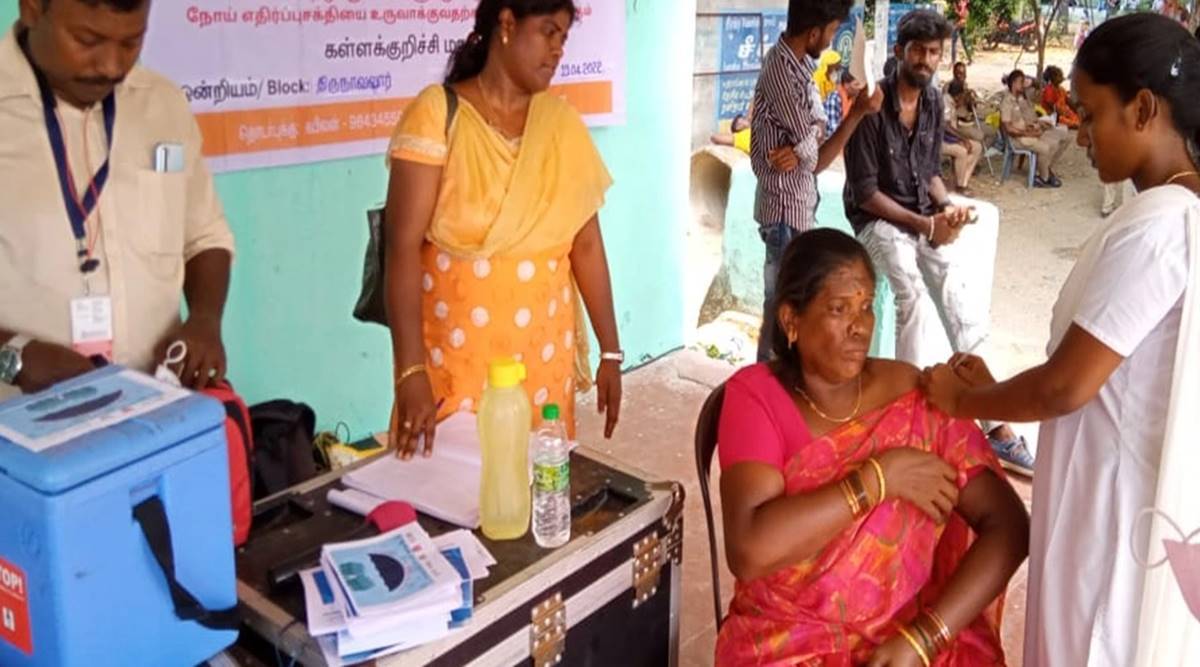
I am proud to be associated with a project that has contributed in its own way toward India’s exceptional vaccination trajectory: the MOMENTUM Routine Immunization Transformation and Equity Project. Operational across 18 states and union territories, and supported by USAID, the project has been a key driver in augmenting the efforts of the Ministry of Health and Family Welfare to improve the uptake of COVID-19 vaccination across states in record time. In many ways, it carries forward the country’s legacy of reaching the unreached, leaving no one behind and ensuring everyone has equitable access to vaccines.
Harnessing the power of partnerships in expanding Covid vaccine coverage

From hard-to-reach areas; tribal communities where confidence in and awareness about vaccines tends to be lower; vulnerable groups such as migrant workers, transgenders, elderly, disabled people, pregnant and lactating mothers– the project has helped to weave a safety net for those at the margins. Most importantly, the project has reiterated the country’s strength of successful collaborations — in this case, with multiple local partners at the state and community levels across a diverse mix — health workers, community champions, faith-based leaders, beneficiaries-turned-influencers and others.

For instance, in Chhattisgarh, an influencer from the trans community ensured that gender doesn’t become a barrier to availing the benefits of a life-saving vaccine. This influencer, Kanchan Sendre, worked hard to ensure an uptick in vaccinations for her community – she was so effective that she earned the title, ‘Vaccine Didi’. In Punjab, collaborations were done with the Shiromani Gurdwara Parbandhak Committee which ensured that all visitors could undergo the immunization process during their visit to the iconic Golden temple. In Madhya Pradesh, key religious and community leaders of Taj-Ul Masjid — one of Asia’s biggest mosques — came forward to help organize a large-scale COVID-19 vaccination-cum-awareness session. More than 400 key religious leaders from various parts of the state and the Director of Immunization of MP participated to increase awareness levels about COVID-19 and the vaccine.

Assam saw the innovative ‘Wellness on Wheels’ initiative — a vehicle with Covid-19 vaccination messages. The vehicle enabled vaccinators to reach out to remote villages and vaccinate vulnerable people who may otherwise struggle to access healthcare. In fact, this initiative saw a total of over 51,000 vaccinations (as on Sep 30, 2022), covering over 1200 villages.

To a large extent, the project typifies the essence of Jan Bhagidari. At every level, every stakeholder has played a significant role to ensure that the greater goal of vaccines for all is achieved. It is only apt to say that that these achievements have come at a time when India is celebrating Azadi ka Amrit Mahotsav. This is also a time to acknowledge that projects such as this have successfully developed strategies to mobilize communities by developing locally contextual interventions.

In this context, there are two standout cases illustrative of the power of people: polio and tuberculosis. In Uttar Pradesh, perhaps the most inventive tool was the Bulawa Toli – a children’s brigade would go through neighborhoods shouting slogans and inviting younger children to visit the nearest polio booth for the vaccine. When it comes to TB, community engagement has been critical too. Earlier this year, another strong example of community-focused initiative by the government came in the form of the Ni-kshay Mitra under the ‘Pradhan Mantri TB-Mukt Bharat Abhiyaan.’ As part of this initiative, a range of stakeholders – cooperative societies, corporate entities, elected representatives, non-governmental organizations, political parties and individuals etc. – can consider supporting and adopting districts and blocks or even one or more TB patients across states in India, in the fight against TB.

From the time of its launch on September 9, approximately 10.5 lakh TB patients have consented to receive nutritional, diagnostic, and vocational support in their journey of battling TB. As of now, over 33,000 people from various backgrounds have signed up as Ni-kshay Mitras, who will now be providing nutrition and other support to over 10.2 lakh patients – an example of how society can truly unite to overcome any adversity. And the numbers are increasing at a rapid pace.

Across different public health issues, the nature of interventions may change. But what has consistently helped our country overcome all obstacles, has been the ability to galvanize the community. And to further strengthen the efficacy of community action vis-à-vis public health, it’s important to continually work toward devising locally-relevant solutions for optimal impact. All this ties in with the broader tenets of Jan Bhagidari, too. I am confident that with such strong foundations, the country’s healthcare systems will be secure and stronger than ever before.

Read more At-https://bit.ly/3sfkHve

 

Categories
COVID-19 Medical Updates

Omicron’s staying power is key to mild winter as cases rise

The rhythm of pre-pandemic life is back around much of the world. Munich’s Oktoberfest tents are full, tourists are returning in Tokyo and New York, masks have come off in the subways.

The rhythm of pre-pandemic life is back around much of the world. Munich’s Oktoberfest tents are full, tourists are returning in Tokyo and New York, masks have come off in the subways. The previous two autumn seasons ended with new Covid-19 variants spurring fresh waves of cases and social restrictions. This year is different: the super-contagious but less severe omicron has shown unusual staying power — even as it spawned hundreds of sublineages.

The world has learned that the coronavirus is fickle, and as cases start to creep up again, so does concern about unpredictable developments. But if omicron’s dominance holds, it could point to a drift reminiscent of the flu’s annual changes and pave the way for Covid to settle into a more predictable pattern.

Omicron’s staying power is key to mild winter as cases rise

Any successor to omicron will face an uphill battle. It will need to be both more transmissible and better able to sidestep the immunity people have built, said Ralf Bartenschlager, a German virologist and professor at Heidelberg University.

“It’s like throwing dice,” Bartenschlager said in an interview. “During the replication of the virus, the dice are constantly thrown, and the best-fitting number gets an advantage.”

“We can even be happy — in quotation marks — that we now have an omicron variant that has taken over from the original strains,” he added.

The World Health Organization is tracking more than 300 sub-lineages of omicron, officials there said last week. The BA.5 subvariant that swept across the globe this summer still dominates, accounting for some four-fifths of sequences.

The multiplicity of sublineages is in some ways closer to what scientists would have expected compared with the way previous major variants emerged “out of nowhere,” looking very different than the strains that had previously dominated, said Stephen Goldstein, an evolutionary virologist at the University of Utah.

Omicron’s staying power is key to mild winter as cases rise

“It’s totally possible that some strange new combination of mutations is emerging in some person who is chronically infected and that could spark a new variant,” he said, “but we don’t have the ability to predict that.”

The more infections there are, the higher the chances of unpredictable developments. And cases are on the upswing from Germany to China, which remains the notable exception to the reopening trend as the government sticks to its Covid-zero policy.

“I know some would love to believe that the pandemic is over,” Moderna Inc.’s chairman, Noubar Afeyan, said in an interview with Bloomberg TV. “But as the saying goes, ‘We may be done with the pandemic, but the pandemic doesn’t seem to be done with us.”’

Another complicating factor is that as countries roll back their testing programs, genetic surveillance is declining as well, Maria Van Kerkhove, the WHO’s Covid technical lead, said at a briefing. The number of sequences being evaluated has dropped by more than 90% since the start of the year, she said, limiting the WHO’s ability to track subvariants as efficiently.

“What we don’t know is is how this virus will continue to change,” Van Kerkhove said Wednesday. “We know it will change.”

That means it’s too soon to say with certainty what will happen next. Making predictions would be akin to looking into a crystal ball, said Bartenschlager. And we won’t know that we’ve hit what could be an annual pattern until it’s repeated, according to Goldstein.

“What we have going on right now is a kaleidoscope of factors that all play into what will be our future with Covid,” said Michael Osterholm, director of the Center for Infectious Disease Research and Policy at the University of Minnesota.

Despite the avalanche of research, he said there’s still a lot that scientists have yet to learn. “If there was ever a time for humility in public health, it’s now.”

Read more at-https://cutt.ly/UBYj67i

Categories
COVID-19 Government Guidelines Medical Updates Medicine & Health

India records 2,424 new coronavirus infections, 3 deaths

New Delhi: India saw a single day rise of 2,424 new coronavirus infections taking the total tally of COVID-19 cases to 4,46,14,437, while the active cases have declined to 28,079, according to the Union Health Ministry data updated on Monday.

The death toll has climbed to 5,28,814 with 15 fatalities which include 12 deaths reconciled by Kerala, the data updated at 8 am stated.

The active cases comprise 0.06 per cent of the total infections, while the national COVID-19 recovery rate has increased to 98.75 per cent, the health ministry said.

A decline of 514 cases has been recorded in the active COVID-19 caseload in a span of 24 hours.

India records 2,424 new coronavirus infections, 3 deaths

The daily positivity rate was recorded at 2.65 per cent, while the weekly positivity rate was recorded at 1.27 per cent, according to the health ministry.

The number of people who recuperated from the infection surged to 4,40,57,544, while the case fatality rate was recorded at 1.19 per cent.

According to the ministry, 218.99 crore doses of COVID vaccine have been administered in the country so far under the nationwide COVID-19 vaccination drive.

India’s COVID-19 tally had crossed the 20-lakh mark on August 7, 2020, 30 lakh on August 23, 40 lakh on September 5, and 50 lakh on September 16.

India crossed the grim milestone of two crore on May 4, three crore on June 23 2021, and four crore on January 25 this year.

The three new fatalities reported in 24 hours include two from Kerala and one from West Bengal.

Read more at-https://rb.gy/zhqkya

Categories
COVID-19 Government Guidelines Medical Updates Medicine & Health

COVID symptom list has changed; THESE are the common signs of the infection now, experts say

The order of COVID symptoms, from the most prevalent ones to the least, can be said to have changed. Two years into pandemic, health experts have seen a shift in the occurrence of COVID symptoms. The symptoms which are tagged as the ‘common symptoms’ are the red flags and should be dealt with proper preventive measures and, if necessary, medical intervention.

Apart from fever, headache, and other cold-related symptoms, the most common symptom seen during the onset of COVID infection these days is sore throat.

COVID symptom list has changed; THESE are the common signs of the infection now, experts say


Tim Spector, PhD, a professor of genetic epidemiology at King’s College London and co-founder of the COVID ZOE study app says that two-thirds of people with COVID are seen having sore throats as a symptom.

In a report carried by the Independent, Spector said that fever and loss of smell and taste are hardly seen in people these days.

In a report released on September 1, Spector’s Zoe COVID app had said that loss of appetite still remains one of the typical symptoms of COVID. “Early in the pandemic, loss of appetite was reported by around three in ten adults with COVID, rising to roughly four in ten people over 65,” the report says and adds that it has now fallen slightly with subsequent variants and vaccination, with just over a quarter of people (25-27%) reporting skipping meals with Delta or Omicron after three doses of the vaccine.

The other symptoms of COVID which are also commonly seen in people are runny nose, headache, sneezing, persistent cough, shortness of breath and sometimes fever.

Fatigue continues to persist in people during and after COVID and is currently seen as a big indicator of long COVID condition, in which the symptoms are seen in the individual weeks and months after a COVID infection.

Apart from these diarrhea, chest pain, tinnitus, sleep issues, loss of memory and focus should not be ignored if these persist for a longer time.

The fact that people are not updated with the new COVID symptoms, they live under the impression that they do not have COVID. Fever has always been seen as the primary key symptom of COVID ever since the pandemic happened. However, these days no fever does not mean you do not have COVID. With a sore throat and a mild headache there are chances you might have contracted the viral infection.

Fever and loss of smell are really rare now, so many old people may not think they’ve got COVID. They’d say it’s a cold and not be tested, Spector told the newspaper.

The lack of awareness around symptoms hampers the pace of testing and surveillance. People who are only aware about the outdated symptoms of the infection do not test themselves. As a result of which the infection keeps on spreading.

This also reduces the chance of identifying a newer variant quickly. More testing will lead to more effective tracking of the super-mutating coronavirus.

India recorded less than 2,000 COVID cases in the last 24 hours as per the data shared by the Union Health Ministry. India’s active COVID caseload currently stands at 30,362. The recovery rate stands at 98.75% with 3,908 recoveries in the last 24 hours. While the daily positivity rate stands at 0.94% the weekly positivity rate stands at 1.34%.

With COVID cases dropping and hinting better days, Delhi government is planning to withdraw the COVID restrictions.

Delhi Disaster Management Authority (DDMA) has announced that the Rs 500 penalty for not wearing masks in public places in Delhi has been withdrawn.

However, wearing masks is advisable if you are in a crowded place or are sick and can not avoid staying indoors.

Read More At-https://cutt.ly/bBsjnta