Categories
Medical Equipments Medical Updates

Eye drops slow nearsightedness progression in children: Study

The study shows that daily drop of low dose of atropine in each eye is better than placebo at limiting eyeglass prescription changes.

According to the findings of recent clinical research, the first medication therapy to reduce the onset of nearsightedness in children may be on the horizon.

The three-year study found that a daily drop in each eye of a low dose of atropine, a drug used to dilate pupils, was better than a placebo at limiting eyeglass prescription changes and inhibiting elongation of the eye in nearsighted children aged 6 to 10.

That elongation leads to myopia, or nearsightedness, which starts in young kids and continues to get worse into the teen years before leveling off in most people. In addition to requiring life-long vision correction, nearsightedness increases the risk for retinal detachment, macular degeneration, cataracts and glaucoma later in life – and most corrective lenses don’t do anything to stop myopia progression.

“The idea of keeping eyeballs smaller isn’t just so people’s glasses are thinner – it would also be so that in their 70s they don’t suffer visual impairment,” said lead study author Karla Zadnik, professor and dean of the College of Optometry at The Ohio State University.


“This is exciting work for the myopia research community, which I’ve been part of for 35 years. We’ve talked about treatment and control for decades,” she said. “And it’s exciting to think that there could be options in the future for millions of children we know are going to be myopic.”

The results of the CHAMP (Childhood Atropine for Myopia Progression) trial are published today (June 1, 2023) in JAMA Ophthalmology.

Eye drops slow nearsightedness progression in children: Study

About one in three adults worldwide is nearsighted, and the global prevalence of myopia is predicted to increase to 50% by 2050. Though one federally approved contact lens can slow progression of nearsightedness, no pharmaceutical products are approved in the United States or Europe to treat myopia.

Animal studies years ago hinted at atropine’s ability to slow the growth of the eye, but the full-strength drug’s interference with near vision and concerns about pupil dilation hindered early considerations of its potential as a human therapy for myopia. More recent research has suggested a low dose of atropine might be the ticket.

This new double-masked, randomized phase 3 trial assessed the safety and effectiveness of two low-dose solutions, with atropine concentrations of either .01% or .02%, versus placebo. Treatment for each of the 489 children aged 6 to 10 assessed for the drug’s effectiveness consisted of one daily drop per eye at bedtime, which minimized the disruption of any blurring effects atropine might have on vision.

Researchers were a bit surprised to find that the most significant improvements at all time points compared to placebo resulted from the solution containing .01% of atropine. Though the .02% atropine formulation was also better at slowing progression of myopia than placebo, the results were less consistent.

“The .01% story is clearer and more obvious in terms of significantly slowing both the growth of the eye as well as then resulting in a lower glasses prescription,” Zadnik said.

Including a measure of the eye’s growth was a key component of the study because “the field is actually moving toward axial elongation being as important as, or more important than, the glasses prescription in terms of the most meaningful outcome,” she said. “If we’re trying to slow eye growth to prevent bad outcomes for people in their 80s, measuring the eye growth directly is really important.”

The drugs’ safety was assessed in a larger sample of 573 participants that also included children as young as 3 and up to age 16. Both low-dose formulations were safe and well tolerated. The most common side effects were sensitivity to light, allergic conjunctivitis, eye irritation, dilated pupils and blurred vision, although reports of these side effects were few.

The CHAMP trial was the first study of low-dose atropine to include placebo controls for three years and to involve a large, diverse population recruited from 26 clinical sites in North America and five countries in Europe. In a second section of the trial, researchers are evaluating how the eyes respond when the treatment is over.

The experimental drug is made without preservatives and, if federally approved as a therapy, would be distributed in single-use packaging for convenience and to prevent contamination. Off-label low-dose atropine that can currently be obtained at compounding pharmacies may contain preservatives that can lead to dry eye and corneal irritation, researchers noted.

The experimental product studied in the CHAMP trial is manufactured by Vyluma, a New Jersey development-stage biopharmaceutical company with a focus on pharmaceutical treatments for refractive errors of the eye. A subsidiary of Nevakar Inc., Vyluma sponsored the trial, has submitted a New Drug Application to the FDA to seek approval in the U.S. and has partnered with two companies to commercialize the product outside the United States..

Zadnik led the study as a paid expert consultant to Vyluma. Jennifer Fogt, assistant professor at Ohio State, also worked on the trial. Additional co-authors Erica Schulman of SUNY College of Optometry; Ian Flitcroft of the Center for Eye Research in Dublin, Ireland; Louis Blumenfeld of Eye Physicians of Central Florida; and Tung Fong, Eric Lang, Houman Hemmati and Simon Chandler of Vyluma represented the CHAMP trial group investigators.

Read more at-https://shorturl.at/krDJ9

Categories
Government Guidelines Medical Equipments Medical Updates

7 best supplements for a healthy heart

Here’s how we can fulfil the nutrition quota of our body and make our hearts happy and healthy with these seven supplements.

Heart issues are the leading cause of death across the globe affecting more than 17.9 million lives every year so, it is no secret that heart health is the most important in the human body and we don’t need studies to prove it. Your brain and heart pretty much shape the entire body and its functions where health experts believe that conditions like stroke and hypertension arise due to mental and physical issues in the body.

Yes, stress is also a leading factor in such matters but do you think your everyday diet provides enough for your heart? In an interview with HT Lifestyle, Dr Amit Deshpande, Founder and Director at Activist, shared, “If you are living in an urban environment, nothing you consume is 100% pure. “Adulterated” is a small word, your food items contain the unhealthiest substances if not washed properly. This creates a huge deficiency of essential nutrients in the body. And, supplements foster the bridging of this nutritional gap. Yes, people are still doubtful about their advantages and very few of us take them seriously.”

He added, “Supplements are readily available and do not even need a prescription at times, but there are better ways of taking this path. Consult an expert, don’t be one! Our busy schedules have no space for a nutrition-rich diet and we have become too comfortable with the sedentary lifestyle. Junk food, an imbalanced sleep routine, mental stress (cheers to hours and hours on social media platforms), and ignorance of health are significant factors that harm our heart health.”

7 best supplements for a healthy heart

According to him, we can fulfil the nutrition quota of our body and make our hearts happy and healthy with these seven supplements:

  1. Omega 3 Fatty Acids – These supplements work miraculously in lowering triglycerides (the most common type of fats in the body), inflammation, stroke, and other heart conditions. Food items like walnuts, chia seeds, fish, flaxseed oil, and canola oil are rich sources of Omega 3 Fatty Acids. One must work hard to keep up with a routine to add these items in adequate amounts if not possible via diet, taking the Omega 3 Fatty Acids capsules is a great option. It aids in the maintenance of cardiovascular functioning and the regulation of cholesterol levels while reducing plaque buildup in the arteries.
  2. Magnesium – According to a study, magnesium lowers blood pressure by 12 points. It is one of the 3 micro-minerals (along with calcium and zinc) responsible for around 300 biochemical reactions in the body. Magnesium deficiency can lead to muscle contractions, cramps, seizures, abnormal heart rhythms, personality changes, and coronary spasms. Cashew nuts, almonds, whole grains, legumes, seeds, and dairy products are some of the rich sources of magnesium. Managing them can be challenging hence, magnesium supplements will do the job better.
  3. Cod Liver Oil – This fish oil supplement is famous for its numerous benefits to the human body. Rich in antioxidants, healthy fats and minerals, cod liver oil can help reduce risk factors for heart diseases. The supplement can contribute a great deal to decreasing inflammation and reducing liver fat. It is also said that cod liver oil is excellent in the development & maintenance of healthy bones and teeth. These are often suggested by healthcare providers and that is the right method to consume them. Do not go for supplements without a prescription or doctor’s recommendations.
  4. Folate (folic acid) – It is said that folic acid (vitamin B) has been shown to lower the risk of heart attack and stroke in many people. Vegetables, beans, and citrus fruits are terrific sources of folate. The supplement is naturally present in many food items however in the form of a capsule or others it can be a part of your routine. If you are already on some medications, treatments or therapies, folic acid intake cannot be effective. You better have a word with an expert before beginning the dosage.
  5. Grape Seed Extract – If you are diagnosed with hypertension, grape seed extract is just the right thing to include in your routine. It is full of antioxidants and lowers blood pressure. According to a study, around 100mg-800mg of grape seed extract every day for 8-16 weeks can help maintain blood pressure if you have symptoms or are suffering from pre hypertension.
  6. Multivitamins – Scurvy, beriberi, pellagra, and rickets are some of the classic examples of vitamin deficiencies. While malnutrition is a silent culprit in developing countries, multivitamin supplements can make a big difference. A meal consisting of plenty of fruits, vegetables, whole grains, protein and more is good but at times not enough. For a person suffering from chronic conditions like cardiovascular diseases, it is already late to consider essential nutrition; however, you can begin consuming these supplements from an early age to avoid trouble.
  7. Ashwagandha – People with high blood pressure have a dire need for calming food items. While these are not always sufficient, supplements comprising Ashwagandha calm the brain, reduce swelling, lower blood pressure and help alter the immune system. Ashwagandha is used for ages now and works fantastically in reducing physical and mental stress of any kind. These days, ashwagandha has become a prime tea variant among premium beverages as well. One can include it in many ways to improve heart health.

Read more at-https://shorturl.at/cuBFP

Categories
Medical Equipments Medical Updates

Structural reforms in offing in organ donation, transplant sector: Health Minister Mansukh Mandaviya

Synopsis

According to the Ministry of Health and Family Welfare, the number of total organ transplants in the country has substantially increased from less than 5,000 in 2013 to more than 15,000 in 2022.

Union Health Minister Mansukh Mandaviya on Wednesday said far-sighted structural changes are in the offing to reform the organ donation and organ transplant sector in the country.

Mandaviya reviewed the status of organ donations and transplants with senior officers of the Health Ministry on Wednesday.

According to the Ministry of Health and Family Welfare, the number of total organ transplants in the country has substantially increased from less than 5,000 in 2013 to more than 15,000 in 2022.

Now, more organs per deceased donor are being utilised due to better coordination through the Network of Organ and Tissues Transplant Organisations at the National (NOTTO), Regional (ROTTO) and State levels (SOTTO). In 2016, 2,265 organs were utilised from 930 deceased donors while 2,765 could be utilised from 904 deceased donors in 2022.

NOTTO is working on a Transplant Manual as a step-by-step guide for implementing Organ Donation and Transplantation Programme in hospitals and also on a Standard Course for training Transplant Coordinators. Both these documents will be completed and released shortly, the Ministry said in a statement.

Structural reforms in offing in organ donation, transplant sector: Health Minister Mansukh Mandaviya

Four verticals for coordination, IEC, Training and HR/accounts have been created in the NOTTO for better implementation of the programme.

Recently, the central government granted special casual leaves of up to 42 days to central government employees, who donate an organ to another human being, as a special welfare measure in public interest.

The Ministry of Health and Family Welfare is also imbibing learnings from international best practices for further policy reforms towards the augmentation of organ donation and transplantation in the country, the Ministry said in a statement.

Read more at:https://bit.ly/3VDC9b0
Categories
COVID-19 Government Guidelines Medical Equipments Medical Updates

Post-COVID-19 conditions change a person’s immunological response: Study

The study found that after people with long COVID-19 received the vaccine, they produced antibodies against the virus that causes COVID-19 for months longer.

A recent study from Cedars-Sinai’s Smidt Heart Institute reveals that extended COVID-19 may be caused by a dysfunction of the immune system. The study, published in BMC Infectious Diseases, found that after people with long COVID-19 received the COVID-19 vaccine, they produced antibodies against the virus that causes COVID-19 for months longer than expected.

When a person has an infection, the immune system typically responds by making antibodies that block germs from entering cells. Vaccines imitate an infection so that the body’s immune system knows to release certain antibodies when it comes across a virus. In both cases, the immune system eventually stops creating antibodies when the suspected infection is gone.

“There’s general consensus that some level of aberrant immune response happens in long COVID-19, and this study adds to the evidence to suggest this is true,” said Catherine Le, MD, co-director of the Cedars-Sinai COVID-19 Recovery Program and a senior author of the study.

Post-COVID-19 conditions change a person's immunological response: Study

Long COVID-19, a condition in which people experience COVID-19-related symptoms three months or more after initial infection with the virus that causes COVID-19, is estimated to affect 65 million people worldwide. Common symptoms include fatigue, shortness of breath, and cognitive dysfunction such as confusion and forgetfulness. Some symptoms can have debilitating effects.

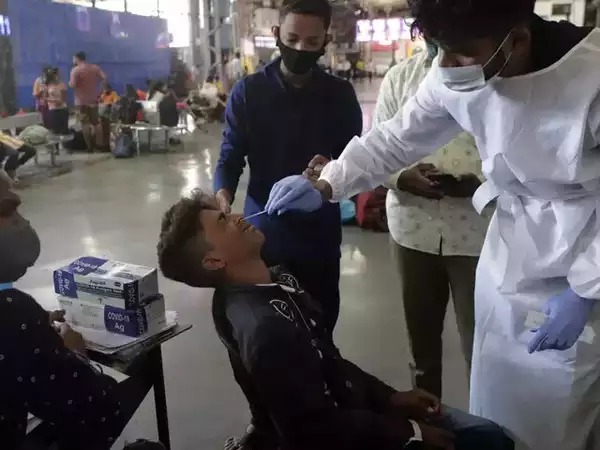
To study the immune response of people with long COVID-19, investigators analysed blood samples from 245 people diagnosed with long COVID-19 and 86 people who had COVID-19 and fully recovered. All the study participants had received either one or two doses of a COVID-19 vaccine regimen.

“We examined one part of the immune system response, the production of antibodies, which is mediated by immune cells called B-cells,” Le explained.

Specifically, the investigators looked at two types of antibodies that attack the virus that causes COVID-19. One of these is called the spike protein antibody, which attacks a protein on the exterior of the virus. The other is the nucleocapsid antibody, which attacks the part of the virus that allows it to replicate.

The investigators found that people who were diagnosed with long COVID-19 produced higher levels of spike protein and nucleocapsid antibodies than people without long COVID-19. Eight weeks after receiving a dose of the COVID-19 vaccine, antibody levels in people without long COVID-19 began to decrease, as was expected. People with long COVID-19, however, continued to have elevated antibody levels, especially of nucleocapsid antibodies.

“What you would expect after getting a COVID-19 vaccination is a jump in your spike protein antibody levels, but you wouldn’t expect a significant increase in nucleocapsid antibody levels,” said Susan Cheng, MD, MPH, the Erika J. Glazer Chair in Women’s Cardiovascular Health and Population Science, director of the Institute for Research on Healthy Aging in the Department of Cardiology at the Smidt Heart Institute, and a senior author of the study. “You would also expect these levels to eventually decrease and not persist for so long after vaccination.”

Although this study shows that long COVID-19 affects the immune system, it’s too soon to draw firm conclusions from these findings, according to the study’s authors.

“Theoretically, the production of these antibodies could mean that people are more protected from infection,” Le said. “We also need to investigate if the elevated immune response corresponds with severity or number of long COVID-19 symptoms.”

Investigators are continuing to study blood samples from people with long COVID-19. They are hoping to identify a measurable molecule that could be used to diagnose long COVID-19 and better understand the biological processes that cause it.

Read more at-https://bit.ly/421TZq0

Categories
COVID-19 Government Guidelines Medical Equipments

India logs 11,692 Covid cases in 24 hours, active caseload climbs to 66,170

Synopsis

India on Friday registered 11,692 new Covid-19 cases taking the tally of coronavirus infections in the country to 66,170, according to the Union Health Ministry data. The death toll has increased to 5,31,258 with 28 deaths, which includes nine reconciled by Kerala, stated the updated data.

India on Friday logged 11,692 new Covid-19 cases, while the active caseload increased to 66,170, according to the Union Health Ministry data.

India on Friday logged 11,692 new Covid-19 cases, while the active caseload increased to 66,170, according to the Union Health Ministry data.

With 28 deaths, which includes nine reconciled by Kerala, the death toll has increased to 5,31,258.

The Covid case tally was recorded at 4.48 crore (4,48,69,684)
The active cases now comprise 0.15 per cent of the total infections and the national Covid-19 recovery rate has been recorded at 98.67 per cent, the ministry said.

India logs 11,692 Covid cases in 24 hours, active caseload climbs to 66,170

The number of people who have recuperated from the disease surged to 4,42,72,256, while the case fatality rate was recorded at 1.18 per cent.

According to the ministry’s website, 220.66 crore doses of Covid vaccine have been administered in the country so far under the nationwide vaccination drive.

Amid rising cases of coronavirus across the country, Principal Secretary to the Prime Minister, P.K. Mishra, had undertook a review meeting to oversee the level of preparedness and public health response to it on Wednesday.

According to PTI sources in the know of things, Mishra advised officials to ensure operational readiness of hospital infrastructure till the sub-district level.

He also highlighted the need to examine the Covid-19 situation regularly and update advisories to guide the states.

Mishra also exhorted upon continuation of the ongoing time-tested strategy of Test-Track-Treat-Vaccination and adherence to Covid appropriate behaviour among the people.

The Indian Medical Association (IMA) on Monday had advised citizens not to panic amid rising cases, saying that they should maintain proper hygiene.

“Don’t panic. We have controlled it before, We will do it now also with your support. Covid cases are rising, but don’t panic. Maintain hygiene,” reported ANI, citing  the statement.

According to leading epidemiologists and virologists, the new Covid variant — XBB.1.16 — could be the reason behind the increase in cases.

“People in high-risk groups — pregnant ladies, those over the age of 60, those with chronic illnesses, and those with underlying health conditions, immunocompromised — face an increased risk of severe illness and death from Covid-19. We need to protect them,” read the statement.

Read more at-https://bit.ly/3oUcwq6

Categories
COVID-19 Government Guidelines Medical Updates Medicine & Health

India’s new COVID-19 cases jump 30% to 10,158; active tally nears 45,000-mark

Synopsis

The detection of new cases over the last 24 hours is a sharp 29.7% jump from 7,830 cases reported on Wednesday. Amid the recent upsurge in the number of Covid cases, medical experts have warned that the new XBB1.16 variant is able to evade the immune system of the people and the upcoming four weeks are very crucial.

Total instances of Covid-19 infections went up by 10,158 over the last 24 hours while active infections rose to 44,998, as per the latest data available on the Union Health Ministry website.

The detection of new cases over the last 24 hours is a sharp 29.7% jump from 7,830 cases reported on Wednesday.

The number of active cases has increased to 44,998, the data updated on Thursday showed.

India had reported 7,830 coronavirus infections on Wednesday.

The daily positivity rate was recorded at 4.42 per cent while the weekly positivity rate was 4.02 per cent. The active cases now constitute 0.10 per cent of the total infections.

India's new COVID-19 cases jump 30% to 10,158; active tally nears 45,000-mark

The nationwide COVID-19 recovery rate has been recorded at 98.71 per cent,according to the health ministry website. The case fatality rate was recorded at 1.19 per cent.

The number of people who have recuperated from the disease rose to 4,42,10,127.

According to the ministry’s website, 220.66 crore doses of Covid vaccine have been administered in the country.

Covid in India is moving towards the endemic stage, so the cases may keep rising for the next 10-12 days after which they will subside, official sources told PTI on Wednesday. The sources said even though the cases are increasing, hospitalisation is low and expected to remain low.

The current rise in Covid cases is being driven by XBB.1.16, which is a sub variant of Omicron, they added.

While Omicron and its sub-lineages continue to be the dominant variant, most of the assigned variants have little or no significant transmissibility, disease severity or immune escape.

The prevalence of XBB.1.16 increased from 21.6 per cent in February this year to 35.8 per cent in March. However, no evidence of an increase in hospitalisation or mortality has been reported, the source added.

Officials say more than 10 lakh beds are currently available across the country. Out of which, over 3 lakh beds are oxygen-supported, 90,785 are ICU beds, and 54,040 are ICU-cum-ventilator beds.

As part of the government healthcare infrastructure preparedness, 77,923 ventilators are functional, 261,534 oxygen concentrators, 685,567 oxygen cylinders are functional.

Besides a total 8,652,974 PPE kits and 28,039,957 N-95 masks are in stock. The health ministry has also stocked 668,432,658 paracetamol doses, 97,170,149 doses of Azithromycin and other essentials.

Also, 14,698 total Basic Life Support Ambulances and 4,557 Advance Life Support Ambulances are available. In addition to this, the government has 208,386 doctors oriented on Covid-19 management.

Read more at-https://bit.ly/41GgO28

Categories
COVID-19 Government Guidelines Medical Equipments Medical Updates

Covid-19 cases in children on rise; watch out for these signs and symptoms, preventive measures

Experts say that many kids are suffering from high grade fever, persistent cough and diarrhoea as the Covid cases across the country are on rise.

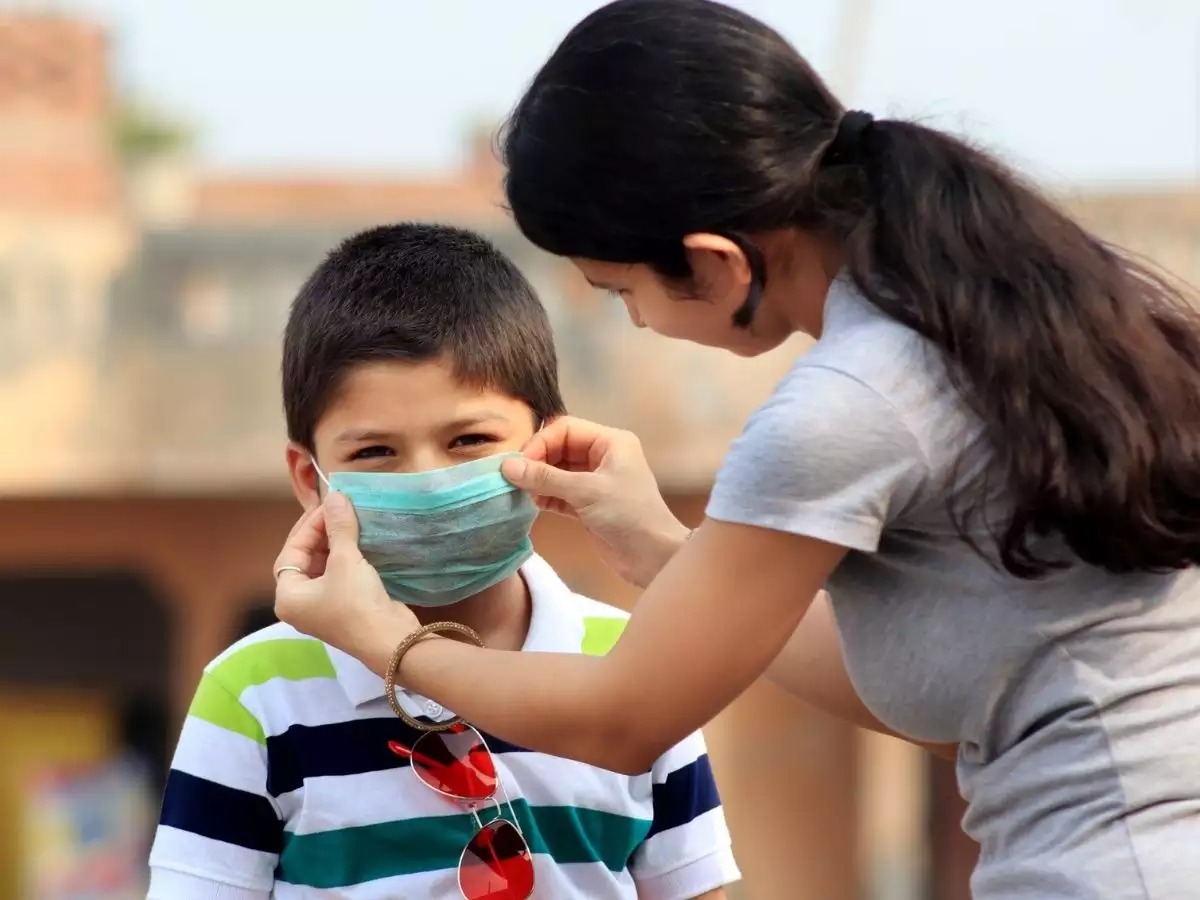
Covid-19 cases in children have been on rise in the past few days in kids under 15 years of age and while the symptoms are mostly mild in the little ones, experts have warned parents to take Covid-appropriate measures for preventing spread. Considering kids are vulnerable to viral infections and diseases like RSV (Respiratory Syncytial Virus), flu, adenovirus and Covid are on rise, it’s imperative to get them vaccinated if eligible, promote regular handwashing, and wearing masks (kids over 5 years). Children who have cough, cold, stomach flu and other flu-like symptoms should not be sent to school and get tested for Covid. Experts say one should not take the current surge in Covid cases lightly. Especially when it comes to high-risk children who have any kind of health complication like diabetes, asthma, heart disease among other issues, symptoms should be monitored closely.

Signs of Covid in kids

“In the past few days there have been reports of children less than 15 years getting infected with Covid. The cases though are mild and not very severe. The symptoms to watch out among kids remain same as we have seen in recent times which primarily include high fever, coughing, head and body ache, fatigue, runny nose to name a few which are very similar to other flu and adenovirus symptoms. In adenovirus though, other symptoms like redness of eyes, conjunctivitis and watery eyes can be seen through which we can differentiate between the two, says Dr. Kuldeep Kumar Grover, Head of critical care & Pulmonology – CK Birla Hospital, Gurgaon.

“Covid is a viral infection and like many other viruses, it has been around for some time. Symptoms of Covid like any other viral infection will be fever, cold, a bit of cough, stomach flu, diarrhoea, conjunctivitis, body pain etc. In adenovirus we see a little more conjunctivitis, swollen lymph nodes – these are just like tonsils that we have outside body also, lympth nodes are the tissue collections that can get swollen or painful just at the back of the neck or under the chin area. Other thing with Covid is that the symptoms are more gradual. The fever comes in gradually and may rise later on. In common flu, the symptom onset is usually very dramatic with sudden muscle ache, fatigue and high-grade fever. So, there’s no real one sign that can help differentiate between Covid and other viruses,” says Dr Poonam Sidana, Director Neonatology and Pediatrics, C K Birla Hospital Delhi.

“For the past one month, there has been a rapid rise in OPD footfalls of children who are suffering from symptoms like sore throat, cold, cough, diarrhoea, vomiting, abdominal pain and the fever which is high grade, reaching up to 103 degree or more. The cough is quite severe in these cases and in some cases even lasting for more than 3 weeks. Considering the symptoms of Covid, adenovirus, and RSV are similar, it’s difficult for parents to distinguish between the two. While fever, cough, cold, abdominal issues, vomiting are more common in Covid and other viral illnesses that are spreading nowadays, red eyes, sticky eyes and conjunctivitis is more common in case of adenovirus,” says Dr Somalika Pal, Senior Consultant, Department of Neonatology and Paediatrics, Cloudnine Group of Hospitals, New Delhi (East of Kailash)

Covid-19 cases in children on rise; watch out for these signs and symptoms, preventive measures

“Flu viruses such as SARS CoV-2 and Influenza virus, predominantly causes respiratory tract illness, while Adenovirus, a DNA virus, causes a variety of illness in addition to respiratory tract infections, such as conjunctivitis, ear infections, gastroenteritis, hepatitis, myocarditis, meningoencephalitis etc. The symptoms are usually fever, sore throat, running nose, cough, body ache, fatigue, shortness of breath, diarrhoea etc. In most cases, it is difficult to differentiate these based on symptoms alone,” says Dr Rohit Kumar Garg, Consultant, Department of Infectious Diseases at Amrita Hospital, Faridabad.

Signs of severe Covid in kids

“Parents must be watchful of symptoms and if high-grade fever is lasting for beyond 5 days or the cough is worsening, if the kid is lethargic, unable to feed, finding it difficult to breath, diarrhoea is worsening or the lips are seen parched or peeled, it’s a sign that your child may need hospital care,” says Dr Pal.

“Some patients may develop severe illness, such as pneumonia. Symptoms like persistent fever, severe cough, shortness of breath, low oxygen saturation, troubled, fast, noisy breathing, may help to suspect severe illness,” says Dr Garg.

Preventive measures for kids

“It is still critical for the kids and most importantly their parents to remain vigilant and protect themselves and their kids by teaching them to follow the Covid preventive measures in schools and nearby areas where they play with other kids like regular masking, self-hygiene and washing their hands and face frequently after coming from outside, sanitizing themselves properly at regular intervals. Also, parents are advised to undergo the RT-PCR test in case they see any symptoms as a precautionary step, says Dr Grover.

“Any child having fever, cough, cold, as a general principal should not be sent to school and get tested. Sports and other activities where kids are in close contact should be avoided in schools. Frequent handwashing, not touching nose or mouth is important. Kids over 5 years should be wearing masks and overcrowding in social gatherings and outings must be avoided,” says Dr Sidana.

Why Covid cases have been on rise in India

Dr. Pavithra Venkatagopalan, Coronavirologist and Covid Awareness Specialist, Rotary Club of Madras NextGen sheds light on why the number of Covid cases have been on rise for a couple of weeks in India.

“The number of cases of coronavirus has increased in the last few weeks in India. We have to first look at if the number of tests has increased. We are a country that is quite crowded giving a lot of infections a good environment to breed. Nowadays, a lot of respiratory infections are going on and some of them are taking a long time to heal, people are suffering for a longer time. Typically, this has been the flu but doctors will diagnose you when you are going through a severe respiratory infection, and they will have you test for known respiratory infections which are flu and cold.

While the XBB 1.16 has a change in the spike that allows it to infect people easily, it does not have a direct impact on the number of hospitalisations,” says Dr Pavithra.

Need for booster campaign

“It is also time for us to start with a booster campaign for Covid. It has to become like an annual booster that we all should be taking once a year. These thing matter, especially to people who are more vulnerable than the average population. Young children from 12-13 years onwards have been vaccinated, schools have had vaccination campaigns, most adults have had two doses, some have had one booster shot and some even had two booster shots. We have to work on the enthusiasm of people to get the annual vaccines as they become available so that the number of people carrying the infection will be reduced. This will help protect people whose immune systems are weaker like people with comorbidities, immuno-supressed people, people who have had transplants, women who are pregnant, and the population that can’t be vaccinated just yet. We have to bring that campaign back and increase awareness around vaccinations so that the number of people that can transmit the particles are reduced and thereby reducing the number of infections and severe cases,” adds Dr Pavithra.

Read more at-https://bit.ly/3KghEf6

Categories
COVID-19 Government Guidelines Medical Updates Medicine & Health

Doctors on essential medical tests one should go for after the age of 30 and 40

Experts say that certain basic tests can be started after the age of 30 while others pertaining to heart can be added after the age of 40. All you want to know

With age, wear-and-tear starts happening in the body. A faulty lifestyle, however, speeds it up and in many cases even advances ageing process. The youth usually tend to ignore their health and remain oblivious to underlying issues till they take the shape of a full-blown disease. No wonder, the reports of sudden cardiac arrests and brain strokes are on the rise these days. As symptoms of a serious disease take time to appear, ignorance to early signals at time cost very dearly. It is therefore important to go for preventive health check-up to diagnose a disease early on and go for curing it. People who have history of heart disease, diabetes, blood pressure, cancer in their families especially should not delay getting the required tests so as to nip the disease in the bud and start early treatment.

“The precarious nature of human life has become all the more evident over the past few years as new viruses and illnesses are emerging and with that a host of health problems. But only a healthy body can and will be able to deal with the various environmental and mental health issues. With age, the immunity and healing capacity of body goes on decreasing and a person should seek regular medical advice and can periodically perform certain medical tests to stay fit. Basic tests can be started after the age of 30 and certain tests pertaining to heart can be added after the age of 40,” says Dr Tushar Tayal, Consultant, Internal Medicine, CK Birla Hospital.

“There is no specific test recommended below the age of 40 to any gender unless there is a family history of critical genetic illness like sickle cell anaemia, thalassemia etc, some disorders like hypertension, diabetes and history of sudden death etc. In above conditions it’s not required to undergo all the tailored health checks but consult medical specialists to know what is required.

We are seeing rise in people of younger age group coming to our OPD and asking to recommend various tests however, it is recommended that tests should only be done if it is prescribed by medical specialist,” says Dr Mugdha Tapdiya, Senior Consultant- Internal Medicine, Fortis Hospital, Vasant Kunj.

Dr Tapdiya says that people under 40 should go for specific tests only if there is easy fatiguability, less sleep, disturbed sleep, headache for more than two weeks, breathing difficulties, recurrent fever, joint pain, muscles stiffness or cramps, dry eyes or any other symptom that does not explain the uneasiness or is unusual.

Doctors on essential medical tests one should go for after the age of 30 and 40

At what age is complete health check-up required

“Complete health screening check-ups are recommended after age of 42 years and every two years up to the age 60 years; after that it is recommended to have health checks every year. However again it is preferred to have a tailored tests for each individual after age 60 years rather than undergoing fixed health care packages. Best is to listen to your body. Body will give some or the other symptoms if there is any underlying proliferating disease,” says Dr Tapdiya.

Tests to undergo after 30 and 40

However, in case of risk factors or any other discomfort, one should get tested after taking advice from their medical expert. Dr Tayal shares list of tests people should undergo at the age of 30 and some additional tests for people over 40.

Blood pressure monitoring: This should be done bi-annually, especially in people with strong family history; ideally BP should be below 130/84 mm Hg.

HbA1C: It can be done annually in people with sedentary lifestyle, obesity and strong family history to rule out diabetes. A person is nondiabetic at an HBA1C value below 5.7, prediabetic till 6.3 and diabetic above 6.4.

Liver function test: It can be done annually to rule out chronic liver disease and fatty liver disease.

Thyroid function test: If symptoms of underactive thyroid are present such as weight gain, hair loss and irregular menses, then you must get this test done.

Vitamin D and B12: This can be done annually and if found deficient appropriate supplements and dietary changes can be implemented.

Lipid profile: Especially in sedentary people and those with family history of heart disease this test is important. LDL cholesterol should ideally be below 100 And HDL should be in the high normal range.

Usg abdomen: This can be done annually in people with history of fatty liver or gall bladder/kidney polyps.

Breast ultrasound: Get this done every three years to rule out breast malignancy till the age of 40.

Pap smear test: This should be performed every three years to detect early changes of cervical cancer.

Screening for sexually transmitted infections: This should be done annually in individuals belonging to high-risk groups.

Tests after 40

After 40 years of age, following additional tests can be done:

1. Stool occult blood: This test can be done for early detection of colon cancer.

2. Prostate specific antigen: This is a blood marker for detection of prostate cancer in men, especially if there is family history of prostate cancer.

3. Mammogram: This should be done annually in women for early detection of breast cancer.

4. ECG -Electrocardiogram: This can be done annually for early detection of heart disease.

Read more at-https://bit.ly/3ZMDGM5

Categories
Government Guidelines Medical Equipments Medical Updates

Why hemp seed oil is the perfect summer skincare solution? Check out its amazing benefits

From combating dryness to sun damage, hemp seed oil is a must-have summer essential for combating all skin woes. Check out its amazing benefits.

With the arrival of summer, people tend to dress in lighter attire and spend more time outdoors. But the high temperature can be pretty harsh for the skin. Excessive sweating and humidity from the heat and sun exposure take a toll on the skin, leaving it dry, irritated, and prone to breakouts. Late March or early April is the perfect time to invest in sustainable and holistic summer-appropriate skincare for nourished and glowing skin. Hemp seed oil is a powerful ingredient that has taken the skincare industry by storm, especially in the clean and conscious beauty space.

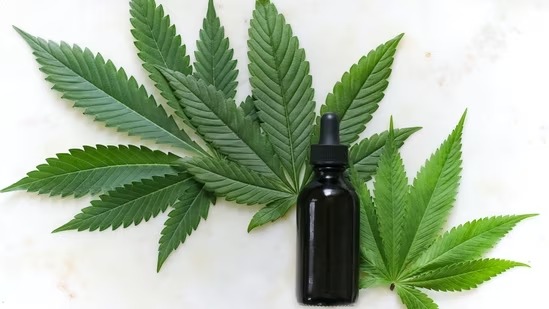
It is a cold-pressed oil that is extracted from the seeds of the hemp (Vijaya) plant and is rich in essential fatty acids, including omega-3 and omega-6, antioxidants, vitamins, and minerals, which are important for healthy skin. Being natural and non-toxic, hemp is slowly gaining prominence as an effective remedy for skin woes.

It is a cold-pressed oil that is extracted from the seeds of the hemp (Vijaya) plant and is rich in essential fatty acids, including omega-3 and omega-6, antioxidants, vitamins, and minerals, which are important for healthy skin. Being natural and non-toxic, hemp is slowly gaining prominence as an effective remedy for skin woes.

Why hemp seed oil is the perfect summer skincare solution? Check out its amazing benefits

2. Soothes sunburned skin

Sunburns are a common problem during the season, but hemp seed oil can help soothe the pain and inflammation associated with sunburned skin. Coupled with the oil’s moisturising properties that help in preventing peeling and flaking, the presence of gamma-linolenic acid (GLA) acts as a powerful anti-inflammatory and works to reduce redness and swelling of the skin. Further, the oil is efficacious in the treatment of various dermatological indications, such as psoriasis and eczema.

3. Helps to prevent breakouts

Perspiration during the summer months causes the skin to produce excess oil, leading to clogged pores and breakouts. This is especially true for people with oily and acne-prone skin. Using hemp seed oil is an excellent choice for people with this skin type, as it is non-comedogenic, meaning it won’t clog pores. In addition, its antibacterial properties aid in preventing the growth of acne-causing bacteria.

2. Soothes sunburned skin

Sunburns are a common problem during the season, but hemp seed oil can help soothe the pain and inflammation associated with sunburned skin. Coupled with the oil’s moisturising properties that help in preventing peeling and flaking, the presence of gamma-linolenic acid (GLA) acts as a powerful anti-inflammatory and works to reduce redness and swelling of the skin. Further, the oil is efficacious in the treatment of various dermatological indications, such as psoriasis and eczema.

3. Helps to prevent breakouts

Perspiration during the summer months causes the skin to produce excess oil, leading to clogged pores and breakouts. This is especially true for people with oily and acne-prone skin. Using hemp seed oil is an excellent choice for people with this skin type, as it is non-comedogenic, meaning it won’t clog pores. In addition, its antibacterial properties aid in preventing the growth of acne-causing bacteria.

“The many benefits and versatility of hemp seed oil make it a potent ingredient for summer skin care. Unlike other oils, it is light and non-greasy, making it a great choice for all skin types. Many hemp-based inventions are now available in the market, from oils and serums to creams and moisturisers. Incorporating them into your daily skincare routine can help you solve your skin woes and ensure healthy, radiant skin all summer long,” concludes Dr. Harshad.

Read more at-https://bit.ly/3Gac8tf

Categories
Medical Equipments Medical Updates

Reduce HDL cholesterol to combat infertility: Study

The study demonstrates that by reducing the levels of HDL cholesterol, female infertility can be addressed.

By lowering high levels of circulating cholesterol with a bacterial protein, researchers at Houston Methodist demonstrated another link between high cholesterol and female infertility in sterile mice. One in five American women of reproductive age still cannot conceive after trying for a year, so this is an encouraging development.

“We are working with a protein, called serum opacity factor, with unique characteristics,” said Corina Rosales, PhD, assistant research professor of molecular biology in medicine with the Houston Methodist Research Institute and lead author on the study. “In our experiments, serum opacity factor lowered cholesterol levels by over 40 per cent in three hours. So, this protein is quite potent.”

The results are published in the American Society for Biochemistry and Molecular Biology’s Journal of Lipid Research.

While this protein’s primary function is to increase bacterial colonization, it also alters the structure of cholesterol-carrying high-density lipoproteins, or HDLs, making it easier for the liver to dispose of the excess cholesterol that’s preventing conception. The researchers also noted that serum opacity factor’s dramatic action on HDL could be leveraged as a potential alternative to statins, which are the current gold standard for lowering cholesterol in people with atherosclerosis.

Reduce HDL cholesterol to combat infertility: Study

HDL, known as the “good cholesterol,” carries excess cholesterol from different tissues to the liver for breakdown, thereby bringing down cholesterol levels. However, if there is HDL dysfunction, lipid metabolism gets altered, which could then be harmful, like its counterpart LDL, or low-density lipoprotein. Often called “bad cholesterol,” LDL carries cholesterol from the liver to other tissues, with high levels of it causing accumulation and diseases.

“Both HDLs and LDLs contain a mixture of free and esterified cholesterol, and free cholesterol is known to be toxic to many tissues,” said Henry J. Pownall, PhD, professor of biochemistry in medicine at the Houston Methodist Research Institute and corresponding author on the study. “So, any dysfunction in HDL could be a risk factor for several diseases, too.”

To study HDL dysfunction, the researchers worked with preclinical mouse models that had unnaturally high levels of HDL cholesterol circulating in their bloodstream. While this made them ideal for studying atherosclerosis, Rosales observed that these mice were also wholly sterile.

“Cholesterol is the backbone of all steroidal hormones, and an orchestra of hormones is needed to have a fertile animal,” Rosales said. “We know that the ovaries are studded with receptors for HDL, so the metabolism of HDL had to play a very important role in fertility for that reason.”

As predicted, when the researchers fed the sterile mice with a lipid-lowering drug, both LDL and HDL cholesterol levels were reduced, and the animals were temporarily rescued from infertility. Motivated by these results, they turned to the bacterial protein serum opacity factor, known to be highly selective for HDL.

“Serum opacity factor is known mainly in the context of bacterial strep infections where it serves as a virulence factor. But it was also discovered that this protein only reacts to HDL and not to LDL or other lipoproteins,” Rosales said. “We hypothesized that perhaps administering serum opacity factor to these mice might help restore their fertility, as well.”

For their next set of experiments, the team engineered an adeno-associated virus to deliver the gene for serum opacity factor to the mice lacking HDL receptors that had high blood cholesterol. When the gene was expressed and the bacterial protein was produced, the animals’ HDL cholesterol significantly lowered, and their fertility was restored.

Based on these promising preclinical results, the researchers next plan is to conduct a clinical study to investigate lipid levels in women undergoing treatments for idiopathic infertility, where the underlying causes are not fully known. If these patients have high HDL levels, then the researchers say serum opacity factor may be a line of future treatment.

Read more at-https://bit.ly/3lypx7b