Categories
Medical Updates Medicine & Health

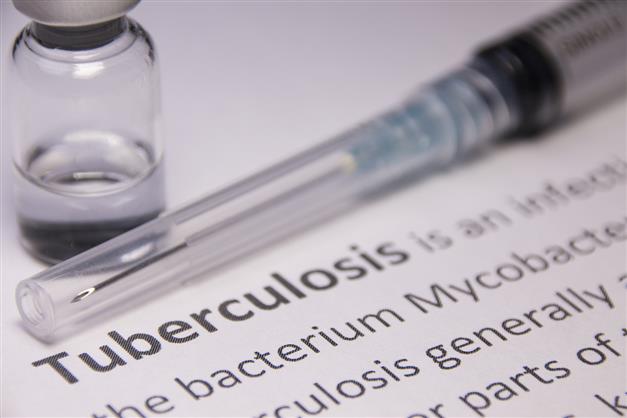
9.5 lakh tuberculosis patients adopted under ‘Pradhan Mantri TB Mukt Bharat Abhiyan’

Over 9.5 lakh tuberculosis patients have been adopted under the ‘Pradhan Mantri TB Mukt Bharat Abhiyan’ which was launched by President Droupadi Murmu on September 9 with an aim to eliminate the disease five years ahead of the SDG (Sustainable Development Goal) target of 2030.

Under this community support programme, tuberculosis patients can be adopted and cared for by an individual, elected representatives or institutions through Ni-kshay 2.0 portal.

So far, the portal has seen 15,415 registrations of ‘Ni-kshay Mitras’ (TB patient care-takers) which include individuals, organisations, industries and elected representatives among others, an official said.
According to government data, of the total 13,53,443 TB patients, including the multi-drug resistant ones, presently on treatment in the country, 9.57 lakh patients have given their consent to be adopted — and almost all of them (9,56,352) have been adopted till Saturday.

The government aims to ensure the adoption of all consented TB patients by Prime Minister Narendra Modi’s birthday on September 17.

The people and institutions coming forward to take care of the patients are being called “Ni-kshay Mitra”. They can adopt blocks, districts or even an individual patient and provide nutritional and treatment support to help them recover.

The four-pronged support includes nutritional, additional diagnostic, additional nutritional supplements and vocational support. The donors could be a wide range of stakeholders from elected representatives, political parties to corporates, NGOs, institutions and individuals.
9.5 lakh tuberculosis patients adopted under ‘Pradhan Mantri TB Mukt Bharat Abhiyan’

Under the programme, a monthly food basket comprising three kg of rice, 1.5 kg of pulses, 250 grams of vegetable cooking oil and one kg of milk powder or six litres of milk or one kg of groundnut has been recommended for each tuberculosis patient. Thirty eggs can also be added to the basket, according to an official source.

“In addition to nutritional support, the donor organisation or individual may also provide vocational support, additional diagnostic help or nutritional supplements containing B complex vitamins, vitamin C and minerals,” the official said.

Explaining the vocational support part, he said presently, 65 to 70 per cent of the TB patients are in the age group of 15 to 45 years.

The minimum period of commitment for providing additional support to a TB patient shall be one year, he said, adding that there are options of a support programme for two and three years.

This is a voluntary initiative, he added.

The campaign is an expansion of the Union health ministry’s focus on the eradication of tuberculosis by ramping up community support.

Read More At:-shorturl.at/FJT37
Categories
Medical Updates Medicine & Health

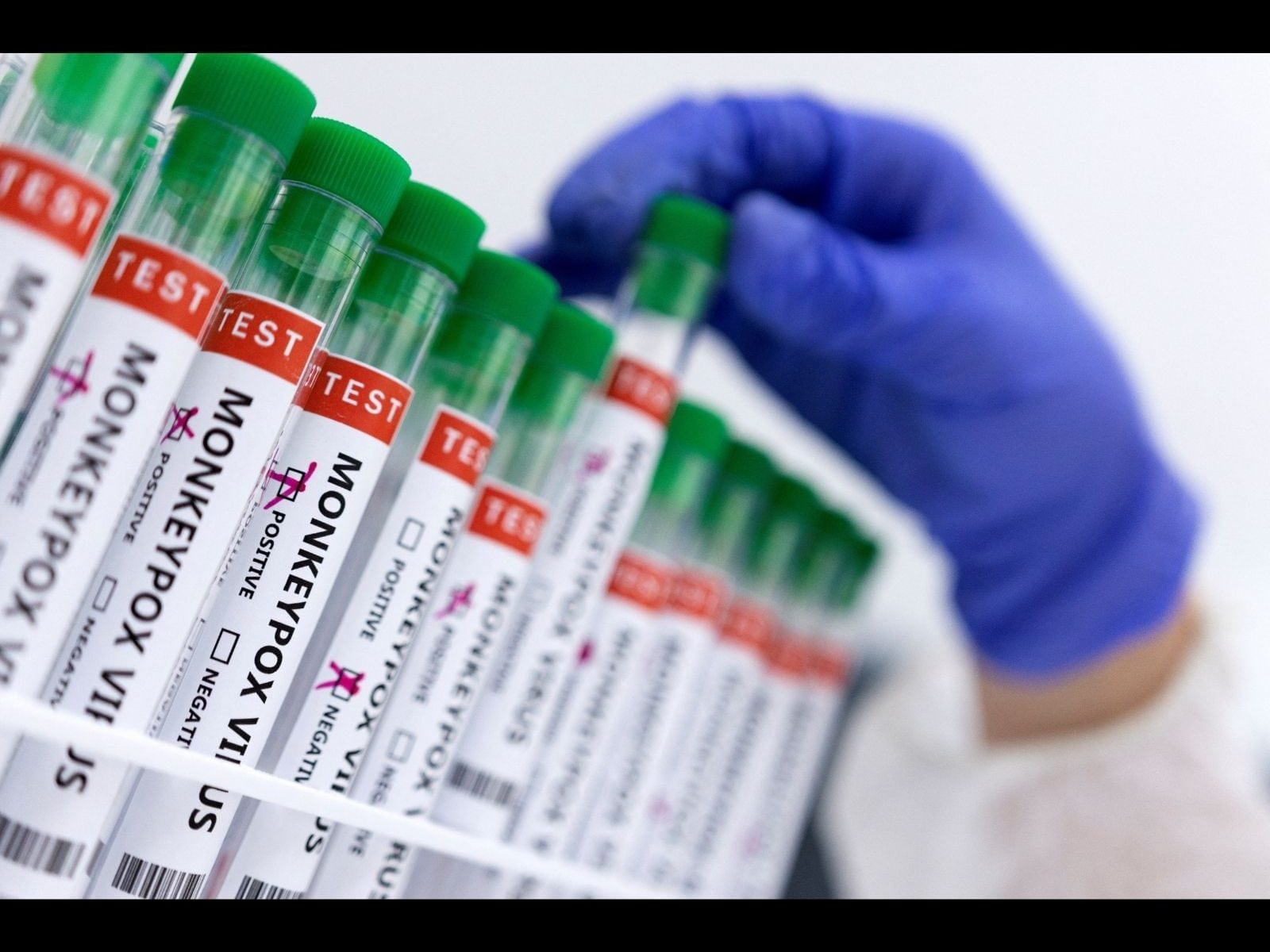
Delhi reports fresh case of Monkeypox! Nigerian woman tests positive – Details here

The monkeypox case tally in India has reached 13 after a 30-year-old Nigerian woman in Delhi reportedly tested positive. This is the 8th case of the viral infection in the national capital, the PTI reported quoting sources on Friday. The woman has been admitted to Lok Nayak Jai Prakash Narayan Hospital (LNJP), they added.

Another person suspected to be suffering from monkeypox has also been admitted to the Delhi government-run hospital, sources said. According to the sources, the woman’s condition is currently being monitored.

The early six cases have been treated and discharged, a senior doctor said. Monkeypox is a viral zoonotic disease having common symptoms such as fever, skin lesions, lymphadenopathy, headache, muscle aches, exhaustion, chills or sweats and sore throat and cough.

Delhi reports fresh case of Monkeypox! Nigerian woman tests positive

According to a recent study done by the LNJP and the Indian Council of Medical Research (ICMR), patients in the first five cases showed “mild to moderate grade intermittent fever, myalgia (muscle pain) and lesions on the genitals, groins, lower limb, trunk and upper limb”. Four of these cases had non-tender firm lymphadenopathy (swelling of lymph nodes).

The study further asserted that no secondary complications or sexually transmitted infections were recorded in these cases except for Hepatitis B in one case. In Delhi, the first case of monkeypox was reported on July 24. LNJP Hospital has been made the nodal facility to treat patients with the viral infection.

According to a WHO report last month, the number of monkeypox cases globally dropped by 21%, reversing a month-long trend of rising infections. The report further said that a possible signal of outbreak in Europe may be starting to decline as well.

As many as 60,799 monkeypox cases have been reported across the world, as per the data by Centres for Disease Control and Promotion. The global death toll from monkeypox currently stands at 20.

Read More At:-https://bit.ly/3Lp9uBj


Categories
COVID-19 Medical Updates Medicine & Health

90% high-risk Covid patients recover within 10 days due to Yoga, Ayurveda

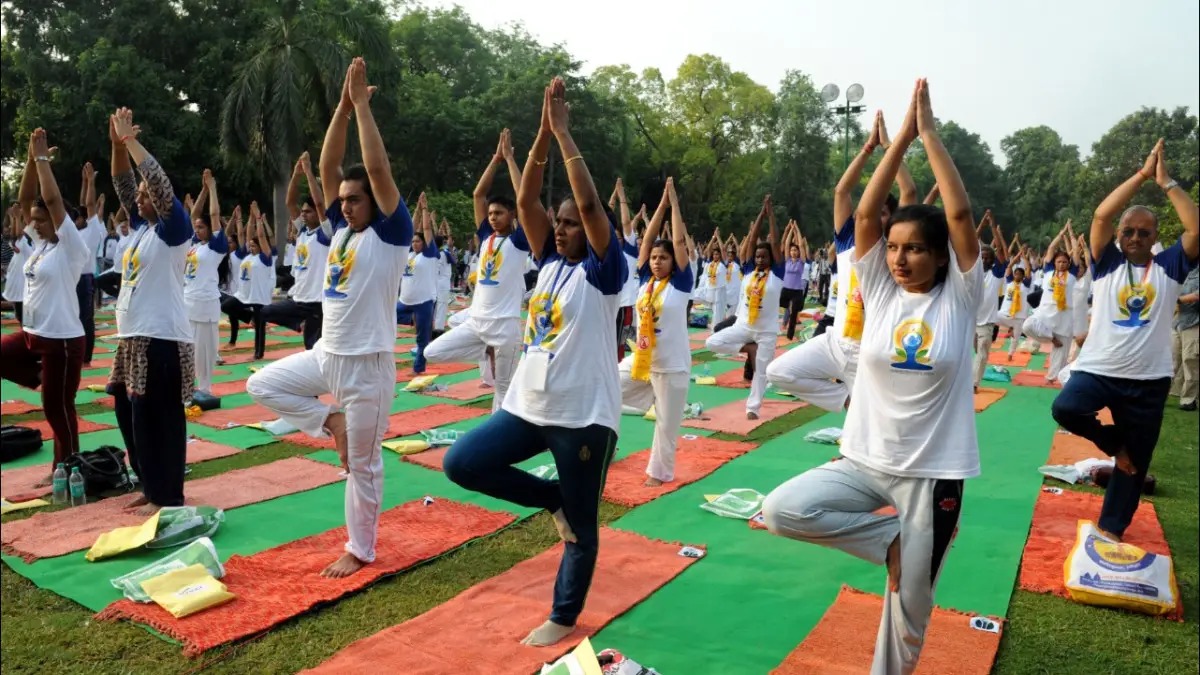
Yoga and ayurveda may be effective in the treatment of high-risk cases of Covid-19, according to a research by the IIT-Delhi and Dev Sanskriti Vishwavidyalaya, Haridwar.

NEW DELHI : In the latest of ways to fight Covid-19, Indian Institute of Delhi (IIT-D) has found that yoga and ayurveda has proven effective in the high risk cases of the fatal contagious disease. India lost millions to Covid-19 when the Delta variant was dominant. The research was conducted by the Indian Institute of Technology (IIT), Delhi and Dev Sanskriti Vishwavidyalaya, Haridwar.

90% high-risk Covid patients recover within 10 days due to Yoga, Ayurveda

The study has been published in the Indian Journal of Traditional Knowledge. The study has also stated that yoga and ayurveda has proven instrumental in relieving such patients from anxiety and aid in speedy post-treatment recovery from Covid-19.

The experiment

The study was conducted in 30 high-risk patients of Covid-19. Besides the standard care treatment according to guidelines, the patients were prescribed ayurvedic medicines through telemedicine, and administered a personalized therapeutic yoga programme using video conferencing.

“Almost all the patients were classified as high-risk owing to one or more of co- morbidities such as Diabetes Mellitus, Hypertension, Chronic Kidney Disease, Coronary Artery Disease (which are known to lead to severe outcomes in cases of COVID-19), and/or age above 60.

The treatment

The treatment included ayurvedic medicines, daily yoga-sessions including deep relaxation techniques, pranayama and basic asanas and some lifestyle modifications. Based on the administered treatment, the cases were categorized into YAS (Yoga-Ayurveda based treatment, with possibly allopathic supplements), YASP (Yoga-Ayurveda based treatment, with possibly allopathic Supplements and Paracetamol), YAM (Yoga-Ayurveda based treatment, and Modern Western Medicine (MWM).

The patients, most of whom presented with many symptoms prior to the Yoga and Ayurveda treatment, were followed-up telephonically regularly until recovery.

The treatment given to the patients was personalized (in accordance with the classical texts) and took account of each patient’s medical history and the symptoms presented, which made it more effective as compared to a fixed standardized treatment plan, a researcher stated.

Results

More than half of symptomatic patients started improving within five days (90 per cent within nine days) and more than 60% reported at least 90% recovery within 10 days.

“Six patients with oxygen saturation (SpO2) below 95 per cent, benefited through Makarasana and Shithilasana; none progressed to composite endpoints (consisting of admission to intensive care unit, invasive ventilation or death). Most patients reported that the therapy had a profound impact on their recovery process, with many experiencing improvements with respect to their comorbidities too.

“By the end of the treatment, several patients had decided to adopt yoga in their lifestyle, and several turned to the ayurveda doctors in the team for management and treatment of their comorbidities,” said Sonika Thakral, a scholar at IIT Delhi, who coordinated with the patients for routine follow-up.

Read More At:-https://bit.ly/3RWEhHY

Categories
Medical Updates Medicine & Health

New study finds the minimum blood sugar levels to avoid diabetes.

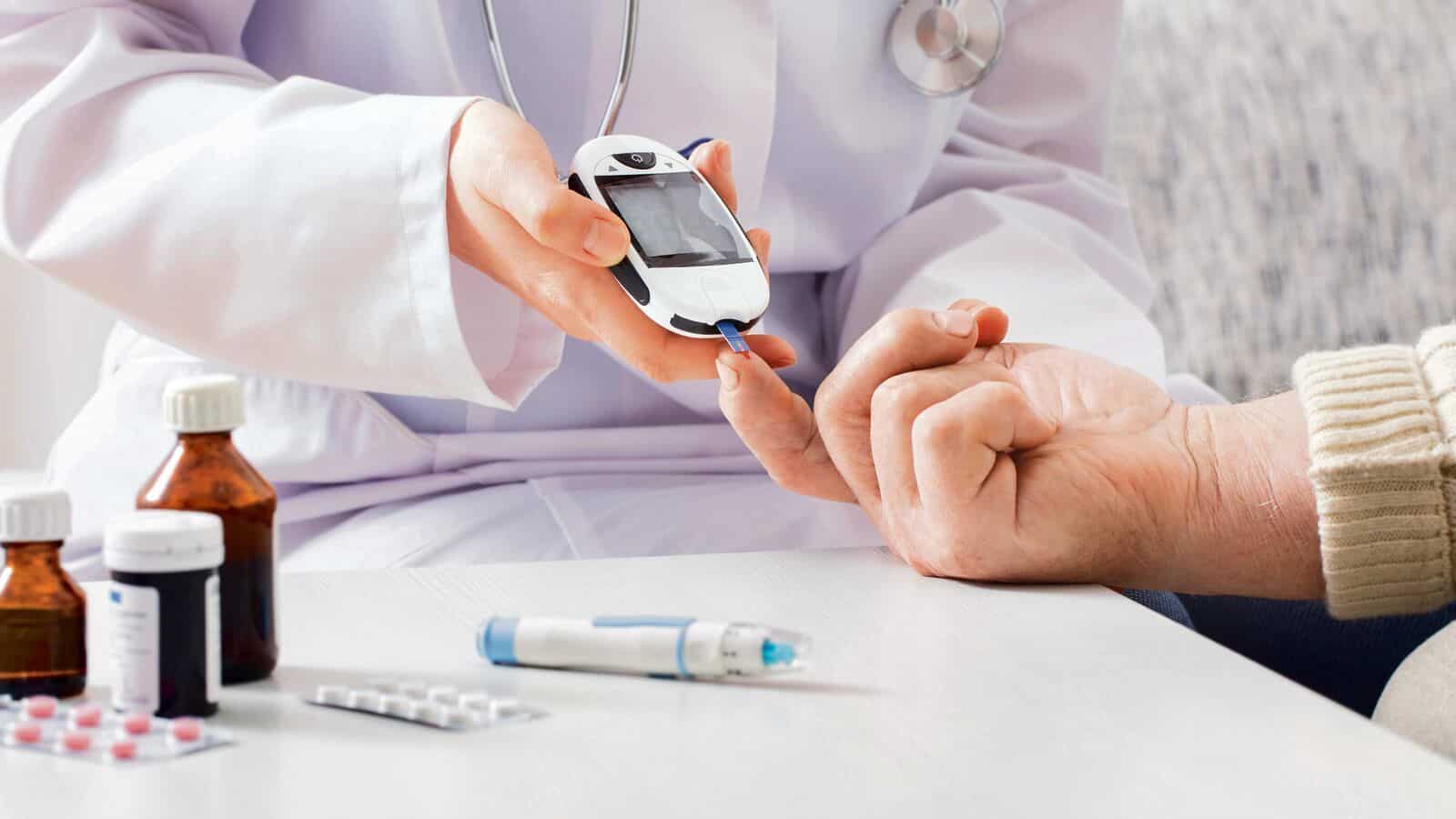
Long-term blood sugar levels, known as HbA1c, can be used to accurately predict the risk of a person with type 1 diabetes having eye and kidney problems.

A new research has revealed the minimum blood sugar levels that is required to avoid health complications related to diabetes. It is well known that long-term blood sugar levels, known as HbA1c, can be used to accurately predict the risk of a person with type 1 diabetes having eye and kidney problems, the new research states that this level should be lower than 53 mmol/mol (7%).

Notably, the study tracked people for more than 30 years after they were diagnosed with type 1 diabetes and the results were published in Diabetes Care, as per news agency ANI.

New study finds the minimum blood sugar levels to avoid diabetes.

Categories
COVID-19 Medical Updates Medicine & Health

Did you get you annual flu vaccine? It can lower risk of heart attack, says study

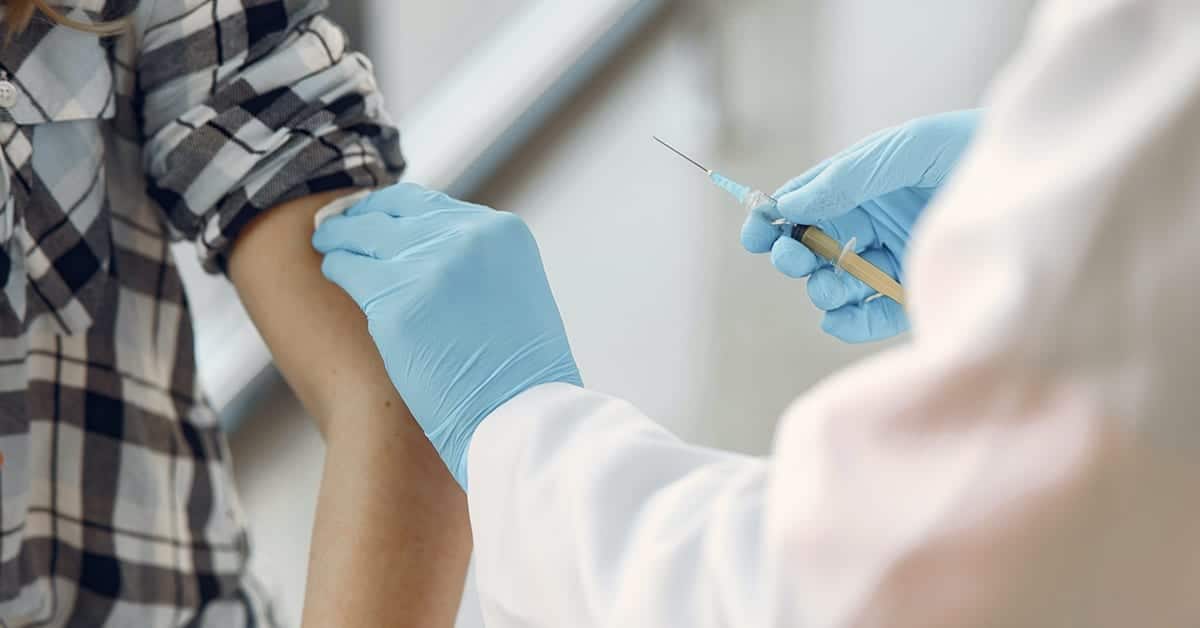
Getting an annual flu vaccine shot may help to lower the risk of stroke, according to researchers.

A study published in the medical journal of the American Academy of Neurology says that getting your annual flu vaccine could lower the risk of stroke in people. Researchers have stated that the annual flu vaccine could lower the risk of stroke, however, it still remains a mystery whether the jab could prevent stroke altogether.

Did you get your annual flu vaccine? It can lower risk of heart attack, says study

“Studies have shown that getting the flu increases your risk of having a stroke, but research is still being collected on whether getting the flu vaccine can help protect against a stroke,” said study author Francisco J. de Abajo, MD, MPH, PhD, of the University of Alcala in Madrid, Spain.

“This observational study suggests that those who have a flu shot have a lower risk of stroke. To determine whether this is due to a protective effect of the vaccine itself or to other factors, more research is needed.”

How the study worked?

The study looked at ischemic stroke, which is caused by a blockage of blood flow to the brain and is the most common type of stroke.

For the study, researchers looked at a health care database in Spain and identified people who were at least 40 years old and had a first stroke over a 14-year period. Each person who had a stroke was compared to five people of the same age and sex. There were 14,322 people who had a stroke and 71,610 people who did not have a stroke.

Then the researchers looked at whether people had received the influenza vaccine at least 14 days before the stroke or before that same date for those who did not have a stroke.

A total of 41.4% of those who had a stroke had received the flu shot, compared to 40.5% of those who did not have a stroke. But the people who got the shot were more likely to be older and to have other conditions such as high blood pressure and high cholesterol that would make them more likely to have a stroke. Once researchers adjusted for those factors, they found that those who received a flu shot were 12% less likely to have a stroke than those who did not.

The researchers also looked at whether the pneumonia vaccine had any effect on the risk of stroke and found no protective effect.

Researcher speak

“These results are yet another reason for people to get their yearly flu shot, especially if they are at an increased risk of stroke,” de Abajo said. “To be able to reduce your risk of stroke by taking such a simple action is very compelling.”

Since the study was observational, it does not prove that getting the flu shot reduces the risk of stroke. It only shows an association. There could be other factors that were not measured that could affect the risk of stroke.

Incidences of heart attack

The study comes at a time, when several tragic deaths have been reported in India. From noted Bollywood singer Krishnakumar Kunnath, also known as KK, to investor and billionaire Rakesh Jhunjhunwala, suffered heart attack and passed away.

Further a news anchor from Oklahoma experienced the “beginning of a stroke” while reporting news on live TV. Anchor Julie Chin, who works for NBC affiliate KJRH was reading the news of the attempted launch of NASA’s Artemis 1 rocket when she began to stumble over her words.

Another incidence of heart attack happened in Jammu, where a performer was recorded collapsing in the middle of their performance, later confirmed to have died of heart attack.

Read More At:-https://bit.ly/3qG2HcO

Categories
COVID-19 Medical Updates

PM to launch ₹64k-cr health infra scheme from Varanasi today

Prime Minister Narendra Modi on Monday will launch the Pradhan Mantri Atmanirbhar Swasth Bharat Yojana (PMASBY), worth 64,180 crores, to strengthen the health care infrastructure across the country.

According to a statement by the press information bureau, the Prime Minister will inaugurate the project from his parliamentary constituency Varanasi, during a visit to poll-bound Uttar Pradesh. Besides this, he will also inaugurate nine new medical colleges at Siddharth Nagar, the bureau added.

“Prime Minister Narendra Modi will visit Uttar Pradesh on 25th October, 2021… at around 1.15 in Varanasi, the Prime Minister will launch PMASBY. It will be one of the largest pan-India schemes for strengthening healthcare infrastructure across the country. It will be in addition to the National Health Mission,” a note by the press information bureau said on Sunday.

“Modi will also inaugurate various development projects worth more than 5,200 crore for Varanasi,” it added.

The PMASBY scheme with an outlay of around 64,180 crore over six years (till financial year 2025-26) was announced by the Centre during the Budget session in February this year. This scheme will be in addition to the National Health Mission, the statement said.

The scheme focuses on developing capacities of health systems and institutions across the continuum of care at all levels — primary, secondary and tertiary — and on preparing health care systems for responding effectively to the current and future pandemics, and disasters, it added.

Under the scheme, government support will be provided to 17,788 rural health and wellness centres in 10 high-focus states. At least 11,024 urban health and wellness centres will be set up.

Besides these, critical care services will be available in districts having more than 500,000 population, through exclusive critical care hospital blocks, while the remaining districts will be covered through referral services.

“Under PMASBY, a National Institution for One Health, 4 New National Institutes for Virology, a Regional Research Platform for WHO South East Asia Region, 9 Biosafety Level III laboratories, 5 New Regional National Centre for Disease Control will be set up. PMASBY targets to build an IT enabled disease surveillance system by developing a network of surveillance laboratories at block, district, regional and national levels, in Metropolitan areas. Integrated Health Information Portal will be expanded to all States/UTs to connect all public health labs,” the statement said.

Experts believe it is time to strengthen the medical infrastructure at the ground level.

“In a country like India whatever efforts we make to improve the health care system, it will still be less because of the population; and inaccessibility and affordability is also an issue… This underutilised infrastructure in the pvt sector can be utilised either through Ayushman Bharat or any other schemes…,” said Dr. MC Misra, former director, AIIMS, Delhi.

source: https://www.hindustantimes.com/

Categories
Medical Updates Uncategorized

‘Israel seeks greater engagement with India on big data, tech, healthcare’

Israel wants India to play a greater role in the emerging strategic landscape in the Middle East, with its own transformed relationship with the Arab world.

On the eve of foreign minister S Jaishankar’s visit to Israel, Alon Ushpiz, foreign secretary of Israel, sat down for an exclusive chat with TOI.“We want very much to look into, how can the new situation in the Middle East have an Indian angle to it? How can we incorporate India into the opportunities that are emerging? Normally this region is flooded with threats and challenges. But in the last year, I have seen the dramatically changed landscape in the Middle East because of the Abraham Accords. This is really a strategic earthquake.”

This is India’s first high-level engagement with the Naftali Bennett government in Jerusalem, therefore a visit that will be closely watched in Israel. India, particularly Modi, enjoyed an unprecedented relationship with former PM Benjamin Netanyahu’s government, and the signals from the visit will be a pointer to the future of one of the closest relationships in the world. Therefore the Jaishankar-Yair Lapid discussions would be significant.

Interestingly, Ushpij said, while no one in the Quad had contacted Israel, they would like to engage “with anyone” on the Quad focus areas of vaccines, emerging technology, climate change, and security. “We would be happy to engage in any dialogue in these areas. I would be very happy to deepen our cooperation with India on all these issues. But… none of the Quad has knocked on our door. ”

Ushpij said that the next frontier of the bilateral relationship lies in Big Data, technology, health care, and communication.

“We don’t have the luxury of missing out when it comes to technology—AI, quantum computing, big data, cyber—all things that can be part of our security collaboration and economic prosperity, but also provide security. And stability for our people.”

“We have to be very strict, keep our eyes on the ball when it comes to new areas of technology. There is no doubt in my mind that technology can easily decide the economic fortunes of nations,” Ushpij said.

Iran will remain a challenging destination for both countries. Ushpiz said that Iran is “very determined to have a nuclear capability, which I think they have not given up, which I believe they want to take forward as quickly as possible, which we believe they will make every promise.” in violation of what they have done and every paper that they have signed.

Unfortunately, in their mind, in the mind of the Iranians, they do not see a strong and strong reaction from the international community. ”

India, on the other hand, is doubling down on Iran, especially in the context of the latest security challenges emerging from Afghanistan.

source: https://timesofindia.indiatimes.com/


Categories
COVID-19 Medical Equipments Medical Updates

Days Away From 1 Billion Vaccine Milestone, India Plans Big Celebration

The Health Ministry is preparing to celebrate administering 100 crore, or a billion vaccine doses with a variety of events across the country, sources.

The Health Ministry expects that India should be able to reach the milestone next week by Monday or Tuesday, the sources said, adding that Prime Minister Narendra Modi may also address the nation to thank healthcare workers for their immense contribution to India’s vaccine drive.

The Union Health Ministry is planning to celebrate the day with events across India, sources told News18, adding that it plans to involve Covid-19 warriors and ground-level healthcare staff, who are key to the vaccination drive.

Health Minister Mansukh Mandaviya has also sought ideas from the Ministry’s officials on how to honor Covid-19 warriors during the celebrations of 100 crore doses, including those who lost their lives in the line of duty.

Special recognition will also likely be announced to motivate the healthcare workers and professionals, and ASHA and Anganwadi workers who have been working tirelessly in the fight against Covid.

The BJP also plans to hold various activities across the country which may include a thank-you drive for doctors and professionals.

On October 10, Mandaviya had hailed India’s vaccine drive after the country crossed the 95 crore-landmark on Sunday, adding that the country is “marching rapidly towards administering 100 crore vaccine doses”.

According to the Cowin dashboard, 96,74,52,484 vaccine doses have been administered as of yet in the country. Thirty-two lakh vaccine doses have been administered on Wednesday till 7 PM.

Meanwhile, more than 97.79 crore COVID-19 vaccine doses have been provided to states and UTs so far, the Union Health Ministry said on Wednesday. Over 8.43 crore balance and unutilized vaccine doses are still available with the states and UTs to be administered, it said.

The vaccination drive has been ramped up through availability of more vaccines, advance visibility of vaccine availability to states and UTs for enabling better planning by them, and streamlining the vaccine supply chain, the ministry said.

More than 97.79 crore vaccine doses have been provided to States/UTs so far through Govt of India (free of cost channel) and through direct state procurement category, the ministry said.

The countrywide vaccination drive was rolled out on January 16 with healthcare workers (HCWs) getting inoculated in the first phase. The vaccination of frontline workers (FLWs) started from February 2.

The next phase of COVID-19 vaccination commenced from March 1 for people over 60 years of age and those aged 45 and above with specified co-morbid conditions. The country launched vaccination for all people aged more than 45 years from April 1.

The government then decided to expand its vaccination drive by allowing everyone above 18 to be vaccinated from May 1. Meanwhile, the Union Health Ministry said that more than 95.96 crore Covid vaccine doses have been provided to states and Union Territories so far.

source: https://www.news18.com/

Categories
COVID-19 Medical Updates

Covid vaccine: Over 92 cr doses administered in India so far, says Health Ministry

The cumulative coronavirus vaccine doses administered in India crossed 92 crores on Tuesday, the Union Ministry of Health and Family Welfare said.

More than 54 lakh vaccine doses have been administered in the country till 7 pm today and the tally is expected to increase with the compilation of the final reports by late in the night, the ministry said.

The Covid-19 vaccination campaign as a tool to protect the most vulnerable population groups in the country from the deadly virus continues to be regularly reviewed and monitored at the highest level, the ministry underlined.

The nationwide vaccination program was rolled out on January 16 with healthcare workers getting inoculated in the first phase. Vaccination of frontline workers started on February 2.

The next phase of Covid-19 vaccination commenced from March 1 for people over 60 years and those aged 45 and above with specified co-morbid conditions. The country launched vaccination for all people aged more than 45 years from April 1.

The Centre then decided to expand its vaccination drive by allowing everyone above 18 to be vaccinated from May 1.

Meanwhile, India logged 18,346 new Covid-19 infections, the lowest in 209 days, taking the total tally of Covid-19 cases to 3,38,53,048, while the active cases declined to 2,52,902, the lowest in 201 days, according to the government data.

The death toll climbed to 4,49,260 with 263 fresh fatalities, according to the data updated at 8 am.

The daily rise in new coronavirus infections has remained below 30,000 for 11 straight days.

The active Covid-19 cases comprise 0.75 percent of the total infections, the lowest since March 2020, while the national Covid-19 recovery rate was recorded at 97.93 percent, the highest since March 2020, the ministry said.

A decrease of 11,556 cases has been recorded in the active coronavirus caseload in a span of 24 hours.

source: https://www.livemint.com/

Categories
Medical Updates Medicine & Health

‘Third Wave of Corona Likely to Hit India in October-December’

The third wave of Corona is likely to hit the country in October-December, predicted Dr. Mahesh Sharma, Chairman, and Managing Director, Kailash Group of Hospitals yesterday and claimed that it would be less dangerous. Sharma made the remarks while speaking at Healthgiri Awards.

He also admitted that India was not prepared for the deadly second wave which devastated the country. “It is a fact that we were not prepared for the second wave. Our healthcare workers and doctors were not mentally prepared; else there wouldn’t have been a shortage of oxygen or Remdesivir”,  Sharma as saying.

Besides,  Professor Gyaneshwer Chaubey, a senior geneticist of the zoology department in the Banaras Hindu University (BHU), had also stated that the third wave of coronavirus would be less severe and deadly, especially for the vaccinated group of people, those who have been cured of the virus and the children. He said that people who have been vaccinated and cured of Covid-19 would fall under the protected group during the third wave.

Echoing similar remarks virologist Dr. Gagandeep Kang had claimed that if there are no new variants, the chances of the third wave of corona as strong as the second are extremely unlikely and that really is because the bulk of the population is either being infected or vaccinated.

Meanwhile, All India Institute of Medical Sciences (AIIMS) director Randeep Guleria, ahead of festivals, has warned of the possible rise in daily corona cases and asked people to remain alert and vigilant.

“During the festive season, we have to remain alert and vigilant. If we remain careful for the next 6-8 weeks, then we will be able to see a decline in the overall number of COVID-19 cases”, news agency ANI quoted the AIIMS chief as saying.

source: https://www.india.com/