Categories
Medical Equipments Medical Updates Medicine & Health

World Suicide Prevention Day: Are suicidal thoughts normal? An expert guide on how to deal with them

From taking a stroll to talking to a family member, here are effective ways to deal with suicidal thoughts.

Our brain works non-stop doing a series of functions which also includes thinking a wide variety of thoughts. Some can pertain to managing daily chores, others can be imaginative, creative, analytical or ruminative. Suicidal thoughts, if fleeting in nature, can occur sometimes and usually are not a cause of any worry. However, frequent suicidal thoughts are not normal and need to be addressed. People with depression, chronic pain or drug addicts may have such thoughts.

“Regardless of age or gender, a passing thought about suicide is something that many may have experienced at some point of time, however, frequent suicidal thoughts are not normal. Before we learn how to deal with them, it is important to understand that having suicidal thoughts does not make a person weak or abnormal and you don’t need to feel guilty or ashamed, no matter your situation,” says Dr Sneha Sharma, Consultant, Psychiatry and Drug Deaddiction, Aakash Healthcare, New Delhi.

Dr Sneha says if suicidal thoughts have been on mind for sometime there are certain steps one can take to stay safe before getting further support.

Speaking with an expert is the effective way to deal with thoughts of suicide. A therapist can provide direction in pinpointing potential triggers, researching available treatments, and formulating a safety plan.

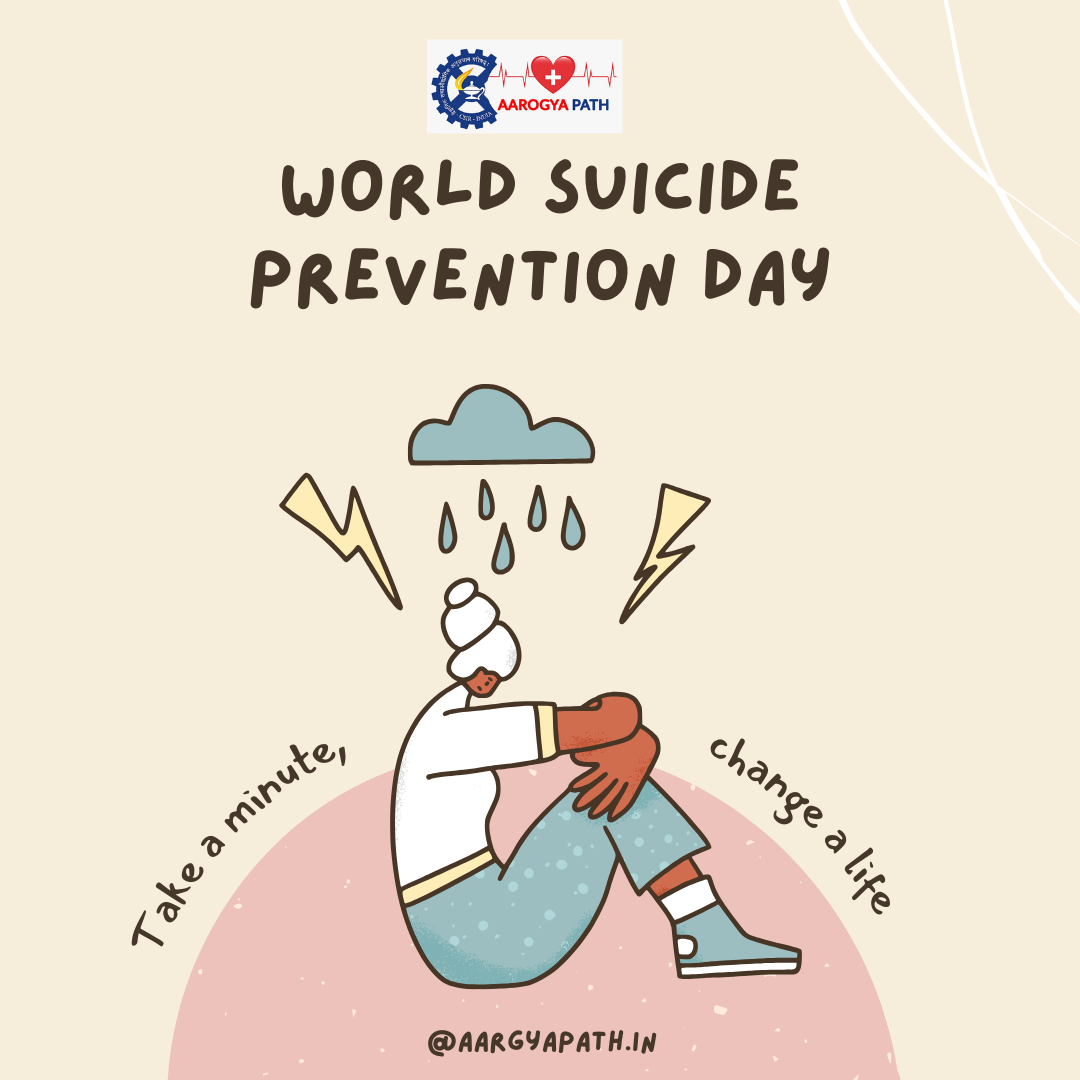
On the occasion of World Suicide Prevention Day (September 10), Dr Sneha shares effective ways to deal with suicidal thoughts:
World Suicide Prevention Day: Are suicidal thoughts normal? An expert guide on how to deal with them

• Speak up

Family members you can trust can listen and provide emotional support. They can also aid in keeping you secure. A crisis counsellor is a good place to start if you’re not sure who to contact. They’ll compassionately listen and give advice on how to reach out.

• Look for a safe haven

A safe, secure and happy place like a friend’s home, library or other public area helps to prevent working on suicide ideas. You may even try a new room in your own home.

• Avoid access to weapons

Safety also includes having no access to drugs, guns, and other potential suicide things and techniques. If you need to continue taking medicine, a friend or family member can stay with you while you remove these things. So that you don’t have access to more tablets, they might provide one dose at a time.

• Steer clear of alcohol and other drugs

Alcohol and other drugs may seem like a good way to dull unpleasant feelings, but you may find that they make depression and suicidal thoughts worse.

• Try grounding strategies

A few grounding exercises include taking a little stroll, petting a pet, and doing 4-7-8 breathing when you’re feeling very distressed. Not sure where to begin? A crisis counsellor can also walk you through testing them out over the phone or via text.

• Take a break

You might feel calmer and less anxious by enjoying your favourite food or drink, listening to music, or viewing pictures (or videos) of loved ones and animals.

• Prioritize self-care

Taking care of your bodily requirements may not always help to lessen suicidal thoughts. However, if your bodily requirements are being satisfied, you might find it simpler to control them. Try to eat balanced meals, drink enough of water, engage in some physical exercise (even if it’s just moving about the house or stretching), and aim for sufficient hours of sleep each night.

Read more at-https://shorturl.at/bvFN9
Categories
COVID-19 Government Guidelines Medical Updates

Updated COVID vaccine effective against newer variant, says Moderna

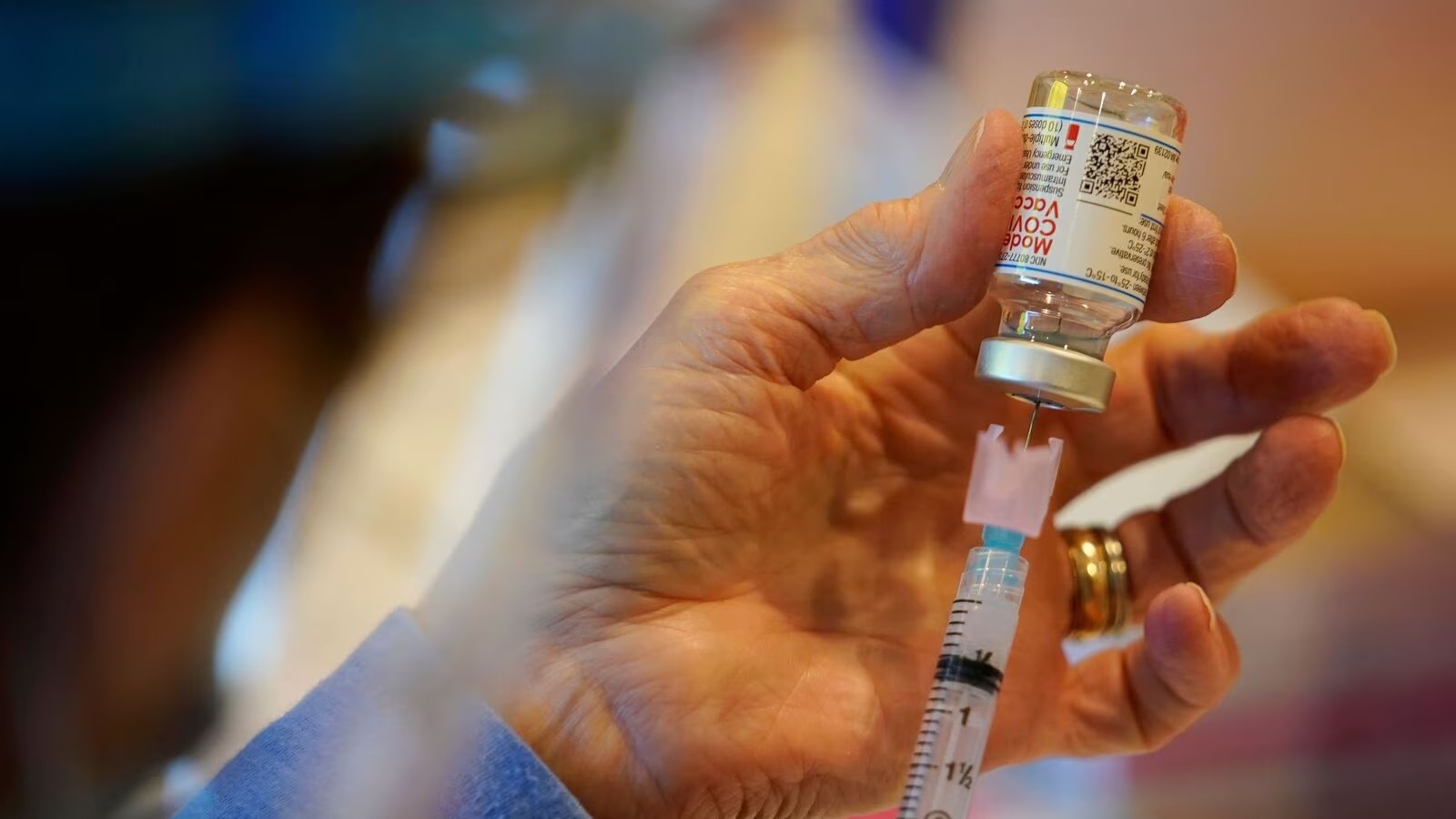
Moderna has said clinical trial data showed its updated COVID-19 vaccine will likely be effective against the highly-mutated BA.2.86 subvariant of the coronavirus that has raised fears of a resurgence of infections.

Moderna has said that the clinical trial data showed its updated COVID-19 vaccine shot generated an 8.7-fold increase in neutralizing antibodies in humans against the highly-mutated BA.2.86 subvariant of the coronavirus that has raised fears of a resurgence of infections, Reuters reported on Wednesday.

“We think this is news people will want to hear as they prepare to go out and get their fall boosters,” Reuters quoted Jacqueline Miller head of infectious diseases in Moderna said in an interview, adding that the data should also help reassure regulators.

The Centers for Disease Control and Prevention (CDC) has previously indicated that BA.2.86 may be more capable of causing infection in people who previously had COVID or were vaccinated with previous shots.

Updated COVID vaccine effective against newer variant, says Moderna

The Omicron offshoot carries more than 35 mutations in key portions of the virus compared with XBB.1.5, the dominant variant through most of 2023 and the target of the updated shots.

Moderna said it had shared the new finding on its vaccine with regulators and submitted it for peer review publication.

The retooled Moderna shot is expected to be available later this month or in early October, though it is yet to be approved by the US Food and Drug Administration.

Meanwhile, rival COVID-19 vaccine manufacturers Novavax and Pfizer with German partner BioNTech have created versions of their shots aimed at the XBB.1.5 subvariant.

In August, Moderna and Pfizer each said their new vaccines appeared to be effective against another new subvariant of concern dubbed EG.5 in initial testing

Britain’s Medicines and Healthcare products Regulatory Agency has approved Pfizer/BioNTech shot, but have not make any announcements on Moderna’s updated vaccine.

A WHO official said the BA.2.86 the subvariant of the coronavirus has been detected in Switzerland, South Africa as well as Israel, Denmark, the US and Britain.

According to experts it is important to monitor the variant, but it is unlikely to cause a wave of severe disease and death because of immune defenses built up worldwide from mass vaccination and prior infection.

Read more at-https://shorturl.at/quyUZ

Categories
COVID-19 Medical Updates Medicine & Health

Covid vaccines used in India and risk of heart attack are not related: Study

The study emphasising on the effect of jabs has stated that the risk of heart attacks is not associated with covid vaccines.

There is no association between the Covid-19 vaccines used in India — Covishield and Covaxin — and increase in the risk of heart attacks, according to an observational study which emphasises the protective effect of the jabs.

The research, published recently in the journal PLOS One, determined the impact of COVID-19 vaccination on mortality following acute myocardial infarction (AMI) or heart attack.

The retrospective study used data from 1,578 people admitted to G B Pant hospital in Delhi between August 2021 and August 2022. As many as 1,086 (68.8 per cent) were vaccinated against COVID-19 while 492 (31.2 per cent) were unvaccinated.

Among the vaccinated group, 1,047 (96 per cent) had received two doses of the vaccine while 39 (4 per cent) had received only a single dose.

“Our study found that vaccines used in India are safe. There was no association of vaccination in India with heart attack. In fact, the study found that there were less chances of death after heart attack in vaccinated individuals,” Mohit Gupta, who led the study, from G B Pant Hospital, told PTI.

Covid vaccines used in India and risk of heart attack are not related:

The adverse effects (AEs) of COVID-19 vaccines have mostly been mild, transient and self-limiting. However, concerns have been raised regarding the cardiovascular adverse effects of these vaccines.

Any side effect can have catastrophic effects especially in large densely populated countries such as India, the authors noted.

In all the enrolled patients, data regarding the patient’s vaccination status including details on type of vaccine, date of vaccination and adverse effects were obtained.

The researchers found that the analysis did not show a specific clustering of AMI at any particular time post vaccination, suggesting there was no significant association between COVID-19 jabs and heart attacks.

On 30-day follow-up, all-cause mortality occurred in 201 (12.7 per cent) patients with adjusted odds of mortality being significantly lower in the vaccinated group.

Similarly, at six months of follow-up, the vaccinated AMI group had lower odds of mortality as compared to the non-vaccinated group.

COVID-19 vaccines showed a decrease in all-cause mortality at 30 days and six months following AMI, according to the study.

However, increasing age, diabetics and smokers had a higher risk of 30-day mortality, the researchers said.

“Findings of our study showed that the 30-day and six months all-cause mortality risk was significantly lower in the vaccinated subjects as compared to the unvaccinated population,” the authors of the study said.

This study is the first to be conducted among a larger population of AMI patients which has shown COVID-19 vaccine to be not only safe but also have a protective effect in terms of reduction of all-cause mortality both on short term as well as at six months of follow-up, the authors of the study said.

They noted some limitations, saying that this was a single centre retrospective study, and the findings need to be validated in further larger studies from different ethnic groups.

Read more at-https://shorturl.at/oxY25

Categories
Medical Equipments Medical Updates

Teachers’ Day 2023: Essential mental health and self-care tips for teachers battling work pressure

Teachers’ Day 2023: Explore some essential mental health tips tailored specifically for teachers who find themselves grappling with the weight of work pressure.

Teachers’ Day, celebrated on the 5th of September, is the perfect opportunity to celebrate all teachers and the immense contribution they make to society. Teaching is a noble and rewarding profession, but it comes with its fair share of challenges. The gruelling responsibilities of the job, strict regulations and the duty to nurture young minds can sometimes lead to extreme work pressure. Even when you have a lot on your plate, you should not neglect your mental health. In a recent survey of more than 30,000 educators by the American Federation of Teachers, more than 75% of respondents said they did not have enough staff to do the work, and 78% said they were often physically and emotionally exhausted at the end of the day.

It should be a priority for everyone to take care of their inner and emotional health. It is necessary to engage in activities that calm the mind and soul. It’s not easy to be a teacher, and with all the work that has to be done, the job can sometimes become too demanding and can take a toll on your well-being.

Teachers' Day 2023: Essential mental health and self-care tips for teachers battling work pressure

Mental Health Tips for Teachers Battling Work Pressure

“Teachers must prioritize their mental well-being because it has an impact on their students”, according to Aashmeen Munjal, Ontologist, Mental Health and Relationship Expert. She further shared with HT Lifestyle a few suggestions for coping with work pressure.

1. When work gets wrapped up on time, a huge amount of stress passes away. Teachers need to prioritize duties, develop schedules, and set aside time for breaks. This will help them to have better time management

2. Who says “self-care is unethical, it’s fundamental”? Teachers need to rejuvenate from time to time. They should make the most of their free time by reading, gardening, jogging or relaxing.

3. Integrating mindful meditation and relaxation practices into their daily routine as an educator, increases focus and reduces stress. It can be achieved by engaging in activities like deep breathing exercises, meditation, or even brisk walks. A lot of stress can be relieved by practising the same.

4. To avoid feeling drained, it is advised that teachers maintain an organized workspace and make effective use of planners and digital calendars.

“These are just some of the techniques that can help to improve mental health for teachers in battling work pressure. As long as teachers are willing to learn and flourish professionally, learning never ceases. They ought to never forget the accomplishments they have made. Being in this line of work can occasionally be exhausting. They should always keep their thoughts intact and keep a positive attitude, even when situations are tough. A teacher should always remember that by taking care of her mental health, she will prove herself to be more committed,” says Aashmeen.

Teacher’s Role in Enhancing Student Mental Well-being

“The lives of children seem similar to a spider’s web. Through their orientation and guidance, teachers help students unwind the complicated network. Teachers encourage pupils to develop their emotional and psychological well-being in addition to their academic skills. The widespread use of all facets being digital has certain adverse impacts on students’ mental health. The role of educators in cultivating pupils’ healthy mental health grows. Students’ abilities are enhanced when teachers cultivate a positive attitude towards their charges. Teachers can shape, boost, and nourish the hearts and brains of their students,” says Aashmeen.

She, added, “Students embrace empathy, trust, and positive interaction through fostering strong teacher-student connections, which establishes the foundation for their emotional development and perseverance. A teacher must have faith in their pupils’ knowledge while motivating them to discover their strengths. Such praises support a child’s optimism and stimulate a good sense of dignity. The ability to solve problems helps youngsters retain excellent mental health throughout their lives since life is full of obstacles.”

“Teachers need to practice inclusion and work to mitigate stigma. Respecting cultural diversity in the classroom promotes a healthy mental environment. Instead of being considered a taboo subject, talking about mental health should be encouraged. This promises the pupils that asking for help does not indicate weakness but rather strength. Overall, instructors serve as role models by encouraging students to have ambitions and believe in their abilities. This optimism has a significant bearing on a child’s future achievement and mental health, ” concluded Aashmeen.

Read more at-https://shorturl.at/qtzEH

Categories
COVID-19 Government Guidelines Medical Updates Medicine & Health

Mystery respiratory virus spreading in Hyderabad; know symptoms and prevention tips

The mystery virus may belong to the Adeno, Corona, Influenza or MERS family. All you want to know about symptoms and prevention.

An acute viral illness with symptoms similar to Swine Flu, influenza, and adeno virus is spreading in Hyderabad, affecting either children or adults with comorbid conditions. The virus is yet to be identified and many people who are testing for Swine Flu, Covid-19, or Influenza are getting negative reports. Experts, however, say there is no cause of alarm as the recovery rate of this mystery illness is 100% and patients are taking 5 days to recover, which is a normal recovery time for a viral infection. The symptoms range from runny nose, sore throat, dry cough, fever with body pain and difficulty in breathing.

“We have been seeing an acute febrile viral illness for the past 6-8 weeks now and we have observed coryzal symptoms in these patients. This virus has been affecting 6-7 out of 100 people, and 50% of them are children. This is because the immunity of the children is not fully developed. The other 50% of patients are adults with comorbid lung diseases like COPD (also called smoker’s asthma), Post TB and Covid-destroyed lungs and asthma,” says Dr Syed Abdul Aleem, Consultant – Pulmonology CARE Hospitals, Musheerabad, Hyderabad.

Symptoms of the mystery virus

The symptoms of this mystery virus start with a runny nose, followed by a sore throat, dry cough, fever with body pain and difficulty in breathing. 1-2% of these patients have experienced respiratory failure.

“The symptoms affect the upper respiratory tract and gradually affect the lower respiratory tract as well. We have been running tests for influenza A and B, swine flu – H1N1, avian flu – H3N2 and dengue as well. We observed false positive results in 3-4% of these tests because the structural similarity of the mystery virus is very similar to these virus families,” says Dr Syed.

Mystery respiratory virus spreading in Hyderabad; know symptoms and prevention tips

Treatment

“Fortunately, we are catching this early, and we are following symptomatic treatment where patients are responding well. We are treating patients with respiratory failure with Oseltamivir, an anti-viral drug and we are seeing good results. Along with treatment, we suggest maintaining hydration, and isolation as well until there is a complete recovery,” says the expert.

Precautions

The precautions for this mystery virus are covering the nose and mouth while coughing or sneezing or using an N95 mask, keeping distance from people, sanitizing regularly, vaccinating against influenza and immediate isolation and approaching a healthcare professional for treatment.

What could be this mystery virus?

“This mystery virus may belong to the Adeno, Corona, Influenza or MERS family. So, we are suggesting a multiplex PCR panel of tests including Influenza A&B, H1N1, H3N2, and Covid RT-PCR,” says Dr Syed.

Read more at-https://shorturl.at/fkrZ6

Categories
COVID-19 Government Guidelines Medical Equipments

Covid-19 poses high chances of death to people above 40: ICMR study

The latest research paper released by Indian Council of Medical Research (ICMR) has revealed that covid-19 people above 40 years of age, men with co-morbidities and those individuals who suffered moderate to severe covid-19 were associated with higher odds of post-discharge one-year mortality, whereas 60% protection was conferred by vaccination before the covid-19 infection.

Of the 14,419 participants from 31 hospitals across the country who were followed up at least once between four weeks and one year post discharge, 942 (6.5%) had died and the remaining (93.5%) were reported alive at any contact during one year of follow up.

The study titled– “Determinants of post discharge mortality among hospitalized covid-19 patients: Nested matched case-control analyses from the National Clinical Registry for covid-19″ has now been published in the latest issue of Indian Journal of Medical Research (IJMR) was conducted by the National Clinical Registry for covid-19 study team.

“Participants who had received at least one dose of the anti-SARS-CoV-2 vaccine before their covid-19 infection had a lower risk of post-discharge mortality,” the study said.

Covid-19 poses high chances of death to people above 40: ICMR study

“Emphasis was put on the 18-45 years of age to understand the factors associated with post discharge death in young adults. Factors associated with death in them after discharge were similar to the ones observed in other age brackets. Prior anti-covid-19 vaccination did lend some protection against all-cause post discharge death in this age group, although this cannot be claimed conclusively as the association was not statistically significant,” the study said.

The limitations of the current investigation include reliance on telephonic follow-up, which could have led to underreporting of the symptoms. The present analyses only included patients who were hospitalized due to covid-19, and consequently, the findings cannot be generalized to all patients who had covid-19, the study stated. In addition to this, ICMR is also conducting a multicentric hospital-based matched case-control study   on the effect of covid-19 vaccine on heart attack among 18–45-year-old population in India in 2022 and on factors associated with sudden deaths among adults aged 18–45 years in India.

Read more at-https://t.ly/KwMYe

Categories
Medical Equipments Medical Updates Medicine & Health

New Covid variant Eris detected in Maharashtra; should India be worried? What experts say

Amid spread of new Covid variant, India needs to be careful, as Covid appropriate behaviour has taken a back seat and immunity is waning, says expert.

New Covid variant EG.5.1 or Eris that has been adding to the surge of Coronavirus cases in UK has also been causing slight increase in Coronavirus caseload in Maharashtra. The new Omicron variant was first detected in May but did not cause any notable impact in the months of subsequent months of June and July. However, as per state health department data, Covid cases have increased from 70 at the end of July to 115 on August 6, said a TOI report. The new Covid strain Eris has increased hospitalisation cases among elderly in UK and while there is no need to panic, it’s imperative to keep a close watch on it. The rise in Corona cases could be due to waning immunity from previous infections or vaccinations and it’s important to take booster shots to fight the virus.

New Covid variant Eris detected in Maharashtra; should India be worried? | Health - Hindustan Times

‘India needs to be careful amid waning immunity’

“The concern about new Covid-19 strains depend on various factors, including their transmissibility, severity, and the effectiveness of vaccines and treatments against them. Given that viruses can mutate over time, there is always a possibility of new strains emerging. The latest strain EG5.1, also known as Eris is one such strain which WHO is closely monitoring. India needs to be careful, since the Covid appropriate behaviour has taken a back seat and vaccination immunity is probably waning. So, if caught off guard, it can be disastrous,” says Dr Ravi Shekhar Jha, Director & HOD-Pulmonology, Fortis Escorts Hospital, Faridabad.

“The new strain was initially started from the United Kingdom, and now very few cases have been reported in Mumbai. Since the positivity rate or any upsurge in cases have not been reported so far, thus this strain may not be of much concern for India,” says Dr Kuldeep Kumar Grover, Head of critical care & Pulmonology – CK Birla Hospital, Gurgaon.

Symptoms of Eris or EG5.1

“The symptoms are same as previous variants, like cough, cold, fever, throat pain and chest tightness, but in immunocompromised people and some susceptible individuals, it can lead to fatal ARDS. It also appears to be more contagious than previous variants,” adds Dr Jha.

“Usually, infected people may witness mild kind of Covid feelings since this is the new co-variant of Omicron strain, but that may not cause any significant harm. As we all know that rapid spread of the Covid strain is characterised by more infectivity and less visibility. But since almost every individual has been double vaccinated and has developed hybrid immunity, the infection spread rate may be minimal, with almost nil hospitalisation,” says Dr Grover.

“We need to keep a close watch and need to follow normal hygiene like hand wash and mask at public places which also effectively reduces the risk of other viral and some bacterial infections. The cases in Maharashtra are not of too much concern but again, since this is flu season and season of fever due to other causes too, like malaria, typhoid and Dengue, we are not testing enough for Covid, so cases may be missed. We need to be careful if we see sudden spike in fever cases where no cause could be established,” says Dr Jha.

What people in India need to do for avoiding Covid infection

“So first and foremost, three things to ensure – healthy balanced diet, hygienic lifestyle, regular vaccination (if applicable or flu shots), and again following the Covid appropriate behaviour – wearing mask, avoiding crowded places and proper sanitisation,” says Dr Grover.

While the strain hasn’t increased the cases much, “public need to be vigilant on their part and follow the safety precautions, even though this strain does not seem to be that much contagious,” as per Dr Grover.

Read more at-http://surl.li/jxnqg

Categories
Medical Equipments Medical Updates Medicine & Health

Why developing the world’s first malaria vaccine has taken so long

On July 5th the World Health Organisation, UNICEF and Gavi, an organisation promoting vaccination, announced that 12 African countries would receive 18m doses of the world’s first malaria vaccine. Mosquirix, developed by GSK, a British pharma firm, will be deployed over two years with deliveries starting at the end of 2023. It is expected to save tens of thousands of lives each year, mostly of very young children. Around 95% of malaria cases and deaths are in Africa, and at least 28 countries there have expressed an interest in the new jab; by 2026 demand is expected to reach 40m-60m doses. Why has it taken so long to develop a malaria vaccine?

Malaria, a parasitic infection transmitted by mosquitoes, is one of Africa’s deadliest diseases. Although it is treatable, the infection must be identified and the patient attended to quickly. That is difficult in the continent’s many remote rural areas. As a result malaria kills nearly 500,000 children under the age of five every year. Hitherto the best option has been to try to prevent malaria with insecticide-treated nets and antimalarial drugs. But these efforts have been insufficient. Scientists have been trying to develop a vaccine for decades. Mosquirix had been in the works since the 1980s.

The development of an effective malaria vaccine has been a formidable scientific challenge. Normally, vaccines work by training the immune system to recognise antigens—typically proteins—that are found on the surface of the infectious agent. But targeting such proteins on the Plasmodium parasite that causes malaria has proven difficult. The parasite has a multi-stage life cycle, which presents different antigens at different stages, making it harder to pick the best target. It has also evolved ways of avoiding detection by the human immune system. For example, the parasite can turn off a protein on its surface, which allows it to travel undetected between blood cells. Once it has infected a new cell it switches the protein back on. All this means it has been hard to find the right antigen to flag to the immune system. But Mosquirix has managed to find a point in the parasite’s life cycle that is possible to target: the stage before it infects liver cells.

why developing the world’s first malaria vaccine has taken so long


Between 2019 and 2021 trials in 800,000 children in Ghana, Kenya, and Malawi found that inoculation led to a 30% reduction in severe malaria infections, and a 10% decline in mortality. Shortages of supply mean that the vaccine is for now being allocated to countries where the burden of malaria is heaviest (see map).

Although the vaccine is a milestone in malaria treatment, more work is needed. Mosquirix’s efficacy is relatively low—particularly when compared with the 95% achieved by covid-19 vaccines. But a more effective jab, R21/Matrix-M, might be in sight. Small-scale trials suggest it could have an 77% efficacy rate—although this rate has not been shown in late-stage trials. Adrian Hill, director of Oxford University’s Jenner Institute, which developed R21, told the Lancet, a medical journal, that he hoped it would be possible to bring annual malaria deaths down to fewer than 50,000 globally by the end of the decade. Slightly behind R21 is an early-stage mRNA malaria vaccine developed by BioNtech, a German pharma firm. This innovation points to a future where malaria is preventable, and much less deadly than it is today. Some even hope that the disease will be completely eradicated.
Read more at-https://shorturl.at/izIR3
Categories
Medical Equipments Medical Updates Medicine & Health

Kombucha consumption might lower blood sugar levels in individuals living with type-2 diabetes: Study

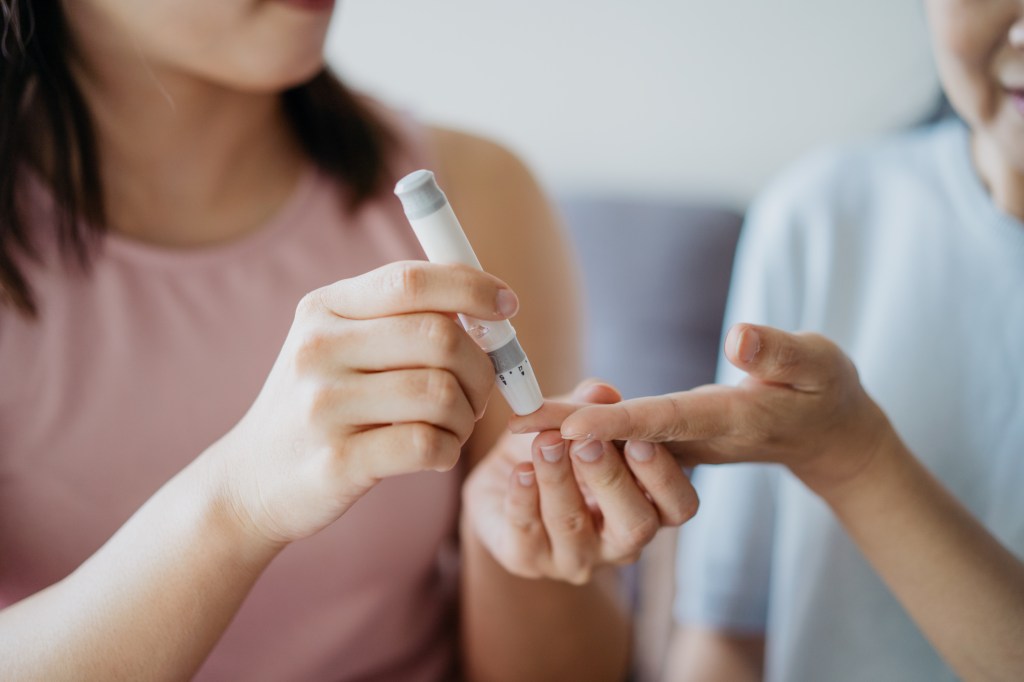
Drinking kombucha for four weeks may lower fasting blood glucose levels in people with type II diabetes, according to recent research at Georgetown University.

According to the findings of a clinical trial conducted by researchers at Georgetown University’s School of Health, the University of Nebraska-Lincoln, and MedStar Health, people with type II diabetes who drank the fermented tea drink kombucha for four weeks had lower fasting blood glucose levels than those who drank a similar-tasting placebo beverage. This conclusion from a pilot 12-person feasibility trial suggests the possibility of a nutritional intervention that could help lower blood sugar levels in persons with diabetes, as well as laying the groundwork for a bigger trial to validate and expand on these findings.

This finding was reported in Frontiers in Nutrition. Kombucha is a tea fermented with bacteria and yeasts and was consumed as early as 200 B.C. in China, but it did not become popular in the U.S. until the 1990s. Its popularity has been bolstered by anecdotal claims of improved immunity and energy and reductions in food cravings and inflammation, but proof of these benefits has been limited.

“Some laboratory and rodent studies of kombucha have shown promise and one small study in people without diabetes showed kombucha lowered blood sugar, but to our knowledge this is the first clinical trial examining effects of kombucha in people with diabetes,” says study author Dan Merenstein, M.D., professor of Human Sciences in Georgetown’s School of Health and professor of family medicine at Georgetown University School of Medicine. “A lot more research needs to be done but this is very promising.”

Merenstein continued, “A strength of our trial was that we didn’t tell people what to eat because we used a crossover design that limited the effects of any variability in a person’s diet.” The crossover design had one group of people drinking about eight ounces of kombucha or placebo beverage daily for four weeks and then after a two-month period to ‘wash out’ the biological effects of the beverages, the kombucha and placebo were swapped between groups with another four weeks of drinking the beverages. Neither group was told which drink they were receiving at the time.

Kombucha appeared to lower average fasting blood glucose levels after four weeks from 164 to 116 milligrams per deciliter while the difference after four weeks with the placebo was not statistically significant. Guidelines from the American Diabetes Association recommended blood sugar levels before meals should be between 70 to 130 milligrams per deciliter.

Kombucha consumption might lower blood sugar levels in individuals living with type-2 diabetes: Study

The researchers also looked at the makeup of fermenting micro-organisms in kombucha to determine which ingredients might be the most active. They found that the beverage was mainly comprised of lactic acid bacteria, acetic acid bacteria, and a form of yeast called Dekkera, with each microbe present in about equal measure; the finding was confirmed with RNA gene sequencing. The kombucha used in this study was produced by Craft Kombucha, a commercial manufacturer in the Washington, DC, area. It has been re-branded as Brindle Boxer Kombucha.

“Different studies of different brands of kombucha by different manufacturers reveal slightly different microbial mixtures and abundances,” says Robert Hutkins, Ph.D., University of Nebraska-Lincoln and the study’s senior author. “However, the major bacteria and yeasts are highly reproducible and likely to be functionally similar between brands and batches, which was reassuring for our trial.”

“An estimated 96 million Americans have pre-diabetes — and diabetes itself is the eighth leading cause of death in the U.S. as well as being a major risk factor for heart disease, stroke and kidney failure,” says Chagai Mendelson, M.D., lead author who was working in Merenstein’s lab at Georgetown while completing his residency at MedStar Health. “We were able to provide preliminary evidence that a common drink could have an effect on diabetes. We hope that a much larger trial, using the lessons we learned in this trial, could be undertaken to give a more definitive answer to the effectiveness of kombucha in reducing blood glucose levels, and hence prevent or help treat type-II diabetes.”
Read more at-https://shorturl.at/acpI3
Categories
COVID-19 Government Guidelines Medical Equipments Medical Updates Medicine & Health

Overflowing Yamuna raises risk of dengue; common signs and symptoms of the disease you should know

The flooding of Yamuna river inundating low-lying areas has led to the fear of dengue spread. High-grade fever to severe headaches, here’re symptoms of dengue.

While dengue cases have been on the rise ever since the monsoon rains began in the national capital, the flooding of Yamuna river inundating low-lying areas has led to the fear of virus spread growing multi-fold. Almost 140 cases of dengue were reported in Delhi which has raised alarm over the spread of the deadly virus. Transmitted by bite of mosquito, dengue can have both mild and major symptoms. People who have suffered from dengue previously are at higher risk of getting severe dengue. Prevention is always better than cure in case of dengue. The mosquitoes that spread the disease are active during the day and people are at risk of getting bitten while doing their chores, working or even sitting. To tackle this, full sleeved clothes should be worn, and use of mosquito repellents are suggested even during the day.

“With monsoon around the corner, we anticipate dengue and other vector borne diseases. Till last year, statistics show number of cases of the vector-borne disease climbing to over 3000 plus in national capital, according to NVBDCP report. We all are aware that dengue is a viral illness which gets transmitted through the bite of female Aedes mosquitoes. Dengue fever cannot spread directly from person to person unlike Covid-19 or flu, says Dr Neha Rastogi Panda, Consultant, Infectious Disease, Fortis Memorial Research Institute, Gurugram.

Overflowing Yamuna raises risk of dengue; common signs and symptoms of the disease you should know

Dengue is a viral disease transmitted by the infective bite of a mosquito called Aedes aegypti. Human beings develop disease after 5–6 days of being bitten by infected female mosquitoes that feed both indoors and outdoors during the daytime (from dawn to dusk). These mosquitoes thrive in areas with standing water including puddles, water tanks, containers and old tires. It occurs in two forms – classical dengue fever also known as ‘break bone’ fever and dengue haemorrhagic fever (DHF) which is life threatening. It is highly contagious and spreads from one person to another through mosquito bites,” says Dr Tushar Tayal, Consultant- Internal Medicine, CK Birla Hospital, Gurugram.

“The infection is characterized by flu-like symptoms which include a sudden high-grade fever coming in separate waves, pain behind the eyes, muscle, joint and bone pain, severe headache, abdominal fullness and discomfort and a skin rash with red spots which happens by the fifth day of illness,” says Dr Tayal.

Dengue illness can be prevented by using basic steps of hygiene and source control to ensure and eliminate any possible breeding locations in your home, such as watering cans, buckets, and clogged drains.

Signs and symptoms of dengue explained by Dr Panda

1. High fever: One of the primary signs of dengue fever is a sudden onset of high fever, often reaching 104°F (40°C). The fever typically lasts for 2 to 7 days.

2. Severe headache: Dengue fever is often accompanied by an intense headache, especially behind the eyes. This headache can be debilitating and persistent.

3. Pain behind the eyes: Individuals with dengue fever may experience pain and discomfort behind their eyes. This symptom is often described as a deep ache.

4. Joint and muscle pain: Dengue fever is known for causing severe joint and muscle pain, earning it the nickname ‘breakbone fever.’ The pain can be widespread and excruciating.

5. Rash: A characteristic rash may develop on the skin after a few days of fever. It typically appears as small, red, and raised spots and can be itchy.

6. Nausea and vomiting: Dengue fever can cause gastrointestinal symptoms such as nausea, vomiting, and abdominal pain. These symptoms may contribute to dehydration.

7. Fatigue: Individuals affected by dengue often experience extreme fatigue and weakness, even after the fever subsides. This fatigue can persist for weeks.

8. Bleeding: In some cases, dengue fever can lead to bleeding manifestations, such as nosebleeds, bleeding gums, or easy bruising. If severe, it may indicate dengue hemorrhagic fever, a potentially life-threatening condition.

Myths associated with dengue

“More than this illness, myths and panic associated with dengue is viral. The majority (90%) of people recover from this viral infection without much medical intervention following simple dictum of preventing dehydration by drinking with plenty of water, ensuring rest and relief of fever and pain with paracetamol. Severe/complicated dengue is seen in only about 10 per cent patients and only 5 per cent of dengue patients need to be hospitalised,” says Dr Panda.

“It is essential to note that dengue symptoms can vary from person to person, and some individuals may have mild or no symptoms at all. However, anyone experiencing the aforementioned symptoms, especially in areas with a high prevalence of dengue, should seek medical attention promptly,” concludes Dr Panda.

Read more at-https://shorturl.at/DEKQV