Categories
COVID-19 Government Guidelines Medical Equipments Medical Updates

New Covid variant Eris symptoms appear a week before positive test? Know all about this ‘pre-Covid’ phenomenon

Experts say this could be because when a person contracts a virus, it takes time for it to replicate within the body to trigger noticeable symptoms.

New Covid variant EG.5 has been spreading fast in different parts of the world and while the strain is good at escaping immunity, the symptoms remain mild, and experts say it doesn’t pose a significant threat. EG.5 has been declared as a variant of interest and will be monitored for its mutations. The strain may become dominant in many countries with its rapid spread. As the Eris and other Omicron variants are being detected, people are also reporting a ‘pre-Covid’ phenomenon that was even being reported in the initial days of pandemic. This means that people are showing signs of Covid even with a negative test and upon being tested again after a week or so, the result comes positive.

Experts say this is because when a person contracts a virus, such as Covid-19, it takes time for the virus to replicate within the body to trigger noticeable symptoms. The initial test comes negative due to low viral load and the same increases with each passing day. If you too are facing this ‘pre-Covid’ phenomenon, get tested again after a week for correct diagnosis.

The incubation period effect

“This phenomenon can be attributed to the virus’s incubation period. When a person contracts a virus, such as Covid-19, it takes time for the virus to replicate within the body to levels that trigger noticeable symptoms. This period between exposure to the virus and the appearance of symptoms is known as the incubation period. Eris is one of the two latest sub-variants of Corona virus. The symptoms of Eris variant start about a week before it could be detected by tests. The symptoms are nearly the same as those of Covid illness,” says Dr Anurag Saxena, HOD-Internal Medicine, Primus Super Speciality Hospital.

“In the case of Eris and similar illnesses, symptoms may manifest roughly a week before a positive test because the virus or pathogen has been present in the body long enough to cause noticeable symptoms, but it might still take a little more time for the viral load to reach a level detectable by the testing methods in use,” adds Dr Saxena.
New Covid variant Eris symptoms appear a week before positive test? Know all about this 'pre-Covid' phenomenon

Go for RT-PCR tests

“In some patients, they continue to test negative for Covid illness, because they don’t have it. In some cases, initial tests can be negative due to low viral load initially, i.e., load below the limit of detection of that particular test. In such cases, repeating a test after few days usually helps to confirm the diagnosis. In other patient, use of rapid antigen tests, improper sampling technique (when performed by self) etc. can be cause of negative result despite having Covid illness. In such cases, RT-PCR tests, a more accurate test than rapid antigen tests, should be performed, and sampling performed preferably by trained personnel. As of now, there is very limited data to suggest any significant difference compared to previously circulating variants with respect to transmissibility, immune evasiveness, severity, diagnostic modalities, or response to available treatment. Furthermore, more robust, large cohort-based data is needed, on viral dynamics of new emerging variants, and performance characteristics of various tests in such scenarios to ascertain such phenomenon and its plausible explanation,” says Dr Rohit Garg, Consultant, Dept of Infectious Disease, Amrita Hospital, Faridabad.

“Symptoms such as nasal congestion, sneezing, cough, fever and fatigue is commonly seen in the ‘pre COVID’ period. This can last upto first 7 days of the infection. It is seen with Eris variant as the transmissibility of this virus is higher than the previous variants. However, there is no need to panic and it becomes imperative to follow Covid appropriate behaviour, especially hand hygiene, during the monsoon season when the rate of airborne and droplet infections are already high,” says Dr Charu Dutt Arora, Infectious Disease Specialist, Consultant Physician, AmeriHealth, Asian Hospital.

“Understanding this timeline helps in both managing the illness and preventing further transmission, as individuals with symptoms can take appropriate precautions and seek medical attention promptly, reducing the risk of spreading the illness to others,” says Dr Saxena.

Eris symptoms

Dr Saibal Chakravorty, Senior Consultant – Internal Medicine, Metro Hospital Noida says the symptoms of the new variant as of now are same as we have seen and witnessed previously, though more research on this is being done.

As per limited evidence, the symptoms are:

  • Cough
  • High Fever
  • Severe Headache
  • Body ache
  • Weakness and Fatigue
  • Decreased Appetite

Read more at-https://shorturl.at/ceptO
Categories
COVID-19 Government Guidelines Medical Equipments Medical Updates Medicine & Health

Eyes, allergies and monsoon: Tips on coping with seasonal eye allergies in rainy season

As the humidity rises, let’s explore the link between allergies, infections and rains and learn some essential tips to cope with pesky eye issues this monsoon

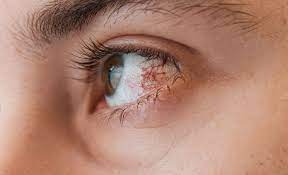
Monsoon, the much-awaited respite from scorching heat, brings with it a mix of delight and distress because while the raindrops dance merrily, our eyes often find themselves struggling to keep up with the joy as it is that time of the year again when seasonal eye allergies and infections make their unwelcome appearance. As the heavens open up and the humidity rises, let’s explore the connection between allergies, infections, the rains and discover some essential tips to cope with these pesky eye issues.

Connection between allergies and monsoon

In an interview with HT Lifestyle, Dr Vijay Mathur, Senior Consultant at Sharp Sight Eye Hospitals , shared, “Monsoon is notorious for triggering eye allergies and infections. The dampness fosters the growth of viruses and fungi, leading to conjunctivitis, commonly known as “pink eye.” Symptoms include redness, itching, grittiness and excessive tearing with discharge. Pollen, dust, and other airborne particles carried by the monsoon winds can further aggravate eye irritation, causing discomfort to even non-allergic individuals.”

Common eye-related problems in monsoon

Dr Vijay Mathur highlighted –

1. Epidemic infectious conjunctivitis: Is the leading culprit. This condition causes red, itchy, gritty and watery eyes due to infection caused by viruses (adenovirus is the most common) in the air. This condition is highly infectious and can easily transmit from one person to another. Personal hygiene including hand washing is an effective way to prevent person to person transmission.

2. Allergic conjunctivitis: Monsoon is a time when fungi and moulds multiply. This leads to allergies in susceptible individuals.

3. Styes and chalazion: The damp environment fosters bacterial growth, leading to painful styes and chalazion on the eyelids.

4. All other eye infections: Bacteria and viruses thrive in the monsoon, increasing the risk of eye infections like Keratitis and Dacrocystitis.

Coping strategies:

Bringing his expertise to the same, Dr Rishi Raj Borah, Country Director – India, Orbis, revealed, “During the monsoon season, it is essential to focus more on our eyes since the rains and increasing humidity offer an ideal environment for pathogenic organisms such as bacteria, viruses, and fungal moulds to develop and multiply. Eye conditions such as allergies and conjunctivitis are prevalent during the rainy season. They usually cause red, itchy, and watery eyes. Identifying and suppressing the root cause is the best approach to avoid all the sufferings associated with eye allergies. This means that if a person knows they are allergic to a specific substance, such as a fungal mould, they should avoid going to wet regions where they might come into contact with mould.”

Eyes, allergies and monsoon: Tips on coping with seasonal eye allergies in rainy season

He added, “Similarly, if someone is allergic to pollen, they should avoid stepping out of the house during the period when the pollen concentration is high in the air. Furthermore, wearing eyeglasses when going outside is a good practice that everyone should undertake. Maintaining personal hygiene by often washing hands with soap and water is essential. To reduce the chances of introducing irritants from the surroundings into the eyes, avoid touching the face and eyes frequently. Even when humidity levels are at their highest during the monsoon, dry eyes can occur.”

Dr Rishi Raj Borah suggested, “In such circumstances, artificial tears can assist to relieve discomfort while also moisturising the eyes. Furthermore, sharing personal belongings like towels and makeup should be avoided. It is also preferable to avoid utilising public swimming pools during the rainy season, since these might serve as breeding grounds for the spread of bacterial illnesses. Seeking professional medical assistance should be the norm for anyone experiencing symptoms of an eye allergy and if you are unsure of the underlying cause, an eye doctor or ophthalmologist will be able to help find out the probable root cause and offer therapies to relieve the symptoms.”

According to Dr Vijay Mathur, to combat these monsoon-related eye issues, follow these essential coping strategies –

1. Cleanliness first: Regularly clean your living space to reduce mold and dust accumulation.

2. Hand hygiene: Maintain good hand hygiene to prevent eye infections by refraining from touching your eyes with unwashed hands.

3. Use eye drops: Over-the-counter artificial tears provide relief from dryness and flush out allergens.

4. Stay dry: Avoid getting drenched in rain and getting splashed with dirty water in puddles to minimise exposure to allergens and infectious agents.

5. Consult your doctor: If symptoms persist, seek professional help for proper diagnosis and treatment.

With a little vigilance and proactive care, you can ensure that your eyes remain resilient during the monsoon. Welcome the rains with open arms and remember to shield your precious vision from seasonal woes.

Read more at-https://shorturl.at/psuH0

Categories
COVID-19 Government Guidelines Medical Equipments Medical Updates Medicine & Health

Long covid symptoms may appear months after infection: Study

The study states that the symptoms of long covid can last even after a year after the sickness has subsided.

According to the most thorough examination of how symptoms develop over a year, long COVID-19 can last at least a year after the acute sickness has subsided.

The multicenter study, a collaboration between UC San Francisco, the Centers for Disease Control, and seven other sites, advances understanding of post-COVID-19 conditions by describing trends in greater detail than prior research and highlighting the significant effects the epidemic has had on the American health care system.

The study appeared in Morbidity and Mortality Weekly Report (MMWR), a publication of the CDC.

For about 16 per cent of the COVID-positive people in the study, symptoms lasted for at least a year; but for others, they came and went. The study assessed symptoms every three months, enabling researchers to differentiate between symptoms that improve and those that emerge months after the initial infection.

“It was common for symptoms to resolve then re-emerge months later,” said lead author Juan Carlos Montoy, MD, PhD, associate professor at UCSF’s Department of Emergency Medicine. “A lot of prior research has focused on symptoms at one or two points in time, but we were able to describe symptom trajectory with greater clarity and nuance. It suggests that measurements at a single point in time could underestimate or mischaracterizes the true burden of disease.”

Long covid symptoms may appear months after infection: Study

Fluctuating Nature of Disease:

Long Covid involves a range of symptoms that persist or develop about a month after initial infection. These symptoms are associated with significant morbidity or reduced quality of life.

The study involved 1,741 participants – two-thirds of them female – who sought COVID-19 testing at eight major healthcare systems across the country. Three-quarters tested positive for Covid-19, but those who tested negative may also have had an infection of some type, since they were experiencing symptoms. These included fatigue, runny nose, headache, sore throat, shortness of breath, chest pain, diarrhoea, forgetfulness and difficulty thinking or concentrating.

Covid positive participants were more likely to have symptoms in each of the symptom categories at baseline, but by the end of the year, there was no difference between those who were Covid-positive and negative.

“We were surprised to see how similar the patterns were between the Covid positive and Covid negative groups,” said Montoy. “It shows that the burden after Covid may be high, but it might also be high for other non-Covid illnesses. We have a lot to learn about post-illness processes for Covid and other conditions.”

Read more at-https://shorturl.at/avL29

Categories
Medical Equipments Medical Updates Medicine & Health

Why developing the world’s first malaria vaccine has taken so long

On July 5th the World Health Organisation, UNICEF and Gavi, an organisation promoting vaccination, announced that 12 African countries would receive 18m doses of the world’s first malaria vaccine. Mosquirix, developed by GSK, a British pharma firm, will be deployed over two years with deliveries starting at the end of 2023. It is expected to save tens of thousands of lives each year, mostly of very young children. Around 95% of malaria cases and deaths are in Africa, and at least 28 countries there have expressed an interest in the new jab; by 2026 demand is expected to reach 40m-60m doses. Why has it taken so long to develop a malaria vaccine?

Malaria, a parasitic infection transmitted by mosquitoes, is one of Africa’s deadliest diseases. Although it is treatable, the infection must be identified and the patient attended to quickly. That is difficult in the continent’s many remote rural areas. As a result malaria kills nearly 500,000 children under the age of five every year. Hitherto the best option has been to try to prevent malaria with insecticide-treated nets and antimalarial drugs. But these efforts have been insufficient. Scientists have been trying to develop a vaccine for decades. Mosquirix had been in the works since the 1980s.

The development of an effective malaria vaccine has been a formidable scientific challenge. Normally, vaccines work by training the immune system to recognise antigens—typically proteins—that are found on the surface of the infectious agent. But targeting such proteins on the Plasmodium parasite that causes malaria has proven difficult. The parasite has a multi-stage life cycle, which presents different antigens at different stages, making it harder to pick the best target. It has also evolved ways of avoiding detection by the human immune system. For example, the parasite can turn off a protein on its surface, which allows it to travel undetected between blood cells. Once it has infected a new cell it switches the protein back on. All this means it has been hard to find the right antigen to flag to the immune system. But Mosquirix has managed to find a point in the parasite’s life cycle that is possible to target: the stage before it infects liver cells.

why developing the world’s first malaria vaccine has taken so long


Between 2019 and 2021 trials in 800,000 children in Ghana, Kenya, and Malawi found that inoculation led to a 30% reduction in severe malaria infections, and a 10% decline in mortality. Shortages of supply mean that the vaccine is for now being allocated to countries where the burden of malaria is heaviest (see map).

Although the vaccine is a milestone in malaria treatment, more work is needed. Mosquirix’s efficacy is relatively low—particularly when compared with the 95% achieved by covid-19 vaccines. But a more effective jab, R21/Matrix-M, might be in sight. Small-scale trials suggest it could have an 77% efficacy rate—although this rate has not been shown in late-stage trials. Adrian Hill, director of Oxford University’s Jenner Institute, which developed R21, told the Lancet, a medical journal, that he hoped it would be possible to bring annual malaria deaths down to fewer than 50,000 globally by the end of the decade. Slightly behind R21 is an early-stage mRNA malaria vaccine developed by BioNtech, a German pharma firm. This innovation points to a future where malaria is preventable, and much less deadly than it is today. Some even hope that the disease will be completely eradicated.
Read more at-https://shorturl.at/izIR3
Categories
Medical Equipments Medical Updates Medicine & Health

India aims to tighten quality of drugs

In a move to improve quality of drugs manufactured in India and mend its image as the pharmacy of the world, the Central Government has decided to implement Schedule M to tighten the manufacturing practices of pharmaceutical companies in India.

The Good Manufacturing Practice System was first incorporated in 1988 in Schedule M of the Drugs and Cosmetics Act, 1945. New GMP Standard in Schedule M was made in 2001 and implemented in 2005.
Schedule M prescribes requirements to facilities for maintenance, manufacturing, control and safety testing, storage and transport material, written procedures and records, traceability etc.
Issues according to the ministry, which inspected over 160 units and 14 public testing labs range from poor documentation, absence of testing incoming raw material, quality failure investigation, professionally qualified employees amongst others.
Companies have been given six to 12 months to adhere to requirements starting August 1. Companies with a turnover of over Rs 250 crore will be given six months and those with a turnover of below Rs 250 crore 1 year to comply to standards. The certification will be valid for 3 years.
While this step is expected to be positive especially at a time when Indian companies have been in the dock due to recent global incidents of substandard drugs, there are some concerns point out experts.
India aims to tighten quality of drugs
For example, one of big concerns is that currently the pharma companies come under the purview of state regulators. Hence the power to issue or cancel licenses is with state governments. The concern then is that the central government does not have the power to implement the compliance standards.
Also, while Schedule M became mandatory in the law in 2005 companies have struggled to implement it for the last 18 years. Many of the smaller companies for example might need to upgrade their existing facilities to comply with the standards, to do so they will require capital and infrastructure, which they might lack. An example of this is quality control labs, which were made compulsory in 2005 but companies did not comply due to inability to afford setting up the units.
Lastly, the timelines of 6 months to 1 year might not be feasible for the large number companies to adhere to the standards. India currently has around 10,500 drug manufacturers including MSMEs but only 2,000 companies mainly exporters are expected to have a good manufacturing certificate. That means 8,000 companies needing to comply to standards set out in Schedule M in just the span of a year might be a tall task.
Read more at- https://rb.gy/rp3no  
Categories
Medical Equipments Medical Updates Medicine & Health

Kombucha consumption might lower blood sugar levels in individuals living with type-2 diabetes: Study

Drinking kombucha for four weeks may lower fasting blood glucose levels in people with type II diabetes, according to recent research at Georgetown University.

According to the findings of a clinical trial conducted by researchers at Georgetown University’s School of Health, the University of Nebraska-Lincoln, and MedStar Health, people with type II diabetes who drank the fermented tea drink kombucha for four weeks had lower fasting blood glucose levels than those who drank a similar-tasting placebo beverage. This conclusion from a pilot 12-person feasibility trial suggests the possibility of a nutritional intervention that could help lower blood sugar levels in persons with diabetes, as well as laying the groundwork for a bigger trial to validate and expand on these findings.

This finding was reported in Frontiers in Nutrition. Kombucha is a tea fermented with bacteria and yeasts and was consumed as early as 200 B.C. in China, but it did not become popular in the U.S. until the 1990s. Its popularity has been bolstered by anecdotal claims of improved immunity and energy and reductions in food cravings and inflammation, but proof of these benefits has been limited.

“Some laboratory and rodent studies of kombucha have shown promise and one small study in people without diabetes showed kombucha lowered blood sugar, but to our knowledge this is the first clinical trial examining effects of kombucha in people with diabetes,” says study author Dan Merenstein, M.D., professor of Human Sciences in Georgetown’s School of Health and professor of family medicine at Georgetown University School of Medicine. “A lot more research needs to be done but this is very promising.”

Merenstein continued, “A strength of our trial was that we didn’t tell people what to eat because we used a crossover design that limited the effects of any variability in a person’s diet.” The crossover design had one group of people drinking about eight ounces of kombucha or placebo beverage daily for four weeks and then after a two-month period to ‘wash out’ the biological effects of the beverages, the kombucha and placebo were swapped between groups with another four weeks of drinking the beverages. Neither group was told which drink they were receiving at the time.

Kombucha appeared to lower average fasting blood glucose levels after four weeks from 164 to 116 milligrams per deciliter while the difference after four weeks with the placebo was not statistically significant. Guidelines from the American Diabetes Association recommended blood sugar levels before meals should be between 70 to 130 milligrams per deciliter.

Kombucha consumption might lower blood sugar levels in individuals living with type-2 diabetes: Study

The researchers also looked at the makeup of fermenting micro-organisms in kombucha to determine which ingredients might be the most active. They found that the beverage was mainly comprised of lactic acid bacteria, acetic acid bacteria, and a form of yeast called Dekkera, with each microbe present in about equal measure; the finding was confirmed with RNA gene sequencing. The kombucha used in this study was produced by Craft Kombucha, a commercial manufacturer in the Washington, DC, area. It has been re-branded as Brindle Boxer Kombucha.

“Different studies of different brands of kombucha by different manufacturers reveal slightly different microbial mixtures and abundances,” says Robert Hutkins, Ph.D., University of Nebraska-Lincoln and the study’s senior author. “However, the major bacteria and yeasts are highly reproducible and likely to be functionally similar between brands and batches, which was reassuring for our trial.”

“An estimated 96 million Americans have pre-diabetes — and diabetes itself is the eighth leading cause of death in the U.S. as well as being a major risk factor for heart disease, stroke and kidney failure,” says Chagai Mendelson, M.D., lead author who was working in Merenstein’s lab at Georgetown while completing his residency at MedStar Health. “We were able to provide preliminary evidence that a common drink could have an effect on diabetes. We hope that a much larger trial, using the lessons we learned in this trial, could be undertaken to give a more definitive answer to the effectiveness of kombucha in reducing blood glucose levels, and hence prevent or help treat type-II diabetes.”
Read more at-https://shorturl.at/acpI3
Categories
Government Guidelines Medical Equipments Medical Updates Medicine & Health

Tips on how to avoid infection during the rainy season

High humidity during the monsoon season encourages the growth of bacteria and viruses. Here are tips to avoid infection during the rainy season.

The rainy season brings relief from the scorching heat but it can also increase the risk of infections as the moisture in the air and the waterlogging on roads create an environment that is conducive to the growth of bacteria and viruses. Many of us love the rainy season and want a break from the summer sweat however, monsoon rains bring many diseases including eye related infections therefore, it is very important to take proper care of your eyes.

Eye infections are one of the most common ailments during the monsoon season, with over 20 million cases reported annually in India alone, according to the Indian Journal of Ophthalmology. By taking necessary precautions and seeking medical attention when necessary, we can help protect our eyes and prevent potentially serious eye infections.

In an interview with HT Lifestyle, Dr Sandeep Buttan, Technical Lead at Eye Health and Health System Strengthening at Sightsavers India, said, “As an ophthalmologist, I cannot stress enough the importance of taking necessary precautions to prevent eye infections during the monsoon season. This time of year presents a number of challenges for maintaining good ocular hygiene, but with the right strategies, we can help protect our eyes and prevent potentially serious eye infections. One of the biggest challenges during the monsoon season is the high humidity, which encourages the growth of bacteria and viruses. Wet surfaces also retain agents of infections, and there is a potential for exposure to contaminated water. Frequent contact between hands and eyes can also increase the risk of eye infections, particularly for children.”

He added, “There are certain high-risk cases to consider, such as those with existing eye conditions like diabetes, allergies, or dry eyes, as well as contact lens wearers and those who have recently had eye surgery. In these cases, it is particularly important to take extra precautions to protect the eyes. The symptoms of eye infections during the monsoon season may include increased irritability, redness, and discomfort, as well as lid infections (stye – painful swelling over the lids) and conjunctivitis (red/ pink eyes) with sticky eyes. If you experience any of these symptoms, it is important to seek medical attention from an eye specialist.”

Tips on how to avoid infection during the rainy season

To prevent eye infections during the monsoon season, he suggested that it is important to improve the general level of cleanliness through regular hand washing and face washing. Dr Sandeep Buttan said, “It is also important to avoid rubbing the eyes, particularly for children. Contact lens users should avoid exposure to rainwater and follow proper lens care practices to reduce the risk of infection. Finally, use of antibiotic eye drops should only be done on the advice of a specialist. Statistics from reputable organizations help support the importance of these practices. For example, the American Academy of Ophthalmology reports that contact lens wearers are more likely to develop eye infections if they use tap water or do not properly clean their lenses. Additionally, a study published in the Journal of Hospital Infection found that hand hygiene interventions can reduce the incidence of eye infections by up to 50%.”

Dr Pankaj Chaudhary, Senior Consultant, Internal Medicine at Max Hospital in Vaishali, recommended five tips to avoid infection during the rainy season –

  1. Keep yourself clean and dry: One of the most effective ways to prevent infections is to keep yourself clean and dry. Make sure to take a bath daily and dry yourself thoroughly. Avoid wearing wet clothes or shoes for a long time as it can create a breeding ground for bacteria.
  2. Drink clean water: Waterborne diseases like cholera and typhoid are common during the rainy season. Make sure to drink only clean and filtered water. If you are not sure about the quality of water, boil it before drinking.
  3. Eat healthy and hygienic food: The rainy season is also a time when food contamination is high. Avoid street food and unhygienic eateries. Make sure to wash fruits and vegetables thoroughly before consuming them.
  4. Boost your immunity: A strong immune system can help you fight off infections. Eat a balanced diet, exercise regularly and get enough sleep to boost your immunity. You can also take supplements like vitamin C to strengthen your immune system.
    1. Avoid crowded places: Crowded places like markets, malls and public transport are breeding grounds for infections. If possible, avoid going to crowded places during the rainy season. If you must go, wear a mask and maintain social distancing.

    Bringing his expertise to the same, Dr Shantanu Mukherjee, Senior Consultant at Sharp Sight Eye Hospitals, advised five eye care tips to keep your eyes healthy this summer –

    1. Keep your eyes protected from rainwater: Even if you like to play, dance and bath in the rain, don’t let the rainwater get directly into your eyes. Don’t open your eyes and enjoy the rain hitting your face. Although the rain is clean, it collects tons of germs, microbes and atmospheric pollutants as it falls, which are harmful for the eyes. That’s why you need to protect your eyes from the rain to avoid any potential eye infections.

    2. Never share your towels or napkins with anyone: Eye infections are contagious. Therefore, the transmission of germs and diseases from one person to another through personal hygiene items (such as hand towels, bath towels, and handkerchiefs) can cause the spread of this disease.

    3. Eat healthy food: Rain and roadside chai-pakoda may seem like a match made in heaven to many but may also cause a magnified risk of contracting eye problems. Therefore, avoid the consumption of oily snacks, and aerated drinks. Instead, you should opt for healthy snacks, fruits, and salads. During the rainy season, include green leafy vegetables, corn, strawberries, yogurt and eggs in your diet.

    4. Try to avoid wearing contact lenses: Try to avoid wearing contact lenses during rainy season as they can cause extreme dryness in the eyes which may result in redness and irritation. Sometimes, it may also lead to severe corneal infection and loss of vision. Always try to keep your glasses clean and dry.

    5. Do not self medicate: We often think that our eye related infections are a trouble for only a few days and will pass away in a couple of days. During this time, most of the people visit a nearby chemist store and get some eye drops or medication not prescribed by a doctor to treat their eye problems, which is not a correct practice. In case you experience even the slightest symptoms of eye infections during monsoon season, you must seek an appointment with your eye doctor.

    Dr Shantanu Mukherjee concluded, “If you wake up with red, swollen and itchy eyes, there is a strong possibility that your eyes are infected. A little eye care goes a long way in preventing infections and keeping your eyes healthy so you can enjoy the rainy season without any problems. However, if you still have symptoms of an eye infection despite taking all precautions, consult your ophthalmologist immediately.”

    By following these simple tips, you can avoid infections during the rainy season. Remember to keep yourself clean and dry, drink clean water, eat healthy and hygienic food, boost your immunity and avoid crowded places.

    Read more at-https://shorturl.at/oBL28

Categories
Government Guidelines Medical Equipments Medical Updates

Conjunctivitis alert: Follow these tips to prevent red eye infection

After months of high temperatures, Monsoon brings the much needed relief from summers. But it also brings with it a range of vector borne and other infectious diseases. As cases of conjunctivitis continues to rise in India, follow these precautions to stay safe.

On the flip side of all the green trees, tantalising rain showers and mouth-watering snacks, monsoon brings with it a host of infections and disease for people. Out of all the people of different age groups, children and elders are the worst affected.

There have been a spurt in cases of conjunctivitis, also known as red eyes, in Delhi NCR. These cases are rising continously not only in Delhi but also in states like Gujarat, Arunachal Pradesh,etc.

In Delhi, there are around 100 cases of the red eye infection being reported daily, according to Dr JS Titiyal, Chief RP Centre for Ophthalmic Sciences, AIIMS.

“We are getting at least 100 cases of conjunctivitis per day. There is usually a seasonal increase in conjunctivitis cases, which coincides with the flu season. The conjunctivitis cases are mostly caused by virus,” Dr Titiyal told ANI.

The conjunctivitis cases are reported each year during monsoon season, “Red eye returns with monsoon, itching, redness, watering and sometimes discharge,” Dr Harsh Kumar, Opthalmologist, Centre for Sight said.

Before your loved ones get affected with this infection, follow these preventive measures to keep you and your family safe this monsoon season.

Conjunctivitis alert: Follow these tips to prevent red eye infection

Tips to prevent Conjunctivitis

-Wash your hands regularly: We keep touching different surfaces at home and in public with our hands. This practice makes it easier for infections to take entry inside our bodies. Hence, regularly wash your hands, especially before eating.

-Avoid touching your eyes: Always avoid touching your eyes unnecessarily. Make sure that you don’t touch your face without any reason throughout the day.

-Use artificial tears: It is advisable to use artificial tears to avoid dry eyes and other irritation to eyes.

-“General hygiene measures should be followed. You should wash your hands whenever coming from outside. Try to avoid closed contact with anyone in your family who has eye flu,” he said.

-“If you have conjunctivitis, use dark goggles, avoid swimming, avoid close contact with others, do not touch your eyes, children may avoid going to school for few days to avoid spread to other students, “he said.

– “Avoid crowded places and avoid touching common objects like railings or handles. Use only antibiotic eye drops,” Dr Harsh Kumar said.

-“In order to reduce the risk of transmitting conjunctivitis, it is essential to maintain strict hygiene practices. Thoroughly washing hands, avoiding touching the eyes, and refraining from sharing personal items like towels or eye makeup can contribute to preventing the infection’s transmission,” Dr Samir Sud said.

Read more at-https://shorturl.at/bnRS6

Categories
Medical Equipments Medical Updates

Surge of activity linked to consciousness in dying brain: Study

The study sheds light on the neurophysiologic mechanisms, where fastest brain activity has been visible in dying brain.

Near-death experience accounts that include stories of white light, visitation from deceased loved ones, hearing voices, among other characteristics, grab our imagination and are ingrained in our culture.

The fact that these reports have so many similarities makes one wonder if there is something fundamentally real underlying them. It is also possible that those who have survived death are revealing glimmers of a consciousness that persists even after the heart has stopped beating.

A new study published in the Proceedings of the National Academy of Science, provides early evidence of a surge of activity correlated with consciousness in the dying brain.

The study, led by Jimo Borjigin, Ph.D., associate professor in the Department of Molecular & Integrative Physiology and the Department of Neurology, and her team is a follow-up to animal studies conducted almost ten years ago in collaboration with George Mashour, M.D., Ph.D., the founding director of the Michigan Center for Consciousness Science.

Surge of activity linked to consciousness in dying brain: Study

Similar signatures of gamma activation were recorded in the dying brains of both animals and humans upon a loss of oxygen following cardiac arrest.

“How vivid experience can emerge from a dysfunctional brain during the process of dying is a neuroscientific paradox. Dr. Borjigin has led an important study that helps shed light on the underlying neurophysiologic mechanisms,” said Mashour.

The team identified four patients who passed away due to cardiac arrest in the hospital while under EEG monitoring. All four of the patients were comatose and unresponsive. They were ultimately determined to be beyond medical help and, with their families’ permission, removed from life support.

Upon removal of ventilator support, two of the patients showed an increase in heart rate along with a surge of gamma wave activity, considered the fastest brain activity and associated with consciousness.

Furthermore, the activity was detected in the so-called hot zone of neural correlates of consciousness in the brain, the junction between the temporal, parietal and occipital lobes in the back of the brain. This area has been correlated with dreaming, visual hallucinations in epilepsy, and altered states of consciousness in other brain studies.

These two patients had previous reports of seizures, but no seizures during the hour before their deaths, explained Nusha Mihaylova, M.D., Ph.D., a clinical associate professor in the Department of Neurology who has collaborated with Dr. Borjigin since 2015 by collecting EEG data from deceased patients under ICU care. The other two patients did not display the same increase in heartrate upon removal from life support nor did they have increased brain activity.

Because of the small sample size, the authors caution against making any global statements about the implications of the findings. They also note that it’s impossible to know in this study what the patients experienced because they did not survive.

“We are unable to make correlations of the observed neural signatures of consciousness with a corresponding experience in the same patients in this study. However, the observed findings are definitely exciting and provide a new framework for our understanding of covert consciousness in dying humans,” she said.

Read more at-https://bit.ly/410Eldv

Categories
COVID-19 Government Guidelines Medical Equipments Medical Updates

What to eat when you have Covid

Having a healthy diet is associated with a reduced risk of COVID. And, if you do have COVID, a healthy diet is associated with milder symptoms.

Deciding what to eat can be mentally taxing, especially when you are not feeling well. However, our diet plays a role in preventing and managing poor health, including COVID. Having a healthy diet is associated with a reduced risk of COVID. And, if you do have COVID, a healthy diet is associated with milder symptoms. When we are sick it can be challenging to even think about food. However, the best way to fight the infection is by providing your body with foods that best support you to heal.

Fresh fruit, vegetables, whole grains and various forms of protein are broken down into substances by the body to support your immune system.

The Australian Guide to Healthy Eating suggests we eat a variety of fresh foods every day including:

*Two serves of fruit and five serves of vegetables

*Whole grains, such as wholemeal pasta, brown rice or wholemeal bread.

What to eat when you have Covid

*Healthy fats, such as avocado or olive oil.

*Meat and meat alternatives (such as lean beef, chicken, tofu or legumes) and dairy (such as cheese or milk).

*Eating these kinds of foods every day helps provide our body with the nutrients required to fight infections and remain healthy.

*Avoiding processed and ultra processed foods is also encouraged due to the high levels of salt and sugar and lack of nutrition found in these types of foods.

What about chicken soup or similar?

A great way to get all the nutrition your body requires when sick with COVID is through homemade chicken soup, chicken avgolemono, chicken congee or other similar dishes.

Why? Here are four good reasons:

1. It’s easy and cheap to make.

The great thing about chicken soup is you can pop it in one pan (or into a slow cooker), throw all the ingredients in together and let it simmer away.

While the ingredients in chicken soup pack a powerful nutritional punch, they don’t cost the Earth.

2. It’s easy to absorb.

The boiling process releases the nutritional elements found in the ingredients and aids in digestion and absorption of these vital nutrients.

3. It’s full of vitamins and minerals.

Essential vitamins and minerals found in chicken soup include: iron, magnesium, sodium, potassium, calcium, chromium, copper, zinc, vitamin A, vitamin C, vitamin B6 and vitamin B12.

4. It’s flavoursome and powerful.

The tasty flavour of chicken soup is enhanced by the seventeen different amino acids found in chicken soup. These amino acids also provide strength for your immune system.

Nutrition can support immune health but it’s not the only answer

The best way to treat and manage a COVID infection is to avoid it in the first place. So remember to practise good hygiene, like washing your hands regularly, and maintain your recommended vaccine schedule.

Practising a healthy lifestyle will also reduce your risks of not only contracting COVID, but also developing chronic disease. This includes not smoking or vaping, maintaining healthy physical activity habits, getting enough sleep and reducing alcohol consumption.

The current recommendation for maximum alcohol intake is ten standard drinks in one week, and no more than four standard drinks in one day.

  • Don’t forget to drink plenty of water
  • Water is crucial when you’re sick.

Being dehydrated can enhance symptoms of colds and infections, including COVID. It is also associated with a higher risk of developing long COVID.

Aim to drink at least two litres of water per day, even more if you have a high body weight or have been losing fluids through vomiting or sneezing/runny nose.

If you don’t feel like having plain water, there are many healthy alternatives such as tea, broth or soup.

Eating a healthy and balanced diet is an important part of maintain good health and vitality.

Getting caught up in fads or buying supplements can be expensive and there is controversy around their effectiveness.

In the long run, eating healthy will make you feel better and save you money

Read more at-https://bit.ly/44hviHR