In a move to improve quality of drugs manufactured in India and mend its image as the pharmacy of the world, the Central Government has decided to implement Schedule M to tighten the manufacturing practices of pharmaceutical companies in India.

In a move to improve quality of drugs manufactured in India and mend its image as the pharmacy of the world, the Central Government has decided to implement Schedule M to tighten the manufacturing practices of pharmaceutical companies in India.

According to the findings of a clinical trial conducted by researchers at Georgetown University’s School of Health, the University of Nebraska-Lincoln, and MedStar Health, people with type II diabetes who drank the fermented tea drink kombucha for four weeks had lower fasting blood glucose levels than those who drank a similar-tasting placebo beverage. This conclusion from a pilot 12-person feasibility trial suggests the possibility of a nutritional intervention that could help lower blood sugar levels in persons with diabetes, as well as laying the groundwork for a bigger trial to validate and expand on these findings.
This finding was reported in Frontiers in Nutrition. Kombucha is a tea fermented with bacteria and yeasts and was consumed as early as 200 B.C. in China, but it did not become popular in the U.S. until the 1990s. Its popularity has been bolstered by anecdotal claims of improved immunity and energy and reductions in food cravings and inflammation, but proof of these benefits has been limited.
“Some laboratory and rodent studies of kombucha have shown promise and one small study in people without diabetes showed kombucha lowered blood sugar, but to our knowledge this is the first clinical trial examining effects of kombucha in people with diabetes,” says study author Dan Merenstein, M.D., professor of Human Sciences in Georgetown’s School of Health and professor of family medicine at Georgetown University School of Medicine. “A lot more research needs to be done but this is very promising.”
Merenstein continued, “A strength of our trial was that we didn’t tell people what to eat because we used a crossover design that limited the effects of any variability in a person’s diet.” The crossover design had one group of people drinking about eight ounces of kombucha or placebo beverage daily for four weeks and then after a two-month period to ‘wash out’ the biological effects of the beverages, the kombucha and placebo were swapped between groups with another four weeks of drinking the beverages. Neither group was told which drink they were receiving at the time.
Kombucha appeared to lower average fasting blood glucose levels after four weeks from 164 to 116 milligrams per deciliter while the difference after four weeks with the placebo was not statistically significant. Guidelines from the American Diabetes Association recommended blood sugar levels before meals should be between 70 to 130 milligrams per deciliter.

The researchers also looked at the makeup of fermenting micro-organisms in kombucha to determine which ingredients might be the most active. They found that the beverage was mainly comprised of lactic acid bacteria, acetic acid bacteria, and a form of yeast called Dekkera, with each microbe present in about equal measure; the finding was confirmed with RNA gene sequencing. The kombucha used in this study was produced by Craft Kombucha, a commercial manufacturer in the Washington, DC, area. It has been re-branded as Brindle Boxer Kombucha.
“Different studies of different brands of kombucha by different manufacturers reveal slightly different microbial mixtures and abundances,” says Robert Hutkins, Ph.D., University of Nebraska-Lincoln and the study’s senior author. “However, the major bacteria and yeasts are highly reproducible and likely to be functionally similar between brands and batches, which was reassuring for our trial.”
Heart issues are the leading cause of death across the globe affecting more than 17.9 million lives every year so, it is no secret that heart health is the most important in the human body and we don’t need studies to prove it. Your brain and heart pretty much shape the entire body and its functions where health experts believe that conditions like stroke and hypertension arise due to mental and physical issues in the body.
Yes, stress is also a leading factor in such matters but do you think your everyday diet provides enough for your heart? In an interview with HT Lifestyle, Dr Amit Deshpande, Founder and Director at Activist, shared, “If you are living in an urban environment, nothing you consume is 100% pure. “Adulterated” is a small word, your food items contain the unhealthiest substances if not washed properly. This creates a huge deficiency of essential nutrients in the body. And, supplements foster the bridging of this nutritional gap. Yes, people are still doubtful about their advantages and very few of us take them seriously.”
He added, “Supplements are readily available and do not even need a prescription at times, but there are better ways of taking this path. Consult an expert, don’t be one! Our busy schedules have no space for a nutrition-rich diet and we have become too comfortable with the sedentary lifestyle. Junk food, an imbalanced sleep routine, mental stress (cheers to hours and hours on social media platforms), and ignorance of health are significant factors that harm our heart health.”

According to him, we can fulfil the nutrition quota of our body and make our hearts happy and healthy with these seven supplements:
Read more at-https://shorturl.at/cuBFP
Covid variant Arcturus or XBB.1.16 is driving the current surge of Covid infections across the country and while this has left people worried, experts assure that there is no need to panic and with social distancing, masking, vaccination and other precautions, one can curb the spread. While people infected with Covid are largely reporting mild symptoms, those who have chronic diseases need to be careful as experts warn they are at risk of severe complications from the disease. Experts note that people with diabetes, blood pressure or other chronic diseases may have more risk of ICU admission and death as compared to others and thus it’s important for them to manage their disease well.
“Cardiovascular disease risk is increased in such patients. Diabetes mellitus causes micro and macrovascular problems, including cardiovascular disease. It has been shown that diabetic people with Covid-19 are at a greater risk of developing it. Covid-19 might cause an increase in blood pressure, so make sure to take your medicines as prescribed. Ask your doctor if you should start monitoring your blood pressure at home or adjust your medications. If you’re unwell, you should check your blood sugar more frequently. If it remains above 250 mg/dL, see your doctor,” says Dr Aniket Mule, Consultant Internal Medicine, Wockhardt Hospitals, Mira Road.

“Non-communicable diseases such as diabetes, hypertension and other metabolic problems are known as the bedrock for many other life-threatening health conditions. During the second wave of the pandemic, it was widely documented that people with diabetes and poor glycaemic control had 5 times higher rate of ICU admissions and deaths compared to those without the condition. Therefore, it is imperative for them to focus on glycaemic control. A recent study by ICMR revealed that 60% of Indians with diabetes have poor glycaemic control, and we can imagine how challenging it has been for all stakeholders to keep the ICU admissions and fatalities as low as possible in these circumstances,” says Dr Arbinder Singal, CEO and Co-Founder, Fitterfly.
Dr Singal says hypertension also affects patients in ways similar to diabetes as far as Covid risk is concerned.
“It was also revealed that in 40% of the people with diabetes, hypertension was a co-existing condition. It has also been observed that in many cases where patients had diabetes and hypertension co-existing, there was a greater occurrence of blood clotting, and the impact of Covid proved to be extremely severe in these instances. Another important thing to note is that in the case of people with severe Covid infections, steroids were administered as medicines, and they can cause a sharp spike in blood glucose,” says Dr Singal.
“Isolate the individual who has Covid or is awaiting test results within the home. You and everyone the sick person lives with or has lately lived with are now considered close contacts of a Covid patient,” says Dr Mule.
“The most important thing is to continuously monitor blood glucose and blood pressure levels. COVID can cause a spike in both. If there is a rise in blood glucose, then appropriate medication etc. should be taken in consultation with the healthcare specialist,” says Dr Singal.
“Do not enter the same room as the ill individual unless both of you wear a mask covering your mouth and nose. If using cotton masks, they should fit securely and have many layers; surgical masks or N95 masks provide better protection. By cracking up a window, they may keep air moving in their space. Set up a fan aiming out the window if feasible or use an air filtration device that you buy or create.
To keep virus particles out of the air, make sure the ill person coughs into their mask or cloth, or their elbow or a tissue. Tissues should be discarded after one use. Wash your hands frequently and thoroughly with soap or an alcohol rub. Soap or disinfectants can be used to clean surfaces,” adds Dr Mule.
“People with diabetes must be extremely careful about their blood sugar levels and regularly monitor them. It is a must to ensure adherence to the medication schedule alongside regular exercise, nutrition, rest, hydration etc. Good blood sugar control of HbA1c of less than 7 and fasting levels of less than 126 can be very helpful in preventing the risk of Covid infections. For achieving a good glycaemic control, lifestyle interventions using as digital therapeutics programs can help. Another important thing is to ensure adequate nutrition through a healthy diet that includes fruits and vegetables and meets the body’s need for micro-nutrients,” adds Dr Singal.
Read more at-https://bit.ly/41wkmUG
When people kiss, share drinks, or use the same eating utensils, the Epstein-Barr virus (EBV) primarily transmits through saliva. It should therefore come as no surprise that EBV is one of the most widespread viruses, affecting more than 90% of the population of world, primarily during childhood. The findings of the study were published in the journal Nature.
EBV is a cause of infectious mononucleosis and other infections, however frequently there are no symptoms. Although the majority of infections are small and transient, the virus is still present and can occasionally go dormant or reactivate. Long-lasting latent infections are associated with a number of cancers as well as several chronic inflammatory disorders.
Researchers at University of California San Diego, UC San Diego Moores Cancer Center and Ludwig Cancer Research at UC San Diego, describe for the first time how the virus exploits genomic weaknesses to cause cancer while reducing the body’s ability to suppress it.
These findings show “how a virus can induce cleavage of human chromosome 11, initiating a cascade of genomic instability that can potentially activate a leukemia-causing oncogene and inactivate a major tumor suppressor,” said senior study author Don Cleveland, PhD, Distinguished Professor of Medicine, Neurosciences and Cellular and Molecular Medicine at UC San Diego School of Medicine.
“It’s the first demonstration of how cleavage of a ‘fragile DNA’ site can be selectively induced. “Throughout every person’s genome or full set of genes are fragile sites, specific chromosomal regions more likely to produce mutations, breaks or gaps when replicating. Some are rare, some are common; all are associated with disorders and disease, sometimes heritable conditions, sometimes not, such as many cancers.

In the new study, Cleveland and colleagues focus on EBNA1, a viral protein that persists in cells infected with EBV. EBNA1 was previously known to bind at a specific genomic sequence in the EBV genome at the origin of replication. The researchers found that EBNA1 also binds a cluster of EBV-like sequences at a fragile site on human chromosome 11 where increasing abundance of the protein triggers chromosomal breakage.
Other prior research has shown that EBNA1 inhibits p53, a gene that plays a key role in controlling cell division and cell death. It also suppresses tumor formation when normal. Mutations of p53, on the other hand, are linked to cancer cell growth.
When the scientists examined whole-genome sequencing data for 2,439 cancers across 38 tumor types from the Pan-Cancer Analysis of Whole Genomes project, they found that cancer tumors with detectable EBV revealed higher levels of chromosome 11 abnormalities, including 100% of the head and neck cancer cases.
“For a ubiquitous virus that is harmless for the majority of the human population, identifying at-risk individuals susceptible to the development of latent infection-associated diseases is still an ongoing effort,” said the study’s first author Julia Li, PhD, a postdoctoral fellow in Cleveland’s lab.
Read more at-https://bit.ly/3okwx93
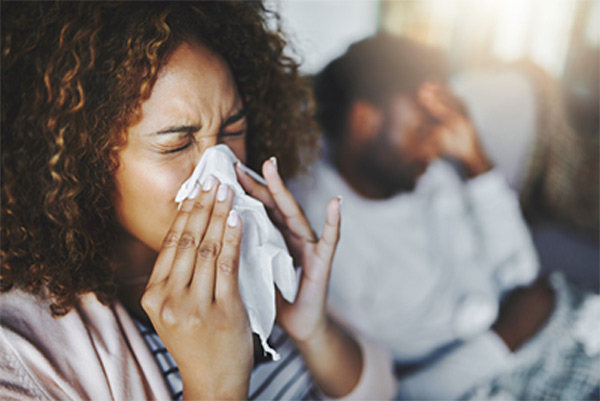
Fever, fatigue and persistent cough are among the many symptoms being witnessed in people across the country in the recent past. But, the question is — is it Covid-19 or H3N2 virus that one is down with?
A subtype of influenza A, H3N2 presents symptoms similar to that of Covid-19. But, experts say the former is leading to more cases of hospitalisation at present. Covid-19 cases are also increasing at a steady pace, with 5,676 cases recorded on April 11 in India.
“We are getting around 20-30 cases every day of people coming in with flu symptoms. Of these, most are testing positive for influenza,” says Dr AK Jhingan, senior director, Internal Medicine at BLK MAX Hospital.

Key differences
Though testing is the safest way to differentiate, a cursory understanding of the symptoms may help doctors understand whether one is suffering from influenza or Covid-19 and prescribe tests accordingly.
“Both viruses present predominantly with respiratory symptoms as well as flu-like illness, but loss of smell and taste are more common in Covid-19,” says Dr Rahul Roshan, senior consultant, Chest and Respiratory Diseases at a Delhi-based hospital.
While influenza may typically severely impact the elderly population and people with co-morbidities, Covid-19 may give rise to serious illness in people of all ages. Also, when infected with influenza, one may experience symptoms within 1-4 days, while in case of Covid-19, it may take 2-14 days for the symptoms to show.
“Covid-19 mutates faster and attacks the lungs early, whereas influenza may affect the lungs a little later,” says Dr Sunny Kalra, senior consultant, Respiratory Medicine at a Delhi-based hospital.
Coughing is a common symptom. But, it is more prevalent in case of influenza and can leave the patient feeling tired. In case of Covid-19, experts say, cough is comparatively milder.
“H3N2 mainly causes respiratory illness and starts with high fever, sneezing, dry cough and throat pain. On the other hand, Covid-19 may present symptoms such as bodyache, headache, irritability, lethargy and progress later to mild cough, abdominal symptoms such as nausea, vomiting and loss of taste, besides fever and cough,” says Dr Sanjeev Dutta, HOD and senior consultant, Paediatrics at Marengo Asia Hospitals.
Eat right to energise
A wholesome meal is one that is rich in proteins, healthy fats and a moderate quantity of good carbs, besides good vitamin intake. “Regular intake of vitamin C in the form of one lemon a day and prescribed supplements must be taken throughout the year, not just when one catches an infection,” says nutritionist Tripti Tandon. She also suggests opting for fruits over juice: “A glass of juice is made using two-three fruits, increasing the consumption of natural sugar. That can lead to diabetes, if overdone. On the other hand, if you eat a fruit, even a small quantity is filing and the fibre intake is an added advantage.” Some other must-adds to the diet are coconut water, nuts, legumes and sprouts.
Practice Yoga to power through
These cleansing rituals and breathing exercises can help attain physical and mental well-being:
Jal Neti: Cleanses the nasal passage
Vaman Dhauti: Cleanses the digestive track
Anulom Vilom: Increases the oxygen level in the blood, helps attain physical and mental well-being, strengthens immunity
Ujjayi Pranayama: Helps get rid of phlegm in the throat
Surya Bhedi Pranayama: It helps activate the right nostril, which in turn aids in fighting cold, cough and sinus-related problems
Bhramari Pranayama: It helps relieve tension and anxiety
Inputs by Gaurav Chauhan, yoga expert and instructor
Read more at-https://bit.ly/41euq5e
A team of researchers has uncovered how cancer evades the immune system and spreads throughout the body and is investigating ways to disable this potentially harmful trait. A research led by the National Cancer Centre Singapore (NCCS) with members from Duke-NUS Medical School, KK Women and Children’s Hospital, A*STAR’s Singapore Immunology Network (SIgN), the University of Southampton and the Alan Turing Institute.
Many have been trying to figure out how cancer cells managed to avoid being found and eliminated by the immune system over the past few years. This most recent ground-breaking discovery, which was released on March 27, 2023 in the highly regarded scientific journal Nature Communications, has ramifications for the creation of cutting-edge cancer treatment methods.
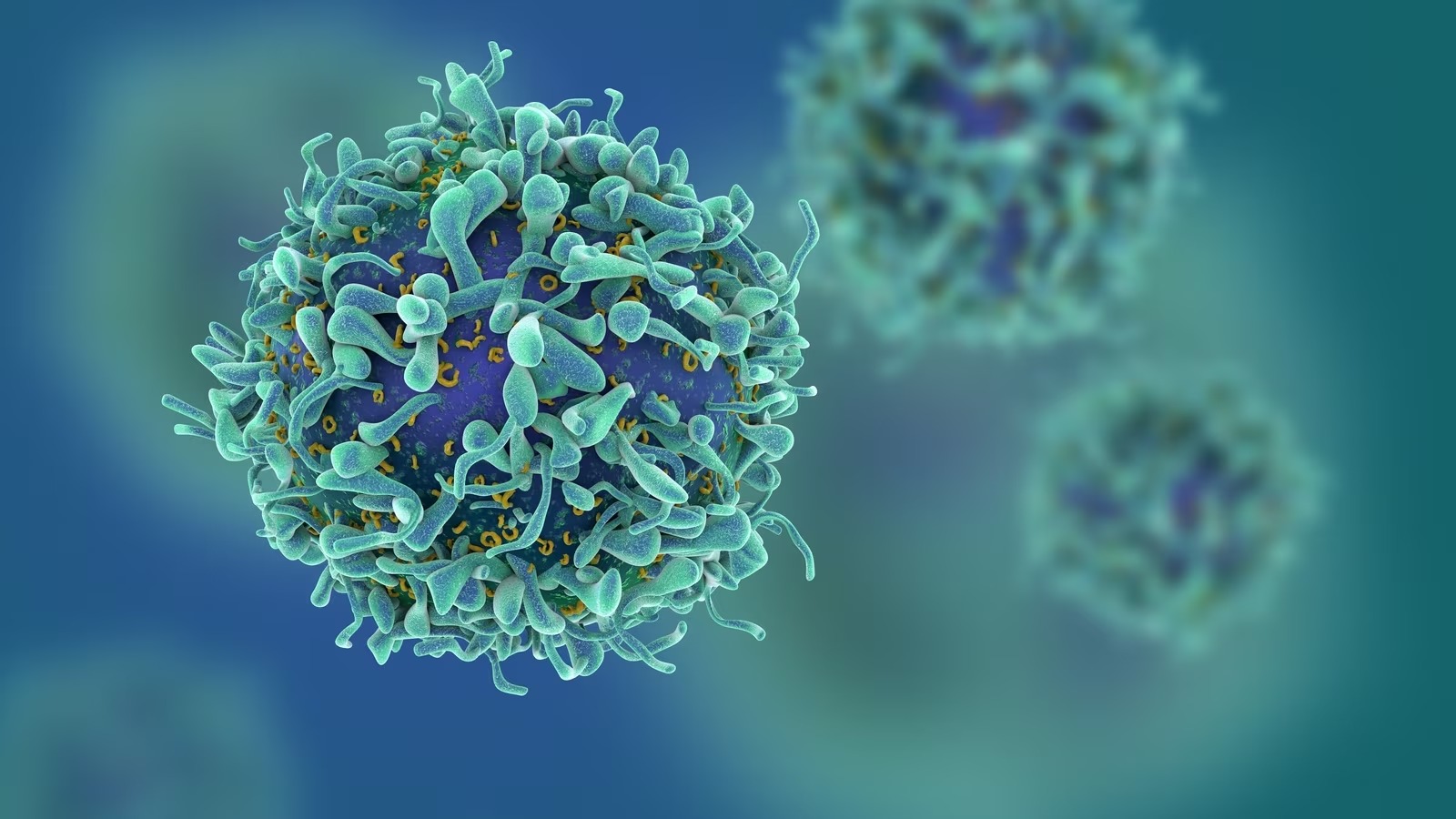
The immune system searches and destroys abnormal cells such as cancer cells. However, in some instances, cancer cells avoid being detected and killed by the immune system and are able to develop and spread more easily. Metastasis, a process when cancer cells break away from the primary tumour and form in other parts of the body, makes cancer harder to treat and results in poorer prognosis. For this reason, the team decided to investigate early onset of metastasis which typically occurs when cancer cells are detected in lymph nodes near the primary tumour.

“Like an unethical employer that forces their employees to work continuously, cancer forces the immune cells to work overtime and become exhausted, rendering them incapable of functioning normally,” said Professor Gopal Iyer, senior author of the study and Head and Senior Consultant, Department of Head and Neck Surgery, Division of Surgery and Surgical Oncology, Singapore General Hospital and NCCS.
“Using a treatment to alleviate stress on immune cells, we found that immune cells were able to kill cancer cells more effectively. Still, just like some employees who are too burnt out to work properly even with a bonus, some immune cells were seen to remain exhausted even after treatment, which is how cancer may not be detected and effectively destroyed by the immune system.”
Uncovering cancer immune system suppression: A three-part investigation
As the basis of their investigation, the team profiled primary and metastatic lymph node tumours from 14 patients with head and neck squamous cell cancers, using single cell RNA sequencing. They found pre-metastatic cells within the primary tumours with the capacity to metastasise to the lymph nodes. They also found that a substantial proportion of CD8 cells, a key component of the immune system that searches and kills abnormal cells such as cancer, were ‘exhausted’ and unable to perform their protective role. This occurred when the immune cells were repeatedly exposed to cancer and unable to eliminate it.
Next, the team identified and targeted pathways that exclusively affected cancer cells, immune cells, as well as pathways that cancer cells utilise to negatively influence immune cells, and were able to prevent some cancer spread and rejuvenate immune cells. However, despite these promising results, cancer cells continued to show their ability to escape immune surveillance.
Using a mouse model, engrafted with pre-metastatic cancer cells, the team analysed a subgroup of CD8 T cells expressing Midkine (MDK) receptors. One group in the model was treated with anti-PD1, while the other was a control arm. There was an increase in exhausted MDK-receptor expressing CD8 T cells even after anti-PD1 treatment, suggesting that the MDK-signalling pathway instigates immune suppression that undoes the effects of anti-PD1 treatment. Taken together, the results implicate MDK-signalling as a pathway which pre-metastatic cancer cells use to evade CD8-mediated immune surveillance. It also explains why some patients do not respond as well as others to anti-PD1 therapy.
Finding solutions to improve treatment outcomes
“Our investigations indicate that we can use multiple pathways to effectively treat cancer – by targeting cancer cells, the immune system and using existing therapies to counter immune system evasion by cancer cells. We know we need an increased arsenal of weapons to use against cancer and have to put it together to improve treatment outcomes,” said Professor Iyer, who is also head of the Division of Medical Sciences at NCCS.
Read more at-https://bit.ly/3o7hnUk
With age, wear-and-tear starts happening in the body. A faulty lifestyle, however, speeds it up and in many cases even advances ageing process. The youth usually tend to ignore their health and remain oblivious to underlying issues till they take the shape of a full-blown disease. No wonder, the reports of sudden cardiac arrests and brain strokes are on the rise these days. As symptoms of a serious disease take time to appear, ignorance to early signals at time cost very dearly. It is therefore important to go for preventive health check-up to diagnose a disease early on and go for curing it. People who have history of heart disease, diabetes, blood pressure, cancer in their families especially should not delay getting the required tests so as to nip the disease in the bud and start early treatment.
“The precarious nature of human life has become all the more evident over the past few years as new viruses and illnesses are emerging and with that a host of health problems. But only a healthy body can and will be able to deal with the various environmental and mental health issues. With age, the immunity and healing capacity of body goes on decreasing and a person should seek regular medical advice and can periodically perform certain medical tests to stay fit. Basic tests can be started after the age of 30 and certain tests pertaining to heart can be added after the age of 40,” says Dr Tushar Tayal, Consultant, Internal Medicine, CK Birla Hospital.
“There is no specific test recommended below the age of 40 to any gender unless there is a family history of critical genetic illness like sickle cell anaemia, thalassemia etc, some disorders like hypertension, diabetes and history of sudden death etc. In above conditions it’s not required to undergo all the tailored health checks but consult medical specialists to know what is required.
We are seeing rise in people of younger age group coming to our OPD and asking to recommend various tests however, it is recommended that tests should only be done if it is prescribed by medical specialist,” says Dr Mugdha Tapdiya, Senior Consultant- Internal Medicine, Fortis Hospital, Vasant Kunj.
Dr Tapdiya says that people under 40 should go for specific tests only if there is easy fatiguability, less sleep, disturbed sleep, headache for more than two weeks, breathing difficulties, recurrent fever, joint pain, muscles stiffness or cramps, dry eyes or any other symptom that does not explain the uneasiness or is unusual.

“Complete health screening check-ups are recommended after age of 42 years and every two years up to the age 60 years; after that it is recommended to have health checks every year. However again it is preferred to have a tailored tests for each individual after age 60 years rather than undergoing fixed health care packages. Best is to listen to your body. Body will give some or the other symptoms if there is any underlying proliferating disease,” says Dr Tapdiya.
However, in case of risk factors or any other discomfort, one should get tested after taking advice from their medical expert. Dr Tayal shares list of tests people should undergo at the age of 30 and some additional tests for people over 40.
Blood pressure monitoring: This should be done bi-annually, especially in people with strong family history; ideally BP should be below 130/84 mm Hg.
HbA1C: It can be done annually in people with sedentary lifestyle, obesity and strong family history to rule out diabetes. A person is nondiabetic at an HBA1C value below 5.7, prediabetic till 6.3 and diabetic above 6.4.
Liver function test: It can be done annually to rule out chronic liver disease and fatty liver disease.
Thyroid function test: If symptoms of underactive thyroid are present such as weight gain, hair loss and irregular menses, then you must get this test done.
Vitamin D and B12: This can be done annually and if found deficient appropriate supplements and dietary changes can be implemented.
Lipid profile: Especially in sedentary people and those with family history of heart disease this test is important. LDL cholesterol should ideally be below 100 And HDL should be in the high normal range.
Usg abdomen: This can be done annually in people with history of fatty liver or gall bladder/kidney polyps.
Breast ultrasound: Get this done every three years to rule out breast malignancy till the age of 40.
Pap smear test: This should be performed every three years to detect early changes of cervical cancer.
Screening for sexually transmitted infections: This should be done annually in individuals belonging to high-risk groups.
After 40 years of age, following additional tests can be done:
1. Stool occult blood: This test can be done for early detection of colon cancer.
2. Prostate specific antigen: This is a blood marker for detection of prostate cancer in men, especially if there is family history of prostate cancer.
3. Mammogram: This should be done annually in women for early detection of breast cancer.
4. ECG -Electrocardiogram: This can be done annually for early detection of heart disease.
Read more at-https://bit.ly/3ZMDGM5
A novel brain link may provide a new therapeutic target for the treatment of mental illness by explaining how early stress and adversity cause the reward circuit in the brain to function improperly. This circuit’s dysfunction is regarded to be the root cause of a number of severe illnesses, including depression, drug misuse, and excessive risk-taking.
In an article recently published online in Nature Communications, Dr Tallie Z. Baram, senior author and UCI Donald Bren Professor and Distinguished Professor in the Departments of Anatomy & Neurobiology, Pediatrics, Neurology and Physiology & Biophysics, and Matt Birnie, lead author and a postdoctoral researcher, describe the cellular changes in the brain’s circuitry caused by exposure to adversity during childhood.
“We know that early-life stress impacts the brain, but until now, we didn’t know how,” Baram said. “Our team focused on identifying potentially stress-sensitive brain pathways. We discovered a new pathway within the reward circuit that expresses a molecule called corticotropin-releasing hormone that controls our responses to stress. We found that adverse experiences cause this brain pathway to be overactive.”
“These changes to the pathway disrupt reward behaviours, reducing pleasure and motivation for fun, food and sex cues in mice,” she said. “In humans, such behavioural changes, called ‘anhedonia,’ are associated with emotional disorders. Importantly, we discovered that when we silence this pathway using modern technology, we restore the brain’s normal reward behaviours.”

Researchers mapped all the CRH-expressing connections to the nucleus accumbens, a pleasure and motivation hub in the brain, and found a previously unknown projection arising from the basolateral amygdala. In addition to CRH, projection fibres co-expressed gamma-aminobutyric acid. They found that this new pathway, when stimulated, suppresses several types of reward behaviours in male mice.
The study involved two groups of male and female mice. One was exposed to adversity early in life by living for a week in cages with limited bedding and nesting material, and the other was reared in typical cages. As adults, the early adversity-experiencing male mice had little interest in sweet foods or sex cues compared to typically reared mice. In contrast, adversity-experiencing females craved rich, sweet food. Inhibiting the pathway restored normal reward behaviours in males, yet it had no effect in females.
“We believe that our findings provide breakthrough insights into the impact of early-life adversity on brain development and specifically on control of reward behaviours that underlie many emotional disorders. Our discovery of the previously unknown circuit function of the basolateral amygdala-nucleus accumbens brain pathway deepens our understanding of this complex mechanism and identifies a significant new therapeutic target.” Baram said. “Future studies are needed to increase our understanding of the different and sex-specific effects of early-life adversity on behaviour.”
Read more at-https://bit.ly/3m9iulk
An increased diet of free sugars – both added sugars and those found naturally in honey and fruit juice linked to an increased risk of cardiovascular disease, according to a study. The findings support the global dietary recommendation to limit free sugar consumption to less than 5 per cent of total daily energy consumption.
The findings of the study were published in BMC Medicine.

Rebecca Kelly and colleagues analysed data from 110,497 individuals from the UK Biobank who had completed at least two dietary assessments. The researchers tracked individuals for around 9.4 years and during this time, total cardiovascular disease (heart disease and stroke combined), heart disease, and stroke occurred in 4,188, 3,138, and 1,124 participants, respectively.
The authors found total carbohydrate intake was not associated with cardiovascular disease outcomes. However, when looking at the types and sources of carbohydrates consumed, they found that higher free sugar intake from foods such as sugary drinks, fruit juice and sweets, was associated with increased risk of all cardiovascular disease outcomes. For each 5% higher total energy from free sugars, the associated risk of total cardiovascular disease was 7% higher. The authors found that the risk of heart disease was 6% higher, while the risk of stroke was 10% higher. Additionally, consuming five grams higher fibre per day was associated with 4% lower risk of total cardiovascular disease, but this association did not remain significant after accounting for body mass index (BMI).
The authors suggest that replacing free sugars with non-free sugars – mostly those naturally occurring in whole fruits and vegetables – and a higher fibre intake, may help protect against cardiovascular disease.
Read more at-https://bit.ly/3k5OeXT