Categories
COVID-19 Government Guidelines Medical Updates Medicine & Health

Omicron, sub-lineages remain dominant variant in India: INSACOG

Synopsis
Amid the declining trajectory of daily Covid-19 cases in India, the Indian SARS-CoV-2 Consortium on Genomics (INSACOG) on Sunday said that the Omicron and its sub-lineages continue to be the dominant variant in India.

New Delhi, Amid the declining trajectory of daily Covid-19 cases in India, the Indian SARS-CoV-2 Consortium on Genomics (INSACOG) on Sunday said that the Omicron and its sub-lineages continue to be the dominant variant in India.

“Omicron and its sub-lineages continue to be the dominant variant in India. BA.2 and its descendent lineages, in particular, BA.2.75 has been mostly found over the last week in different parts of India,” the INSACOG said in its recent bulletin about India’s current scenario.

It further said that the incidence of BA.5 has decreased in the last few weeks. Any surge in hospitalisation or any disease severity has not been observed during this time-period.

Omicron, sub-lineages remain dominant variant in India: INSACOG

Globally, the INSACOG said that the Omicron is the most abundant variant of concern (VOC) circulating worldwide, accounting for 99.4 per cent of sequences reported globally. BA.5 Omicron descendent lineages continue to be dominant globally.

“The prevalence of BA.4 descendent lineages, including BA.4.6 decreased during last week. The prevalence of BA.2 descendent lineages (BA.2.X) remained constant last week. BA.2.75, an Omicron descendent lineage under monitoring, still shows a relatively low prevalence globally, however, a number of countries have observed recent increasing trends,” said the INSACOG.

India reported 1,994 fresh Covid cases and four deaths in the last 24 hours, taking the national fatalities tally to 5,28,961. The active caseload of the country presently stands at 23,432 cases, accounting for 0.05 per cent of the country’s total positive cases, the Union Health Ministry said on Sunday.
Read more at-https://bit.ly/3Dsw7SR

Categories
Medical Updates Medicine & Health

Centre of Excellence for cancer care and blood disorders at Amrita Hospital, Faridabad

Synopsis
Amrita Hospital’s Department of Hematology, Medical Oncology and BMT helps patients treat blood disorders, benign diseases, as well as blood cancers and solid cancers in adults and children.

Established in 1998 as the Amrita Institute of Medical Sciences, Amrita Hospital is recognised as a Centre of Excellence in Quality Healthcare, Education and Research. Over the years, Amrita Hospital has provided affordable healthcare to over 1.21 crore outpatients and 8.87 lakh inpatients. The hospital has spent over Rs. 700 crores exclusively towards healthcare charity and has performed more than 23,000 surgeries annually. Needless to say, the hospital has earned a reputation for being  affordable and providing quality medical care to the general population.

Centre of Excellence for cancer care and blood disorders at Amrita Hospital, FaridabadWhen it comes to people who are suffering from diseases that need extra care, expert care is crucial. For instance, people suffering from diseases like cancer need special healthcare facilities and constant medical attention. If we are to look at the number of cancer cases in India, which stands at around 8,00,000 new cases per year, the availability of quality healthcare in Oncology is the need for the hour for the general population.

This is where Amrita Hospital and its Department of Hematology, Medical Oncology and BMT come into the picture. The department treats blood disorders, benign diseases, as well as blood cancers and solid cancers in adults and children. The treating team has been trained at some of the best centres in India and abroad.

Alongside managing the disease, the department strongly believes in spreading awareness and preventing cancer. In fact, the doctors state that about 70% of cancers are preventable just by stopping tobacco use, moderating alcohol intake, consuming sufficient fibre in the diet, avoiding red meat ingestion, and engaging in adequate physical activity.

The most common cancer in India is breast cancer, with a high fatality rate, mainly because 75% of women are diagnosed at an advanced stage. As per the doctors at Amrita Hospital, breast cancer is curable if detected at an early stage. This can be done by self-breast examination and breast cancer screening. Cervical cancer is the second most common cancer among women in India, and more than 90% can be prevented by having the cervical cancer vaccine (Human papillomavirus/HPV) at the appropriate age. The ideology at Amrita Hospital is to reach out to the community at the grass-root level and make people aware of tobacco cessation and cancer screening.

The hospital promotes and nurtures a strong culture of evidence-based treatment backed by a robust tumour board environment where all treatment plans are rigorously reviewed and discussed between various allied departments like Medical Oncology, Hematology, Radiation oncology, Surgical oncology, Nuclear medicine, pathology, and Radiology to ensure optimal outcomes.

Amrita Hospital offers a state of the art precision oncology, systemic anti-cancer therapy, immunotherapy and targeted therapy for appropriate clinical situations after appropriate molecular and genomic work-up. For the elderly, the department provides age-applicable solutions and personalised treatment strategies. Patients and families are actively encouraged to participate in the tumour board discussion so that treatment plans are communicated transparently, and a mutual decision can be taken.

Amrita Hospital has a Blood and Marrow transplant (BMT) unit for all kinds of bone marrow transplants, including autologous transplants, allogenic transplants, matched siblings, as well as unrelated and haploidentical transplants. The transplant unit looks after pediatric and adult patients in need of stem cell transplants for haematological disorders such as aplastic anaemia, thalassemia, immunodeficiency disorders, sickle cell disease, myeloma, lymphomas and leukaemias. The hospital has  the support of various ultramodern departments and support services, including laboratories, a blood bank, interventional radiology and Intensive Care Units within the hospital.

Chimeric Antigen Receptor – T (CAR- T) cell therapy will also be available as a therapeutic as well as a research tool in the cancer centre soon. The focus of the department is not only on treating blood disorders and cancer but also in helping the patient and the family holistically and compassionately, which will help them deal with the emotional, social and financial distress associated with the diseases.

Read more at:-https://bit.ly/3z2AYaJ

Categories
Medical Equipments Medical Updates Medicine & Health

Serum Institute to produce Ebola vaccine for use in Uganda outbreak

Synopsis
The Serum Institute of India plans to manufacture 20,000 to 30,000 doses of an experimental Ebola vaccine by the end of November for use in trials against an outbreak in Uganda, its developers and a company source said.

The Serum Institute of India plans to manufacture 20,000 to 30,000 doses of an experimental Ebola vaccine by the end of November for use in trials against an outbreak in Uganda, its developers and a company source said.
The response to Uganda’s outbreak has been blunted by the absence of a proven vaccine against the Sudan strain of the virus.

There have been 54 confirmed cases and 19 deaths since last month and the first case in the capital, Kampala, was recorded last week. But health authorities believe the actual numbers could be higher.

Vaccines against the more common Zaire strain of Ebola have proven highly effective during recent outbreaks in neighbouring Democratic Republic of Congo.

Serum Institute to produce Ebola vaccine

Oxford University’s Jenner Institute, which developed a COVID-19 vaccine with AstraZeneca, has an Ebola vaccine that has been shown to induce an immune response to both the Sudan and Zaire strains in Phase 1 trials.

Its developers said it could be deployed in Uganda as part of a clinical trial once the authorities there gave regulatory approval.

“We are working very closely with Serum Institute to rapidly scale up the manufacture of this vaccine,” said Teresa Lambe, the chief scientific adviser on Ebola at the Jenner Institute.

“We are hoping to have a large number of doses, approximately 20,000 to 30,000 or more by mid-to-end of November,” she told Reuters.

A source at the Serum Institute, the world’s biggest vaccine maker and part of a conglomerate run by Indian billionaire Cyrus Poonawalla, confirmed this information. The source said the Ebola vaccine doses would be supplied free of cost.

‘PLAYING CATCH UP’

Uganda’s Information Minister Chris Baryomunsi said in an interview on Saturday that he did not have any information on a vaccine rollout but that the outbreak was under control.

President Yoweri Museveni said the same day that the government would implement an overnight curfew and restrict movement into and out of two districts in central Uganda affected by Ebola for 21 days.

World Health Organization (WHO) chief Tedros Adhanom Ghebreyesus said last week that clinical trials of two vaccines could begin in the coming weeks pending Ugandan government approvals, without naming the vaccines.

There are at least six vaccines in development for the Sudan strain, including three with Phase 1 data, according to WHO.

The Oxford researchers voiced frustration that their vaccine was not ready to be rolled out when the outbreak hit, saying governments around the world had not made investing in vaccines enough of a priority in the wake of the COVID-19 pandemic.

The vaccine has been in development for several years but its progress through clinical trials has been slowed by funding shortfalls, they said.

“With better investment the world could easily have ready-made vaccines sitting in vials for this and a number of other diseases,” said Sandy Douglas, an investigator at the Jenner Institute.

“We’re spending a couple of months now playing catch up on work that could have been done ahead of time.”

Read more at-https://bit.ly/3SlxI1h


Categories
COVID-19 Government Guidelines Medical Updates Medicine & Health

Harnessing the power of partnerships in expanding Covid vaccine coverage

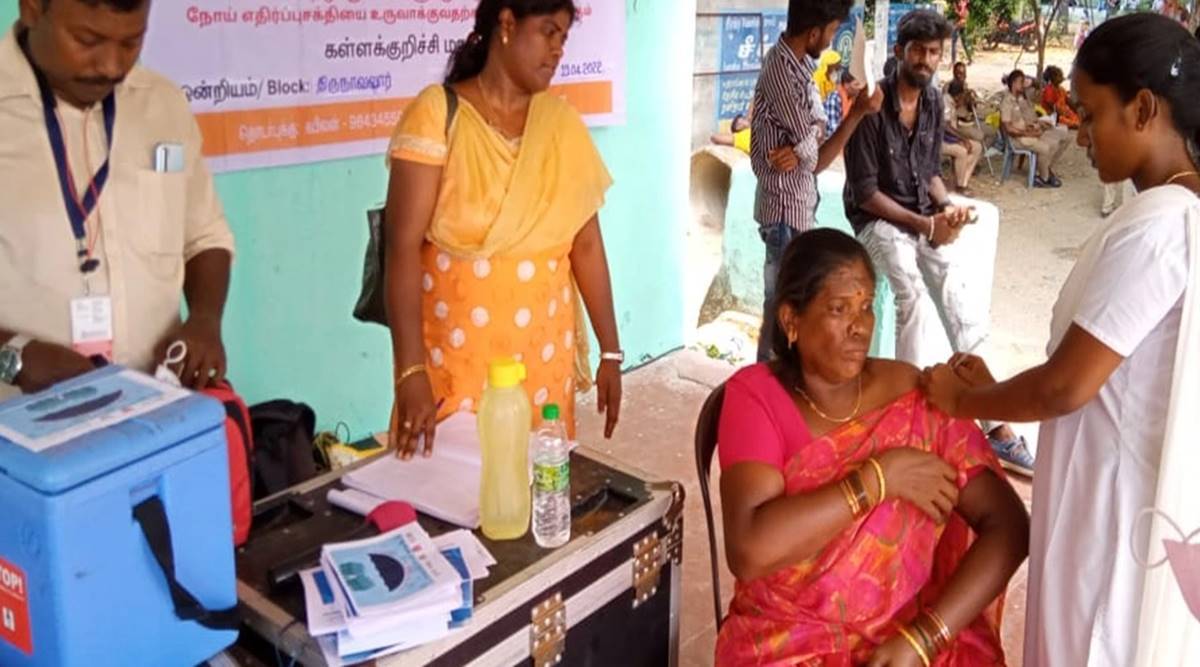
On the first anniversary of India’s COVID-19 vaccination drive, the Hon’ble Health Minister, Mansukh Mandaviya, observed that Jan Bhagidari helped to fuel India’s achievements in its successful vaccination journey. This, in fact, echoes the sentiment of Hon’ble Prime Minister of India, Narendra Modi, who emphasizes that the functioning of any robust democracy lies in the power of the collective that Jan Bhagidari stands for.

As someone with extensive experience in of public health, this principle has always resonated with me. I do believe that it’s the coming together of so many people – healthcare professionals, the larger scientific community, vaccine manufacturers, development partners, local leaders and frontline health workers all under the leadership of the Government of India – that has ensured India’s success in administering more than 2 billion COVID-19 vaccine doses to its eligible population in record time.

I am proud to be associated with a project that has contributed in its own way toward India’s exceptional vaccination trajectory: the MOMENTUM Routine Immunization Transformation and Equity Project. Operational across 18 states and union territories, and supported by USAID, the project has been a key driver in augmenting the efforts of the Ministry of Health and Family Welfare to improve the uptake of COVID-19 vaccination across states in record time. In many ways, it carries forward the country’s legacy of reaching the unreached, leaving no one behind and ensuring everyone has equitable access to vaccines.
Harnessing the power of partnerships in expanding Covid vaccine coverage

From hard-to-reach areas; tribal communities where confidence in and awareness about vaccines tends to be lower; vulnerable groups such as migrant workers, transgenders, elderly, disabled people, pregnant and lactating mothers– the project has helped to weave a safety net for those at the margins. Most importantly, the project has reiterated the country’s strength of successful collaborations — in this case, with multiple local partners at the state and community levels across a diverse mix — health workers, community champions, faith-based leaders, beneficiaries-turned-influencers and others.

For instance, in Chhattisgarh, an influencer from the trans community ensured that gender doesn’t become a barrier to availing the benefits of a life-saving vaccine. This influencer, Kanchan Sendre, worked hard to ensure an uptick in vaccinations for her community – she was so effective that she earned the title, ‘Vaccine Didi’. In Punjab, collaborations were done with the Shiromani Gurdwara Parbandhak Committee which ensured that all visitors could undergo the immunization process during their visit to the iconic Golden temple. In Madhya Pradesh, key religious and community leaders of Taj-Ul Masjid — one of Asia’s biggest mosques — came forward to help organize a large-scale COVID-19 vaccination-cum-awareness session. More than 400 key religious leaders from various parts of the state and the Director of Immunization of MP participated to increase awareness levels about COVID-19 and the vaccine.

Assam saw the innovative ‘Wellness on Wheels’ initiative — a vehicle with Covid-19 vaccination messages. The vehicle enabled vaccinators to reach out to remote villages and vaccinate vulnerable people who may otherwise struggle to access healthcare. In fact, this initiative saw a total of over 51,000 vaccinations (as on Sep 30, 2022), covering over 1200 villages.

To a large extent, the project typifies the essence of Jan Bhagidari. At every level, every stakeholder has played a significant role to ensure that the greater goal of vaccines for all is achieved. It is only apt to say that that these achievements have come at a time when India is celebrating Azadi ka Amrit Mahotsav. This is also a time to acknowledge that projects such as this have successfully developed strategies to mobilize communities by developing locally contextual interventions.

In this context, there are two standout cases illustrative of the power of people: polio and tuberculosis. In Uttar Pradesh, perhaps the most inventive tool was the Bulawa Toli – a children’s brigade would go through neighborhoods shouting slogans and inviting younger children to visit the nearest polio booth for the vaccine. When it comes to TB, community engagement has been critical too. Earlier this year, another strong example of community-focused initiative by the government came in the form of the Ni-kshay Mitra under the ‘Pradhan Mantri TB-Mukt Bharat Abhiyaan.’ As part of this initiative, a range of stakeholders – cooperative societies, corporate entities, elected representatives, non-governmental organizations, political parties and individuals etc. – can consider supporting and adopting districts and blocks or even one or more TB patients across states in India, in the fight against TB.

From the time of its launch on September 9, approximately 10.5 lakh TB patients have consented to receive nutritional, diagnostic, and vocational support in their journey of battling TB. As of now, over 33,000 people from various backgrounds have signed up as Ni-kshay Mitras, who will now be providing nutrition and other support to over 10.2 lakh patients – an example of how society can truly unite to overcome any adversity. And the numbers are increasing at a rapid pace.

Across different public health issues, the nature of interventions may change. But what has consistently helped our country overcome all obstacles, has been the ability to galvanize the community. And to further strengthen the efficacy of community action vis-à-vis public health, it’s important to continually work toward devising locally-relevant solutions for optimal impact. All this ties in with the broader tenets of Jan Bhagidari, too. I am confident that with such strong foundations, the country’s healthcare systems will be secure and stronger than ever before.

Read more At-https://bit.ly/3sfkHve

 

Categories
Medical Updates Medicine & Health

Air pollution scare rises in Delhi: Health consequences you should be aware of

As Delhi has started breathing bad air, it is mandatory to note the health consequences that the population residing in the national capital are prone to.

As per a 2021 report on Air Quality Life Index released by the University of Chicago’s Energy Policy Institute: India is the most polluted country in the world, with more than 510 million people—or about 40 percent of the country’s

population—living in the Indo-Gangetic plains of Northern India where pollution levels regularly exceed those found anywhere else in the world by an order of magnitude. The residents of this region, which includes the megacities of Delhi and Kolkata, are on track to lose more than 9 years of life expectancy if 2019 concentrations persist.

It also added that in Bangladesh, India, Nepal, and Pakistan, the AQLI data reveal that the average person would live 5.6 years longer if pollution were reduced to meet the WHO guideline.

Air pollution scare rises in Delhi: Health consequences you should be aware of

Exposure to air pollution can cause both short term and long term complications to the health. Severe health complications happen when the air is laden with fine PM2.5 particles which easily enter the body and settle in the lungs.

Air pollution can worsen the existing asthma condition in people and can also trigger a new attack.

“Breathing ozone and particle pollution can lead to increased asthma attacks,” warns the American Lung Association.

The US Environmental Protection Agency says in 2018, six million kids in the US were affected with Asthma due to air pollution.

A research study by the Children’s Center at Stanford University found that short-term and long-term exposures to high levels of carbon monoxide, nitrogen dioxide, and PM 2.5 were associated with alterations to the two genes responsible for immune tolerance in children and concluded that those alterations were significantly associated with asthma.

A September 2022 study published in the Lancet has talked about how increasing air pollution levels increases the risk of lung cancer, mesothelioma, and cancers of the mouth and throat.

Another study by the UK’s Francis Crick Institute and University College London found that people regularly exposed to higher levels of PM2.5 air pollution were at increased risk of epidermal growth factor receptor mutant lung cancer and other cancers

Long term exposure to pollutants in the air can also lead to chronic bronchitis, chronic obstructive pulmonary disease or COPD, pneumonia, and even heart diseases.

It can also lead to central nervous system dysfunctions.

The intensity and the occurence of these diseases varies from individual to individual depending on their existing health condition, age and sex. It also depends on the lifestyle of the individuals.

Several factors render air in Delhi unbreathable.

Stubble burning, construction activities, industrial releases and vehicles contribute the most to Delhi’s sickening pollution.

A 2016 study by IIT Kanpur, Delhi Pollution Control Committee and Department of Environment, NCT Delhi found that road dust accounts for more than 50% of the air pollution in the city.

“The most health-harmful pollutants – closely associated with excessive premature mortality – are fine PM2.5 particles that penetrate deep into lung passageways,” warns the WHO.

Read more at-https://bit.ly/3Twhq6v

Categories
Medical Updates Medicine & Health

Colorectal cancer patients can benefit from surveillance with chest imaging

Despite improved survival rates, colorectal cancer is the third leading cause of cancer-related deaths in the United States. Though rates of colorectal cancer have declined among people 65 and older, largely thanks to increased screening efforts, rates among younger adults are rising.

According to new research presented at the Scientific Forum of the American College of Surgeons (ACS) Clinical Congress 2022, colorectal cancer patients with certain clinical characteristics may benefit from more frequent chest imaging to help identify and target cancer that has spread to the lungs.

These findings have the potential to improve long-term outcomes of patients with metastatic colorectal cancer.

Despite improved survival rates, colorectal cancer is the third leading cause of cancer-related deaths in the United States. Though rates of colorectal cancer have declined among people 65 and older, largely thanks to increased screening efforts, rates among younger adults are rising. 2 When the cancer is caught early, many patients can remain disease-free for the rest of their lives after surgical treatment, but colorectal cancer can spread (metastasize) in up to 50 per cent of patients.


One of the most common areas colorectal cancer spreads to is the lungs, affecting up to 18 per cent of patients with colorectal cancer.4 Detecting cancerous nodules in the lung early provides patients with the best outcomes, but there are no evidence-based standards for when and how often to screen colorectal cancer patients with chest CT or PET scans.

Colorectal cancer patients can benefit from surveillance with chest imaging

“After patients are diagnosed with colorectal cancer, many of them want to better understand what their cancer diagnosis entails in terms of their surveillance and survivorship for the rest of their life, but we currently lack data and uniform guidelines to support how often these patients should be screened with chest imaging,” said co-author Mara Antonoff, MD, FACS, associate professor, thoracic and cardiovascular surgery, UT MD Anderson Cancer Center, Houston, where she also serves as program director of education.

Anderson added, “With this study, we sought to develop a strategy that is evidence-based to determine how frequently, at what intervals, and for how long patients at risk of developing lung metastases should undergo imaging of their chest.”

Dr. Antonoff specializes in thoracic surgical oncology and has a clinical interest in colorectal cancer that has spread to the lungs. She is leading a multi-institutional study, under the umbrella of the American Association for Thoracic Surgery (AATS) Thoracic Surgery Oncology Group (TSOG) (TSOG 103), on developing optimal treatment strategies for colorectal cancer patients whose cancer spread is limited to the lungs.

To identify which colorectal cancer patients may benefit from early chest imaging and at what time intervals, Dr. Antonoff and an interdisciplinary team of researchers at MD Anderson – including cardiothoracic surgeons, colorectal cancer surgeons, and gastrointestinal oncologists – collaborated on this research project to investigate evidence-based surveillance guidelines for colorectal patients who are at risk of developing lung metastases.

Read more at-https://bit.ly/3S3EqbW


Categories
Medical Updates Medicine & Health

Indian pharma to step up quality standard to meet global generic demand

Synopsis

In 2019, Indian pharma companies received 19 warning letters. Nearly half were from the Office of Manufacturing Quality, US Food and Drug Administration (FDA). GoI has taken some measures since March 2021. Companies that manufacture and market pharmaceuticals are accountable for their products’ quality. That is not enough. A regulatory overhaul is needed.

The possible link between four cold and cough syrups made by an Indian pharmaceutical company and the death of 66 children in the Gambia is a wake-up call. The World Health Organisation (WHO) has issued a global alert to minimise and prevent further harm.

For India’s drug regulator and government, this is an alarm to step up vigilance. India must continue to be the ‘pharmacy to the world’ by ensuring that the quality of its products is not suspect. For this, GoI must take strong measures.

Indian pharma to step up quality standard to meet global generic demand

India is the third-largest pharma manufacturer, meeting 20% of global generic demand. Multiple assessments project the industry to grow further – $45-65 billion by 2025, and $120-130 billion by 2030. However, non-compliance with quality standards is the biggest challenge.

In 2019, Indian pharma companies received 19 warning letters. Nearly half were from the Office of Manufacturing Quality, US Food and Drug Administration (FDA). GoI has taken some measures since March 2021. Companies that manufacture and market pharmaceuticals are accountable for their products’ quality. That is not enough. A regulatory overhaul is needed.

The current fragmented system, where quality and standardisation become casualties, must be replaced by a modern, independent, statutory regulatory system. The Central Drugs Standard Control Organisation (CDCSO) is the non-statutory regulator under the health ministry. It has no jurisdiction over State Drug Regulatory Authorities that are part of state health departments. Each regulatory body acts independent of the other. This must change.

The pandemic has raised concerns about supply chains and inequity in access. Failure to address quality standards could derail the prospects of one of India’s brightest sectors.

Read more at-shorturl.at/ijmGS

Categories
Government Guidelines Medical Updates Medicine & Health

Maiden Pharmaceuticals had license to export, not locally sell cough & cold syrup, India says

Synopsis

India’s health and welfare ministry said Thursday that Maiden Pharmaceuticals had the license to only export four drugs that are now linked to have killed 66 children in Gambia. ​​​​”Four drugs, out of 23, named Promethazine Oral Solution BP, Kofexnalin Baby Cough Syrup, MaKoff Baby Cough Syrup and MaGrip n Cold Syrup, are not sold in India,” stated a press release.

India’s health and welfare ministry said Thursday that Maiden Pharmaceuticals had the license to only export four drugs that are now linked to have killed 66 children in Gambia.

“Four drugs, out of 23, named Promethazine Oral Solution BP, Kofexnalin Baby Cough Syrup, MaKoff Baby Cough Syrup and MaGrip n Cold Syrup, are not sold in India,” stated a press release.

It also said that the company has manufactured and exported these products only to Gambia.

Maiden Pharmaceuticals had license to export, not locally sell cough & cold syrup, India says

WHO had informed DCGI, the National Drug Regulator of India, that it is currently providing technical assistance and adviced to Gambia, where children have died and where a contributing factor, is suspected to be the use of medicines which may have been contaminated with Diethylene glycol or Ethylene glycol (in some of the samples it was claimed to have been confirmed by further analysis conducted by WHO).

CDSCO took up the matter immediately with Haryana State Regulatory Authority, under whose jurisdiction the drug manufacturing unit of M/s Maiden Pharmaceutical Limited, Sonepat is located. Further, a detailed investigation was launched to ascertain the facts/ details in the matter in collaboration with State Drugs Controller, Haryana.

From the preliminary enquiry of CDSCO, it has been made out that Maiden Pharmaceutical is a manufacturer licensed by the State Drug Controller for the products and holds manufacturing permission for these products for export only. The company has manufactured and exported these products only to Gambia.

As per the tentative results received by WHO, out of the 23 samples of the products under reference which were tested, four samples were found to contain Diethylene Glycol/ Ethylene Glycol. It has also been informed by WHO that the certificate of analysis will be made available to WHO in near future and it will share it with the Indian Regulator which is yet to be done. The exact one to one causal relation of death has not yet been provided by WHO to CDSCO.

As a robust National Regulatory Authority, CDSCO has requested WHO to share at the earliest with CDSCO the report on establishment of causal relation to death with the medical products in question etc.

“The samples (controlled samples of the same batch manufactured by M/s. Maiden Pharmaceuticals Limited for all the four drugs in question) have been taken and sent for testing to Regional Drug Testing Lab, Chandigarh by CDSCO, the results of which will guide further course of action as well as bring clarity on the inputs received/ to be received from WHO,” the release stated.

Read More at:-shorturl.at/abgjz


Categories
COVID-19 Medical Updates

Omicron’s staying power is key to mild winter as cases rise

The rhythm of pre-pandemic life is back around much of the world. Munich’s Oktoberfest tents are full, tourists are returning in Tokyo and New York, masks have come off in the subways.

The rhythm of pre-pandemic life is back around much of the world. Munich’s Oktoberfest tents are full, tourists are returning in Tokyo and New York, masks have come off in the subways. The previous two autumn seasons ended with new Covid-19 variants spurring fresh waves of cases and social restrictions. This year is different: the super-contagious but less severe omicron has shown unusual staying power — even as it spawned hundreds of sublineages.

The world has learned that the coronavirus is fickle, and as cases start to creep up again, so does concern about unpredictable developments. But if omicron’s dominance holds, it could point to a drift reminiscent of the flu’s annual changes and pave the way for Covid to settle into a more predictable pattern.

Omicron’s staying power is key to mild winter as cases rise

Any successor to omicron will face an uphill battle. It will need to be both more transmissible and better able to sidestep the immunity people have built, said Ralf Bartenschlager, a German virologist and professor at Heidelberg University.

“It’s like throwing dice,” Bartenschlager said in an interview. “During the replication of the virus, the dice are constantly thrown, and the best-fitting number gets an advantage.”

“We can even be happy — in quotation marks — that we now have an omicron variant that has taken over from the original strains,” he added.

The World Health Organization is tracking more than 300 sub-lineages of omicron, officials there said last week. The BA.5 subvariant that swept across the globe this summer still dominates, accounting for some four-fifths of sequences.

The multiplicity of sublineages is in some ways closer to what scientists would have expected compared with the way previous major variants emerged “out of nowhere,” looking very different than the strains that had previously dominated, said Stephen Goldstein, an evolutionary virologist at the University of Utah.

Omicron’s staying power is key to mild winter as cases rise

“It’s totally possible that some strange new combination of mutations is emerging in some person who is chronically infected and that could spark a new variant,” he said, “but we don’t have the ability to predict that.”

The more infections there are, the higher the chances of unpredictable developments. And cases are on the upswing from Germany to China, which remains the notable exception to the reopening trend as the government sticks to its Covid-zero policy.

“I know some would love to believe that the pandemic is over,” Moderna Inc.’s chairman, Noubar Afeyan, said in an interview with Bloomberg TV. “But as the saying goes, ‘We may be done with the pandemic, but the pandemic doesn’t seem to be done with us.”’

Another complicating factor is that as countries roll back their testing programs, genetic surveillance is declining as well, Maria Van Kerkhove, the WHO’s Covid technical lead, said at a briefing. The number of sequences being evaluated has dropped by more than 90% since the start of the year, she said, limiting the WHO’s ability to track subvariants as efficiently.

“What we don’t know is is how this virus will continue to change,” Van Kerkhove said Wednesday. “We know it will change.”

That means it’s too soon to say with certainty what will happen next. Making predictions would be akin to looking into a crystal ball, said Bartenschlager. And we won’t know that we’ve hit what could be an annual pattern until it’s repeated, according to Goldstein.

“What we have going on right now is a kaleidoscope of factors that all play into what will be our future with Covid,” said Michael Osterholm, director of the Center for Infectious Disease Research and Policy at the University of Minnesota.

Despite the avalanche of research, he said there’s still a lot that scientists have yet to learn. “If there was ever a time for humility in public health, it’s now.”

Read more at-https://cutt.ly/UBYj67i

Categories
COVID-19 Government Guidelines Medical Updates Medicine & Health

India records 2,424 new coronavirus infections, 3 deaths

New Delhi: India saw a single day rise of 2,424 new coronavirus infections taking the total tally of COVID-19 cases to 4,46,14,437, while the active cases have declined to 28,079, according to the Union Health Ministry data updated on Monday.

The death toll has climbed to 5,28,814 with 15 fatalities which include 12 deaths reconciled by Kerala, the data updated at 8 am stated.

The active cases comprise 0.06 per cent of the total infections, while the national COVID-19 recovery rate has increased to 98.75 per cent, the health ministry said.

A decline of 514 cases has been recorded in the active COVID-19 caseload in a span of 24 hours.

India records 2,424 new coronavirus infections, 3 deaths

The daily positivity rate was recorded at 2.65 per cent, while the weekly positivity rate was recorded at 1.27 per cent, according to the health ministry.

The number of people who recuperated from the infection surged to 4,40,57,544, while the case fatality rate was recorded at 1.19 per cent.

According to the ministry, 218.99 crore doses of COVID vaccine have been administered in the country so far under the nationwide COVID-19 vaccination drive.

India’s COVID-19 tally had crossed the 20-lakh mark on August 7, 2020, 30 lakh on August 23, 40 lakh on September 5, and 50 lakh on September 16.

India crossed the grim milestone of two crore on May 4, three crore on June 23 2021, and four crore on January 25 this year.

The three new fatalities reported in 24 hours include two from Kerala and one from West Bengal.

Read more at-https://rb.gy/zhqkya