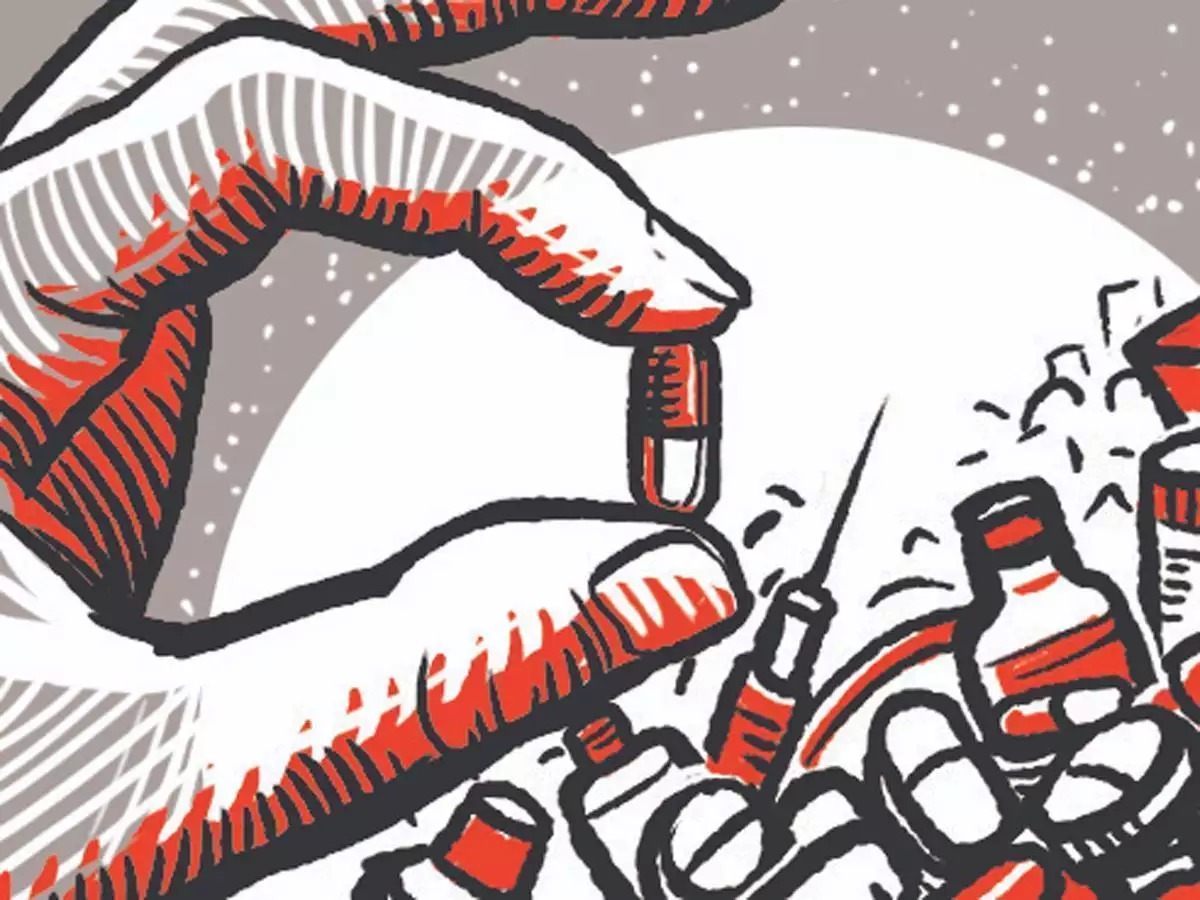
While there is not yet any clear evidence between microplastics and serious illnesses, researchers are increasingly concerned over their long-term effects on our bodies.
Taking a swig from your plastic water bottle will do more than slake your thirst — you will also be gulping down an unhealthy dose of microplastics — tiny plastic particles measuring less than 5mm. Being plastic, these particles do not decompose all that easily and will accumulate over time in our bodies — a process called bioaccumulation.
While there is not yet any clear evidence between microplastics and serious illnesses, researchers are increasingly concerned over their long-term effects on our bodies.
Key to this concern are the chemicals used in the manufacture of plastics, some of which have already been linked to serious diseases.
The presence of microplastics in human stool suggests we are exposed to microplastics in our daily lives.
They have found their way into the food chain, raising concerns about food safety.
They are also present in bottled water globally.
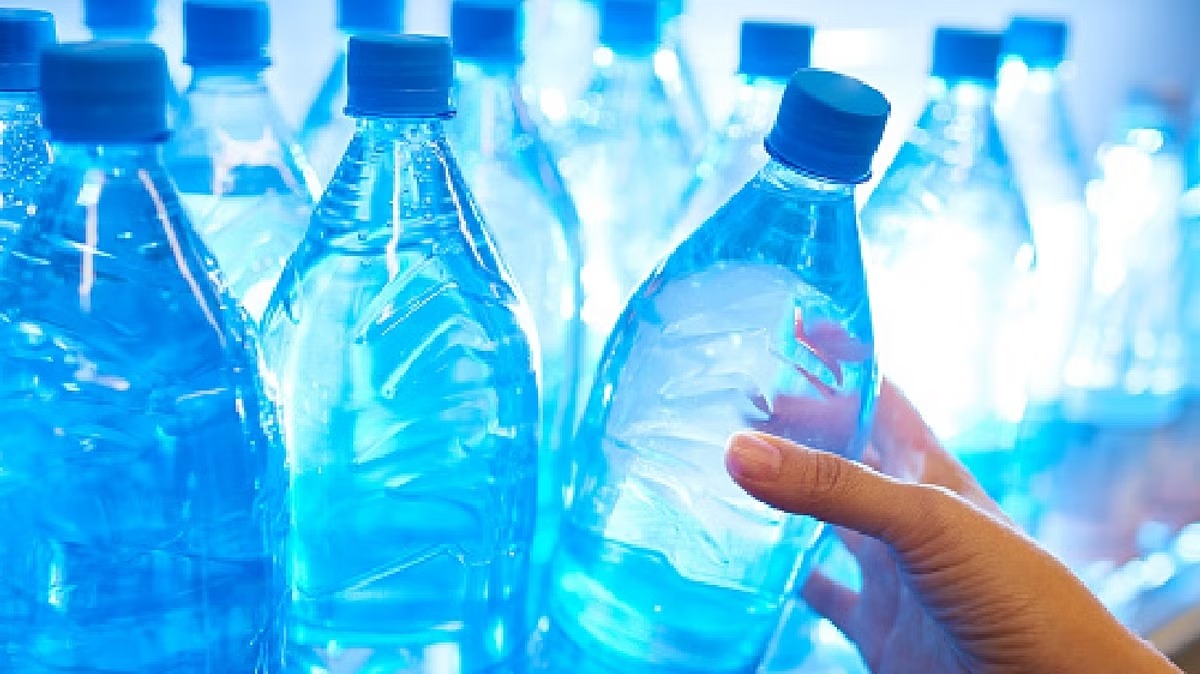
Studies investigating microplastics in bottled water have reported particle sizes of less than 1mm in most, released from the bottle material, the bottleneck and the cap.
The colour of the particles coming from the bottle material itself is transparent while those originating from the caps are either blue or green.
The highest detected plastics polymer is polyethylene terephthalate (PET) which is used to manufacture both the bottle material and cap.
Studies also provide evidence that microplastic in bottled water is due to multiple factors such as physical stress during transport, bottle shaking and high-pressure water injection into the bottles at the production plants.
Additionally, thermal impact during storage also worsens the fragmentation process.
Reusable PET water bottles have higher microplastic particles than single-use PET bottles.
Frequent opening and closing of the bottles also cause more particles to be formed due to friction.
The critical question remains unanswered: to what extent do microplastic particles found in bottled water threaten human health?
Researchers have developed a number of hypotheses on both the physical and chemical hazards.
No published study has directly studied the impact of plastic particles on humans.
The only existing research relies on laboratory tests that expose cells or human tissues to microplastics or those that employ rodents.
According to the World Health Organisation, only microplastics with particle sizes smaller than 1.5 μm (1.5 micrometres) can be ingested or absorbed due to their solubility and excreted directly.
Thus ingested microplastic particles (<1.5 μm) from bottled water are capable of migrating through the intestinal wall and reaching various body tissues, including the gut, liver and lymph nodes.
Minute particles (<1.5 μm) which enter cells or tissues might irritate just by being a foreign presence causing lung tissue inflammation which could lead to cancer.
The accumulation of these particles in human tissues has been linked with chemical toxicity.
Compounds such as plasticisers, stabilisers and pigments used in the production can be released by microplastics and travel through our bodies in the bloodstream.
These chemicals have been linked to health problems such as inflammation, genotoxicity, oxidative stress and damage to the gastrointestinal tract.
Chemicals released from bottled water packaging materials are now known as emerging pollutants and endocrine-disrupting chemicals (EDCs) that can cause serious health problems including cancer and developmental defects.
The long-term effects of microplastics exposure on human health are not yet fully understood and research is progressing.
But it is clear they are a potential hazard and steps should be taken to limit our exposure to them in daily life.
In the event you use bottled water as your primary source of drinking water, you should make an effort to minimise the shaking movements of the bottles and also unnecessarily opening and closing the bottle.
And it is not recommended to reuse plastic water bottles.
Reuse increases the rate of inner surface abrasion, releasing additional microplastic particles from the inner surface of the bottle.
It is also essential to store bottles in a cool and dry place to minimise their exposure to heat and sunlight. Sunlight can accelerate bottle degradation — they become more brittle and fragile — which leads to more microplastic particle release.
Additionally, the heat also causes these PET bottles to leach chemical pollutants such as plasticisers which can contaminate the water.
These chemicals, such as phthalates and bisphenol A (BPA) are harmful to human health if consumed in large amounts.
Read more at-https://bit.ly/3I9mifc