Categories
COVID-19 Government Guidelines Medical Updates Medicine & Health

Free sugars linked with higher risk of cardiovascular disease: Study

The authors suggest that replacing free sugars with non-free sugars – mostly those naturally occurring in whole fruits and vegetables – and a higher fibre intake, may help protect against cardiovascular disease.

An increased diet of free sugars – both added sugars and those found naturally in honey and fruit juice linked to an increased risk of cardiovascular disease, according to a study. The findings support the global dietary recommendation to limit free sugar consumption to less than 5 per cent of total daily energy consumption.

The findings of the study were published in BMC Medicine.

Free sugars linked with higher risk of cardiovascular disease: Study

Rebecca Kelly and colleagues analysed data from 110,497 individuals from the UK Biobank who had completed at least two dietary assessments. The researchers tracked individuals for around 9.4 years and during this time, total cardiovascular disease (heart disease and stroke combined), heart disease, and stroke occurred in 4,188, 3,138, and 1,124 participants, respectively.

The authors found total carbohydrate intake was not associated with cardiovascular disease outcomes. However, when looking at the types and sources of carbohydrates consumed, they found that higher free sugar intake from foods such as sugary drinks, fruit juice and sweets, was associated with increased risk of all cardiovascular disease outcomes. For each 5% higher total energy from free sugars, the associated risk of total cardiovascular disease was 7% higher. The authors found that the risk of heart disease was 6% higher, while the risk of stroke was 10% higher. Additionally, consuming five grams higher fibre per day was associated with 4% lower risk of total cardiovascular disease, but this association did not remain significant after accounting for body mass index (BMI).

The authors suggest that replacing free sugars with non-free sugars – mostly those naturally occurring in whole fruits and vegetables – and a higher fibre intake, may help protect against cardiovascular disease.

Read more at-https://bit.ly/3k5OeXT

Categories
COVID-19 Government Guidelines Medical Equipments Medical Updates

Paxlovid reduced hospitalisation, death risk during Omicron wave: Study

Antiviral drug, paxlovid, significantly reduced the likelihood of hospitalisation or death from COVID-19 in people at risk of severe illness during the Omicron wave, according to a study.

Antiviral drug, paxlovid, significantly reduced the likelihood of hospitalisation or death from COVID-19 in people at risk of severe illness during the Omicron wave, according to a study. The research, published in the Canadian Medical Association Journal, aimed to evaluate the effectiveness of paxlovid, a combiantion of nirmatrelvir and ritonavir drugs, in preventing severe illness during the emergence of the Omicron variant.

The researchers from Public Health Ontario looked at data on adults with mild disease in Ontario, Canada who tested positive for SARS-CoV-2 by polymerase chain reaction (PCR) test between April 4 and August 31, 2022.

They compared 8,876 patients treated with nirmatrelvir–ritonavir with 1,68, 669 who were not treated. Most patients were older than 70 years, were vaccinated and had potential drug–drug interactions.

A previous randomised controlled trial conducted before the emergence of the Omicron variant had found nirmatrelvir–ritonavir to be effective at treating patients.

However, that trial did not include people who had been vaccinated or who had potential drug–drug interactions.

Paxlovid reduced hospitalisation, death risk during Omicron wave: Study

“Our study, in conjunction with previous clinical trials and observational research, supports the effectiveness of nirmatrelvir–ritonavir at reducing hospital admission from COVID-19 and all-cause death,” said study lead author Kevin Schwartz from Public Health Ontario.

The researchers found that for every 62 people treated with nirmatrelvir–ritonavir, the medication prevented one case of severe COVID-19.

“This study highlights the importance of testing for SARS-CoV-2 if you have symptoms, and access to Paxlovid for those at risk for severe COVID-19,” Schwartz said.

“If you test positive for COVID-19, are over 60 years of age, or if you have other risk factors for severe infection, such as chronic medical conditions or are undervaccinated, contact your health care provider or pharmacy within 5 days of symptoms starting and ask about Paxlovid,” the scientist added.

Read more at-https://bit.ly/3YxzfFe

Categories
COVID-19 Government Guidelines Medical Equipments Medical Updates

Mucosal vaccines for respiratory viruses are difficult to develop: Study

Vaccines that provide long-lasting protection against influenza, coronaviruses and respiratory syncytial virus (RSV) are difficult to develop. New study, explore the challenges and outline approaches to improved vaccines.

Vaccines that provide long-lasting protection against influenza, coronaviruses and respiratory syncytial virus (RSV) are difficult to develop. In a new review article in Cell Host & Microbe, researchers from the National Institute of Allergy and Infectious Diseases (NIAID), part of the NIH, explore the challenges and outline approaches to improved vaccines. Anthony S. Fauci, M.D., former NIAID director, is an author along with Jeffery K. Taubenberger, M.D., PhD, and David M. Morens, M.D.

Unlike the respiratory viruses that cause measles, mumps and rubella — for which vaccination or recovery from illness provides decades-long protection against future infection — flu, RSV, SARS-CoV-2 and ‘common cold’ coronaviruses share several characteristics that enable them to cause repeated re-infections. These include very short incubation periods, rapid host-to-host transmission and replication in the nasal mucosa rather than throughout the body. This last feature — non-systemic replication — means these viruses do not stimulate the full force of the adaptive immune response, which typically takes a week or more to mount.

A next generation of improved vaccines for mucosa-replicating viruses will require advances in understanding on several fronts, the authors say. For instance, more must be learned about interactions between flu viruses, coronaviruses and RSV and the components of the immune response that operate largely or exclusively in the upper respiratory system. Over time, these interactions have evolved and led to ‘immune tolerance’, wherein the human host tolerates transient, limited infections by viruses that are generally non-lethal to avoid the destructive consequences of an all-out immune system attack.

Mucosal vaccines for respiratory viruses are difficult to develop: Study

The authors note that mucosal immunization appears to be an optimal route of vaccination for the viruses of interest, when feasible. However, to develop useful mucosal vaccines, significant knowledge gaps must be filled including finding ideal vaccine formulations; determining dosage size, frequency and timing; and developing techniques for overcoming immune tolerance.

The NIAID authors urge fellow researchers to ‘think outside the box’ to make strides toward vaccines that can elicit durable protection against these viruses of considerable public health impact. They conclude, “we are excited and invigorated that many investigators…are rethinking, from the ground up, all of our past assumptions and approaches to preventing important respiratory viral diseases and working to find bold new paths forward.”

Read more at-https://bit.ly/3XpXVye

Categories
COVID-19 Government Guidelines Medical Equipments Medical Updates Medicine & Health

Actual Covid infections in India 17 times higher than reported: BHU study

Synopsis

According to government data, nearly 4.5 crore people in India have been infected with COVID-19 so far. However, the study published in the International Journal of Infectious Diseases (IJID) estimated that the actual coronavirus cases in the country may be between 58 to 98 crores.

The actual COVID-19 infections in India may be around 17 times higher than the official figure, a study led by researchers at Banaras Hindu University (BHU) suggests. According to government data, nearly 4.5 crore people in India have been infected with COVID-19 so far. However, the study published in the International Journal of Infectious Diseases (IJID) estimated that the actual coronavirus cases in the country may be between 58 to 98 crores.

The research “has shown that the actual corona infection in India was at least 17 times higher,” according to a statement by BHU.

“The discrepancy observed in our study is due to the overwhelming number of asymptomatic people, which was several-fold higher than the true official infection,” said BHU geneticist Professor Gyaneshwer Chaubey.

“Asymptomatic cases were more inclined towards the younger population,” Chaubey, who led the study, told PTI.

The study involved 88 scientists from 34 research institutes across the country.

Actual Covid infections in India 17 times higher than reported: BHU study

The team conducted serosurvey (antibody testing) among 2,301 individuals in urban areas of fourteen Indian districts in six states during the month of September-December 2020.

The most striking aspect of this study was that a large proportion of the Indian population was asymptomatic for COVID infection and the age group 26-35 had the maximum number of asymptomatic people, the researchers said.

The team conducted the research among a large number of people — street vendors — living in urban areas from fourteen Indian districts who are most at risk of corona infection.

“For the first time, we have used a novel approach to estimate the frequency of people infected in a certain geographical region,” said BHU’s Prajjval Pratap Singh, the study’s first author.

Samples were taken of only those people who self-reported that they never had any Covid symptoms or positive RT PCR test.

The minimum proportion of antibody-positive people was observed in Raipur district of Chhattisgarh (2 per cent), while the maximum proportion of antibody-positive persons was found in Ghazipur district (47 per cent) of Uttar Pradesh.

The research also revealed that the cases reported by the government were several times lower than the actual incidence of infection.

Through mathematical calculations, it was estimated that the actual corona cases in India are between 58 to 98 crores, the researchers said.

“The extensive serosurveillance has enabled us to have a clear picture rather than antigen testing or RT-PCR test,” said Professor VN Mishra from BHU, who led the medical testing in the study.

India on Wednesday recorded 96 fresh COVID-19 cases, while the number of active cases increased to 1,785, according to Union health ministry data.

With the new cases, the total tally stands at 4.46 crore (4,46,83,639). The death toll increased to 5,30,746 with one death reported from Uttara pardesh the data stated.

Read more at-https://bit.ly/3RSmsuy

Categories
Government Guidelines Medical Equipments Medical Updates

Health expert on how Mechanical Thrombectomy is extremely beneficial for stroke patients

Currently, stroke cases are rising at a rapid rate in India and it is commonly seen in elderly people but there are rare instances of youngsters getting affected too. Did you know that mechanical thrombectomy can be helpful to recover from a stroke?

stroke, or brain attack, happens when blood flow to your brain is reduced or interrupted so, health experts recommend B.E.F.A.S.T (Balance Loss, Eyesight Blurring or Loss, Facial drooping, Arm weakness, Speech difficulties and Time) treatment within the golden hour of the stroke to recover without any severe complications. Currently, stroke cases are rising at a rapid rate in the country where stroke is commonly seen in elderly people but there are rare instances of youngsters getting affected too.

Moreover, it can lead to higher mortality and morbidity rates all over the world but did you know that mechanical thrombectomy can be helpful to recover from a stroke? In an interview with HT Lifestyle, Dr Pavan Pai, Consultant Interventional Neurologist at Wockhardt Hospital on Mira Road, explained, “Mechanical Thrombectomy is a type of interventional procedure that is extremely beneficial for stroke patients. This procedure will help to remove a blood clot from the artery that supplies blood to the brain. Speak to your doctor about it. Remember that timely intervention is beneficial for stroke patients.”

Health expert on how Mechanical Thrombectomy is extremely beneficial for stroke patients

Highlighting that a stroke can affect the mobility of the patient, he elaborated, “Many patients get paralysed after a stroke. If an emergency like a brain stroke occurs, know that in a large artery occlusion after IV thrombolysis within window period of 4.5 hours or when a TPA cannot be opted for due to recent surgery or outside window period situation then mechanical thrombectomy is a safe option that is preferred by the Doctors. Put in simple words, mechanical thrombectomy is one of the safest options to manage brain stroke by removing clots that clog the arteries that are responsible for supplying blood to the brain. Thus, this procedure is helpful for patients with acute ischemic stroke i.e. brain stroke victims as the brain does not get blood supply as required. Are you aware? The blood vessels in the brain become narrow because of the fats or plaque.”

He advised, “Diagnostic techniques such as CT or MRI scans can help to know about the blockage of the artery and then only the doctor will be able to decide if the patient is fit to undergo, mechanical thrombectomy. For good clinical outcomes Mechanical thrombectomy has to be done within 6 hours of the onset of a stroke in front arteries and upto 12 hours in arteries supplying back of the brain. In certain situations it can be done upto 24 hours. This process means recanalization or re-opening and restoration of normal blood flow which is done via groin or wrist arteries.”

Dr Pavan Pai revealed, “During this procedure, an aspiration catheter or stent retriever or sometimes both are advanced into the site of the occlusion. There is X-ray imaging is used to check if the stent goes past the clot, clears the clot, and resumes the blood flow. The hospitals should be well-equipped to perform this procedure under the guidance of a skilled expert. The impact of this surgery is immediate and many patients become disability free after the procedure. Those who don’t show immediate recovery show better functionality at the end of 3 months than their counterparts who hadn’t undergone the procedure in the window period initially.”

Read more at-https://bit.ly/40MLIpU

Categories
COVID-19 Government Guidelines Medical Updates Medicine & Health

India reports 109 new covid cases

Covid cases are declining across the country with daily and weekly positivity recorded at 0.08%.

India has reported 109 new covid cases in the last 24 hours, with active cases declining to 1,781, the union health ministry data on Thursday showed. ‘

The total number of covid cases has reached 4.47 crore, and covid related deaths stood at 530,748 since the onset of covid pandemic.

Covid cases are declining across the country with daily and weekly positivity recorded at 0.08%.

Karnataka reported 108 active cases while Kerala has 1218 active cases. Maharashtra has 83 active cases, Odisha 88 cases, Rajasthan 10 cases, Tamil Nadu 36 active cases, Uttar Pradesh 16 and West Bengal 43 cases.

Around 4,41,51,219 people have recovered from the infection with the current recovery rate touching 98.81%.

With the rapid decline in the trajectory of covid cases, scientists believe that Omicron and its sub-lineages will not affect India as large number of populations is already exposed to the virus and vaccinated. Scientists say that people in India have developed hybrid immunity (due to vaccination and natural infection). However, they suggest people wear masks in crowded places and complete their vaccination doses if not done yet.

India reports 109 new covid cases

At present, large number of cases are being reported in China and other countries as a result of which the government has tightened covid preparedness measures. The government has directed the INSACOG under the supervision of Department of Biotechnology (DBT) to keep a close watch on covid situation in the country and continue to do constant genome sequencing to track any new variant.

The government is conducting RT-PCR testing for people returning from China, Hong Kong, Japan, Singapore, Thailand, and South Korea and mandated the filling up of ‘Air Suvidha’ forms for travelers from six countries under which 72-hour prior RT-PCR testing is compulsory.

The country has conducted over 1,41,248 tests in the last 24 hours taking the total trajectory of covid testing to 91.67 crore so far.

Under the covid vaccination drive, more than 220.61 crore vaccine doses have been administered to the people across the country so far. In the last 24 hours, around 1,13,507 vaccine doses were administered.

Besides, surveillance at the hospital level is also going on to monitor lnfluenza-like illness (lLl) & SARI cases.

Read more at-https://bit.ly/3loHftC

Categories
Medical Updates Medicine & Health

Why we should not reuse plastic water bottles

While there is not yet any clear evidence between microplastics and serious illnesses, researchers are increasingly concerned over their long-term effects on our bodies.

Taking a swig from your plastic water bottle will do more than slake your thirst — you will also be gulping down an unhealthy dose of microplastics — tiny plastic particles measuring less than 5mm. Being plastic, these particles do not decompose all that easily and will accumulate over time in our bodies — a process called bioaccumulation.

While there is not yet any clear evidence between microplastics and serious illnesses, researchers are increasingly concerned over their long-term effects on our bodies.

Key to this concern are the chemicals used in the manufacture of plastics, some of which have already been linked to serious diseases.

The presence of microplastics in human stool suggests we are exposed to microplastics in our daily lives.

They have found their way into the food chain, raising concerns about food safety.

They are also present in bottled water globally.

Why we should not reuse plastic water bottles

Studies investigating microplastics in bottled water have reported particle sizes of less than 1mm in most, released from the bottle material, the bottleneck and the cap.

The colour of the particles coming from the bottle material itself is transparent while those originating from the caps are either blue or green.

The highest detected plastics polymer is polyethylene terephthalate (PET) which is used to manufacture both the bottle material and cap.

Studies also provide evidence that microplastic in bottled water is due to multiple factors such as physical stress during transport, bottle shaking and high-pressure water injection into the bottles at the production plants.

Additionally, thermal impact during storage also worsens the fragmentation process.

Reusable PET water bottles have higher microplastic particles than single-use PET bottles.

Frequent opening and closing of the bottles also cause more particles to be formed due to friction.

The critical question remains unanswered: to what extent do microplastic particles found in bottled water threaten human health?

Researchers have developed a number of hypotheses on both the physical and chemical hazards.

No published study has directly studied the impact of plastic particles on humans.

The only existing research relies on laboratory tests that expose cells or human tissues to microplastics or those that employ rodents.

According to the World Health Organisation, only microplastics with particle sizes smaller than 1.5 μm (1.5 micrometres) can be ingested or absorbed due to their solubility and excreted directly.

Thus ingested microplastic particles (<1.5 μm) from bottled water are capable of migrating through the intestinal wall and reaching various body tissues, including the gut, liver and lymph nodes.

Minute particles (<1.5 μm) which enter cells or tissues might irritate just by being a foreign presence causing lung tissue inflammation which could lead to cancer.

The accumulation of these particles in human tissues has been linked with chemical toxicity.

Compounds such as plasticisers, stabilisers and pigments used in the production can be released by microplastics and travel through our bodies in the bloodstream.

These chemicals have been linked to health problems such as inflammation, genotoxicity, oxidative stress and damage to the gastrointestinal tract.

Chemicals released from bottled water packaging materials are now known as emerging pollutants and endocrine-disrupting chemicals (EDCs) that can cause serious health problems including cancer and developmental defects.

The long-term effects of microplastics exposure on human health are not yet fully understood and research is progressing.

But it is clear they are a potential hazard and steps should be taken to limit our exposure to them in daily life.

In the event you use bottled water as your primary source of drinking water, you should make an effort to minimise the shaking movements of the bottles and also unnecessarily opening and closing the bottle.

And it is not recommended to reuse plastic water bottles.

Reuse increases the rate of inner surface abrasion, releasing additional microplastic particles from the inner surface of the bottle.

It is also essential to store bottles in a cool and dry place to minimise their exposure to heat and sunlight. Sunlight can accelerate bottle degradation — they become more brittle and fragile — which leads to more microplastic particle release.

Additionally, the heat also causes these PET bottles to leach chemical pollutants such as plasticisers which can contaminate the water.

These chemicals, such as phthalates and bisphenol A (BPA) are harmful to human health if consumed in large amounts.

Read more at-https://bit.ly/3I9mifc

Categories
COVID-19 Government Guidelines Medical Updates Medicine & Health

Common diseases and how to prevent them with the help of supplements

Multivitamins and minerals, probiotics and prebiotics and other botanical compounds and herbs can help in achieving a balanced intake of essential nutrients. Here’s how these supplements can help ward off common diseases and maintain a healthy lifestyle.

Insufficiencies in nutrition and nutritional deficiencies are universal issues that have a deleterious impact on health and well-being however, a variety of ailments that are now ubiquitous can be prevented by taking supplements as they are a great way to ensure that your body is getting the nutrients it needs to improve your diet and fend off common diseases. Incorporating a well-balanced diet along with the use of supplements are preventative measures that can lower your risk of developing various health problems.

Therefore, multivitamins and minerals, probiotics and prebiotics, and other botanical compounds and herbs can help in achieving a balanced intake of essential nutrients. Let’s discuss how these supplements can help ward off common diseases and maintain a healthy lifestyle.

Probiotics and prebiotics (microbes) for digestive health

Probiotics (microbes) are widely consumed dietary supplements for the purpose of promoting healthy digestion and improving the balance of good and bad bacteria in the gut. Good bacteria have the ability to reduce symptoms of irritable bowel syndrome and maintain a healthy digestive system.

One can include prebiotics in their diet to curb digestive issues, as probiotics and prebiotics provide the good bacteria with food that helps them grow and thrive in the gut.

Multivitamins and minerals for malabsorption

In addition to probiotics and prebiotics, multivitamins and mineral supplements are extensively beneficial, as the body needs certain vitamins and minerals to function properly. For those with malabsorption or difficulty absorbing nutrients, multivitamins provide an excellent way to ensure one is receiving the essential nutrients needed.

In this regard, salient multivitamins and minerals like vitamins A, C, D, E, K, B-complex and folic acid, along with other vitamins and minerals (including beta-carotene, copper, potassium, zinc, calcium, iodine and iron), are beneficial, as they help support healthy organ functioning, provide energy and regulate the immune system. Therefore, for those with malabsorption, taking a multivitamin supplement can help ensure that they are receiving the necessary nutrients and vitamins to maintain good health.

In an interview with HT Lifestyle, Dr Yogini Patil, BAMS and Nutritionist at LivLong, shared, “People who suffer greatly from malabsorption can benefit from adding supplements to their diets. If we talk in brief about why malabsorption occurs, it is caused by digestive issues such as colitis, gastritis, IBS, and IBD, among others. Therefore, adding supplements for those who suffer from malabsorption can be beneficial, as they provide essential nutrients to the body without any further burden on the digestive system.”

She added, “Supplements containing herbs and botanical compounds have anti-inflammatory and antioxidant properties that can boost the immune system and protect it against infectious agents. Ultimately, people can greatly benefit from dietary supplements, which are an excellent way to avoid nutrient deficiencies and support the immune system while ensuring that the digestive system is not overburdened.”

Common diseases and how to prevent them with the help of supplements

Botanical compounds and herbs for immunity

Combining a multivitamin supplement with botanical compounds and herbs is a great way to support the body’s immune system. One can incorporate herbs and botanical compounds like echinacea, ginger, caffeine, and curcumin to reduce inflammation and facilitate the body’s immune system.

To elaborate on specific botanical herbs and compounds, echinacea can be used to boost the immune system, ginger can help reduce inflammation, caffeine has antioxidant and energy-boosting properties and curcumin is a powerful anti-inflammatory agent. Kamayani Naresh, Health Expert and Founder of Zyropathy, revealed, “With a hectic lifestyle and sedentary habits, it becomes burdensome to meet nutrient requirements thus, supplements are an excellent way to avoid deficiencies and support the immune system.”

Believing that it is crucial to incorporate supplements into our diet regimen as sometimes we are unable to reap proper nutrients from our food, he said, “While it is mandatory to focus on eating whole foods and maintaining a balanced diet, supplements can be an integral player in improving our overall health routine. In the end, supplements are a great way to prevent nutrient deficiencies, support the immune system and keep the digestive system from becoming overworked.”

Read more at-https://bit.ly/3DNZoHo

Categories
Government Guidelines Medical Equipments Medical Updates Medicine & Health

Merck covid drug linked to new virus mutations, study says

Some researchers worry the drug may create more contagious or health-threatening variations of Covid, which has killed more than 6.8 million people globally over the past three years.

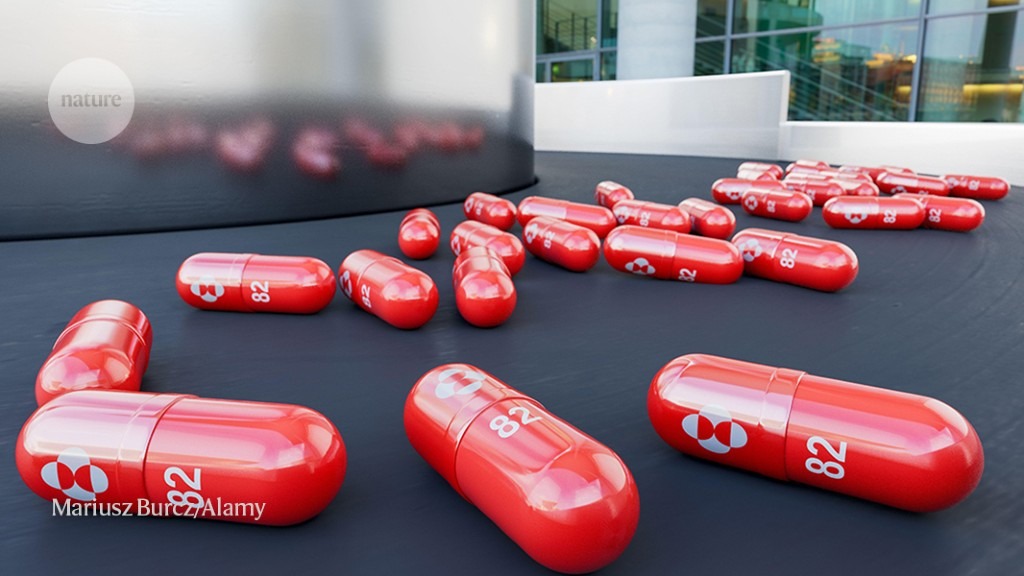
Merck & Co.’s Covid-19 pill is giving rise to new mutations of the virus in some patients, according to a study that underscores the risk of trying to intentionally alter the pathogen’s genetic code.

Some researchers worry the drug may create more contagious or health-threatening variations of Covid, which has killed more than 6.8 million people globally over the past three years.

Mutations linked to the use of Merck’s pill, Lagevrio, have been identified in viral samples taken from dozens of patients, according to a preprint study from researchers in the US and at the Francis Crick Institute, Imperial College London and other UK institutions.

The drug-linked mutations of the virus haven’t been shown to be more immune-evasive or lethal yet, according to the study published Friday without peer review on the medRxiv website. But their very existence highlights what some scientists say are potential risks in wider use of the drug, which was recently cleared in China.

Lagevrio works by creating mutations in the Covid genome that prevent the virus from replicating in the body, reducing the chances it will cause severe illness. Some scientists had warned before it was authorized in late 2021 that by virtue of how it works, the drug could give rise to mutations that could turn out to be problematic. The preprint paper has reawakened those worries about the Merck drug.

“There’s always been this underlying concern that it could contribute to a problem generating new variants,” said Jonathan Li, a virologist at Harvard Medical School and Brigham and Women’s Hospital in Boston. “This has largely been hypothetical, but this preprint validates a lot of those concerns.”
Merck covid drug linked to new virus mutations, study says

Merck Response

Merck disputes the view that its drug is causing problematic variants.

“There is no evidence to indicate that any antiviral agent has contributed to the emergence of circulating variants,” Merck spokesman Robert Josephson said in an email in response to questions about the study. “Based on available data we do not believe that Lagevrio (molnupiravir) is likely to contribute to the development of new meaningful coronavirus variants.”

He said new mutations have emerged over the course of the pandemic due to the virus spreading uncontrollably and Lagevrio can form an important part of the solution, he said. Merck pointed to research done in animals that showed its drug didn’t cause mutations.

The study authors assume the mutations were associated with molnupiravir treatment, but don’t have direct proof that the mutations arose in patients who took their drug, Josephson said in a follow-up email. Instead, the researchers drew their conclusions from “circumstantial associations between viral sequence origin and timeframe of sequence collection in countries where molnupiravir is available,” Josephson said

Merck fell as much as 1.2% in New York Wednesday, recovering some losses to close down 0.4%.

The US Food and Drug Administration, which authorized Lagevrio in late 2021, said it doesn’t comment on third-party research and works with Covid drugmakers to assess their products’ activity against variants.

Preprint

Major scientific journals don’t publish studies until the completion of a “peer review” process in which the research is scrutinized by outside experts. During the pandemic, scientists increasingly started publishing their research on what are known as “preprint servers” prior to exhaustive reviews, in attempt to advance the science more quickly and share urgent findings.

Researchers found Lagevrio-induced mutations in small patient clusters, indicating the new versions were spreading among them. While the biggest group they found with similar mutations was 21 people, that may not fully represent the true scope of the problem as viral samples of many patients aren’t analyzed, according to Ryan Hisner, an independent researcher from Indiana who helped write the paper.

The researchers looked at some 13 million viral genomes in databases around the world. The drug-linked mutations were proportionally more common in countries and groups where Lagevrio was likely to be used, especially the US and Australia, where it was introduced early. The signature mutations are less frequent in Canada, France, and other countries where the drug isn’t used.

“These effects are visible in these databases,” said Theo Sanderson, a Crick Institute geneticist who led the study. “It appears that people are being treated, some of them aren’t clearing their infections, and some are passing them on.”

The risk of drug-linked mutations is too great to continue using Merck’s drug, Hisner said. The US should explore authorizing drugs used in other countries to control Covid, like Xocova from Japan-based Shionogi & Co., and discontinue use of Lagevrio, said Michael Lin, a Stanford University antiviral drug researcher who said he consulted with the authors but wasn’t involved in the study. China cleared Lagevrio late last year and Shionogi said it’s in the final stages of discussions with the country’s regulators over its Covid drug.

It’s a very distressing situation,” said Lin. “There’s no evidence that any of these mutants is worse in any way — not yet — but it’s well agreed that you’re playing with fire if you’re creating random mutations and hoping nothing bad will come of it.”

Sanderson declined to comment on whether doctors should continue using Merck’s drug, saying the study doesn’t address the issue.

Lingering concerns

Concerns about Lagevrio’s safety and effectiveness are longstanding. Health officials recommend against its use in pregnant women. In general, the drug shouldn’t be used when alternatives are available, according to the US National Institutes of Health.

Merck was encouraged by former Warp Speed science czar Moncef Slaoui to team up with Ridgeback Biotherapeutics LP to get the much-needed oral Covid pill ready for widespread use. Early results showed it cut the risk of hospitalization and death by about 50% in non-immunized people.


Subsequent studies have indicated it’s actually less effective than those early trials indicated. A study released in December showed that adding Lagevrio to standard care didn’t reduce hospitalizations or deaths in high-risk adults, although the time to recovery from symptoms was shortened by several days.

However, Covid treatment options are dwindling. Variants have mutated to evade Covid antibodies made by Regeneron Pharmaceuticals Inc., Eli Lilly & Co. and Vir Biotechnology Inc. The last one to retain effectiveness, AstraZeneca Plc’s Evusheld, was just removed from the US market. That leaves few alternatives for Americans: just Paxlovid and Gilead Sciences Inc.’s remdesivir, which must be infused in three daily sessions as soon as someone is diagnosed.

Some patients aren’t eligible to take Paxlovid because it contains a component, called ritonavir, that has adverse interactions with therapies for other conditions like heart disease, that are common in people vulnerable to severe Covid.

Raymond Schinazi, an Emory University researcher, raised concerns about Merck’s drug early on in its development. He’d done his own research into it years ago before abandoning it.

He called for more monitoring to investigate whether the viruses with drug-linked mutations are having any impact after learning about the new study.

The preprint study is “an orange flag, not a red flag yet,” Schinazi said. “Proceed with caution.”

Read more at-https://bit.ly/3X1804k

Categories
COVID-19 Government Guidelines Medicine & Health

World Cancer Day: High-grade vs low-grade cancer; what’s the difference, symptoms, treatment

World Cancer Day 2023: While low grade tumours spread slowly, high-grade malignancies are aggressive and necessitate immediate treatment to prevent disease from spreading to other parts of the body. All you want to know.

 Cancer is caused by changes to our genes that control the way our cells function. Genetics, environmental factors, lifestyle factors can all affect your chances of having cancer. Some cancers are inherited which means you may be born with a predisposition to cancer. However, most of the cancers occur due to environmental and lifestyle reasons. Our bodies are made up of trillions of cells and the healthy body function is maintained with old cells dying and new cells replacing them. However, in case of cancer, the DNA of a cell gets damaged and there are too many of such abnormal cells which are beyond immune system’s control. These abnormal cells form tumour and in many cases they spread to other body parts if not treated. Some of the cancers are fast growing or high grade, others are slow growing or low grade. Cancer cells that have more genetic damage grow faster than those will less damage.

Stages of cancer

While low grade tumours spread slowly, high-grade malignancies are aggressive and necessitate immediate treatment to prevent disease from spreading to other parts of the body.

“Cancer is a broad category of disorders that all have one thing in common: they all occur when normal cells transform into cancer cells that multiply and spread. For most malignancies, the stage is a Roman numeral ranging from I to IV, with IV being the most advanced and indicating that cancer has spread. Stages are sometimes further classified by letters such as A and B,” says Dr Anil Kumar MD (Internal Medicine) (PGIMER), DM (Medical Oncology and Hematology), Consultant Medical Oncologist, Jindal Naturecure Institute, Bangalore.

World Cancer Day: High-grade vs low-grade cancer; what's the difference, symptoms, treatment

Difference between high-grade and low-grade cancer

Cancer cells that look like healthy cells and tissue are low grade tumours while those that look abnormal in appearance are high grade; they spread more rapidly.

Cancer cells in high-grade (poorly differentiated) tumours seem considerably different from normal cells. High-grade malignancies typically have a good response to therapy due to high cell multiplication rate than low-grade tumours and necessitate immediate treatment to prevent the disease from spreading to other parts of the body. In contrast, cancer cells in low-grade (well-differentiated) tumours resemble cells in normal tissue. In general, these tumours spread slowly. Most cancer grades are based on how aberrant the cancer cells appear under a microscope. This is known as differentiation,” adds Dr Anil.

Symptoms

“The grade is significant because tumours with more abnormal-looking cells develop and spread more quickly. Painless lump, change in bowel habits or blood in stools, constipation, non-healing ulcer, bloody nipple discharge, excessive bleeding per vagina, change in voice, difficulty swallowing, foreign body sensation in the throat, change in the appearance of a mole, fatigue, weakness, loss of appetite, weight changes are the most common symptoms of both types of cancer,” says Dr Anil.

Prevention, diagnosis and treatment

Screening is one way, while early diagnosis is another. It is defined as the presumed detection of undetected disease in a population of persons who appear healthy and asymptomatic utilising tests, examinations, or other methods that may be provided to the target population rapidly and cheaply.

“A screening programme must involve the full screening process, from inviting the target group to providing access to effective care for those who are diagnosed with the disease. Cancer screening tests can help in the early detection of the disease, which raises the likelihood of a successful course of treatment,” adds the expert.

Read more at-https://bit.ly/3Ys7Dkx