Categories
COVID-19 Government Guidelines Medical Equipments Medical Updates

COVID variant EG.5: What we know about Eris

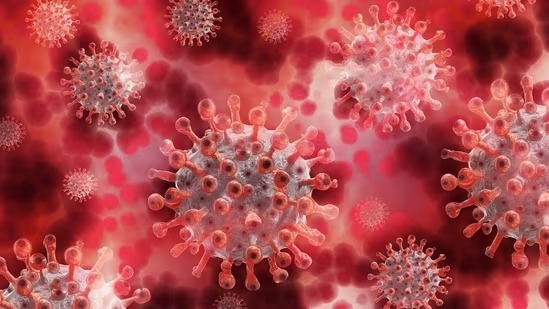
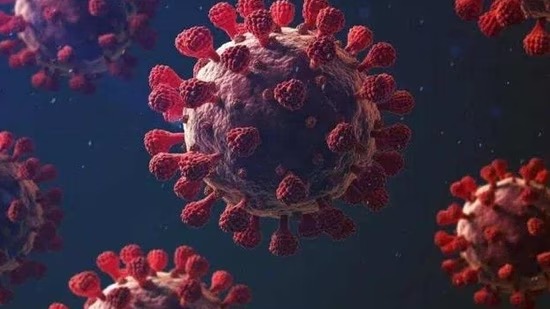
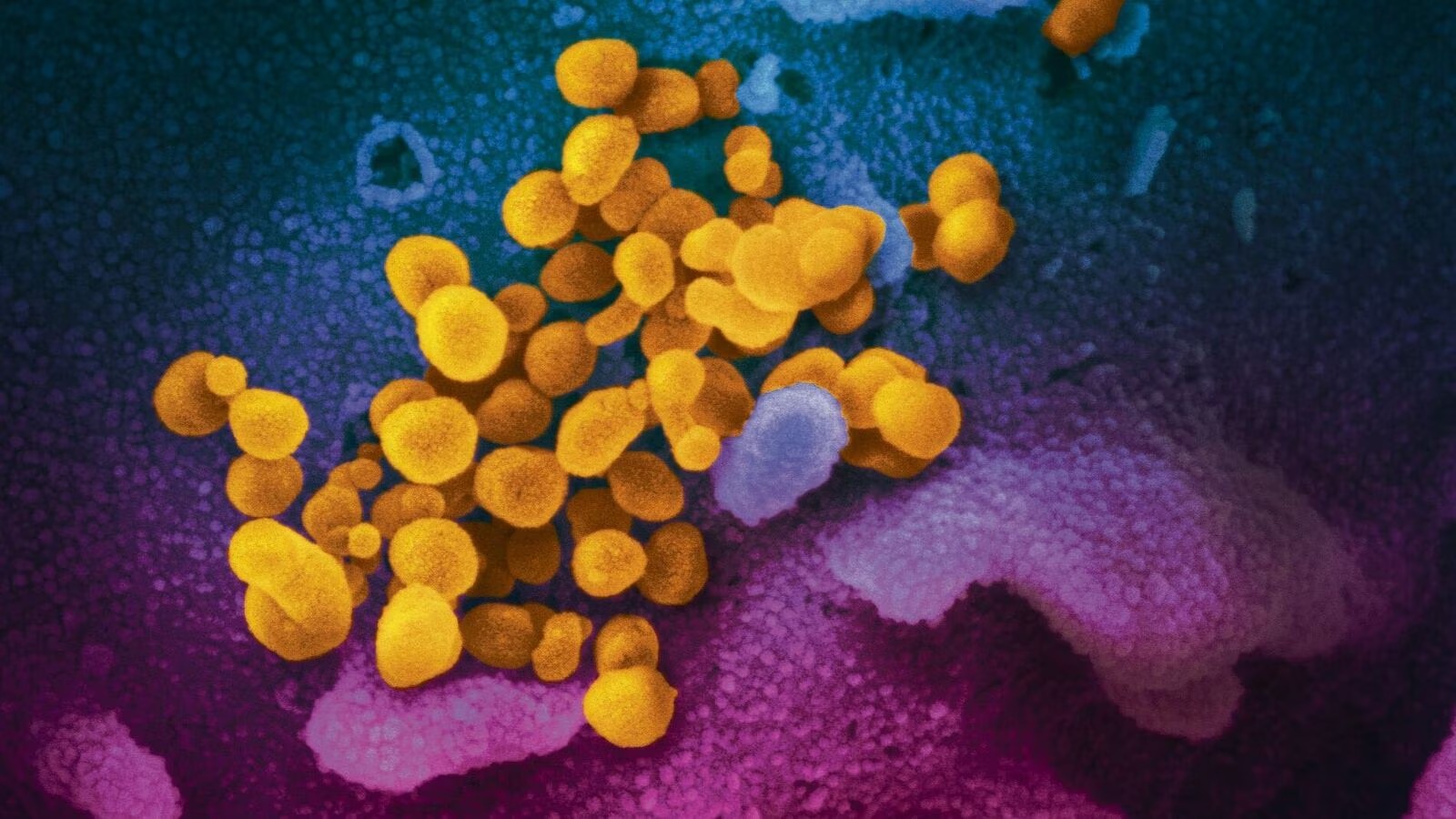
The WHO says new omicron subvariant EG.5 Eris is a virus of interest. It’s reignited talk about vaccines and speculation about a return of the pandemic.

After more than three years of the COVID-19 pandemic, the World Health Organization ended the global public health emergency on May 5, 2023. But at the same time, WHO Director-General, Tedros Adhanom Ghebreyesus noted that SARS-CoV-2, the virus that leads to COVID, had not been fully defeated, that it continued to circulate in the world and that we could still see the emergence of new and more dangerous variants.

And that’s where we are now: there is a new COVID variant: EG.5, also known as Eris. We just don’t know whether it’s more dangerous than previous variants yet.

The WHO has classified the EG.5 as a Variant of Interest (VOI). At time of writing, it is not a Variant of Concern (VOC), which is one step worse that a Variant of Interest.

Variants of Concern are those whose characteristics have a significant influence on the spread of the virus — because of higher rates of contagion and rising infection rates, or an increase in severe cases of the illness and COVID mortality rates.

EG.5 is one of three variants on the WHO’s watchlist. The other two are XBB.1.5, which is largely circulating in Europe and the Americas, and XBB.1.16, which is predominant in Asia.

Eris is just a nickname for EG.5

T. Ryan Gregory, an Canadian evolutionary biologist based at the University of Guelph, Ontario, has studied the subtype EG.5.1 (Ed.: note the added “.1” which indicates this is the first version of EG.5) and posted a comment on its nickname, Eris, suggesting that the nickname may lead to some confusion as we talk more and more about the variant.

Eris is also the name of one of the largest dwarf planets in our solar system — Eris is the Greek goddess of chaos. But, notes Gregory, the nickname is unlikely to cause a big wave in itself.

COVID variant EG.5: What we know about Eris

How has EG.5 spread so far?

The WHO classified EG.5 as a VOI due to rising infection rates attributed to the variant, the fact that it spreads fast and its ability of so-called “immune escape”.

EG.5 is a descendent lineage of XBB. 1.9.2. It has an additional spike mutation that may explain why it can escape the human immune system’s response.

That’s according to the Neherlab research group, based at the Biozentrum, University of Basel, Switzerland. In a Neherlab variant report posted at the end of June 2023, EG.5 was already described as the “fastest growing lineage with significant circulation” in the world.

The report said that EG.5 “might also be a slightly beneficial mutation.”

Neherlab’s data suggests that EG.5 was first detected in February 2023 in Indonesia and the following month in the USA.

EG.5 was also on the agenda of a virtual press conference hosted by the WHO on July 27, 2023. During the briefing, Maria Van Kerkhove, the WHO’s Technical Lead for COVID-19, said “all of the variants that we are detecting that are sublineages of Omicron have an increased growth rate.”

That, said Van Kerkhove, “raises the point that this virus continues to circulate and it continues to change.”

In its EG.5 Initial Risk Evaluation report (August 7, 2023), the WHO said the variant had been sequenced more than 7,350 times, with samples from 51 countries.

Most of the variant sequences were from China, with 30.6%, or 2247 sequences. Other countries listed with at least 100 sequences included the USA, South Korea, Japan, Canada, Australia, Singapore, the UK, France, Portugal and Spain.

Why we still have to ‘keep an eye’ on COVID

At the end of July, Van Kerkhoven said “[w]e aren’t seeing the same level of impact in terms of hospitalizations and deaths because people are protected largely from vaccination but also from past infection, so we have some immunity that has been built up.”

But Van Kerkhove says there is a concern that “we could potentially see new variants that could be more severe and that’s something we have to keep an eye out for […].”

As a result, warned the epidemiologists, it’s important that nations continue to report COVID-related mortality rates, hospitalizations, cases requiring intensive. But in July, only a quarter of all nations provided the WHO with death rates, and only 11% of nations provided data on severe cases.

Continuing sequencing is also vital, said Van Kerkhove: “make no mistake, the virus has not gone away.”

It is, however, as yet unclear whether EG.5 caused the most recent rise in COVID cases. US-based physician and scientist Eric Topol said in a post that while it was important to “track the evolution” of the virus, there was “no clear [cause] and effect relationship with the current (small) increases in wastewater, cases, hospitalizations […].”

That was backed up by the WHO’s August 9 EG.5 risk assessment.

COVID-19: The seasonal effect

Despite conclusions drawn at the time of writing, the WHO sees a potential for EG.5 to “cause a rise in case incidence and become dominant in some countries or even globally” due to its “growth advantage and immune escape characteristics” — same as it was with other variants in the omicron lineage of the virus.

Right now, though, the consensus is that EG.5 is not a big threat. The rise in cases could be explained by the fact that we (in the Northern Hemisphere) are in the midst of a summertime COVID-wave. During the heat of summer, people tend to stay in air conditioned spaces. The virus continues to mutate, protection we had from previous infections diminishes, and the risk of our catching a new infection goes up.

So, it’s a good reminder for us to keep COVID-19 in view and under control. Latest reports suggest that updated COVID vaccines — for protection against new variants, including EG.5 — should be available in the coming months.

Read more at-https://shorturl.at/fCFJL
Categories
COVID-19 Government Guidelines Medical Equipments Medical Updates Medicine & Health

Eyes, allergies and monsoon: Tips on coping with seasonal eye allergies in rainy season

As the humidity rises, let’s explore the link between allergies, infections and rains and learn some essential tips to cope with pesky eye issues this monsoon

Monsoon, the much-awaited respite from scorching heat, brings with it a mix of delight and distress because while the raindrops dance merrily, our eyes often find themselves struggling to keep up with the joy as it is that time of the year again when seasonal eye allergies and infections make their unwelcome appearance. As the heavens open up and the humidity rises, let’s explore the connection between allergies, infections, the rains and discover some essential tips to cope with these pesky eye issues.

Connection between allergies and monsoon

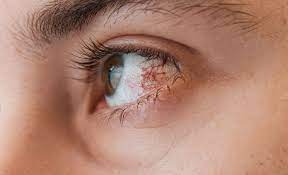
In an interview with HT Lifestyle, Dr Vijay Mathur, Senior Consultant at Sharp Sight Eye Hospitals , shared, “Monsoon is notorious for triggering eye allergies and infections. The dampness fosters the growth of viruses and fungi, leading to conjunctivitis, commonly known as “pink eye.” Symptoms include redness, itching, grittiness and excessive tearing with discharge. Pollen, dust, and other airborne particles carried by the monsoon winds can further aggravate eye irritation, causing discomfort to even non-allergic individuals.”

Common eye-related problems in monsoon

Dr Vijay Mathur highlighted –

1. Epidemic infectious conjunctivitis: Is the leading culprit. This condition causes red, itchy, gritty and watery eyes due to infection caused by viruses (adenovirus is the most common) in the air. This condition is highly infectious and can easily transmit from one person to another. Personal hygiene including hand washing is an effective way to prevent person to person transmission.

2. Allergic conjunctivitis: Monsoon is a time when fungi and moulds multiply. This leads to allergies in susceptible individuals.

3. Styes and chalazion: The damp environment fosters bacterial growth, leading to painful styes and chalazion on the eyelids.

4. All other eye infections: Bacteria and viruses thrive in the monsoon, increasing the risk of eye infections like Keratitis and Dacrocystitis.

Coping strategies:

Bringing his expertise to the same, Dr Rishi Raj Borah, Country Director – India, Orbis, revealed, “During the monsoon season, it is essential to focus more on our eyes since the rains and increasing humidity offer an ideal environment for pathogenic organisms such as bacteria, viruses, and fungal moulds to develop and multiply. Eye conditions such as allergies and conjunctivitis are prevalent during the rainy season. They usually cause red, itchy, and watery eyes. Identifying and suppressing the root cause is the best approach to avoid all the sufferings associated with eye allergies. This means that if a person knows they are allergic to a specific substance, such as a fungal mould, they should avoid going to wet regions where they might come into contact with mould.”

Eyes, allergies and monsoon: Tips on coping with seasonal eye allergies in rainy season

He added, “Similarly, if someone is allergic to pollen, they should avoid stepping out of the house during the period when the pollen concentration is high in the air. Furthermore, wearing eyeglasses when going outside is a good practice that everyone should undertake. Maintaining personal hygiene by often washing hands with soap and water is essential. To reduce the chances of introducing irritants from the surroundings into the eyes, avoid touching the face and eyes frequently. Even when humidity levels are at their highest during the monsoon, dry eyes can occur.”

Dr Rishi Raj Borah suggested, “In such circumstances, artificial tears can assist to relieve discomfort while also moisturising the eyes. Furthermore, sharing personal belongings like towels and makeup should be avoided. It is also preferable to avoid utilising public swimming pools during the rainy season, since these might serve as breeding grounds for the spread of bacterial illnesses. Seeking professional medical assistance should be the norm for anyone experiencing symptoms of an eye allergy and if you are unsure of the underlying cause, an eye doctor or ophthalmologist will be able to help find out the probable root cause and offer therapies to relieve the symptoms.”

According to Dr Vijay Mathur, to combat these monsoon-related eye issues, follow these essential coping strategies –

1. Cleanliness first: Regularly clean your living space to reduce mold and dust accumulation.

2. Hand hygiene: Maintain good hand hygiene to prevent eye infections by refraining from touching your eyes with unwashed hands.

3. Use eye drops: Over-the-counter artificial tears provide relief from dryness and flush out allergens.

4. Stay dry: Avoid getting drenched in rain and getting splashed with dirty water in puddles to minimise exposure to allergens and infectious agents.

5. Consult your doctor: If symptoms persist, seek professional help for proper diagnosis and treatment.

With a little vigilance and proactive care, you can ensure that your eyes remain resilient during the monsoon. Welcome the rains with open arms and remember to shield your precious vision from seasonal woes.

Read more at-https://shorturl.at/psuH0

Categories
COVID-19 Government Guidelines Medical Updates Medicine & Health

New coronavirus variant EG.5 on the rise: WHO, CDC on alert

The EG.5 variant has been spreading rapidly in the US and has higher transmissibility. A US health official says updated vaccines will offer protection.

The World Health Organization (WHO) on Wednesday classified a new strain of COVID-19 as a “variant of interest.” The EG.5 variant has been spreading rapidly in the United States, encompassing over 17% of cases. It has also been detected in China, South Korea, Japan and Canada.

What else do we know about the EG.5 variant of COVID-19?

The WHO said that the new variant does not at present seem to pose an additional public health risk compared to other strains of COVID-19.

“Collectively, available evidence does not suggest that EG.5 has additional public health risks relative to the other currently circulating Omicron descendent lineages,” the organization said.

It said that a more comprehensive evaluation of the risk posed by EG.5 was needed. 

Maria Van Kerkhove, the WHO’s technical lead on COVID-19, said that while EG.5 had increased transmissibility, infections were not more severe than other Omicron variants.

“We don’t detect a change in severity of EG.5 compared to other sublineages of Omicron that have been in circulation since late 2021,” she said.

New coronavirus variant EG.5 on the rise: WHO, CDC on alert

Meanwhile, Dr Mandy Cohen, the director of the US Center for Disease Control and Prevention (CDC), said that updated vaccines to be offered in mid-to-late September will provide protection against the variant.

“Right now, what we’re seeing with the changes in the viruses, they’re still susceptible to our vaccine, they’re still susceptible to our medicines, they’re still picked up by the tests,” Cohen said.

The CDC chief said that the mutations in the virus amounted to “small changes” and “subtypes of what we’ve seen before.”

“We are likely to see this as a recommendation as an annual COVID shot just like we have an annual flu shot,” she said.

Countries not reporting COVID-19 data, WHO says

Meanwhile, WHO Director General Tedros Adhanom Ghebreyesus said that many countries were not reporting coronavirus data to the organization.

He said only 11% had reported hospitalizations and ICU admissions related to COVID-19.

The WHO issued a set of recommendations for reporting data on the virus, particularly mortality and morbidity. It also urged countries to continue offering vaccination.

“About a year ago, we were in a much better situation to either anticipate or act or be more agile,” Van Kerkhove said.

“And now the delay in our ability to do that is growing. And our ability to do this is declining.”

“What we cannot do right now is give you an accurate statistic of how many deaths are actually occurring for Covid-19,” she said.

Read more at-https://shorturl.at/dxBK0

Categories
COVID-19 Government Guidelines Medical Equipments Medical Updates Medicine & Health

Long covid symptoms may appear months after infection: Study

The study states that the symptoms of long covid can last even after a year after the sickness has subsided.

According to the most thorough examination of how symptoms develop over a year, long COVID-19 can last at least a year after the acute sickness has subsided.

The multicenter study, a collaboration between UC San Francisco, the Centers for Disease Control, and seven other sites, advances understanding of post-COVID-19 conditions by describing trends in greater detail than prior research and highlighting the significant effects the epidemic has had on the American health care system.

The study appeared in Morbidity and Mortality Weekly Report (MMWR), a publication of the CDC.

For about 16 per cent of the COVID-positive people in the study, symptoms lasted for at least a year; but for others, they came and went. The study assessed symptoms every three months, enabling researchers to differentiate between symptoms that improve and those that emerge months after the initial infection.

“It was common for symptoms to resolve then re-emerge months later,” said lead author Juan Carlos Montoy, MD, PhD, associate professor at UCSF’s Department of Emergency Medicine. “A lot of prior research has focused on symptoms at one or two points in time, but we were able to describe symptom trajectory with greater clarity and nuance. It suggests that measurements at a single point in time could underestimate or mischaracterizes the true burden of disease.”

Long covid symptoms may appear months after infection: Study

Fluctuating Nature of Disease:

Long Covid involves a range of symptoms that persist or develop about a month after initial infection. These symptoms are associated with significant morbidity or reduced quality of life.

The study involved 1,741 participants – two-thirds of them female – who sought COVID-19 testing at eight major healthcare systems across the country. Three-quarters tested positive for Covid-19, but those who tested negative may also have had an infection of some type, since they were experiencing symptoms. These included fatigue, runny nose, headache, sore throat, shortness of breath, chest pain, diarrhoea, forgetfulness and difficulty thinking or concentrating.

Covid positive participants were more likely to have symptoms in each of the symptom categories at baseline, but by the end of the year, there was no difference between those who were Covid-positive and negative.

“We were surprised to see how similar the patterns were between the Covid positive and Covid negative groups,” said Montoy. “It shows that the burden after Covid may be high, but it might also be high for other non-Covid illnesses. We have a lot to learn about post-illness processes for Covid and other conditions.”

Read more at-https://shorturl.at/avL29

Categories
Government Guidelines Medical Equipments Medical Updates Medicine & Health

New Covid variant Eris spreading rapidly in UK; know symptoms and prevention measures

From running nose to fatigue, know 5 symptoms of new Covid variant Eris that is spreading fast in UK.

The pandemic has eased but newer variants of Covid keep emerging. EG.5.1 or Eris that was first identified in May has been raising the number of Covid cases in UK and currently 1 out of 10 Covid cases in UK are due to this latest strain which is not currently listed as variant of concern. Eris has been contributing to hospitalisation cases in UK albeit mostly among elderly.

Experts opine that there is a need to keep a close eye on this new strain which is of Omicron lineage and spreads faster than the original Covid-19 virus. However, there is no reason to believe that EG.5.1 is deadlier than previous strain. The rise in cases could be due to waning immunity from previous infections or vaccinations and it’s important to take booster shots to build up a defence against the virus.

Eris raising hospitalisation cases among elderly

“As seasons are changing and Covid virus continues to spread, newer variants continue to emerge worldwide. One of the recent variants that has been identified is Eris variant which has recognised to be come out of UK where it has been known to cause 1 in 10 of the Covid cases. This is showing an increase in number of cases in UK, with a somewhat higher levels of hospitalisation for people who are seniors even if they are vaccinated. So, it is something which we need to keep an eye on. This is strain of the Omicron variant which itself was significantly mutated compared to the original Covid 19 virus that came in 2019,” says Dr Pavithra Venkatagopalan, corona-virologist and Covid awareness specialist at Rotary Club of Madras NextGen.

New Covid variant Eris spreading rapidly in UK; know symptoms and prevention measures

Symptoms of new Covid variant Eris

This variant has very similar symptoms compared to previous variants as per Dr Pavithra.

  • Running nose
  • Sneezing
  • Cough
  • Fever
  • Fatigue (mild or severe depending on the person’s composition).

Preventive measures

Dr Pavithra says people need to take booster shots if they haven’t done already and get tested in case of any symptoms to contain the spread.

“We have to keep an eye on spread of this variant. However treatment and preventive measures continue to be the same. Unvaccinated people should get vaccinated as soon as they are eligible. Booster shots have to be taken if not done so far. If people are known to be showing symptoms, they need to be isolated, get tested if needed. More importantly, now that the schools have started in full swing, the wave will see increase in number of cases. But whether this will result in hospitalisation of the younger population we do not know,” says the expert.

Read more at-https://shorturl.at/nuFZ3

Categories
Government Guidelines Medical Equipments Medical Updates Medicine & Health

Customs duty adjustment, banning imports of used equipment to help medical devices industry reach USD 50 bn by 2030′

Synopsis

“The Indian medical devices industry can expand from USD 12 billion to USD 50 billion by 2030, reducing import reliance to 35 per cent and boosting exports to USD 18 billion from USD 3.4 billion at present. The industry’s growth potential could surpass that of the smartphone sector due to India’s expanding health sector, projected to reach USD 600 billion by 2030,” GTRI Co-founder Ajay Srivastava said.

Steps such as raising customs duty on certain items, banning import of used or old equipment, and introduction of performance linked incentive scheme for value-added production will help India’s medical devices industry touch USD 50 billion by 2030, a report by think tank GTRI said. Suggesting six action points for the government and industry for accelerating growth of the sector, the Global Trade Research Initiative (GTRI) also asked the government to not allow input tax credit (ITC) for  the IGST paid on import of items where basic customs duty is zero; combatting foreign influence; and encourage local sourcing for essential Make in India products.

The Indian medical devices industry can expand from USD 12 billion to USD 50 billion by 2030, reducing import reliance to 35 per cent and boosting exports to USD 18 billion from USD 3.4 billion at present. The industry’s growth potential could surpass that of the smartphone sector due to India’s expanding health sector, projected to reach USD 600 billion by 2030,” GTRI Co-founder Ajay Srivastava said.

He said this shift could generate over 1.5 million jobs in medical device manufacturing and healthcare services like hospitals and labs.

It has also suggested that basic customs duty be raised from the current 0-7.5 per cent to 15-20 per cent for devices not covered under WTO’s Information Technology Agreement – 1.

“This approach is WTO (World Trade Organization) compatible, as bound duties stand at 40 per cent. Initial duty hike should apply to products with demonstrated quality production and exports of around Rs 20 crore,” it said.

Customs duty adjustment, banning imports of used equipment to help medical devices industry reach USD 50 bn by 2030'

Global import duties for medical devices vary such as in Brazil it is 14 per cent, Russia (0-15 per cent), India (0-7.5 per cent), China (3.3-17 per cent), South Africa (0-20 per cent). It also said that developed countries, and China does not allow import of used products.

Old devices used for MRI or ultrasound scanning, X rays, Mammography may provide faulty prognosis and threaten lives, the report said adding many old devices are at risk of spreading harmful contaminants like depleted Uranium. It asked for a Performance Linked Incentive (PLI) plus scheme for high import-intensive products, such as diagnostic reagent kits, surgical instruments, and other medical devices.

Offer incentives to companies that add significant value in India rather than just assembling imported components,” the report said adding India should guard against foreign interests dictating policy outcomes reports of foreign lobbies.

It added that the government should ensure that Indian manufacturers can compete effectively with foreign imports for vital supplies, including masks, oximeters, syringes, thermometers, examination gloves, and blood collection tubes, in government tenders and critical healthcare scenarios.

The government notified the National Medical Devices Policy in April but the current domestic supply and exports are far below potential, the report said.

“Local firms fulfil just 34.6 per cent of the USD 12 billion Indian market needs, while imports cover the remaining 64.4 per cent, costing USD 7.6 billion in FY’2023,” Srivastava said adding achieving the full potential of the sector will require further support as the sector faces 15 per cent cost disability due to high cost of power supply chain inefficiencies.

Government support is needed to check dumping, ramp up domestic production and cut imports. India has 1,200 local companies and multinational corporations that manufacture a wide range of devices, except for advanced high-tech ones.

The sector showcased its capabilities during the COVID-19 pandemic by swiftly scaling up the production of essential items like ventilators, Rapid Antigen Test kits, PPE kits, and N-95 masks for both domestic and global use. Currently, India produces around USD 7.6 billion worth of medical devices, out of which USD 3.4 billion is exported, and the remaining USD 4.2 billion is used domestically.

However, the annual demand for medical devices in India is valued at USD 11.8 billion, with the rest being covered by imports totalling USD 7.6 billion.

Commenting on the sector, Administration in charge of Patna-based Sanjeevani hospital Manish Singh said the government should adopt a three pronged strategy to boost growth of this segment.

Singh suggested domestic industries to manufacture technology driven medical equipment of high quality at minimum possible prices; gradual substitution of foreign-made devices in big private hospitals with the Indian ones; and creation of a department of trained sales force armed with sufficient data to target the world market.

Echoing similar views, Richa Chauhan, Senior consultant (Oncologist), Mahavir Cancer Sansthan, said Government of India’s initiative to give a push to medical equipment manufacturing in the country is a “highly appreciable” decision.

The diagnosis and treatment of many diseases including the life threatening cancer requires high-end machines like CT Scan, MRI, Cobalt-based Radiotherapy units, and linear accelerators.

With only a few manufacturers across the world for radiotherapy machines, there is an urgent need for indigenous production of these machines,” Chauhan said. She suggested that the manufacturers should work in close collaboration with the users of the machine to rectify or modify the devices accordingly.

“With no dearth of talent in our country, I am sure we can utilise this opportunity and become a leading manufacturer and importer of medical devices,” she added.

Read more at-https://rb.gy/w7ctb

Categories
Government Guidelines Medical Equipments Medical Updates

SARS-CoV-2 emerging in US, immunity levels are waning’, warns US epidemiologist

US epidemiologist Eric Feigl-Ding warns of a new COVID-19 wave in the United States as immunity levels decline and booster shots are not yet available. Evidence of SARS-CoV-2 resurging is emerging, and hospitals could become overwhelmed even without a surge in deaths.

According to US epidemiologist Eric Feigl-Ding, there is evidence of SARS-CoV-2 resurging in the United States, indicating the emergence of a new COVID-19 wave.

Taking to Twitter, Epidemiologist and health economist Eric Feigl-Ding said that the immunity levels are declining, and the availability of new booster shots is not yet imminent.

“A new COVID wave is clearly emerging in the US, all while immunity levels are waning and new boosters aren’t even close to arriving yet. You don’t need another original Omicron winter wave to cause disruption—the Delta variant killed a lot in Aug-Oct 2021. Plus don’t risk Long Covid.”

Speaking on the effective SARS-CoV-2 virus concentration in the last six months. “The upward movement in wastewater puts us about equal to April levels, but we clearly could be headed to another wave.”

SARS-CoV-2 emerging in US, immunity levels are waning', warns US epidemiologist

Meanwhile, when asked about the potential toll of the new wave compared to the Delta variant, Eric explained that while it might not result in the same level of fatalities, it can still cause significant disruption.

He emphasized that hospitals can easily become overwhelmed even without a surge in deaths.

Earlier in June, Reuters reported that COVID-19 vaccines being developed and manufactured for the 2023-2024 campaign should target one of the currently dominant XBB variants, the US Food and Drug Administration’s (FDA) staff reviewers.

In May, an advisory group to the World Health Organization (WHO) proposed updating the COVID-19 booster shots for the year to target XBB subvariants. In the United States, last year’s COVID vaccine boosters included a bivalent shot containing both the original strain of the vaccine and the Omicron variant.

According to CDC data available up to early May, approximately 17% of people in the United States received a COVID booster shot during the 2022-2023 vaccination season.

Vaccine manufacturers such as Pfizer/BioNTech, Moderna Inc, and Novavax Inc are currently in the process of developing updated versions of their COVID-19 vaccines specifically targeting the XBB.1.5 variant and other strains that are currently circulating, Reuters reported.

Read more at-https://shorturl.at/HJZ06

Categories
Government Guidelines Medical Equipments Medical Updates Medicine & Health

Tips on how to avoid infection during the rainy season

High humidity during the monsoon season encourages the growth of bacteria and viruses. Here are tips to avoid infection during the rainy season.

The rainy season brings relief from the scorching heat but it can also increase the risk of infections as the moisture in the air and the waterlogging on roads create an environment that is conducive to the growth of bacteria and viruses. Many of us love the rainy season and want a break from the summer sweat however, monsoon rains bring many diseases including eye related infections therefore, it is very important to take proper care of your eyes.

Eye infections are one of the most common ailments during the monsoon season, with over 20 million cases reported annually in India alone, according to the Indian Journal of Ophthalmology. By taking necessary precautions and seeking medical attention when necessary, we can help protect our eyes and prevent potentially serious eye infections.

In an interview with HT Lifestyle, Dr Sandeep Buttan, Technical Lead at Eye Health and Health System Strengthening at Sightsavers India, said, “As an ophthalmologist, I cannot stress enough the importance of taking necessary precautions to prevent eye infections during the monsoon season. This time of year presents a number of challenges for maintaining good ocular hygiene, but with the right strategies, we can help protect our eyes and prevent potentially serious eye infections. One of the biggest challenges during the monsoon season is the high humidity, which encourages the growth of bacteria and viruses. Wet surfaces also retain agents of infections, and there is a potential for exposure to contaminated water. Frequent contact between hands and eyes can also increase the risk of eye infections, particularly for children.”

He added, “There are certain high-risk cases to consider, such as those with existing eye conditions like diabetes, allergies, or dry eyes, as well as contact lens wearers and those who have recently had eye surgery. In these cases, it is particularly important to take extra precautions to protect the eyes. The symptoms of eye infections during the monsoon season may include increased irritability, redness, and discomfort, as well as lid infections (stye – painful swelling over the lids) and conjunctivitis (red/ pink eyes) with sticky eyes. If you experience any of these symptoms, it is important to seek medical attention from an eye specialist.”

Tips on how to avoid infection during the rainy season

To prevent eye infections during the monsoon season, he suggested that it is important to improve the general level of cleanliness through regular hand washing and face washing. Dr Sandeep Buttan said, “It is also important to avoid rubbing the eyes, particularly for children. Contact lens users should avoid exposure to rainwater and follow proper lens care practices to reduce the risk of infection. Finally, use of antibiotic eye drops should only be done on the advice of a specialist. Statistics from reputable organizations help support the importance of these practices. For example, the American Academy of Ophthalmology reports that contact lens wearers are more likely to develop eye infections if they use tap water or do not properly clean their lenses. Additionally, a study published in the Journal of Hospital Infection found that hand hygiene interventions can reduce the incidence of eye infections by up to 50%.”

Dr Pankaj Chaudhary, Senior Consultant, Internal Medicine at Max Hospital in Vaishali, recommended five tips to avoid infection during the rainy season –

  1. Keep yourself clean and dry: One of the most effective ways to prevent infections is to keep yourself clean and dry. Make sure to take a bath daily and dry yourself thoroughly. Avoid wearing wet clothes or shoes for a long time as it can create a breeding ground for bacteria.
  2. Drink clean water: Waterborne diseases like cholera and typhoid are common during the rainy season. Make sure to drink only clean and filtered water. If you are not sure about the quality of water, boil it before drinking.
  3. Eat healthy and hygienic food: The rainy season is also a time when food contamination is high. Avoid street food and unhygienic eateries. Make sure to wash fruits and vegetables thoroughly before consuming them.
  4. Boost your immunity: A strong immune system can help you fight off infections. Eat a balanced diet, exercise regularly and get enough sleep to boost your immunity. You can also take supplements like vitamin C to strengthen your immune system.
    1. Avoid crowded places: Crowded places like markets, malls and public transport are breeding grounds for infections. If possible, avoid going to crowded places during the rainy season. If you must go, wear a mask and maintain social distancing.

    Bringing his expertise to the same, Dr Shantanu Mukherjee, Senior Consultant at Sharp Sight Eye Hospitals, advised five eye care tips to keep your eyes healthy this summer –

    1. Keep your eyes protected from rainwater: Even if you like to play, dance and bath in the rain, don’t let the rainwater get directly into your eyes. Don’t open your eyes and enjoy the rain hitting your face. Although the rain is clean, it collects tons of germs, microbes and atmospheric pollutants as it falls, which are harmful for the eyes. That’s why you need to protect your eyes from the rain to avoid any potential eye infections.

    2. Never share your towels or napkins with anyone: Eye infections are contagious. Therefore, the transmission of germs and diseases from one person to another through personal hygiene items (such as hand towels, bath towels, and handkerchiefs) can cause the spread of this disease.

    3. Eat healthy food: Rain and roadside chai-pakoda may seem like a match made in heaven to many but may also cause a magnified risk of contracting eye problems. Therefore, avoid the consumption of oily snacks, and aerated drinks. Instead, you should opt for healthy snacks, fruits, and salads. During the rainy season, include green leafy vegetables, corn, strawberries, yogurt and eggs in your diet.

    4. Try to avoid wearing contact lenses: Try to avoid wearing contact lenses during rainy season as they can cause extreme dryness in the eyes which may result in redness and irritation. Sometimes, it may also lead to severe corneal infection and loss of vision. Always try to keep your glasses clean and dry.

    5. Do not self medicate: We often think that our eye related infections are a trouble for only a few days and will pass away in a couple of days. During this time, most of the people visit a nearby chemist store and get some eye drops or medication not prescribed by a doctor to treat their eye problems, which is not a correct practice. In case you experience even the slightest symptoms of eye infections during monsoon season, you must seek an appointment with your eye doctor.

    Dr Shantanu Mukherjee concluded, “If you wake up with red, swollen and itchy eyes, there is a strong possibility that your eyes are infected. A little eye care goes a long way in preventing infections and keeping your eyes healthy so you can enjoy the rainy season without any problems. However, if you still have symptoms of an eye infection despite taking all precautions, consult your ophthalmologist immediately.”

    By following these simple tips, you can avoid infections during the rainy season. Remember to keep yourself clean and dry, drink clean water, eat healthy and hygienic food, boost your immunity and avoid crowded places.

    Read more at-https://shorturl.at/oBL28

Categories
Government Guidelines Medical Equipments Medical Updates

Conjunctivitis alert: Follow these tips to prevent red eye infection

After months of high temperatures, Monsoon brings the much needed relief from summers. But it also brings with it a range of vector borne and other infectious diseases. As cases of conjunctivitis continues to rise in India, follow these precautions to stay safe.

On the flip side of all the green trees, tantalising rain showers and mouth-watering snacks, monsoon brings with it a host of infections and disease for people. Out of all the people of different age groups, children and elders are the worst affected.

There have been a spurt in cases of conjunctivitis, also known as red eyes, in Delhi NCR. These cases are rising continously not only in Delhi but also in states like Gujarat, Arunachal Pradesh,etc.

In Delhi, there are around 100 cases of the red eye infection being reported daily, according to Dr JS Titiyal, Chief RP Centre for Ophthalmic Sciences, AIIMS.

“We are getting at least 100 cases of conjunctivitis per day. There is usually a seasonal increase in conjunctivitis cases, which coincides with the flu season. The conjunctivitis cases are mostly caused by virus,” Dr Titiyal told ANI.

The conjunctivitis cases are reported each year during monsoon season, “Red eye returns with monsoon, itching, redness, watering and sometimes discharge,” Dr Harsh Kumar, Opthalmologist, Centre for Sight said.

Before your loved ones get affected with this infection, follow these preventive measures to keep you and your family safe this monsoon season.

Conjunctivitis alert: Follow these tips to prevent red eye infection

Tips to prevent Conjunctivitis

-Wash your hands regularly: We keep touching different surfaces at home and in public with our hands. This practice makes it easier for infections to take entry inside our bodies. Hence, regularly wash your hands, especially before eating.

-Avoid touching your eyes: Always avoid touching your eyes unnecessarily. Make sure that you don’t touch your face without any reason throughout the day.

-Use artificial tears: It is advisable to use artificial tears to avoid dry eyes and other irritation to eyes.

-“General hygiene measures should be followed. You should wash your hands whenever coming from outside. Try to avoid closed contact with anyone in your family who has eye flu,” he said.

-“If you have conjunctivitis, use dark goggles, avoid swimming, avoid close contact with others, do not touch your eyes, children may avoid going to school for few days to avoid spread to other students, “he said.

– “Avoid crowded places and avoid touching common objects like railings or handles. Use only antibiotic eye drops,” Dr Harsh Kumar said.

-“In order to reduce the risk of transmitting conjunctivitis, it is essential to maintain strict hygiene practices. Thoroughly washing hands, avoiding touching the eyes, and refraining from sharing personal items like towels or eye makeup can contribute to preventing the infection’s transmission,” Dr Samir Sud said.

Read more at-https://shorturl.at/bnRS6

Categories
Government Guidelines Medical Equipments Medical Updates

38% urban Indians consume artificial sweeteners every month, survey finds

Synopsis

A recent survey conducted by Local Circles in India found that 38% of urban Indians consume artificial sweeteners every month. In May 2023, the World Health Organization (WHO) warned against the use of artificial sweeteners, stating they increase the risk of type 2 diabetes and cardiovascular diseases. The International Agency for Research on Cancer (IARC) has not concluded that there is definitive proof of a link between aspartame and liver cancer.

Following the buzz around the World Health Organization (WHO) stating aspartame to be categorized as “possibly carcinogenic to humans”, a recent survey by Local Circles found that 38 per cent urban Indians consume artificial sweeteners every month.

As many as 11,342 people responded to the question of which 38 per cent people confirmed their consumption of artificial sweeteners in food every month.

Aspartame is a popular artificial sweetener used in food products like diet soda, sugar-free gums, etc. Apart from this, the Indian food regulatory body, Food Safety and Standards Authority of India (FSSAI), has allowed the use of five other artificial sweeteners.

These include saccharin sodium, aspartame, acesulfame potassium, sucralose, neotame, and isomaltulose.

The survey which received as many as 23,000 responses found that 1 in 3 urban Indians consuming artificial sweeteners, consume diet soda or chewing gum.

Several respondents of the total of 4,310 consumers who responded to this query indicated consumption of these sweeteners in more than one food product.

Besides diet soda and chewing gum, both being consumed by 32 per cent of the respondents, other food products were also found to be in rising trends.

As many as 26 per cent people indicated consumption of energy drinks, while 18 percent consume sugar free chocolates. Meanwhile, 18 per cent of consumption was recorded for sugar free ice creams, 5 per cent for energy bars and 37 per cent indicated other foods and drinks.
38% urban Indians consume artificial sweeteners every month, survey finds

The International Agency for Research on Cancer (IARC), WHO’s cancer research arm, has not ruled that there is conclusive proof of a link between aspartame and liver cancer, as suggested by some research papers.

In May 2023, the global health body, WHO warned against artificial sweeteners stating that these products are not helpful in losing weight. In fact, the consumption of these increases the risk of type 2 diabetes and cardiovascular diseases.

After a meeting of the IARC’s external experts, the cancer research body’s ruling in June is based on all the published evidence thereby ending confusion among the public over varied reports.

However, 90 per cent of the respondents said they want food brands to display the use of artificial sweeteners prominently on the front of the pack.

Several food and beverage brands, who have major consumers as minors, use artificial sweeteners like aspartame, sucralose and steviol glycoside in their energy drinks, gums, ice creams etc.

Few also say zero sugar on their packaging.

“By the health regulator at least making it mandatory for all such products to carry prominently on the front of the pack the fact that the product has artificial sweeteners, at least parents will be able to make an informed decision,” Local Circles said in its report.
Read more at-https://shorturl.at/oxSW1