Categories
Government Guidelines Medical Updates Medicine & Health

Maiden Pharmaceuticals had license to export, not locally sell cough & cold syrup, India says

Synopsis

India’s health and welfare ministry said Thursday that Maiden Pharmaceuticals had the license to only export four drugs that are now linked to have killed 66 children in Gambia. ​​​​”Four drugs, out of 23, named Promethazine Oral Solution BP, Kofexnalin Baby Cough Syrup, MaKoff Baby Cough Syrup and MaGrip n Cold Syrup, are not sold in India,” stated a press release.

India’s health and welfare ministry said Thursday that Maiden Pharmaceuticals had the license to only export four drugs that are now linked to have killed 66 children in Gambia.

“Four drugs, out of 23, named Promethazine Oral Solution BP, Kofexnalin Baby Cough Syrup, MaKoff Baby Cough Syrup and MaGrip n Cold Syrup, are not sold in India,” stated a press release.

It also said that the company has manufactured and exported these products only to Gambia.
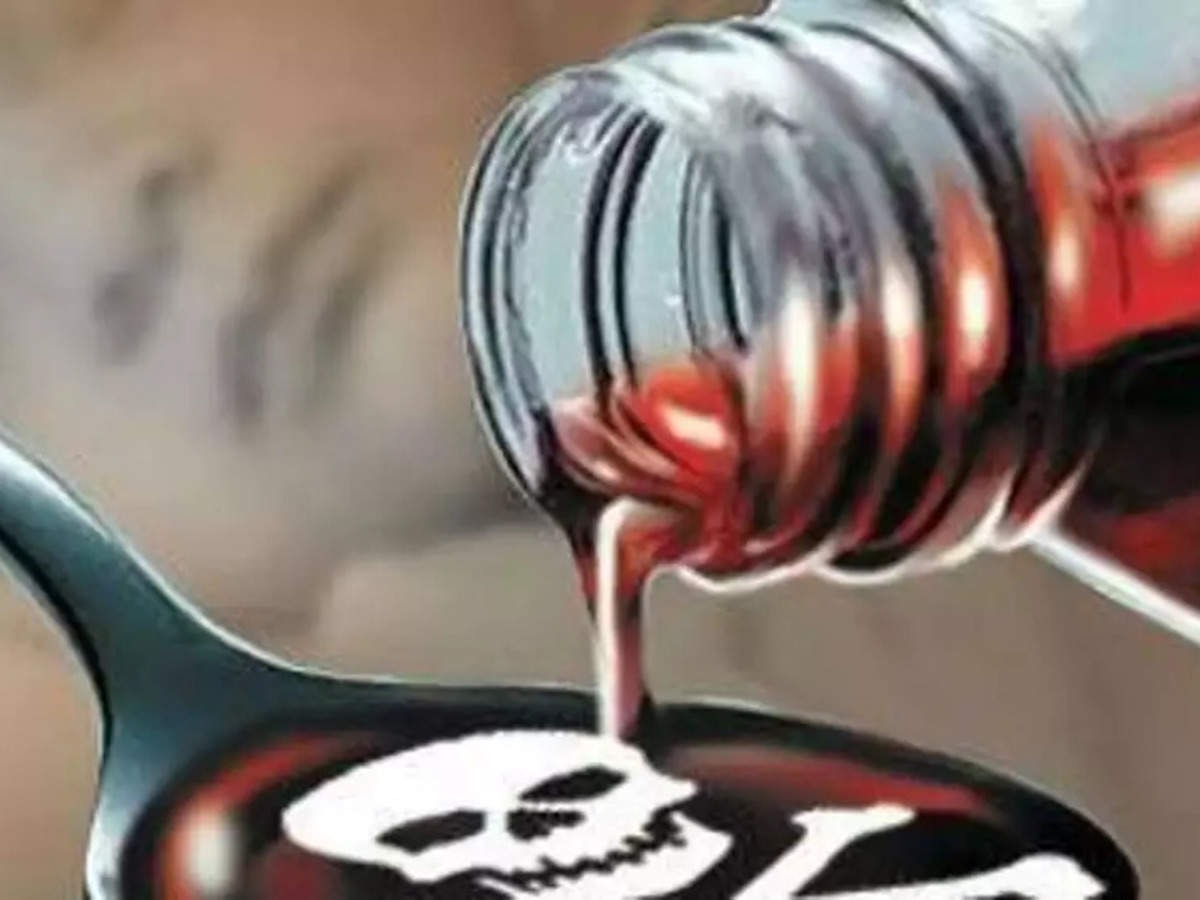
Maiden Pharmaceuticals had license to export, not locally sell cough & cold syrup, India says

WHO had informed DCGI, the National Drug Regulator of India, that it is currently providing technical assistance and adviced to Gambia, where children have died and where a contributing factor, is suspected to be the use of medicines which may have been contaminated with Diethylene glycol or Ethylene glycol (in some of the samples it was claimed to have been confirmed by further analysis conducted by WHO).

CDSCO took up the matter immediately with Haryana State Regulatory Authority, under whose jurisdiction the drug manufacturing unit of M/s Maiden Pharmaceutical Limited, Sonepat is located. Further, a detailed investigation was launched to ascertain the facts/ details in the matter in collaboration with State Drugs Controller, Haryana.

From the preliminary enquiry of CDSCO, it has been made out that Maiden Pharmaceutical is a manufacturer licensed by the State Drug Controller for the products and holds manufacturing permission for these products for export only. The company has manufactured and exported these products only to Gambia.

As per the tentative results received by WHO, out of the 23 samples of the products under reference which were tested, four samples were found to contain Diethylene Glycol/ Ethylene Glycol. It has also been informed by WHO that the certificate of analysis will be made available to WHO in near future and it will share it with the Indian Regulator which is yet to be done. The exact one to one causal relation of death has not yet been provided by WHO to CDSCO.

As a robust National Regulatory Authority, CDSCO has requested WHO to share at the earliest with CDSCO the report on establishment of causal relation to death with the medical products in question etc.

“The samples (controlled samples of the same batch manufactured by M/s. Maiden Pharmaceuticals Limited for all the four drugs in question) have been taken and sent for testing to Regional Drug Testing Lab, Chandigarh by CDSCO, the results of which will guide further course of action as well as bring clarity on the inputs received/ to be received from WHO,” the release stated.

Read More at:-shorturl.at/abgjz
 

Categories
COVID-19 Government Guidelines Medical Updates Medicine & Health

India records 2,424 new coronavirus infections, 3 deaths

New Delhi: India saw a single day rise of 2,424 new coronavirus infections taking the total tally of COVID-19 cases to 4,46,14,437, while the active cases have declined to 28,079, according to the Union Health Ministry data updated on Monday.

The death toll has climbed to 5,28,814 with 15 fatalities which include 12 deaths reconciled by Kerala, the data updated at 8 am stated.

The active cases comprise 0.06 per cent of the total infections, while the national COVID-19 recovery rate has increased to 98.75 per cent, the health ministry said.

A decline of 514 cases has been recorded in the active COVID-19 caseload in a span of 24 hours.

India records 2,424 new coronavirus infections, 3 deaths

The daily positivity rate was recorded at 2.65 per cent, while the weekly positivity rate was recorded at 1.27 per cent, according to the health ministry.

The number of people who recuperated from the infection surged to 4,40,57,544, while the case fatality rate was recorded at 1.19 per cent.

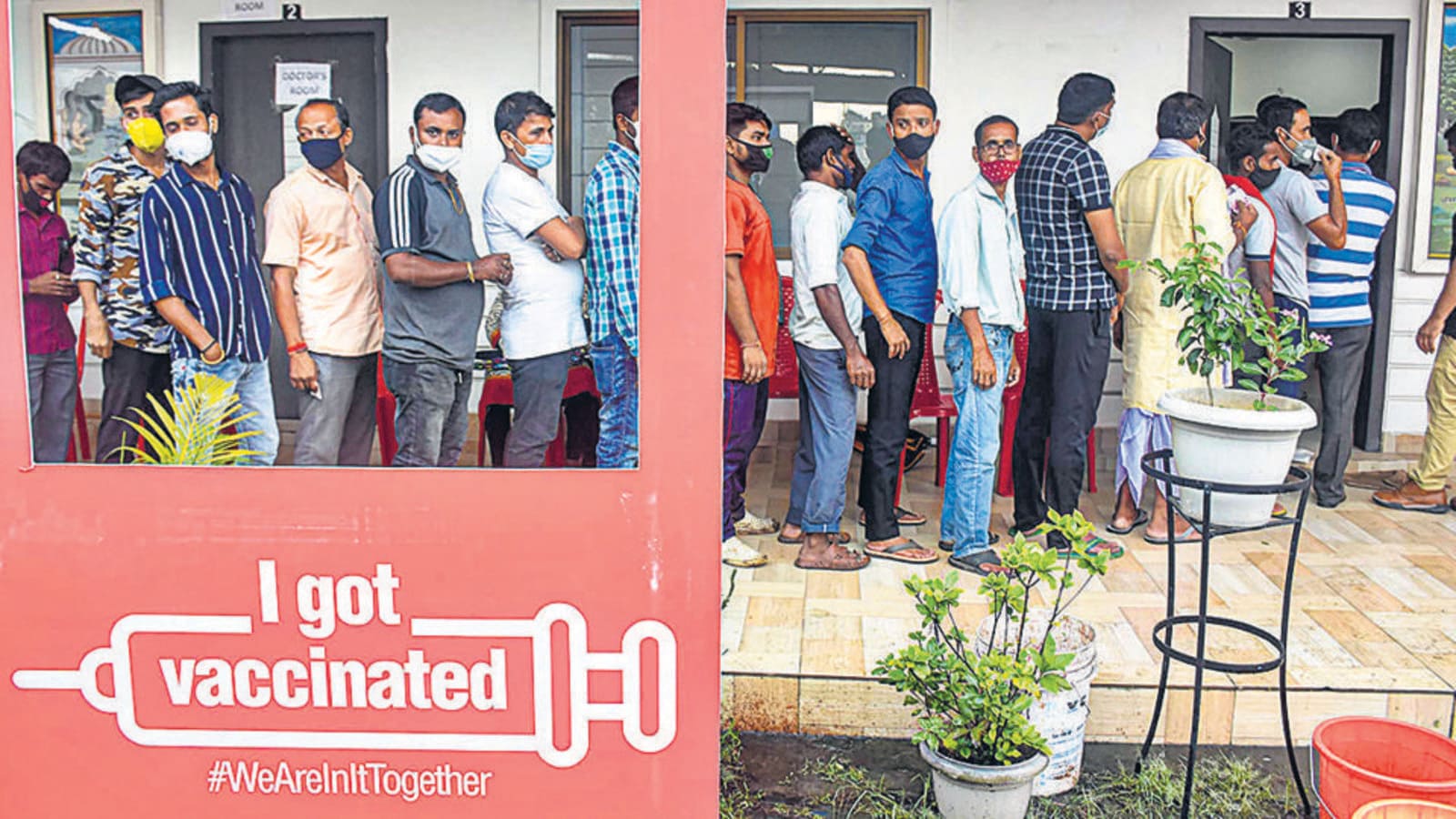
According to the ministry, 218.99 crore doses of COVID vaccine have been administered in the country so far under the nationwide COVID-19 vaccination drive.

India’s COVID-19 tally had crossed the 20-lakh mark on August 7, 2020, 30 lakh on August 23, 40 lakh on September 5, and 50 lakh on September 16.

India crossed the grim milestone of two crore on May 4, three crore on June 23 2021, and four crore on January 25 this year.

The three new fatalities reported in 24 hours include two from Kerala and one from West Bengal.

Read more at-https://rb.gy/zhqkya

Categories
COVID-19 Government Guidelines Medical Updates Medicine & Health

COVID symptom list has changed; THESE are the common signs of the infection now, experts say

The order of COVID symptoms, from the most prevalent ones to the least, can be said to have changed. Two years into pandemic, health experts have seen a shift in the occurrence of COVID symptoms. The symptoms which are tagged as the ‘common symptoms’ are the red flags and should be dealt with proper preventive measures and, if necessary, medical intervention.

Apart from fever, headache, and other cold-related symptoms, the most common symptom seen during the onset of COVID infection these days is sore throat.

COVID symptom list has changed; THESE are the common signs of the infection now, experts say


Tim Spector, PhD, a professor of genetic epidemiology at King’s College London and co-founder of the COVID ZOE study app says that two-thirds of people with COVID are seen having sore throats as a symptom.

In a report carried by the Independent, Spector said that fever and loss of smell and taste are hardly seen in people these days.

In a report released on September 1, Spector’s Zoe COVID app had said that loss of appetite still remains one of the typical symptoms of COVID. “Early in the pandemic, loss of appetite was reported by around three in ten adults with COVID, rising to roughly four in ten people over 65,” the report says and adds that it has now fallen slightly with subsequent variants and vaccination, with just over a quarter of people (25-27%) reporting skipping meals with Delta or Omicron after three doses of the vaccine.

The other symptoms of COVID which are also commonly seen in people are runny nose, headache, sneezing, persistent cough, shortness of breath and sometimes fever.

Fatigue continues to persist in people during and after COVID and is currently seen as a big indicator of long COVID condition, in which the symptoms are seen in the individual weeks and months after a COVID infection.

Apart from these diarrhea, chest pain, tinnitus, sleep issues, loss of memory and focus should not be ignored if these persist for a longer time.

The fact that people are not updated with the new COVID symptoms, they live under the impression that they do not have COVID. Fever has always been seen as the primary key symptom of COVID ever since the pandemic happened. However, these days no fever does not mean you do not have COVID. With a sore throat and a mild headache there are chances you might have contracted the viral infection.

Fever and loss of smell are really rare now, so many old people may not think they’ve got COVID. They’d say it’s a cold and not be tested, Spector told the newspaper.

The lack of awareness around symptoms hampers the pace of testing and surveillance. People who are only aware about the outdated symptoms of the infection do not test themselves. As a result of which the infection keeps on spreading.

This also reduces the chance of identifying a newer variant quickly. More testing will lead to more effective tracking of the super-mutating coronavirus.

India recorded less than 2,000 COVID cases in the last 24 hours as per the data shared by the Union Health Ministry. India’s active COVID caseload currently stands at 30,362. The recovery rate stands at 98.75% with 3,908 recoveries in the last 24 hours. While the daily positivity rate stands at 0.94% the weekly positivity rate stands at 1.34%.

With COVID cases dropping and hinting better days, Delhi government is planning to withdraw the COVID restrictions.

Delhi Disaster Management Authority (DDMA) has announced that the Rs 500 penalty for not wearing masks in public places in Delhi has been withdrawn.

However, wearing masks is advisable if you are in a crowded place or are sick and can not avoid staying indoors.

Read More At-https://cutt.ly/bBsjnta

Categories
Government Guidelines Medical Updates Medicine & Health Techniques

Government to launch national tele-mental health programme, toll-free helpline number soon

Synopsis

The government is preparing to launch a national tele-mental health programme and a toll-free helpline number soon, reported PTI. This is likely to enable wider access to mental health assistance across the country. The national tele-mental health programme (NTMHP) was first announced by Union Finance Minister Nirmala Sitharaman in the Union Budget 2022-23.

The government is preparing to launch a national tele-mental health programme and a toll-free helpline number soon, reported PTI. This is likely to enable wider access to mental health assistance across the country.
The national tele-mental health programme (NTMHP) was first announced by Union Finance Minister Nirmala Sitharaman in the Union Budget 2022-23.

“The pandemic has accentuated mental health problems in people of all ages. To better the access to quality mental health counselling and care services, a ‘National Tele-Mental Health Programme’ will be launched,” she had said.

Government to launch national tele-mental health programme, toll-free helpline number soon

This will include a network of 23 tele-mental health centres of excellence, with the National Institute of Mental Health and Neurosciences (NIMHANS) being the nodal centre and the International Institute of Information Technology, Bengaluru (IIITB) providing technological support.

As part of the programme, at least one tele-MANAS (Tele-Mental Health Assistance and Nationally Actionable Plan) cell would be established in each state and union territory and there will be five regional coordinating centres, reported PTI citing official sources.

A toll-free helpline number will also be set up across the country, allowing callers to select the language of choice for availing services. The calls would be routed to tele-MANAS cells in the respective state and union territory, the source stated.

According to a Lancet study published in October last year, the percentage increase in the prevalence of clinically significant depression and anxiety disorders due to the COVID-19 pandemic in 2020 was estimated to be approximately 35 per cent in India.

There has been a 10 per cent rise in the number of suicides reported in 2020 in India as compared to 2019, according to National Crime Records Bureau (NCRB) data.
A study published this year by Dr Rajesh Sagar, professor of psychiatry at AIIMS, stated that India has a huge burden due to mental health problems with one in every seven persons estimated to be suffering from a clinically diagnosable mental disorder.

Further, the COVID-19 pandemic had significant direct and indirect negative effects on the mental health of the entire population, he said in his study titled ‘National Tele-Mental Health Program in India: A step towards mental health care for all?’

The study stated that the vision of tele-MANAS involves linking these new tele-mental health centres with the existing network of locally available mental health resources at nearby centres of excellence, medical colleges, district hospital and other mental health services run by the central and/or state governments.

This will help in providing immediate mental health care to a person in acute psychological distress and facilitate continuity of care by making appropriate referrals to nearby specialised mental health services depending upon the person’s convenience and severity of the mental health problem, it said.

The NTMHP also envisions linking tele-mental health services with other health-related schemes and services provided by the government under the Ayushman Bharat Digital Mission (national digitalisation of health records and services) and the e-Sanjeevani platform (national tele-consultation service).

The effects of COVID-19 on mental health are prevalent. Long-term social distance protocols, fear of illness, death and future unpredictability, loss of educational and employment opportunities, economic downturn, and high work stress environment experienced by frontline healthcare workers have all been raised as concerns regarding the impact on mental health, Dr Sagar said.

“Social media misinformation and excessive screen time have become major issues in a society that is growing. Increasing common mental disorders at an alarming rate is a trend seen today (PTSD, anxiety, depression, suicidality, substance abuse, and post-Covid syndrome).

“Much stress brought on by infection prevention and control because of lockdown, self-isolation, and quarantine has led to a detrimental effect on mental health,” PTI quoted him as saying.

“Although toll-free numbers and telepsychiatry consultations have had a favourable impact on people’s decisions to seek care, prioritising the need of the most vulnerable individuals when allocating resources for mental health care is crucial,” he said.
Read More At:-http://surl.li/dfbqb


Categories
Government Guidelines Medical Updates Medicine & Health

New India prepared to deal with any threat in healthcare sector: Health Minister Mansukh Mandaviya

Synopsis

The difference has been made by the proactive planning of the prime minister, he said, adding health infrastructure is being propagated across the country via the PPP model with a microcosm of public hospitals mushrooming along with private medical colleges.

Union Health Minister Mansukh Mandaviya on Friday underlined the need for de-politicising the discussions on health policy and infrastructure and adopting a more holistic approach across the whole spectrum of the populace. He also asserted that a new India is prepared to deal with any threat in the healthcare sector.

“A healthy India will be a wealthy India,” Mandaviya said speaking at the Public Affairs Forum of India’s (PAFI) 9th Annual Forum 2022.

He said the new India under the leadership of Prime Minister Narendra Modi is an empowered nation and is well prepared to face any crisis.

New India prepared to deal with any threat in healthcare sector: Health Minister Mansukh Mandaviya

The difference has been made by the proactive planning of the prime minister, he said, adding health infrastructure is being propagated across the country via the PPP model with a microcosm of public hospitals mushrooming along with private medical colleges.

Mandaviya said 22 AIIMS have been planned across the country to improve the tertiary level of health infrastructure.

Elaborating on the country’s management of COVID-19, he said the government had started efforts to understand the virus much before it came to India, and accordingly planned and prepared beforehand to face the pandemic.

New India prepared to deal with any threat in healthcare sector: Health Minister Mansukh Mandaviya

Talking about why health infrastructure to GDP ratio is declining in India, Mandaviya said, “Every country has its own model specific to its people. In India, healthcare expenditure is lower as compared to other nations. Still, the Government is very much concerned about the health of its people and has assigned a budget of Rs 100 crore for each district to implement the Ayushman Bharat Scheme in the next five years.”

Giving the details of the PPP model in healthcare, Mandaviya said the government is following a holistic approach in planning and building healthcare models for the country.

He said the government is following two models for healthcare.

While under one it has launched the Nishchay Mitra scheme for the eradication of TB from India by 2025 and asked people to adopt nine lakh TB patients, under the second PPP arrangement, the Ayushman Bharat Scheme has been extended to 24,000 plus private hospitals, enabling business to private hospitals and ensuring healthcare for all.
Read more at:-shorturl.at/afsU2


Categories
COVID-19 Government Guidelines Medicine & Health

India has administered 800 million Covid vaccine doses till now

India had administered at least 800 million Covid vaccine doses by Sunday, September 19. In another development relating to the vaccine, Global pharma major Pfizer and BioNTech SE said trial results of Covid vaccine showed that it is safe and produced a robust neutralizing antibody response in children aged five to 11 years, and they plan to seek regulatory approvals as soon as possible.

Meanwhile, by 9am on Sunday, 804,372,331 vaccine doses were given across the states and UTs. As many as 8,542,732 doses were administered on the day.

In the 18-45 age group, 325,321,724 people have been given the first dose while 59,105,510 have got their second shot as well.

Among the healthcare workers, 10,368,565 have been given the first dose while 8,723,015 have got their second dose as well. Among the frontline workers, 18,344,648 have got their first dose and 14,480,304 have got their second dose too.

Meanwhile, the country, also the world’s largest vaccine producer, will resume exports and donations of surplus coronavirus vaccines in October after halting them during a devastating surge in domestic infections in April, the Union health minister said on Monday.

Health minister Mansukh Mandaviya said more than 300 million vaccine doses would be produced in October and one billion in the last three months of the year.”India will be resuming the export of vaccines… in order to fulfill the commitment of India towards Covax,” Mandaviya said in a statement.

source: https://www.hindustantimes.com/

Categories
COVID-19 Government Guidelines Uncategorized

Pune ranks first, Delhi-NCR at bottom among top 8 cities in health infra

When it comes to health infrastructure, Pune is the most equipped city in India, shows a recent report by online real estate portal, Housing.com. The Delhi-National Capital Region (NCR), which covers the national capital, Gurugram, Faridabad, Noida, Greater Noida and Ghaziabad, was ranked the lowest in the list, primarily because of the region’s poor scores on air and water quality, sanitation and performance of municipal bodies.

Pune offers 3.5 hospital beds per 1,000 people. This is much higher than India’s national average, where there is only half a bed available per 1,000 people in the public healthcare system, shows the report, titled ‘State of Healthcare in India’, by the Elara Technologies-owned online realty firm.

According to the report that ranks health infrastructure in the country’s most urbanized eight cities of Ahmedabad, Bengaluru, Chennai, Delhi-NCR, Hyderabad, Kolkata, Mumbai (MMR), and Pune, through its Housing City Health Card, Pune also scored significantly high on parameters such as ease of living, water quality, as well as performance and sustainable initiatives taken by its local government.

These rankings are benchmarked against parameters such as number of hospital beds per 1,000 people, air quality, water quality, sanitation, liveability index and 40 per cent weightage has been given to number of hospital beds. However, Pune still struggles with public healthcare delivery, as is highlighted by the fact that it is one of the cities with high COVID-19 caseloads, the report added.

With nearly 3.2 hospital beds per 1,000 people, Ahmedabad is ranked second in the list, while India’s Silicon Valley, Bengaluru, is ranked third in spite of a high number of hospital beds per 1,000 people and its top ranking in the ease of living index.

India’s financial capital Mumbai and its metropolitan region (which is also the largest residential real estate market in the country with a transactional value of $2.5 billion in the first quarter of 2021) were ranked fourth on the Housing.com City Health Card, with parameters such as the number of beds, air quality, and liveability pulling its overall score down.

Hyderabad, Chennai, and Kolkata occupied the fifth, sixth, and seventh positions, respectively.

In the public healthcare system, only half a bed and 1.4 beds are available if we count public plus private hospital beds available per 1,000 people in India, the report said.

source: https://www.livemint.com/

Categories
COVID-19 Government Guidelines

Save India from lockdown, follow COVID-19 appropriate behaviour, says PM Narendra Modi

Prime Minister Narendra Modi on Tuesday said India has to be saved from a lockdown. He said the state governments should impose lockdown as a last resort. He said if people follow COVID-appropriate behaviour then lockdown, curfew will not be required. The remarks come amid a massive surge in coronavirus cases across the country.

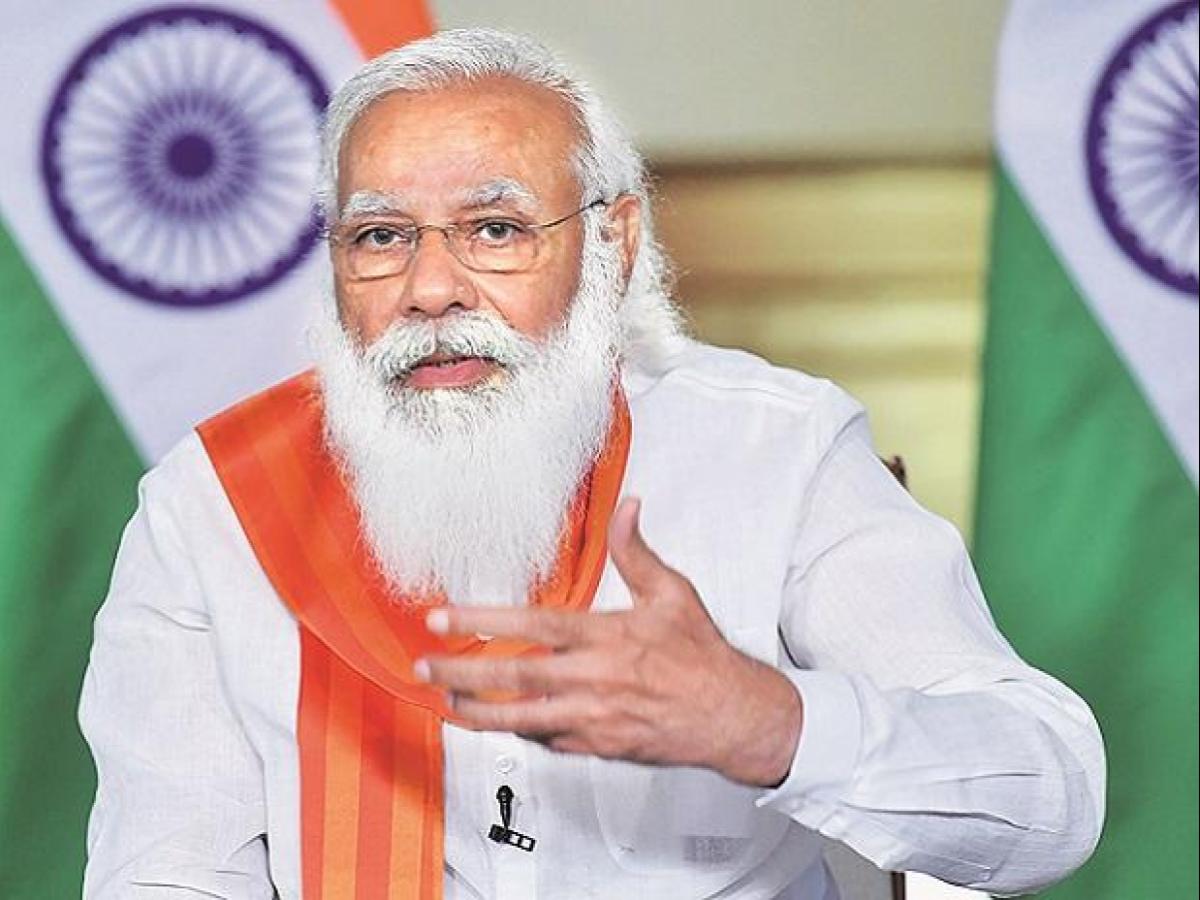
“We have to save the country from a lockdown. States must use micro containment zones as the go-to strategy,” Modi said in his address to the nation on the COVID-19 situation in the country.

He appealed to the youth to help in enforcing COVID-19 appropriate behaviour. “People must not leave their homes unless really necessary. I appeal to children to make sure that family members do not step out without reason or work,” Modi said.

India’s total tally of COVID-19 cases crossed the 1.50-crore mark, while the active cases surpassed the 20-lakh mark, according to the latest Union Health Ministry data. “Things were under control a few weeks ago. The second wave of coronavirus has hit India like a storm. I express my condolences to the families of those who lost their dear ones,” said Modi.

Modi raised the issue of the increase in demand for oxygen and said steps are being taken to transport medical oxygen where needed. “Centre, states, and private sector are working to bridge oxygen deficit. Efforts are on at various levels to increase oxygen production & supply,” he said. He added that even pharma companies are working round the clock and medicines are being manufactured at a greater speed.

Over 12 crore people are being administered vaccine doses. “Today, the world’s cheapest vaccine is in India. We also took an important decision to vaccinate all those who are above 18 years of age from May 1,” he said. The vaccine would be provided free of cost at all the government hospitals. “Our aim is not only to save lives but also ensure that economic activity is least disrupted,” he said.

Modi urged the migrant workers to stay in the cities wherever they are. He said that the states would arrange for their vaccination. This comes after hundreds were seen leaving the cities where lockdown and curfews were announced.

Modi thanked doctors, paramedical staff, sanitation workers, police staff for their selfless service to save people’s lives in this difficult time.

Modi also had a meeting with vaccine manufacturers in the evening and applauded their achievements and professionalism. He said that the biggest strengths of the vaccine industry are its ‘Samarthya, Sansadhan and Seva Bhaav’.

On Monday, Modi interacted with leading doctors from across the country and with top pharma companies via video conferencing, officials said. Modi has been holding regular meetings to deal with the emerging pandemic situation.

source: https://www.cnbctv18.com/

Categories
COVID-19 Government Guidelines

COVID-19 vaccinations near 12 crore-mark in India: Health Ministry

A total of 66,689 COVID Vaccination Centres (CVCs) were operational, marking a rise of an average of 21,689 operational centres (45,000 CVCs on an average are functional on any given day).

The total number of COVID-19 vaccine doses administered in the country approached the 12 crore-mark on Friday with more than 26.14 lakh doses being given till 8 pm, the Union Health Ministry said on Friday.

A total of 66,689 COVID Vaccination Centres (CVCs) were operational, marking a rise of an average of 21,689 operational centres (45,000 CVCs on an average are functional on any given day).

Workplace vaccinations have also enabled such a high turnout of beneficiaries, it said. The cumulative number of COVID-19 vaccine doses administered in the country stands at 11,97,87,239, according to the 8 pm provisional report.

These include 91,04,680 healthcare workers (HCWs) who have taken the first dose and 56,69,734 HCWs who have taken the second dose, 1,06,58,497 frontline workers (FLWs) who have received the first dose and 52,94,889 FLWs who have taken the second dose.

Besides, 3,96,39,132 and 10,44,958 beneficiaries over 45 to 60 years old have been administered the first and second dose, respectively, while 4,48,99,446 and 34,75,903 people aged above 60 have taken the first and second dose, respectively.

Total 26,14,326 vaccine doses were given till 8 pm on Friday, the ninety-first day of the nationwide COVID-19 vaccination drive.

Out of which 19,91,780 beneficiaries were vaccinated for the first dose and 6,22,546 beneficiaries received the second dose of the vaccine according to the provisional report, the ministry said, adding that final reports would be completed for the day by late night.

The countrywide vaccination drive was rolled out on January 16 with healthcare workers getting inoculated and vaccination of frontline workers started from February 2.

The next phase of COVID-19 vaccination commenced from March 1 for those over 60 years of age and for people aged 45 and above with specified co-morbid conditions. India launched vaccination for all people aged more than 45 from April 1.

source: https://www.newindianexpress.com/

Categories
Government Guidelines Medical Updates

Harsh Vardhan launches Integrated Health Information Platform

Union Minister of Health and Family Welfare Dr Harsh Vardhan virtually launched the Integrated Health Information Platform (IHIP) here on Monday.

Expressing his enthusiasm at the brave, futuristic, and pertinent amalgamation of healthcare and technology, Dr. Harsh Vardhan stated that “This day shall be written in Golden Letters as a day that marks a milestone in the history of disease surveillance. We have started a new chapter in India’s public health trajectory. India is the first country in the world to adopt such an advanced disease surveillance system.”

He pointed out that the new version of IHIP will house the data entry and management for India’s disease surveillance program.

“In addition to tracking 33 diseases now as compared to the earlier 18 diseases, it shall ensure near-real-time data in digital mode, having done away with the paper-mode of working,” the health minister said.

Terming this as the world’s biggest online disease surveillance platform, he stated that it is in sync with the National Digital Health Mission and fully compatible with the other digital information systems presently being used in India.

The refined IHIP with automated -data will help in a big way in real-time data collection, aggregation & further analysis of data that will aid and enable evidence-based policymaking, Vardhan explained.

The health minister said that IHIP will provide a health information system developed for real-time, case-based information, integrated analytics, advanced visualization capability.

“It will provide analyzed reports on mobile or other electronic devices. In addition, outbreak investigation activities can be initiated and monitored electronically. It can easily be integrated with other ongoing surveillance program while having the feature of addition of special surveillance modules,”.

Dr Harsh Vardhan stated that such an advanced digital platform for scouting the earliest signs of disease spread in the smallest of villages and blocks in the country will immensely help in nipping in the bud any potential outbreak or epidemic. He applauded the hard work and commitment of all the grassroots and frontline healthcare workers who have toiled the whole of last year during the COVID pandemic

Terming this as a ‘historic day’ not only for India for global public health, Dr Roderico Ofrin, WHO Representative to India stated that this refined digital surveillance platform will help to provide and connect data and move towards ‘One Health’ approach.

He mentioned that the portal is a great resource for timely health response measures to be mounted; not only programming but also disease prioritization. He applauded India for this timely development.