Categories
Medical Updates Medicine & Health

Air pollution scare rises in Delhi: Health consequences you should be aware of

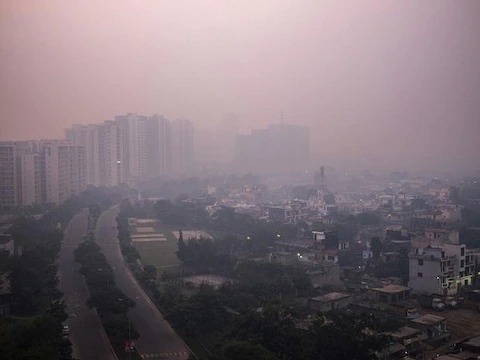
As Delhi has started breathing bad air, it is mandatory to note the health consequences that the population residing in the national capital are prone to.

As per a 2021 report on Air Quality Life Index released by the University of Chicago’s Energy Policy Institute: India is the most polluted country in the world, with more than 510 million people—or about 40 percent of the country’s

population—living in the Indo-Gangetic plains of Northern India where pollution levels regularly exceed those found anywhere else in the world by an order of magnitude. The residents of this region, which includes the megacities of Delhi and Kolkata, are on track to lose more than 9 years of life expectancy if 2019 concentrations persist.

It also added that in Bangladesh, India, Nepal, and Pakistan, the AQLI data reveal that the average person would live 5.6 years longer if pollution were reduced to meet the WHO guideline.
Air pollution scare rises in Delhi: Health consequences you should be aware of

Exposure to air pollution can cause both short term and long term complications to the health. Severe health complications happen when the air is laden with fine PM2.5 particles which easily enter the body and settle in the lungs.

Air pollution can worsen the existing asthma condition in people and can also trigger a new attack.

“Breathing ozone and particle pollution can lead to increased asthma attacks,” warns the American Lung Association.

The US Environmental Protection Agency says in 2018, six million kids in the US were affected with Asthma due to air pollution.

A research study by the Children’s Center at Stanford University found that short-term and long-term exposures to high levels of carbon monoxide, nitrogen dioxide, and PM 2.5 were associated with alterations to the two genes responsible for immune tolerance in children and concluded that those alterations were significantly associated with asthma.

A September 2022 study published in the Lancet has talked about how increasing air pollution levels increases the risk of lung cancer, mesothelioma, and cancers of the mouth and throat.

Another study by the UK’s Francis Crick Institute and University College London found that people regularly exposed to higher levels of PM2.5 air pollution were at increased risk of epidermal growth factor receptor mutant lung cancer and other cancers

Long term exposure to pollutants in the air can also lead to chronic bronchitis, chronic obstructive pulmonary disease or COPD, pneumonia, and even heart diseases.

It can also lead to central nervous system dysfunctions.

The intensity and the occurence of these diseases varies from individual to individual depending on their existing health condition, age and sex. It also depends on the lifestyle of the individuals.

Several factors render air in Delhi unbreathable.

Stubble burning, construction activities, industrial releases and vehicles contribute the most to Delhi’s sickening pollution.

A 2016 study by IIT Kanpur, Delhi Pollution Control Committee and Department of Environment, NCT Delhi found that road dust accounts for more than 50% of the air pollution in the city.

“The most health-harmful pollutants – closely associated with excessive premature mortality – are fine PM2.5 particles that penetrate deep into lung passageways,” warns the WHO.

Read more at-https://bit.ly/3Twhq6v
Categories
Medical Updates Medicine & Health

Colorectal cancer patients can benefit from surveillance with chest imaging

Despite improved survival rates, colorectal cancer is the third leading cause of cancer-related deaths in the United States. Though rates of colorectal cancer have declined among people 65 and older, largely thanks to increased screening efforts, rates among younger adults are rising.

According to new research presented at the Scientific Forum of the American College of Surgeons (ACS) Clinical Congress 2022, colorectal cancer patients with certain clinical characteristics may benefit from more frequent chest imaging to help identify and target cancer that has spread to the lungs.

These findings have the potential to improve long-term outcomes of patients with metastatic colorectal cancer.

Despite improved survival rates, colorectal cancer is the third leading cause of cancer-related deaths in the United States. Though rates of colorectal cancer have declined among people 65 and older, largely thanks to increased screening efforts, rates among younger adults are rising. 2 When the cancer is caught early, many patients can remain disease-free for the rest of their lives after surgical treatment, but colorectal cancer can spread (metastasize) in up to 50 per cent of patients.


One of the most common areas colorectal cancer spreads to is the lungs, affecting up to 18 per cent of patients with colorectal cancer.4 Detecting cancerous nodules in the lung early provides patients with the best outcomes, but there are no evidence-based standards for when and how often to screen colorectal cancer patients with chest CT or PET scans.

Colorectal cancer patients can benefit from surveillance with chest imaging

“After patients are diagnosed with colorectal cancer, many of them want to better understand what their cancer diagnosis entails in terms of their surveillance and survivorship for the rest of their life, but we currently lack data and uniform guidelines to support how often these patients should be screened with chest imaging,” said co-author Mara Antonoff, MD, FACS, associate professor, thoracic and cardiovascular surgery, UT MD Anderson Cancer Center, Houston, where she also serves as program director of education.

Anderson added, “With this study, we sought to develop a strategy that is evidence-based to determine how frequently, at what intervals, and for how long patients at risk of developing lung metastases should undergo imaging of their chest.”

Dr. Antonoff specializes in thoracic surgical oncology and has a clinical interest in colorectal cancer that has spread to the lungs. She is leading a multi-institutional study, under the umbrella of the American Association for Thoracic Surgery (AATS) Thoracic Surgery Oncology Group (TSOG) (TSOG 103), on developing optimal treatment strategies for colorectal cancer patients whose cancer spread is limited to the lungs.

To identify which colorectal cancer patients may benefit from early chest imaging and at what time intervals, Dr. Antonoff and an interdisciplinary team of researchers at MD Anderson – including cardiothoracic surgeons, colorectal cancer surgeons, and gastrointestinal oncologists – collaborated on this research project to investigate evidence-based surveillance guidelines for colorectal patients who are at risk of developing lung metastases.

Read more at-https://bit.ly/3S3EqbW


Categories
Medical Updates Medicine & Health

Indian pharma to step up quality standard to meet global generic demand

Synopsis

In 2019, Indian pharma companies received 19 warning letters. Nearly half were from the Office of Manufacturing Quality, US Food and Drug Administration (FDA). GoI has taken some measures since March 2021. Companies that manufacture and market pharmaceuticals are accountable for their products’ quality. That is not enough. A regulatory overhaul is needed.

The possible link between four cold and cough syrups made by an Indian pharmaceutical company and the death of 66 children in the Gambia is a wake-up call. The World Health Organisation (WHO) has issued a global alert to minimise and prevent further harm.

For India’s drug regulator and government, this is an alarm to step up vigilance. India must continue to be the ‘pharmacy to the world’ by ensuring that the quality of its products is not suspect. For this, GoI must take strong measures.

Indian pharma to step up quality standard to meet global generic demand

India is the third-largest pharma manufacturer, meeting 20% of global generic demand. Multiple assessments project the industry to grow further – $45-65 billion by 2025, and $120-130 billion by 2030. However, non-compliance with quality standards is the biggest challenge.

In 2019, Indian pharma companies received 19 warning letters. Nearly half were from the Office of Manufacturing Quality, US Food and Drug Administration (FDA). GoI has taken some measures since March 2021. Companies that manufacture and market pharmaceuticals are accountable for their products’ quality. That is not enough. A regulatory overhaul is needed.

The current fragmented system, where quality and standardisation become casualties, must be replaced by a modern, independent, statutory regulatory system. The Central Drugs Standard Control Organisation (CDCSO) is the non-statutory regulator under the health ministry. It has no jurisdiction over State Drug Regulatory Authorities that are part of state health departments. Each regulatory body acts independent of the other. This must change.

The pandemic has raised concerns about supply chains and inequity in access. Failure to address quality standards could derail the prospects of one of India’s brightest sectors.

Read more at-shorturl.at/ijmGS

Categories
Government Guidelines Medical Updates Medicine & Health

Maiden Pharmaceuticals had license to export, not locally sell cough & cold syrup, India says

Synopsis

India’s health and welfare ministry said Thursday that Maiden Pharmaceuticals had the license to only export four drugs that are now linked to have killed 66 children in Gambia. ​​​​”Four drugs, out of 23, named Promethazine Oral Solution BP, Kofexnalin Baby Cough Syrup, MaKoff Baby Cough Syrup and MaGrip n Cold Syrup, are not sold in India,” stated a press release.

India’s health and welfare ministry said Thursday that Maiden Pharmaceuticals had the license to only export four drugs that are now linked to have killed 66 children in Gambia.

“Four drugs, out of 23, named Promethazine Oral Solution BP, Kofexnalin Baby Cough Syrup, MaKoff Baby Cough Syrup and MaGrip n Cold Syrup, are not sold in India,” stated a press release.

It also said that the company has manufactured and exported these products only to Gambia.

Maiden Pharmaceuticals had license to export, not locally sell cough & cold syrup, India says

WHO had informed DCGI, the National Drug Regulator of India, that it is currently providing technical assistance and adviced to Gambia, where children have died and where a contributing factor, is suspected to be the use of medicines which may have been contaminated with Diethylene glycol or Ethylene glycol (in some of the samples it was claimed to have been confirmed by further analysis conducted by WHO).

CDSCO took up the matter immediately with Haryana State Regulatory Authority, under whose jurisdiction the drug manufacturing unit of M/s Maiden Pharmaceutical Limited, Sonepat is located. Further, a detailed investigation was launched to ascertain the facts/ details in the matter in collaboration with State Drugs Controller, Haryana.

From the preliminary enquiry of CDSCO, it has been made out that Maiden Pharmaceutical is a manufacturer licensed by the State Drug Controller for the products and holds manufacturing permission for these products for export only. The company has manufactured and exported these products only to Gambia.

As per the tentative results received by WHO, out of the 23 samples of the products under reference which were tested, four samples were found to contain Diethylene Glycol/ Ethylene Glycol. It has also been informed by WHO that the certificate of analysis will be made available to WHO in near future and it will share it with the Indian Regulator which is yet to be done. The exact one to one causal relation of death has not yet been provided by WHO to CDSCO.

As a robust National Regulatory Authority, CDSCO has requested WHO to share at the earliest with CDSCO the report on establishment of causal relation to death with the medical products in question etc.

“The samples (controlled samples of the same batch manufactured by M/s. Maiden Pharmaceuticals Limited for all the four drugs in question) have been taken and sent for testing to Regional Drug Testing Lab, Chandigarh by CDSCO, the results of which will guide further course of action as well as bring clarity on the inputs received/ to be received from WHO,” the release stated.

Read More at:-shorturl.at/abgjz


Categories
Medicine & Health

Protein could be used to produce life-saving antifungals: Research

Their findings, published in te journal eLife, not only have implications for drug development, they also provide important insight into the evolution of an ancient growth control pathway found in all multicellular organisms.

Researchers have discovered a protein that is responsible for controlling cell growth in yeasts. Since humans and yeasts have remarkably similar cellular mechanisms, teasing out the differences presents drug developers with new targets for treatments.

Yeast cells and human immune system cells rely on surprisingly similar chemical reactions to know when to grow. University of Arizona scientists have identified subtle differences between the two cell types that could help spur the development of antifungal drugs that are able to attack disease-causing yeasts in the body while sparing the immune system.

Their findings, published in the journal eLife, not only have implications for drug development, they also provide important insight into the evolution of an ancient growth control pathway found in all multicellular organisms.

Protein could be used to produce life-saving antifungals: Research

It is well known in the scientific community that a conglomerate of proteins called TORC1 — short for Target of Rapamycin kinase Complex 1 — controls the growth of cells in everything from humans to yeasts. But researchers have now identified and named the protein that triggers this process in yeasts — a nutrient sensor and TORC1 regulator they named Ait1. When working normally, Ait1 shuts down TORC1 in yeasts when cells are starved for nutrients, blocking cell growth.

“Ait1 is kind oflike a hand holding TORC1 in place, with a finger that reaches over the top and flicks TORC1 on and off depending on how many nutrients a cell has,” said study co-author Andrew Capaldi, an associate professor in the UArizona Department of Molecular and Cellular Biology and BIO5 Institute member.

The Capaldi Lab is interested in determining how cells sense stress and starvation and then decide how fast to grow. Understanding how TORC1 is triggered in different organisms is important for developing treatments for a wide variety of diseases.

TORC1 was originally discovered in yeast, but it is also critical for the activation of cells in the human immune system to mount a response. When TORC1 isn’t working as it should, it can trigger the development of cancer, diabetes and various neurological disorders including epilepsy and depression.

“If TORC1 is too active, it can give rise to cancer or epilepsy. If it’s underactive, then it can cause depression,” Capaldi said. “We call this Goldilocks regulation.”

But the fact that human bodies depend on the same TORC1 pathway as yeast presents a problem.

Capaldi said if scientists develop drugs that inhibit the growth of disease-causing yeasts by controlling TORC1, “we are in big trouble since TORC1 also controls the growth of human immune cells and more.”

“As an example, you can block the growth of yeast very easily using rapamycin — a drug that binds directly to and inhibits TORC1 — so that would fight any infection well,” Capaldi said. “However, that very same drug is regularly used in transplant patients to suppress their immune system, so that would be a disaster.”

The researchers found that while the TORC1 pathway is very similar in yeast and humans, humans don’t rely on Ait1 to regulate TORC1. So, drugs that specifically target Ait1 should inhibit the growth of yeast and not human immune cells.

Ait1 has only evolved in the last 200 million years, which is relatively recent in evolutionary terms. About 200 million years ago a TORC1 regulator called Rheb seems to have disappeared from the cells of various organisms exactly when Ait1 evolved.

The researchers found that while the TORC1 pathway is very similar in yeast and humans, humans don’t rely on Ait1 to regulate TORC1. So, drugs that specifically target Ait1 should inhibit the growth of yeast and not human immune cells.

Ait1 has only evolved in the last 200 million years, which is relatively recent in evolutionary terms. About 200 million years ago a TORC1 regulator called Rheb seems to have disappeared from the cells of various organisms exactly when Ait1 evolved.

Read More At:-http://surl.li/dfkkl

Categories
Medical Updates Medicine & Health

Follow this five-step guide to good health in 2022

As the pandemic rages on, people are continuing to focus on their health and well-being. A large aspect of a healthy lifestyle depends on the kind of food you eat, how physically active you are and if you follow a good sleeping pattern.

Akshay Modi, the managing director of Modi Naturals Ltd, says people usually end up cutting down on their sugar intake after being diagnosed with diabetes, avoiding fried food because of cholesterol, and exercising and gaining a lot of weight.

“With a bit of caution and care, like consuming sugar and oil in moderation and exercising regularly, they can keep themselves from falling prey to these concerns,” he says.

He lists five simple steps that can help a person take a more proactive approach to lifestyle and health; read on.
Follow this five-step guide to good health in 2022


1. Engaging in a physical activity

Physical activities give flexibility and power to the body to function seamlessly in today’s world, where much time is spent in front of screens. Be it a refreshing morning jog or an intensive workout, there are a number of options to choose from. Sports and dancing are great options, too. Activities like yoga and meditation provide physical as well as mental well-being. Hiking and cycling are some other interesting activities to undertake.

2. Knowing your nutrients and ingredients

It is important to consume different nutrients and vitamins. Making smart swaps for everyday food helps enhance the nutrition values of your meals. Rice can be swapped for quinoa, whole wheat for ragi, sunflower oil for olive oil. It’s also important to know your ingredients, especially edible oil which is used in each and every meal. It’s also important to buy organic products and to eat at home.

3. Sleep schedules

A poorly-rested body can’t function well physically or mentally. A good night’s sleep is crucial for your body to get the much-needed rest and recovery time. Following a sleep schedule and getting enough hours help reduce stress and increase productivity throughout the day. Ideally, an adult should be sleeping for 7-8 hours at a stretch. Too less or too much sleep is not good. Quick power naps during the day can also be considered. The timing is also important. Sleeping at different hours each day is not ideal.

4. Learn stress management techniques

Stress causes severe damage to our heart. Stress management is something that one needs to learn for themselves. To-do lists and priority lists are recommended for people with anxiety. Indulging in fun activities, dedicating time for hobbies, going on trips can help give you a break from your everyday routine. Stress can also heighten emotions which can make one lose control, and hence stress management requires maintaining positive relations with people around you.

5. Break free of bad habits

Smoking and heavy alcohol consumption are known to cause chronic illnesses such as cancer. While an occasional glass of wine may actually promote your health, uncontrolled consumption of alcohol and heavy smoking can lead to many short term and long term health issues.

Read more at:-shorturl.at/bmQW7

Categories
Medical Updates Medicine & Health

World Heart Day 2022: Simple habits to keep your heart healthy

“Indians and Southeast Asians are at a higher risk of contracting a heart condition than their Western counterparts,” said Dr Prashant Pawar, consultant cardiologist.

Actor-comedian Raju Srivastava’s death, after being hospitalised for over 40 days, has once again highlighted the high fatality rate caused by heart diseases. Across the world, cardiovascular diseases (CVDs) are one of the leading causes of mortality. An estimated 17.9 million people perished due to CVDs in 2019, contributing to 32 per cent of deaths globally. Out of all the people who died from CVD, 85 per cent suffered a stroke and heart attack. Further, a quarter of these CVD deaths occur in low and middle-income countries, according to the World Health Organization.

Keeping these statistics in mind, experts stress on the enormous need for awareness about the prevention of heart disease. As such, World Heart Day is an incredible platform to spread awareness about how people can prevent cardiac issues and reduce the burden caused by this condition, said Dr Prashant Pawar, consultant cardiologist, Fortis Hospital Vashi. “Since the heart is crucial to a person’s survival, it is important to keep it healthy with a well-balanced diet, adequate sleep, and stress busters like meditation and yoga coupled with daily physical exercise while avoiding things like smoking and alcohol that can damage its arteries,” said Dr Pawar.

World Heart Day 2022: Simple habits to keep your heart healthy


Lack of physical activities

According to National Center for Chronic Disease Prevention and Health, a lack of physical activity can increase the risk of cardiac issues, even if a person does not have any other risk factors. Besides cardiac problems, being sedentary can also increase the likelihood of several other chronic diseases like obesity, high blood pressure, high blood cholesterol, and type 2 diabetes.

Timely treatment is essential

Coronary arteries are only about 3-4 mm in diameter. Over time, a person consuming too many processed foods, including fatty and greasy items, can cause extreme damage to them. Additionally, if any significant heart artery is blocked for more than 30 minutes, it can impact the muscles in the heart, leading to a severe medical condition. This is a sign of a heart attack or cardiac issues; if a person suffers from it, they require immediate medical attention. In such a scenario, a common symptom is chest pain that must be brought to a doctor’s attention immediately.

The risk of blood pressure increases with age

Dr Pawar mentioned that in people above the age of 80, there is a 60 per cent chance of them having high blood pressure. This is mainly because as we get older, the arteries in our body get stiffer, affecting the blood pressure level. This can be true even for people with heart-healthy habits. Hence, the vulnerable population must monitor blood pressure regularly. A recent nationwide survey by ICMR has shown that 28 per cent of adults in India have hypertension, and nearly 77 per cent are undiagnosed, leading to a high burden of hypertension in the country.

The prevalence of coronary heart disease has increased in India

“Indians and Southeast Asians are at a higher risk of contracting a heart condition than their Western counterparts. This is evident in the prevalence of heart-related diseases that have substantially increased in rural and urban India over the past several decades. The rate of coronary incidences has risen from 1.6 per cent to 7.4 per cent in rural people and from 1 per cent to 13.2 per cent in urban populations. In 2021 there was a six-fold rise in cases related to cardiac issues in Mumbai,” Dr Pawar said.

Today, this condition claims as many lives each year as cancer, chronic lung diseases, accidents and diabetes combined. Some simple habits that can help you prevent a heart attack include the following

World Heart Day 2022: Simple habits to keep your heart healthy

*Focus on a diet rich in fibre, high protein, and low fat.
*Have a hearty breakfast that keeps you full for the day. Your lunch and dinner should be smaller in comparison.
*Be physically active for at least 30 minutes daily, at least five days a week.
*Use the staircase whenever possible and avoid lifts. Alternatively, it would help if you also chose to walk small distances instead of using vehicles.
*Get adequate sound sleep for at least eight hours a day.
*Quit smoking and reduce alcohol consumption as far as possible.
*Practice stress busters like meditation, yoga, and breathing tactics.

Read More At:-https://bit.ly/3fs9tke

Categories
Medical Updates Medicine & Health

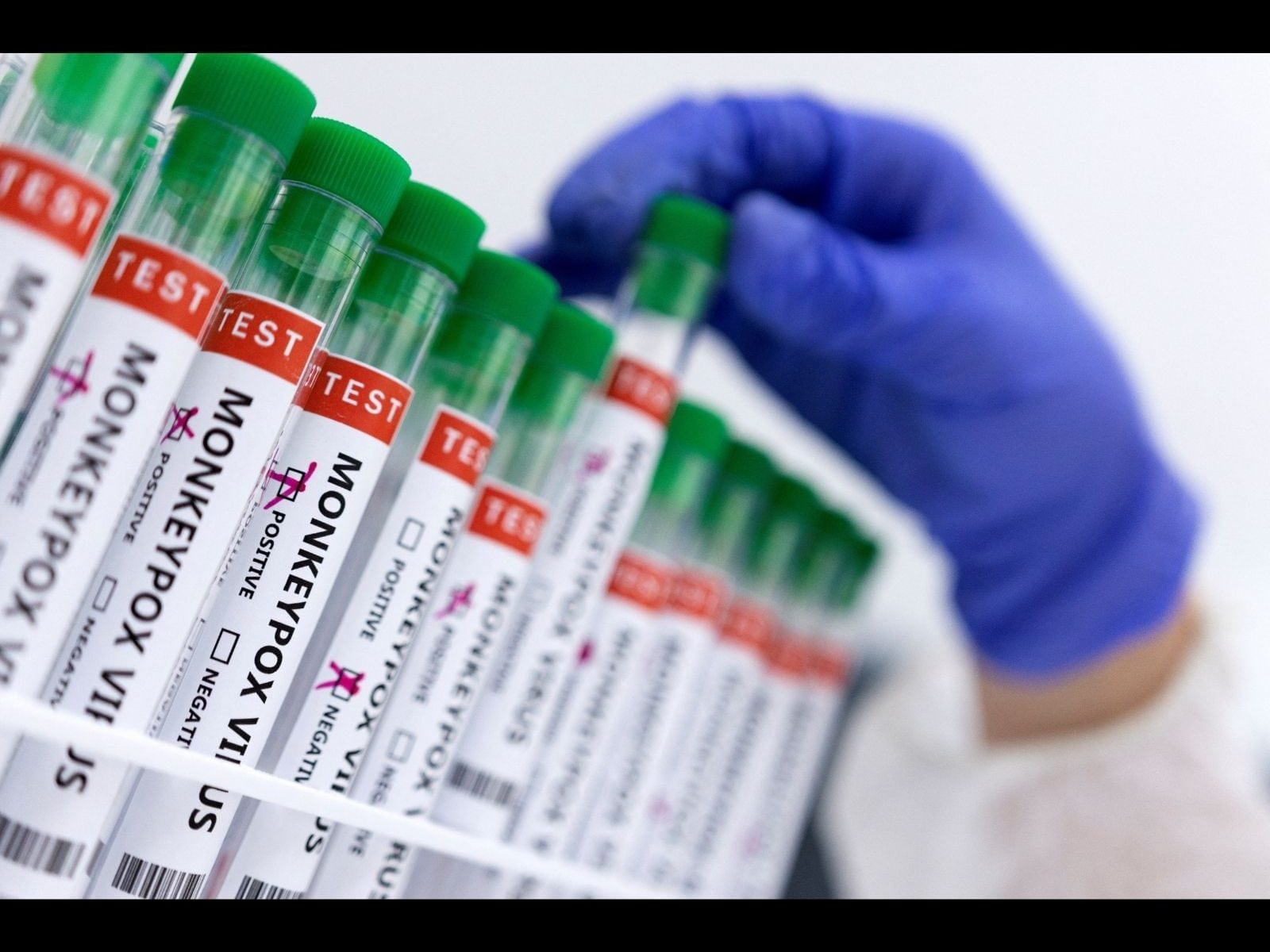
Delhi reports fresh case of Monkeypox! Nigerian woman tests positive – Details here

The monkeypox case tally in India has reached 13 after a 30-year-old Nigerian woman in Delhi reportedly tested positive. This is the 8th case of the viral infection in the national capital, the PTI reported quoting sources on Friday. The woman has been admitted to Lok Nayak Jai Prakash Narayan Hospital (LNJP), they added.

Another person suspected to be suffering from monkeypox has also been admitted to the Delhi government-run hospital, sources said. According to the sources, the woman’s condition is currently being monitored.

The early six cases have been treated and discharged, a senior doctor said. Monkeypox is a viral zoonotic disease having common symptoms such as fever, skin lesions, lymphadenopathy, headache, muscle aches, exhaustion, chills or sweats and sore throat and cough.

Delhi reports fresh case of Monkeypox! Nigerian woman tests positive

According to a recent study done by the LNJP and the Indian Council of Medical Research (ICMR), patients in the first five cases showed “mild to moderate grade intermittent fever, myalgia (muscle pain) and lesions on the genitals, groins, lower limb, trunk and upper limb”. Four of these cases had non-tender firm lymphadenopathy (swelling of lymph nodes).

The study further asserted that no secondary complications or sexually transmitted infections were recorded in these cases except for Hepatitis B in one case. In Delhi, the first case of monkeypox was reported on July 24. LNJP Hospital has been made the nodal facility to treat patients with the viral infection.

According to a WHO report last month, the number of monkeypox cases globally dropped by 21%, reversing a month-long trend of rising infections. The report further said that a possible signal of outbreak in Europe may be starting to decline as well.

As many as 60,799 monkeypox cases have been reported across the world, as per the data by Centres for Disease Control and Promotion. The global death toll from monkeypox currently stands at 20.

Read More At:-https://bit.ly/3Lp9uBj


Categories
Medical Updates Medicine & Health

New study finds the minimum blood sugar levels to avoid diabetes.

Long-term blood sugar levels, known as HbA1c, can be used to accurately predict the risk of a person with type 1 diabetes having eye and kidney problems.

A new research has revealed the minimum blood sugar levels that is required to avoid health complications related to diabetes. It is well known that long-term blood sugar levels, known as HbA1c, can be used to accurately predict the risk of a person with type 1 diabetes having eye and kidney problems, the new research states that this level should be lower than 53 mmol/mol (7%).

Notably, the study tracked people for more than 30 years after they were diagnosed with type 1 diabetes and the results were published in Diabetes Care, as per news agency ANI.

New study finds the minimum blood sugar levels to avoid diabetes.

Categories
COVID-19 Medical Updates Medicine & Health

Did you get you annual flu vaccine? It can lower risk of heart attack, says study

Getting an annual flu vaccine shot may help to lower the risk of stroke, according to researchers.

A study published in the medical journal of the American Academy of Neurology says that getting your annual flu vaccine could lower the risk of stroke in people. Researchers have stated that the annual flu vaccine could lower the risk of stroke, however, it still remains a mystery whether the jab could prevent stroke altogether.

Did you get your annual flu vaccine? It can lower risk of heart attack, says study

“Studies have shown that getting the flu increases your risk of having a stroke, but research is still being collected on whether getting the flu vaccine can help protect against a stroke,” said study author Francisco J. de Abajo, MD, MPH, PhD, of the University of Alcala in Madrid, Spain.

“This observational study suggests that those who have a flu shot have a lower risk of stroke. To determine whether this is due to a protective effect of the vaccine itself or to other factors, more research is needed.”

How the study worked?

The study looked at ischemic stroke, which is caused by a blockage of blood flow to the brain and is the most common type of stroke.

For the study, researchers looked at a health care database in Spain and identified people who were at least 40 years old and had a first stroke over a 14-year period. Each person who had a stroke was compared to five people of the same age and sex. There were 14,322 people who had a stroke and 71,610 people who did not have a stroke.

Then the researchers looked at whether people had received the influenza vaccine at least 14 days before the stroke or before that same date for those who did not have a stroke.

A total of 41.4% of those who had a stroke had received the flu shot, compared to 40.5% of those who did not have a stroke. But the people who got the shot were more likely to be older and to have other conditions such as high blood pressure and high cholesterol that would make them more likely to have a stroke. Once researchers adjusted for those factors, they found that those who received a flu shot were 12% less likely to have a stroke than those who did not.

The researchers also looked at whether the pneumonia vaccine had any effect on the risk of stroke and found no protective effect.

Researcher speak

“These results are yet another reason for people to get their yearly flu shot, especially if they are at an increased risk of stroke,” de Abajo said. “To be able to reduce your risk of stroke by taking such a simple action is very compelling.”

Since the study was observational, it does not prove that getting the flu shot reduces the risk of stroke. It only shows an association. There could be other factors that were not measured that could affect the risk of stroke.

Incidences of heart attack

The study comes at a time, when several tragic deaths have been reported in India. From noted Bollywood singer Krishnakumar Kunnath, also known as KK, to investor and billionaire Rakesh Jhunjhunwala, suffered heart attack and passed away.

Further a news anchor from Oklahoma experienced the “beginning of a stroke” while reporting news on live TV. Anchor Julie Chin, who works for NBC affiliate KJRH was reading the news of the attempted launch of NASA’s Artemis 1 rocket when she began to stumble over her words.

Another incidence of heart attack happened in Jammu, where a performer was recorded collapsing in the middle of their performance, later confirmed to have died of heart attack.

Read More At:-https://bit.ly/3qG2HcO