Categories
Government Guidelines Medical Equipments Medical Updates Medicine & Health

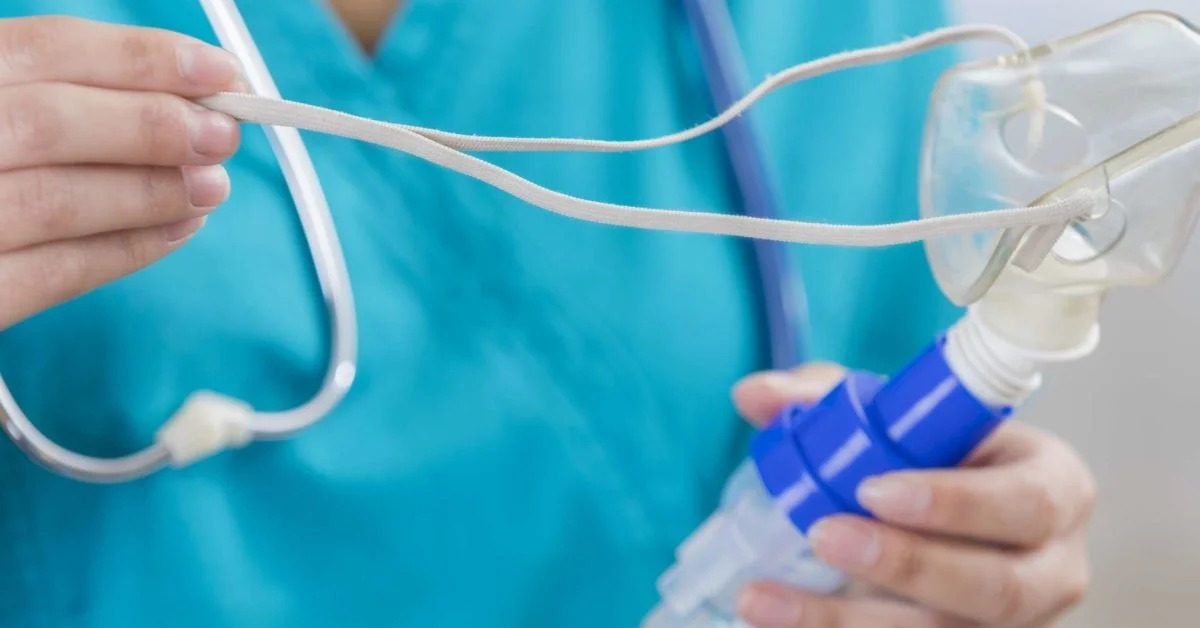
Health expert on the best treatments for asthma

You should know that best symptoms are controlled via medication only. Health expert reveals the best treatments for asthma.

Asthma is a lung disease leading to the narrowing of the airways and is blocked by excess mucus thus, one will have breathing problems. The symptoms of asthma are wheezing, fatigue, cough, chest tightness and even weakness and if left untreated, asthma can lead to higher morbidity and mortality rates in the country.

The causes of asthma can be attributed to pollen, dust mites, feathers, smoke, fumes, and pollution thus, it will be imperative for one to seek treatment without any delay. You will have to follow the instructions given by the doctor only and you should know that symptoms are controlled via medication only.

In an interview with HT Lifestyle, Dr Abhijit Ahuja, Pulmonologist at Zen Multispeciality Hospital in Chembur, suggested the following as the best treatments for asthma:

· You need to sit with the doctor and decide on the action plan. One will be prescribed medication to manage the symptoms of asthma. You shouldn’t self-medicate as doing so can be risky. You will have to note down the triggers and manage them accordingly.

· Take bronchodilators which are medications beneficial for making breathing easier by relaxing the muscles in the lungs and widening the airways (bronchi). They can help to deal with the symptoms of asthma. You should take the medication in the mentioned dosage. Do not skip the medication at all. If you are taking steroids then you will have to do so under the guidance of the treating doctor.

Health expert on the best treatments for asthma

· One can even take injections. If you are detected with severe asthma then injections containing medicines called biologic therapies are given to the patient. These can help to control the symptoms of asthma. These medications are not advised to each and every one. The doctor will examine you and then only recommend the symptoms.

· Bronchial thermoplasty is the type of surgery that can be recommended by the doctor for asthma patients.

· One with asthma will have to do breathing exercises to improve lung capacity. You can ask the expert about the exercises that are suitable for you.

· Follow a well-balanced diet. It will be imperative for you to eat well. Avoid eating foods that are high in fat and calories. Stay away from sweets, desserts, sodas, and colas. Take supplements advised by the doctor only and do not go overboard on them.

· Exercise daily for at least 30 minutes every day and you will surely feel better. But, do not do any rigorous activities. You will have to speak to the fitness trainer before initiating any fitness routine.

Read more at-https://bit.ly/3VmAvKL

Categories
COVID-19 Government Guidelines Medical Equipments Medical Updates Medicine & Health

New Covid variant Arcturus or XBB.1.16: Experts on tips for people with diabetes, hypertension

A new Covid variant Arcturus or XBB.1.16 is leading to rise in infections across the country. Here’s what people with chronic diseases should do.

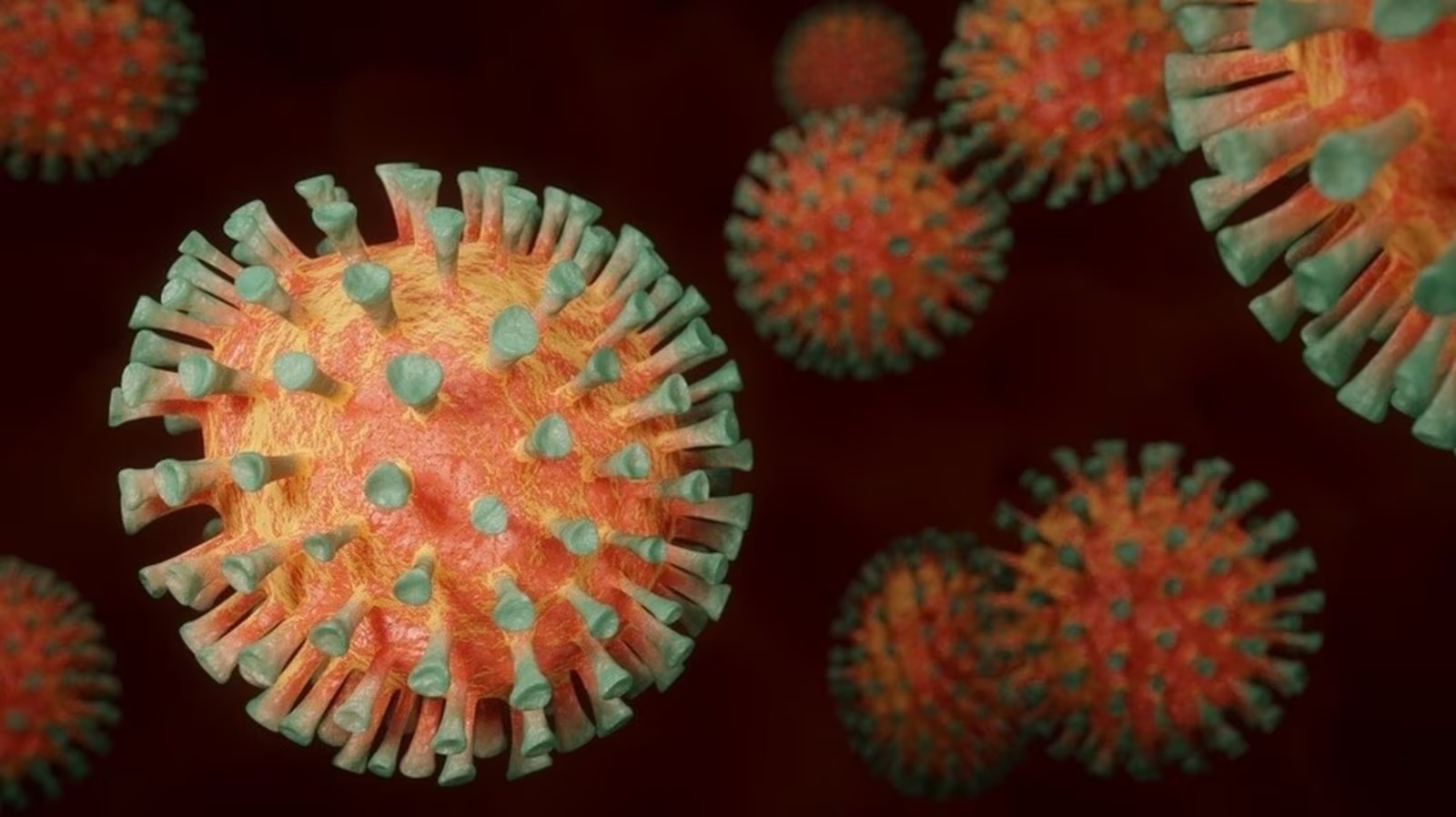
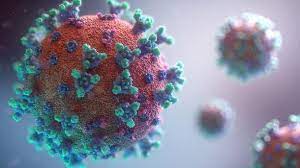
Covid variant Arcturus or XBB.1.16 is driving the current surge of Covid infections across the country and while this has left people worried, experts assure that there is no need to panic and with social distancing, masking, vaccination and other precautions, one can curb the spread. While people infected with Covid are largely reporting mild symptoms, those who have chronic diseases need to be careful as experts warn they are at risk of severe complications from the disease. Experts note that people with diabetes, blood pressure or other chronic diseases may have more risk of ICU admission and death as compared to others and thus it’s important for them to manage their disease well.

“Cardiovascular disease risk is increased in such patients. Diabetes mellitus causes micro and macrovascular problems, including cardiovascular disease. It has been shown that diabetic people with Covid-19 are at a greater risk of developing it. Covid-19 might cause an increase in blood pressure, so make sure to take your medicines as prescribed. Ask your doctor if you should start monitoring your blood pressure at home or adjust your medications. If you’re unwell, you should check your blood sugar more frequently. If it remains above 250 mg/dL, see your doctor,” says Dr Aniket Mule, Consultant Internal Medicine, Wockhardt Hospitals, Mira Road.

New Covid variant Arcturus or XBB.1.16: Experts on tips for people with diabetes, hypertension

“Non-communicable diseases such as diabetes, hypertension and other metabolic problems are known as the bedrock for many other life-threatening health conditions. During the second wave of the pandemic, it was widely documented that people with diabetes and poor glycaemic control had 5 times higher rate of ICU admissions and deaths compared to those without the condition. Therefore, it is imperative for them to focus on glycaemic control. A recent study by ICMR revealed that 60% of Indians with diabetes have poor glycaemic control, and we can imagine how challenging it has been for all stakeholders to keep the ICU admissions and fatalities as low as possible in these circumstances,” says Dr Arbinder Singal, CEO and Co-Founder, Fitterfly.

Hypertension can cause Covid complications too

Dr Singal says hypertension also affects patients in ways similar to diabetes as far as Covid risk is concerned.

“It was also revealed that in 40% of the people with diabetes, hypertension was a co-existing condition. It has also been observed that in many cases where patients had diabetes and hypertension co-existing, there was a greater occurrence of blood clotting, and the impact of Covid proved to be extremely severe in these instances. Another important thing to note is that in the case of people with severe Covid infections, steroids were administered as medicines, and they can cause a sharp spike in blood glucose,” says Dr Singal.

How people with chronic diseases can manage Covid

“Isolate the individual who has Covid or is awaiting test results within the home. You and everyone the sick person lives with or has lately lived with are now considered close contacts of a Covid patient,” says Dr Mule.

“The most important thing is to continuously monitor blood glucose and blood pressure levels. COVID can cause a spike in both. If there is a rise in blood glucose, then appropriate medication etc. should be taken in consultation with the healthcare specialist,” says Dr Singal.

What preventive measures can people take

“Do not enter the same room as the ill individual unless both of you wear a mask covering your mouth and nose. If using cotton masks, they should fit securely and have many layers; surgical masks or N95 masks provide better protection. By cracking up a window, they may keep air moving in their space. Set up a fan aiming out the window if feasible or use an air filtration device that you buy or create.

To keep virus particles out of the air, make sure the ill person coughs into their mask or cloth, or their elbow or a tissue. Tissues should be discarded after one use. Wash your hands frequently and thoroughly with soap or an alcohol rub. Soap or disinfectants can be used to clean surfaces,” adds Dr Mule.

“People with diabetes must be extremely careful about their blood sugar levels and regularly monitor them. It is a must to ensure adherence to the medication schedule alongside regular exercise, nutrition, rest, hydration etc. Good blood sugar control of HbA1c of less than 7 and fasting levels of less than 126 can be very helpful in preventing the risk of Covid infections. For achieving a good glycaemic control, lifestyle interventions using as digital therapeutics programs can help. Another important thing is to ensure adequate nutrition through a healthy diet that includes fruits and vegetables and meets the body’s need for micro-nutrients,” adds Dr Singal.

Read more at-https://bit.ly/41wkmUG

Categories
COVID-19 Government Guidelines Medical Equipments Medical Updates Medicine & Health

Chromosomal breakage caused by virus can lead to cancer: Study reveals

EBV is a common virus that spreads through saliva and affects over 90% of the global population during childhood.

When people kiss, share drinks, or use the same eating utensils, the Epstein-Barr virus (EBV) primarily transmits through saliva. It should therefore come as no surprise that EBV is one of the most widespread viruses, affecting more than 90% of the population of world, primarily during childhood. The findings of the study were published in the journal Nature.

EBV is a cause of infectious mononucleosis and other infections, however frequently there are no symptoms. Although the majority of infections are small and transient, the virus is still present and can occasionally go dormant or reactivate. Long-lasting latent infections are associated with a number of cancers as well as several chronic inflammatory disorders.

Researchers at University of California San Diego, UC San Diego Moores Cancer Center and Ludwig Cancer Research at UC San Diego, describe for the first time how the virus exploits genomic weaknesses to cause cancer while reducing the body’s ability to suppress it.

These findings show “how a virus can induce cleavage of human chromosome 11, initiating a cascade of genomic instability that can potentially activate a leukemia-causing oncogene and inactivate a major tumor suppressor,” said senior study author Don Cleveland, PhD, Distinguished Professor of Medicine, Neurosciences and Cellular and Molecular Medicine at UC San Diego School of Medicine.

“It’s the first demonstration of how cleavage of a ‘fragile DNA’ site can be selectively induced. “Throughout every person’s genome or full set of genes are fragile sites, specific chromosomal regions more likely to produce mutations, breaks or gaps when replicating. Some are rare, some are common; all are associated with disorders and disease, sometimes heritable conditions, sometimes not, such as many cancers.

Chromosomal breakage caused by virus can lead to cancer: Study reveals

In the new study, Cleveland and colleagues focus on EBNA1, a viral protein that persists in cells infected with EBV. EBNA1 was previously known to bind at a specific genomic sequence in the EBV genome at the origin of replication. The researchers found that EBNA1 also binds a cluster of EBV-like sequences at a fragile site on human chromosome 11 where increasing abundance of the protein triggers chromosomal breakage.

Other prior research has shown that EBNA1 inhibits p53, a gene that plays a key role in controlling cell division and cell death. It also suppresses tumor formation when normal. Mutations of p53, on the other hand, are linked to cancer cell growth.

When the scientists examined whole-genome sequencing data for 2,439 cancers across 38 tumor types from the Pan-Cancer Analysis of Whole Genomes project, they found that cancer tumors with detectable EBV revealed higher levels of chromosome 11 abnormalities, including 100% of the head and neck cancer cases.

“For a ubiquitous virus that is harmless for the majority of the human population, identifying at-risk individuals susceptible to the development of latent infection-associated diseases is still an ongoing effort,” said the study’s first author Julia Li, PhD, a postdoctoral fellow in Cleveland’s lab.

Read more at-https://bit.ly/3okwx93

Categories
COVID-19 Government Guidelines Medical Equipments Medical Updates Medicine & Health

Covid XBB.1.16: Symptoms of new Covid variant Arcturus in adults, children and elderly

Here are the symptoms of new Covid variant Arcturus or XBB.1.16 in adults, children and elderly. All you want to know.

Covid variant XBB.1.16, also known as Arcturus, has been dubbed as the ‘variant under monitoring’ by WHO (World Health Organisation) after it was found to be spreading fast in many parts of the world. According to recent WHO data, a total of 712 XBB.1.16 sequences were found in 21 countries. XBB 1.16 is a subvariant of the Omicron variant, which emerged in late 2021 and has since then replaced delta as the dominant variant around the world. Carrying additional spike mutations, Arcturus variant is considered more transmissible and immune-evasive than its predecessors and may escape immunity acquired by previous infections or vaccines. While the symptoms of XBB.1.16 are not very different from the previous strains and the disease caused by it largely remains mild, in case of vulnerable population like children and elderly, it can cause slightly different symptoms.

What is XBB.1.16 or Arcturus?

“XBB.1.16 variant, a sub-lineage of Omicron variant, is believed to be the cause of recent concerning surge in number of Covid cases. According to available reports based on genome sequencing, XBB 1.16 has few additional spike mutations. As per the available data, it seems to more transmissible and immune evasive, i.e. causing infections in patients with pre-existing natural or vaccine induced immunity,” says Dr Rohit Kumar Garg, Consultant, Department of Infectious Diseases, Amrita Hospital, Faridabad.

Covid XBB.1.16: Symptoms of new Covid variant Arcturus in adults, children and elderly

Common symptoms of XBB.1.16 or Arcturus in adults

Experts say the loss of taste and smell seen in the days of spread of Delta variant is uncommon now while symptoms like fever, sore throat, running nose, body ache, diarrhoea, fatigue are more common in Covid patients.

“The symptoms of XBB 1.16 are not much different from previous variants. Some of the common symptoms in adults include fever, sore throat, running nose, cough, body ache, myalgia, fatigue, diarrhoea. Symptoms due to shortness of breath, low oxygen saturation, respiratory distress can be seen in patients who develop severe illness,” says Dr Garg.

“Infected adults may experience symptoms like fever, cough, cold, nasal discharge/running nose, blocked nose, sneezing, soreness and irritation in throat, scratchy throat, change of voice/hoarse voice, shortness of breath, headache, body aches, fatigue, nausea, diarrhoea, chest pain. Loss of taste and smell as seen with Delta variant of Covid-19 is not much seen now,” says Dr Gurmeet Singh Chabbra, Director- Pulmonology, Marengo Asia Hospitals, Faridabad.

Symptoms of XBB.1.16 or Arcturus in children

Children in addition to sore throat, runny nose, blocked nose may have conjunctivitis or pink eye in this current surge of Covid infections.

“XBB.1.16 variant symptoms reported in children are high fever, cough, itchy conjunctivitis — or pinkeye — without pus, but with ‘sticky eyes’. Scratchy throat also leading to difficulty in swallowing, running nose, blocked nose seems to be more common symptoms in current Covid variant,” says Dr Chabbra.

“In cases of children, an additional symptom i.e., an itchy, pink eye (conjunctivitis) has been noted amongst others,” says Dr Garg.

“XBB covid in children has behaved like any other viral infection. Symptoms are typically indistinguishable from flu-like illness. Children get secondarily affected after someone in the family is infected with Covid. The treatment is aimed at maintaining hydration, giving paracetamol, multivitamins and bedrest with quarantine for 5 days. Most of the children recover very well. There is no need to panic with this new strain, especially for children. Children above 12 years should get Covid vaccination done,” says Dr Prashant Udavant, Paediatrician, Neonatologist at Ruby Hall Clinic.

Symptoms of XBB.1.16 or Arcturus in elderly or those with chronic conditions

Elderly patients must be treated keeping in account their risk factors considering they are more at risk to develop severe disease.

“According to available data, there is no increased severity associated with XBB 1.16 infection, compared to recently circulating variants. The nature of diseases is mild illness in majority of the patients infected with XBB 1.16. A very minor proportion of patients, with high-risk conditions such as elderly age group, immunocompromising condition (cancer, HIV, steroids etc), comorbid conditions such as diabetes, cardiovascular conditions, respiratory conditions etc, have been noted to develop severe disease,” says Dr Garg.

“Symptoms in elderly are usually the same as in an adult. But elderly is more prone to develop severe disease on account of their age-related immunosenescence (age related dysfunction of immune system) and associated co-morbid conditions rendering them prone to a more prolonged suffering and death,” says Dr Chabbra.

“Elderly may have a relatively lower temperature on presentation than an adult as mean body temperature decreases with age. As per IDSA modification of temperature of 99-degree Fahrenheit measured twice or single oral temperature of more than 100-degree Fahrenheit or incremental increase of 2-degree Fahrenheit from base line should be considered as definition of fever in elderly,” as per Dr Chabbra.

“Elderly, especially those over 85 years of age, are more likely to present with delirium and asthenia. It may be difficult to differentiate acute cough and shortness of breath in elderly patients with chronic lung disease,” adds Dr Chabbra.

Prevention tips for XBB.1.16

Dr Chabbra says people should wear triple-layered masks, take care of hand hygiene and follow social distancing measures. According to the expert, vaccination may prevent hospitalisation and severe disease in those with risk factors of severe disease.

“Avoid venturing outside in crowded areas unless necessary. Avoid touching your nose, eyes and mouth.

Isolate yourself immediately if symptoms appear and contact your doctor for further advise. Take adequate rest, maintain hydration, take healthy diet, fruits etc if you have been diagnosed with Covid. You may need multivitamins if found deficient. Your doctor may advise changes in treatment if you are on treatment for some chronic disease. You should monitor your oxygen saturation via pulse oximeter, pulse rate, respiratory rate and inform your doctor accordingly,” says Dr Chabbra.

“Amidst the resurgence of Covid cases and the looming threat of seasonal flu, we must not succumb to fear, but instead empower ourselves with knowledge and take necessary precautions. Influenza symptoms tend to manifest for a brief period of less than a week, with peak intensity lasting 1-2 days. To alleviate these symptoms, the recommended course of action is to administer paracetamol while avoiding antibiotics. Also, patients with comorbidities or underlying health conditions must seek professional assistance. Furthermore, to minimise the likelihood of contracting seasonal infections, it is imperative that basic hygiene protocols and preventive measures are diligently observed. As we presently have a few patients who are hospitalised with moderate to severe Covid pneumonia, it is vital to enforce Covid appropriate conduct, including the use of face masks and self-isolation in the event of influenza-like symptoms, says Dr Arunesh Kumar, Senior Consultant and Head of Pulmonology /Respiratory Medicine, Paras Health, Gurugram.

Read more at-https://bit.ly/3UCYDYV

Categories
COVID-19 Government Guidelines Medical Equipments Medical Updates Medicine & Health

Researchers discover how cancer evades immune system detection, spreads

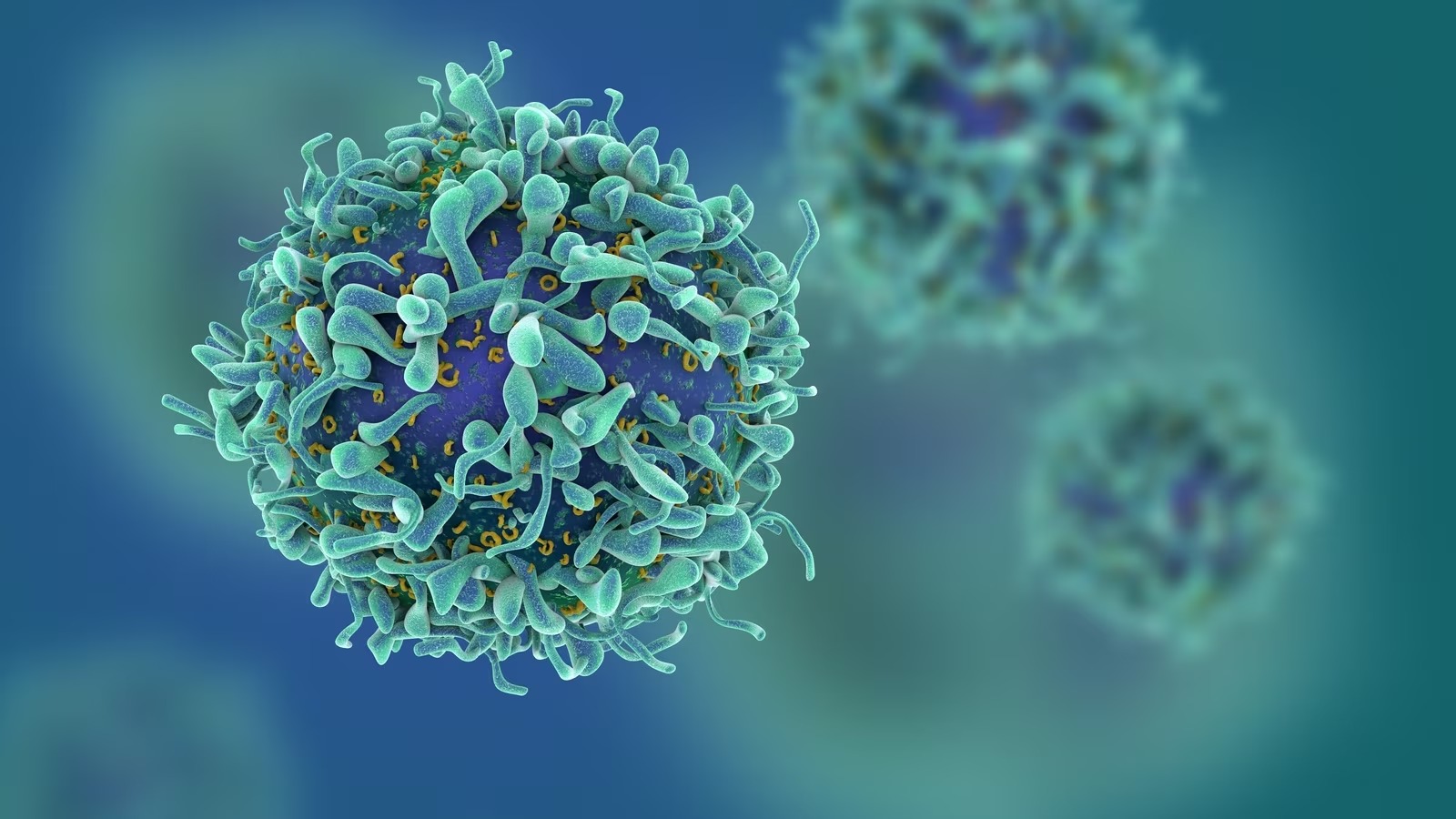
A team of researchers has uncovered how cancer evades the immune system and spreads throughout the body.

A team of researchers has uncovered how cancer evades the immune system and spreads throughout the body and is investigating ways to disable this potentially harmful trait. A research led by the National Cancer Centre Singapore (NCCS) with members from Duke-NUS Medical School, KK Women and Children’s Hospital, A*STAR’s Singapore Immunology Network (SIgN), the University of Southampton and the Alan Turing Institute.

Many have been trying to figure out how cancer cells managed to avoid being found and eliminated by the immune system over the past few years. This most recent ground-breaking discovery, which was released on March 27, 2023 in the highly regarded scientific journal Nature Communications, has ramifications for the creation of cutting-edge cancer treatment methods.

The immune system searches and destroys abnormal cells such as cancer cells. However, in some instances, cancer cells avoid being detected and killed by the immune system and are able to develop and spread more easily. Metastasis, a process when cancer cells break away from the primary tumour and form in other parts of the body, makes cancer harder to treat and results in poorer prognosis. For this reason, the team decided to investigate early onset of metastasis which typically occurs when cancer cells are detected in lymph nodes near the primary tumour.

Researchers discover how cancer evades immune system detection, spreads

“Like an unethical employer that forces their employees to work continuously, cancer forces the immune cells to work overtime and become exhausted, rendering them incapable of functioning normally,” said Professor Gopal Iyer, senior author of the study and Head and Senior Consultant, Department of Head and Neck Surgery, Division of Surgery and Surgical Oncology, Singapore General Hospital and NCCS.

“Using a treatment to alleviate stress on immune cells, we found that immune cells were able to kill cancer cells more effectively. Still, just like some employees who are too burnt out to work properly even with a bonus, some immune cells were seen to remain exhausted even after treatment, which is how cancer may not be detected and effectively destroyed by the immune system.”

Uncovering cancer immune system suppression: A three-part investigation

As the basis of their investigation, the team profiled primary and metastatic lymph node tumours from 14 patients with head and neck squamous cell cancers, using single cell RNA sequencing. They found pre-metastatic cells within the primary tumours with the capacity to metastasise to the lymph nodes. They also found that a substantial proportion of CD8 cells, a key component of the immune system that searches and kills abnormal cells such as cancer, were ‘exhausted’ and unable to perform their protective role. This occurred when the immune cells were repeatedly exposed to cancer and unable to eliminate it.

Next, the team identified and targeted pathways that exclusively affected cancer cells, immune cells, as well as pathways that cancer cells utilise to negatively influence immune cells, and were able to prevent some cancer spread and rejuvenate immune cells. However, despite these promising results, cancer cells continued to show their ability to escape immune surveillance.

Using a mouse model, engrafted with pre-metastatic cancer cells, the team analysed a subgroup of CD8 T cells expressing Midkine (MDK) receptors. One group in the model was treated with anti-PD1, while the other was a control arm. There was an increase in exhausted MDK-receptor expressing CD8 T cells even after anti-PD1 treatment, suggesting that the MDK-signalling pathway instigates immune suppression that undoes the effects of anti-PD1 treatment. Taken together, the results implicate MDK-signalling as a pathway which pre-metastatic cancer cells use to evade CD8-mediated immune surveillance. It also explains why some patients do not respond as well as others to anti-PD1 therapy.

Finding solutions to improve treatment outcomes

“Our investigations indicate that we can use multiple pathways to effectively treat cancer – by targeting cancer cells, the immune system and using existing therapies to counter immune system evasion by cancer cells. We know we need an increased arsenal of weapons to use against cancer and have to put it together to improve treatment outcomes,” said Professor Iyer, who is also head of the Division of Medical Sciences at NCCS.

Read more at-https://bit.ly/3o7hnUk

Categories
COVID-19 Government Guidelines Medical Updates Medicine & Health

Doctors on essential medical tests one should go for after the age of 30 and 40

Experts say that certain basic tests can be started after the age of 30 while others pertaining to heart can be added after the age of 40. All you want to know

With age, wear-and-tear starts happening in the body. A faulty lifestyle, however, speeds it up and in many cases even advances ageing process. The youth usually tend to ignore their health and remain oblivious to underlying issues till they take the shape of a full-blown disease. No wonder, the reports of sudden cardiac arrests and brain strokes are on the rise these days. As symptoms of a serious disease take time to appear, ignorance to early signals at time cost very dearly. It is therefore important to go for preventive health check-up to diagnose a disease early on and go for curing it. People who have history of heart disease, diabetes, blood pressure, cancer in their families especially should not delay getting the required tests so as to nip the disease in the bud and start early treatment.

“The precarious nature of human life has become all the more evident over the past few years as new viruses and illnesses are emerging and with that a host of health problems. But only a healthy body can and will be able to deal with the various environmental and mental health issues. With age, the immunity and healing capacity of body goes on decreasing and a person should seek regular medical advice and can periodically perform certain medical tests to stay fit. Basic tests can be started after the age of 30 and certain tests pertaining to heart can be added after the age of 40,” says Dr Tushar Tayal, Consultant, Internal Medicine, CK Birla Hospital.

“There is no specific test recommended below the age of 40 to any gender unless there is a family history of critical genetic illness like sickle cell anaemia, thalassemia etc, some disorders like hypertension, diabetes and history of sudden death etc. In above conditions it’s not required to undergo all the tailored health checks but consult medical specialists to know what is required.

We are seeing rise in people of younger age group coming to our OPD and asking to recommend various tests however, it is recommended that tests should only be done if it is prescribed by medical specialist,” says Dr Mugdha Tapdiya, Senior Consultant- Internal Medicine, Fortis Hospital, Vasant Kunj.

Dr Tapdiya says that people under 40 should go for specific tests only if there is easy fatiguability, less sleep, disturbed sleep, headache for more than two weeks, breathing difficulties, recurrent fever, joint pain, muscles stiffness or cramps, dry eyes or any other symptom that does not explain the uneasiness or is unusual.

Doctors on essential medical tests one should go for after the age of 30 and 40

At what age is complete health check-up required

“Complete health screening check-ups are recommended after age of 42 years and every two years up to the age 60 years; after that it is recommended to have health checks every year. However again it is preferred to have a tailored tests for each individual after age 60 years rather than undergoing fixed health care packages. Best is to listen to your body. Body will give some or the other symptoms if there is any underlying proliferating disease,” says Dr Tapdiya.

Tests to undergo after 30 and 40

However, in case of risk factors or any other discomfort, one should get tested after taking advice from their medical expert. Dr Tayal shares list of tests people should undergo at the age of 30 and some additional tests for people over 40.

Blood pressure monitoring: This should be done bi-annually, especially in people with strong family history; ideally BP should be below 130/84 mm Hg.

HbA1C: It can be done annually in people with sedentary lifestyle, obesity and strong family history to rule out diabetes. A person is nondiabetic at an HBA1C value below 5.7, prediabetic till 6.3 and diabetic above 6.4.

Liver function test: It can be done annually to rule out chronic liver disease and fatty liver disease.

Thyroid function test: If symptoms of underactive thyroid are present such as weight gain, hair loss and irregular menses, then you must get this test done.

Vitamin D and B12: This can be done annually and if found deficient appropriate supplements and dietary changes can be implemented.

Lipid profile: Especially in sedentary people and those with family history of heart disease this test is important. LDL cholesterol should ideally be below 100 And HDL should be in the high normal range.

Usg abdomen: This can be done annually in people with history of fatty liver or gall bladder/kidney polyps.

Breast ultrasound: Get this done every three years to rule out breast malignancy till the age of 40.

Pap smear test: This should be performed every three years to detect early changes of cervical cancer.

Screening for sexually transmitted infections: This should be done annually in individuals belonging to high-risk groups.

Tests after 40

After 40 years of age, following additional tests can be done:

1. Stool occult blood: This test can be done for early detection of colon cancer.

2. Prostate specific antigen: This is a blood marker for detection of prostate cancer in men, especially if there is family history of prostate cancer.

3. Mammogram: This should be done annually in women for early detection of breast cancer.

4. ECG -Electrocardiogram: This can be done annually for early detection of heart disease.

Read more at-https://bit.ly/3ZMDGM5

Categories
COVID-19 Government Guidelines Medical Equipments Medical Updates

8 chronic illnesses that are becoming common in post Covid-19 world

Chronic diseases like diabetes, heart disease, and cancer are on rise post pandemic. Here are 8 such illnesses you need to know about.

Covid-19 cases have been on rise in the past couple of weeks in India, but the virus is no longer perceived as a threat it earlier was. People have been largely reporting mild cases of Covid in the recent times, however, its long-term impact on people’s health remains unclear. The pandemic not only affected mental health as people lived in isolation from their loved ones and many grieved for their departed ones, it also impacted physical health as many studies discussed the virus’s impact on heart, lungs, kidneys and other body processes. The ongoing pandemic also acted as a roadblock to diagnosis and treatment of many existing diseases that could have been cured effectively otherwise. Another aspect of Covid-19 pandemic has been the sedentary lifestyle people became accustomed to. Many are still reeling with its impact as its endless side-effects continue to ail people.

Chronic diseases are those that last for at least one year or more and require ongoing medical attention. Be it diabetes, cancer heart disease, chronic kidney disease, they are the leading cause of death and disability all over the world. we asked experts about the chronic illnesses that are on rise post pandemic.

“If we look at the statistics, lifestyle diseases like diabetes, hypertension and cardiovascular diseases are on rise in the post- pandemic era. One may wonder why this is happening. During the pandemic era, the people were sitting at home doing Yoga, Pranayama and exercises. There was hardly any traffic on the roads. Now the roads are full, and so also the traffic jams people were on their nerves and cursing each other. Businesses are thriving and so also the competition that is the reason for increased BP in the population. People are having no time for exercise or yoga and eating unhealthy food, smoking, and drinking alcohol to reduce stress. In the nutshell, a ripe atmosphere for lifestyle diseases,” says Dr Pawan Kumar Goyal – Senior Consultant – Internal Medicine, Fortis Hospital Shalimar Bagh.

 8 chronic illnesses that are becoming common in post Covid-19 world

“Covid-19 not only affects lung but also harm kidneys, heart, and brain. Many psycho-social issues are also brought on by it. Heart attacks, paralysis, kidney illness, or a need for long-term oxygen are just a few of the less frequent but dangerous adverse effects. Cancer, high blood pressure, diabetes, asthma, and chronic obstructive pulmonary disease are among the main comorbidities with Covid-19. People of any age can get Covid-19 infection, but the elderly are most vulnerable. The pandemic significantly hampered the ability to diagnose, treat, and monitor chronic diseases. As a result, there are now more people suffering from chronic illnesses,” says Dr Parth Prajapati, MD – General Medicine, General Physician, Lybrate.

“The burden of non-communicable diseases has been on an alarming rise in India, accounting for 66% of deaths in 2019. The last three years brought to the fore the relationship COVID-19 and NCDs share, i.e., both exacerbating each other’s impact. NCDs that involve the cardio-renal-metabolic systems like diabetes, chronic kidney disease (CKD) and cardiovascular diseases are the top contributors to the rising healthcare burden. Moreover, cardiovascular diseases are the leading cause of death in our Indian population, accounting for over 1 out of all 4 deaths. Our national health policy aims to reduce the risk of premature deaths in India by 25%, by the year 2025,” says Dr. Shraddha Bhure, Medical Director, Boehringer Ingelheim India.

Here are chronic illnesses that have become common post Covid-19.

1. Psychological conditions

“Anxiety, depression, new or worsened problems with memory, concentration issues, worsened quality of life have become common post pandemic. The contributing factors have been stress, isolation, grief due to loss of near and dear ones and financial hardships,” says Dr Rajiva Gupta, Senior Consultant – Internal medicine at the CK Birla Hospital, Gurugram.

2. Cancer

“As Covid-19 targets multiple proteins involved in the pathophysiology, the infection may raise the risk of getting several cancers. A recent study described how the Covid-19 virus interacts with p53 and associated pathways, potentially leading to DNA and cell oxidative damage,” says Dr Prajapati.

3. Respiratory illnesses:

“Covid-19 may result in long term persistent cough, shortness of breath, tightness of the chest etc. These may deteriorate the quality of life of people with pre-existing respiratory conditions like Asthma or chronic obstructive pulmonary disease (COPD),” says Dr Gupta.

4. Hypertension:

“Increasing evidence indicates that the prevalence of hypertension among people has reached epidemic levels. According to a study in the journal Circulation, Covid pandemic has increased patients with high blood pressure among different age groups which is worrisome,” says Dr Prajapati.

5. Heart diseases

“The risk of cardiovascular or heart complications eg heart attack, stroke, irregularities of the heart rhythms, heart failure and blood clotting may have increased after Covid-19,” says Dr Gupta.

6. Diabetes

“Some Covid-19 survivors may develop newly diagnosed diabetes or other long-term health problems. High blood glucose, or blood sugar, causes this chronic illness,” says Dr Prajapati.

7. Asthma

“Inhaled oxygen typically has a more challenging time entering the bloodstream for persons with Covid-19. An inflammatory reaction can start when the immune system encounters a virus or other foreign substance. As a result, the muscles around the airways contract, and the airways narrow, swell, and produce more mucus. The subsequent mucus build-up causes related symptoms, such as coughing, chest aches, wheezing, etc,” says Dr Prajapati.

8. Chronic obstructive pulmonary disease (COPD)

The respiratory and lung symptoms of Covid-19 may be substantially more severe for people with COPD than those without COPD. Being diagnosed with COPD already increases your risk of developing pneumonia, which is true of Covid-19. You could experience worsening COPD symptoms in addition to the signs of Covid-19, which would make breathing extremely difficult and cause severe shortness of breath,” says Dr Prajapati.

Read more at-https://bit.ly/41agokB

Categories
COVID-19 Government Guidelines Medical Equipments Medical Updates

Circovirus involved in human hepatitis: Study

Circoviruses are a family of small, highly resistant DNA viruses that were initially identified in 1974 in various animal species, where they can cause respiratory, renal, dermatological and reproductive problems. HCirV-1 is a novel virus that is distant from known animal circoviruses.

Scientists from the Institut Pasteur, Necker-Enfants Malades Hospital (AP-HP), Inserm in the Imagine Institute, Universite Paris Cite and the Alfort National Veterinary School (EnvA) have identified a previously unknown species of circovirus, provisionally named human circovirus 1 (HCirV-1).

Circoviruses are a family of small, highly resistant DNA viruses that were initially identified in 1974 in various animal species, where they can cause respiratory, renal, dermatological and reproductive problems. HCirV-1 is a novel virus that is distant from known animal circoviruses. It was shown to be implicated in damage to the liver of a patient undergoing immunosuppressive treatment. This discovery of the first circovirus in humans, linked to hepatitis, was published in the journal Emerging Infectious Diseases on January 3, 2023.

Although the transmission of animal viruses to humans is regularly reported in the scientific literature, it is rare for a novel virus to be identified in a patient in Europe. But as part of a recent study, scientists and physicians have identified the first circovirus involved in human hepatitis. “The patient had unexplained chronic hepatitis, with few symptoms. She had received a heart-lung transplant 17 years earlier and had been monitored regularly since. We had access to a large number of samples over several years and were therefore able to identify this novel virus, which was completely unexpected,” explains Marc Eloit, last author of the study, Head of the Institut Pasteur’s Pathogen Discovery laboratory and a Professor of Virology at the Alfort National Veterinary School (EnvA). His laboratory specializes in the identification of pathogens in patients suspected of severe infection of unknown cause.

In March 2022, in collaboration with the Department of Clinical Microbiology at Necker-Enfants Malades Hospital (AP-HP), the pathological tissue samples of this 61-year-old female patient receiving immunosuppressive treatment, whose hepatitis had no identifiable cause, were sequenced to search for microbial sequences. The RNA (ribonucleic acid) sequences extracted from the tissues were analyzed and compared with those of known microbes. “The aim is to identify sequences of interest among all the sequences obtained, which is like searching for a needle in a haystack!” continues the scientist Marc Eloit. These thousands of RNA sequences were analyzed in parallel using mNGS (metagenomic next-generation sequencing) high-throughput sequencing techniques and sophisticated algorithms. After ruling out common etiologies, the analysis led to the identification of a previously unknown species of circovirus, provisionally named human circovirus 1 (HCirV-1). No other viral or bacterial sequence was found.

Circovirus involved in human hepatitis: Study

The involvement of HCirV-1 in the hepatitis was then demonstrated by analyzing samples taken from the patient in previous years as part of her post-transplant treatment. The results showed that the HCirV-1 viral genome was undetectable in the blood samples from 2017 to 2019, then that its concentration peaked in September 2021. Viral replication in liver cells was demonstrated (2 to 3% of liver cells were infected), pointing to the role of HCirV-1 in liver damage: once the virus has used the resources in the liver cell to replicate, it destroys the cell.

From November 2021 onwards, following antiviral treatment, the patient’s liver enzymes returned to normal levels, indicating the end of hepatic cytolysis.

Diagnosing hepatitis of unknown etiology remains a major challenge, as shown by the cases of acute hepatitis reported in children in the United Kingdom and Ireland last April and signaled by WHO. “We need to know the cause of the hepatitis, and especially whether or not it is viral, to be able to offer suitable treatment and monitor patients effectively. The identification of this novel virus that is pathogenic in humans, and the development of a test that can be performed by any hospital laboratory, offers a new tool for diagnosing and monitoring patients with hepatitis,” stresses Anne Jamet from the Department of Clinical Microbiology at Necker-Enfants Malades Hospital (AP-HP), who is also affiliated with Inserm and co-last author of the study.

Although some circoviruses are pathogenic for animals and vaccines can be administered, especially in pigs, this is the first known circovirus to be pathogenic for humans. The patient’s symptoms remained mild; the virus was able to be identified because she was being closely monitored following her combined transplant. The origin of the virus — whether it is circulating in humans or of animal origin — has yet to be identified, and the source of infection (contact, food, etc.) remains unknown. Following their discovery, the scientists developed a specific PCR test that is now available for etiological diagnosis of hepatitis of unknown origin. A serological test is also being developed.

“These results show the value of this type of sequencing analysis in identifying novel or unexpected pathogens. It is always important for clinicians to know whether or not an infection is viral so that they can adapt the treatment accordingly. It is also crucial to be able to identify a novel pathogen when an infection remains unexplained and to develop a diagnostic test, because any new case of human infection with an emerging pathogen may potentially signal the start of an outbreak,” concludes Marc Eloit. The test is available for the medical community and can now be easily performed for other cases of unexplained hepatitis.

Read more at-https://bit.ly/3xN8GQI

Categories
COVID-19 Government Guidelines Medical Equipments Medical Updates

Health ministry to organise ‘Chintan Shivir’ to explore ways to build trust on Indian drugs

Synopsis

“The aim is to build trust and confidence on the quality of Indian drugs, cosmetics and medical devices in the domestic and global markets.”

The Union Health Ministry will organise a two-day ‘Chintan Shivir’ from February 26 to explore ways to build trust on Indian drugs, cosmetics and medical devices in domestic and export markets and strengthen the regulations to ensure their quality, officials said on Tuesday. The Chintan Shivir on ‘Drugs: Quality Regulations and Enforcement’ holds significance against the backdrop of questions being raised about the quality of some Indian drugs amid instances of Global Pharma Healthcare recalling entire lots of eye drop linked to vision loss in the US and India-made cough syrups being linked to children deaths in Gambia and Uzbekistan.

At the two-day event to be organised in collaboration with the Department of Pharmaceuticals in Hyderabad, experts and officials will review the predictability, transparency and accountability in the regulation of quality of drugs, ensure compliance to Indian pharmacopoeia standards and develop robust network for pharmacovigilance and materiovigilance programmes, the officials said.

The event will also see introduction of digital tools for uniform and effective regulation.

“The aim is to build trust and confidence on the quality of Indian drugs, cosmetics and medical devices in the domestic and global markets.

“Experts will also deliberate on effective enforcement at the field level for ensuring quality, safety and efficacy till the last mile. Discussions will focus on the present enforcement mechanism in place to address spurious, adulterated and substandard drugs, and the necessity for greater coordination between the states and the Centre in this regard and the issues and challenges in enforcement,” an official said.

Health ministry to organise 'Chintan Shivir' to explore ways to build trust on Indian drugs

The shivir will also deliberate on creation of a unified IT platform for all regulatory activities such as an online National Drug Licensing Portal (NDLS).

The Central Drugs Standard Control Organisation (CDSCO) is the regulatory authority and under the Drugs and Cosmetics Act and rules made thereunder, it is responsible for approval of new drugs, conduct of clinical trials, control over the quality of imported drugs in the country and coordination of the activities of State Drug Control Organizations by providing expert advice with a view of bringing about the uniformity in the enforcement of the said Act, the official explained.

The Drugs and Cosmetics Act, 1940 and rules made thereunder have entrusted various responsibilities to Central and state regulators for regulation of drugs and cosmetics. It envisages uniform implementation of the provisions of the Act and rules for ensuring the safety, rights and wellbeing of patients by regulating the drugs and cosmetics.

Read more at-https://bit.ly/3Iy4Ocl

Categories
COVID-19 Government Guidelines Medical Updates Medicine & Health

Free sugars linked with higher risk of cardiovascular disease: Study

The authors suggest that replacing free sugars with non-free sugars – mostly those naturally occurring in whole fruits and vegetables – and a higher fibre intake, may help protect against cardiovascular disease.

An increased diet of free sugars – both added sugars and those found naturally in honey and fruit juice linked to an increased risk of cardiovascular disease, according to a study. The findings support the global dietary recommendation to limit free sugar consumption to less than 5 per cent of total daily energy consumption.

The findings of the study were published in BMC Medicine.

Free sugars linked with higher risk of cardiovascular disease: Study

Rebecca Kelly and colleagues analysed data from 110,497 individuals from the UK Biobank who had completed at least two dietary assessments. The researchers tracked individuals for around 9.4 years and during this time, total cardiovascular disease (heart disease and stroke combined), heart disease, and stroke occurred in 4,188, 3,138, and 1,124 participants, respectively.

The authors found total carbohydrate intake was not associated with cardiovascular disease outcomes. However, when looking at the types and sources of carbohydrates consumed, they found that higher free sugar intake from foods such as sugary drinks, fruit juice and sweets, was associated with increased risk of all cardiovascular disease outcomes. For each 5% higher total energy from free sugars, the associated risk of total cardiovascular disease was 7% higher. The authors found that the risk of heart disease was 6% higher, while the risk of stroke was 10% higher. Additionally, consuming five grams higher fibre per day was associated with 4% lower risk of total cardiovascular disease, but this association did not remain significant after accounting for body mass index (BMI).

The authors suggest that replacing free sugars with non-free sugars – mostly those naturally occurring in whole fruits and vegetables – and a higher fibre intake, may help protect against cardiovascular disease.

Read more at-https://bit.ly/3k5OeXT