Categories
Medical Updates Medicine & Health

5 ways climbing stairs can improve your heart health

Climbing stairs is a heart-healthy exercise as it can not only improve cardiorespiratory fitness but also indicate if anything is wrong with your heart.

Climbing stairs is one of the most inexpensive, convenient and effective ways to keep fit. It is especially a heart-healthy exercise as it can not only improve cardiorespiratory fitness but can also indicate if anything is wrong with your heart. In some ways, climbing stairs is more effect than walking on plain ground and also provides workout to your lower body which may be deprived of any movement due to sedentary lifestyle of people. Stair climbing is also good for lowering high blood pressure.

According to the journal of Medicine & Science in Sports & Exercise, just half-n-hour of stair-climbing a week, broken up in 10-minute sessions three times a week, can greatly improve cardiorespiratory fitness. There are studies that prove people who can climb 4 consecutive flights of stairs in less than 1 minute have good cardiovascular health. On the other hand, if you take more than 1 minute 30 seconds to climb 4 flights of stairs, it could indicate cardiovascular disease.

Taking the stairs instead of elevators is a simple yet effective way to improve your heart health. According to Dr Jayati Rakhit, Founder and Clinical Director at Ohio Hospital in Newtown, Kolkata, here are five ways this choice can have a positive impact on your cardiovascular well-being:

5 ways climbing stairs can improve your heart health

5 ways taking stairs can improve your heart health

  1. Enhanced cardiovascular fitness

Climbing stairs is a cardiovascular exercise that engages multiple muscle groups, including the legs and core. Regular stair climbing elevates your heart rate, promoting better cardiovascular fitness. Over time, this can lead to a stronger heart that pumps blood more efficiently and reduces the risk of heart disease.

2. Calorie burning and weight management

Opting for the stairs can help you burn calories, aiding in weight management and reducing the risk of obesity, a major contributor to heart problems. Climbing stairs engages larger muscle groups, which can burn more calories than taking the elevator. Maintaining a healthy weight is crucial for heart health.

3. Improved blood circulation

Stair climbing promotes better blood circulation throughout your body. As you climb, your heart pumps more blood, delivering oxygen and nutrients to your muscles and organs. This improved circulation can reduce the risk of blood clots, atherosclerosis, and hypertension, all of which can contribute to heart disease.

4. Lowered cholesterol levels

Regular physical activity, such as taking the stairs, can help raise high-density lipoprotein (HDL) cholesterol, often referred to as ‘good’ cholesterol. Higher levels of HDL cholesterol can reduce the build-up of ‘bad’ low-density lipoprotein (LDL) cholesterol in your arteries. This lowers the risk of plaque formation and keeps your arteries clear and healthy.

5. Stress reduction

Climbing stairs can also serve as a stress-reliever. Physical activity triggers the release of endorphins, natural mood enhancers that reduce stress and anxiety. Chronic stress is linked to heart disease, so managing stress through regular stair climbing can have a protective effect on your heart.

Incorporating this simple change into your daily routine can contribute significantly to a healthier heart and a reduced risk of heart disease. So, the next time you’re faced with the choice between stairs and an elevator, consider taking the stairs for the sake of your heart’s well-being.

Read more at-https://shorturl.at/ahw25

Categories
COVID-19 Medical Equipments Medical Updates Medicine & Health

Older adults with COPD had depression during COVID pandemic: Study

According to a new longitudinal study published online in the International Journal of Chronic Obstructive Pulmonary Disease (COPD), older persons with COPD were at a higher risk of depression during the early phases of the COVID-19 epidemic

The study looked at 875 people with COPD from the Canadian Longitudinal Study on Ageing, a national study of Canadian seniors. Using longitudinal data, researchers were able to distinguish between 369 COPD patients who had a history of depression previous to the pandemic and 506 patients who had never experienced depression prior to the pandemic.

Researchers discovered that 1 in 6 people with COPD who had no prior history of depression experienced depression for the first time during the early phases of the pandemic. These findings show the toll that the epidemic inflicted on many people who had previously been depression-free.

“Our findings highlight the substantial burden of COVID-19 on those who were mentally healthy prior to the pandemic,” said first author Aneisha Taunque, research assistant at the Institute for Life Course and Aging at the University of Toronto. “It is evident that the pandemic has had a detrimental impact on the mental health of many individuals, even those who had no lifetime history of depression.”

When the analysis was restricted to those who had a history of depression prior to the pandemic, the prevalence of depression was substantially higher, with approximately one-half of these individuals experiencing a recurrence or persistence of depression during the autumn of 2020.

Older adults with COPD had depression during COVID pandemic: Study

“Older adults who have a history of depressive episodes are a highly vulnerable subset of the population, particularly those who faced numerous challenges with managing their chronic health conditions during the pandemic when access to regular health care was severely disrupted,” said co-author Grace Li, PhD candidate in the Sociology Department at the University of Victoria.

“The COVID-19 pandemic further exacerbated the risk of depression among those with COPD,” says co-author Ishnaa Gulati, a Master of Public Health Student at the University of Toronto’s Dalla Lana School of Public Health. “There was already an established higher risk of depression among individuals with COPD when compared to those without COPD prior to the pandemic,” Gulati said. “When considering the mental health stressors during the pandemic, such as extended periods of lockdown, economic precarity, and concerns about contracting or spreading COVID-19, it is unsurprising that this group experienced major mental health challenges during this period.”

Although there is a burgeoning body of research examining depression during the pandemic, very little research has specifically examined the vulnerabilities among those with COPD. Understanding the risk factors for depression in subpopulations of older adults can aid health professionals in more effectively targeting treatment.

The study’s researchers highlighted several risk factors for both incident and recurrent depression among those with COPD, including loneliness, family conflict, and functional limitations.

“We found that experiencing functional limitations approximately doubled the risk of depression among older adults with COPD,” said co-author Ying Jiang, Senior Epidemiologist at the Public Health Agency of Canada.

“Physical activity is integral for maintaining functional status and reducing functional limitations among COPD patients, however many individuals with COPD are hesitant to engage in physical activity. Increases in time spent sedentary during periods of lockdown may have further ramifications for this population, potentially contributing to increases in depression.”

Women with COPD also had nearly double the risk of recurrent depression when compared to their male counterparts.

“During the pandemic, many women experienced an exacerbation of gendered roles, such as increased time spent caregiving and doing household labour, which may have contributed to declines in their mental health,” said co-author Margaret de Groh, Scientific Manager at the Public Health Agency of Canada.

Among individuals with no history of depression, experiencing disruptions to healthcare access was associated with approximately double the risk of incident depression.

“Many people with COPD encountered difficulties accessing pulmonary rehabilitation services during the pandemic, which are essential for supporting both the physical and mental health of COPD patients,” said co-author Andie MacNeil, research assistant at the University of Toronto’s Factor Inwentash Faculty of Social Work (FIFSW).

“Our finding that disruptions to healthcare access were associated with incident depression highlights the reverberating consequences when healthcare is inaccessible.”

Senior author, Esme Fuller-Thomson, a Professor at FIFSW and Director of the Institute for Life Course & Aging says she hopes the study’s findings can help inform healthcare workers and social service providers about the pandemic’s impact on the mental health of people with COPD. “Future research should continue to examine depression among older adults with COPD to better understand the pandemic’s cascading impact, even in the post-COVID era,” Fuller-Thomson said.

Read more at-https://shorturl.at/lmEJV

Categories
Medical Updates Medicine & Health

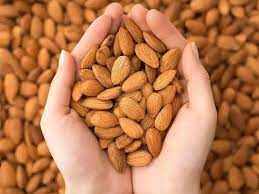
Almonds with energy-restricted diets aid in weight loss, improve cardiometabolic health: Study

When it comes to weight reduction, nuts often get a poor rap. However, recent research indicates that you can eat almonds and lose weight at the same time.

Researchers discovered that incorporating almonds into a low-energy diet not only helped participants lose weight but also improved their cardiometabolic health. The study was published in the journal Obesity.

When it comes to weight reduction, nuts often get a poor rap: while they’re high in protein, they’re also heavy in fat, which often puts people off. However, recent research from the University of South Australia indicates that you can eat almonds and lose weight at the same time.

Researchers showed that when energy-restricted diets were supplemented with Californian almonds or carbohydrate-rich snacks, both diets successfully lowered body weight by roughly 7kg.

More than 1.9 billion persons worldwide are overweight (650 million are obese). In Australia, two out of every three persons (about 12.5 million adults) are overweight or obese.

According to UniSA researcher Dr Sharayah Carter, the study shows how nuts can help with weight control and cardiometabolic health.

“Nuts, like almonds, are a great snack. They’re high in protein, and fibre, and packed with vitamins and minerals, but they also have a high fat content which people can associate with increased body weight,” Dr Carter said.

Almonds with energy-restricted diets aid in weight loss, improve cardiometabolic health: Study

“Nuts contain unsaturated fats – or healthy fats – which can improve blood cholesterol levels, ease inflammation, and contribute to a healthy heart.

“In this study, we examined the effects of an almond-supplemented diet with a nut-free diet to identify any influence on weight and cardiometabolic outcomes.

“Both the nut and nut-free diets resulted in approximately 9.3 per cent reduction in body weight over the trial.

“Yet the almond-supplemented diets also demonstrated statistically significant changes in some highly atherogenic lipoprotein subfractions, which may lead to improved cardiometabolic health in the longer term.

“Additionally, nuts have the added benefit of making you feel fuller for longer, which is always a pro when you’re trying to manage your weight.”

Read more at-https://shorturl.at/fikL5

Categories
Government Guidelines Medical Updates Medicine & Health

Tips to maintain a healthy diet during office hours

Maintaining a healthy diet during office hours is crucial for your well-being and productivity. Here are some tips to help you stay on track.

Within the conventional 9-to-5 grind at workplace, challenges arise as the fast-paced work rhythm strains even the most resilient individuals. Individuals who work at a workstation while in a seated position are more inclined to have unhealthy eating habits.

According to the National Family Health Survey, roughly 10% of Indians, primarily women, consume deep-fried meals on a daily basis and 36% on a weekly basis. In an interview with HT Lifestyle, Dr Mukesh Batra, Founder and Chairman Emeritus at Dr. Batra’s Healthcare, shared, “The gravitational pull towards readily available, calorie-laden junk food becomes a tempting escape, subtly leading to weight gain and associated health concerns. Such dietary choices take a toll on both productivity and overall well-being. The crux lies in a pivotal choice – to choose sustenance that rejuvenates rather than incapacitates.”

He suggested, “A collection of nutrient-rich alternatives stands ready – nuts, seeds, Greek yogurt, vibrant vegetables, succulent fruits, and the nourishing embrace of whole-grain crackers, each bestowing sustained energy and vitality. Amid the bustling work hours, committing to consuming 3 to 4 liters of water daily can become transformative. By resisting sugary drinks, indulge in herbal teas’ comfort instead. Also, by balancing hunger’s pull, people can learn that satisfaction doesn’t equate to excess. Mindfully embracing smaller portion sizes, aided by smaller plates and bowls, orchestrates moderation’s symphony and curbs overindulgence. The intentional nourishment of human bodies can become a declaration of empowerment.”

Tips to maintain a healthy diet during office hours

According to Dr Diti Makhija, Director at QMS MAS, maintaining a healthy diet during office hours is crucial for your well-being and productivity. She recommended some tips to help you stay on track –

1. Drink Adequate Water: Start your day by drinking a glass of water, and aim to continue sipping water throughout the day. Staying hydrated aids in digestion, helps control appetite, and keeps you energised.

2. Healthy Snacking: Instead of reaching for unhealthy snacks, keep a small box of nutritious options handy. Some good choices include a mix of almonds, dates, and raisins. These provide protein, fiber, and essential nutrients to keep you satisfied.

3. Limit Caffeine: While a cup of coffee or tea can provide a quick energy boost, excessive caffeine can lead to hyperacidity and jitters. Consider switching to healthier alternatives like herbal teas or fresh fruit juices.

4. Pack a Balanced Lunch: Prepare your lunch at home whenever possible. Include a variety of foods from different food groups: lean proteins, whole grains, vegetables, and fruits. This balanced meal will provide sustained energy throughout the day.

5. Healthy Cravings: When you’re craving a snack, opt for healthier options. Carry small packets of flavored Makhana (fox nuts) or protein bars. These choices are low in unhealthy fats and sugars and can satisfy your cravings without derailing your diet.

Remember, maintaining a healthy diet during office hours is about making conscious choices and planning ahead. By staying hydrated, snacking wisely, and having a balanced lunch, you’ll not only boost your productivity but also promote your overall health.

Read more at-https://shorturl.at/arC38

Categories
COVID-19 Medical Updates Medicine & Health

Heart attack cases not rising due to Covid vaccine, but stress and other traditional factors, says cardiologist

Dr Mohit Gupta from GB Pant Hospital who was part of a new study published in the journal PLOS One, says Covid vaccine is in fact providing protection to heart.

The administration of Covid vaccines to a wide population across the globe has helped bring Coronavirus threat in control. While the virus continues to evolve and new variants are emerging, the symptoms are milder than early pandemic years. Irrespective of the role Covid vaccines played in controlling the spread of the virus, the reports of its side effects, especially its role in triggering heart attack is often debated by common people. A new observational study published in the journal PLOS One, determines the impact of Covid-19 vaccination on mortality following heart attack or acute myocardial infarction (AMI).

The study concludes that Covid vaccines Covishield and Covaxin do not pose as a risk factor for a heart attack and in fact have a protective effect on heart.

“The retrospective study used data from 1,578 people admitted to G B Pant hospital in Delhi between August 2021 and August 2022. As many as 1,086 (68.8 per cent) were vaccinated against COVID-19 while 492 (31.2 per cent) were unvaccinated,” reported PTI.

Among the vaccinated group, 1,047 (96 per cent) had received two doses of the vaccine while 39 (4 per cent) had received only a single dose.

Heart attack cases not rising due to Covid vaccine, but stress and other traditional factors, says cardiologist

“We analysed patients detected with heart attack in our set up. Many of them were vaccinated and some of them were not so retrospectively, we started analysing them and what we saw was very surprising. When these patients were taken for vaccination, the vaccine administration was absolutely safe, they didn’t have any significant side effects that could be linked to heart attack. It was concluded that there was no association between vaccine administration and occurrence of heart attack,” says Dr Mohit Gupta, Interventional Cardiologist and Professor of cardiology, who led the study, from G B Pant Hospital.

Dr Mohit added that they found that people who were vaccinated had lesser risk of heart attack compared to unvaccinated lot which means the vaccine in fact had a protective effect for cardiovascular health.

“This study conclusively point out that what we are using is safe and if one gets vaccinated it will give protection. Covid vaccination will be like influenza vaccine which would be given every year. With new variants, vaccines will be updated,” says Dr Mohit.

While the study rules out Covid vaccine’s role in triggering heart attack, the cases are on rise after pandemic.

“India is evolving into a world capital of heart attack because of many factors and traditional factors like diabetes, obesity, hypertension, smoking are always there. Patterns and prevalence of these diseases are changing due to genetics also. Indians are more prone to heart attack than earlier. Second, factors like psychosocial stress, like anger, they are now having third highest predictive value of heart attacks. Our own analysis of 1700 patients showed 95% of population is suffering from severe to moderate stress in some way or the other. We are still bind-folded and not accepting this risk factor. 25% of heart attack population is between 18 to 35 years of age. They study telomere length or genetic length. You would be surprised that without any risk factor, their body age was 25 to 30 years, but their genetic age was 60 to 90 years. This is happening because their telomere length was completely destroyed,” says Dr Mohit Gupta.

Read more at-https://shorturl.at/mGMS3

Categories
Medical Equipments Medical Updates Medicine & Health

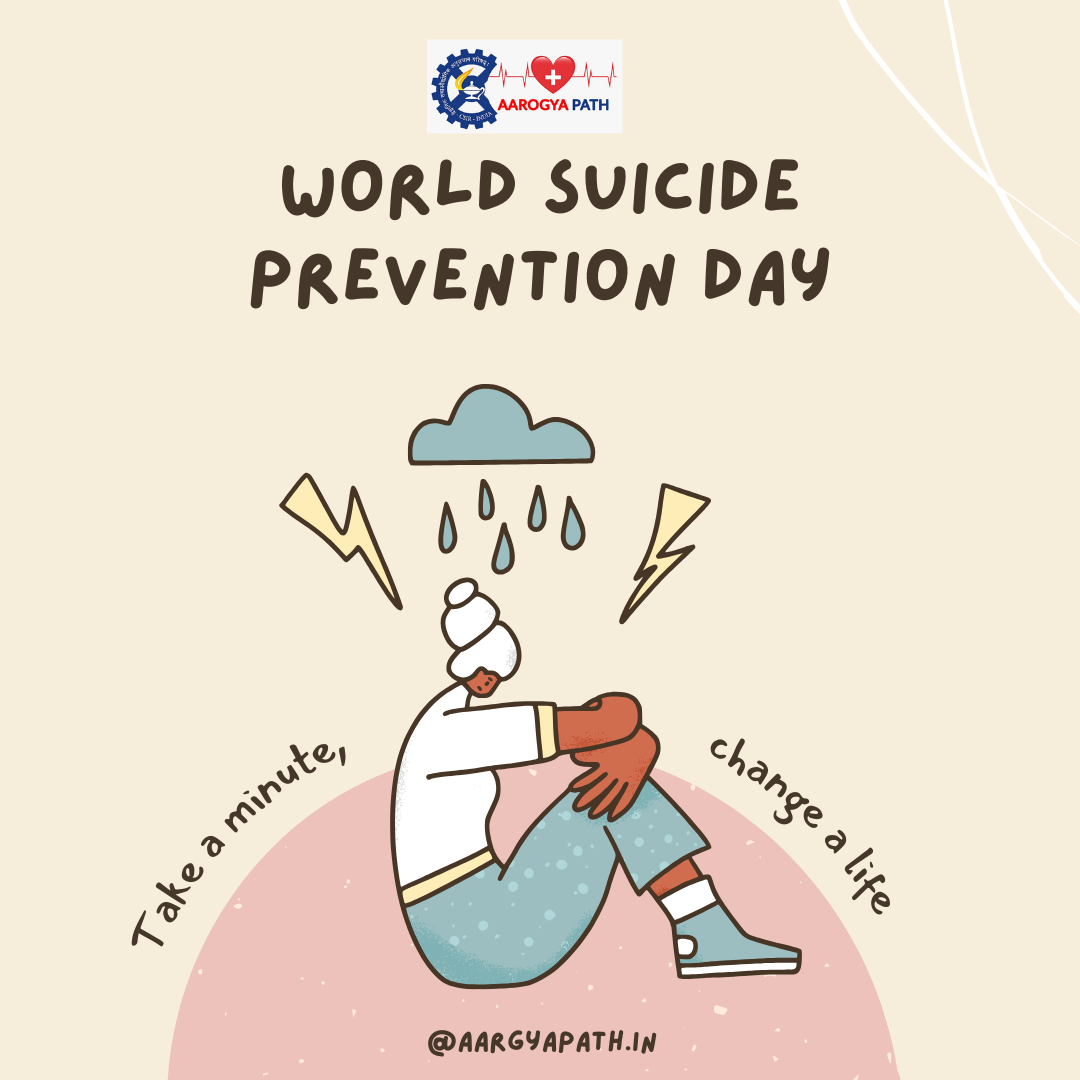
World Suicide Prevention Day: Are suicidal thoughts normal? An expert guide on how to deal with them

From taking a stroll to talking to a family member, here are effective ways to deal with suicidal thoughts.

Our brain works non-stop doing a series of functions which also includes thinking a wide variety of thoughts. Some can pertain to managing daily chores, others can be imaginative, creative, analytical or ruminative. Suicidal thoughts, if fleeting in nature, can occur sometimes and usually are not a cause of any worry. However, frequent suicidal thoughts are not normal and need to be addressed. People with depression, chronic pain or drug addicts may have such thoughts.

“Regardless of age or gender, a passing thought about suicide is something that many may have experienced at some point of time, however, frequent suicidal thoughts are not normal. Before we learn how to deal with them, it is important to understand that having suicidal thoughts does not make a person weak or abnormal and you don’t need to feel guilty or ashamed, no matter your situation,” says Dr Sneha Sharma, Consultant, Psychiatry and Drug Deaddiction, Aakash Healthcare, New Delhi.

Dr Sneha says if suicidal thoughts have been on mind for sometime there are certain steps one can take to stay safe before getting further support.

Speaking with an expert is the effective way to deal with thoughts of suicide. A therapist can provide direction in pinpointing potential triggers, researching available treatments, and formulating a safety plan.

On the occasion of World Suicide Prevention Day (September 10), Dr Sneha shares effective ways to deal with suicidal thoughts:

World Suicide Prevention Day: Are suicidal thoughts normal? An expert guide on how to deal with them

• Speak up

Family members you can trust can listen and provide emotional support. They can also aid in keeping you secure. A crisis counsellor is a good place to start if you’re not sure who to contact. They’ll compassionately listen and give advice on how to reach out.

• Look for a safe haven

A safe, secure and happy place like a friend’s home, library or other public area helps to prevent working on suicide ideas. You may even try a new room in your own home.

• Avoid access to weapons

Safety also includes having no access to drugs, guns, and other potential suicide things and techniques. If you need to continue taking medicine, a friend or family member can stay with you while you remove these things. So that you don’t have access to more tablets, they might provide one dose at a time.

• Steer clear of alcohol and other drugs

Alcohol and other drugs may seem like a good way to dull unpleasant feelings, but you may find that they make depression and suicidal thoughts worse.

• Try grounding strategies

A few grounding exercises include taking a little stroll, petting a pet, and doing 4-7-8 breathing when you’re feeling very distressed. Not sure where to begin? A crisis counsellor can also walk you through testing them out over the phone or via text.

• Take a break

You might feel calmer and less anxious by enjoying your favourite food or drink, listening to music, or viewing pictures (or videos) of loved ones and animals.

• Prioritize self-care

Taking care of your bodily requirements may not always help to lessen suicidal thoughts. However, if your bodily requirements are being satisfied, you might find it simpler to control them. Try to eat balanced meals, drink enough of water, engage in some physical exercise (even if it’s just moving about the house or stretching), and aim for sufficient hours of sleep each night.

Read more at-https://shorturl.at/bvFN9

Categories
Medical Equipments Medical Updates

Teachers’ Day 2023: Essential mental health and self-care tips for teachers battling work pressure

Teachers’ Day 2023: Explore some essential mental health tips tailored specifically for teachers who find themselves grappling with the weight of work pressure.

Teachers’ Day, celebrated on the 5th of September, is the perfect opportunity to celebrate all teachers and the immense contribution they make to society. Teaching is a noble and rewarding profession, but it comes with its fair share of challenges. The gruelling responsibilities of the job, strict regulations and the duty to nurture young minds can sometimes lead to extreme work pressure. Even when you have a lot on your plate, you should not neglect your mental health. In a recent survey of more than 30,000 educators by the American Federation of Teachers, more than 75% of respondents said they did not have enough staff to do the work, and 78% said they were often physically and emotionally exhausted at the end of the day.

It should be a priority for everyone to take care of their inner and emotional health. It is necessary to engage in activities that calm the mind and soul. It’s not easy to be a teacher, and with all the work that has to be done, the job can sometimes become too demanding and can take a toll on your well-being.

Teachers' Day 2023: Essential mental health and self-care tips for teachers battling work pressure

Mental Health Tips for Teachers Battling Work Pressure

“Teachers must prioritize their mental well-being because it has an impact on their students”, according to Aashmeen Munjal, Ontologist, Mental Health and Relationship Expert. She further shared with HT Lifestyle a few suggestions for coping with work pressure.

1. When work gets wrapped up on time, a huge amount of stress passes away. Teachers need to prioritize duties, develop schedules, and set aside time for breaks. This will help them to have better time management

2. Who says “self-care is unethical, it’s fundamental”? Teachers need to rejuvenate from time to time. They should make the most of their free time by reading, gardening, jogging or relaxing.

3. Integrating mindful meditation and relaxation practices into their daily routine as an educator, increases focus and reduces stress. It can be achieved by engaging in activities like deep breathing exercises, meditation, or even brisk walks. A lot of stress can be relieved by practising the same.

4. To avoid feeling drained, it is advised that teachers maintain an organized workspace and make effective use of planners and digital calendars.

“These are just some of the techniques that can help to improve mental health for teachers in battling work pressure. As long as teachers are willing to learn and flourish professionally, learning never ceases. They ought to never forget the accomplishments they have made. Being in this line of work can occasionally be exhausting. They should always keep their thoughts intact and keep a positive attitude, even when situations are tough. A teacher should always remember that by taking care of her mental health, she will prove herself to be more committed,” says Aashmeen.

Teacher’s Role in Enhancing Student Mental Well-being

“The lives of children seem similar to a spider’s web. Through their orientation and guidance, teachers help students unwind the complicated network. Teachers encourage pupils to develop their emotional and psychological well-being in addition to their academic skills. The widespread use of all facets being digital has certain adverse impacts on students’ mental health. The role of educators in cultivating pupils’ healthy mental health grows. Students’ abilities are enhanced when teachers cultivate a positive attitude towards their charges. Teachers can shape, boost, and nourish the hearts and brains of their students,” says Aashmeen.

She, added, “Students embrace empathy, trust, and positive interaction through fostering strong teacher-student connections, which establishes the foundation for their emotional development and perseverance. A teacher must have faith in their pupils’ knowledge while motivating them to discover their strengths. Such praises support a child’s optimism and stimulate a good sense of dignity. The ability to solve problems helps youngsters retain excellent mental health throughout their lives since life is full of obstacles.”

“Teachers need to practice inclusion and work to mitigate stigma. Respecting cultural diversity in the classroom promotes a healthy mental environment. Instead of being considered a taboo subject, talking about mental health should be encouraged. This promises the pupils that asking for help does not indicate weakness but rather strength. Overall, instructors serve as role models by encouraging students to have ambitions and believe in their abilities. This optimism has a significant bearing on a child’s future achievement and mental health, ” concluded Aashmeen.

Read more at-https://shorturl.at/qtzEH

Categories
Government Guidelines Medical Equipments Medical Updates Medicine & Health

Customs duty adjustment, banning imports of used equipment to help medical devices industry reach USD 50 bn by 2030′

Synopsis

“The Indian medical devices industry can expand from USD 12 billion to USD 50 billion by 2030, reducing import reliance to 35 per cent and boosting exports to USD 18 billion from USD 3.4 billion at present. The industry’s growth potential could surpass that of the smartphone sector due to India’s expanding health sector, projected to reach USD 600 billion by 2030,” GTRI Co-founder Ajay Srivastava said.

Steps such as raising customs duty on certain items, banning import of used or old equipment, and introduction of performance linked incentive scheme for value-added production will help India’s medical devices industry touch USD 50 billion by 2030, a report by think tank GTRI said. Suggesting six action points for the government and industry for accelerating growth of the sector, the Global Trade Research Initiative (GTRI) also asked the government to not allow input tax credit (ITC) for  the IGST paid on import of items where basic customs duty is zero; combatting foreign influence; and encourage local sourcing for essential Make in India products.

The Indian medical devices industry can expand from USD 12 billion to USD 50 billion by 2030, reducing import reliance to 35 per cent and boosting exports to USD 18 billion from USD 3.4 billion at present. The industry’s growth potential could surpass that of the smartphone sector due to India’s expanding health sector, projected to reach USD 600 billion by 2030,” GTRI Co-founder Ajay Srivastava said.

He said this shift could generate over 1.5 million jobs in medical device manufacturing and healthcare services like hospitals and labs.

It has also suggested that basic customs duty be raised from the current 0-7.5 per cent to 15-20 per cent for devices not covered under WTO’s Information Technology Agreement – 1.

“This approach is WTO (World Trade Organization) compatible, as bound duties stand at 40 per cent. Initial duty hike should apply to products with demonstrated quality production and exports of around Rs 20 crore,” it said.

Customs duty adjustment, banning imports of used equipment to help medical devices industry reach USD 50 bn by 2030'

Global import duties for medical devices vary such as in Brazil it is 14 per cent, Russia (0-15 per cent), India (0-7.5 per cent), China (3.3-17 per cent), South Africa (0-20 per cent). It also said that developed countries, and China does not allow import of used products.

Old devices used for MRI or ultrasound scanning, X rays, Mammography may provide faulty prognosis and threaten lives, the report said adding many old devices are at risk of spreading harmful contaminants like depleted Uranium. It asked for a Performance Linked Incentive (PLI) plus scheme for high import-intensive products, such as diagnostic reagent kits, surgical instruments, and other medical devices.

Offer incentives to companies that add significant value in India rather than just assembling imported components,” the report said adding India should guard against foreign interests dictating policy outcomes reports of foreign lobbies.

It added that the government should ensure that Indian manufacturers can compete effectively with foreign imports for vital supplies, including masks, oximeters, syringes, thermometers, examination gloves, and blood collection tubes, in government tenders and critical healthcare scenarios.

The government notified the National Medical Devices Policy in April but the current domestic supply and exports are far below potential, the report said.

“Local firms fulfil just 34.6 per cent of the USD 12 billion Indian market needs, while imports cover the remaining 64.4 per cent, costing USD 7.6 billion in FY’2023,” Srivastava said adding achieving the full potential of the sector will require further support as the sector faces 15 per cent cost disability due to high cost of power supply chain inefficiencies.

Government support is needed to check dumping, ramp up domestic production and cut imports. India has 1,200 local companies and multinational corporations that manufacture a wide range of devices, except for advanced high-tech ones.

The sector showcased its capabilities during the COVID-19 pandemic by swiftly scaling up the production of essential items like ventilators, Rapid Antigen Test kits, PPE kits, and N-95 masks for both domestic and global use. Currently, India produces around USD 7.6 billion worth of medical devices, out of which USD 3.4 billion is exported, and the remaining USD 4.2 billion is used domestically.

However, the annual demand for medical devices in India is valued at USD 11.8 billion, with the rest being covered by imports totalling USD 7.6 billion.

Commenting on the sector, Administration in charge of Patna-based Sanjeevani hospital Manish Singh said the government should adopt a three pronged strategy to boost growth of this segment.

Singh suggested domestic industries to manufacture technology driven medical equipment of high quality at minimum possible prices; gradual substitution of foreign-made devices in big private hospitals with the Indian ones; and creation of a department of trained sales force armed with sufficient data to target the world market.

Echoing similar views, Richa Chauhan, Senior consultant (Oncologist), Mahavir Cancer Sansthan, said Government of India’s initiative to give a push to medical equipment manufacturing in the country is a “highly appreciable” decision.

The diagnosis and treatment of many diseases including the life threatening cancer requires high-end machines like CT Scan, MRI, Cobalt-based Radiotherapy units, and linear accelerators.

With only a few manufacturers across the world for radiotherapy machines, there is an urgent need for indigenous production of these machines,” Chauhan said. She suggested that the manufacturers should work in close collaboration with the users of the machine to rectify or modify the devices accordingly.

“With no dearth of talent in our country, I am sure we can utilise this opportunity and become a leading manufacturer and importer of medical devices,” she added.

Read more at-https://rb.gy/w7ctb

Categories
Medical Equipments Medical Updates Medicine & Health

India aims to tighten quality of drugs

In a move to improve quality of drugs manufactured in India and mend its image as the pharmacy of the world, the Central Government has decided to implement Schedule M to tighten the manufacturing practices of pharmaceutical companies in India.

The Good Manufacturing Practice System was first incorporated in 1988 in Schedule M of the Drugs and Cosmetics Act, 1945. New GMP Standard in Schedule M was made in 2001 and implemented in 2005.
Schedule M prescribes requirements to facilities for maintenance, manufacturing, control and safety testing, storage and transport material, written procedures and records, traceability etc.
Issues according to the ministry, which inspected over 160 units and 14 public testing labs range from poor documentation, absence of testing incoming raw material, quality failure investigation, professionally qualified employees amongst others.
Companies have been given six to 12 months to adhere to requirements starting August 1. Companies with a turnover of over Rs 250 crore will be given six months and those with a turnover of below Rs 250 crore 1 year to comply to standards. The certification will be valid for 3 years.
While this step is expected to be positive especially at a time when Indian companies have been in the dock due to recent global incidents of substandard drugs, there are some concerns point out experts.
India aims to tighten quality of drugs
For example, one of big concerns is that currently the pharma companies come under the purview of state regulators. Hence the power to issue or cancel licenses is with state governments. The concern then is that the central government does not have the power to implement the compliance standards.
Also, while Schedule M became mandatory in the law in 2005 companies have struggled to implement it for the last 18 years. Many of the smaller companies for example might need to upgrade their existing facilities to comply with the standards, to do so they will require capital and infrastructure, which they might lack. An example of this is quality control labs, which were made compulsory in 2005 but companies did not comply due to inability to afford setting up the units.
Lastly, the timelines of 6 months to 1 year might not be feasible for the large number companies to adhere to the standards. India currently has around 10,500 drug manufacturers including MSMEs but only 2,000 companies mainly exporters are expected to have a good manufacturing certificate. That means 8,000 companies needing to comply to standards set out in Schedule M in just the span of a year might be a tall task.
Read more at- https://rb.gy/rp3no  
Categories
Medical Equipments Medical Updates

Structural reforms in offing in organ donation, transplant sector: Health Minister Mansukh Mandaviya

Synopsis

According to the Ministry of Health and Family Welfare, the number of total organ transplants in the country has substantially increased from less than 5,000 in 2013 to more than 15,000 in 2022.

Union Health Minister Mansukh Mandaviya on Wednesday said far-sighted structural changes are in the offing to reform the organ donation and organ transplant sector in the country.

Mandaviya reviewed the status of organ donations and transplants with senior officers of the Health Ministry on Wednesday.

According to the Ministry of Health and Family Welfare, the number of total organ transplants in the country has substantially increased from less than 5,000 in 2013 to more than 15,000 in 2022.

Now, more organs per deceased donor are being utilised due to better coordination through the Network of Organ and Tissues Transplant Organisations at the National (NOTTO), Regional (ROTTO) and State levels (SOTTO). In 2016, 2,265 organs were utilised from 930 deceased donors while 2,765 could be utilised from 904 deceased donors in 2022.

NOTTO is working on a Transplant Manual as a step-by-step guide for implementing Organ Donation and Transplantation Programme in hospitals and also on a Standard Course for training Transplant Coordinators. Both these documents will be completed and released shortly, the Ministry said in a statement.

Structural reforms in offing in organ donation, transplant sector: Health Minister Mansukh Mandaviya

Four verticals for coordination, IEC, Training and HR/accounts have been created in the NOTTO for better implementation of the programme.

Recently, the central government granted special casual leaves of up to 42 days to central government employees, who donate an organ to another human being, as a special welfare measure in public interest.

The Ministry of Health and Family Welfare is also imbibing learnings from international best practices for further policy reforms towards the augmentation of organ donation and transplantation in the country, the Ministry said in a statement.

Read more at:https://bit.ly/3VDC9b0