Categories
Medical Updates Medicine & Health

Transforming patient outcomes with AI in Healthcare

Synopsis

Artificial Intelligence in Healthcare can increase the speed, efficiency, and effectiveness of global health systems to help patients and clinicians

The digital transformation has begun. The demand for healthcare across the world is acute and growing. Ageing populations and disruptions due to Covid-19 have accelerated the growth and adoption of digital healthcare technologies.

Groundbreaking technologies have expanded the scope of what’s possible. Through developments in artificial intelligence (AI) and data analytics, medical devices are advancing disease management by empowering clinicians to personalise medicine like never before. Artificial intelligence is a powerful tool that can increase the speed, efficiency, and effectiveness of global health systems. AI-powered technologies provide real-time data by providing newer insights into the human body to create solutions that help patients and clinicians.

Transforming patient outcomes with AI in Healthcare

One of the most promising applications of artificial intelligence in healthcare is its integration into diagnostic imaging analysis. One such example is the GI GeniusTM intelligent endoscopy module from Medtronic. As per GLOBOCAN 2020, colorectal cancer is the 7th deadliest cancer in India among men and women.I Colonoscopy is considered the gold standard for colon cancer screening. By using AI to analyse images gathered during a scan, physicians can identify conditions more quickly, promoting early intervention.The module empowers physicians to detect and treat colorectal cancer by using AI to scan every image taken during a colonoscopy in milliseconds and alerts physicians to the presence of lesions — including small, flat polyps that can easily go undetected by the human eye.

Designed to be a powerful new tool in the early detection of colorectal cancer, the system relies on highly effective algorithms to sort through tremendous amounts of data for insight-driven care. These AI solutions are designed to give healthcare professionals the time and tools they need to deliver better care to more people worldwide.

We have a wealth of technology at our fingertips, and we must harness it to address the challenges of today. Medtronic’s vision continues to be informed by its fundamental goal of bringing disruptive innovations in healthcare technology, and advancements in AI can help make healthcare work better for everyone.

Read more at:-https://urlzs.com/CgQqT

Categories
Medical Updates Medicine & Health

How to survive a heart attack: life-saving tips everyone should know

Getting a heart attack can leave anyone helpless and hapless. However, if you and people around you are already aware of the first aid steps to follow, you may just save a life. Heart attacks can happen suddenly due to a lack of blood to the heart. Quick action will give treatment the best chance of working. Here’s how to survive a heart attack or help someone who is having one.

Dr. Grant Reed, an interventional cardiologist and director of Cleveland Clinic’s STEMI program, says, “The No. 1 indicator of how well you’re going to do after a heart attack is how fast you recognize your symptoms.”

Apart from the classic chest pain/discomfort/pressure symptom, heart attacks can present differently in men and women, and in people with certain pre-existing health conditions, such as diabetes. Some of these include bad indigestion or nausea, extreme fatigue, shortness of breath, and feeling generally unwell.

Doctors recommend that if you feel any of the above symptoms, even if you aren’t sure that it’s a heart attack, you should nevertheless call an ambulance immediately.

A lot of patients ignore their symptoms, and so by the time they come to the hospital, their heart muscle has already died, Dr. Grant Reed adds. There’s a strong relationship between when you start to have your heart attack and how fast doctors can open up the blocked coronary artery that’s causing it. The shorter the time, the better the outcomes.

If you’re having heart attack symptoms and have access to aspirin, Dr. Joel Beachey, a cardiologist at Mayo Clinic Health System in Eau Claire, Wisconsin recommends taking a full dose of 325 mg after calling the ambulance. If you have baby aspirin, which comes in an 81 mg dose, take four of those.

Taking aspirin can help break down some of that blood clot which forms inside your arteries, which blocks the blood flow in the artery during a heart attack. Doctors also recommend chewing it instead of swallowing, so that it gets into your system faster

If you think you’re having a heart attack, immediately call an ambulance instead of driving yourself to the hospital. You may lose consciousness and hurt yourself or others on the road, which is why it is best to not take the wheel.

In case someone around you suffers a heart attack, it is better to call an ambulance instead of driving them yourselves as you may not be able to help them if their symptoms worsen on the way. Plus, you could get distracted from driving properly and might risk an accident.

Ambulances are also helpful in the sense that the paramedics in the ambulance can provide the best and fastest care on the way to the hospital, including some treatment.

Begin CPR if the person is unconscious

How to survive a heart attack: 5 life-saving tips everyone should know

If the person having a heart attack isn’t breathing or you don’t find a pulse, begin CPR (Cardiopulmonary resuscitation) to keep the blood flowing. Make sure you call for emergency medical help first and then begin the CPR. The hands-only CPR requires you to push hard and fast on the center of the person’s chest in a fairly rapid rhythm — about 100 to 120 compressions a minute — until the paramedics arrive.

Read more at:-http://surl.li/dgber

Categories
COVID-19 Medical Equipments Medical Updates Medicine & Health

Indonesia approves first home-grown COVID vaccine for emergency use

The Indovac vaccine has been developed by Indonesia’s state-owned pharmaceutical company Bio Farma and the Texas Children’s Hospital Center for Vaccine Development at Baylor College of Medicine.

Indonesia has approved its first domestically-produced COVID-19 vaccine for emergency use for people over 18, the chief of the country’s food and drugs agency (BPOM) was quoted by news media as saying on Wednesday. The Indovac vaccine has been developed by Indonesia’s state-owned pharmaceutical company Bio Farma and the Texas Children’s Hospital Center for Vaccine Development at Baylor College of Medicine.

Indonesia approves first home-grown COVID vaccine for emergency use

Penny Lukito, the head of BPOM, was cited by news portal CNN Indonesia as saying the approval was “given as a primary vaccine for adults. “Penny and a Bio Farma spokesperson did not immediately respond to requests for comment. Bio Farma said this month it would produce 20 million doses of the vaccine in 2022 and 100 million doses by 2024. It has also said it has sought a halal certificate – which would make the vaccine permissible under Islam – from relevant authorities. Indonesia is the world’s biggest Muslim-majority nation.

Bio Farma chief Honesti Basyir said earlier this month that the vaccines were intended to “help reduce the nation’s dependency on imported vaccines,” adding 80% of Indovac is locally-sourced.

Indonesia, which reported one of the highest transmission rates of COVID-19 in the world last year, has used vaccines produced by China’s Sinovac Biotech, Pfizer Inc and BioNTech as well as Moderna Inc. Bio Farma has said it has also sought an emergency use approval from the World Health Organization (WHO). Indonesia is also developing another home-grown vaccine called Inavac.

Read more at-http://surl.li/dftch

Categories
Medicine & Health

Protein could be used to produce life-saving antifungals: Research

Their findings, published in te journal eLife, not only have implications for drug development, they also provide important insight into the evolution of an ancient growth control pathway found in all multicellular organisms.

Researchers have discovered a protein that is responsible for controlling cell growth in yeasts. Since humans and yeasts have remarkably similar cellular mechanisms, teasing out the differences presents drug developers with new targets for treatments.

Yeast cells and human immune system cells rely on surprisingly similar chemical reactions to know when to grow. University of Arizona scientists have identified subtle differences between the two cell types that could help spur the development of antifungal drugs that are able to attack disease-causing yeasts in the body while sparing the immune system.

Their findings, published in the journal eLife, not only have implications for drug development, they also provide important insight into the evolution of an ancient growth control pathway found in all multicellular organisms.

Protein could be used to produce life-saving antifungals: Research

It is well known in the scientific community that a conglomerate of proteins called TORC1 — short for Target of Rapamycin kinase Complex 1 — controls the growth of cells in everything from humans to yeasts. But researchers have now identified and named the protein that triggers this process in yeasts — a nutrient sensor and TORC1 regulator they named Ait1. When working normally, Ait1 shuts down TORC1 in yeasts when cells are starved for nutrients, blocking cell growth.

“Ait1 is kind oflike a hand holding TORC1 in place, with a finger that reaches over the top and flicks TORC1 on and off depending on how many nutrients a cell has,” said study co-author Andrew Capaldi, an associate professor in the UArizona Department of Molecular and Cellular Biology and BIO5 Institute member.

The Capaldi Lab is interested in determining how cells sense stress and starvation and then decide how fast to grow. Understanding how TORC1 is triggered in different organisms is important for developing treatments for a wide variety of diseases.

TORC1 was originally discovered in yeast, but it is also critical for the activation of cells in the human immune system to mount a response. When TORC1 isn’t working as it should, it can trigger the development of cancer, diabetes and various neurological disorders including epilepsy and depression.

“If TORC1 is too active, it can give rise to cancer or epilepsy. If it’s underactive, then it can cause depression,” Capaldi said. “We call this Goldilocks regulation.”

But the fact that human bodies depend on the same TORC1 pathway as yeast presents a problem.

Capaldi said if scientists develop drugs that inhibit the growth of disease-causing yeasts by controlling TORC1, “we are in big trouble since TORC1 also controls the growth of human immune cells and more.”

“As an example, you can block the growth of yeast very easily using rapamycin — a drug that binds directly to and inhibits TORC1 — so that would fight any infection well,” Capaldi said. “However, that very same drug is regularly used in transplant patients to suppress their immune system, so that would be a disaster.”

The researchers found that while the TORC1 pathway is very similar in yeast and humans, humans don’t rely on Ait1 to regulate TORC1. So, drugs that specifically target Ait1 should inhibit the growth of yeast and not human immune cells.

Ait1 has only evolved in the last 200 million years, which is relatively recent in evolutionary terms. About 200 million years ago a TORC1 regulator called Rheb seems to have disappeared from the cells of various organisms exactly when Ait1 evolved.

The researchers found that while the TORC1 pathway is very similar in yeast and humans, humans don’t rely on Ait1 to regulate TORC1. So, drugs that specifically target Ait1 should inhibit the growth of yeast and not human immune cells.

Ait1 has only evolved in the last 200 million years, which is relatively recent in evolutionary terms. About 200 million years ago a TORC1 regulator called Rheb seems to have disappeared from the cells of various organisms exactly when Ait1 evolved.

Read More At:-http://surl.li/dfkkl

Categories
Government Guidelines Medical Updates Medicine & Health Techniques

Government to launch national tele-mental health programme, toll-free helpline number soon

Synopsis

The government is preparing to launch a national tele-mental health programme and a toll-free helpline number soon, reported PTI. This is likely to enable wider access to mental health assistance across the country. The national tele-mental health programme (NTMHP) was first announced by Union Finance Minister Nirmala Sitharaman in the Union Budget 2022-23.

The government is preparing to launch a national tele-mental health programme and a toll-free helpline number soon, reported PTI. This is likely to enable wider access to mental health assistance across the country.
The national tele-mental health programme (NTMHP) was first announced by Union Finance Minister Nirmala Sitharaman in the Union Budget 2022-23.

“The pandemic has accentuated mental health problems in people of all ages. To better the access to quality mental health counselling and care services, a ‘National Tele-Mental Health Programme’ will be launched,” she had said.

Government to launch national tele-mental health programme, toll-free helpline number soon

This will include a network of 23 tele-mental health centres of excellence, with the National Institute of Mental Health and Neurosciences (NIMHANS) being the nodal centre and the International Institute of Information Technology, Bengaluru (IIITB) providing technological support.

As part of the programme, at least one tele-MANAS (Tele-Mental Health Assistance and Nationally Actionable Plan) cell would be established in each state and union territory and there will be five regional coordinating centres, reported PTI citing official sources.

A toll-free helpline number will also be set up across the country, allowing callers to select the language of choice for availing services. The calls would be routed to tele-MANAS cells in the respective state and union territory, the source stated.

According to a Lancet study published in October last year, the percentage increase in the prevalence of clinically significant depression and anxiety disorders due to the COVID-19 pandemic in 2020 was estimated to be approximately 35 per cent in India.

There has been a 10 per cent rise in the number of suicides reported in 2020 in India as compared to 2019, according to National Crime Records Bureau (NCRB) data.
A study published this year by Dr Rajesh Sagar, professor of psychiatry at AIIMS, stated that India has a huge burden due to mental health problems with one in every seven persons estimated to be suffering from a clinically diagnosable mental disorder.

Further, the COVID-19 pandemic had significant direct and indirect negative effects on the mental health of the entire population, he said in his study titled ‘National Tele-Mental Health Program in India: A step towards mental health care for all?’

The study stated that the vision of tele-MANAS involves linking these new tele-mental health centres with the existing network of locally available mental health resources at nearby centres of excellence, medical colleges, district hospital and other mental health services run by the central and/or state governments.

This will help in providing immediate mental health care to a person in acute psychological distress and facilitate continuity of care by making appropriate referrals to nearby specialised mental health services depending upon the person’s convenience and severity of the mental health problem, it said.

The NTMHP also envisions linking tele-mental health services with other health-related schemes and services provided by the government under the Ayushman Bharat Digital Mission (national digitalisation of health records and services) and the e-Sanjeevani platform (national tele-consultation service).

The effects of COVID-19 on mental health are prevalent. Long-term social distance protocols, fear of illness, death and future unpredictability, loss of educational and employment opportunities, economic downturn, and high work stress environment experienced by frontline healthcare workers have all been raised as concerns regarding the impact on mental health, Dr Sagar said.

“Social media misinformation and excessive screen time have become major issues in a society that is growing. Increasing common mental disorders at an alarming rate is a trend seen today (PTSD, anxiety, depression, suicidality, substance abuse, and post-Covid syndrome).

“Much stress brought on by infection prevention and control because of lockdown, self-isolation, and quarantine has led to a detrimental effect on mental health,” PTI quoted him as saying.

“Although toll-free numbers and telepsychiatry consultations have had a favourable impact on people’s decisions to seek care, prioritising the need of the most vulnerable individuals when allocating resources for mental health care is crucial,” he said.
Read More At:-http://surl.li/dfbqb


Categories
Medical Updates Medicine & Health

World Heart Day 2022: Simple habits to keep your heart healthy

“Indians and Southeast Asians are at a higher risk of contracting a heart condition than their Western counterparts,” said Dr Prashant Pawar, consultant cardiologist.

Actor-comedian Raju Srivastava’s death, after being hospitalised for over 40 days, has once again highlighted the high fatality rate caused by heart diseases. Across the world, cardiovascular diseases (CVDs) are one of the leading causes of mortality. An estimated 17.9 million people perished due to CVDs in 2019, contributing to 32 per cent of deaths globally. Out of all the people who died from CVD, 85 per cent suffered a stroke and heart attack. Further, a quarter of these CVD deaths occur in low and middle-income countries, according to the World Health Organization.

Keeping these statistics in mind, experts stress on the enormous need for awareness about the prevention of heart disease. As such, World Heart Day is an incredible platform to spread awareness about how people can prevent cardiac issues and reduce the burden caused by this condition, said Dr Prashant Pawar, consultant cardiologist, Fortis Hospital Vashi. “Since the heart is crucial to a person’s survival, it is important to keep it healthy with a well-balanced diet, adequate sleep, and stress busters like meditation and yoga coupled with daily physical exercise while avoiding things like smoking and alcohol that can damage its arteries,” said Dr Pawar.

World Heart Day 2022: Simple habits to keep your heart healthy


Lack of physical activities

According to National Center for Chronic Disease Prevention and Health, a lack of physical activity can increase the risk of cardiac issues, even if a person does not have any other risk factors. Besides cardiac problems, being sedentary can also increase the likelihood of several other chronic diseases like obesity, high blood pressure, high blood cholesterol, and type 2 diabetes.

Timely treatment is essential

Coronary arteries are only about 3-4 mm in diameter. Over time, a person consuming too many processed foods, including fatty and greasy items, can cause extreme damage to them. Additionally, if any significant heart artery is blocked for more than 30 minutes, it can impact the muscles in the heart, leading to a severe medical condition. This is a sign of a heart attack or cardiac issues; if a person suffers from it, they require immediate medical attention. In such a scenario, a common symptom is chest pain that must be brought to a doctor’s attention immediately.

The risk of blood pressure increases with age

Dr Pawar mentioned that in people above the age of 80, there is a 60 per cent chance of them having high blood pressure. This is mainly because as we get older, the arteries in our body get stiffer, affecting the blood pressure level. This can be true even for people with heart-healthy habits. Hence, the vulnerable population must monitor blood pressure regularly. A recent nationwide survey by ICMR has shown that 28 per cent of adults in India have hypertension, and nearly 77 per cent are undiagnosed, leading to a high burden of hypertension in the country.

The prevalence of coronary heart disease has increased in India

“Indians and Southeast Asians are at a higher risk of contracting a heart condition than their Western counterparts. This is evident in the prevalence of heart-related diseases that have substantially increased in rural and urban India over the past several decades. The rate of coronary incidences has risen from 1.6 per cent to 7.4 per cent in rural people and from 1 per cent to 13.2 per cent in urban populations. In 2021 there was a six-fold rise in cases related to cardiac issues in Mumbai,” Dr Pawar said.

Today, this condition claims as many lives each year as cancer, chronic lung diseases, accidents and diabetes combined. Some simple habits that can help you prevent a heart attack include the following

World Heart Day 2022: Simple habits to keep your heart healthy

*Focus on a diet rich in fibre, high protein, and low fat.
*Have a hearty breakfast that keeps you full for the day. Your lunch and dinner should be smaller in comparison.
*Be physically active for at least 30 minutes daily, at least five days a week.
*Use the staircase whenever possible and avoid lifts. Alternatively, it would help if you also chose to walk small distances instead of using vehicles.
*Get adequate sound sleep for at least eight hours a day.
*Quit smoking and reduce alcohol consumption as far as possible.
*Practice stress busters like meditation, yoga, and breathing tactics.

Read More At:-https://bit.ly/3fs9tke

Categories
Medical Updates Medicine & Health

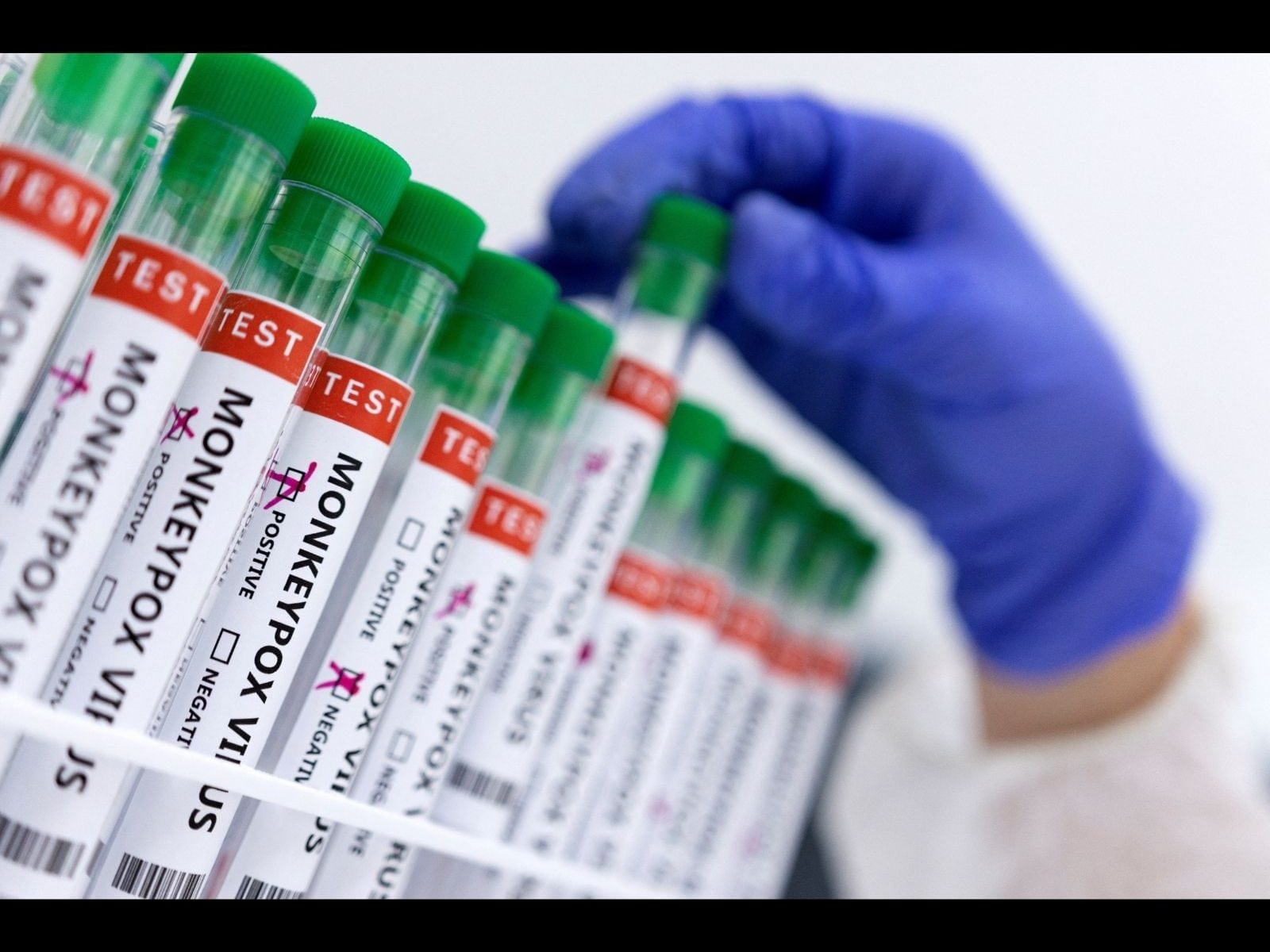
Delhi reports fresh case of Monkeypox! Nigerian woman tests positive – Details here

The monkeypox case tally in India has reached 13 after a 30-year-old Nigerian woman in Delhi reportedly tested positive. This is the 8th case of the viral infection in the national capital, the PTI reported quoting sources on Friday. The woman has been admitted to Lok Nayak Jai Prakash Narayan Hospital (LNJP), they added.

Another person suspected to be suffering from monkeypox has also been admitted to the Delhi government-run hospital, sources said. According to the sources, the woman’s condition is currently being monitored.

The early six cases have been treated and discharged, a senior doctor said. Monkeypox is a viral zoonotic disease having common symptoms such as fever, skin lesions, lymphadenopathy, headache, muscle aches, exhaustion, chills or sweats and sore throat and cough.

Delhi reports fresh case of Monkeypox! Nigerian woman tests positive

According to a recent study done by the LNJP and the Indian Council of Medical Research (ICMR), patients in the first five cases showed “mild to moderate grade intermittent fever, myalgia (muscle pain) and lesions on the genitals, groins, lower limb, trunk and upper limb”. Four of these cases had non-tender firm lymphadenopathy (swelling of lymph nodes).

The study further asserted that no secondary complications or sexually transmitted infections were recorded in these cases except for Hepatitis B in one case. In Delhi, the first case of monkeypox was reported on July 24. LNJP Hospital has been made the nodal facility to treat patients with the viral infection.

According to a WHO report last month, the number of monkeypox cases globally dropped by 21%, reversing a month-long trend of rising infections. The report further said that a possible signal of outbreak in Europe may be starting to decline as well.

As many as 60,799 monkeypox cases have been reported across the world, as per the data by Centres for Disease Control and Promotion. The global death toll from monkeypox currently stands at 20.

Read More At:-https://bit.ly/3Lp9uBj


Categories
COVID-19 Government Guidelines Medicine & Health Techniques

‘India to become healthcare provider to the world’


‘India to become a healthcare provider to the world’

The Medical device sector has a crucial role to play in improving accessibility and affordability of healthcare especially with regard to the availability of precision devices stated D V Sadananda Gowda , Union Minister for Chemicals & Fertilizers during his inaugural address at the 12th MedTech Global Summit .

We now must turn our attention to correct our high import dependence. Our pharmaceutical sector will become Atmanirbhar in a short period of 2-3 years, not only domestically but globally providing low cost and high-quality equipment and drugs.

Our Product Linked Investment schemes will attract cumulative investment of INR 78,000 crore and generate 250,000 in employment, with Med tech attracting at least 40,000 crore and employing 140,000 new employees.

The government is committed to providing low cost, affordable health care to every citizen through PMJAY and Ayushman Bharat with both schemes significantly reducing out of pocket expenditure for our citizens.

The medical device industry has labored and helped prepare indigenous products in our fight against COVID, with our production of ventilators proof of the success of Indian indignity stated Piyush Goyal.

It showed to the world that India can be a trusted partner when it comes to global engagement and global trade. This is the time to leverage the tools of technology to recharge our health systems with the power of: Access, Awareness and Availability, he added.

Chandrajit Banerjee , Director General, Confederation of Indian Industry expressed his gratitude towards the Department of Pharmaceuticals and the phenomenal work undertaken through the recent PLI schemes launched for bulk drug parks and med tech parks. These are the progressive steps required for us to become Aatma Nirbhar.

The Industry and Government need to work together to steer India to become global suppliers of medical Technology. There should be a greater streamlining of the regulatory process, a single national Med-Tech policy and a signal nodal body to govern and support the sector is imperative, he added.

In this pandemic, all the healthcare ecosystem has come together, and have eliminated the need for importing stated Dr Naresh Trehan , Chairman, CII National Committee on Healthcare & Chairman & Managing Director, Medanta – The Medicity. In order to further move up the value chain, Med-Tech, the entire healthcare spectrum, Scientific Intuitions and Government need to be brought on to the same platform to allow for convergence. We need to make a plan to take to the government so that all stakeholders across can help collaborate and innovate.

Source:  http://Source: http://www.smetimes.in/smetimes/news/top-stories/2020/Aug/24/india-healthcare53157.html


Categories
Medicine & Health

High blood sugar may limit aerobic exercise capacity

A study finds that hyperglycemia makes it more difficult for people to increase their aerobic capacity.

Regular aerobic exercise provides various health benefits, which heighten as a person increases their aerobic capacity. Doctors recommend this form of exercise to help control diabetes, but people with diabetes often have trouble improving this capacity.

Now, scientists at the Joslin Diabetes Center, an affiliate of Harvard Medical School, in Boston, MA, have published a new study that may explain why.

Hyperglycemia, or higher-than-normal levels of blood sugar, may prevent people from increasing their aerobic capacity and gaining the health benefits that this type of exercise can provide.

The researchers have observed this diminished effect of aerobic exercise in humans with chronic hyperglycemia when blood sugar levels are within the prediabetes range, as well as in mouse models.

Hyperglycemic mice

“The idea behind this study was to see: If we induce high blood sugar in mice, will we impair their ability to improve their aerobic fitness?” says Prof. Lessard.

In designing the study, the researchers hoped to learn more about the mechanisms behind this potential effect, in an effort to find new ways to help people with hyperglycemia boost their fitness levels.

Initially, Prof. Lessard and colleagues increased blood sugar levels in two groups of mice:

  • The first group received a Western diet high in saturated fat and sugar. The mice became hyperglycemic and gained weight.
  • The second group consumed a diet with less sugar and fat and did not gain weight. However, these mice acquired hyperglycemia as a result of modifications that caused them to produce less insulin.

The mice in both groups exercised equally, running roughly 500 kilometers, or about 311 miles, over the course of the study.

Still, compared with a control group that had lower blood sugar levels, both sets of hyperglycemic mice failed to gain significant aerobic capacity.

The fact that both groups developed the condition suggests that the effect is related to blood sugar, not obesity or the effects of insulin.

Mouse muscles

According to Prof. Lessard, muscle tissues typically change as a result of aerobic exercise, and muscle fibers become more efficient at using oxygen. “We also grow new blood vessels,” says Prof. Lessard, “to allow more oxygen to be delivered to the muscle, which helps to increase our aerobic fitness levels.”

However, the researchers saw no such muscle adaptation in the hyperglycemic mice.

They suggest that high levels of sugar are interrupting the remodeling of muscle by altering proteins in the space between muscle cells, where new blood vessels would typically have formed.

The study authors add that another possible factor may be a malfunctioning of the c-Jun N-terminal kinase (JNK) pathway. This signaling pathway may act as a molecular switch that programs a muscle to react to a particular type of exercise.

In earlier research using hyperglycemic mice, Prof. Lessard found that the JNK pathway may get this wrong. She determined that “The muscles of hyperglycemic animals have bigger fibers and fewer blood vessels, which is more typical of strength training, rather than aerobic training.”

People with hyperglycemia

Prof. Lessard and her team followed up with clinical tests in humans and found similar results. They also identified one group for whom the issue was particularly acute.

The researchers saw that individuals with impaired glucose intolerance — in which blood sugar levels rise with the consumption of glucose — had the least increases in aerobic capacity.

This was, at least in part, due to the malfunction of the JNK pathway. “Looking at how their muscles responded to a single bout of typical aerobic exercise, we also saw that those with the lowest glucose tolerance had the highest activation of the JNK signaling pathway, which blocks aerobic adaptations,” says Prof. Lessard.

Recommendations

To that end, the team recommends that individuals with hyperglycemia consider following a diet designed to lower blood sugar levels. In addition, diabetes drugs can help get these levels under control.

The researcher emphasizes that aerobic exercise has health benefits, even when taking into account the inhibiting effect of high blood sugar, saying:

“Regular aerobic exercise is still a key recommendation for maintaining health in people with or without hyperglycemia.”

Prof. Lessard also notes that other forms of exercise, such as strength training, can help with health and fitness.

Source: https://bit.ly/31kpG09

Categories
Government Guidelines Medical Equipments Medical Updates Medicine & Health

Emerging Opportunity for Medical Equipment Manufacturing in India

The central governments’ initiatives on national health programs like Ayushman Bharat are propelling India to become a nation with advanced diagnostic facilities thus boosting the prospects of medical equipment manufacturing in several states

The COVID lockdown situation and the call by the Indian Prime Minister, Narendra Modi towards becoming more self-reliant or Aatma Nirbhar has brought in several opportunities to many sectors, prominent among them being the medical device manufacturing in India.

The cost of healthcare in India is almost 35 per cent more competitive as compared to developed countries such as the US and UK. That is the reason many foreign tourists visit India to get affordable treatment. There is also an exponential rise in the domestic demand in the preventive healthcare segment. This segment has been growing at 18 per cent CAGR and expected to be worth US$100 billion in the next 2-3 years. The current demand and supply-side dynamics do provide a huge opportunity for local manufacturers for producing medical devices in India.

At the moment, India imports almost 85-90 per cent of the sophisticated medical devices from other countries, prominent among them being China. In the year, 2019-2020, medical equipment worth almost Rs 4560 crores was imported from China. India as a market for medical devices is among the top 20 countries in the world, worth almost US$11 billion. With several initiatives launched by the Central Government such as the Ayushman Bharat scheme – to provide access to affordable health care services to all, this market is expected to grow to US$50 billion in the next five years. Presently, local medical equipment manufacturers are mostly involved in the production of low-end products for domestic and as well as international consumption. After Japan, China and South Korea, India is the fourth largest market in Asia with the potential to grow at 28 per cent.

Niti Aayog, the think tank body of the Government of India, has started working out a roadmap for the promotion of medical equipment manufacturers in the country. The Government has also allowed 100 per cent foreign direct investments (FDI) in companies manufacturing medical devices through the automatic route. The Indian Government has already chalked out plans intending to remove all roadblocks and offer tailor-made solutions to attract investment to make India a manufacturing hub for medical devices.

Medical device manufacturing comprises of five broad segments, including patient aids like pacemakers and hearing devices, dental products like braces and dentures, MRI and other diagnostic machines, prosthetics like knee implants and artificial joints, and disposal & consumables like needles and syringes.

Under initiatives like Make in India, several state governments have taken up the onus of setting up medical device manufacturing parks in their respective states and have got the approval from the Government of India to do so. There would be six medical devices manufacturing clusters in the country in states like Andhra Pradesh, Kerala, Telangana, Tamil Nadu, Maharashtra, and Sikkim. These clusters would provide a huge boost to domestic manufacturing of high-end medical devices at a lower cost and significantly enhance job creation.

The unfolding crisis has displayed the potential of Indian manufacturers to scale up the manufacturing to meet the higher demand for PPE kits, ventilators, and other lifesaving equipment. However, there are a lot of challenges that the Government needs to address to make the country a hub of manufacturing medical equipment. Firstly, there is a need to set necessary infrastructures like supply chain and logistics channels. There is an irregular power supply in several parts of the country which impairs the manufacturing process. The Government also needs to take steps to reduce the high cost of finance for local manufacturers.

The medical equipment manufacturers have been long demanding to reduce the effective rate of Goods and Service Tax (GST) on medical devices to 5 per cent from the present 18 per cent. Due to the high GST rate, it becomes more advantageous to import the equipment than manufacturers the same in the country. There is also a need to rationalize custom duty for necessary components and transitional inputs going into the production of medical equipment in India. It will further help if the government begins to incentivize high-end medical equipment manufacturers in order to promote the production of these devices in the country.

There is also a need for the Government to set up import restrictions and duty protection on the import of medical devices in India. This would restrict imports and at the same time, provide a boost to local manufacturers. There is a need to increase the skilling and training programs to tackle the shortage of talented and trained people in the sector. The Government also needs to put in place a robust regulatory framework to maintain high-quality standards and create a healthcare ecosystem in India.

India has some of the best doctors in the world and state-of-the-art healthcare facilities, the strong foothold in the medical devices manufacturing sector will only further reduce the cost of treatment and at the same time enhance the country’s image as a global healthcare destination.

Source: https://bit.ly/3i2bzDe