Categories
Medical Updates Medicine & Health

Indian pharma to step up quality standard to meet global generic demand

Synopsis

In 2019, Indian pharma companies received 19 warning letters. Nearly half were from the Office of Manufacturing Quality, US Food and Drug Administration (FDA). GoI has taken some measures since March 2021. Companies that manufacture and market pharmaceuticals are accountable for their products’ quality. That is not enough. A regulatory overhaul is needed.

The possible link between four cold and cough syrups made by an Indian pharmaceutical company and the death of 66 children in the Gambia is a wake-up call. The World Health Organisation (WHO) has issued a global alert to minimise and prevent further harm.

For India’s drug regulator and government, this is an alarm to step up vigilance. India must continue to be the ‘pharmacy to the world’ by ensuring that the quality of its products is not suspect. For this, GoI must take strong measures.
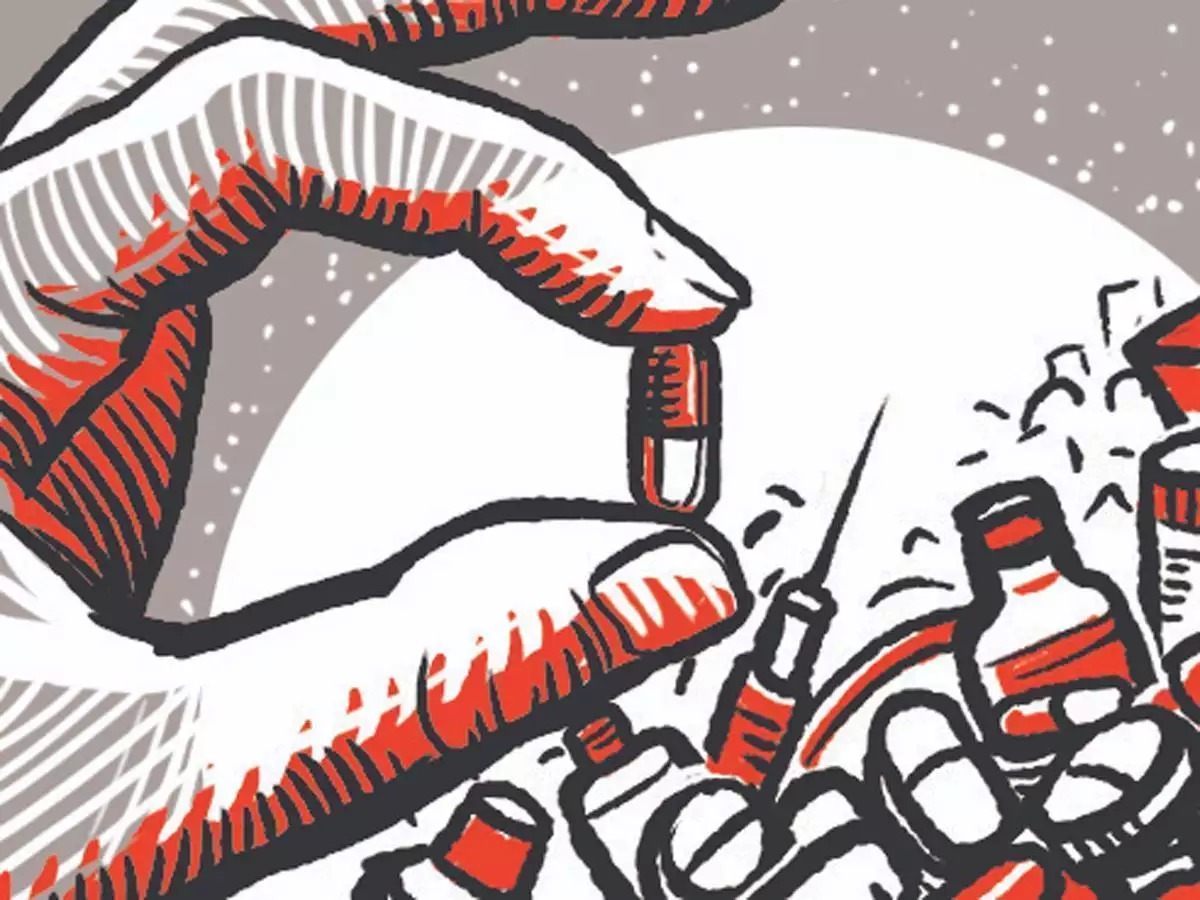
Indian pharma to step up quality standard to meet global generic demand

India is the third-largest pharma manufacturer, meeting 20% of global generic demand. Multiple assessments project the industry to grow further – $45-65 billion by 2025, and $120-130 billion by 2030. However, non-compliance with quality standards is the biggest challenge.

In 2019, Indian pharma companies received 19 warning letters. Nearly half were from the Office of Manufacturing Quality, US Food and Drug Administration (FDA). GoI has taken some measures since March 2021. Companies that manufacture and market pharmaceuticals are accountable for their products’ quality. That is not enough. A regulatory overhaul is needed.

The current fragmented system, where quality and standardisation become casualties, must be replaced by a modern, independent, statutory regulatory system. The Central Drugs Standard Control Organisation (CDCSO) is the non-statutory regulator under the health ministry. It has no jurisdiction over State Drug Regulatory Authorities that are part of state health departments. Each regulatory body acts independent of the other. This must change.

The pandemic has raised concerns about supply chains and inequity in access. Failure to address quality standards could derail the prospects of one of India’s brightest sectors.

Read more at-shorturl.at/ijmGS

Categories
Government Guidelines Medical Updates Medicine & Health

Maiden Pharmaceuticals had license to export, not locally sell cough & cold syrup, India says

Synopsis

India’s health and welfare ministry said Thursday that Maiden Pharmaceuticals had the license to only export four drugs that are now linked to have killed 66 children in Gambia. ​​​​”Four drugs, out of 23, named Promethazine Oral Solution BP, Kofexnalin Baby Cough Syrup, MaKoff Baby Cough Syrup and MaGrip n Cold Syrup, are not sold in India,” stated a press release.

India’s health and welfare ministry said Thursday that Maiden Pharmaceuticals had the license to only export four drugs that are now linked to have killed 66 children in Gambia.

“Four drugs, out of 23, named Promethazine Oral Solution BP, Kofexnalin Baby Cough Syrup, MaKoff Baby Cough Syrup and MaGrip n Cold Syrup, are not sold in India,” stated a press release.

It also said that the company has manufactured and exported these products only to Gambia.

Maiden Pharmaceuticals had license to export, not locally sell cough & cold syrup, India says

WHO had informed DCGI, the National Drug Regulator of India, that it is currently providing technical assistance and adviced to Gambia, where children have died and where a contributing factor, is suspected to be the use of medicines which may have been contaminated with Diethylene glycol or Ethylene glycol (in some of the samples it was claimed to have been confirmed by further analysis conducted by WHO).

CDSCO took up the matter immediately with Haryana State Regulatory Authority, under whose jurisdiction the drug manufacturing unit of M/s Maiden Pharmaceutical Limited, Sonepat is located. Further, a detailed investigation was launched to ascertain the facts/ details in the matter in collaboration with State Drugs Controller, Haryana.

From the preliminary enquiry of CDSCO, it has been made out that Maiden Pharmaceutical is a manufacturer licensed by the State Drug Controller for the products and holds manufacturing permission for these products for export only. The company has manufactured and exported these products only to Gambia.

As per the tentative results received by WHO, out of the 23 samples of the products under reference which were tested, four samples were found to contain Diethylene Glycol/ Ethylene Glycol. It has also been informed by WHO that the certificate of analysis will be made available to WHO in near future and it will share it with the Indian Regulator which is yet to be done. The exact one to one causal relation of death has not yet been provided by WHO to CDSCO.

As a robust National Regulatory Authority, CDSCO has requested WHO to share at the earliest with CDSCO the report on establishment of causal relation to death with the medical products in question etc.

“The samples (controlled samples of the same batch manufactured by M/s. Maiden Pharmaceuticals Limited for all the four drugs in question) have been taken and sent for testing to Regional Drug Testing Lab, Chandigarh by CDSCO, the results of which will guide further course of action as well as bring clarity on the inputs received/ to be received from WHO,” the release stated.

Read More at:-shorturl.at/abgjz


Categories
COVID-19 Medical Updates

Omicron’s staying power is key to mild winter as cases rise

The rhythm of pre-pandemic life is back around much of the world. Munich’s Oktoberfest tents are full, tourists are returning in Tokyo and New York, masks have come off in the subways.

The rhythm of pre-pandemic life is back around much of the world. Munich’s Oktoberfest tents are full, tourists are returning in Tokyo and New York, masks have come off in the subways. The previous two autumn seasons ended with new Covid-19 variants spurring fresh waves of cases and social restrictions. This year is different: the super-contagious but less severe omicron has shown unusual staying power — even as it spawned hundreds of sublineages.

The world has learned that the coronavirus is fickle, and as cases start to creep up again, so does concern about unpredictable developments. But if omicron’s dominance holds, it could point to a drift reminiscent of the flu’s annual changes and pave the way for Covid to settle into a more predictable pattern.

Omicron’s staying power is key to mild winter as cases rise

Any successor to omicron will face an uphill battle. It will need to be both more transmissible and better able to sidestep the immunity people have built, said Ralf Bartenschlager, a German virologist and professor at Heidelberg University.

“It’s like throwing dice,” Bartenschlager said in an interview. “During the replication of the virus, the dice are constantly thrown, and the best-fitting number gets an advantage.”

“We can even be happy — in quotation marks — that we now have an omicron variant that has taken over from the original strains,” he added.

The World Health Organization is tracking more than 300 sub-lineages of omicron, officials there said last week. The BA.5 subvariant that swept across the globe this summer still dominates, accounting for some four-fifths of sequences.

The multiplicity of sublineages is in some ways closer to what scientists would have expected compared with the way previous major variants emerged “out of nowhere,” looking very different than the strains that had previously dominated, said Stephen Goldstein, an evolutionary virologist at the University of Utah.

Omicron’s staying power is key to mild winter as cases rise

“It’s totally possible that some strange new combination of mutations is emerging in some person who is chronically infected and that could spark a new variant,” he said, “but we don’t have the ability to predict that.”

The more infections there are, the higher the chances of unpredictable developments. And cases are on the upswing from Germany to China, which remains the notable exception to the reopening trend as the government sticks to its Covid-zero policy.

“I know some would love to believe that the pandemic is over,” Moderna Inc.’s chairman, Noubar Afeyan, said in an interview with Bloomberg TV. “But as the saying goes, ‘We may be done with the pandemic, but the pandemic doesn’t seem to be done with us.”’

Another complicating factor is that as countries roll back their testing programs, genetic surveillance is declining as well, Maria Van Kerkhove, the WHO’s Covid technical lead, said at a briefing. The number of sequences being evaluated has dropped by more than 90% since the start of the year, she said, limiting the WHO’s ability to track subvariants as efficiently.

“What we don’t know is is how this virus will continue to change,” Van Kerkhove said Wednesday. “We know it will change.”

That means it’s too soon to say with certainty what will happen next. Making predictions would be akin to looking into a crystal ball, said Bartenschlager. And we won’t know that we’ve hit what could be an annual pattern until it’s repeated, according to Goldstein.

“What we have going on right now is a kaleidoscope of factors that all play into what will be our future with Covid,” said Michael Osterholm, director of the Center for Infectious Disease Research and Policy at the University of Minnesota.

Despite the avalanche of research, he said there’s still a lot that scientists have yet to learn. “If there was ever a time for humility in public health, it’s now.”

Read more at-https://cutt.ly/UBYj67i

Categories
COVID-19 Government Guidelines Medical Updates Medicine & Health

India records 2,424 new coronavirus infections, 3 deaths

New Delhi: India saw a single day rise of 2,424 new coronavirus infections taking the total tally of COVID-19 cases to 4,46,14,437, while the active cases have declined to 28,079, according to the Union Health Ministry data updated on Monday.

The death toll has climbed to 5,28,814 with 15 fatalities which include 12 deaths reconciled by Kerala, the data updated at 8 am stated.

The active cases comprise 0.06 per cent of the total infections, while the national COVID-19 recovery rate has increased to 98.75 per cent, the health ministry said.

A decline of 514 cases has been recorded in the active COVID-19 caseload in a span of 24 hours.

India records 2,424 new coronavirus infections, 3 deaths

The daily positivity rate was recorded at 2.65 per cent, while the weekly positivity rate was recorded at 1.27 per cent, according to the health ministry.

The number of people who recuperated from the infection surged to 4,40,57,544, while the case fatality rate was recorded at 1.19 per cent.

According to the ministry, 218.99 crore doses of COVID vaccine have been administered in the country so far under the nationwide COVID-19 vaccination drive.

India’s COVID-19 tally had crossed the 20-lakh mark on August 7, 2020, 30 lakh on August 23, 40 lakh on September 5, and 50 lakh on September 16.

India crossed the grim milestone of two crore on May 4, three crore on June 23 2021, and four crore on January 25 this year.

The three new fatalities reported in 24 hours include two from Kerala and one from West Bengal.

Read more at-https://rb.gy/zhqkya

Categories
Medical Updates Medicine & Health

Impact of over working out on a healthy heart

We see that there are various unforeseen incidents that are happening daily with fit youngsters and people from other age groups, due to ignorance towards heart health. It could be an impact of over working out on a healthy heart.

While ‘no pain, no gain’ is a very common saying amongst people who workout, this is not necessarily the truth in more scenarios as it can lead to overtraining, which is often a phenomenon that most people fail to realize while it’s happening. We see that there are various unforeseen incidents that are happening daily with fit youngsters and people from other age groups, due to ignorance towards heart health hence, it is of utmost priority and importance to raise concerns about these issues and talk about the right way towards a healthy heart and its health.

The body undergoes stress during exercise and while some stress is good, constant and additional stress after a certain point is not. In an interview with HT Lifestyle, Spoorthi, Fitness expert at Cult.fit, cautioned, “Not realizing one’s maximum threshold and continuing to workout in such a condition can be fatal. While you exercise, your heart helps to circulate blood throughout the body. It contracts faster and circulation is increased. This means that the muscles receive oxygenated blood much faster. While muscles also help to circulate blood, your heart does most of the work. Working out in moderation helps improve this process and strengthen the muscles of the heart.”

She explained, “When you overtrain, the demand for blood to the muscles is going to increase and the heart will overwork in trying to meet the demands. Your heart rate increases and so does the speed of the contractions along with the force of pumping blood. Tracking your heart rate and heart rate variability is one way to ensure you’re not overworking your heart. High variability in heart rate is something you can look out for. This can also be due to various other factors such as recovery and sleep. To summarize, overtraining can lead to the heart working harder, hence leading to cardiovascular conditions. You can ensure you don’t overtrain by getting optimal rest, eating well to fuel your body enough, and tracking your heart rate so you can modify your workouts.”

Impact of over working out on a healthy heart

Warning about the same, Dr V Vinoth Kumar, Senior Consultant, Interventional Cardiology at CARE Hospitals of HITEC City in Hyderabad, revealed, “People develop heart attacks and other heart-related issues varying from mild to severe during workouts and marathons. One of the main reasons is a structural abnormality. This is often seen in people with narrowed or smaller aortic valves that pump limited blood to the body. Physical activities that demand more blood for the body will be strenuous as the heart cannot provide it. Furthermore, Hypertrophic cardiomyopathy (HCM), an abnormally thick heart muscle is common in people under 30 years who may suddenly collapse due to heavy physical activities. Alternatively, there may be blockages in the blood vessels of the heart even in the heart of young adults leading to sudden cardiac arrests. Both HCM and blockages are seen in youngsters as it may be genetic in a few cases Parents who have experienced early age heart complications before the age of 50, at times pass it on to their children as well.”

He suggested, “It is important to get a regular cardio check-up of 2D Echo and ECG which reflects the condition of the heart. Blockage of less than 70% goes unnoticed in tests. Perfectly healthy hearts that has 10-20% blockage suddenly results in 100% blockage and cardiac arrests in heavy smokers. It is best to avoid smoking as it directly impacts the heart. People with diabetes, need to control their sugar levels while working out on a regular basis. In conclusion, heart evaluation by a cardiologist and regular monitoring by a professional while working out are very important. Increasing the workout plans gradually is the best route rather than jumping to heavy physical exercises and activities.”

It is well known that exercise is good for us, but at the same time, extreme activity which pushes the healthy limits can be dangerous. Dr Gopi A, Director – Interventional Cardiology at Fortis Hospital in Bangalore, shared, “Chronic extreme exercise training and competing in endurance sports like marathons can lead to both heart damage and heart disorders. This is common in people who have genetic risk factors for such abnormalities. One should not put away their walking shoes as moderate exercise is the best prescription for good physical and mental health. All extreme athletic activities have been linked to certain cardiac complications. When marathon runners are examined, after a marathon or after any chronic endurance sport, by blood foot biomarkers like troponin or CPK and MB, a higher level of biomarkers is found in these patients. Higher levels of biomarkers suggest minimal amount of cardiac damage.”

He elaborated, “When this happens, once in a while, the heart can repair itself and get back to normal but if it happens repeatedly over a short period of time, it can damage and result in some remodelling of the heart. As a result of it, the patients will have thicker heart muscles and there will be areas of scarring in the heart, which can lead to certain complications later on. In addition to this, very high intensity exercises, short bursts can be dangerous for the heart, they can acutely increase the risk of sudden cardiac arrest or sudden cardiac death. So many of the celebrities’ mortalities have taken place on the field or on a football ground. Moderate exercises like walking, jogging and swimming are ideal for people facing cardiac concerns. 150 to 300 minutes moderate intensity of exercise per week, is advised. This has got multiple benefits in terms of weight reduction, improvement in blood pressure, controlled diabetes, better sleep and stress management. To sum it up, exercising in moderation is good, but high intensity exercise has got its own risks. It is highly recommended to undergo a proper health check-up before getting into high intensity exercises.”
Read More At:-http://surl.li/dhusp
Categories
COVID-19 Government Guidelines Medical Updates Medicine & Health

COVID symptom list has changed; THESE are the common signs of the infection now, experts say

The order of COVID symptoms, from the most prevalent ones to the least, can be said to have changed. Two years into pandemic, health experts have seen a shift in the occurrence of COVID symptoms. The symptoms which are tagged as the ‘common symptoms’ are the red flags and should be dealt with proper preventive measures and, if necessary, medical intervention.

Apart from fever, headache, and other cold-related symptoms, the most common symptom seen during the onset of COVID infection these days is sore throat.

COVID symptom list has changed; THESE are the common signs of the infection now, experts say


Tim Spector, PhD, a professor of genetic epidemiology at King’s College London and co-founder of the COVID ZOE study app says that two-thirds of people with COVID are seen having sore throats as a symptom.

In a report carried by the Independent, Spector said that fever and loss of smell and taste are hardly seen in people these days.

In a report released on September 1, Spector’s Zoe COVID app had said that loss of appetite still remains one of the typical symptoms of COVID. “Early in the pandemic, loss of appetite was reported by around three in ten adults with COVID, rising to roughly four in ten people over 65,” the report says and adds that it has now fallen slightly with subsequent variants and vaccination, with just over a quarter of people (25-27%) reporting skipping meals with Delta or Omicron after three doses of the vaccine.

The other symptoms of COVID which are also commonly seen in people are runny nose, headache, sneezing, persistent cough, shortness of breath and sometimes fever.

Fatigue continues to persist in people during and after COVID and is currently seen as a big indicator of long COVID condition, in which the symptoms are seen in the individual weeks and months after a COVID infection.

Apart from these diarrhea, chest pain, tinnitus, sleep issues, loss of memory and focus should not be ignored if these persist for a longer time.

The fact that people are not updated with the new COVID symptoms, they live under the impression that they do not have COVID. Fever has always been seen as the primary key symptom of COVID ever since the pandemic happened. However, these days no fever does not mean you do not have COVID. With a sore throat and a mild headache there are chances you might have contracted the viral infection.

Fever and loss of smell are really rare now, so many old people may not think they’ve got COVID. They’d say it’s a cold and not be tested, Spector told the newspaper.

The lack of awareness around symptoms hampers the pace of testing and surveillance. People who are only aware about the outdated symptoms of the infection do not test themselves. As a result of which the infection keeps on spreading.

This also reduces the chance of identifying a newer variant quickly. More testing will lead to more effective tracking of the super-mutating coronavirus.

India recorded less than 2,000 COVID cases in the last 24 hours as per the data shared by the Union Health Ministry. India’s active COVID caseload currently stands at 30,362. The recovery rate stands at 98.75% with 3,908 recoveries in the last 24 hours. While the daily positivity rate stands at 0.94% the weekly positivity rate stands at 1.34%.

With COVID cases dropping and hinting better days, Delhi government is planning to withdraw the COVID restrictions.

Delhi Disaster Management Authority (DDMA) has announced that the Rs 500 penalty for not wearing masks in public places in Delhi has been withdrawn.

However, wearing masks is advisable if you are in a crowded place or are sick and can not avoid staying indoors.

Read More At-https://cutt.ly/bBsjnta

Categories
Medical Updates Medicine & Health

Transforming patient outcomes with AI in Healthcare

Synopsis

Artificial Intelligence in Healthcare can increase the speed, efficiency, and effectiveness of global health systems to help patients and clinicians

The digital transformation has begun. The demand for healthcare across the world is acute and growing. Ageing populations and disruptions due to Covid-19 have accelerated the growth and adoption of digital healthcare technologies.

Groundbreaking technologies have expanded the scope of what’s possible. Through developments in artificial intelligence (AI) and data analytics, medical devices are advancing disease management by empowering clinicians to personalise medicine like never before. Artificial intelligence is a powerful tool that can increase the speed, efficiency, and effectiveness of global health systems. AI-powered technologies provide real-time data by providing newer insights into the human body to create solutions that help patients and clinicians.

Transforming patient outcomes with AI in Healthcare

One of the most promising applications of artificial intelligence in healthcare is its integration into diagnostic imaging analysis. One such example is the GI GeniusTM intelligent endoscopy module from Medtronic. As per GLOBOCAN 2020, colorectal cancer is the 7th deadliest cancer in India among men and women.I Colonoscopy is considered the gold standard for colon cancer screening. By using AI to analyse images gathered during a scan, physicians can identify conditions more quickly, promoting early intervention.The module empowers physicians to detect and treat colorectal cancer by using AI to scan every image taken during a colonoscopy in milliseconds and alerts physicians to the presence of lesions — including small, flat polyps that can easily go undetected by the human eye.

Designed to be a powerful new tool in the early detection of colorectal cancer, the system relies on highly effective algorithms to sort through tremendous amounts of data for insight-driven care. These AI solutions are designed to give healthcare professionals the time and tools they need to deliver better care to more people worldwide.

We have a wealth of technology at our fingertips, and we must harness it to address the challenges of today. Medtronic’s vision continues to be informed by its fundamental goal of bringing disruptive innovations in healthcare technology, and advancements in AI can help make healthcare work better for everyone.

Read more at:-https://urlzs.com/CgQqT

Categories
Medical Updates Medicine & Health

How to survive a heart attack: life-saving tips everyone should know

Getting a heart attack can leave anyone helpless and hapless. However, if you and people around you are already aware of the first aid steps to follow, you may just save a life. Heart attacks can happen suddenly due to a lack of blood to the heart. Quick action will give treatment the best chance of working. Here’s how to survive a heart attack or help someone who is having one.

Dr. Grant Reed, an interventional cardiologist and director of Cleveland Clinic’s STEMI program, says, “The No. 1 indicator of how well you’re going to do after a heart attack is how fast you recognize your symptoms.”

Apart from the classic chest pain/discomfort/pressure symptom, heart attacks can present differently in men and women, and in people with certain pre-existing health conditions, such as diabetes. Some of these include bad indigestion or nausea, extreme fatigue, shortness of breath, and feeling generally unwell.

Doctors recommend that if you feel any of the above symptoms, even if you aren’t sure that it’s a heart attack, you should nevertheless call an ambulance immediately.

A lot of patients ignore their symptoms, and so by the time they come to the hospital, their heart muscle has already died, Dr. Grant Reed adds. There’s a strong relationship between when you start to have your heart attack and how fast doctors can open up the blocked coronary artery that’s causing it. The shorter the time, the better the outcomes.

If you’re having heart attack symptoms and have access to aspirin, Dr. Joel Beachey, a cardiologist at Mayo Clinic Health System in Eau Claire, Wisconsin recommends taking a full dose of 325 mg after calling the ambulance. If you have baby aspirin, which comes in an 81 mg dose, take four of those.

Taking aspirin can help break down some of that blood clot which forms inside your arteries, which blocks the blood flow in the artery during a heart attack. Doctors also recommend chewing it instead of swallowing, so that it gets into your system faster

If you think you’re having a heart attack, immediately call an ambulance instead of driving yourself to the hospital. You may lose consciousness and hurt yourself or others on the road, which is why it is best to not take the wheel.

In case someone around you suffers a heart attack, it is better to call an ambulance instead of driving them yourselves as you may not be able to help them if their symptoms worsen on the way. Plus, you could get distracted from driving properly and might risk an accident.

Ambulances are also helpful in the sense that the paramedics in the ambulance can provide the best and fastest care on the way to the hospital, including some treatment.

Begin CPR if the person is unconscious

How to survive a heart attack: 5 life-saving tips everyone should know

If the person having a heart attack isn’t breathing or you don’t find a pulse, begin CPR (Cardiopulmonary resuscitation) to keep the blood flowing. Make sure you call for emergency medical help first and then begin the CPR. The hands-only CPR requires you to push hard and fast on the center of the person’s chest in a fairly rapid rhythm — about 100 to 120 compressions a minute — until the paramedics arrive.

Read more at:-http://surl.li/dgber

Categories
COVID-19 Medical Equipments Medical Updates Medicine & Health

Indonesia approves first home-grown COVID vaccine for emergency use

The Indovac vaccine has been developed by Indonesia’s state-owned pharmaceutical company Bio Farma and the Texas Children’s Hospital Center for Vaccine Development at Baylor College of Medicine.

Indonesia has approved its first domestically-produced COVID-19 vaccine for emergency use for people over 18, the chief of the country’s food and drugs agency (BPOM) was quoted by news media as saying on Wednesday. The Indovac vaccine has been developed by Indonesia’s state-owned pharmaceutical company Bio Farma and the Texas Children’s Hospital Center for Vaccine Development at Baylor College of Medicine.

Indonesia approves first home-grown COVID vaccine for emergency use

Penny Lukito, the head of BPOM, was cited by news portal CNN Indonesia as saying the approval was “given as a primary vaccine for adults. “Penny and a Bio Farma spokesperson did not immediately respond to requests for comment. Bio Farma said this month it would produce 20 million doses of the vaccine in 2022 and 100 million doses by 2024. It has also said it has sought a halal certificate – which would make the vaccine permissible under Islam – from relevant authorities. Indonesia is the world’s biggest Muslim-majority nation.

Bio Farma chief Honesti Basyir said earlier this month that the vaccines were intended to “help reduce the nation’s dependency on imported vaccines,” adding 80% of Indovac is locally-sourced.

Indonesia, which reported one of the highest transmission rates of COVID-19 in the world last year, has used vaccines produced by China’s Sinovac Biotech, Pfizer Inc and BioNTech as well as Moderna Inc. Bio Farma has said it has also sought an emergency use approval from the World Health Organization (WHO). Indonesia is also developing another home-grown vaccine called Inavac.

Read more at-http://surl.li/dftch

Categories
Medicine & Health

Protein could be used to produce life-saving antifungals: Research

Their findings, published in te journal eLife, not only have implications for drug development, they also provide important insight into the evolution of an ancient growth control pathway found in all multicellular organisms.

Researchers have discovered a protein that is responsible for controlling cell growth in yeasts. Since humans and yeasts have remarkably similar cellular mechanisms, teasing out the differences presents drug developers with new targets for treatments.

Yeast cells and human immune system cells rely on surprisingly similar chemical reactions to know when to grow. University of Arizona scientists have identified subtle differences between the two cell types that could help spur the development of antifungal drugs that are able to attack disease-causing yeasts in the body while sparing the immune system.

Their findings, published in the journal eLife, not only have implications for drug development, they also provide important insight into the evolution of an ancient growth control pathway found in all multicellular organisms.

Protein could be used to produce life-saving antifungals: Research

It is well known in the scientific community that a conglomerate of proteins called TORC1 — short for Target of Rapamycin kinase Complex 1 — controls the growth of cells in everything from humans to yeasts. But researchers have now identified and named the protein that triggers this process in yeasts — a nutrient sensor and TORC1 regulator they named Ait1. When working normally, Ait1 shuts down TORC1 in yeasts when cells are starved for nutrients, blocking cell growth.

“Ait1 is kind oflike a hand holding TORC1 in place, with a finger that reaches over the top and flicks TORC1 on and off depending on how many nutrients a cell has,” said study co-author Andrew Capaldi, an associate professor in the UArizona Department of Molecular and Cellular Biology and BIO5 Institute member.

The Capaldi Lab is interested in determining how cells sense stress and starvation and then decide how fast to grow. Understanding how TORC1 is triggered in different organisms is important for developing treatments for a wide variety of diseases.

TORC1 was originally discovered in yeast, but it is also critical for the activation of cells in the human immune system to mount a response. When TORC1 isn’t working as it should, it can trigger the development of cancer, diabetes and various neurological disorders including epilepsy and depression.

“If TORC1 is too active, it can give rise to cancer or epilepsy. If it’s underactive, then it can cause depression,” Capaldi said. “We call this Goldilocks regulation.”

But the fact that human bodies depend on the same TORC1 pathway as yeast presents a problem.

Capaldi said if scientists develop drugs that inhibit the growth of disease-causing yeasts by controlling TORC1, “we are in big trouble since TORC1 also controls the growth of human immune cells and more.”

“As an example, you can block the growth of yeast very easily using rapamycin — a drug that binds directly to and inhibits TORC1 — so that would fight any infection well,” Capaldi said. “However, that very same drug is regularly used in transplant patients to suppress their immune system, so that would be a disaster.”

The researchers found that while the TORC1 pathway is very similar in yeast and humans, humans don’t rely on Ait1 to regulate TORC1. So, drugs that specifically target Ait1 should inhibit the growth of yeast and not human immune cells.

Ait1 has only evolved in the last 200 million years, which is relatively recent in evolutionary terms. About 200 million years ago a TORC1 regulator called Rheb seems to have disappeared from the cells of various organisms exactly when Ait1 evolved.

The researchers found that while the TORC1 pathway is very similar in yeast and humans, humans don’t rely on Ait1 to regulate TORC1. So, drugs that specifically target Ait1 should inhibit the growth of yeast and not human immune cells.

Ait1 has only evolved in the last 200 million years, which is relatively recent in evolutionary terms. About 200 million years ago a TORC1 regulator called Rheb seems to have disappeared from the cells of various organisms exactly when Ait1 evolved.

Read More At:-http://surl.li/dfkkl