Categories
COVID-19 Government Guidelines Medical Equipments Medical Updates Medicine & Health

Influenza (flu) vs Covid: Symptoms, differences and similarities

Despite the fact that COVID-19 and influenza (flu) are both contagious respiratory illnesses, they are caused by separate viruses. COVID-19 is induced by contact with a coronavirus (SARS-CoV-2) that was discovered in 2019. Flu is caused by infection with a flu virus (influenza viruses).

From no signs (asymptomatic) to severe symptoms, COVID-19 and the flu can both have a range of symptoms. The flu and COVID-19 both commonly exhibit these symptoms:

Experiencing chills or feeling feverish, Cough, Respiratory issues or shortness of breath, Fatigue, Sore throat, Runny or congested nostrils, Headache, Vomiting, Diarrhea (more common in children with flu, but can occur in any age with COVID-19), Taste or scent alteration or loss, though this occurs more frequently with COVID-19.

How does it spread?

Similarities:

People who are close to or in direct contact with one another are more likely to contract COVID-19 or the flu. Both are primarily transmitted by virus-containing large and small particles that are released when COVID-19 or flu patients cough, sneeze, or talk. Majority of transmission occurs through the inhalation of large and tiny droplets, it is still possible for someone to become infected by touching another person who has the virus

Differences:

Superspreading episodes for COVID-19 have been found to be higher than those for flu. This implies that the virus that causes COVID-19 can rapidly and easily spread to a large number of people and cause ongoing spreading among people over time.
People without symptoms, people with very mild symptoms, and people who never experience symptoms can all transmit the virus that causes COVID-19 to others (asymptomatic people).

Similarities: For both COVID-19 and the flu, it may take one or more days for a person to start showing signs after contracting the infection. The virus that causes COVID-19 can be contracted even if no signs are present. Flu viruses can also infect people even when they show no signs.

Differences: Compared to the flu, COVID-19 patients may encounter symptoms later in the course of the illness where as an individual typically experiences symptoms one to four days after infection in flu.

Influenza (flu) vs Covid: Symptoms, differences and similarities

Differences:
Compared to the flu, COVID-19 may render an individual more contagious for a prolonged period of time.

Flu
Before showing symptoms, people who have the flu virus are possibly contagious for about one day. However, it is thought that the majority of those who transmit the flu virus infection are already exhibiting flu-like symptoms.
Although some individuals may continue to be contagious for a little longer periods, older children and adults with the flu appear to be most contagious during the first 3–4 days of their illness.

COVID-19
The COVID-19 virus can start spreading between two and three days before symptoms appear, but it reaches its highest infectiousness the day before symptoms start. The COVID-19 virus can also propagate among people even when they are asymptomatic. People are typically deemed contagious for eight days after the onset of their symptoms.

Similarities: COVID-19 and the flu both have the potential to cause serious sickness and complications. Those at higher risk comprise of older people, individuals with particular underlying medical problems, pregnant women.

Differences:

Even healthy individuals can develop a severe COVID-19 illness that requires hospitalisation and results in death. Some COVID-19 patients may go on to acquire multisystem inflammatory syndrome or post-COVID conditions (MIS)

Certified treatments

Similarities:

People who are more likely to develop complications or who have been admitted to the hospital with COVID-19 or the flu should receive the proposed treatments and supportive care to assist with symptom relief and complications.

Differences:

Flu
Guidelines for treating COVID-19 have been established by the National Institutes of Health (NIH), and they are frequently updated as new information about potential treatments becomes available. Antiviral therapy is included here for individuals who aren’t admitted but are at higher risk.

COVID-19
Guidelines for treating COVID-19 have been established by the National Institutes of Health (NIH), and they are frequently updated as new information about potential treatments becomes accessible. This covers both antiviral treatment for patients hospitalised with severe COVID-19 and antiviral treatment for non-hospitalized individuals at higher risk for the virus. People who are more likely to develop severe COVID-19 should get help as soon as their first symptoms appear.

Read more at-https://bit.ly/3SIeeWe

Categories
Medical Equipments Medical Updates Medicine & Health

Brain disorders and human cognition: An insight

Human intellect is a distinguishing aspect of human evolution that distinguishes humans from other apes. Despite the fact that there have been over 100 million mutations since the human-chimp split, only a small percentage of these have been shown to be relevant.

Computer modelling was used by National Institutes of Health (NIH) researchers to find mutations in the human genome that are likely to have changed how human intelligence evolved. This groundbreaking human genomics study may advance our understanding of human health and pave the way for the creation of novel treatments for challenging brain diseases.

The study’s findings were released in Science Advances.

Human intellect is a distinguishing aspect of human evolution that distinguishes humans from other apes. Despite the fact that there have been over 100 million mutations since the human-chimp split, only a small percentage of these have been shown to be relevant. Researchers from the National Library of Medicine (NLM) and the National Cancer Institute (NCI) developed an artificial intelligence (AI) model of gene regulation in the human brain to help them traverse this huge terrain of genetic alterations. The model discovered hundreds of mutations that are likely influencing neocortical development and enhancing mathematical ability acquisition via changed brain gene regulatory pathways.

When the human genome was sequenced in 2001, researchers learned that only 2 per cent of the sequence of our genome is used for coding genes that, in turn, translate into proteins. This is the sequence information that is being used by every single cell. The function of the other 98 per cent of our DNA — often referred to as “noncoding DNA” — remains relatively unknown. It is believed that 95 per cent of disease associations hide within these noncoding parts of our genome.

Brain disorders and human cognition: An insight

The research group of Ivan Ovcharenko, PhD, senior investigator in the Computational Biology Branch of NLM’s Intramural Research Program teamed up with the research group of Sridhar Hannenhalli, PhD, senior investigator in NCI’s Center for Cancer Research to create an AI model that measures the effect of noncoding genome mutations on human brain function and development. This led to the identification of a group of noncoding mutations disrupting brain regulatory pathways and potentially causing various complex brain disorders, including autism.

“There are treasure islands within the sea of noncoding DNA in the human genome that are critically important for regulating human genes,” said Dr Ovcharenko.

“Mutations in these regions are largely benign, but there is a class of mutations which detrimentally impact the function of regulatory regions in the brain and affect cellular activity there. By being able to address the impact of individual mutations, we are advancing towards understanding the mechanism of complex diseases and disorders and paving the way for the development of novel therapeutic approaches.” (ANI)

Read more at-https://bit.ly/3ZplqZp

Categories
Medical Equipments Medical Updates Medicine & Health

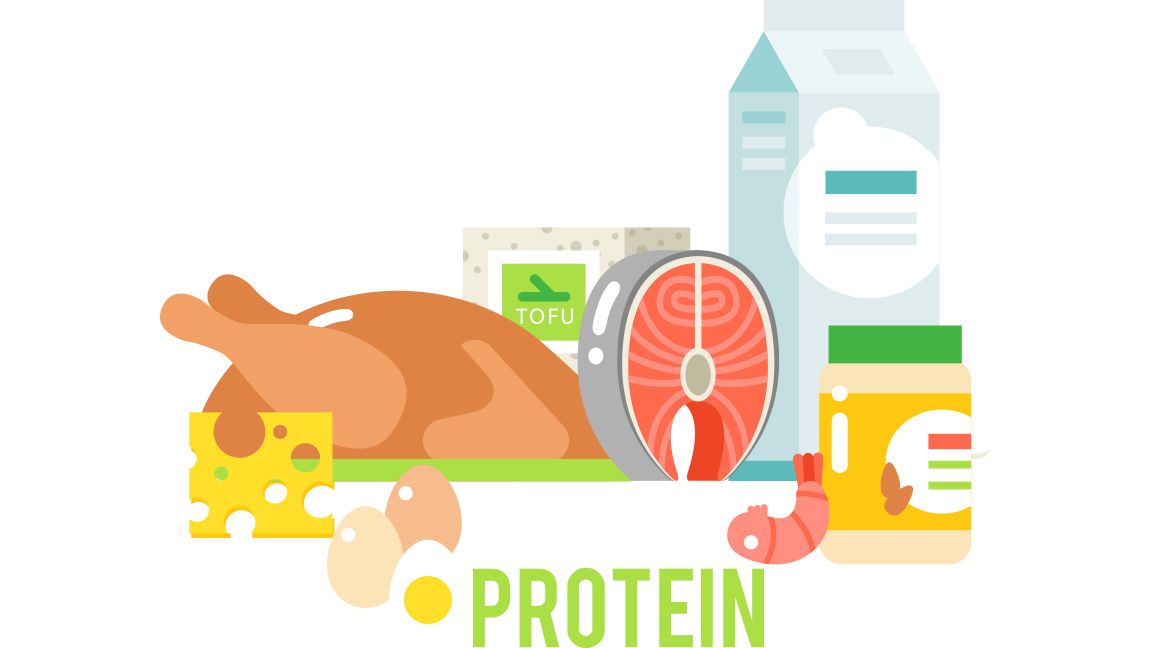
National Protein Day: Everyday tips for healthy protein consumption

While it is important to consume enough protein, it is also crucial to ensure that the sources of protein are healthy and nutritious. Check out some expert approved tips for healthy protein consumption.

Protein is an essential macronutrient that plays a vital role in building and repairing tissues, regulating hormones, and supporting a healthy immune system. While it is important to consume enough protein, it is also crucial to ensure that the sources of protein are healthy and nutritious. Despite its many benefits, many people struggle to consume enough protein in their diet, which can lead to a host of health problems. That’s why National Protein Day is an excellent opportunity to focus on incorporating more high-quality protein into your daily routine. Whether you’re a vegetarian, vegan, or meat-eater, there are plenty of delicious and healthy protein-rich foods to choose from.

On National Protein Day, Soumava Sengupta, CEO, BUILD., shared some tips with HT Lifestyle for healthy protein consumption.

National Protein Day: Everyday tips for healthy protein consumption

1. Choose lean protein sources: Lean protein sources such as chicken, turkey, fish, and legumes are excellent options for healthy protein consumption. They are low in saturated fat and provide important nutrients like iron, zinc, and vitamin B12.

2. Incorporate plant-based proteins: Plant-based proteins such as tofu, tempeh, nuts, and seeds are great sources of protein for vegetarians and vegans. They are also typically high in fibre and other important nutrients.

3. Don’t forget about eggs: Eggs are an excellent source of protein, as well as vitamin D, vitamin B12, and choline. Aim to incorporate eggs into your diet in a variety of ways, such as scrambled, hard-boiled, or in omelettes.

4. Use protein powder wisely: Protein powder/whey proteins can be a convenient way to add protein to your diet, but it is important to choose a high-quality, minimally processed brand. Additionally, be mindful of added sugars and other additives in protein powders.

5. Balance your meals: When planning meals, aim to include a source of protein, carbohydrates, and healthy fats. This will not only help ensure that you are getting enough protein but also help keep you feeling full and satisfied.

6. Snack smart: Snacks can be a great opportunity to sneak in some extra protein. Some healthy protein-packed snack options include Greek yogurt, string cheese, and hummus with veggies.

7. Watch your portions: While protein is important, it is also important not to overdo it. Aim for a portion size of about 3-4 ounces of lean protein per meal.

8. Stay hydrated: Drinking enough water is important for overall health, including proper digestion and absorption of nutrients like protein. Aim to drink at least 8 cups of water per day.

Incorporating healthy protein sources into your diet is essential for overall health and wellness. By choosing lean protein sources, incorporating plant-based proteins, and balancing your meals, you can ensure that you are getting enough protein to support your body’s needs.

Additionally, snacking smart and watching your portions can help you avoid overdoing it on protein. With these everyday tips for healthy protein consumption, you can feel confident that you are providing your body with the nutrients it needs to thrive.

Read more at-https://bit.ly/3kw32zs

Categories
Medical Equipments Medical Updates Medicine & Health

Autoimmune liver disease: Warning signs, lifestyle changes, treatment

The exact cause of autoimmune liver disease is not known, but it is believed to be a combination of genetic and environmental factors. Here’s all you want to know.

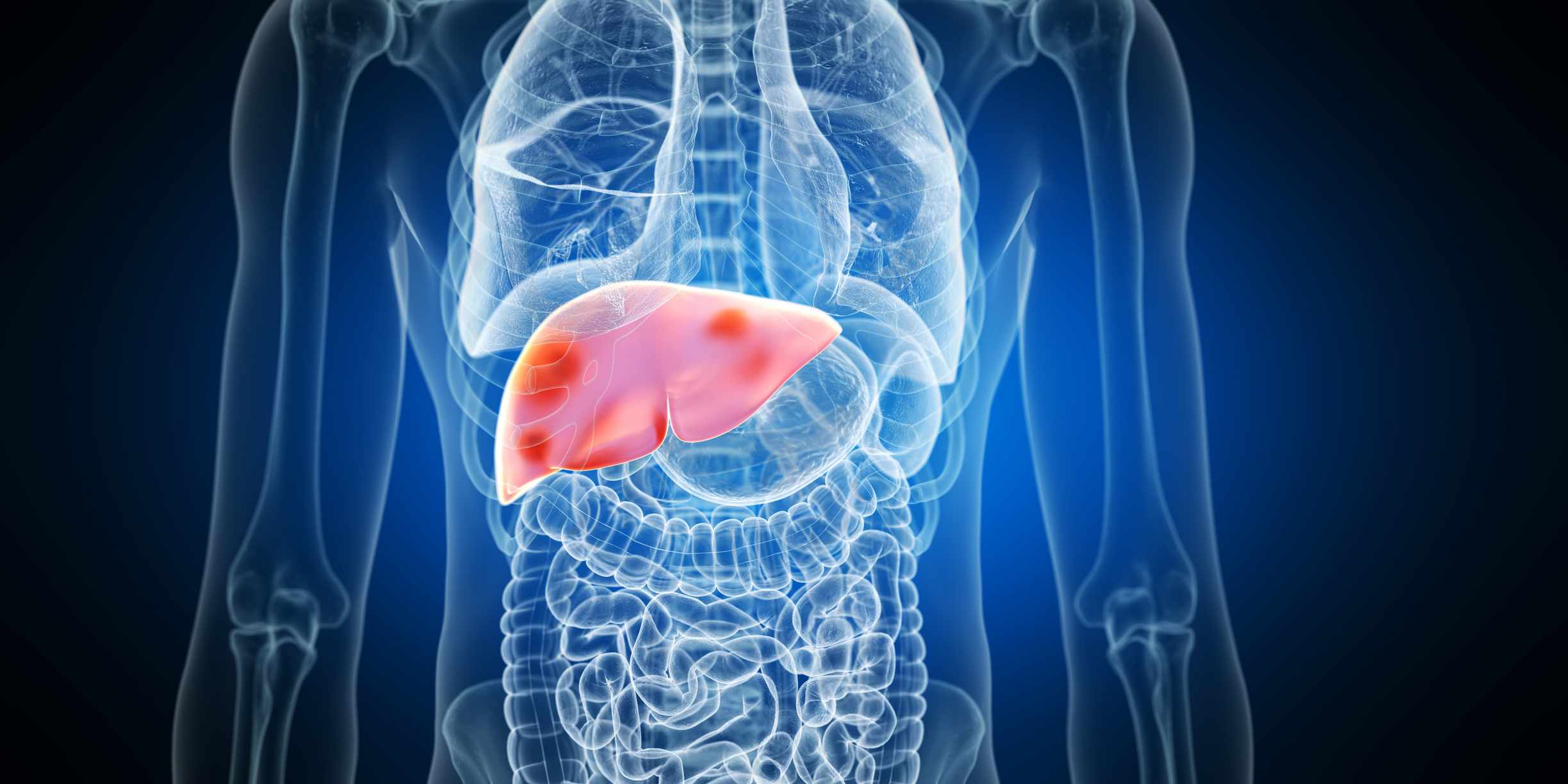
Autoimmune liver disease is a condition where the body’s immune system mistakenly attacks the liver cells, leading to inflammation and damage to the liver. Sometimes, people suffering from this condition do not have symptoms unless serious damage is caused. Having a family history of autoimmune diseases, certain infections or hormonal imbalances during pregnancy or menopause can also trigger this. Some of the symptoms of autoimmune liver disease includes fatigue, abdominal discomfort, yellowing of the skin and whites of the eyes, an enlarged liver, abnormal blood vessels on skin, skin rashes, joint pain, loss of menstrual periods among others.

There are two main types of autoimmune liver disease: autoimmune hepatitis (AIH) and primary biliary cholangitis (PBC).

Autoimmune liver disease: Warning signs, lifestyle changes, treatment

Causes of autoimmune liver disease

“The exact cause of autoimmune liver disease is not known, but it is believed to be a combination of genetic and environmental factors. Some risk factors for developing autoimmune liver disease include family history of autoimmune disease, certain infections, such as hepatitis A, B, or C, exposure to certain drugs or toxins, hormonal imbalances, such as during pregnancy or menopause, autoimmune disorders, such as rheumatoid arthritis or lupus,” says Dr Neerav Goyal, Senior Consultant, Liver Transplant, Indraprastha Apollo Hospitals, New Delhi.

Treatment of autoimmune liver disease

The treatment for autoimmune liver disease depends on the specific type and severity of the condition. In general, the goal of treatment is to reduce inflammation, slow or stop the progression of liver damage, and manage symptoms.

Dr Goyal suggests the following treatments:

1. Medications: Immunosuppressive medications, such as corticosteroids and azathioprine, are often used to suppress the immune system and reduce inflammation.

2. Ursodeoxycholic acid: This medication is often used in the treatment of primary biliary cholangitis. It helps to slow down the progression of liver damage and relieve some symptoms.

3. Liver transplant: In severe cases where the liver has sustained significant damage, a liver transplant may be necessary. During a liver transplant, the damaged liver is replaced with a healthy liver from a donor.

4. Lifestyle changes: Making healthy lifestyle choices, such as maintaining a healthy weight, avoiding alcohol and tobacco, and getting regular exercise, can help improve liver function and overall health.

It is important to work closely with a healthcare provider to develop a treatment plan that is tailored to the individual’s needs and goals. Regular monitoring of liver function and symptoms is also necessary to track the progression of the disease and adjust treatment as needed.

Read more at-https://bit.ly/3KAw7Ei

Categories
Government Guidelines Medical Equipments Medical Updates Medicine & Health

Exam anxiety: 6 ways students can ghost negativity

Exam anxiety frequently has a negative impact on your academic achievement. Here are 6 ways students can ghost negativity.

Examination anxiety limits your outlook on life, your academic or professional performance, as well as how you live your daily life since your body starts to feel anxious weeks before the exam and it reaches a high on the day of the exam. Unfortunately, exam anxiety frequently has a negative impact on your academic achievement.

In an interview with HT Lifestyle, Kanchan Rai, Emotional and Mental Wellbeing Coach and Founder of Let Us Talk, suggested some tips to keep the anxiety at a bay:

Exam anxiety: 6 ways students can ghost negativity

1. Banish all negative energy

Stop what you are doing and clear your mind if you feel like you are brewing a storm of unfavorable thoughts. Permit yourself to fantasize a little and picture yourself relaxing with close pals. Wait until you feel the tension dissipate before returning to studies.

2. Make a plan and stick to it

You can make a plan for studying as soon as you are aware that an exam will soon be upon you. Create a plan for the actual exam as soon as you receive your exam paper. Don’t wait until the last minute to study for a test; the stress you put on yourself and the late night will make you more anxious, and you won’t remember much.

3. Psychological need

It is true that students occasionally put off attending to their physical needs in order to study for an exam. keep up healthy eating and sleeping routines. A student who is hungry and exhausted is likely to perform worse on an exam than one who is well-rested and fed. Exercise frequently, and after you have thoroughly prepared for the exam, relax.

4. Study a little earlier

Studying gradually over time is considerably more beneficial than cramming everything in at once. Additionally, spending time studying in the same or nearby locations as your test can aid in your ability to retain the material when it comes time to take the test.

5. Explore relaxation practices

To be calm and confident both before and during the test, practice relaxation techniques like deep breathing, relaxing each muscle one at a time, or closing your eyes and visualizing a positive outcome.

6. Focus more on discipline

Better plans, goals and interim practice help you find a way to address more discipline. The approach of focus goals builds you to access and get achievements. Lack of motivation also comes from imbalance study routine.

Read more at-https://bit.ly/3EwPpXA

Categories
COVID-19 Government Guidelines Medical Updates Medicine & Health

Organ damage persists in 59% of long Covid patients a year after diagnosis: Study

Scientists have found that organ damage persisted in 59 per cent of long Covid patients a year after initial symptoms, even in those not severely affected when first diagnosed with the virus, according to a new study.

Scientists have found that organ damage persisted in 59 per cent of long Covid patients a year after initial symptoms, even in those not severely affected when first diagnosed with the virus, according to a new study. The study also found that 29 per cent of patients with long COVID had multi-organ impairment, with persistent symptoms and reduced function at six and twelve months, it said.

The comprehensive study of organ impairment in long COVID patients over 12 months focused on patients reporting extreme breathlessness, cognitive dysfunction and poor health-related quality of life, it said.

According to the study, of the 536 patients who were studied, 13 per cent were hospitalised when first diagnosed with COVID-19, with 32 per cent of people taking part in the study being healthcare workers.

The study found that of the 536 patients, 331, or 62 per cent, were identified with organ impairment six months after their initial diagnosis. It is published in the Journal of the Royal Society of Medicine.

Organ damage persists in 59% of long Covid patients a year after diagnosis: Study

These patients were followed up six months later with a 40-minute multi-organ MRI scan (Perspectum’s CoverScan), analysed in Oxford, the study said.

“Symptoms were common at six and twelve months and associated with female gender, younger age and single organ impairment,” said Amitava Banerjee, Professor of Clinical Data Science at the UCL Institute of Health Informatics, UK.

The study reported a reduction in symptoms between six and 12 months, it said. Extreme breathlessness came down from being reported in 38 per cent of the patients to 30 per cent of patients, the study said, while cognitive dysfunction came down from 48 per cent to 38 per cent.

Poor health-related quality of life came down from 57 per cent to 45 per cent of patients, the study said.

“Several studies confirm persistence of symptoms in individuals with long COVID up to one year.

“We now add that three in five people with long COVID have impairment in at least one organ, and one in four have impairment in two or more organs, in some cases without symptoms,” said Banerjee.

“Impact on quality of life and time off work, particularly in healthcare workers, is a major concern for individuals, health systems and economies.

“Many healthcare workers in our study had no prior illness, but of 172 such participants, 19 were still symptomatic at follow-up and off work at a median of 180 days,” said Banerjee.

The underlying mechanisms of long COVID remain elusive, said the researchers, who did not find evidence by symptoms, blood investigations or MRI to clearly define long COVID subtypes, the study said.

They said that future research must consider associations between symptoms, multi-organ impairment and function in larger cohorts.

“Organ impairment in long COVID has implications for symptoms, quality of life and longer-term health, signalling the need for prevention and integrated care for long COVID patients,” said Banerjee.

Read more at-https://bit.ly/3Kc6cmh

Categories
COVID-19 Government Guidelines Medical Updates Medicine & Health

Free sugars linked with higher risk of cardiovascular disease: Study

The authors suggest that replacing free sugars with non-free sugars – mostly those naturally occurring in whole fruits and vegetables – and a higher fibre intake, may help protect against cardiovascular disease.

An increased diet of free sugars – both added sugars and those found naturally in honey and fruit juice linked to an increased risk of cardiovascular disease, according to a study. The findings support the global dietary recommendation to limit free sugar consumption to less than 5 per cent of total daily energy consumption.

The findings of the study were published in BMC Medicine.

Free sugars linked with higher risk of cardiovascular disease: Study

Rebecca Kelly and colleagues analysed data from 110,497 individuals from the UK Biobank who had completed at least two dietary assessments. The researchers tracked individuals for around 9.4 years and during this time, total cardiovascular disease (heart disease and stroke combined), heart disease, and stroke occurred in 4,188, 3,138, and 1,124 participants, respectively.

The authors found total carbohydrate intake was not associated with cardiovascular disease outcomes. However, when looking at the types and sources of carbohydrates consumed, they found that higher free sugar intake from foods such as sugary drinks, fruit juice and sweets, was associated with increased risk of all cardiovascular disease outcomes. For each 5% higher total energy from free sugars, the associated risk of total cardiovascular disease was 7% higher. The authors found that the risk of heart disease was 6% higher, while the risk of stroke was 10% higher. Additionally, consuming five grams higher fibre per day was associated with 4% lower risk of total cardiovascular disease, but this association did not remain significant after accounting for body mass index (BMI).

The authors suggest that replacing free sugars with non-free sugars – mostly those naturally occurring in whole fruits and vegetables – and a higher fibre intake, may help protect against cardiovascular disease.

Read more at-https://bit.ly/3k5OeXT

Categories
COVID-19 Government Guidelines Medical Equipments Medical Updates Medicine & Health

Actual Covid infections in India 17 times higher than reported: BHU study

Synopsis

According to government data, nearly 4.5 crore people in India have been infected with COVID-19 so far. However, the study published in the International Journal of Infectious Diseases (IJID) estimated that the actual coronavirus cases in the country may be between 58 to 98 crores.

The actual COVID-19 infections in India may be around 17 times higher than the official figure, a study led by researchers at Banaras Hindu University (BHU) suggests. According to government data, nearly 4.5 crore people in India have been infected with COVID-19 so far. However, the study published in the International Journal of Infectious Diseases (IJID) estimated that the actual coronavirus cases in the country may be between 58 to 98 crores.

The research “has shown that the actual corona infection in India was at least 17 times higher,” according to a statement by BHU.

“The discrepancy observed in our study is due to the overwhelming number of asymptomatic people, which was several-fold higher than the true official infection,” said BHU geneticist Professor Gyaneshwer Chaubey.

“Asymptomatic cases were more inclined towards the younger population,” Chaubey, who led the study, told PTI.

The study involved 88 scientists from 34 research institutes across the country.

Actual Covid infections in India 17 times higher than reported: BHU study

The team conducted serosurvey (antibody testing) among 2,301 individuals in urban areas of fourteen Indian districts in six states during the month of September-December 2020.

The most striking aspect of this study was that a large proportion of the Indian population was asymptomatic for COVID infection and the age group 26-35 had the maximum number of asymptomatic people, the researchers said.

The team conducted the research among a large number of people — street vendors — living in urban areas from fourteen Indian districts who are most at risk of corona infection.

“For the first time, we have used a novel approach to estimate the frequency of people infected in a certain geographical region,” said BHU’s Prajjval Pratap Singh, the study’s first author.

Samples were taken of only those people who self-reported that they never had any Covid symptoms or positive RT PCR test.

The minimum proportion of antibody-positive people was observed in Raipur district of Chhattisgarh (2 per cent), while the maximum proportion of antibody-positive persons was found in Ghazipur district (47 per cent) of Uttar Pradesh.

The research also revealed that the cases reported by the government were several times lower than the actual incidence of infection.

Through mathematical calculations, it was estimated that the actual corona cases in India are between 58 to 98 crores, the researchers said.

“The extensive serosurveillance has enabled us to have a clear picture rather than antigen testing or RT-PCR test,” said Professor VN Mishra from BHU, who led the medical testing in the study.

India on Wednesday recorded 96 fresh COVID-19 cases, while the number of active cases increased to 1,785, according to Union health ministry data.

With the new cases, the total tally stands at 4.46 crore (4,46,83,639). The death toll increased to 5,30,746 with one death reported from Uttara pardesh the data stated.

Read more at-https://bit.ly/3RSmsuy

Categories
COVID-19 Government Guidelines Medical Updates Medicine & Health

India reports 109 new covid cases

Covid cases are declining across the country with daily and weekly positivity recorded at 0.08%.

India has reported 109 new covid cases in the last 24 hours, with active cases declining to 1,781, the union health ministry data on Thursday showed. ‘

The total number of covid cases has reached 4.47 crore, and covid related deaths stood at 530,748 since the onset of covid pandemic.

Covid cases are declining across the country with daily and weekly positivity recorded at 0.08%.

Karnataka reported 108 active cases while Kerala has 1218 active cases. Maharashtra has 83 active cases, Odisha 88 cases, Rajasthan 10 cases, Tamil Nadu 36 active cases, Uttar Pradesh 16 and West Bengal 43 cases.

Around 4,41,51,219 people have recovered from the infection with the current recovery rate touching 98.81%.

With the rapid decline in the trajectory of covid cases, scientists believe that Omicron and its sub-lineages will not affect India as large number of populations is already exposed to the virus and vaccinated. Scientists say that people in India have developed hybrid immunity (due to vaccination and natural infection). However, they suggest people wear masks in crowded places and complete their vaccination doses if not done yet.

India reports 109 new covid cases

At present, large number of cases are being reported in China and other countries as a result of which the government has tightened covid preparedness measures. The government has directed the INSACOG under the supervision of Department of Biotechnology (DBT) to keep a close watch on covid situation in the country and continue to do constant genome sequencing to track any new variant.

The government is conducting RT-PCR testing for people returning from China, Hong Kong, Japan, Singapore, Thailand, and South Korea and mandated the filling up of ‘Air Suvidha’ forms for travelers from six countries under which 72-hour prior RT-PCR testing is compulsory.

The country has conducted over 1,41,248 tests in the last 24 hours taking the total trajectory of covid testing to 91.67 crore so far.

Under the covid vaccination drive, more than 220.61 crore vaccine doses have been administered to the people across the country so far. In the last 24 hours, around 1,13,507 vaccine doses were administered.

Besides, surveillance at the hospital level is also going on to monitor lnfluenza-like illness (lLl) & SARI cases.

Read more at-https://bit.ly/3loHftC

Categories
Medical Updates Medicine & Health

Why we should not reuse plastic water bottles

While there is not yet any clear evidence between microplastics and serious illnesses, researchers are increasingly concerned over their long-term effects on our bodies.

Taking a swig from your plastic water bottle will do more than slake your thirst — you will also be gulping down an unhealthy dose of microplastics — tiny plastic particles measuring less than 5mm. Being plastic, these particles do not decompose all that easily and will accumulate over time in our bodies — a process called bioaccumulation.

While there is not yet any clear evidence between microplastics and serious illnesses, researchers are increasingly concerned over their long-term effects on our bodies.

Key to this concern are the chemicals used in the manufacture of plastics, some of which have already been linked to serious diseases.

The presence of microplastics in human stool suggests we are exposed to microplastics in our daily lives.

They have found their way into the food chain, raising concerns about food safety.

They are also present in bottled water globally.

Why we should not reuse plastic water bottles

Studies investigating microplastics in bottled water have reported particle sizes of less than 1mm in most, released from the bottle material, the bottleneck and the cap.

The colour of the particles coming from the bottle material itself is transparent while those originating from the caps are either blue or green.

The highest detected plastics polymer is polyethylene terephthalate (PET) which is used to manufacture both the bottle material and cap.

Studies also provide evidence that microplastic in bottled water is due to multiple factors such as physical stress during transport, bottle shaking and high-pressure water injection into the bottles at the production plants.

Additionally, thermal impact during storage also worsens the fragmentation process.

Reusable PET water bottles have higher microplastic particles than single-use PET bottles.

Frequent opening and closing of the bottles also cause more particles to be formed due to friction.

The critical question remains unanswered: to what extent do microplastic particles found in bottled water threaten human health?

Researchers have developed a number of hypotheses on both the physical and chemical hazards.

No published study has directly studied the impact of plastic particles on humans.

The only existing research relies on laboratory tests that expose cells or human tissues to microplastics or those that employ rodents.

According to the World Health Organisation, only microplastics with particle sizes smaller than 1.5 μm (1.5 micrometres) can be ingested or absorbed due to their solubility and excreted directly.

Thus ingested microplastic particles (<1.5 μm) from bottled water are capable of migrating through the intestinal wall and reaching various body tissues, including the gut, liver and lymph nodes.

Minute particles (<1.5 μm) which enter cells or tissues might irritate just by being a foreign presence causing lung tissue inflammation which could lead to cancer.

The accumulation of these particles in human tissues has been linked with chemical toxicity.

Compounds such as plasticisers, stabilisers and pigments used in the production can be released by microplastics and travel through our bodies in the bloodstream.

These chemicals have been linked to health problems such as inflammation, genotoxicity, oxidative stress and damage to the gastrointestinal tract.

Chemicals released from bottled water packaging materials are now known as emerging pollutants and endocrine-disrupting chemicals (EDCs) that can cause serious health problems including cancer and developmental defects.

The long-term effects of microplastics exposure on human health are not yet fully understood and research is progressing.

But it is clear they are a potential hazard and steps should be taken to limit our exposure to them in daily life.

In the event you use bottled water as your primary source of drinking water, you should make an effort to minimise the shaking movements of the bottles and also unnecessarily opening and closing the bottle.

And it is not recommended to reuse plastic water bottles.

Reuse increases the rate of inner surface abrasion, releasing additional microplastic particles from the inner surface of the bottle.

It is also essential to store bottles in a cool and dry place to minimise their exposure to heat and sunlight. Sunlight can accelerate bottle degradation — they become more brittle and fragile — which leads to more microplastic particle release.

Additionally, the heat also causes these PET bottles to leach chemical pollutants such as plasticisers which can contaminate the water.

These chemicals, such as phthalates and bisphenol A (BPA) are harmful to human health if consumed in large amounts.

Read more at-https://bit.ly/3I9mifc