Categories
Government Guidelines Medical Equipments Medical Updates Medicine & Health

High blood cholesterol increases risk of Alzheimer’s and heart disease: Study

Researchers from the University of Colorado School of Medicine and the Linda Crnic Institute for Down Syndrome have discovered that the harmful effects of cholesterol on the brain and blood vessels may be caused by a single mechanism.

Researchers at the Linda Crnic Institute for Down Syndrome and the University of Colorado School of Medicine have found that a single mechanism may underlie the damaging effect of cholesterol on the brain and on blood vessels. High levels of blood cholesterol increase the risk of both Alzheimer’s disease and heart disease, but it has been unclear exactly how cholesterol damages the brain to promote Alzheimer’s disease and blood vessels to promote atherosclerosis.

Using insights gained from studying two much rarer disorders, Down Syndrome and Niemann Pick-C disease, researchers at the Linda Crnic Institute for Down Syndrome and the Department of Neurology of the University of Colorado School of Medicine found that cholesterol wreaks havoc on the orderly process of cell division, leading to defective daughter cells throughout the body.

In the new study published this week in the on-line journal PLOS ONE, Antoneta Granic, PhD, and Huntington Potter, PhD, show that cholesterol, particularly in the LDL form, called ‘bad cholesterol’, causes cells in both humans and mice to divide incorrectly and distribute their already-duplicated chromosomes unequally to the next generation. The result is an accumulation of defective daughter cells with the wrong number of chromosomes and therefore the wrong number of genes. Instead of the correct two copies of each chromosome, and thus two copies of each gene, some cells acquired three copies and some only one.

High blood cholesterol increases risk of Alzheimer's and heart disease

Granic and Potter’s study of the effects of cholesterol on cell division included a prominent finding of cells carrying three copies of the chromosome (#21 in humans and #16 in mice) that encodes the amyloid peptide that is the key component of the neurotoxic amyloid filaments that accumulate in the brains of Alzheimer patients.

Human trisomy 21 cells are significant because people with Down syndrome have trisomy 21 in all of their cells from the moment of conception, and they all develop the brain pathology and many develop the dementia of Alzheimer’s disease by age 50. Earlier studies by Granic, Potter and others have shown that as many as 10% of cells in an Alzheimer patient, including neurons in the brain, have three copies of chromosome 21 instead of the usual two. Thus, Alzheimer’s disease is, in some ways, a form of acquired Down syndrome. Furthermore, mutant genes that cause inherited Alzheimer’s disease cause the same defect in chromosome segregation as does cholesterol, thus indicating the presence of a common cell division problem in both familial and ‘sporadic’ (non-familial) Alzheimer’s disease.

The new research also found trisomy 21 neurons in the brains of children with what, until now, was thought to be an unrelated neurodegenerative disease (Niemann Pick type C), caused by a mutation affecting cholesterol physiology. This result suggests that neurodegeneration itself might be linked to chromosome missegregation. Such a model is supported by the finding of Thomas Arendt, MD, and colleagues at the University of Leipzig that 90% of the neuronal cell death observed at autopsy in Alzheimer patients is due to the creation and selective loss of neurons with the wrong number of chromosomes.

Identifying the specific problem caused by cholesterol will lead to completely new approaches to therapy for many human diseases, including Alzheimer’s disease, atherosclerosis and possibly cancer, all of which show signs of defective cell division. Granic and Potter already have found a potentially simple approach to preventing cholesterol from causing cells to distribute their chromosomes unequally into their new daughter cells. Specifically, when cells in culture were first treated with ethanol, the subsequent exposure to bad cholesterol was without effect on cell division: Each daughter cell received the correct number of chromosomes.

Read more at-https://bit.ly/3Z4MmOP
Categories
COVID-19 Government Guidelines Medical Equipments Medical Updates Medicine & Health

Cancer vaccine hunt makes progress, finally

A small study shows promise in deploying mRNA technology against melanoma, but fighting tumors is vastly more complex than tackling Covid.

The long-awaited cancer vaccine revolution is getting a little closer to reality. New data from Moderna Inc. and Merck & Co. suggest that after decades of failures, researchers are finally figuring out the right way to design a vaccine that can teach immune cells how to recognize and combat tumors.

Earlier this month, the companies said that when used in concert with Merck’s cancer immunotherapy Keytruda, Moderna’s mRNA cancer vaccine reduced the risk of certain skin cancers from returning or patient deaths by 44% compared with Keytruda alone.

That number justly generated a lot of excitement. It’s the first time an mRNA-based cancer vaccine has proven itself in a randomized study, and with an unambiguously positive outcome. If that result holds up in larger trials, it would be a huge advance both for the mRNA technology behind Covid vaccines and for the field of cancer vaccines in general.

But there are a lot of steps between achieving early, positive data for a subset of melanoma patients and developing a widely accessible, cost-effective treatment. Among the more daunting challenges: The vaccine needs to be tailored to the genetic makeup of an individual patient’s tumors.

The study was small, enrolling just 157 people at high risk of their late-stage skin cancer returning. (Moderna and Merck have yet to make available the full dataset, though they plan to do so at an upcoming conference.) Still, even if the results are slightly less dramatic in a bigger study, the vaccine could make a difference for patients. “That would be a substantial change,” translating into long-term remissions, says Julie Bauman, director of the George Washington University Cancer Center. Bauman led an earlier study of Moderna’s cancer vaccine.

The study enrolled melanoma patients who had undergone surgery to remove any signs of their cancer. Unlike vaccines the public is used to taking — mass-produced shots that aim to prevent people from catching a contagious disease like the flu or polio, Moderna’s cancer vaccine instead is intended to keep the disease from returning. It does that by training immune cells to recognize as dangerous proteins found on a patient’s own tumor cells.

The hope was that the vaccine would amplify the already substantial benefit of Keytruda, which blocks a method that cancer cells use to hide from the immune system. Amazingly, the combination worked.

Cancer vaccine hunt makes progress, finally

Moderna already demonstrated its capacity for developing and manufacturing mRNA vaccines. It had been working on vaccines for cancer and infectious diseases for more than a decade when the coronavirus pandemic hit, prompting the company to pivot to developing a Covid shot that, along with a similar one developed by Pfizer Inc. and BioNTech, became the first widespread commercial application of mRNA technology.

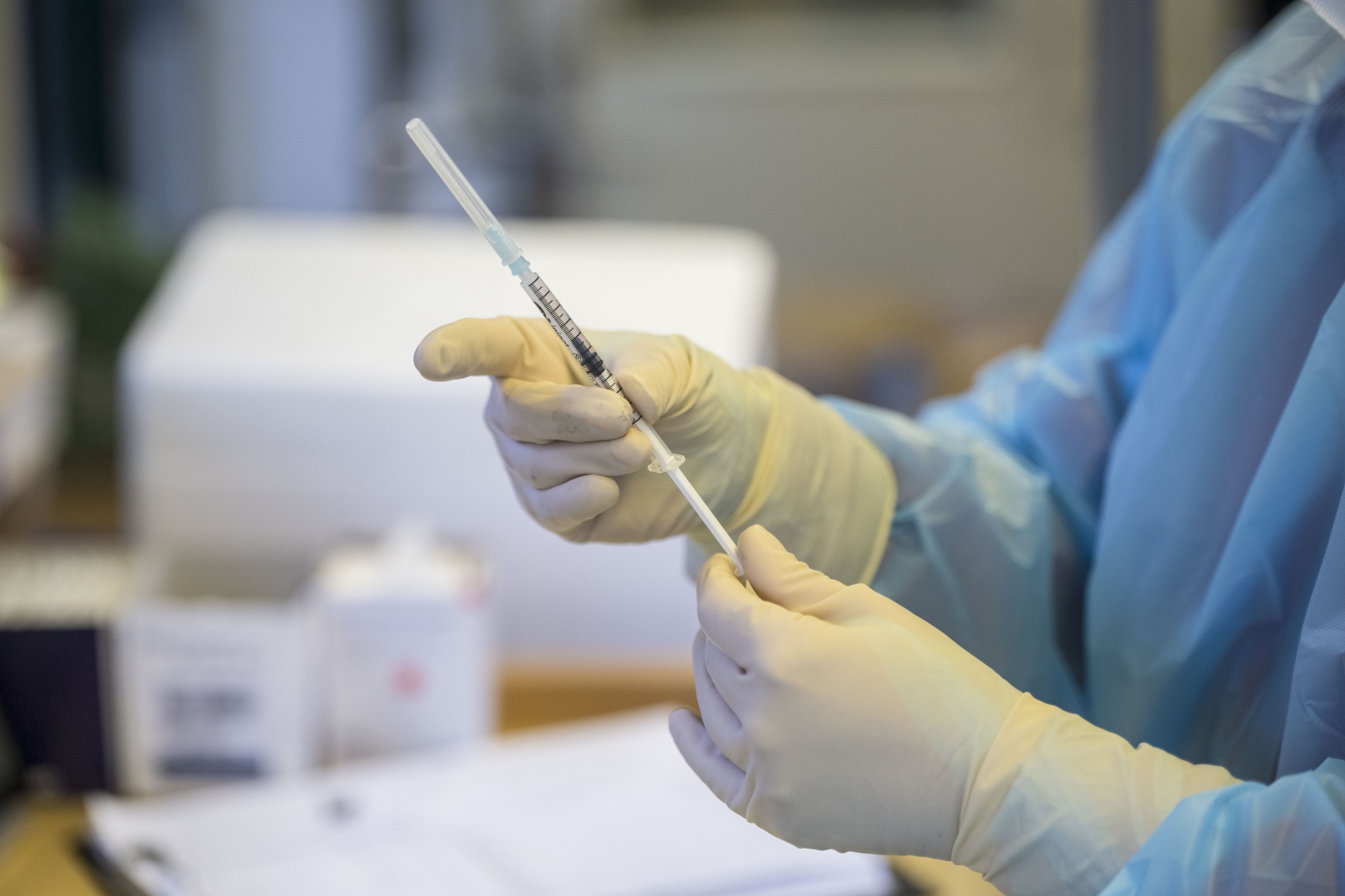
Building a successful cancer vaccine will be much more difficult. Moderna starts with a biopsy of a patient’s tumor, which it then sequences and uses artificial intelligence to pick out the mutations likely allowing the cancer to thrive. Then, mRNAs encoded for the most relevant cancer-driving proteins are packed inside a delivery system called a lipid nanoparticle, the same kind of delivery method used in Covid vaccines.

From tumor biopsy to first vaccine dose, the process can take between eight and 10 weeks, says Moderna Chief Medical Officer Paul Burton. Repeating this over and over for each patient enrolled in the clinical trial was a major undertaking, he adds.

Now imagine doing that for a commercial drug earmarked for thousands rather than for a few hundred people in a controlled study. There are nearly 100,000 cases of melanoma annually in the US, according to the American Cancer Society. While most cases are curable when detected early, more than 7,500 people die every year of the disease.

Bringing down the “needle-to-needle” time between biopsy and immunization will be critical to ensuring the treatment isn’t just promising, but practical and accessible to anyone who might benefit from it. One way to speed things up would be to establish regional hubs to quickly process biopsies.

Another measure that eventually could accelerate the development of the melanoma vaccine would be to simplify the vaccine’s components. Currently, the vaccine targets a laundry list of 34 mutated proteins to garner the full effect. It would be worth figuring out whether returns start to diminish after, say, 15 or 20 proteins.

Researchers also would like to understand whether certain types of tumors rely on common drivers that, if discovered, could be the foundation for a more broadly designed vaccine that could have some tailor-made components sprinkled in.

Burton says that Moderna so far hasn’t seen any common drivers that could help generalize components of the vaccine, but that data are limited — and the hope is that some clues might emerge as the vaccine is used over the long term and many more people are treated.

Scientists also still need to study the best way to use this vaccine for long-term suppression of cancer, considering, for example, whether people need to continue taking it every three weeks for life, or if they can get by with a periodic boost. And if someone’s disease progresses, does the vaccine itself need to be retooled to match new mutations that might have cropped up?

Perhaps the biggest question right now is whether the effect seen in melanoma can be extended to other types of cancer. Moderna Chief Executive Officer Stephane Bancel told CNBC recently that the company is moving aggressively into Phase 3 studies with the belief that “anywhere Keytruda works, this should work.”

Keytruda, meanwhile, is approved to treat a long list of cancers beyond melanoma—so many, in fact, that it’s expected to bring in more than $24 billion in sales in 2023. Bancel suggested that the vaccine might even make possible responses in tumors where Keytruda has failed, either on its own or by acting synergistically with Merck’s drug.

That’s an optimistic claim—worth studying, but a feat that has eluded other cancer immunotherapies. Melanoma is what’s known as a “hot” tumor, or one that features many mutations and has plenty of immune cells milling about, ready to be pushed into doing their cancer-killing job. It’s reasonable to be hopeful that Moderna’s vaccine could extend Keytruda’s benefits in other hot tumors, such as those found in lung cancer.

But “cold” tumors, or ones without that crowd of immune cells ready to be activated, are a much tougher proposition. In an earlier small study of the Moderna vaccine in solid tumors, for example, none of the patients with colon cancer — a notoriously “cold” tumor — responded, Bauman says.

Another immense challenge is the very high likely cost of a personalized therapy on top of Keytruda, which on its own carries a list price of around $185,000 per year. The only upside to that hefty price tag is that the companies will be motivated to answer these questions as quickly as possible. Indeed, Bancel has said that Moderna plans to aggressively invest in cancer.

All that money flowing into Moderna’s cancer vaccine will teach the field not just about that one product, but how to design, test and use other ones. Let’s hope that’s the catalyst for the true cancer vaccine revolution, one that could convert cancer from a potentially lethal illness into a chronic, stable disease.

Read  more at-https://bit.ly/3GuFwe8

Categories
COVID-19 Government Guidelines Medical Equipments Medical Updates Medicine & Health

What is POTS; experts on symptoms of post Covid condition that causes heart palpitations

Many post Covid patients who mistakenly believe their rapid heartbeat is due to anxiety could be suffering from POTS. Know all the symptoms of the disorder.

Do you experience dizzinessfatigue or rapid heart beat while getting up from the bed or a chair after prolonged sitting? You could be suffering from Postural orthostatic tachycardia syndrome (POTS), a condition that causes the heart to beat faster than usual. Our autonomic nervous system or the part of the nervous system that controls muscles of internal organs such as heart, blood vessels, lungs, stomach, and intestines is usually tasked with maintaining a healthy balance between heart rate and blood pressure to keep the blood flowing at a regular pace. In POTS, however, this function gets disrupted. Many post Covid patients who may mistakenly believe their rapid heartbeat is due to anxiety could be suffering from POTS.

WHAT IS POTS

“When you move from laying down or sitting to standing up, POTS, a disorder that causes your heart to beat more quickly than usual, can occur,” says Dr. Rajiv Dang, Senior Director and HOD – Internal Medicine and Medical Director, Max Hospital Gurugram.

What is POTS; experts on symptoms of post Covid condition that causes heart palpitations

SYMPTOMS OF POTS

– Dizziness or lightheadedness after prolonged standing or sitting

– Fainting

– heart palpitations

– fatigue or exhaustion

– Feeling anxious

– Excessive sweating

– Headache

– Shortness of breath

POTS symptoms can worsen on hot days, doing strenuous activities or during menstruation.

HOW POTS IS A LONG COVID MANIFESTATIOn

“We have what is basically one of the manifestations of long Covid syndrome, Postural Orthostatic Tachycardia Syndrome. People visit the doctor with mild palpitations and a lot of patients feel that it is anxiety but it may not be anxiety. It may be a symptom of the long Covid called POTS, the palpitations and so on, but it may remain for two months, six months or maybe more but it settles over a period of time. You may treat each patient differently according to their symptoms,” says Dr Vasant Nagvekar, co-director of infectious disease at Sir HN Reliance Foundation Hospital.

No matter what posture your body is in, your autonomic nervous system normally maintains a healthy balance between your heart rate and blood pressure to keep your blood flowing at a regular pace.

“If you have POTS, your body is unable to balance the reaction of your heart rate and blood vessel constriction (squeezing). This signifies that your body is unable to maintain a constant and stable blood pressure level,” says Dr Dang.

“There is no hard evidence of the connection between Covid and POTS but we have witnessed that post Covid patients come with this issue and it could be an effect of long Covid,” says Dr Nagvekar.

Read more at-https://bit.ly/3jybP2V

Categories
Medical Equipments Medical Updates Medicine & Health

Origins of serious illnesses in children: research

They discovered that mutated LCH cells had properties similar to both monocytes and dendritic cells, as well as a relatively newly discovered type of dendritic cell, the so-called dendritic cell type 3 (DC3).

Researchers from the Karolinska Institutet and the Karolinska University Hospital have pinpointed the causes of the severe cancer-like condition LCH. Science Immunology’s findings might inspire the development of fresh, specialised therapies.

The deadly cancer-like condition known as Langerhans’ Cell Histiocytosis (LCH) primarily affects youngsters and, in extreme circumstances, can be fatal. In Sweden, the illness affects five to ten kids annually, usually before the age of ten.

In the case of LCH, immune cells, which are normally tasked with identifying and destroying cancer cells, develop a malignant mutation.

Origins of serious illnesses in children: research

“The origin of the LCH cells has been discussed for decades. Some researchers are convinced that LCH is derived from a certain type of immune cell called dendritic cells, while others believe that they come from related cells called monocytes,” says Egle Kvedaraite, a doctor and researcher at the Department of Medical Biochemistry and Biophysics at Karolinska Institutet and first author of the new study.

The researchers from Karolinska Institutet together with scientists from Singapore Immunology Network and Newcastle University have now been able to show that both theories are close to the truth. The researchers combined so-called single-cell sequencing, the microscopy of samples and the tracking of cells from patients recruited from, among others, Karolinska University Hospital.

They discovered that mutated LCH cells had properties similar to both monocytes and dendritic cells, as well as a relatively newly discovered type of dendritic cell, the so-called dendritic cell type 3 (DC3).

“Today we know that DC3 has a separate pathway of development, separate from other dendritic cells and monocytes, and knowledge of this was crucial in our study,” says Egle Kvedaraite.

Researchers discovered that the different cell types could communicate with each other to promote the development of LCH and thereby create a self-reinforcing effect.

“Among the treatment options for LCH, targeted therapy can be successfully applied, but the disease comes back when the targeted treatment is discontinued. This poses a serious challenge for patients, as a lifelong treatment for children is not a good option given the side effects,” says Egle Kvedaraite.

This new understanding of the origin of this type of cancer has the potential to contribute to the development of new targeted treatments.

“The findings could lead to a treatment aimed at eliminating the pathological cells,” says Egle Kvedaraite.

Read more at-https://bit.ly/3v219fs

Categories
Medical Equipments Medical Updates Medicine & Health

Best prebiotic foods you must include in your diet

Prebiotics help the healthy bacteria to grow and aid in better gut health. Here are best prebiotics that you must consume every day.

There is a vast community of over 100 trillion microbes in our gut that regulates many important functions in our body from digestion, metabolism, nutrition to immunity. If there are more unhealthy microbes as compared to healthy ones in our intestine, it may lead to weight gain, high blood sugar, high cholesterol and other disorders. It is important to restore this imbalance by ensuring your body has gut-friendly bacteria. Prebiotics are special plant fibres that promote growth of such bacteria and this aids in making the digestive better. Prebiotics are basically a source of nutrition for your gut’s healthy bacteria. They cannot be digested by the body and go to your lower digestive tract, where they help the healthy bacteria to grow and help your gut to become healthy. Apples, berries, barley, banana, garlic, green vegetables, legumes, onions and tomatoes are all examples of prebiotics.

“Prebiotics are a form of dietary fibre that feed the “friendly” bacteria in your gut. These healthy fibres include inulin, fructooligosaccharides, galactooligosaccharides, beta glucans, pectins, and resistant starches,” nutritionist Lovneet Batra wrote in her recent Instagram post.

Here are the best prebiotic foods suggested by Batra that you can add to your diet:

Best prebiotic foods you must include in your diet


GARLIC

Garlic acts as a prebiotic by promoting the growth of beneficial Bifidobacteria in the gut. It also helps prevent disease-promoting bacteria from growing

ONION

Onions are a versatile vegetable that is rich in inulin and FOS. FOS strengthens gut flora, helps with fat breakdown, and boosts your immune system by increasing nitric oxide production in cells

FLAXSEEDS

The fibre content of flaxseeds is from mucilage gum, cellulose and lignin. It promotes healthy gut bacteria and reduces the amount of dietary fat that you digest and absorb.

BANANA

Bananas are another low-fructose fruit that are fibre-rich and contain inulin, a substance that stimulates the growth of good bacteria in the gut.

BARLEY

Barley is a popular cereal that is high in Beta-glucan, a prebiotic fibre that promotes the growth of friendly bacteria in your digestive tract. The beta-glucan in barley has also been shown to lower total and LDL (bad) cholesterol and reduce the risk of cardiovascular disease.

Read more at-https://bit.ly/3jftLyY

Categories
Government Guidelines Medical Equipments Medical Updates Medicine & Health

Zika Virus: Prevention tips from experts

Zika Virus: From using condoms for sexual intercourse to avoiding travel to areas with ongoing Zika transmission, here are a few prevention measures that should be taken.

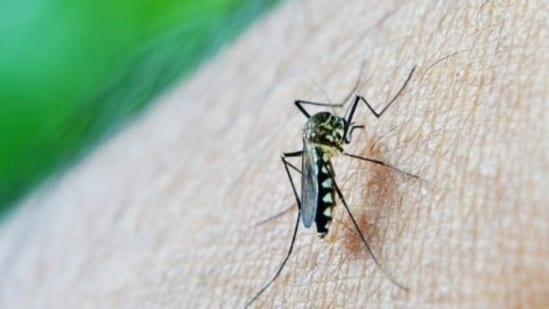
Zika Virus: A five-year-old girl from Karnataka has tested positive for Zika virus, marking the first case of the virus in the state. Zika virus, a mosquito-borne virus, usually transmitted by Aedes mosquitoes, causes the illness known as Zika (ZEE ka). Dr. Sanjay Gupta, senior consultant, internal medicine, Paras Hospital spoke of the ways that the virus can spread to HT Lifestyle – “By having unprotected sex with an infected individual or by being bitten by an infected Aedes mosquito, a person might contract the disease. Babies’ birth abnormalities have been demonstrated to be associated with infections during pregnancy. It can be challenging to pinpoint precise regions where the Zika Virus is spreading, and those locations may vary over time.”

Dr Neha Rastogi Panda, Consultant Infectious Diseases, Fortis Memorial Research Institute, Gurugram further added the prevention tips that we should take in order to avoid contracting the virus:

Zika Virus: Prevention tips from experts

Vector or mosquito-based precautions – Avoid stagnant water collection, cleaning pots and coolers. Using EPA approved mosquito repellent (DEET) is preferred. Larvicidal measures such as permethrin is desirable. Prefer full clothing and light wear clothes while going out and for kids.

Sexual prevention: Use of condoms for safe sex and sexual abstinence for 2 -3 months for both women and men if suspected or while travelling to area of ongoing Zika transmission. It is recommended if there is an accidental exposure, to consider emergency contraception measures at an earliest.

For traveling: Avoiding travel to areas with ongoing Zika transmission via travel health and vaccine clinic and expertise is recommended. Even in case of traveling, active screening of infection and using full blown preventive measures should be taken.

Dr Sanjay Gupta further added prevention tips for pregnant women – “Avoid going to any places where the Zika virus is present. If you must visit these locations, see your doctor first and firmly adhere to the recommended mosquito-bite prevention measures. -When using condoms with male partners who have visited these regions, always use them correctly.” For babies, he recommended, that bug repellent should not be used on them. Instead, child carrier or car seat should be enclosed in a mosquito net.

Read more at-https://bit.ly/3FrMjUf

Categories
Medical Equipments Medical Updates Medicine & Health

Nutritional recommendations for type 1 diabetes in children

Parents need to learn to manage the food intake of the child with type 1 diabetes while keeping their condition in mind without making the kid feel restricted with food choices and train her/him for the same. Here are nutritional recommendations by experts for managing type 1 diabetes in children.

Type one Diabetes Mellitus is an autoimmune condition characterized by insulin deficiency and hyperglycemia in people with underlying genetic susceptibility. The diagnosis is established based on the tests, fasting blood glucose (FBS), oral glucose tolerance test (OGTT), glycated hemoglobin (HbA1c) or random plasma glucose (along with characteristic signs and symptoms of hyperglycemia), using standards recommended by American Diabetes Association.

Nutritional recommendations for type 1 diabetes in children

As per the ICMR (Indian Council Of Medical Research), there are certain guidelines laid down for the management of nutrition in Type I DM as nutrition and lifestyle management play a vital role. The diagnosis of yype 1 diabetes in a child can be harsh to take as the child becomes dependent on the external supply of insulin through injections or insulin pipes as the body no longer produces insulin, an essential hormone.

The parents need to learn to manage the food intake of the child while keeping the condition in mind without making the child feel restricted with food choices and train the child for the same. In an interview with HT Lifestyle, Moumita Routh, Dietician at Apollo Cradle and Children’s Hospital in Bangalore’s Koramangala, advised, “One of the important choices that need to be made is with regard to the diet of the child. The nutrients are essential for healthy growth. Carbohydrates are essential to the supply of energy. The monitored consumption of complex carbs like vegetables and whole grain is the best replacement for simple carb like those found in white bread that spikes up the sugar level.”

She cautioned, “Children should also be kept away from food that contains saturated fat, trans fat, and cholesterol along with high amounts of salt to keep children safe from heart risks and high blood pressure, both of which are the risk factors of Type 1 diabetes in children. Avoid sugary drinks and treats, however on special occasions balance the consumption throughout the day.”

Bringing her expertise to the same, Sharanya Shastry, Sports and Clinical Nutritionist, suggested a few recommendations for managing type 1 diabetes in children –

1- Complex carbohydrates to be included:

Generally, carbs are thrown out of the diet but in the case of pediatrics and adolescents, it is going to hamper their growth. Hence including complex carbs like millet (locally grown – Foxtail millet, jowar, adlay seed extract, whole wheat bread with hummus as a spreading) is beneficial but yes, you don’t have to rule out carbs totally from the diet.

2- Including good quality protein

In children especially, protein of good quality and bioavailability is extremely important for growth and repair. They are made of amino acids and act as building blocks for the body and they also prevent sugar spikes. Including boiled eggs with breakfast (especially boiled egg whites daily), including lean cuts of meat (chicken breast – specifically in the form of a stew or a soup or boiled, fish – steamed or in the form of a fish cutlet) can show better results biochemically and psychologically. Meat fried, canned, or stored for a longer duration is generally avoided since they contain trans fat.

Other vegetarian sources are –

  • Horse gram soup
  • Oat–chia smoothie using low-fat milk with pea protein powder isolate (unflavored)
  • Soya (fermented, called MISO) or
  • Hand pound rice with vegetable dal – for any one meal or Multigrain bread stuffed with bell peppers, cucumbers, and hummus as a spreading
  • Oats- green gram chila are some of the delicious options

3- Including good fats

For growing children, controlling their food choices are extremely challenging. Hence including omega 3 and omega 6 fatty acids in the form of sesame, walnuts, flaxseeds, and sunflower seeds in the forms of laddus, smoothies/shakes. Home-made ghee when consumed within the limit (1tsp/day) prevents spikes and keeps the person full. Therefore than consuming artificial butter/readymade cheese it is advisable to give your kids a tsp of homemade ghee to make the meal more nutritious and tastier. Anything fermented (homemade batter for idli/dosa), miso, and kombucha are better alternatives.

4- Fiber

It is important to include an adequate amount of fiber in the diet but when it comes to kids, this might give rise to constipation or bloating, or acidity if there’s not much physical activity. Hence including the right mix of insoluble and soluble fiber is essential. Example – whole wheat ajwain-peas parents with home-set curd and boiled channa/chole or kidney beans – corn-bell pepper-zucchini salad or a vegetable roll or an oat pancake with some tangy vegetable sauce are exciting options in a way through which you can push in fiber in the meal.

5 – Sweeteners

Sweeteners are much more sweeter than sugar and when not consumed in adequate quantity, they can cause hyperglycemia and it can get very addictive.

Therefore, reading the food labels and their nutritional value is very essential whenever you are buying any such ready-to-eat products. It is also quintessential to note that diets that motivate you to starve or deprive yourself of calories or put you on any salads or soups are not sustainable.

Read more at-https://bit.ly/3VUFbGX

Categories
Government Guidelines Medical Equipments Medical Updates Medicine & Health Techniques

How oxytocin drives connections of newly integrated adult-born neurons: Research

To better understand brain plasticity, a team of researchers at Baylor College of Medicine and Texas Children’ Hospital used mouse models to investigate how brain cells build connections with new neurons born in adult brains.

The brain’s capacity to change itself by reorganising preexisting neural networks and establishing new ones to gain new functional qualities enables learning new skills, mastering a musical instrument, and adapting to the environment’s constant change. Additionally, this aids in the stability, strength, and health of neuronal circuits.

To better understand brain plasticity, a team of researchers at Baylor College of Medicine and Texas Children’ Hospital used mouse models to investigate how brain cells build connections with new neurons born in adult brains. Their findings, published in the journal Genes & Development, not only expand our understanding of brain plasticity but also open new possibilities for treating certain neurodevelopmental disorders and repairing injured circuits in the future.

How oxytocin drives connections of newly integrated adult-born neurons: Research

“In this study, we wanted to identify new molecules that help new neurons build connections in the brain,” said corresponding author Dr. Benjamin R. Arenkiel, professor of molecular and human genetics and neuroscience at Baylor and the Duncan Neurological Research Institute at Texas Children’s. “We worked with the olfactory bulb, the part of the brain that is involved in the sense of smell. In mice, the olfactory bulb is a highly plastic sensory area and has a remarkable capacity to maintain plasticity into adulthood via continuous integration of adult-born neurons. We discovered that oxytocin, a peptide, or short protein, produced in the brain, drives events that contribute to neural circuit plasticity.”

The researchers discovered that the levels of oxytocin increase in the olfactory bulb, peaking at the time the new neurons incorporate themselves into neural networks. Using viral labeling, confocal microscopy and cell-type specific RNA sequencing, the team discovered that oxytocin triggers a signaling pathway – a series of molecular events inside cells – that promotes the maturation of synapses, that is, the connections of newly integrated adult-born neurons. When the researchers eliminated the oxytocin receptor, the cells had underdeveloped synapses and impaired function.

“Importantly, we found that synapse maturation occurs by regulating the morphological development of cells and the expression of a number of structural proteins,” said Arenkiel, a MacNair Scholar at Baylor.

“The most exciting aspect of this study is that our findings suggest that oxytocin drives development and synaptic integration of new neurons within the adult brain, directly contributing to adaptability and circuit plasticity,” said first author Brandon T. Pekarek, a graduate student – research assistant in the Arenkiel lab.

The findings, which are relevant to all mammals, including humans, open new possibilities to improve neurological conditions. “Oxytocin is normally present in our brain, so if we understand how to turn it on or off or mobilize it, we can help keep our circuit connections healthy by promoting the growth of underdeveloped connections or strengthening new ones,” Arenkiel said. “Our findings also suggest that oxytocin could promote the growth of new neurons to repair damaged tissue. Further studies are needed to explore these possibilities.”

Read more at-https://bit.ly/3hfj8vC

Categories
COVID-19 Government Guidelines Medical Equipments Medical Updates Medicine & Health

Ayurveda expert on herbs to help keep flu, RSV and Omicron at bay

A strong immune system protects one from disease-causing agents and lowers chances of experiencing severe symptoms in case of any infections, says Dr Archana Sukumaran.

Winter is the season of piping hot tea and coffee, staying curled up in your blankets and also of cold, cough and fever that threaten to ruin the joy associated with the cold months. A good immunity can help you be at the top of your health and cut risk of getting infected with seasonal flu, RSV and new strains of Covid and Omicron. The symptoms of all these viral and respiratory infections are similar and most of the people are reporting fever, cough, cold, runny nose, sore throat, headaches and sneezing. In fact, flu, RSV and Covid are together raising hospitalisation cases especially in children in US and other parts of the world.

Ayurveda recommends different herbs, foods and other tips depending on the Ritucharya to cope with seasonal changes. According to the ancient medicinal practice, winter season is divided into two spans based on the intensity of the cold. The first half is called Hemanta, with comparatively milder chill, while the other half, with a more chill, is known as Sisira.

Ayurveda expert on herbs to help keep flu, RSV and Omicron at bay

“As we all know, winters are more or less lethargic. This feeling tends to escalate the dosha in the body with this same lethargy, the Kapha. Winters are generally believed to be the Kapha season. When it is stabilised, it brings strength to the body, while on its countermand, it causes all the winter blues in the form of cold, flu, muscle stiffness, etc,” says Dr Archana Sukumaran of Kerala Ayurveda.

“Some authors also believe that Vata dosha is also on the verge of rising due to increased coldness and dryness in the atmosphere. According to Ayurveda, the winters are also the season that gives the most strength to the body,” adds Dr Archana.

Herbs and remedies to boost your immunity

Dr Archana says the endurance of the body changes as the conditions change and a strong immune system protects one from disease-causing agents and lowers chances of experiencing severe symptoms in case of any infections.

“Each season requires a distinct regimen and food to deal with the outside environment and temperature,” says the Ayurveda experts.

She also suggests a few herbs that can be effectively incorporated into your diet to boost your immunity.

● Shundi (Zingiber officinale): The constant companion of all delicious Indian meals, dry ginger is the best herb that can impart immunity. It has abundant potential to normalize the digestive fire and reduce the accumulation of Ama, the product of improper digestion, the key factor for forming flu-like symptoms. This Gastrointestinal stimulant has an expressive immunomodulatory property that helps to impart tissue-level protection.

How to include in your diet

Dry ginger can be most effectively incorporated into your diet as an infusion to teas, mild sugar, dry ginger candy, or even a pinch to enhance the taste of your salads. Tuss nil syrup is enriched with Shundi, which can help keep a dry cough away.

● Amla (Emblica Officinalis): The sour goodness of Indian gooseberry is well acclaimed throughout the world. This tiny fruit is filled with innumerable health benefits.

How to include in your diet

Simply munching on this sour punch, pickling it, or even having a glass of gooseberry juice can tremendously help you gain Vitamin C. You can also try Amla effervescent tablets or Chyavanprash to improve your strength, immunity, and longevity. Although there are plenty of companies manufacturing chyavanprash, for best results, go for the original formula that uses a wild variety of amlas rich in tannin instead of the large hybrid ones.

● Tulsi (Ocimum sanctum): The aromatic goodness of Indian basil is not only a compulsory component of religious rituals but a vital factor available in our homes that can enhance immunity responses to its optimum. Although it mildly increases pitta content, it normalises the function of both Vata and Kapha entities. It has antimicrobial action that helps to protect the body, particularly the respiratory system, against pathogenic interventions.

How to take

Inhaling the steam of tulsi-infused water is an ideal method to relieve respiratory congestion.

● Haridra (Curcuma longa): The compulsory ingredient of every Indian home, turmeric is a must-have herb to boost immunity. It has Usha Virya (Hot potency) with Krimighna (Antimicrobial) action. It is a natural detoxifying agent that helps to improve immunity. It relieves depression, anxiety, and other cognitive malfunctions and improves mental health.

How to add it to your diet

Consuming the revolutionary Golden milk is the best yet most simple you can adopt daily to impart the wellness of Haridra in your lives. You can also try turmeric effervescent tablets to improve your immunity.

● Black pepper/Long pepper: Pepper is one of the best herbs to balance Kapha because of its hot potency.

How to add it to your diet

You can include pepper in your diet or in delicious recipes such as soups or Rasam to keep cold at bay. Agasthyarasayanam, an original formula with long pepper as one of the ingredients, helps keep cold and cough at bay while acting as a lung detox.

Other Ayurveda recipes for Flu season

Doing nasya with Anu thailam, a unique blend of 30 balancing ingredients such as leptadenia or jivanti, liquorice or yashtimadhu, fragrant swamp mallow or hrivera & Indian bael or Bilva, and other herbs processed in goat’s milk and sesame oil helps in clearing the accumulated doshas from the nasal passage and helps you breathe better.

– Similarly, another popular Ayurvedic remedy- Karpooradi Thailam- a warming chest rub oil, soothes down and clears congestion in winter. Suitable even for kids, simply rub the oil over your chest and steam inhalation to enjoy uninterrupted breathing.

“Along with these, the proper dietary habits and the right regimen according to seasonal change is necessary to tune the body with the music of nature,” says Dr Archana.

Read more at-https://bit.ly/3W0TGJ5

Categories
Government Guidelines Medical Equipments Medical Updates Medicine & Health Techniques

Budget 2023: NATHEALTH seeks rationalisation of GST for healthcare sector

Synopsis

​​In its submission to the finance ministry on Wednesday , the industry body said that the healthcare sector has not been able to derive the benefits of the GST transition in comparison to other sectors. In fact, the embedded taxes in the sector have increased in the post-GST regime compared to pre-GST period, it noted.

Healthcare industry body NATHEALTH has sought rationalisation of GST and enhanced insurance coverage especially in smaller cities and towns from the upcoming Budget.

n its submission to the finance ministry on Wednesday , the industry body said that the healthcare sector has not been able to derive the benefits of the GST transition in comparison to other sectors.

In fact, the embedded taxes in the sector have increased in the post-GST regime compared to pre-GST period, it noted.

Budget 2023: NATHEALTH seeks rationalisation of GST for healthcare sector

The industry body has recommended imposition of 5 per cent merit rate on the output healthcare services for all healthcare establishments (both private and government) with the option to claim full input tax credits.
Levying 5 per cent GST rate on output services for all private hospitals and an optional dual rate structure for government healthcare establishments could be an alternative, it added.

Presently GST is exempt on the healthcare services. NATHEALTH recommends imposition of 5 merit rate on these services as this would allow healthcare service providers to claim input tax credit, thereby lowering their embedded taxes burden.

NATHEALTH also sought clearance of working capital arrears both for providers and procurement organisations.

“It is imperative to build infrastructural capabilities so that people have greater access to quality and critical healthcare services. Viability gap funding by the government is essential to set up hospitals in tier-1 and tier-2 cities, encouraging increased investment in the healthcare infrastructure,” NATHEALTH President Shravan Subramanyam said.

Uniform adoption of Ayushman Bharat Digital Mission is another imperative which calls for clearly defined delivery models for innovative modules developed by private players, he added.

“If all payment backlogs both for providers and suppliers under insurance and public procurement are cleared, it would significantly improve the availability of healthcare infrastructure,” Subramanyam said.
It also sought an increase in budgetary allocation for the health sector.

Read more at-https://bit.ly/3hcmL5C