Categories
COVID-19 Government Guidelines Medical Updates Medicine & Health

India reports 109 new covid cases

Covid cases are declining across the country with daily and weekly positivity recorded at 0.08%.

India has reported 109 new covid cases in the last 24 hours, with active cases declining to 1,781, the union health ministry data on Thursday showed. ‘

The total number of covid cases has reached 4.47 crore, and covid related deaths stood at 530,748 since the onset of covid pandemic.

Covid cases are declining across the country with daily and weekly positivity recorded at 0.08%.

Karnataka reported 108 active cases while Kerala has 1218 active cases. Maharashtra has 83 active cases, Odisha 88 cases, Rajasthan 10 cases, Tamil Nadu 36 active cases, Uttar Pradesh 16 and West Bengal 43 cases.

Around 4,41,51,219 people have recovered from the infection with the current recovery rate touching 98.81%.

With the rapid decline in the trajectory of covid cases, scientists believe that Omicron and its sub-lineages will not affect India as large number of populations is already exposed to the virus and vaccinated. Scientists say that people in India have developed hybrid immunity (due to vaccination and natural infection). However, they suggest people wear masks in crowded places and complete their vaccination doses if not done yet.

India reports 109 new covid cases

At present, large number of cases are being reported in China and other countries as a result of which the government has tightened covid preparedness measures. The government has directed the INSACOG under the supervision of Department of Biotechnology (DBT) to keep a close watch on covid situation in the country and continue to do constant genome sequencing to track any new variant.

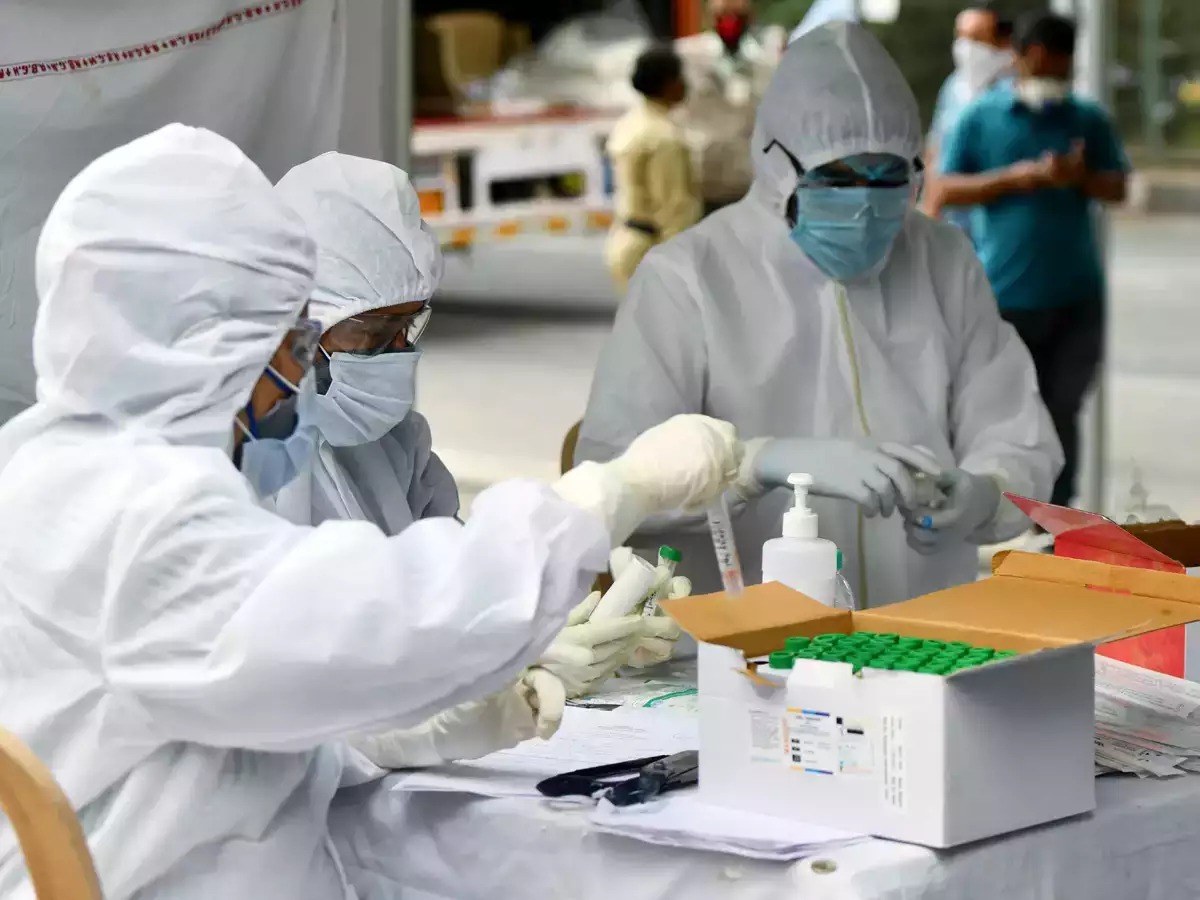
The government is conducting RT-PCR testing for people returning from China, Hong Kong, Japan, Singapore, Thailand, and South Korea and mandated the filling up of ‘Air Suvidha’ forms for travelers from six countries under which 72-hour prior RT-PCR testing is compulsory.

The country has conducted over 1,41,248 tests in the last 24 hours taking the total trajectory of covid testing to 91.67 crore so far.

Under the covid vaccination drive, more than 220.61 crore vaccine doses have been administered to the people across the country so far. In the last 24 hours, around 1,13,507 vaccine doses were administered.

Besides, surveillance at the hospital level is also going on to monitor lnfluenza-like illness (lLl) & SARI cases.

Read more at-https://bit.ly/3loHftC

Categories
Medical Updates Medicine & Health

Why we should not reuse plastic water bottles

While there is not yet any clear evidence between microplastics and serious illnesses, researchers are increasingly concerned over their long-term effects on our bodies.

Taking a swig from your plastic water bottle will do more than slake your thirst — you will also be gulping down an unhealthy dose of microplastics — tiny plastic particles measuring less than 5mm. Being plastic, these particles do not decompose all that easily and will accumulate over time in our bodies — a process called bioaccumulation.

While there is not yet any clear evidence between microplastics and serious illnesses, researchers are increasingly concerned over their long-term effects on our bodies.

Key to this concern are the chemicals used in the manufacture of plastics, some of which have already been linked to serious diseases.

The presence of microplastics in human stool suggests we are exposed to microplastics in our daily lives.

They have found their way into the food chain, raising concerns about food safety.

They are also present in bottled water globally.

Why we should not reuse plastic water bottles

Studies investigating microplastics in bottled water have reported particle sizes of less than 1mm in most, released from the bottle material, the bottleneck and the cap.

The colour of the particles coming from the bottle material itself is transparent while those originating from the caps are either blue or green.

The highest detected plastics polymer is polyethylene terephthalate (PET) which is used to manufacture both the bottle material and cap.

Studies also provide evidence that microplastic in bottled water is due to multiple factors such as physical stress during transport, bottle shaking and high-pressure water injection into the bottles at the production plants.

Additionally, thermal impact during storage also worsens the fragmentation process.

Reusable PET water bottles have higher microplastic particles than single-use PET bottles.

Frequent opening and closing of the bottles also cause more particles to be formed due to friction.

The critical question remains unanswered: to what extent do microplastic particles found in bottled water threaten human health?

Researchers have developed a number of hypotheses on both the physical and chemical hazards.

No published study has directly studied the impact of plastic particles on humans.

The only existing research relies on laboratory tests that expose cells or human tissues to microplastics or those that employ rodents.

According to the World Health Organisation, only microplastics with particle sizes smaller than 1.5 μm (1.5 micrometres) can be ingested or absorbed due to their solubility and excreted directly.

Thus ingested microplastic particles (<1.5 μm) from bottled water are capable of migrating through the intestinal wall and reaching various body tissues, including the gut, liver and lymph nodes.

Minute particles (<1.5 μm) which enter cells or tissues might irritate just by being a foreign presence causing lung tissue inflammation which could lead to cancer.

The accumulation of these particles in human tissues has been linked with chemical toxicity.

Compounds such as plasticisers, stabilisers and pigments used in the production can be released by microplastics and travel through our bodies in the bloodstream.

These chemicals have been linked to health problems such as inflammation, genotoxicity, oxidative stress and damage to the gastrointestinal tract.

Chemicals released from bottled water packaging materials are now known as emerging pollutants and endocrine-disrupting chemicals (EDCs) that can cause serious health problems including cancer and developmental defects.

The long-term effects of microplastics exposure on human health are not yet fully understood and research is progressing.

But it is clear they are a potential hazard and steps should be taken to limit our exposure to them in daily life.

In the event you use bottled water as your primary source of drinking water, you should make an effort to minimise the shaking movements of the bottles and also unnecessarily opening and closing the bottle.

And it is not recommended to reuse plastic water bottles.

Reuse increases the rate of inner surface abrasion, releasing additional microplastic particles from the inner surface of the bottle.

It is also essential to store bottles in a cool and dry place to minimise their exposure to heat and sunlight. Sunlight can accelerate bottle degradation — they become more brittle and fragile — which leads to more microplastic particle release.

Additionally, the heat also causes these PET bottles to leach chemical pollutants such as plasticisers which can contaminate the water.

These chemicals, such as phthalates and bisphenol A (BPA) are harmful to human health if consumed in large amounts.

Read more at-https://bit.ly/3I9mifc

Categories
COVID-19 Government Guidelines Medical Updates Medicine & Health

Common diseases and how to prevent them with the help of supplements

Multivitamins and minerals, probiotics and prebiotics and other botanical compounds and herbs can help in achieving a balanced intake of essential nutrients. Here’s how these supplements can help ward off common diseases and maintain a healthy lifestyle.

Insufficiencies in nutrition and nutritional deficiencies are universal issues that have a deleterious impact on health and well-being however, a variety of ailments that are now ubiquitous can be prevented by taking supplements as they are a great way to ensure that your body is getting the nutrients it needs to improve your diet and fend off common diseases. Incorporating a well-balanced diet along with the use of supplements are preventative measures that can lower your risk of developing various health problems.

Therefore, multivitamins and minerals, probiotics and prebiotics, and other botanical compounds and herbs can help in achieving a balanced intake of essential nutrients. Let’s discuss how these supplements can help ward off common diseases and maintain a healthy lifestyle.

Probiotics and prebiotics (microbes) for digestive health

Probiotics (microbes) are widely consumed dietary supplements for the purpose of promoting healthy digestion and improving the balance of good and bad bacteria in the gut. Good bacteria have the ability to reduce symptoms of irritable bowel syndrome and maintain a healthy digestive system.

One can include prebiotics in their diet to curb digestive issues, as probiotics and prebiotics provide the good bacteria with food that helps them grow and thrive in the gut.

Multivitamins and minerals for malabsorption

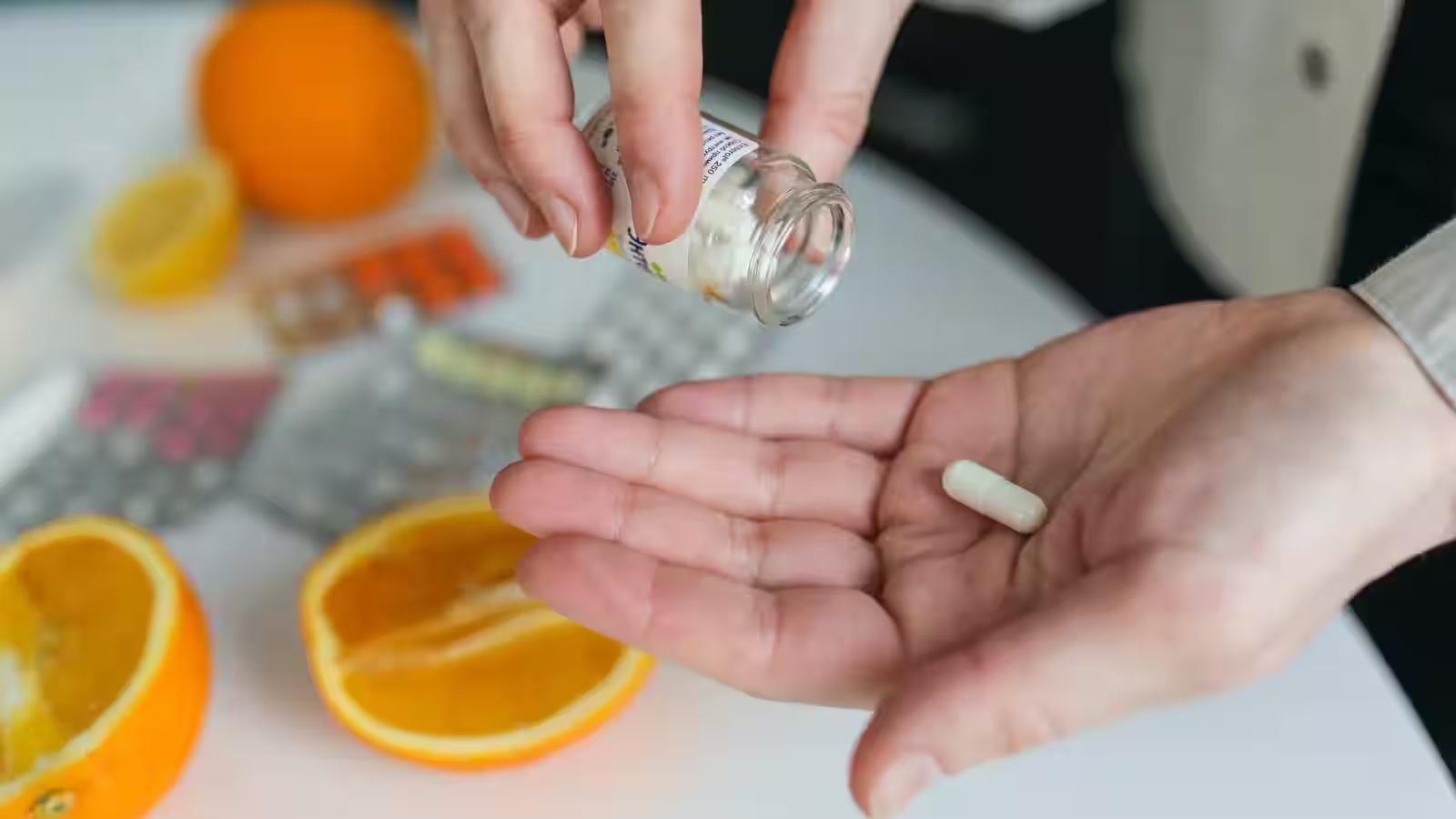
In addition to probiotics and prebiotics, multivitamins and mineral supplements are extensively beneficial, as the body needs certain vitamins and minerals to function properly. For those with malabsorption or difficulty absorbing nutrients, multivitamins provide an excellent way to ensure one is receiving the essential nutrients needed.

In this regard, salient multivitamins and minerals like vitamins A, C, D, E, K, B-complex and folic acid, along with other vitamins and minerals (including beta-carotene, copper, potassium, zinc, calcium, iodine and iron), are beneficial, as they help support healthy organ functioning, provide energy and regulate the immune system. Therefore, for those with malabsorption, taking a multivitamin supplement can help ensure that they are receiving the necessary nutrients and vitamins to maintain good health.

In an interview with HT Lifestyle, Dr Yogini Patil, BAMS and Nutritionist at LivLong, shared, “People who suffer greatly from malabsorption can benefit from adding supplements to their diets. If we talk in brief about why malabsorption occurs, it is caused by digestive issues such as colitis, gastritis, IBS, and IBD, among others. Therefore, adding supplements for those who suffer from malabsorption can be beneficial, as they provide essential nutrients to the body without any further burden on the digestive system.”

She added, “Supplements containing herbs and botanical compounds have anti-inflammatory and antioxidant properties that can boost the immune system and protect it against infectious agents. Ultimately, people can greatly benefit from dietary supplements, which are an excellent way to avoid nutrient deficiencies and support the immune system while ensuring that the digestive system is not overburdened.”

Common diseases and how to prevent them with the help of supplements

Botanical compounds and herbs for immunity

Combining a multivitamin supplement with botanical compounds and herbs is a great way to support the body’s immune system. One can incorporate herbs and botanical compounds like echinacea, ginger, caffeine, and curcumin to reduce inflammation and facilitate the body’s immune system.

To elaborate on specific botanical herbs and compounds, echinacea can be used to boost the immune system, ginger can help reduce inflammation, caffeine has antioxidant and energy-boosting properties and curcumin is a powerful anti-inflammatory agent. Kamayani Naresh, Health Expert and Founder of Zyropathy, revealed, “With a hectic lifestyle and sedentary habits, it becomes burdensome to meet nutrient requirements thus, supplements are an excellent way to avoid deficiencies and support the immune system.”

Believing that it is crucial to incorporate supplements into our diet regimen as sometimes we are unable to reap proper nutrients from our food, he said, “While it is mandatory to focus on eating whole foods and maintaining a balanced diet, supplements can be an integral player in improving our overall health routine. In the end, supplements are a great way to prevent nutrient deficiencies, support the immune system and keep the digestive system from becoming overworked.”

Read more at-https://bit.ly/3DNZoHo

Categories
Government Guidelines Medical Equipments Medical Updates Medicine & Health

Merck covid drug linked to new virus mutations, study says

Some researchers worry the drug may create more contagious or health-threatening variations of Covid, which has killed more than 6.8 million people globally over the past three years.

Merck & Co.’s Covid-19 pill is giving rise to new mutations of the virus in some patients, according to a study that underscores the risk of trying to intentionally alter the pathogen’s genetic code.

Some researchers worry the drug may create more contagious or health-threatening variations of Covid, which has killed more than 6.8 million people globally over the past three years.

Mutations linked to the use of Merck’s pill, Lagevrio, have been identified in viral samples taken from dozens of patients, according to a preprint study from researchers in the US and at the Francis Crick Institute, Imperial College London and other UK institutions.

The drug-linked mutations of the virus haven’t been shown to be more immune-evasive or lethal yet, according to the study published Friday without peer review on the medRxiv website. But their very existence highlights what some scientists say are potential risks in wider use of the drug, which was recently cleared in China.

Lagevrio works by creating mutations in the Covid genome that prevent the virus from replicating in the body, reducing the chances it will cause severe illness. Some scientists had warned before it was authorized in late 2021 that by virtue of how it works, the drug could give rise to mutations that could turn out to be problematic. The preprint paper has reawakened those worries about the Merck drug.

“There’s always been this underlying concern that it could contribute to a problem generating new variants,” said Jonathan Li, a virologist at Harvard Medical School and Brigham and Women’s Hospital in Boston. “This has largely been hypothetical, but this preprint validates a lot of those concerns.”

Merck covid drug linked to new virus mutations, study says

Merck Response

Merck disputes the view that its drug is causing problematic variants.

“There is no evidence to indicate that any antiviral agent has contributed to the emergence of circulating variants,” Merck spokesman Robert Josephson said in an email in response to questions about the study. “Based on available data we do not believe that Lagevrio (molnupiravir) is likely to contribute to the development of new meaningful coronavirus variants.”

He said new mutations have emerged over the course of the pandemic due to the virus spreading uncontrollably and Lagevrio can form an important part of the solution, he said. Merck pointed to research done in animals that showed its drug didn’t cause mutations.

The study authors assume the mutations were associated with molnupiravir treatment, but don’t have direct proof that the mutations arose in patients who took their drug, Josephson said in a follow-up email. Instead, the researchers drew their conclusions from “circumstantial associations between viral sequence origin and timeframe of sequence collection in countries where molnupiravir is available,” Josephson said

Merck fell as much as 1.2% in New York Wednesday, recovering some losses to close down 0.4%.

The US Food and Drug Administration, which authorized Lagevrio in late 2021, said it doesn’t comment on third-party research and works with Covid drugmakers to assess their products’ activity against variants.

Preprint

Major scientific journals don’t publish studies until the completion of a “peer review” process in which the research is scrutinized by outside experts. During the pandemic, scientists increasingly started publishing their research on what are known as “preprint servers” prior to exhaustive reviews, in attempt to advance the science more quickly and share urgent findings.

Researchers found Lagevrio-induced mutations in small patient clusters, indicating the new versions were spreading among them. While the biggest group they found with similar mutations was 21 people, that may not fully represent the true scope of the problem as viral samples of many patients aren’t analyzed, according to Ryan Hisner, an independent researcher from Indiana who helped write the paper.

The researchers looked at some 13 million viral genomes in databases around the world. The drug-linked mutations were proportionally more common in countries and groups where Lagevrio was likely to be used, especially the US and Australia, where it was introduced early. The signature mutations are less frequent in Canada, France, and other countries where the drug isn’t used.

“These effects are visible in these databases,” said Theo Sanderson, a Crick Institute geneticist who led the study. “It appears that people are being treated, some of them aren’t clearing their infections, and some are passing them on.”

The risk of drug-linked mutations is too great to continue using Merck’s drug, Hisner said. The US should explore authorizing drugs used in other countries to control Covid, like Xocova from Japan-based Shionogi & Co., and discontinue use of Lagevrio, said Michael Lin, a Stanford University antiviral drug researcher who said he consulted with the authors but wasn’t involved in the study. China cleared Lagevrio late last year and Shionogi said it’s in the final stages of discussions with the country’s regulators over its Covid drug.

It’s a very distressing situation,” said Lin. “There’s no evidence that any of these mutants is worse in any way — not yet — but it’s well agreed that you’re playing with fire if you’re creating random mutations and hoping nothing bad will come of it.”

Sanderson declined to comment on whether doctors should continue using Merck’s drug, saying the study doesn’t address the issue.

Lingering concerns

Concerns about Lagevrio’s safety and effectiveness are longstanding. Health officials recommend against its use in pregnant women. In general, the drug shouldn’t be used when alternatives are available, according to the US National Institutes of Health.

Merck was encouraged by former Warp Speed science czar Moncef Slaoui to team up with Ridgeback Biotherapeutics LP to get the much-needed oral Covid pill ready for widespread use. Early results showed it cut the risk of hospitalization and death by about 50% in non-immunized people.


Subsequent studies have indicated it’s actually less effective than those early trials indicated. A study released in December showed that adding Lagevrio to standard care didn’t reduce hospitalizations or deaths in high-risk adults, although the time to recovery from symptoms was shortened by several days.

However, Covid treatment options are dwindling. Variants have mutated to evade Covid antibodies made by Regeneron Pharmaceuticals Inc., Eli Lilly & Co. and Vir Biotechnology Inc. The last one to retain effectiveness, AstraZeneca Plc’s Evusheld, was just removed from the US market. That leaves few alternatives for Americans: just Paxlovid and Gilead Sciences Inc.’s remdesivir, which must be infused in three daily sessions as soon as someone is diagnosed.

Some patients aren’t eligible to take Paxlovid because it contains a component, called ritonavir, that has adverse interactions with therapies for other conditions like heart disease, that are common in people vulnerable to severe Covid.

Raymond Schinazi, an Emory University researcher, raised concerns about Merck’s drug early on in its development. He’d done his own research into it years ago before abandoning it.

He called for more monitoring to investigate whether the viruses with drug-linked mutations are having any impact after learning about the new study.

The preprint study is “an orange flag, not a red flag yet,” Schinazi said. “Proceed with caution.”

Read more at-https://bit.ly/3X1804k

Categories
Government Guidelines Medical Equipments Medical Updates Medicine & Health

Union Budget gives major emphasis on increasing Ayush services, scientific research

Synopsis

The integration of the Ayush system in the National Health ecosystem has got a major boost in the Budget 2023-24 presented by Finance Minister Nirmala Sitharaman on Wednesday.

The integration of the Ayush system in the National Health ecosystem has got a major boost in the Budget 2023-24 presented by Finance Minister Nirmala Sitharaman on Wednesday.

The total allocation to the Ayush Ministry has increased by 20 per cent to Rs 3,647 crore. The budget has also emphasised on promoting evidence-based research in Ayush systems through Ayush research councils.

Union Budget gives major emphasis on increasing Ayush services, scientific research

“The budget allocation to centrally-sponsored National Ayush Mission (NAM) has got a 50 per cent increase from Rs 800 crore to Rs 1200 crore. The NAM is majorly focused on providing cost effective Ayush services with the universal access through up-gradation of Ayush Hospitals and Dispensaries, comprehensive primary health care through upgrading health care facilities as Health & Wellness Centers (HWC), and co-location of Ayush facilities at PHCs, CHCs & DHs”, said Ayush Ministry in a statement.

The NAM also supports cultivation of medical plants, production of quality and standardised ingredients for supply of Ayush, integration of medicinal plants in farming systems and increasing export of value added items of medicinal plants. All the states (Rs 920 crore), union territories (Rs 96 crore) and north eastern areas (Rs 231 crore) have also witnessed an increase in grants-in-aids i.e from Rs 861.97 crore to Rs 1,246.73 crore, said the ministry.

Read more at-https://bit.ly/3HTCD7q

Categories
Government Guidelines Medical Updates Medicine & Health

Union Budget 2023: Healthcare experts hail govt’s move to boost health infra, mission to eliminate sickle cell anaemia

With Union Budget proposing to set up 157 new nursing colleges and boost medical education & research, the healthcare experts hailed the move noting that the measures would set the pathway for universal health coverage and strengthen the talent pool in the sector.

With Union Budget proposing to set up 157 new nursing colleges and boost medical education & research, the healthcare experts hailed theHea move noting that the measures would set the pathway for universal health coverage and strengthen the talent pool in the sector. The experts also welcomed Union govt’s initiative to eliminate sickle cell anaemia by 2047. Under the new scheme, 70 million people up to the age of 40 years in affected tribal areas will be screened for the disease. Finance Minister Nirmala Sitharaman presented the Union Budget 2023 on February 1.

“This year’s budget has set the pathway for India to achieve universal health coverage. We welcome various initiatives announced by the honourable Finance Minister to address the long-standing gaps of the Indian healthcare ecosystem. On the healthcare front, the budget focuses on the opening of 157 new nursing colleges and using existing facilities in select ICMR labs for research by public & private medical facilities. The announcement of dedicated multidisciplinary courses for medical devices in existing institutions to ensure the availability of skilled manpower for futuristic medical technologies and high-end manufacturing will play a pivotal role in strengthening the healthcare sector. We also welcome the Mission to eliminate sickle cell anaemia by 2047 which will immensely benefit a large population. The Government’s greater emphasis on R&D, innovation and results-based financing towards more effective PPP will prove to be beneficial in creating the much-needed shift towards quality and higher value. In view of the G20 presidency, overall, the announcements provide a strong impetus to strengthen the Indian healthcare ecosystem,” says Dr Ashutosh Raghuvanshi, MD & CEO, Fortis Healthcare Limited.

“With the opening of 157 new nursing colleges in co-locations with the existing 157 medical colleges, the budget has put a significant focus on the health front. Select ICMR labs will also be made available for research by public & pvt medical facilities, which is a welcome move. In addition, due attention has been paid to improving talent in healthcare by introducing multidisciplinary courses for medical devices and skilled manpower for futuristic medical technologies, which aims to strengthen public-private health offerings. With great emphasis on the AI ecosystem, we are happy to be stakeholders in the government’s initiative for Make AI in India and Make AI Work for India for relevant applications in the healthcare domain. We are excited about India’s economic growth this year and looking forward to start-ups playing a pivotal role. With Union Budget proposing to set up 157 new nursing colleges and boost medical education and research, the healthcare experts hailed the move noting that the measures would set the pathway for universal health coverage and strengthen the talent pool in the sector,” says Harsimarbir Singh, Co-founder at Pristyn Care.

Union Budget 2023: Healthcare experts hail govt's move to boost health infra, mission to eliminate sickle cell anaemia

Commander Navneet Bali, Regional Director Narayana Health-North said Union Budget 2023 looks progressive and inclusive for the healthcare sector.

“The government has taken a holistic approach by focusing on the ‘Sapt Rishi’ Model and our sector is aligned with all the seven pillars mentioned by the Finance Minister in her speech. For example, the healthcare sector plays a crucial role in inclusive development and reaching the last mile. We are glad to know that ICMR labs will be made available for research by public & private medical college faculty and private sector R&D teams. We were expecting some measures on capacity building in the sector and it is promising to note that the government has announced setting up 150 new nursing colleges. This would enhance our capacity and fill the gap in terms of human resources. The proposed Mission to eliminate sickle cell anaemia by 2047 is a very positive step. The programme for research & innovation in pharmaceuticals is a well appreciated need of the hour,” said Bali.

“The government has taken a positive step by focusing on screening and eliminating sickle cell anaemia in the nation by 2047 as it results in several complications in pregnancy such as stroke like symptoms in mother, hypertension and pre-term delivery. It will also aid in combating the endemic haematological illness like anaemia that plague the nations indigenous communities. With the proliferation of medical schools, India will have an adequate number of physicians as well as nursing staff and paramedics by next decade. Finally, the development of robotics, artificial intelligence, and machine learning will have a significant impact on the cost of high-quality healthcare in our country,” said Dr Sachin Shah, Director – Neonatology & Pediatrics Intensive Care Unit, Surya Hospitals, Pune.

“Setting up various nursing colleges across the country is a much-needed move. This will help prepare the nation against an outbreak like Covid-19 so that we have adequately trained medical professionals. Sickle cell anaemia is one of the genetic diseases that has been posing a major setback to the country’s health status, especially our tribal population. We appreciate the announcement of the mission to eliminate this disease by 2047. In addition, extending ICMR labs facilities for public and private medical colleges and private sector R&D teams for research purposes will lead to better research outcomes and give rise to innovative solutions. This will address the research gaps in noncommunicable diseases such as diabetes and cardiovascular disease. Quality research even in institutes that lack the necessary infrastructure and resources will now be possible,” says Dr B.M Makkar President RSSDI (Research Society for the Study of Diabetes in India).

Dr N.K. Pandey Chairman & MD – Asian Institute of Medical Sciences, Faridabad welcomed the Union Budget 2023 and said that overall, the budget seems to be balanced with a focus on every aspect of healthcare.

“We welcome the government’s initiative to eliminate sickle cell anaemia by 2047. The proposed focus to eliminate the disease in 17 crore people between the age of 0 – 40 years in tribal areas is a great step forward and we are with them on this mission,” he said.

Dr Pandey further added that, the budget looks futuristic with a focus on medical research, laboratory, research & development, collaborative research and innovation.

Read more at-https://bit.ly/3Rxrlco

Categories
COVID-19 Medical Equipments Medical Updates Medicine & Health

Ayurvedic remedies to improve eye health

January is Glaucoma Awareness Month and for the uninitiated, glaucoma may cause visual impairment due to optic nerve dysfunction, which is essential for communication between the brain and the eyes however, Ayurvedic experts believe that with the aid of Ayurveda, this serious issue can be stopped from worsening and there are increased chances of curing the long-term illness. As per some experts, Ayurveda, the ancient Indian medicine system, offers various simple remedies to maintain healthy eyes.

In an interview with HT Lifestyle, Dr Mahendar Singh Basu, Ayurvedic Eye Specialist and Founder of Dr. Basu Eye Hospital, shared, “According to Ayurveda, you should gently wash your eyes in the morning with cold water while holding some water in your mouth. You might also use rosewater or gulaab-jal, which is known to have cooling effects. Additionally, medicated ghee can be applied to the eyes in Netra Basti, an ayurvedic therapy. To perform this remedy, you need to lie down, and when a dough structure resembling a well is created around the eye, pour the ghee on top of it. Your eyes’ toxins will be removed by doing it.”

He added, “Tratak Karma, a meditation in front of a candle in a dark room or gazing at a point for a short duration, improves your vision. The tratak method is beneficial in treating a variety of eye ailments by eliminating dullness and a sluggish demeanour, according to ancient Ayurvedic teachings. You can also use cucumber cotton pads soaked with fresh goat’s milk to cool eye patches. When put on top of the eyes, it has a cooling effect and refreshes them completely. Moreover, Triphala, a potent herb concoction that combines three fruits – Amla, Bhibitaki and Haritaki is recommended by Ayurveda to cure Glaucoma. It can be applied through eye drops or ingested, and it helps in reducing eye strain, redness and swelling.”

Ayurvedic remedies to improve eye health

Asserting that Ayurveda aims to manage health concerns from their root, Dr Yogini Patil, BAMS and Nutritionist at LivLong, insisted that while this may take considerable time to show results, the effect is long-lasting and comprehensively rejuvenating. She suggested:

● Applications of “PratimarshNasya” daily (the procedure in which medicines are applied through the nasal cavity) cleanses shirostrotas thus preventing eye diseases.

● “PadaAbhyanga” or foot massage with herbal oils is beneficial for good vision and eye health.

● Daily application of “NetraAnjan” (medicated kajal) as a “dincharya” is the best ophthalmic medicine to prevent eye diseases.

● Eating foods rich in Vitamin A such as carrots and leafy greens is also beneficial for maintaining healthy eyes.

● Practicing yoga asanas such as Shirshasana and Trataka can also improve eyesight and reduce stress on the eyes.

● A good, balanced mental status and 6-8 hours of sound sleep is the key to better eye health.

Note: It is always essential to consult with an Ayurvedic practitioner before indulging in any new treatment regimen.

Read more at-https://bit.ly/40gmdx5

Categories
COVID-19 Government Guidelines Medical Equipments Medical Updates

Long Covid might teach us how to prevent Alzheimer’s

Researchers are uncovering links between viruses and brain diseases, which could point to a whole new approach to treatment.

Science is starting to uncover an unnerving fact about viruses: Some might affect our brains over the long haul. It came as a shock that SARS-CoV-2 can lead to lingering neurological problems — a post-viral syndrome we call long Covid. But the phenomenon might not be unique to this virus.

Scientists are finding links between common viruses such as influenza and brain diseases like multiple sclerosis, Parkinson’s, Alzheimer’s and ALS. Researchers are hoping that identifying a viral link might finally allow scientists to figure out what causes these mysterious, deadly ailments and develop new treatments.

A new study, published last week and summarized in Science, used a vast trove of electronic medical records to find thousands of people with neurodegenerative diseases and tease out correlations with 22 different kinds of infections. The biggest viral risk factor for dementia was encephalitis, which is an infection of the brain often caused by a mosquito or tick-borne disease. Other viruses tied to dementia included influenza, herpes zoster (shingles) and HPV.

Earlier studies had looked for specific viral links to Alzheimer’s and found correlations with herpes and some forms of HPV. And a study published last year showed that Epstein-Barr virus was necessary for developing MS. But scientists still haven’t figured out exactly what role the viruses play — whether they’re a direct trigger or have some peripheral role. Almost everyone on the planet carries Epstein-Barr virus, which causes mononucleosis, but only a tiny fraction ends up getting MS.

To better understand how viruses might be affecting the brain, I stopped by the National Institutes of Health to visit Avindra Nath, who is one of the few neurologists specializing in viruses — an interest he picked up after treating AIDS patients in the early 1980s. In 2014, he was the first neurologist to travel to Liberia to treat Ebola patients, and he said a fraction of those who recover suffer neurological symptoms similar to long Covid — especially chronic fatigue.

He told me that what really interests him are viruses that are embedded in our genetic codes — called endogenous retroviruses. They may have snuck in through a sexually transmitted virus that works itself into an embryo. These viruses are a source of genetic variation — and can add novel DNA to our genomes. Like mutations, these occasionally incur an advantage and spread through the population. About 8% of our genome is made of these embedded viruses.

Long Covid might teach us how to prevent Alzheimer’s

Nath’s interest in these started when he was treating a patient who had both HIV and ALS, and after taking antiretroviral drugs, the ALS disappeared. A series of human and animal studies convinced Nath that ALS might sometimes be triggered by an embedded virus called HERV-K.

Normally HERV-K is active during fetal development, so it may have spread through the human population because it does something useful in utero. But after we’re born, it normally shuts off (due to external chemical switches that bind to DNA).

Sometimes, he told me, these “off switches” fail, and one of these embedded viruses can become reactivated. That failure might be part of the cause of ALS. After years of animal studies, he started preliminary human trials assessing the effects of antiviral drugs on patients with ALS. He’s now planning a placebo-controlled clinical trial for drugs that he’s shown can suppress HERV-K.

He’s also studying the kinds of viruses we catch from the outside world. He thinks viruses are more likely to trigger brain diseases indirectly — not by getting directly into neurons, but by prompting inflammation. It’s the immune system’s response that causes the problem.

He’s now studying people with neurological problems following Covid infection — something that he estimates affected about 10% of people infected before vaccines were available and a much smaller fraction today. He said that at first he was very skeptical of claims that the virus hides out in the brain, but more recent studies have made him take it seriously, especially autopsy studies done by Dan Chertow at the NIH. It might be that those residual traces of the virus are causing persistent inflammation.

It’s possible that this has always been happening to some fraction of people who pick up common viruses. It’s just that it didn’t get all that much attention before the Covid pandemic. Nath said virology and neurology were two completely different worlds, and he was unique in trying to navigate both fields at the same time.

If viruses do indeed play a role in some of our most feared and costly diseases, that could point to a whole new approach to treatment and prevention. In the future, everyone might get vaccinated against Epstein-Barr virus as a protection against MS. And it may turn out that you can reduce your odds of getting Alzheimer’s disease by getting that shingles shot and a flu shot every year. If HPV adds to the risk, it could motivate the medical community to redouble its efforts to get that vaccine to more people.

Scientists could even eventually develop a universal, variant-proof Covid vaccine that would finally prevent the risk of long Covid.

Someday, people may look back at all the expensive drugs we tested for dementia and other brain diseases and wonder how we overlooked the benefits of cheap vaccines for so long.

Read more at-https://bit.ly/3kGNokj

Categories
COVID-19 Government Guidelines Medical Updates Medicine & Health

Practising gratitude can help you reduce stress: Research

Gratitude has a special stress-buffering effect on responses to and recovery from acute psychological stress, which can help to enhance cardiovascular health, according to a study done by researchers from Irish universities with 68 adults.

Researchers from Irish institutions discovered that gratitude has a unique stress-buffering effect on both reactions to and recovery from acute psychological stress, which can contribute to better cardiovascular health. Knowing that stress affects humans and has an impact on their health and well being, specifically causing high blood pressure and increasing cardiovascular morbidity and coronary heart disease, it is critical to understand our reactions to stress and determine whether there are any factors that can play key stress-buffering roles.

In the article “Gratitude, affect balance, and stress buffering: A growth curve examination of cardiovascular responses to a laboratory stress task”, published in January in the Journal of Psychophysiology, Brian Leavy, Brenda H. O’Connell and Deirdre O’Shea propose that, although previous research suggest that gratitude and affect-balance play key stress-buffering roles, to date little has been known about the impact of these variables on cardiovascular recovery from acute psychological stress.

That was the focus of the study by the researchers from the Universities of Maynooth and Limerick in Ireland, who also sought to find out whether affect balance moderates the relationship between gratitude and cardiovascular reactions to acute psychological stress.

The research carried out at the Irish University of Maynooth involved 68 undergraduate students (24 male and 44 female), aged between 18 and 57 years. This study used a within-subjects experimental design with lab tasks in which stress was induced to participants and then cardiovascular reactivity and recovery in response to this was measured.

Practising gratitude can help you reduce stress: Research

The results showed that state gratitude predicted lower systolic blood pressure responses throughout the stress-testing period, which means that the state of gratitude has a unique stress-buffering effect on both reactions to and recovery from acute psychological stress. It was also found that affect balance amplifies the effects of state gratitude.

These findings have clinical utility as there are several low-cost gratitude interventions which can contribute to well-being (Wood et al., 2010). For example, previous research has shown how cardiac patients who make use of gratitude journals have better cardiovascular outcomes than those who do not (Redwine et al., 2016).

Combined with the results of this study and previous work, gratitude may thus constitute a useful point of intervention for the improvement of our cardiovascular health.

Read more at-https://bit.ly/3Rb4u6f

Categories
COVID-19 Government Guidelines Medical Equipments Medical Updates Medicine & Health

High fat diet could reduce ability to regulate food intake: Study

Understanding the brain’s role and the complex mechanisms that lead to overeating, a behaviour that can lead to weight gain and obesity, could help develop therapies to treat it.

Regularly eating a high-fat/calorie diet could reduce the brain’s ability to regulate calorie intake. New research in rats found that after short periods of being fed a high-fat/high-calorie diet, the brain adapts to react to what is being ingested and reduces the amount of food eaten to balance calorie intake.

The researchers from Penn State College of Medicine, US, suggest that calorie intake is regulated in the short-term by cells called astrocytes (large star-shaped cells in the brain that regulate many different functions of neurons in the brain) that control the signalling pathway between the brain and the gut. Continuously eating a high-fat/calorie diet seems to disrupt this signalling pathway. The study was published in The Journal of Physiology.

Understanding the brain’s role and the complex mechanisms that lead to overeating, a behaviour that can lead to weight gain and obesity, could help develop therapies to treat it. Obesity is a global public health concern associated with an increased risk of cardiovascular diseases and type 2 diabetes. In England, 63 per cent of adults are considered above a healthy weight and around half of these are living with obesity. One in three children leaving primary school is overweight or obese1.

Dr Kirsteen Browning, Penn State College of Medicine, US, said,

“Calorie intake seems to be regulated in the short-term by astrocytes. We found that a brief exposure (three to five days) of a high fat/calorie diet has the greatest effect on astrocytes, triggering the normal signalling pathway to control the stomach. Over time, astrocytes seem to desensitise to high-fat food. Around 10-14 days of eating a high fat/calorie diet, astrocytes seem to fail to react and the brain’s ability to regulate calorie intake seems to be lost. This disrupts the signalling to the stomach and delays how it empties.”

High fat diet could reduce ability to regulate food intake: Study

Astrocytes initially react when high-fat/calorie food is ingested. Their activation triggers the release of gliotransmitters, chemicals (including glutamate and ATP) that excite nerve cells and enable normal signalling pathways to stimulate neurons that control how the stomach works. This ensures the stomach contracts correctly to fill and empty in response to food passing through the digestive system. When astrocytes are inhibited, the cascade is disrupted. The decrease in signalling chemicals leads to a delay in digestion because the stomach doesn’t fill and empty appropriately.

The vigorous investigation used behavioural observation to monitor food intake in rats (N=205, 133 males, 72 females) which were fed a control or high fat/calorie diet for one, three, five or 14 days. This was combined with pharmacological and specialist genetic approaches (both in vivo and in vitro) to target distinct neural circuits. Enabling the researchers to specifically inhibit astrocytes in a particular region of the brainstem (the posterior part of the brain that connects the brain to the spinal cord), so they could assess how individual neurons behaved to studying rats’ behaviour when awake. (ANI)

Human studies will need to be carried out to confirm if the same mechanism occurs in humans. If this is the case, further testing will be required to assess if the mechanism could be safely targeted without disrupting other neural pathways.

The researchers have plans to further explore the mechanism. Dr Kirsteen Browning said,

“We have yet to find out whether the loss of astrocyte activity and the signalling mechanism is the cause of overeating or that it occurs in response to the overeating. We are eager to find out whether it is possible to reactivate the brain’s apparent lost ability to regulate calorie intake. If this is the case, it could lead to interventions to help restore calorie regulation in humans.”

Read more at-https://bit.ly/3HChfmU