Categories
Medical Updates Medicine & Health

World Heart Day 2022: Simple habits to keep your heart healthy

“Indians and Southeast Asians are at a higher risk of contracting a heart condition than their Western counterparts,” said Dr Prashant Pawar, consultant cardiologist.

Actor-comedian Raju Srivastava’s death, after being hospitalised for over 40 days, has once again highlighted the high fatality rate caused by heart diseases. Across the world, cardiovascular diseases (CVDs) are one of the leading causes of mortality. An estimated 17.9 million people perished due to CVDs in 2019, contributing to 32 per cent of deaths globally. Out of all the people who died from CVD, 85 per cent suffered a stroke and heart attack. Further, a quarter of these CVD deaths occur in low and middle-income countries, according to the World Health Organization.

Keeping these statistics in mind, experts stress on the enormous need for awareness about the prevention of heart disease. As such, World Heart Day is an incredible platform to spread awareness about how people can prevent cardiac issues and reduce the burden caused by this condition, said Dr Prashant Pawar, consultant cardiologist, Fortis Hospital Vashi. “Since the heart is crucial to a person’s survival, it is important to keep it healthy with a well-balanced diet, adequate sleep, and stress busters like meditation and yoga coupled with daily physical exercise while avoiding things like smoking and alcohol that can damage its arteries,” said Dr Pawar.

World Heart Day 2022: Simple habits to keep your heart healthy


Lack of physical activities

According to National Center for Chronic Disease Prevention and Health, a lack of physical activity can increase the risk of cardiac issues, even if a person does not have any other risk factors. Besides cardiac problems, being sedentary can also increase the likelihood of several other chronic diseases like obesity, high blood pressure, high blood cholesterol, and type 2 diabetes.

Timely treatment is essential

Coronary arteries are only about 3-4 mm in diameter. Over time, a person consuming too many processed foods, including fatty and greasy items, can cause extreme damage to them. Additionally, if any significant heart artery is blocked for more than 30 minutes, it can impact the muscles in the heart, leading to a severe medical condition. This is a sign of a heart attack or cardiac issues; if a person suffers from it, they require immediate medical attention. In such a scenario, a common symptom is chest pain that must be brought to a doctor’s attention immediately.

The risk of blood pressure increases with age

Dr Pawar mentioned that in people above the age of 80, there is a 60 per cent chance of them having high blood pressure. This is mainly because as we get older, the arteries in our body get stiffer, affecting the blood pressure level. This can be true even for people with heart-healthy habits. Hence, the vulnerable population must monitor blood pressure regularly. A recent nationwide survey by ICMR has shown that 28 per cent of adults in India have hypertension, and nearly 77 per cent are undiagnosed, leading to a high burden of hypertension in the country.

The prevalence of coronary heart disease has increased in India

“Indians and Southeast Asians are at a higher risk of contracting a heart condition than their Western counterparts. This is evident in the prevalence of heart-related diseases that have substantially increased in rural and urban India over the past several decades. The rate of coronary incidences has risen from 1.6 per cent to 7.4 per cent in rural people and from 1 per cent to 13.2 per cent in urban populations. In 2021 there was a six-fold rise in cases related to cardiac issues in Mumbai,” Dr Pawar said.

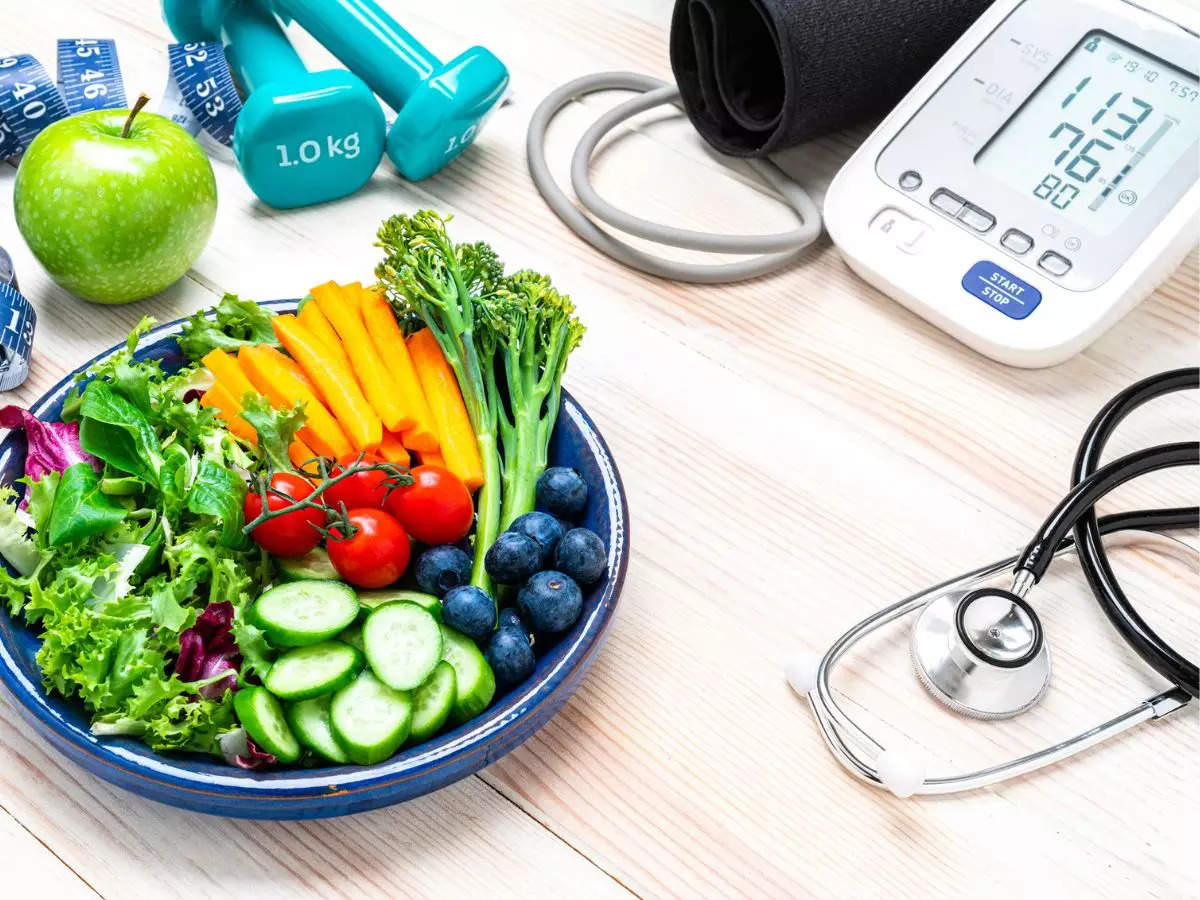
Today, this condition claims as many lives each year as cancer, chronic lung diseases, accidents and diabetes combined. Some simple habits that can help you prevent a heart attack include the following
World Heart Day 2022: Simple habits to keep your heart healthy

*Focus on a diet rich in fibre, high protein, and low fat.
*Have a hearty breakfast that keeps you full for the day. Your lunch and dinner should be smaller in comparison.
*Be physically active for at least 30 minutes daily, at least five days a week.
*Use the staircase whenever possible and avoid lifts. Alternatively, it would help if you also chose to walk small distances instead of using vehicles.
*Get adequate sound sleep for at least eight hours a day.
*Quit smoking and reduce alcohol consumption as far as possible.
*Practice stress busters like meditation, yoga, and breathing tactics.

Read More At:-https://bit.ly/3fs9tke

Categories
COVID-19 Government Guidelines Medicine & Health Techniques

‘India to become healthcare provider to the world’


‘India to become a healthcare provider to the world’

The Medical device sector has a crucial role to play in improving accessibility and affordability of healthcare especially with regard to the availability of precision devices stated D V Sadananda Gowda , Union Minister for Chemicals & Fertilizers during his inaugural address at the 12th MedTech Global Summit .
We now must turn our attention to correct our high import dependence. Our pharmaceutical sector will become Atmanirbhar in a short period of 2-3 years, not only domestically but globally providing low cost and high-quality equipment and drugs.

Our Product Linked Investment schemes will attract cumulative investment of INR 78,000 crore and generate 250,000 in employment, with Med tech attracting at least 40,000 crore and employing 140,000 new employees.

The government is committed to providing low cost, affordable health care to every citizen through PMJAY and Ayushman Bharat with both schemes significantly reducing out of pocket expenditure for our citizens.

The medical device industry has labored and helped prepare indigenous products in our fight against COVID, with our production of ventilators proof of the success of Indian indignity stated Piyush Goyal.

It showed to the world that India can be a trusted partner when it comes to global engagement and global trade. This is the time to leverage the tools of technology to recharge our health systems with the power of: Access, Awareness and Availability, he added.

Chandrajit Banerjee , Director General, Confederation of Indian Industry expressed his gratitude towards the Department of Pharmaceuticals and the phenomenal work undertaken through the recent PLI schemes launched for bulk drug parks and med tech parks. These are the progressive steps required for us to become Aatma Nirbhar.

The Industry and Government need to work together to steer India to become global suppliers of medical Technology. There should be a greater streamlining of the regulatory process, a single national Med-Tech policy and a signal nodal body to govern and support the sector is imperative, he added.

In this pandemic, all the healthcare ecosystem has come together, and have eliminated the need for importing stated Dr Naresh Trehan , Chairman, CII National Committee on Healthcare & Chairman & Managing Director, Medanta – The Medicity. In order to further move up the value chain, Med-Tech, the entire healthcare spectrum, Scientific Intuitions and Government need to be brought on to the same platform to allow for convergence. We need to make a plan to take to the government so that all stakeholders across can help collaborate and innovate.

Source:  http://Source: http://www.smetimes.in/smetimes/news/top-stories/2020/Aug/24/india-healthcare53157.html


Categories
Government Guidelines Medical Equipments Medical Updates Medicine & Health

Emerging Opportunity for Medical Equipment Manufacturing in India

The central governments’ initiatives on national health programs like Ayushman Bharat are propelling India to become a nation with advanced diagnostic facilities thus boosting the prospects of medical equipment manufacturing in several states

The COVID lockdown situation and the call by the Indian Prime Minister, Narendra Modi towards becoming more self-reliant or Aatma Nirbhar has brought in several opportunities to many sectors, prominent among them being the medical device manufacturing in India.

The cost of healthcare in India is almost 35 per cent more competitive as compared to developed countries such as the US and UK. That is the reason many foreign tourists visit India to get affordable treatment. There is also an exponential rise in the domestic demand in the preventive healthcare segment. This segment has been growing at 18 per cent CAGR and expected to be worth US$100 billion in the next 2-3 years. The current demand and supply-side dynamics do provide a huge opportunity for local manufacturers for producing medical devices in India.

At the moment, India imports almost 85-90 per cent of the sophisticated medical devices from other countries, prominent among them being China. In the year, 2019-2020, medical equipment worth almost Rs 4560 crores was imported from China. India as a market for medical devices is among the top 20 countries in the world, worth almost US$11 billion. With several initiatives launched by the Central Government such as the Ayushman Bharat scheme – to provide access to affordable health care services to all, this market is expected to grow to US$50 billion in the next five years. Presently, local medical equipment manufacturers are mostly involved in the production of low-end products for domestic and as well as international consumption. After Japan, China and South Korea, India is the fourth largest market in Asia with the potential to grow at 28 per cent.

Niti Aayog, the think tank body of the Government of India, has started working out a roadmap for the promotion of medical equipment manufacturers in the country. The Government has also allowed 100 per cent foreign direct investments (FDI) in companies manufacturing medical devices through the automatic route. The Indian Government has already chalked out plans intending to remove all roadblocks and offer tailor-made solutions to attract investment to make India a manufacturing hub for medical devices.

Medical device manufacturing comprises of five broad segments, including patient aids like pacemakers and hearing devices, dental products like braces and dentures, MRI and other diagnostic machines, prosthetics like knee implants and artificial joints, and disposal & consumables like needles and syringes.

Under initiatives like Make in India, several state governments have taken up the onus of setting up medical device manufacturing parks in their respective states and have got the approval from the Government of India to do so. There would be six medical devices manufacturing clusters in the country in states like Andhra Pradesh, Kerala, Telangana, Tamil Nadu, Maharashtra, and Sikkim. These clusters would provide a huge boost to domestic manufacturing of high-end medical devices at a lower cost and significantly enhance job creation.

The unfolding crisis has displayed the potential of Indian manufacturers to scale up the manufacturing to meet the higher demand for PPE kits, ventilators, and other lifesaving equipment. However, there are a lot of challenges that the Government needs to address to make the country a hub of manufacturing medical equipment. Firstly, there is a need to set necessary infrastructures like supply chain and logistics channels. There is an irregular power supply in several parts of the country which impairs the manufacturing process. The Government also needs to take steps to reduce the high cost of finance for local manufacturers.

The medical equipment manufacturers have been long demanding to reduce the effective rate of Goods and Service Tax (GST) on medical devices to 5 per cent from the present 18 per cent. Due to the high GST rate, it becomes more advantageous to import the equipment than manufacturers the same in the country. There is also a need to rationalize custom duty for necessary components and transitional inputs going into the production of medical equipment in India. It will further help if the government begins to incentivize high-end medical equipment manufacturers in order to promote the production of these devices in the country.

There is also a need for the Government to set up import restrictions and duty protection on the import of medical devices in India. This would restrict imports and at the same time, provide a boost to local manufacturers. There is a need to increase the skilling and training programs to tackle the shortage of talented and trained people in the sector. The Government also needs to put in place a robust regulatory framework to maintain high-quality standards and create a healthcare ecosystem in India.

India has some of the best doctors in the world and state-of-the-art healthcare facilities, the strong foothold in the medical devices manufacturing sector will only further reduce the cost of treatment and at the same time enhance the country’s image as a global healthcare destination.

Source: https://bit.ly/3i2bzDe


Categories
COVID-19 Medical Updates Medicine & Health

Delhi: 2nd sero survey from today, 15k samples targeted

New Delhi: The second round of the serological survey in the capital will begin on Saturday, with the authorities targeting to cover nearly 15,000 people to analyse the prevalence of antibodies in Delhiites in different districts. The tests will have to be completed by August 7.

All arrangements have been made in the 11 districts to start the exercise, which will be crucial to find out if Delhi is heading towards herd immunity from novel coronavirus. The first serological survey in Delhi, in which the sample size was 21,387, revealed nearly a quarter of its population had developed antibodies.

Teams of lab technicians, doctors, civil defence volunteers and ASHA workers will go to selected areas to collect samples in the morning. Earlier, the sero survey was scheduled to be completed by the fifth day of every month, but the deadline has been extended this time due to festivals.

The districts have been given different targets of sample collection. North West district, which collected the largest number of samples at 3,548 during the last survey, will have to collect 2,200 samples, and West district 2,150 samples against 2,373 in the previous one. Central district, which collected 2,702 samples earlier, has been asked to gather 1,548 samples.
Sandeep Kumar Mishra, district magistrate of North West district, said he had directed all 16 collection teams to ensure multi-stage systematic random representative sampling as per the guidelines. “It is critical in projecting the accurate prevalence of antibodies in people. It is more important than the size of samples,” Mishra said.

In Central district, 16 teams will collect samples from different areas across various age groups to ensure that the samples represent the entire administrative unit, said district magistrate Nidhi Srivastava.

Arun Gupta, additional district magistrate of South, said no sample would be collected from the areas covered in the last survey.

Since the sero survey reveals the prevalence of antibodies in population at a micro level, it helps the district authorities plan interventions for mitigation and containment of Covid-19.

The samples will be collected from various areas, including those without any any Covid-19 case, containment and buffer zones, those with only isolated cases, upscale and middle colonies, and slums. All individuals covered in the first survey will be excluded from sampling this time.

Directions have been issued to the field teams to ensure that out of the total number of samples, 25% should be of those younger than 18 years, another 25% of those in the age group of 50 years and above, and the remaining 50% from those in the age group of 18-49 years. All districts have been allocated different laboratories to send their samples for tests.

Source: https://bit.ly/2PoHLnX

Categories
COVID-19 Medical Updates Medicine & Health

5 people to be vaccinated today as India’s first COVID-19 vaccine COVAXIN trial starts at AIIMS Delhi

Five volunteers will be vaccinated on Friday as the first phase of human clinical trials of COVAXIN, India’s first indigenous vaccine begins at AIMS, New Delhi.

New Delhi: Five volunteers will be vaccinated on Friday as the first phase of human clinical trials of COVAXIN, India’s first indigenous vaccine begins at the All India Institute of Medical Sciences, New Delhi, according to a report. About 3,500 people have registered to take part in the trial of the vaccine being developed by Bharat Biotech in collaboration with the Indian Council of Medical Research (ICMR).

The phase 1 trial in AIIMS will involve 100 healthy people. A report in the Jagran, citing AIIMS doctor Dr Sanjay Roy, professor of Community Medicine, stated that screening of study subjects is going on. Dr Roy, who is leading the trial at AIIMS, said that they have received investigation reports of many people, adding that vaccination will start if all goes well. Initially, 10 participants will receive the vaccine and their report will be reviewed by the institute’s Ethics Committee for safety, after which the rest of the subjects will be vaccinated.

The report added that all 3,500 people who have volunteered for the vaccine trial are being screened for various parameters at AIIMS. About 50 types of tests, including diabetes, hypertension, heart disease, kidney and liver diseases are being conducted on study participants to ensure that they are healthy and fit for the trial.

It may be noted that Bharat Biotech has partnered with Delhi-based Dr Dangs Lab for the clinical trial of its COVID-19 vaccine. The lab has already started processing samples from study participants from various trial sites to assess the safety of the vaccine.

The ICMR has picked 12 medical institutions to conduct the clinical trials of COVAXIN, which is derived from a strain of SARS-CoV-2 virus isolated in NIV, Pune. The virus strain was then transferred to Bharat Biotech to develop into a vaccine.

Source: https://bit.ly/3jQpmP8

Categories
COVID-19 Government Guidelines Medical Updates Medicine & Health

Cipla launching Covid-19 treatment drug Ciplenza in August at Rs 68 per tablet

Ciplenza will be introduced through hospital channels and will be prioritised for areas with high Covid prevalence

Pharmaceutical major Cipla Limited has announced receiving regulatory approval by the drug controller general of India (DCGI) for launching Favipiravir in the country to be sold under the brand name Ciplenza for restricted emergency use for the treatment of coronavirus patients.

The company said that as part of its efforts to meet the demand for the medicine, it will commercially launch Ciplenza in the first week of August and each tablet will be priced at Rs 68.

“To ensure fair and equitable distribution of the drug, supplies will be undertaken predominantly through hospital channels and via open channels, prioritised for regions with a high burden of Covid-19 cases,” a press release on the company’s website stated.

The statement claims that an accelerated approval for Ciplenza’s manufacturing and marketing is aimed at meeting the urgent and unmet medical need for Covid-19 treatment options in the country.

The drug has been jointly developed by Cipla and CSIR-Indian Institute of Chemical Technology (IICT).

“As part of this partnership, CSIR-IICT has successfully developed a convenient and cost-effective synthetic process for Favipiravir. The entire process and Active Pharmaceutical Ingredient (API) of the drug has been transferred to Cipla to manufacture and market the drug at scale,” the statement says.

Favipiravir is an off patent, oral antiviral drug, originally discovered by Fuji Pharma in Japan, and has shown promise in clinical trials for treatment of Covid-19 patients, especially in mild and moderate cases.

Director of CSIR-IICR S Chandrashekhar was quoted by news agency PTI as saying that the technology transferred to Cipla is very efficient and affordable, allowing the company to make large quantities of the product within a short span of time.

CSIR director general Shekhar C Mande said Ciplenza was another example of the institute’s commitment to work with the industry to develop quick solutions and products for mitigation of Covid-19.

Earlier in June, drug manufacturing firm Glenmark Pharmaceuticals was given approval from the Indian drug regulator to launch oral antiviral drug favipiravir for treatment of mild to moderate Covid-19 patients in the country.

Another Indian pharmaceutical company Dr. Reddy’s Laboratories (Dr Reddy’s) had recently announced signing a tripartite agreement with two international firms based in Japan and the UAE for the development, manufacturing and sales of favipiravir innovator brand Avigan.

Source: https://bit.ly/3g2HOl0

Categories
COVID-19 Government Guidelines Medical Updates

India Extends Medical Assistance Worth About $1 Million To North Korea

India is sensitive to the shortage of medical supply situation in the Democratic People’s Republic of Korea and decided to grant assistance of $1 million in the form of anti-tuberculosis medicines, the MEA said
India Extends Medical Assistance Worth About $1 Million To North Korea

The medical assistance is under the aegis of a WHO anti-tuberculosis programme(Representational)

New Delhi: 

India has extended medical assistance worth about USD 1 million to North Korea in response to a request received from the World Health Organisation (WHO), the Ministry of External Affairs (MEA) said on Friday.

“India is sensitive to the shortage of medical supply situation in the Democratic People’s Republic of Korea (DPRK) and decided to grant humanitarian assistance of USD 1 million in the form of anti-tuberculosis medicines,” the MEA said.

The medical assistance is under the aegis of an ongoing WHO anti-tuberculosis programme in DPRK, the ministry added.

Source: https://bit.ly/2D6YTvE

Categories
COVID-19 Government Guidelines Medical Equipments Medical Updates

Aarogya Path पोर्टल लॉन्च, कोरोना वायरस से बचाव में ऐसे मिलेगी मदद

देश में कोरोनावायरस (Coronavirus) का संक्रमण तेजी से बढ़ रहा है. जिस पर रोक पाने के लिए सरकार हर तरह के प्रयास कर रही है. इसी हालात पर कंट्रोल पाने के लिए कॉन्टैक्ट ट्रेसिंग ऐप आरोग्य ऐप की तरह ही एक नई वेबसाइट आरोग्य पाथ (Aarogya Path) लॉन्च की गई है

देश में कोरोनावायरस (Coronavirus) का संक्रमण तेजी से बढ़ रहा है. जिस पर रोक पाने के लिए सरकार हर तरह के प्रयास कर रही है. इसी हालात पर कंट्रोल पाने के लिए कॉन्टैक्ट ट्रेसिंग ऐप आरोग्य ऐप की तरह ही एक नई वेबसाइट आरोग्य पाथ (Aarogya Path) लॉन्च की गई है. इस पोर्टल की मदद से लोगों को हेल्थकेयर प्रोड्कट्स की सुविधा के बारे में जानकारी मिल सकेगी.

CSIR इंडिया ने सभी स्वास्थ्य संबंधी जरूरतों के लिए एक स्टॉप सप्लाई चेन सॉल्यूशन के रूप में Aarogya Path पोर्टल (www.aarogyapath.in)  लॉन्च किया है. इसमें पीपीई, मेडिकल उपकरण, ड्रग्स, डायग्नोस्टिक किट, सहायक आपूर्ति शामिल हैं.

ये एक वेब आधारित हेल्थकेयर सप्लाई चेन सॉल्यूशन हैं. इस पोर्टल से manufacturer और स्पलायर्स दोनों को अस्पताल, लैब और मेडिकल स्टोर तक अपने ग्राहकों तक पहुंचने में मदद मिलेगी.  इस पोर्टल से हेल्थकेयर प्रोडक्ट की सप्लाई में भी सुधार होगा. रिपोर्ट के अनुसार, यह इंटीग्रेड पब्लिक प्लेटफॉर्म रोज़ाना यूजर्स की समस्याओं जैसे लिमीटिड स्पलायर्स ,अच्छी क्वालिटी वाले प्रोडक्ट्स की पहचान करना, सप्लायर्स की सीमित पहुंच आदि से निपटने में मदद करेगा.

स्रोत – https://www.zeebiz.com/hindi/technology/aarogya-path-portal-national-healthcare-supply-chain-launched-csir-how-aarogyapathin-works-29146

Categories
COVID-19 Government Guidelines Medical Equipments Medicine & Health

As Pune faces shortage of beds, ventilators for Covid patients, hospitals asked to step up

District Collector Naval Kishore Ram told The Indian Express that at least two to three incidents of patients being rejected by hospitals due to lack of beds painted a bad picture.

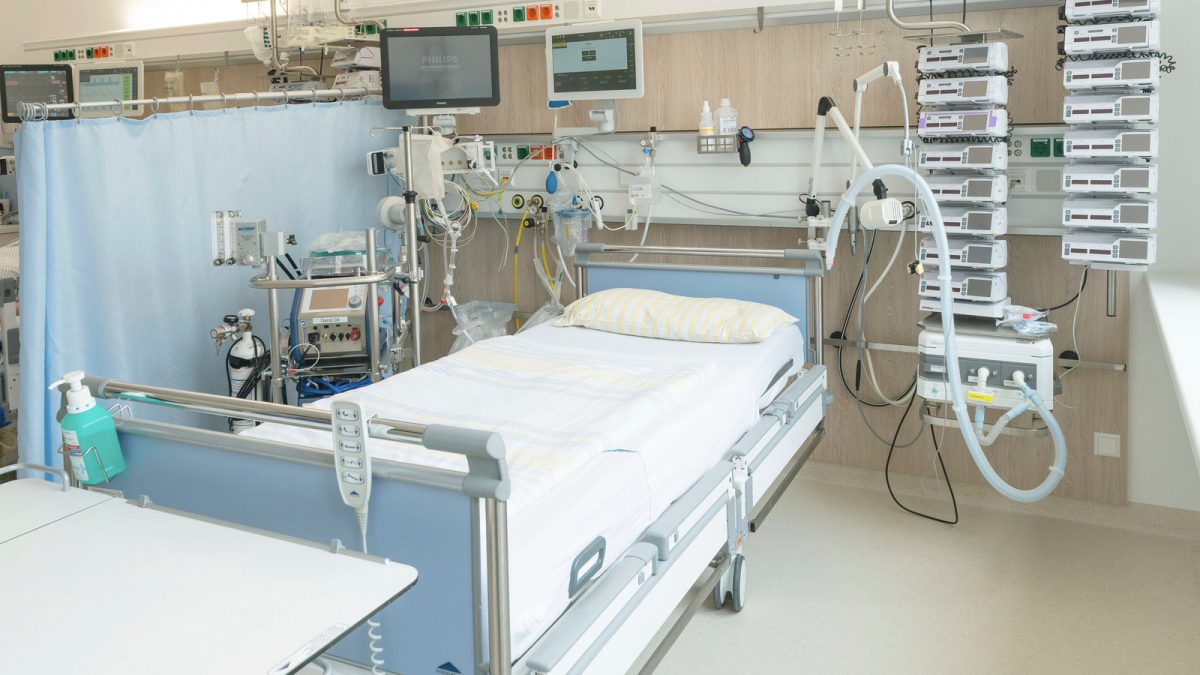
Anticipating a shortfall of over 200 ICU beds, 100 ventilators and more than 1,000 beds with oxygen supply by July 20, as the number of Covid-19 cases surge in the city, the administration on Wednesday asked hospitals to enhance their bed capacity.

District Collector Naval Kishore Ram told The Indian Express that at least two to three incidents of patients being rejected by hospitals due to lack of beds painted a bad picture.

“There is an urgent need for increasing the number of hospital beds for Covid-19 patients,” the Collector said at a meeting, attended by representatives of several hospitals, which went on for more than three hours. The meeting was chaired by Saurabh Rao, Officer on Special Duty at the Divisional Commissioner’s office, who also warned hospitals to update their dasboards about the availability of beds.

Pune is expected to face a shortage of 216 ICU beds and 109 ventilators by July 20, according to projections made by the civic administration. By July 20, Pune will see at least 12,799 active cases and in another 10 days, the figure is set to jump up to 19,599.

“The number of non-Covid patients are few, with only 30 to 40 per cent occupancy in the non-Covid wards,” said Ram, adding that it was the need of the hour to re-allocate these beds for Covid-19 patients.

Of Covid-19 patients in the city, at least 30 to 35 per cent were asymptomatic, and doctors must appeal and convince them to stay in home quarantine, he said. “The patients at home can be counselled by the doctors and there is no need for panic,” said the collector.

“While hospitals are raising the difficulties faced by them, such as manpower crisis, at the administration we strongly believe we can overcome this situation with an encouraging and motivated medical community,” he added.

Pune Municipal Commissioner Vikram Kumar told The Indian Express that hospitals have been urged to update details about their bed strength on a real time basis on the dashboard. On their part, authorities of most private hospitals said that they had already stepped up their bed strength.

At Sahyadri Hospital, group medical director Dr Sunil Rao said the hospital had a total of 315 beds for Covid-19 patients and will again check if more beds could be realigned.

Vinod Sawantwadkar, CEO of Jehangir Hospital, said the hospital already allocated 104 beds for Covid-19 patients. “There has been a request for more beds and we are working out how the arrangements can be made at our hospital,” he said.

Dr Sanjay Pathare, medical director at Ruby Hall Clinic, said the hospital had 160 beds for Covid-19 patients and as per the administration’s request, hospital authorities were checking if they could meet the requirements at their centres at Wanowrie and Hinjewadi.

“All of us are under immense strain and we have been supporting the administration by stepping up bed strength. There are also genuine concerns related to staff’s salary payments and ensuring adequate manpower to treat Covid-19 patients,” said Dr H K Sale, executive director of Noble Hospital.

“In a family, if a couple is infected and the husband may require hospitalisation, how do we tell the wife who has mild symptoms and the child who tests negative to stay at home,” asked Dr Sale, adding, “They insist on staying at the hospital as food and other arrangements are taken care of here”.

Source: https://bit.ly/2D9VtYU

Categories
COVID-19 Government Guidelines Medical Equipments Medical Updates Medicine & Health

स्वास्थ्य देखभाल की आपूर्ति के लिए लॉन्च किया गया ‘आरोग्यपथ’, ये है खासियत

दिल्ली/पटना: सीएसआईआर राष्ट्रीय स्वास्थ्य देखभाल आपूर्ति श्रृंखला पोर्टल https://www.aarogyapath.in  को 12 जून को लॉन्च किया गया. इसका उद्देश्य वास्तविक समय पर महत्वपूर्ण स्वास्थ्य आपूर्ति की उपलब्धता प्रदान करना है. यह आरोग्यपथ निर्माताओं, आपूर्तिकर्ताओं और ग्राहकों की मदद करेगा.

कोविड-19 महामारी से उत्पन्न मौजूदा राष्ट्रीय स्वास्थ्य आपातकाल के दौरान आपूर्ति श्रृंखला में गंभीर समस्या आ रही है. ऐसे में महत्वपूर्ण वस्तुओं के उत्पादन और वितरण की क्षमता विभिन्न कारणों से संकट में पड़ सकती है. इन चुनौतियों से निपटने के लिए “किसी को अरोग्य (स्वस्थ जीवन) की ओर ले जाने वाला मार्ग उपलब्ध कराने”की दृष्टि से आरोग्यपथ नामक यह सूचना मंच विकसित किया गया है.

स्वास्थ्य देखभाल संबंधी सामानों की एक ही जगह उपलब्धता प्रदान कराने वाला यह एकीकृत सार्वजनिक मंच ग्राहकों को रोज महसूस किए जाने वाले कई मुद्दों से निपटने में मददगार साबित हो सकता है.

इन मुद्दों में सीमित आपूर्तिकर्ताओं पर निर्भरता,अच्छी गुणवत्ता वाले उत्पादों की पहचान करने में लगने वाला अधिक समय,वांछित समयसीमा के भीतर उचित मूल्य पर मानकीकृत उत्पादों की आपूर्ति करने वाले आपूर्तिकर्ताओं तक सीमित पहुंच,नवीनतम उत्पादों के बारे में जानकारी का अभाव इत्यादि शामिल हैं.

आरोग्यपथ नाम का यह वेब आधारित सूचना मंच निर्माताओं और आपूर्तिकर्ताओं को पूरी कुशलता से ग्राहकों के एक विस्तृत नेटवर्क तक पहुंचाने, उनके और आस-पास के चिकित्सा जांच केंद्रों, मेडिकल दुकानों, अस्पतालों इत्यादि जैसे मांग केंदों के बीच संपर्क की कमियों को दूर करने मदद करेगा.

यह ग्राहकों की विस्तृत सूची और उत्पादों के लिए दिखने वाली नई जरूरतों की वजह से व्यवसाय का विस्तार करने के अवसर भी उपलब्ध कराएगा. समय के साथ इस मंच से एनालिटिक्स निर्माताओं को उनके अधिक उत्पादन के साथ-साथ जरूरी सामानों की होने वाली कमियों को लेकर भी शुरुआती संकेत दे सकते हैं. यह अपर्याप्त पूर्वानुमान और अधिक विनिर्माण के कारण संसाधनों की बर्बादी को कम करने में मदद करेगा और नई प्रौद्योगिकियों की मांग के बारे में जागरूकता भी पैदा करेगा.

सीएसआईआर को उम्मीद है कि आने वाले वर्षों में आरोग्यपथ राष्ट्रीय पसंद का सूचनात्मक स्वास्थ्य देखभाल मंच बन जाएगा जो भारत में स्वास्थ्य देखभाल सामानों की आपूर्ति की उपलब्धता और उन्हें किफायती बनाते हुए रोगियों के लिए अंतिम समय में जरूरी सामानों की आपूर्ति की खाई को पाटने का अहम काम पूरा करेगा.

आरोग्यपथ सूचना मंच को सीएसआईआरस के महानिदेशक डॉ. शेखर सी. मांडे की उपस्थिति में स्वास्थ्य और परिवार कल्याण मंत्रालय के ऑफिसर ऑन स्पेशल ड्यूटी राजेश भूषण ने लॉन्च किया. इस समारोह में एमएसएमई मंत्रालय के संयुक्त सचिव सुधीर गर्ग और फार्मा सेक्टर के विशेषज्ञ डॉ. विजय चौथियावाले सम्मानित अतिथि थे.

इस पोर्टल को सर्वोदय इन्फोटेक और संस्थागत उपयोगकर्ताओं की साझेदारी में विकसित किया गया। स्वास्थ्य सेवा के लिए जरूरी सामानों के निर्माताओं / अधिकृत आपूर्तिकर्ताओं को पंजीकरण कराने और सक्रिय रुप से अपने काम में भाग लेने के लिए प्रोत्साहित किया गया.

स्रोत- https://bit.ly/39cnxqQ