Categories
COVID-19 Government Guidelines Medical Equipments Medical Updates Medicine & Health

Ayurveda expert on herbs to help keep flu, RSV and Omicron at bay

A strong immune system protects one from disease-causing agents and lowers chances of experiencing severe symptoms in case of any infections, says Dr Archana Sukumaran.

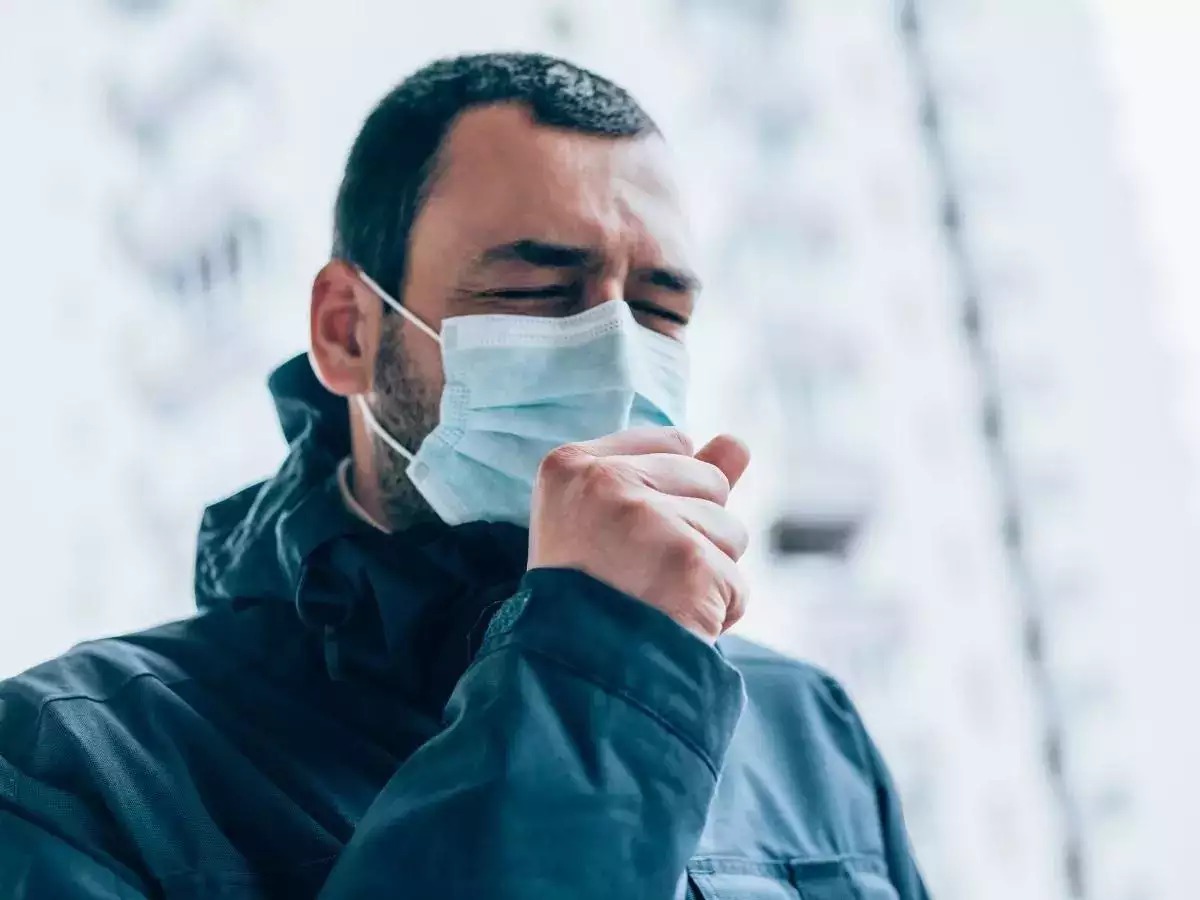
Winter is the season of piping hot tea and coffee, staying curled up in your blankets and also of cold, cough and fever that threaten to ruin the joy associated with the cold months. A good immunity can help you be at the top of your health and cut risk of getting infected with seasonal flu, RSV and new strains of Covid and Omicron. The symptoms of all these viral and respiratory infections are similar and most of the people are reporting fever, cough, cold, runny nose, sore throat, headaches and sneezing. In fact, flu, RSV and Covid are together raising hospitalisation cases especially in children in US and other parts of the world.

Ayurveda recommends different herbs, foods and other tips depending on the Ritucharya to cope with seasonal changes. According to the ancient medicinal practice, winter season is divided into two spans based on the intensity of the cold. The first half is called Hemanta, with comparatively milder chill, while the other half, with a more chill, is known as Sisira.
Ayurveda expert on herbs to help keep flu, RSV and Omicron at bay

“As we all know, winters are more or less lethargic. This feeling tends to escalate the dosha in the body with this same lethargy, the Kapha. Winters are generally believed to be the Kapha season. When it is stabilised, it brings strength to the body, while on its countermand, it causes all the winter blues in the form of cold, flu, muscle stiffness, etc,” says Dr Archana Sukumaran of Kerala Ayurveda.

“Some authors also believe that Vata dosha is also on the verge of rising due to increased coldness and dryness in the atmosphere. According to Ayurveda, the winters are also the season that gives the most strength to the body,” adds Dr Archana.

Herbs and remedies to boost your immunity

Dr Archana says the endurance of the body changes as the conditions change and a strong immune system protects one from disease-causing agents and lowers chances of experiencing severe symptoms in case of any infections.

“Each season requires a distinct regimen and food to deal with the outside environment and temperature,” says the Ayurveda experts.

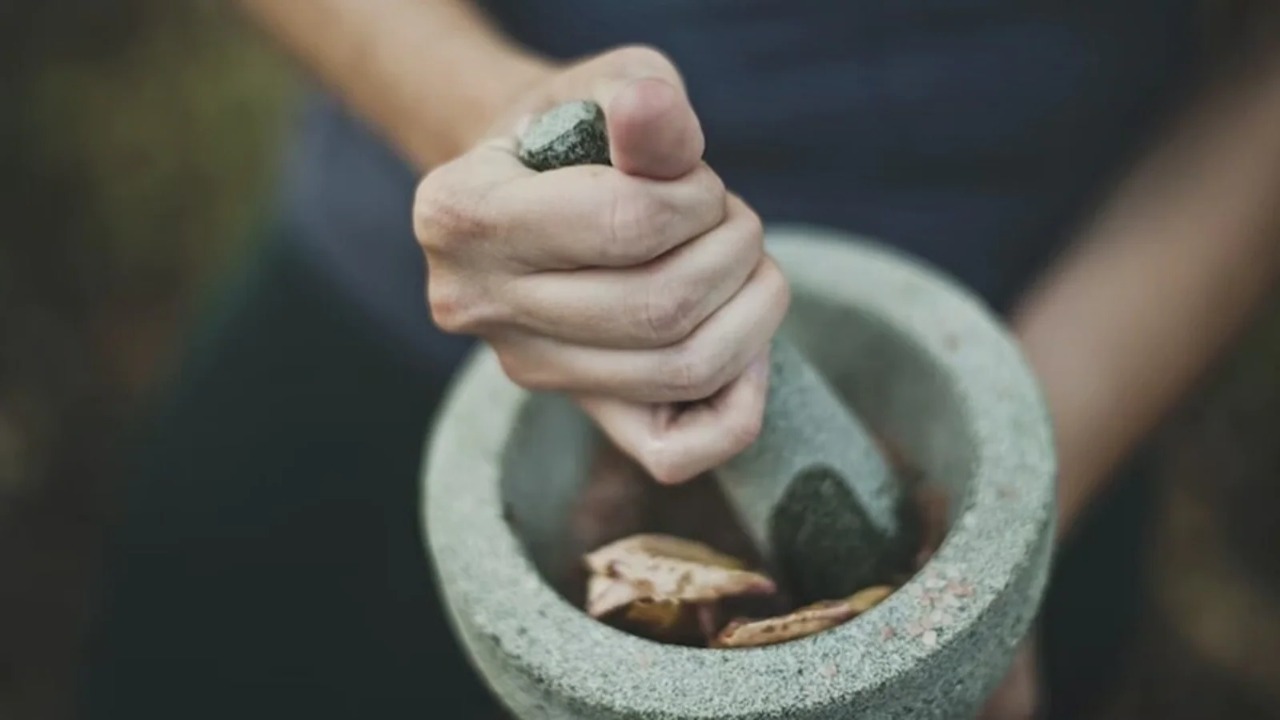
She also suggests a few herbs that can be effectively incorporated into your diet to boost your immunity.

● Shundi (Zingiber officinale): The constant companion of all delicious Indian meals, dry ginger is the best herb that can impart immunity. It has abundant potential to normalize the digestive fire and reduce the accumulation of Ama, the product of improper digestion, the key factor for forming flu-like symptoms. This Gastrointestinal stimulant has an expressive immunomodulatory property that helps to impart tissue-level protection.

How to include in your diet

Dry ginger can be most effectively incorporated into your diet as an infusion to teas, mild sugar, dry ginger candy, or even a pinch to enhance the taste of your salads. Tuss nil syrup is enriched with Shundi, which can help keep a dry cough away.

● Amla (Emblica Officinalis): The sour goodness of Indian gooseberry is well acclaimed throughout the world. This tiny fruit is filled with innumerable health benefits.

How to include in your diet

Simply munching on this sour punch, pickling it, or even having a glass of gooseberry juice can tremendously help you gain Vitamin C. You can also try Amla effervescent tablets or Chyavanprash to improve your strength, immunity, and longevity. Although there are plenty of companies manufacturing chyavanprash, for best results, go for the original formula that uses a wild variety of amlas rich in tannin instead of the large hybrid ones.

● Tulsi (Ocimum sanctum): The aromatic goodness of Indian basil is not only a compulsory component of religious rituals but a vital factor available in our homes that can enhance immunity responses to its optimum. Although it mildly increases pitta content, it normalises the function of both Vata and Kapha entities. It has antimicrobial action that helps to protect the body, particularly the respiratory system, against pathogenic interventions.

How to take

Inhaling the steam of tulsi-infused water is an ideal method to relieve respiratory congestion.

● Haridra (Curcuma longa): The compulsory ingredient of every Indian home, turmeric is a must-have herb to boost immunity. It has Usha Virya (Hot potency) with Krimighna (Antimicrobial) action. It is a natural detoxifying agent that helps to improve immunity. It relieves depression, anxiety, and other cognitive malfunctions and improves mental health.

How to add it to your diet

Consuming the revolutionary Golden milk is the best yet most simple you can adopt daily to impart the wellness of Haridra in your lives. You can also try turmeric effervescent tablets to improve your immunity.

● Black pepper/Long pepper: Pepper is one of the best herbs to balance Kapha because of its hot potency.

How to add it to your diet

You can include pepper in your diet or in delicious recipes such as soups or Rasam to keep cold at bay. Agasthyarasayanam, an original formula with long pepper as one of the ingredients, helps keep cold and cough at bay while acting as a lung detox.

Other Ayurveda recipes for Flu season

Doing nasya with Anu thailam, a unique blend of 30 balancing ingredients such as leptadenia or jivanti, liquorice or yashtimadhu, fragrant swamp mallow or hrivera & Indian bael or Bilva, and other herbs processed in goat’s milk and sesame oil helps in clearing the accumulated doshas from the nasal passage and helps you breathe better.

– Similarly, another popular Ayurvedic remedy- Karpooradi Thailam- a warming chest rub oil, soothes down and clears congestion in winter. Suitable even for kids, simply rub the oil over your chest and steam inhalation to enjoy uninterrupted breathing.

“Along with these, the proper dietary habits and the right regimen according to seasonal change is necessary to tune the body with the music of nature,” says Dr Archana.

Read more at-https://bit.ly/3W0TGJ5

Categories
Government Guidelines Medical Equipments Medical Updates Medicine & Health Techniques

Budget 2023: NATHEALTH seeks rationalisation of GST for healthcare sector

Synopsis

​​In its submission to the finance ministry on Wednesday , the industry body said that the healthcare sector has not been able to derive the benefits of the GST transition in comparison to other sectors. In fact, the embedded taxes in the sector have increased in the post-GST regime compared to pre-GST period, it noted.

Healthcare industry body NATHEALTH has sought rationalisation of GST and enhanced insurance coverage especially in smaller cities and towns from the upcoming Budget.

n its submission to the finance ministry on Wednesday , the industry body said that the healthcare sector has not been able to derive the benefits of the GST transition in comparison to other sectors.

In fact, the embedded taxes in the sector have increased in the post-GST regime compared to pre-GST period, it noted.

Budget 2023: NATHEALTH seeks rationalisation of GST for healthcare sector

The industry body has recommended imposition of 5 per cent merit rate on the output healthcare services for all healthcare establishments (both private and government) with the option to claim full input tax credits.
Levying 5 per cent GST rate on output services for all private hospitals and an optional dual rate structure for government healthcare establishments could be an alternative, it added.

Presently GST is exempt on the healthcare services. NATHEALTH recommends imposition of 5 merit rate on these services as this would allow healthcare service providers to claim input tax credit, thereby lowering their embedded taxes burden.

NATHEALTH also sought clearance of working capital arrears both for providers and procurement organisations.

“It is imperative to build infrastructural capabilities so that people have greater access to quality and critical healthcare services. Viability gap funding by the government is essential to set up hospitals in tier-1 and tier-2 cities, encouraging increased investment in the healthcare infrastructure,” NATHEALTH President Shravan Subramanyam said.

Uniform adoption of Ayushman Bharat Digital Mission is another imperative which calls for clearly defined delivery models for innovative modules developed by private players, he added.

“If all payment backlogs both for providers and suppliers under insurance and public procurement are cleared, it would significantly improve the availability of healthcare infrastructure,” Subramanyam said.
It also sought an increase in budgetary allocation for the health sector.

Read more at-https://bit.ly/3hcmL5C

Categories
COVID-19 Government Guidelines Medical Equipments Medical Updates Medicine & Health

Omicron: 7 important tips to prevent Covid infection in winter season

It is important for people to protect themselves from seasonal flu and the possible new immune strains of the Omicron variant of SARS-CoV-2. Here are some tips to follow.

Covid-19 pandemic is far from over and one needs to be especially cautious in winters as it’s the season of viral infections including influenza and Covid. Amid pandemic turning less aggressive and people dropping guards, scientists and infectious disease specialists warn that Covid appropriate measures should continue. WHO Director-General Tedros Adhanom Ghebreyesus said: “Gaps in testing … and vaccination are continuing to create the perfect conditions for a new variant of concern to emerge that could cause significant mortality.” Omicron, the highly contagious variant of Covid, has more than 500 sublineages that is evolving fast. It is important to get tested when one has flu-like symptoms and wear masks in crowded areas. Regular hand-washing should not be ignored and it is important to keep good ventilation in offices, restaurants and other public areas.

Omicron: 7 important tips to prevent Covid infection in winter season

“Covid 19 is a virus and we have been getting viral during the winters. It is important for people to protect themselves from seasonal flu and the possible new immune strains of the Omicron variant of SARS-CoV-2. It’s essential to safeguard yourself from the cold weather and stay healthy throughout the season. Though it seems difficult, there are several ways to keep the commonly suffering ailments away from your family,” says Dr Rajesh Chawla, Senior Consultant Pulmonology and Critical Care, Indraprastha Apollo Hospitals, New Delhi.

Sticking to the basic rules to prevent Covid spread, people should continue to follow measures to keep the deadly infection at bay. Children, elderly and those will chronic illnesses especially should be cautious.

Here are 7 tips to prevent Covid infection this winter season by Dr Chawla:

• Know the symptoms: The flu and COVID-19 are caused by different viruses, but they are both infectious respiratory diseases, spread by droplets and aerosols when infected people cough, sneeze, speak, sing, breathe, etc. They have similar symptoms, including cough, runny nose, sore throat, fever, headache and fatigue. People may have varying levels of illness with both the flu and COVID-19. Because symptoms are similar, it is important to take a test, so that treatment can begin quickly, if needed.

• Cover coughs and sneeze: Following a good respiratory hygiene is extremely important. It is important to cover the mouth and nose with a bent elbow or tissue when one coughs or sneezes.

• Get vaccinated: It is essential to get vaccine. Elderly and those with underlying conditions like high blood pressure, lung and heart disease, diabetes, obesity or cancer must get them vaccinated. The more fully vaccinated people there are, the better protected they are as well.

• Wear a mask: Masks help stop people from spreading the virus or being infected when droplets containing the virus are inhaled or come directly into contact with the eyes, nose or mouth

• Keep physical distancing: It is important for all viral infections which can spread from an infected person’s mouth or nose in small liquid particles when they cough, sneeze, speak, sing or breathe. Understanding, the situation, it is advisable to Keep a physical distance of at least 1 metre from other people

• Keep hands clean: People may pick up a virus by touching surfaces that have been contaminated, then touching your eyes, nose or mouth with those hands. Cleaning hands frequently eliminates germs that may be on the hands, including viruses.

• Meet outside or increase ventilation: All these viral infections including COVID-19 is more easily transmitted in crowded and poorly ventilated spaces and where people spend long periods of time together. Settings with increased risk of outbreaks include restaurants, offices and places of worship. Hence, it is advisable to go outside, whenever possible

“There is an increased risk of both the flu and COVID-19 circulating over the next few months. For a safer winter, it is important to understand the symptoms and who is at risk, get vaccinated, take steps to protect, and stay safe,” concludes Dr Chawla.

Read more at-https://bit.ly/3XZrXub

Categories
Medical Equipments Medical Updates Medicine & Health

AIDS awareness: Therapy prescribed for people with HIV

Acquired immunodeficiency syndrome (AIDS) has been in existence for a long time now and people are still not aware of how to deal with the patient. Here’s what doctors recommend.

Acquired immunodeficiency syndrome is a life-threatening chronic condition caused due to the human immunodeficiency virus where HIV is a sexually transmitted infection that damages the body’s immune system further disabling the capability to fight an infection or disease. If HIV is not treated in time, it can lead to AIDS and though AIDS has been in existence for a long time now, people are still not aware of how to deal with the patient.

The stigma around AIDS and HIV continue to exist amongst communities that are unaware of the disease’s know-how hence, it becomes essential to know more about this disease and bust myths surrounding it. HIV still remains to be a major global health issue however, with advancement in diagnosis and treatment, people diagnosed with HIV can live longer and healthy lives.

AIDS awareness: Therapy prescribed for people with HIV

In an interview with HT Lifestyle, Dr Amit Gupta, National Executive Council Member at RSSDI, revealed, “The therapy prescribed for people with HIV usually comprises antiviral medications. Some of these medicines come with the side effect of altering blood sugar levels, especially by increasing the concentration of blood glucose. Therefore, it is recommended that people with HIV should get their glucose levels checked both before starting the course of treatment and during the treatment. This helps keep track of the onset of diabetes.”

Dr Sanjay Gupta, Internal Medicine at Paras Hospital in Gurugram, cautioned, “Infected blood, illicit injection drugs and sharing the same needles with the infected person can spread the disease. If an expecting mother is suffering from AIDS, it can be passed on to the baby during pregnancy and even breastfeeding. Having unprotected sex with an infected can pass on the condition and lead to severe outcomes. According to research, our country has reported more than 17 lakh HIV cases over the past 10 years due to unprotected sex. People are still stubborn about using birth control and this leads to fatal situations in many. Social stigma is a huge culprit and spreads many diseases to the vulnerable crowd as well. Albeit campaigns these days are taking the good initiative to spread the right message and we can also see the numbers dropping.”

Read more at-https://bit.ly/3UBkRcs

Categories
Medical Equipments Medical Updates Medicine & Health

Blood tests are best at detecting Alzheimer’s disease: Study

An important aspect of this study was that p-tau217 was able to monitor such changes in pathology and cognition at very early stages of the disease process. This finding was replicated in an independent cohort from the USA, Wisconsin Registry for Alzheimer’s Prevention (WRAP).

A new study have identified that blood tests are best at detecting Alzheimer’s disease during the earliest stages, and another blood test that is optimal for detecting relevant treatment effects.

The study was published in the journal, ‘Nature Medicine’.

Blood tests are best at detecting Alzheimer's disease

It revealed that multiple blood biomarkers, namely phospho-tau231 and Ab42/40, were sufficient in identifying Alzheimer’s disease pathology, even in participants with no symptoms and thus, could be used as strategy to select the correct individuals for novel disease modifying trials – a task which currently requires expensive molecular imaging technique or lumbar punctures.

ALSO READ: Alzheimer’s disease: 5 daily habits that increase risk of dementia

Yet, over the 6 years tested, it was shown that only phospho-tau217 was related to Alzheimer’s disease pathology, a decline in cognitive performance and increased brain atrophy typical of incipient Alzheimer’s. Therefore, phospho-tau217 will be an ideal marker for detection of relevant disease-modifying effects of novel interventions. The study has large implications on the use of blood test in the recently reported anti-Ab trials.

Distinctive blood tests may be optimal for the identification of Alzheimer’s pathology or for monitoring of disease progression and therefore have different roles in clinical trials” first author of the research study Dr. Nicholas Ashton from the University of Gothenburg explained.

“This study has shown that phospho-tau217 is uniquely placed to be an optimal test for monitoring patients in both a clinical setting and a trial setting because of its longitudinal association with Alzheimer’s development”.

An important aspect of this study was that p-tau217 was able to monitor such changes in pathology and cognition at very early stages of the disease process. This finding was replicated in an independent cohort from the USA, Wisconsin Registry for Alzheimer’s Prevention (WRAP).

“Besides improving the design of clinical trials, the novel blood tests will revolutionize the diagnoses of early stages of Alzheimer’s disease”, says Oskar Hansson. “Further, phospoho-tau217 might be used in the future to monitor the response in individual patients to disease-modifying therapies in clinical practice.

Read More at-https://bit.ly/3gU5jCK

Categories
Medical Updates Medicine & Health Techniques

France and India join forces for better healthcare in future

The Indo-French Healthcare Symposium 2022: together for tomorrow’s health is taking place on 28th November 2022, in New Delhi at the Leela Palace. This healthcare event is organised by Business France, in collaboration with the Indo-French Chamber of Commerce and Industry, the French Institute in India, French and Indian institutional partners and companies. Senior Government officials of France and India, H.E. Mme Anne-Claire Amprou – French Ambassador for Global Health and Dr. V.K.Paul – Hon’ble Member of NITI Aayog, Government of India (Chief Guest) will be participating in the event.

The bilateral partnership in the healthcare sector has been spectacular during the pandemic with the exchange of medical support equipment. France aims to strengthening this cooperation furthermore. This symposium aims to strengthen the bilateral healthcare ecosystem, jointly innovate for the hospital of the future and better healthcare post-Covid. The objective is to develop new synergies in research, training, and trade in the medical and pharmaceutical fields between both countries or third ones. Moreover, it is a platform to discuss the common challenges and opportunities in the healthcare sector.

H.E Emmanuel Lenain, Ambassador of France to India, said, “Through this symposium, I encourage both countries to extend this cooperation and jointly innovate for the hospital of the future and find effective and affordable solutions to healthcare challenges. France is a strong partner for the development of healthcare in India. We also invite Indian stakeholders to invest in France, as well as top-level talents, researchers, and medical students to come to France. There is strong potential for development in sub-sectors like pediatrics, geriatrics, diagnostics, medical tourism, innovative and portable medical devices, education, and training the new generation of doctors.”

Highlights of the event:

  • Panel discussions on the following topics:
    • Strategic Indo-French Alliances in Healthcare Sector
    • Pharmaceuticals & Biotechnologies
    • Hospital Care & Medical Devices
    • Intensifying Academic & Scientific Bilateral Cooperation in Healthcare
  • B2B meetings
  • The Indo French OneHealth network – a scientific workshop on state-of-the-art and roadmap for future organized by the French Institute in India.

The event will witness the presence of members of the Indian and French authorities along with eminent medical experts and opinion leaders, to boost this dialogue on tomorrow’s healthcare systems. This would bring together all the public and private stakeholders of both countries, as well as innovative companies already present or interested in the growing Indian market.

A special delegation of French companies

Speakers from renowned institutions will be present at the event including Académie Nationale de Médicine, Proparco, CEFIPRA, AP-HP Sorbonne Université, ICMR, INSERM.

Moreover, a large delegation of French companies will be accompanied by Business France and IFCCI such as: Biosynex, Careprod Technologies, Life Medical Control, 2PS Projection Plasma Styteme, Vygon, Sanofi, Essilor, Genestore, Peters Surgical, Virbac.

Turnkey individual B2B will be arranged for the following French companies that are not yet established in India and looking for synergies:

France and India join forces for better healthcare in future

BIOSYNEX – the European leader in rapid diagnostic tests (RDT). Located in Strasbourg (FranceBiosynex develops, manufactures, and markets (in France and some 90+ countries) medical devices for screening, diagnosis and prevention.

CAREPROD Technologies – innovative automated solutions, tailored to operating rooms and videoconferencing. Careprod Technologies is dedicated to the integration of innovative video solutions in constrained environments for operating theaters and videoconferencing (Integration, recording, broadcasting, production).

Life Medical Control – specialized in medical engineering and innovation of their flagship ambulatory EKG recorder – NEUROCOACH. It is a primary screening solution for the stroke risks. Positioned in e-health, it provides expertise and know-how through an innovative, remote & easy to use HD ECG recorder and a method of physiological signal analysis, which makes it possible to identify the three different risk factors from one personalized and detailed report.

2PS Projection Plasma Systeme S.A.- is a specialist in plasma projection on orthopedic implants (hip, knee, ankle, shoulder, etc) since 30 years and it has been ISO 9001 and ISO 13485 certified since 2003.

French Healthcare:

France is a leading player in healthcare worldwide and boasts considerable advantages.

A healthcare system that is recognized among OECD nations for access to healthcare, known for its excellent training for healthcare professionals and recognized for their high level of expertise. France offers cutting-edge research and innovation in numerous healthcare fields, including medical devices, oncology, chronic and infectious diseases, digital health, the silver economy and more. The French healthcare ecosystem is not only innovative but dynamic with the inclusion of startups, SMEs and large corporations. It is one of the highest-performing pharmaceutical industries in the world.

About Business France

Business France is the national agency supporting the international development of the French economy. Responsible for fostering export growth by French businesses, as well as promoting and facilitating international investment in France. It promotes France’s companies, business image and nationwide attractiveness as an investment location, and runs the VIE international internship program. Business France has 1,500 personnel, both in France and in 55 countries throughout the world, who work with a network of partners.

Read more at-https://prn.to/3gElnbA

Categories
Medical Updates Medicine & Health

Arthritis: Easy lifestyle changes to prevent joint pain during winters

Experts say there are variety of factors that make winter season difficult for people suffering from arthritis. Here are some easy lifestyle changes to prevent arthritis pain in cold months.

While winters do not cause arthritis, the cold weather is known to worsen aches and pains associated with the autoimmune disease. Experts say there are variety of factors that make winter season difficult for people suffering from arthritis. From changes in barometric pressure to blood vessels around joints turning stiffer, there are some additional challenges around arthritis in cold season that can be easily overcome with few lifestyle changes. Staying active, doing regular exercises, maintaining a good posture, avoiding high-impact activities are some of the things that can help you deal with the debilitating disease when the mercury drops.

WHY WINTER IS TROUBLESOME FOR PEOPLE WITH ARTHRITIS

“Arthritis is a leading cause of pain and disability worldwide. There are many theories for increased pain during winters, most common one is that people suffering from arthritis and other joint issues may be sensitive to changes in barometric pressure. This could be due to the worn-out cartilage that cushions the bones inside a joint, which would cause nerves in the exposed bones to pick up on the changes in pressure. Another theory is that in winters our body starts to conserve heat and send a larger amount of blood to the organs located at the core. In such circumstances, the blood vessels present in the arms, legs, shoulders, knee joints become stiff, leading to pain and discomfort,” says Dr R A Purnachandra Tejaswi, Consultant Orthopaedic Surgeon with Special Interest in Sports Medicine, Reconstructive Arthroscopy and Joint Preservation Surgery, Yashoda Hospitals Hyderabad.

PEOPLE WITH SEDENTARY LIFESTYLE FACE MORE TROUBLE

Dr. Manoj Kumar Gudluru, Senior Consultant, Orthopaedic & Joint Replacement Surgeon, CARE Hospitals, Banjara Hills, Hyderabad says people with sedentary jobs are likely to face more issues with arthritis during winter season as compared to those who are physically more active.

“During winter, muscle, tendon, and synovium stiffness occur because the synovial fluid present in the kneecap thickens in fewer temperatures. This intends the tight muscles around the knee create friction when there is movement and creates flakes on the surface. The lesser release of synovial fluid results in osteomalacia changes. These touch the nerves which increase pain in patients suffering from arthritis. Labourers and daily wage workers often do not face these issues as they are prone to continuous physical activities. This produces heat in the joints in turn releasing synovial fluid. On the other hand, people with sedentary jobs or desk jobs are not exposed to sunlight or physical activities regularly which makes them victims of osteoarthritis, rheumatoid arthritis, and osteoporosis in the long run. We come across such cases among youngsters aged between 18 to 40 years,” says Dr Gudluru.

Arthritis: Easy lifestyle changes to prevent joint pain during winters

COLD CAN REDUCE PAIN THRESHOLD

Dr Narayan Hulse, Director – Department of Orthopedics, Bone & Joint Surgery, Fortis Hospital, Bannerghatta Road says cold can reduce threshold for pain, cause muscle spasms and reduce blood circulation.

“Even though arthritis is neither caused nor worsened structurally by cold weather, many people experience increased pain and stiffness of joints during winter. Lifestyle changes can help avoid arthritis pain in winter,” says Dr Hulse.

LIFESTYLE CHANGES FOR ARTHRITIS PATIENTS IN WINTER SEASON

Dr Hulse suggests the following lifestyle changes for people with arthritis during winters:

• Equipping yourself with winter clothes, home-heating etc to keep yourself warm.

• Exercises like brisk walking in the sun or gym activities not only increase your metabolic heat but also help to improve joint function. Also indulging in some sports activities may help your body and mind.

• Consumption of healthy foods especially fruits, vegetables, fish, nuts, and seeds.

• Vitamin D supplements are proven to be beneficial.

• Warm baths, warm pool swimming, or warm pool exercises help in maintaining body heat.

Dr R A Purnachandra Tejaswi says paying attention to your joints whether sitting, standing or engaging in activity is important.

“Keep your joints moving. Do daily, gentle stretches that move your joints through their full range of motion. When you have arthritis, movement can decrease your pain and stiffness, improve your range of motion, strengthen your muscles, and increase your endurance. Use good posture. A physical therapist can show you how to sit, stand and move correctly. Manage weight as being overweight can increase complications of arthritis and contribute to arthritis pain. Making incremental, permanent lifestyle changes resulting in gradual weight loss is often the most effective method of weight management,” says Dr Tejaswi, adding, “Know your limits. Balance activity and rest, and don’t overdo.”

Dr Tejaswi says the following things must be avoided by arthritis patients:

– Avoid activities that involve high impact and repetitive motion, such as running, jumping, high-impact aerobics, repeating the same movement, such as a tennis serve, again and again.

– Quit smoking. Smoking causes stress on connective tissues, which can increase arthritis pain.

Need for healthy lifestyle

“A healthy lifestyle is very crucial at any stage of life. It is important to start early to take care of your body. It is suggested to do joint strengthening and suppleness exercises. Additionally, they should keep themselves warm and relax the muscles around the joints,” says Dr Gudluru.

He suggests the following tips for arthritis patients during winters:

– Protecting the skin around the joint area is very important because when the skin becomes dry, it causes a burning sensation over the joints.

– Moisturisers containing vitamins A and E will ease the pain.

– Enough exposure to the sun (Vitamin D) will help in building and improving the bones.

– People with rheumatoid arthritis should take warm tub baths to ease the pain.

– Exercise helps the knees release adequate amounts of synovial fluid for better movements.

– A balanced diet with a rich amount of Vitamin D, and Vitamin C, Omega 3 fatty acids, ginger, soya bean, fatty fish, green vegetables, nuts and seeds, plenty of water, and other collagen supplements will be helpful in joints and bone care during winter.

Read more at-https://bit.ly/3Vb2wUv

Categories
Medical Equipments Medical Updates Medicine & Health

Heart disease and diabetes are interrelated. Here are tips for diabetic patients to keep cardiac problems away

Do you have diabetes? Then, you will be at a greater risk of suffering from cardiovascular problems. You will be shocked to know that heart disease is one of the leading causes of death in diabetic patients. Here’s how to control your blood sugar levels in order to prevent heart problems.

Heart disease includes various problems that impact the heart hence, one can suffer from a stroke and blood vessel disease while the most common type is coronary artery disease, which affects the blood flow to the heart but did you know that there is an association between diabetes and heart problems? Apart from that, problems such as heart failure and heart attack are also seen in a majority of people and having diabetes can worsen one’s heart problem.

Heart disease and diabetes are interrelated. Here are tips for diabetic patients to keep cardiac problems away

Are you having diabetes? Then, you will be at a greater risk of suffering from cardiovascular problems. Yes, you heard us here! You will be shocked to know that heart disease is one of the leading causes of death in those with diabetes so, try to control your blood sugar levels in order to prevent heart problems.

Decoding the connection between diabetes and heart problems, Dr Bipeenchandra Bhamre, Consultant Cardiac Surgeon at Sir HN Reliance Foundation Hospital and Research Centre in Mumbai, explained in an interview with HT Lifestyle, “Having constant high unmanaged blood sugar levels will damage one’s blood vessels, arteries and veins that are responsible for supplying blood to the entire body.”

He elaborated, “If the vessels get exposed to high blood sugar levels for a long time, then plaque is formed on the walls of the arteries. Later, the blood vessels become narrow and the heart will have to make a lot of effort to pump blood. This condition is known as atherosclerosis, which can further put you at risk of heart failure. High blood sugar levels in the body lead to inflammation and decrease the blood flow to the heart. One having diabetes needs to be cautious when it comes to his/her heart health.”

He suggested that those with diabetes should follow these essential tips to keep heart problems away –

· Go for regular check-ups: It will be imperative for you to measure your blood pressure, blood sugar, and cholesterol levels in order to know about your health status. You need to maintain blood sugar levels in the recommended range to avoid heart issues. It is better to check blood sugar levels and BP on a daily basis at home.

· Exercise daily: One will have to opt for walking, jogging, swimming, Parkour training, Pilates, or aerobics to stay in top shape, control blood sugar levels and safeguard himself/herself from heart problems.

· Eat well: Try to stick to a well-balanced diet consisting of all the vital nutrients. You need to add fresh fruits and vegetables to your diet. Opt for spinach, kale, tomatoes, asparagus, whole grains, lentils, pulses, nuts, and seeds, and drink enough water. Limit the intake of saturated and trans fat, sodium and sugar. This means you will have to avoid pizza, pasta, burger, bakery items, Chinese food, sweets, desserts and sugary drinks. Moreover, it is also essential to cut down on alcohol and smoking.

Read More At-https://bit.ly/3Em0cmn


Categories
Government Guidelines Medical Updates Medicine & Health Techniques

Nikon India enters healthcare sector with microscopy solutions

Synopsis

The company has launched its ‘AXR Point’ scanning confocal microscope that has the capability to provide a field of view of 25mm in one single shot thereby helping researchers to generate most accurate statistical data while imaging, Nikon India said in a statement.

Imaging products firm Nikon India Pvt Ltd on Tuesday announced its foray into the healthcare sector through system product microscopy business.

The company has launched its ‘AXR Point’ scanning confocal microscope that has the capability to provide a field of view of 25mm in one single shot thereby helping researchers to generate most accurate statistical data while imaging, Nikon India said in a statement.

Nikon India enters healthcare sector with microscopy solutions

The product is targeted at premier research institutes, research centres funded and established by the India government, academic educational institutions, clinical centres such as hospitals and medical research institutes to boost research and development in medicine, it added.

“We plan to install AXR system in a few research institutes in India namely IIT Bhilai, IIT Mumbai, ACTREC Mumbai to name a few,” Nikon India Managing Director Sajjan Kumar said.

He said the microscopy business offers huge potential, and “we are extremely upbeat about its growth prospects…Our expected annual turnover for FY 22-23 will be around 5 per cent of Nikon’s India operations and we anticipate it to grow 10 per cent plus by the end of next year.”

Read More At-https://bit.ly/3tAjHmf

Categories
Medicine & Health

A guide to new-age parenting

Most parents believe that the way to raise their children is to raise them the way they were raised.

Most parents believe that the way to raise their children is to raise them the way they were raised. After all, most parents have “done well” in life and so should their children adhering to the same school of parenting. I say “doing well” as we in India we are very particular about “doing well”.

The old school needs tweaking as times have changed and changing at an unprecedented pace. A generational shift in terms of what is acceptable and what is the norm is not 20 or 10 anymore it is 5 years now. I see this everyday, when I interact with a 10 year old and her or his sibling who is 5 years younger. This poses a big challenge as parents need to adopt, adapt and be open to change.

A guide to new-age parenting

New age parenting requires parents to embrace new parenting styles. While the fundamentals in terms of instilling virtues that are important like humility, honesty, compassion, forgiveness, gratitude among others remain unchanged, the approach on how to get through to children needs recalibration.

How does one communicate with children who don’t want to hear, forget listen. One can do that by having a meaningful two way communication with the child driving the conversation – the topic, the duration, the frequency, the flow, and when to end. The conversation has to be devoid of sermonising, comparisons and in “my experience”. It would be good to remember what Charles Wadsworth has said.

“By the time a man realizes that maybe his father was right, he usually has a son who thinks he’s wrong”.

While such a conversation can take place with an older child, it is important to realise that young children are remarkably perceptive. Their eyes closely observe, their ears intensely listen and their minds keenly process what their environment has to offer. These experiences at a young age can have a lifelong impression.

A guide to new-age parenting

Parents should not forget what Jim Hansen had said “They (your children) don’t remember what you try to teach them. They remember what you are”.

While conventional parenting expects children to show deference, accept without protest what a parent wants and not engage in a debate or an argument, that today is an unrealistic expectation. Children have access to a lot of information and will accept only what meets with their knowledge of the subject and not just because it is expected. Children will respect their parents but that respect needs to be earned. It can no longer be taken for granted. I know, you must wonder, what am I saying. Look around with an open mind and you might agree.

A strong bond needs to be formed with children at a young age and then as the child goes older, the relationship needs to evolve into a deep friendship. A child will always need someone they can turn to, who will love her or him unconditionally and won’t be judgemental. Who can be better than a parent at that.

Some dos and don’ts:

1. Making Mistakes and Accepting Flaws

• No parent is perfect, so parents shouldn’t expect their children to be perfect.

• Every mistake is a lesson; parents and children must learn together.

• Parents need to avoid being judgemental as that can destroy a parent–child relationship.

2. Be a Dreamer

• Parents need to encourage children to dream.

• Parents should help fulfil the dreams of our children to the greatest extent possible.

• Just because a child wants to do something different, he or she should not be discouraged.

• Parents must not kill our child’s dream.

• Parents should not expect their children to fulfil their (parents’) dreams.

3. Handling Pressure

• Children face a lot of pressure to perform anyway. Parents should not add to that pressure.

• Parents should handle pressure better themselves and serve as role models.

• Some amount of pressure is inevitable, so we need to help our children learn to feed off it.

4. Forgive and forget

Unless children see their parents forget and forgive, and that too frequently, they will find it very hard to even try to walk down the path of forgiveness.

5. Be the Change

• If parents themselves do not want to change, they should not expect any change in their children.

• If children see their parents change, they will want to do the same.

Read More At-https://bit.ly/3tzyn5a