Categories
COVID-19 Government Guidelines Medical Equipments Medical Updates

Paxlovid reduced hospitalisation, death risk during Omicron wave: Study

Antiviral drug, paxlovid, significantly reduced the likelihood of hospitalisation or death from COVID-19 in people at risk of severe illness during the Omicron wave, according to a study.

Antiviral drug, paxlovid, significantly reduced the likelihood of hospitalisation or death from COVID-19 in people at risk of severe illness during the Omicron wave, according to a study. The research, published in the Canadian Medical Association Journal, aimed to evaluate the effectiveness of paxlovid, a combiantion of nirmatrelvir and ritonavir drugs, in preventing severe illness during the emergence of the Omicron variant.

The researchers from Public Health Ontario looked at data on adults with mild disease in Ontario, Canada who tested positive for SARS-CoV-2 by polymerase chain reaction (PCR) test between April 4 and August 31, 2022.

They compared 8,876 patients treated with nirmatrelvir–ritonavir with 1,68, 669 who were not treated. Most patients were older than 70 years, were vaccinated and had potential drug–drug interactions.

A previous randomised controlled trial conducted before the emergence of the Omicron variant had found nirmatrelvir–ritonavir to be effective at treating patients.

However, that trial did not include people who had been vaccinated or who had potential drug–drug interactions.

Paxlovid reduced hospitalisation, death risk during Omicron wave: Study

“Our study, in conjunction with previous clinical trials and observational research, supports the effectiveness of nirmatrelvir–ritonavir at reducing hospital admission from COVID-19 and all-cause death,” said study lead author Kevin Schwartz from Public Health Ontario.

The researchers found that for every 62 people treated with nirmatrelvir–ritonavir, the medication prevented one case of severe COVID-19.

“This study highlights the importance of testing for SARS-CoV-2 if you have symptoms, and access to Paxlovid for those at risk for severe COVID-19,” Schwartz said.

“If you test positive for COVID-19, are over 60 years of age, or if you have other risk factors for severe infection, such as chronic medical conditions or are undervaccinated, contact your health care provider or pharmacy within 5 days of symptoms starting and ask about Paxlovid,” the scientist added.

Read more at-https://bit.ly/3YxzfFe

Categories
COVID-19 Government Guidelines Medical Equipments Medical Updates Medicine & Health

Actual Covid infections in India 17 times higher than reported: BHU study

Synopsis

According to government data, nearly 4.5 crore people in India have been infected with COVID-19 so far. However, the study published in the International Journal of Infectious Diseases (IJID) estimated that the actual coronavirus cases in the country may be between 58 to 98 crores.

The actual COVID-19 infections in India may be around 17 times higher than the official figure, a study led by researchers at Banaras Hindu University (BHU) suggests. According to government data, nearly 4.5 crore people in India have been infected with COVID-19 so far. However, the study published in the International Journal of Infectious Diseases (IJID) estimated that the actual coronavirus cases in the country may be between 58 to 98 crores.

The research “has shown that the actual corona infection in India was at least 17 times higher,” according to a statement by BHU.

“The discrepancy observed in our study is due to the overwhelming number of asymptomatic people, which was several-fold higher than the true official infection,” said BHU geneticist Professor Gyaneshwer Chaubey.

“Asymptomatic cases were more inclined towards the younger population,” Chaubey, who led the study, told PTI.

The study involved 88 scientists from 34 research institutes across the country.

Actual Covid infections in India 17 times higher than reported: BHU study

The team conducted serosurvey (antibody testing) among 2,301 individuals in urban areas of fourteen Indian districts in six states during the month of September-December 2020.

The most striking aspect of this study was that a large proportion of the Indian population was asymptomatic for COVID infection and the age group 26-35 had the maximum number of asymptomatic people, the researchers said.

The team conducted the research among a large number of people — street vendors — living in urban areas from fourteen Indian districts who are most at risk of corona infection.

“For the first time, we have used a novel approach to estimate the frequency of people infected in a certain geographical region,” said BHU’s Prajjval Pratap Singh, the study’s first author.

Samples were taken of only those people who self-reported that they never had any Covid symptoms or positive RT PCR test.

The minimum proportion of antibody-positive people was observed in Raipur district of Chhattisgarh (2 per cent), while the maximum proportion of antibody-positive persons was found in Ghazipur district (47 per cent) of Uttar Pradesh.

The research also revealed that the cases reported by the government were several times lower than the actual incidence of infection.

Through mathematical calculations, it was estimated that the actual corona cases in India are between 58 to 98 crores, the researchers said.

“The extensive serosurveillance has enabled us to have a clear picture rather than antigen testing or RT-PCR test,” said Professor VN Mishra from BHU, who led the medical testing in the study.

India on Wednesday recorded 96 fresh COVID-19 cases, while the number of active cases increased to 1,785, according to Union health ministry data.

With the new cases, the total tally stands at 4.46 crore (4,46,83,639). The death toll increased to 5,30,746 with one death reported from Uttara pardesh the data stated.

Read more at-https://bit.ly/3RSmsuy

Categories
Government Guidelines Medical Equipments Medical Updates Medicine & Health

Merck covid drug linked to new virus mutations, study says

Some researchers worry the drug may create more contagious or health-threatening variations of Covid, which has killed more than 6.8 million people globally over the past three years.

Merck & Co.’s Covid-19 pill is giving rise to new mutations of the virus in some patients, according to a study that underscores the risk of trying to intentionally alter the pathogen’s genetic code.

Some researchers worry the drug may create more contagious or health-threatening variations of Covid, which has killed more than 6.8 million people globally over the past three years.

Mutations linked to the use of Merck’s pill, Lagevrio, have been identified in viral samples taken from dozens of patients, according to a preprint study from researchers in the US and at the Francis Crick Institute, Imperial College London and other UK institutions.

The drug-linked mutations of the virus haven’t been shown to be more immune-evasive or lethal yet, according to the study published Friday without peer review on the medRxiv website. But their very existence highlights what some scientists say are potential risks in wider use of the drug, which was recently cleared in China.

Lagevrio works by creating mutations in the Covid genome that prevent the virus from replicating in the body, reducing the chances it will cause severe illness. Some scientists had warned before it was authorized in late 2021 that by virtue of how it works, the drug could give rise to mutations that could turn out to be problematic. The preprint paper has reawakened those worries about the Merck drug.

“There’s always been this underlying concern that it could contribute to a problem generating new variants,” said Jonathan Li, a virologist at Harvard Medical School and Brigham and Women’s Hospital in Boston. “This has largely been hypothetical, but this preprint validates a lot of those concerns.”

Merck covid drug linked to new virus mutations, study says

Merck Response

Merck disputes the view that its drug is causing problematic variants.

“There is no evidence to indicate that any antiviral agent has contributed to the emergence of circulating variants,” Merck spokesman Robert Josephson said in an email in response to questions about the study. “Based on available data we do not believe that Lagevrio (molnupiravir) is likely to contribute to the development of new meaningful coronavirus variants.”

He said new mutations have emerged over the course of the pandemic due to the virus spreading uncontrollably and Lagevrio can form an important part of the solution, he said. Merck pointed to research done in animals that showed its drug didn’t cause mutations.

The study authors assume the mutations were associated with molnupiravir treatment, but don’t have direct proof that the mutations arose in patients who took their drug, Josephson said in a follow-up email. Instead, the researchers drew their conclusions from “circumstantial associations between viral sequence origin and timeframe of sequence collection in countries where molnupiravir is available,” Josephson said

Merck fell as much as 1.2% in New York Wednesday, recovering some losses to close down 0.4%.

The US Food and Drug Administration, which authorized Lagevrio in late 2021, said it doesn’t comment on third-party research and works with Covid drugmakers to assess their products’ activity against variants.

Preprint

Major scientific journals don’t publish studies until the completion of a “peer review” process in which the research is scrutinized by outside experts. During the pandemic, scientists increasingly started publishing their research on what are known as “preprint servers” prior to exhaustive reviews, in attempt to advance the science more quickly and share urgent findings.

Researchers found Lagevrio-induced mutations in small patient clusters, indicating the new versions were spreading among them. While the biggest group they found with similar mutations was 21 people, that may not fully represent the true scope of the problem as viral samples of many patients aren’t analyzed, according to Ryan Hisner, an independent researcher from Indiana who helped write the paper.

The researchers looked at some 13 million viral genomes in databases around the world. The drug-linked mutations were proportionally more common in countries and groups where Lagevrio was likely to be used, especially the US and Australia, where it was introduced early. The signature mutations are less frequent in Canada, France, and other countries where the drug isn’t used.

“These effects are visible in these databases,” said Theo Sanderson, a Crick Institute geneticist who led the study. “It appears that people are being treated, some of them aren’t clearing their infections, and some are passing them on.”

The risk of drug-linked mutations is too great to continue using Merck’s drug, Hisner said. The US should explore authorizing drugs used in other countries to control Covid, like Xocova from Japan-based Shionogi & Co., and discontinue use of Lagevrio, said Michael Lin, a Stanford University antiviral drug researcher who said he consulted with the authors but wasn’t involved in the study. China cleared Lagevrio late last year and Shionogi said it’s in the final stages of discussions with the country’s regulators over its Covid drug.

It’s a very distressing situation,” said Lin. “There’s no evidence that any of these mutants is worse in any way — not yet — but it’s well agreed that you’re playing with fire if you’re creating random mutations and hoping nothing bad will come of it.”

Sanderson declined to comment on whether doctors should continue using Merck’s drug, saying the study doesn’t address the issue.

Lingering concerns

Concerns about Lagevrio’s safety and effectiveness are longstanding. Health officials recommend against its use in pregnant women. In general, the drug shouldn’t be used when alternatives are available, according to the US National Institutes of Health.

Merck was encouraged by former Warp Speed science czar Moncef Slaoui to team up with Ridgeback Biotherapeutics LP to get the much-needed oral Covid pill ready for widespread use. Early results showed it cut the risk of hospitalization and death by about 50% in non-immunized people.


Subsequent studies have indicated it’s actually less effective than those early trials indicated. A study released in December showed that adding Lagevrio to standard care didn’t reduce hospitalizations or deaths in high-risk adults, although the time to recovery from symptoms was shortened by several days.

However, Covid treatment options are dwindling. Variants have mutated to evade Covid antibodies made by Regeneron Pharmaceuticals Inc., Eli Lilly & Co. and Vir Biotechnology Inc. The last one to retain effectiveness, AstraZeneca Plc’s Evusheld, was just removed from the US market. That leaves few alternatives for Americans: just Paxlovid and Gilead Sciences Inc.’s remdesivir, which must be infused in three daily sessions as soon as someone is diagnosed.

Some patients aren’t eligible to take Paxlovid because it contains a component, called ritonavir, that has adverse interactions with therapies for other conditions like heart disease, that are common in people vulnerable to severe Covid.

Raymond Schinazi, an Emory University researcher, raised concerns about Merck’s drug early on in its development. He’d done his own research into it years ago before abandoning it.

He called for more monitoring to investigate whether the viruses with drug-linked mutations are having any impact after learning about the new study.

The preprint study is “an orange flag, not a red flag yet,” Schinazi said. “Proceed with caution.”

Read more at-https://bit.ly/3X1804k

Categories
COVID-19 Medical Equipments Medicine & Health

New biomaterial may repair tissue damage from heart attack

Scientists have developed a new biomaterial that can be injected intravenously, reduces inflammation in tissue and that could be used to repair the damage to cardiac tissue resulting from a heart attack.

Scientists have developed a new biomaterial that can be injected intravenously, reduces inflammation in tissue and that could be used to repair the damage to cardiac tissue resulting from a heart attack. The researchers at the University of California (UC) San Diego, US, also provided proof of concept in a rodent model that the biomaterial could be beneficial to patients with traumatic brain injury and pulmonary arterial hypertension, the study said. The biomaterial was tested and proven effective in treating tissue damage caused by heart attacks in both rodent and large animal models, according to the study.

“This biomaterial allows for treating damaged tissue from the inside out,” said Karen Christman, a professor at UC San Diego, and the lead researcher on the team that developed the material.

“It’s a new approach to regenerative engineering,” said Christman.

A study on the safety and efficacy of the biomaterial in human subjects could start within one to two years, Christman said.

The study is published in the journal Nature Biomedical Engineering.

After a heart attack, scar tissue develops, which diminishes muscle function and can lead to congestive heart failure. There is no established treatment for repairing the resulting damage to cardiac tissue that follows a heart attack.

“Coronary artery disease, acute myocardial infarction, and congestive heart failure continue to be the most burdensome public health problems affecting our society today,” said Dr. Ryan R. Reeves, a physician in the UC San Diego Division of Cardiovascular Medicine.

“As an interventional cardiologist, who treats patients with coronary artery disease and congestive heart failure on a daily basis, I would love to have another therapy to improve patient outcomes and reduce debilitating symptoms,” said Reeves.

The team wanted to develop a treatment that could be administered immediately after a heart attack. This meant developing a biomaterial that could be infused into a blood vessel in the heart at the same time as other treatments such as angioplasty or a stent, or injected intravenously, the study said.

New biomaterial may repair tissue damage from heart attack

“We sought to design a biomaterial therapy that could be delivered to difficult-to-access organs and tissues, and we came up with the method to take advantage of the bloodstream – the vessels that already supply blood to these organs and tissues,” said Martin Spang, the paper’s first author.

According to the study, one advantage of the new biomaterial is that it gets evenly distributed throughout damaged tissue, because it is infused or injected intravenously.

Researchers in Christman’s lab started with the hydrogel they developed, which was proven to be compatible with blood injections as part of safety trials. But the particle size in the hydrogel was too big to target leaky blood vessels, the study said.

Spang, then a PhD student in Christman’s lab, solved this issue by putting the liquid precursor of the hydrogel through a centrifuge, which allowed for sifting out bigger particles and keeping only nano-sized particles, the study said.

The resulting material was put through dialysis and sterile filtering before being freeze dried. Adding sterile water to the final powder results in a biomaterial that can be injected intravenously or infused into a coronary artery in the heart, the study said.

Researchers then tested the biomaterial on a rodent model of heart attacks. They expected the material to pass through the blood vessels and into the tissue because gaps develop between endothelial cells in blood vessels after a heart attack, the study said.

But something else happened.

The biomaterial bound to those cells, closing the gaps and accelerating healing of the blood vessels, reducing inflammation as a result. Researchers tested the biomaterial in a porcine model of heart attack as well, with similar results, the study said.

The team also successfully tested the hypothesis that the same biomaterial could help target other types of inflammation in rat models of traumatic brain injury and pulmonary arterial hypertension. Christman’s lab will undertake several preclinical studies for these conditions, the study said.

Read more at-https://bit.ly/3l0UCQe

Categories
COVID-19 Medical Equipments Medical Updates Medicine & Health

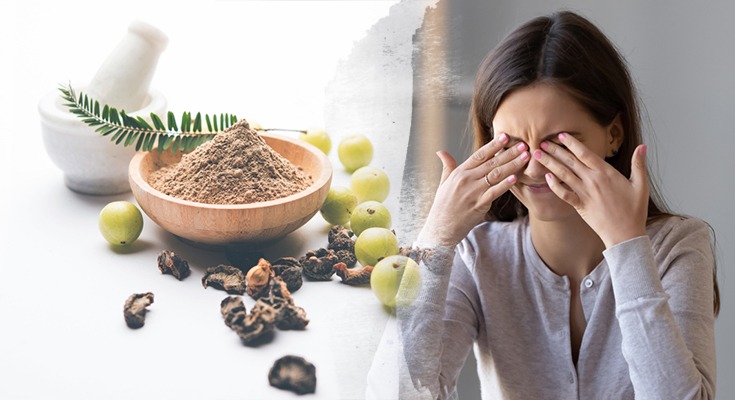
Ayurvedic remedies to improve eye health

January is Glaucoma Awareness Month and for the uninitiated, glaucoma may cause visual impairment due to optic nerve dysfunction, which is essential for communication between the brain and the eyes however, Ayurvedic experts believe that with the aid of Ayurveda, this serious issue can be stopped from worsening and there are increased chances of curing the long-term illness. As per some experts, Ayurveda, the ancient Indian medicine system, offers various simple remedies to maintain healthy eyes.

In an interview with HT Lifestyle, Dr Mahendar Singh Basu, Ayurvedic Eye Specialist and Founder of Dr. Basu Eye Hospital, shared, “According to Ayurveda, you should gently wash your eyes in the morning with cold water while holding some water in your mouth. You might also use rosewater or gulaab-jal, which is known to have cooling effects. Additionally, medicated ghee can be applied to the eyes in Netra Basti, an ayurvedic therapy. To perform this remedy, you need to lie down, and when a dough structure resembling a well is created around the eye, pour the ghee on top of it. Your eyes’ toxins will be removed by doing it.”

He added, “Tratak Karma, a meditation in front of a candle in a dark room or gazing at a point for a short duration, improves your vision. The tratak method is beneficial in treating a variety of eye ailments by eliminating dullness and a sluggish demeanour, according to ancient Ayurvedic teachings. You can also use cucumber cotton pads soaked with fresh goat’s milk to cool eye patches. When put on top of the eyes, it has a cooling effect and refreshes them completely. Moreover, Triphala, a potent herb concoction that combines three fruits – Amla, Bhibitaki and Haritaki is recommended by Ayurveda to cure Glaucoma. It can be applied through eye drops or ingested, and it helps in reducing eye strain, redness and swelling.”

Ayurvedic remedies to improve eye health

Asserting that Ayurveda aims to manage health concerns from their root, Dr Yogini Patil, BAMS and Nutritionist at LivLong, insisted that while this may take considerable time to show results, the effect is long-lasting and comprehensively rejuvenating. She suggested:

● Applications of “PratimarshNasya” daily (the procedure in which medicines are applied through the nasal cavity) cleanses shirostrotas thus preventing eye diseases.

● “PadaAbhyanga” or foot massage with herbal oils is beneficial for good vision and eye health.

● Daily application of “NetraAnjan” (medicated kajal) as a “dincharya” is the best ophthalmic medicine to prevent eye diseases.

● Eating foods rich in Vitamin A such as carrots and leafy greens is also beneficial for maintaining healthy eyes.

● Practicing yoga asanas such as Shirshasana and Trataka can also improve eyesight and reduce stress on the eyes.

● A good, balanced mental status and 6-8 hours of sound sleep is the key to better eye health.

Note: It is always essential to consult with an Ayurvedic practitioner before indulging in any new treatment regimen.

Read more at-https://bit.ly/40gmdx5

Categories
COVID-19 Government Guidelines Medical Equipments Medical Updates

Long Covid might teach us how to prevent Alzheimer’s

Researchers are uncovering links between viruses and brain diseases, which could point to a whole new approach to treatment.

Science is starting to uncover an unnerving fact about viruses: Some might affect our brains over the long haul. It came as a shock that SARS-CoV-2 can lead to lingering neurological problems — a post-viral syndrome we call long Covid. But the phenomenon might not be unique to this virus.

Scientists are finding links between common viruses such as influenza and brain diseases like multiple sclerosis, Parkinson’s, Alzheimer’s and ALS. Researchers are hoping that identifying a viral link might finally allow scientists to figure out what causes these mysterious, deadly ailments and develop new treatments.

A new study, published last week and summarized in Science, used a vast trove of electronic medical records to find thousands of people with neurodegenerative diseases and tease out correlations with 22 different kinds of infections. The biggest viral risk factor for dementia was encephalitis, which is an infection of the brain often caused by a mosquito or tick-borne disease. Other viruses tied to dementia included influenza, herpes zoster (shingles) and HPV.

Earlier studies had looked for specific viral links to Alzheimer’s and found correlations with herpes and some forms of HPV. And a study published last year showed that Epstein-Barr virus was necessary for developing MS. But scientists still haven’t figured out exactly what role the viruses play — whether they’re a direct trigger or have some peripheral role. Almost everyone on the planet carries Epstein-Barr virus, which causes mononucleosis, but only a tiny fraction ends up getting MS.

To better understand how viruses might be affecting the brain, I stopped by the National Institutes of Health to visit Avindra Nath, who is one of the few neurologists specializing in viruses — an interest he picked up after treating AIDS patients in the early 1980s. In 2014, he was the first neurologist to travel to Liberia to treat Ebola patients, and he said a fraction of those who recover suffer neurological symptoms similar to long Covid — especially chronic fatigue.

He told me that what really interests him are viruses that are embedded in our genetic codes — called endogenous retroviruses. They may have snuck in through a sexually transmitted virus that works itself into an embryo. These viruses are a source of genetic variation — and can add novel DNA to our genomes. Like mutations, these occasionally incur an advantage and spread through the population. About 8% of our genome is made of these embedded viruses.

Long Covid might teach us how to prevent Alzheimer’s

Nath’s interest in these started when he was treating a patient who had both HIV and ALS, and after taking antiretroviral drugs, the ALS disappeared. A series of human and animal studies convinced Nath that ALS might sometimes be triggered by an embedded virus called HERV-K.

Normally HERV-K is active during fetal development, so it may have spread through the human population because it does something useful in utero. But after we’re born, it normally shuts off (due to external chemical switches that bind to DNA).

Sometimes, he told me, these “off switches” fail, and one of these embedded viruses can become reactivated. That failure might be part of the cause of ALS. After years of animal studies, he started preliminary human trials assessing the effects of antiviral drugs on patients with ALS. He’s now planning a placebo-controlled clinical trial for drugs that he’s shown can suppress HERV-K.

He’s also studying the kinds of viruses we catch from the outside world. He thinks viruses are more likely to trigger brain diseases indirectly — not by getting directly into neurons, but by prompting inflammation. It’s the immune system’s response that causes the problem.

He’s now studying people with neurological problems following Covid infection — something that he estimates affected about 10% of people infected before vaccines were available and a much smaller fraction today. He said that at first he was very skeptical of claims that the virus hides out in the brain, but more recent studies have made him take it seriously, especially autopsy studies done by Dan Chertow at the NIH. It might be that those residual traces of the virus are causing persistent inflammation.

It’s possible that this has always been happening to some fraction of people who pick up common viruses. It’s just that it didn’t get all that much attention before the Covid pandemic. Nath said virology and neurology were two completely different worlds, and he was unique in trying to navigate both fields at the same time.

If viruses do indeed play a role in some of our most feared and costly diseases, that could point to a whole new approach to treatment and prevention. In the future, everyone might get vaccinated against Epstein-Barr virus as a protection against MS. And it may turn out that you can reduce your odds of getting Alzheimer’s disease by getting that shingles shot and a flu shot every year. If HPV adds to the risk, it could motivate the medical community to redouble its efforts to get that vaccine to more people.

Scientists could even eventually develop a universal, variant-proof Covid vaccine that would finally prevent the risk of long Covid.

Someday, people may look back at all the expensive drugs we tested for dementia and other brain diseases and wonder how we overlooked the benefits of cheap vaccines for so long.

Read more at-https://bit.ly/3kGNokj

Categories
COVID-19 Government Guidelines Medical Updates Medicine & Health

Practising gratitude can help you reduce stress: Research

Gratitude has a special stress-buffering effect on responses to and recovery from acute psychological stress, which can help to enhance cardiovascular health, according to a study done by researchers from Irish universities with 68 adults.

Researchers from Irish institutions discovered that gratitude has a unique stress-buffering effect on both reactions to and recovery from acute psychological stress, which can contribute to better cardiovascular health. Knowing that stress affects humans and has an impact on their health and well being, specifically causing high blood pressure and increasing cardiovascular morbidity and coronary heart disease, it is critical to understand our reactions to stress and determine whether there are any factors that can play key stress-buffering roles.

In the article “Gratitude, affect balance, and stress buffering: A growth curve examination of cardiovascular responses to a laboratory stress task”, published in January in the Journal of Psychophysiology, Brian Leavy, Brenda H. O’Connell and Deirdre O’Shea propose that, although previous research suggest that gratitude and affect-balance play key stress-buffering roles, to date little has been known about the impact of these variables on cardiovascular recovery from acute psychological stress.

That was the focus of the study by the researchers from the Universities of Maynooth and Limerick in Ireland, who also sought to find out whether affect balance moderates the relationship between gratitude and cardiovascular reactions to acute psychological stress.

The research carried out at the Irish University of Maynooth involved 68 undergraduate students (24 male and 44 female), aged between 18 and 57 years. This study used a within-subjects experimental design with lab tasks in which stress was induced to participants and then cardiovascular reactivity and recovery in response to this was measured.

Practising gratitude can help you reduce stress: Research

The results showed that state gratitude predicted lower systolic blood pressure responses throughout the stress-testing period, which means that the state of gratitude has a unique stress-buffering effect on both reactions to and recovery from acute psychological stress. It was also found that affect balance amplifies the effects of state gratitude.

These findings have clinical utility as there are several low-cost gratitude interventions which can contribute to well-being (Wood et al., 2010). For example, previous research has shown how cardiac patients who make use of gratitude journals have better cardiovascular outcomes than those who do not (Redwine et al., 2016).

Combined with the results of this study and previous work, gratitude may thus constitute a useful point of intervention for the improvement of our cardiovascular health.

Read more at-https://bit.ly/3Rb4u6f

Categories
COVID-19 Government Guidelines Medical Equipments Medical Updates Medicine & Health

High fat diet could reduce ability to regulate food intake: Study

Understanding the brain’s role and the complex mechanisms that lead to overeating, a behaviour that can lead to weight gain and obesity, could help develop therapies to treat it.

Regularly eating a high-fat/calorie diet could reduce the brain’s ability to regulate calorie intake. New research in rats found that after short periods of being fed a high-fat/high-calorie diet, the brain adapts to react to what is being ingested and reduces the amount of food eaten to balance calorie intake.

The researchers from Penn State College of Medicine, US, suggest that calorie intake is regulated in the short-term by cells called astrocytes (large star-shaped cells in the brain that regulate many different functions of neurons in the brain) that control the signalling pathway between the brain and the gut. Continuously eating a high-fat/calorie diet seems to disrupt this signalling pathway. The study was published in The Journal of Physiology.

Understanding the brain’s role and the complex mechanisms that lead to overeating, a behaviour that can lead to weight gain and obesity, could help develop therapies to treat it. Obesity is a global public health concern associated with an increased risk of cardiovascular diseases and type 2 diabetes. In England, 63 per cent of adults are considered above a healthy weight and around half of these are living with obesity. One in three children leaving primary school is overweight or obese1.

Dr Kirsteen Browning, Penn State College of Medicine, US, said,

“Calorie intake seems to be regulated in the short-term by astrocytes. We found that a brief exposure (three to five days) of a high fat/calorie diet has the greatest effect on astrocytes, triggering the normal signalling pathway to control the stomach. Over time, astrocytes seem to desensitise to high-fat food. Around 10-14 days of eating a high fat/calorie diet, astrocytes seem to fail to react and the brain’s ability to regulate calorie intake seems to be lost. This disrupts the signalling to the stomach and delays how it empties.”

High fat diet could reduce ability to regulate food intake: Study

Astrocytes initially react when high-fat/calorie food is ingested. Their activation triggers the release of gliotransmitters, chemicals (including glutamate and ATP) that excite nerve cells and enable normal signalling pathways to stimulate neurons that control how the stomach works. This ensures the stomach contracts correctly to fill and empty in response to food passing through the digestive system. When astrocytes are inhibited, the cascade is disrupted. The decrease in signalling chemicals leads to a delay in digestion because the stomach doesn’t fill and empty appropriately.

The vigorous investigation used behavioural observation to monitor food intake in rats (N=205, 133 males, 72 females) which were fed a control or high fat/calorie diet for one, three, five or 14 days. This was combined with pharmacological and specialist genetic approaches (both in vivo and in vitro) to target distinct neural circuits. Enabling the researchers to specifically inhibit astrocytes in a particular region of the brainstem (the posterior part of the brain that connects the brain to the spinal cord), so they could assess how individual neurons behaved to studying rats’ behaviour when awake. (ANI)

Human studies will need to be carried out to confirm if the same mechanism occurs in humans. If this is the case, further testing will be required to assess if the mechanism could be safely targeted without disrupting other neural pathways.

The researchers have plans to further explore the mechanism. Dr Kirsteen Browning said,

“We have yet to find out whether the loss of astrocyte activity and the signalling mechanism is the cause of overeating or that it occurs in response to the overeating. We are eager to find out whether it is possible to reactivate the brain’s apparent lost ability to regulate calorie intake. If this is the case, it could lead to interventions to help restore calorie regulation in humans.”

Read more at-https://bit.ly/3HChfmU

Categories
COVID-19 Government Guidelines Medical Equipments Medical Updates Medicine & Health

Male and female hearts respond differently to stress hormone: Study

Male and female hearts react differently to the stress hormone noradrenaline, according to a recent study published in Science Advances.

Male and female hearts react differently to the stress hormone noradrenaline, according to a recent study published in Science Advances. The research on mice may have ramifications for human heart conditions like arrhythmias and heart failure as well as how various sexes react to certain drugs.

The team built a new type of fluorescence imaging system that allows them to use light to see how a mouse heart responds to hormones and neurotransmitters in real-time. The mice were exposed to noradrenaline, also known as norepinephrine. Noradrenaline is both a neurotransmitter and hormone associated with the body’s “fight or flight” response.

The results reveal that male and female mouse hearts respond uniformly at first after exposure to noradrenaline. However, some areas of the female heart return to normal more quickly than the male heart, which produces differences in the heart’s electrical activity.

Male and female hearts respond differently to stress hormone: Study

“The differences in electrical activity that we observed are called repolarization in the female hearts. Repolarization refers to how the heart resets between each heartbeat and is closely linked to some types of arrhythmias,” said Jessica L. Caldwell, first author of the study. Caldwell is a postdoctoral scholar in the UC Davis School of Medicine Department of Pharmacology.

“We know that there are sex differences in the risk for certain types of arrhythmias. The study reveals a new factor that may contribute to different arrhythmia susceptibility between men and women,” Caldwell said.

Heart disease is the leading cause of death for both men and women in the United States. It accounted for about 1 in every 4 male deaths and 1 in every 5 female deaths in 2020. Despite the impact on both sexes, cardiology research has largely been performed on male subjects.

In this study, the researchers were interested in looking at factors that may contribute to arrhythmias. Arrhythmias are a type of heart disorder where the electrical impulses that control heartbeats don’t function properly. They affect somewhere between 1.5% to 5% of the population.

The researchers had not planned to study sex-based responses, according to Crystal M. Ripplinger, senior author of the study. But the researchers started seeing a pattern of different reactions, which led them to realize the differences were sex-based.

Ripplinger, an electrical and biomedical engineer, is a professor in the Department of Pharmacology. When she started her lab at the UC Davis School of Medicine over a decade ago, she exclusively used male animals. That was the norm for most research at the time. But several years ago, she began including male and female animals in her studies.

“Sometimes the data between the two sexes is the same. But if the data start to show variation, the first thing we do is look at sex differences. Using both male and female mice has revealed clues into differences we would never have suspected. Researchers are realizing you can’t extrapolate to both sexes from only studying one,” Ripplinger said.

She notes that with the current study, it’s not clear what the differences in cAMP and electrical activity may mean. “The response in the female mice may be protective — or it may not. But simply documenting that there is a measurable difference in the response to a stress hormone is significant. We are hoping to learn more in future studies,” Ripplinger said.

Read more at-https://bit.ly/3XVhEXd

Categories
COVID-19 Government Guidelines Medical Equipments Medical Updates Medicine & Health

Panic attack: 3 tips to help someone who’s having a panic attack

Panic attacks can occur unexpectedly and have a significant impact on daily life. If you know someone who experiences frequent panic attacks, here are some tips to help them during an episode.

panic attack is a sudden and unexpected episode of intense fear or anxiety that can lead to physical as well as emotional discomfort. One having panic attack may feel they are going to die or have a heart attack. However, one experiencing it does not realise at that time that it’s not actually life threatening. Panic attacks have certain triggers and research suggests that it is your body’s natural fight-or-flight response to danger. A racing heartbeat, sweating, trembling, difficulty breathing, stomach cramps, dizziness, nausea or choking sensation are the common symptoms of panic attacks. One must get to the root of their panic attack and get in touch with an expert as it can affect one’s quality of life severely.

While a person tends to lose control during a panic attack and feels that all the physical symptoms are real, their near and dear ones can help them deal with it with the help of certain tips. Nutritionist Lovneet Batra in her recent Instagram post offered useful suggestions to help someone who’s having a panic attack.

“Panic attacks are sudden, intense surges of fear, panic, or anxiety. They are often extremely overwhelming, and they have physical as well as emotional symptoms. Panic attacks can occur unexpectedly and have a significant impact on your daily life. Due to the extreme nature of the symptoms, it is important to understand how to react and help when someone undergoes a panic attack, as they may feel as if they are dying during an episode. However, if a person present around them is able to help them, they might feel a little better or understood. Certain strategies and methods can help alleviate panic, ease the situation, and even stop the symptoms from getting worse. Each one of us must know how to react and offer help in such situations,” says Lovneet Batra.

Panic attack: 3 tips to help someone who's having a panic attack

If you know someone who experiences panic attacks, guide them with things you can do (and avoid doing) to help them at the moment.

“Many people hesitate in helping someone facing panic attacks mostly because they don’t know what to do and they fear making the situation even worse,” says Batra.

She shared the three things that can be helpful in such situations:

Give them water

Water has calming effect. In fact, drinking cold water triggers parasympathetic nervous system to keep a person calm. What can also be helpful is physical contact with water. So, either, keeping a person’s hand or feet in water or giving them cold water to put on the face around the neck that can help easing the anxiety.

Ask if they need to sit

Help them find a comfortable chair. Let them sit as this can have a literal grounding effect that can be healing and that can be calming for their anxiety.

Use grounding technique

A grounding technique uses all five senses in calming a person. A very common grounding technique is 5-4-3-2-1 where you can ask a person to list five things they see, four things they can touch, three things they hear, two things they can smell and one thing they can taste. This in fact helps in focussing their thoughts in those questions and helps you release anxiety.

Read more at-https://bit.ly/3Hkz8Wn