Categories
COVID-19 Government Guidelines Medical Updates Medicine & Health

Practising gratitude can help you reduce stress: Research

Gratitude has a special stress-buffering effect on responses to and recovery from acute psychological stress, which can help to enhance cardiovascular health, according to a study done by researchers from Irish universities with 68 adults.

Researchers from Irish institutions discovered that gratitude has a unique stress-buffering effect on both reactions to and recovery from acute psychological stress, which can contribute to better cardiovascular health. Knowing that stress affects humans and has an impact on their health and well being, specifically causing high blood pressure and increasing cardiovascular morbidity and coronary heart disease, it is critical to understand our reactions to stress and determine whether there are any factors that can play key stress-buffering roles.

In the article “Gratitude, affect balance, and stress buffering: A growth curve examination of cardiovascular responses to a laboratory stress task”, published in January in the Journal of Psychophysiology, Brian Leavy, Brenda H. O’Connell and Deirdre O’Shea propose that, although previous research suggest that gratitude and affect-balance play key stress-buffering roles, to date little has been known about the impact of these variables on cardiovascular recovery from acute psychological stress.

That was the focus of the study by the researchers from the Universities of Maynooth and Limerick in Ireland, who also sought to find out whether affect balance moderates the relationship between gratitude and cardiovascular reactions to acute psychological stress.

The research carried out at the Irish University of Maynooth involved 68 undergraduate students (24 male and 44 female), aged between 18 and 57 years. This study used a within-subjects experimental design with lab tasks in which stress was induced to participants and then cardiovascular reactivity and recovery in response to this was measured.

Practising gratitude can help you reduce stress: Research

The results showed that state gratitude predicted lower systolic blood pressure responses throughout the stress-testing period, which means that the state of gratitude has a unique stress-buffering effect on both reactions to and recovery from acute psychological stress. It was also found that affect balance amplifies the effects of state gratitude.

These findings have clinical utility as there are several low-cost gratitude interventions which can contribute to well-being (Wood et al., 2010). For example, previous research has shown how cardiac patients who make use of gratitude journals have better cardiovascular outcomes than those who do not (Redwine et al., 2016).

Combined with the results of this study and previous work, gratitude may thus constitute a useful point of intervention for the improvement of our cardiovascular health.

Read more at-https://bit.ly/3Rb4u6f

Categories
COVID-19 Government Guidelines Medical Equipments Medical Updates Medicine & Health

High fat diet could reduce ability to regulate food intake: Study

Understanding the brain’s role and the complex mechanisms that lead to overeating, a behaviour that can lead to weight gain and obesity, could help develop therapies to treat it.

Regularly eating a high-fat/calorie diet could reduce the brain’s ability to regulate calorie intake. New research in rats found that after short periods of being fed a high-fat/high-calorie diet, the brain adapts to react to what is being ingested and reduces the amount of food eaten to balance calorie intake.

The researchers from Penn State College of Medicine, US, suggest that calorie intake is regulated in the short-term by cells called astrocytes (large star-shaped cells in the brain that regulate many different functions of neurons in the brain) that control the signalling pathway between the brain and the gut. Continuously eating a high-fat/calorie diet seems to disrupt this signalling pathway. The study was published in The Journal of Physiology.

Understanding the brain’s role and the complex mechanisms that lead to overeating, a behaviour that can lead to weight gain and obesity, could help develop therapies to treat it. Obesity is a global public health concern associated with an increased risk of cardiovascular diseases and type 2 diabetes. In England, 63 per cent of adults are considered above a healthy weight and around half of these are living with obesity. One in three children leaving primary school is overweight or obese1.

Dr Kirsteen Browning, Penn State College of Medicine, US, said,

“Calorie intake seems to be regulated in the short-term by astrocytes. We found that a brief exposure (three to five days) of a high fat/calorie diet has the greatest effect on astrocytes, triggering the normal signalling pathway to control the stomach. Over time, astrocytes seem to desensitise to high-fat food. Around 10-14 days of eating a high fat/calorie diet, astrocytes seem to fail to react and the brain’s ability to regulate calorie intake seems to be lost. This disrupts the signalling to the stomach and delays how it empties.”

High fat diet could reduce ability to regulate food intake: Study

Astrocytes initially react when high-fat/calorie food is ingested. Their activation triggers the release of gliotransmitters, chemicals (including glutamate and ATP) that excite nerve cells and enable normal signalling pathways to stimulate neurons that control how the stomach works. This ensures the stomach contracts correctly to fill and empty in response to food passing through the digestive system. When astrocytes are inhibited, the cascade is disrupted. The decrease in signalling chemicals leads to a delay in digestion because the stomach doesn’t fill and empty appropriately.

The vigorous investigation used behavioural observation to monitor food intake in rats (N=205, 133 males, 72 females) which were fed a control or high fat/calorie diet for one, three, five or 14 days. This was combined with pharmacological and specialist genetic approaches (both in vivo and in vitro) to target distinct neural circuits. Enabling the researchers to specifically inhibit astrocytes in a particular region of the brainstem (the posterior part of the brain that connects the brain to the spinal cord), so they could assess how individual neurons behaved to studying rats’ behaviour when awake. (ANI)

Human studies will need to be carried out to confirm if the same mechanism occurs in humans. If this is the case, further testing will be required to assess if the mechanism could be safely targeted without disrupting other neural pathways.

The researchers have plans to further explore the mechanism. Dr Kirsteen Browning said,

“We have yet to find out whether the loss of astrocyte activity and the signalling mechanism is the cause of overeating or that it occurs in response to the overeating. We are eager to find out whether it is possible to reactivate the brain’s apparent lost ability to regulate calorie intake. If this is the case, it could lead to interventions to help restore calorie regulation in humans.”

Read more at-https://bit.ly/3HChfmU

Categories
COVID-19 Government Guidelines Medical Equipments Medical Updates Medicine & Health

Male and female hearts respond differently to stress hormone: Study

Male and female hearts react differently to the stress hormone noradrenaline, according to a recent study published in Science Advances.

Male and female hearts react differently to the stress hormone noradrenaline, according to a recent study published in Science Advances. The research on mice may have ramifications for human heart conditions like arrhythmias and heart failure as well as how various sexes react to certain drugs.

The team built a new type of fluorescence imaging system that allows them to use light to see how a mouse heart responds to hormones and neurotransmitters in real-time. The mice were exposed to noradrenaline, also known as norepinephrine. Noradrenaline is both a neurotransmitter and hormone associated with the body’s “fight or flight” response.

The results reveal that male and female mouse hearts respond uniformly at first after exposure to noradrenaline. However, some areas of the female heart return to normal more quickly than the male heart, which produces differences in the heart’s electrical activity.

Male and female hearts respond differently to stress hormone: Study

“The differences in electrical activity that we observed are called repolarization in the female hearts. Repolarization refers to how the heart resets between each heartbeat and is closely linked to some types of arrhythmias,” said Jessica L. Caldwell, first author of the study. Caldwell is a postdoctoral scholar in the UC Davis School of Medicine Department of Pharmacology.

“We know that there are sex differences in the risk for certain types of arrhythmias. The study reveals a new factor that may contribute to different arrhythmia susceptibility between men and women,” Caldwell said.

Heart disease is the leading cause of death for both men and women in the United States. It accounted for about 1 in every 4 male deaths and 1 in every 5 female deaths in 2020. Despite the impact on both sexes, cardiology research has largely been performed on male subjects.

In this study, the researchers were interested in looking at factors that may contribute to arrhythmias. Arrhythmias are a type of heart disorder where the electrical impulses that control heartbeats don’t function properly. They affect somewhere between 1.5% to 5% of the population.

The researchers had not planned to study sex-based responses, according to Crystal M. Ripplinger, senior author of the study. But the researchers started seeing a pattern of different reactions, which led them to realize the differences were sex-based.

Ripplinger, an electrical and biomedical engineer, is a professor in the Department of Pharmacology. When she started her lab at the UC Davis School of Medicine over a decade ago, she exclusively used male animals. That was the norm for most research at the time. But several years ago, she began including male and female animals in her studies.

“Sometimes the data between the two sexes is the same. But if the data start to show variation, the first thing we do is look at sex differences. Using both male and female mice has revealed clues into differences we would never have suspected. Researchers are realizing you can’t extrapolate to both sexes from only studying one,” Ripplinger said.

She notes that with the current study, it’s not clear what the differences in cAMP and electrical activity may mean. “The response in the female mice may be protective — or it may not. But simply documenting that there is a measurable difference in the response to a stress hormone is significant. We are hoping to learn more in future studies,” Ripplinger said.

Read more at-https://bit.ly/3XVhEXd

Categories
COVID-19 Government Guidelines Medical Equipments Medical Updates Medicine & Health

Union Budget 2023-24: Govt needs to continue strengthening healthcare infrastructure; promote Make in India in pharma

The Union Budget 2023-24 is being presented at a time when the global economy is going through geo-political conflicts, rising inflation, and global recessionary inclinations.

Despite the uncertainties, the year 2023 holds a positive outlook for India’s pharmaceutical industry. The market has experienced significant growth during the past two decades, and pharma revenues worldwide totalled $1.42 trillion in 2021.
With the pandemic accentuating the significance of health and wellness, the Indian pharmaceutical industry is expecting expansion in the budget outlay and fund allocations in the upcoming Union Budget (2023-2024).

While the healthcare sector acquired a 16% hike in the budget allocation last year due to the pandemic crisis, the increase in the share of healthcare and pharma spending in the upcoming budget is imperative.

According to a recent EY FICCI report, as there has been a growing consensus over providing new innovative therapies to patients, the Indian pharmaceutical market is estimated to touch $130 billion in value by the end of 2030.
Meanwhile, the global market size of pharmaceutical products is estimated to cross over the $1 trillion mark in 2023. Thus, it is essential to allocate separate funds for R&D, formulation and API.

Union Budget 2023-24: Govt needs to continue strengthening healthcare infrastructure; promote Make in India in pharma
Additionally, it needs to put a deeper focus on quality manufacturing, and adoption of innovation and technology in terms of formulation manufacturing, diagnostics, packaging, medical devices among others.
The upcoming budget is also likely to focus on preventive healthcare, given the significant rise in non-communicable and lifestyle diseases in the country. Government incentives and grants for cost-intensive research are also anticipated.
Moreover, offering incentives to domestic API manufacturers and bringing about a reduction in GST and import duty on APIs is the need of the hour.

Further, given the increased reliance on imports towards medical equipment, incremental allocation towards manufacturing of healthcare equipment will help India become self-reliant. The government should come up with strategic plans to offer financial incentives to encourage the production of high-end medical devices in India.

Furthermore, the government may take measures to improve the ease of doing business in the pharmaceutical sector by simplifying the process and making it industry-friendly. Whilst the pandemic isn’t over yet, and its side effects long to stay here, the Union Budget (2023-2024) needs to continue focussing on strengthening the infrastructure of the healthcare sector and shift direction towards promoting Make in India pharmaceuticals for making India truly ‘Atmanirbhar’. We must become self-sufficient and competitive in KSMs and APIs to boost the growth of this sector.

The year 2022 saw several collaborations between the industry and academia, with both playing a pivotal role in helping the sector further strengthen its position in the global market. The same is expected in the coming year, along with the government and the industry partnering together for the greater good.
We must work together to ensure that Indian pharmacopoeia is acknowledged and appreciated worldwide. The government should make a roadmap and move forward so that more countries accept Indian pharmacopoeia.

The Pharmaceutical Inspection Cooperation Scheme (PICS) is bringing a great revolution in the GMP standards to establish the high quality in the drug product and thus India should become the member of PIC/S to raise its GMP standards as it is recognised as the ‘power house’ of pharmaceutical manufacturing. And for that, both regulators as well the industry need to upgrade themselves. To get PICS membership, our regulators, both at the central as well as at the state levels, need to undergo intense training programmes and our research laboratories need to be upgraded.

Similarly, at the industry level, pharma companies need to set up their facilities that comply with international regulatory requirements like the WHO GMP, US FDA among others.

A PICS membership reduces duplication of inspections, facilitates the industry in export, and provides huge market access among other benefits. As the industry expands its footprint across the world, it will need to continuously invest in upgrading manufacturing standards to keep its promise of being a high-quality, reliable supplier of medicines to the world.

The government has a role to play in terms of expanding the PLI scheme so that more local manufacturers can access incentives and support needed to play in the API sector, as well as formulations to cater to regulated export markets. Also, considering the rising need for robust intellectual property (IP) law and rights, we will need to work towards harmonising our regulatory requirements to global standards.

Similarly, at the industry level, pharma companies need to set up their facilities that comply with international regulatory requirements like the WHO GMP, US FDA among others.
A PICS membership reduces duplication of inspections, facilitates the industry in export, and provides huge market access among other benefits. As the industry expands its footprint across the world, it will need to continuously invest in upgrading manufacturing standards to keep its promise of being a high-quality, reliable supplier of medicines to the world.

The government has a role to play in terms of expanding the PLI scheme so that more local manufacturers can access incentives and support needed to play in the API sector, as well as formulations to cater to regulated export markets. Also, considering the rising need for robust intellectual property (IP) law and rights, we will need to work towards harmonising our regulatory requirements to global standards.

Read more at-https://bit.ly/3iNxfZM

Categories
COVID-19 Medical Equipments Medical Updates Medicine & Health

6 soaked superfoods to eat on empty stomach for boosting immunity and health

Nutritionist Juhi Kapoor in her recent Instagram post talks about superfoods that can help with micronutrient deficiency and relieve symptoms of chronic or persistent health issues.

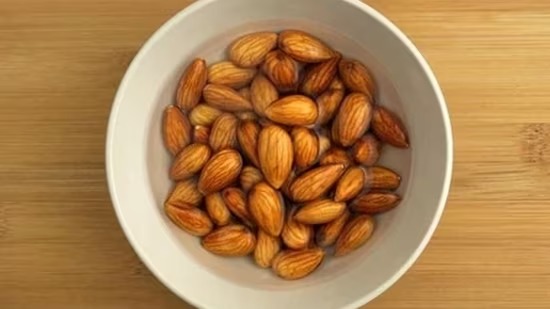
Small changes in your diet can make a big difference in your overall health. Mornings especially are perfect to give your day a perfect nutritional start. Many of us may face micronutrient deficiencies that could be the cause behind some serious health issues. For instance, a lack of iron, folate and vitamins B12 and A can lead to anaemia. Vitamin D deficiency can lead to low blood calcium levels, rickets, softening of bones in adults. Nuts such as almond, cashew nuts, walnut, and peanuts are a good source of B-vitamins, folate and vitamin E. These tiny superfoods if eaten regularly can thus play a major role in your well-being. Health experts say that nutrients are better absorbed by the body when you soak these nuts. Soaking them overnight helps remove the phytic acid in these nuts which causes indigestion. Soaking nuts also improves their digestibility and helps better their taste and texture.

Nutritionist Juhi Kapoor in her recent Instagram posts has talked about superfoods that can help with micronutrient deficiency and relieve symptoms of chronic or persistent health issues.

6 soaked superfoods to eat on empty stomach for boosting immunity and health

1. Soaked almonds for PCOS, acne relief

Kapoor says eating soaked almonds can help relieve PCOS, acne and achieve glowing skin. Soak 5-7 almonds overnight, peel them in the morning and consume daily.

2. Soaked raisins and kesar for period troubles

For period pain and irregular periods, 6-8 soaked raisins and 2 strands kesar can be soaked overnight. It can be consumed the next morning.

3. Soaked black raisins for hair fall

For hair fall and immunity related problems, soak black raisins overnight and consume next morning.

4. Soaked walnuts for memory and concentration

Two walnuts can be soaked overnight and consumed in the morning to boost brain power, memory, and concentration. It is great for kids to boost their academic performance.

5. Soaked moong for women and kid’s health

Soak 2 tbsp moong and consume in the morning for better hair, muscle health and good Skin. It is especially great for teenagers and women.

6. Soaked figs for constipation

Two soaked figs can do wonders for your gut health. Kapoor says it can help relieve constipation especially in pregnant women and senior citizens.

HOW TO SOAK

– Wash thoroughly

– Soak overnight in clean drinking water

– Discard water in morning

– Consume walnuts/figs directly.

– Green moong can be left to sprout (cover with sieve or cloth) for 6-8 hours. Steam and consume with salad.

Read more at-https://bit.ly/3WjahYj

Categories
COVID-19 Government Guidelines Medical Updates Medicine & Health

7 foods to consume in winter to avoid cold and cough

If you are falling ill frequently and feel low on energy all the time, you may need an immunity boost. Here are foods you must consume in winter season to avoid infections.

Cold and cough is a common symptom of many viral infections be it flu, Covid, RSV (respiratory syncytial virus) that are rampant in winter season. If you are falling ill frequently and feel low on energy all the time, you may need an immunity boost. Winter is a time of illnesses, but it is also a season of superfoods. Eating leafy green vegetables like mustard and spinach, seasonal fruits like amla and oranges can help improve your immunity and guard you against infections. While all we crave for during biting cold is some comfort food, we should instead add healthy ingredients to our meals.

“The ultimate goal for the cold and flu season? Trying not to get sick in the first place because prevention is the best way to protect yourself. Good nutrition – along with exercise and getting enough sleep – is the key to keeping your body fit to fight off germs,” says Nutritionist Lovneet Batra in her recent Instagram post.

She also lists some foods that one can eat to prevent cold and cough in the season.

7 foods to consume in winter to avoid cold and cough

Garlic

Garlic has natural antibacterial properties and a compound called allicin that helps in fighting off infections.

Turmeric milk

Golden milk is often used as a home remedy against colds. It can help build immunity. You can also add black pepper for instant action.

Tulsi

Tulsi does wonders by acting as a natural immune system booster while keeping infections at bay.

Almonds

Almonds are high in vitamin E, which fortifies the immune system. They also contain zinc, a mineral that has been beneficial during colds and coughs.

Amla

This seasonal fruit is rich in Vitamin C, which is known to have excellent immunity-boosting and antioxidant properties. Consuming Vitamin C regularly is associated with better performance of macrophages and other cells of the immune system.

Read more at-https://bit.ly/3GLDeGC

Categories
COVID-19 Government Guidelines Medical Updates Medicine & Health

Is it flu or Covid-19? Experts on how to differentiate between the symptoms

Flu and Covid-19, both being respiratory illnesses, have a lot in common in terms of symptoms and way of transmission. Here’s how you can know the difference between their symptoms.

Flu and Covid-19, both being respiratory illnesses, have a lot in common in terms of symptoms like fever, cough, sore throat, difficulty breathing, and how they are transmitted – through cough, sneeze or touching an infected object. So, you may not initially know if you are suffering from flu or Covid-19. The best way to know for sure is to get tested without delay. The primary difference between the two is that the flu and Covid-19 are caused by difference viruses. Covid-19 is caused by the SARS-CoV-2, while influenza viruses are responsible for flu. Flu may cause severe symptoms in elderly while Covid-19 can lead to severe disease even in those who are not in vulnerable group. Covid can infect a greater number of people than flu and the symptom onset is slightly slower. Good thing is there is a vaccine for both the infections and one must get their shots to prevent these infections.

We spoke to experts on difference between flu and Covid-19 symptoms and here’s what they said.

“The flu and Covid-19 are both respiratory illnesses, but they are caused by different viruses. Symptoms of the flu and Covid-19 can be similar, such as fever, cough, and fatigue, but there are some key differences. The flu typically causes more severe symptoms in the elderly and people with underlying health conditions, whereas Covid-19 can cause severe illness in people of all ages,” says Dr Shalini Joshi, Senior Consultant-Internal Medicine, Fortis Hospital Bannerghatta Road, Bangalore.

Is it flu or Covid-19? Experts on how to differentiate between the symptoms

Different viruses

“Covid-19 and flu (Influenza) are contagious illnesses of the respiratory tract. They differ from each other in several aspects. These are caused by two different viruses, i.e., SARS CoV-2 and influenza virus, respectively,” says Dr Rohit Kumar Garg, Consultant, Department of Infectious Diseases, Amrita Hospital, Faridabad.

Loss of taste or smell

Dr Joshi says Covid-19 can cause loss of taste or smell, which is not a symptom of the flu.

“Although symptoms such as fever, cough, sore throat, body aches, headache, fatigue, vomiting, diarrhoea etc. are usual and common to both, COVID patients may also experience loss of smell, loss of taste,” says Dr Garg.

Symptom onset

“The time period from viral exposure to symptoms onset is shorter for flu (1-4 days) and somewhat longer for Covid (2–14 days). The exposed person starts spreading the SARS CoV-2 virus 2–3 days before symptoms onset, whereas in the flu, patients start spreading 1 day before symptoms,” says Dr Garg.

Which is more contagious?

“Patients remain infective for a longer duration after Covid than flu. SARS CoV-2 virus is more contagious than flu virus, i.e., it can infect many patients at a time, whereas only 1-2 patients at a time in case of flu,” says Dr Garg.

Symptoms and complications in Covid-19

“A Covid patient may also experience the formation of clot in blood vessels and cytokine release syndrome, in addition to other complications such as pneumonia, respiratory failure, multi-organ dysfunction, or sepsis etc. A Covid patient may experience symptoms such as cough, fatigue, shortness of breath, a high pulse rate, poor appetite, etc. for a long time after recovery from an acute illness,” says Dr Garg, adding, “SARS CoV-2 virus can cause serious complications even in healthy individuals, unlike the flu, which cause serious complications usually in patients with comorbid conditions.”

“It’s crucial to take the appropriate precautions to protect yourself and others from both viruses, the best way to prevent both is to get vaccinated, and practice good hygiene, such as washing your hands frequently and avoiding close contact with sick people. Flu (Influenza) is caused by a virus and most people recover on their own but it can lead to serious problems in high-risk patients. Therefore, we recommend yearly Influenza vaccination for elderly people, people living with chronic health diseases like diabetes, liver and kidney issues or weak immune systems. Consultation with a doctor is advised because the symptoms are quite similar. It is important to conduct appropriate tests for diagnosis and early treatment should be started by the health care professionals,” says Dr Shalini Joshi.

“There are specific antiviral treatments and vaccines for SARS CoV-2 and influenza viruses. Despite these differences, the key preventive strategies, i.e., social distancing, use of face masks, cough etiquettes, hand cleanliness, and vaccination, remain the same for both due to similarity in mode of transmission and route of infection, as well as the availability of effective vaccines against both of them, says Dr Rohit Kumar Garg.

Read more at-https://bit.ly/3iGkReb

Categories
COVID-19 Government Guidelines Medical Updates Medicine & Health

What we know about ‘Kraken’ Covid Variant XBB.1.5; why it’s causing concern

A new Covid variant that was first detected last year has quickly become the dominant strain in the US — and picked up a creepy moniker along the way.

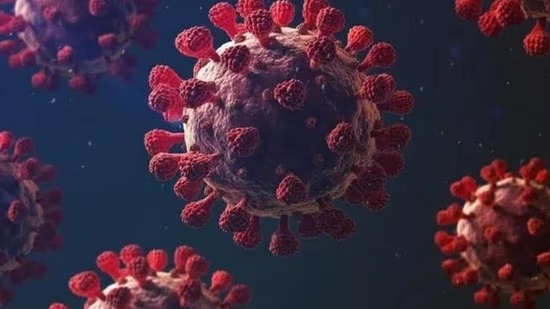
A new Covid variant that was first detected last year has quickly become the dominant strain in the US — and picked up a creepy moniker along the way. Nicknamed the ‘kraken variant’ by some, it surged through the nation and has now been identified in at least 37 other countries, according to the World Health Organization. Is it more dangerous? Does it spread more easily? And how will it affect China’s Covid outbreak?

Here are all your questions, answered:

What is the new variant?

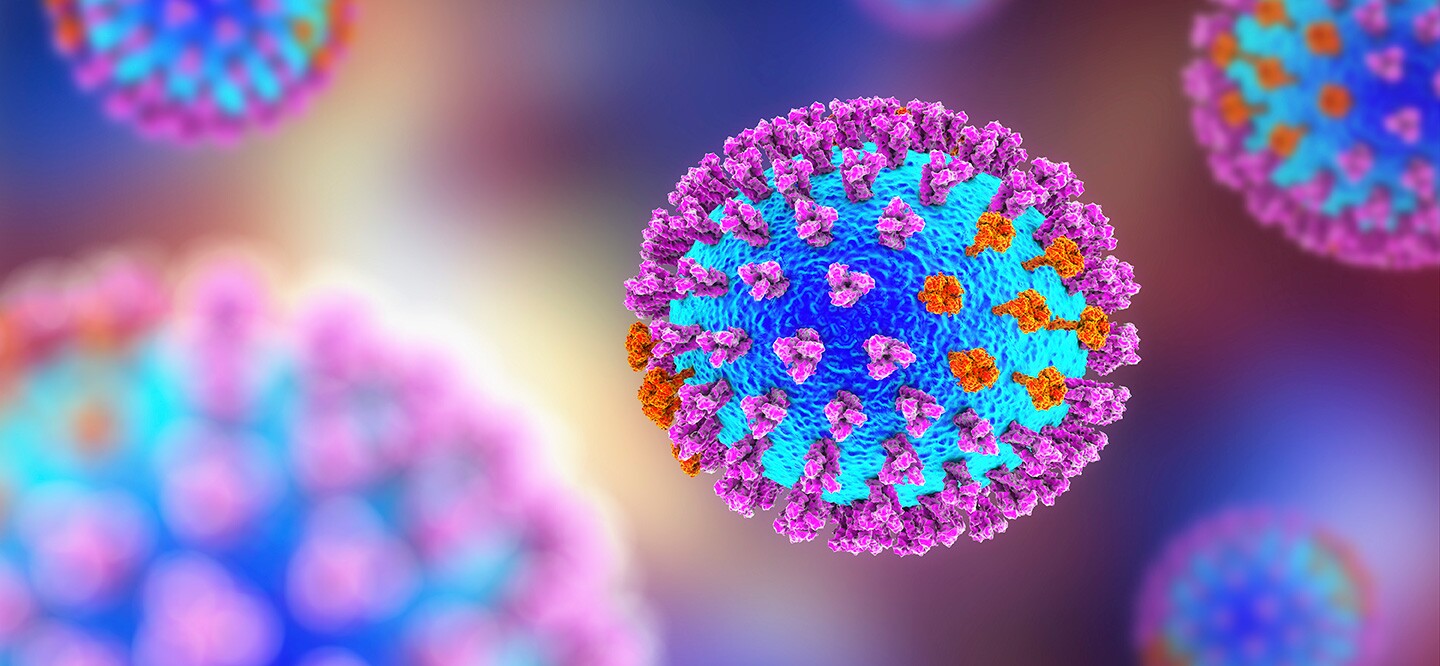
XBB.1.5 is a descendant of the omicron XBB subvariant — which is itself a cross between two earlier strains: BA.2.75 and BA.2.10.1.

The original XBB variant has already caused waves of infection in countries including Singapore and India since the WHO first raised concern about it last October.

How fast is XBB.1.5 spreading?

While accounting for just 2% of all Covid cases at the start of December, the latest estimates from the US Centers for Disease Control and Prevention show that it surged to become the second-most dominant strain in the first week of January, responsible for about 28% of all national infections. In the northeast, that figure has jumped above 70%.

XBB.1.5 is “the most transmissible sub-variant which has been detected yet,” said the WHO’s Covid-19 technical lead, Maria Van Kerkhove, during a press conference on Jan. 4. Health authorities are warning it could be much more widespread than current data show, thanks to its undetected proliferation tied to a drop-off in testing.The US has accounted for the bulk of sequenced variant cases — around eight in 10 — reported across the world since October 2022, followed by the UK. The proportion of infections caused by XBB.1.5 is lower in other countries, although the picture may rapidly change. Estimates from the Wellcome Sanger Institute found that the variant made up around 4% of Covid infections in England as of mid-December, while Canada has found a handful of such cases.

In Europe, XBB.1.5 may drive an increase in the number of cases, though it’s unlikely to happen in January since it’s present in such low levels currently, according to a Jan. 9 statement from the European Centre for Disease Prevention and Control.

Scientists pointed out that the sub-variant has a much stronger affinity to ACE2, a key receptor for the virus, which allows it to bind more easily and boosts its transmissibility.
What we know about ‘Kraken’ Covid Variant XBB.1.5; why it's causing concern

Is it more dangerous than previous variants?

There haven’t been significant differences in the severity of symptoms reported between cases caused by XBB.1.5 and previous variants. Like other strains that concerned scientists, however, it’s attracting attention because it is exhibiting signs of immunity escape. That means it has an ability to evade natural immunity or previous protection provided by vaccines, and re-infect people who have recovered from an earlier bout of Covid.

Still, data remains limited on XBB.1.5’s propensity to cause severe disease or death. The WHO has said the variant doesn’t carry mutations linked to changes in severity, although it notes that there is a lack of research findings to make that claim conclusively.

Previous therapies to tackle Covid — like monoclonal antibody treatments — were rendered ineffective by previous strains. That trend has continued with the new variant. Scientists in a recent peer-reviewed article published in the journal Cell warned that subvariants like XBB pose “serious threats” to current Covid vaccines, while the WHO has called XBB variants some of the “most antibody-resistant variants to date.” Higher transmissibility also means more people are likely to get infected, and thereby suffer severe outcomes.

It’s unclear if the US experience with XBB.1.5 will extend to other countries. America, unlike many other developed nations, suffers from low vaccination rates. Only 15% of the population aged five and above has received an updated bivalent booster dose. The rate is slightly better among the vulnerable elderly population, including those aged 65 and above, with fewer than four in 10 receiving the shot. Hospitalization rates for Covid are already rising, amid a surge in other winter-season infections like influenza.

Has it reached China yet and what will be its impact?

China, which is going through a major wave of infections after dismantling its stringent Covid Zero policy in December, has yet to report any domestic cases of XBB.1.5. Shanghai has detected a handful of infections caused by the variant and said all were imported cases. But health agencies across the world, including the WHO, have raised concerns that China isn’t providing enough genomic sequencing information to come to a definitive conclusion.

In the meantime, the country’s Covid wave is being driven by two other omicron strains: BA.5.2 and BF.7. Together they account for 97.5% of all local infections, according to genomic sequencing data from the Chinese Center for Disease Control and Prevention.

Authorities have tried to allay fears that XBB variants will drive new waves of infection in China, where experts are arguing that the recent mass outbreak will provide short-term protection. Still, many people — already spooked by the strained healthcare system and limited availability of treatments — aren’t convinced. A widely circulated viral post claiming the XBB variant may lead to vomiting and diarrhea led to an anti-diarrheal medication selling out across China as panicked buyers snapped it up.

Where did the ‘Kraken’ name come from?

Covid variants are currently named by an expert group convened by the WHO. It identifies so-called variants of concern that have potential global public health significance, such as reducing the effectiveness of current pandemic measures, using the Greek alphabet. Previous strains like alpha, beta and delta fell under the convention.

But the last Greek-named variant, omicron, emerged more than a year ago and left no room for the emergence of other, significantly different strains. Omicron has spawned multiple lineages, including XBB.1.5, and their names stem from a mix of alphabets and numbers known as “Pango.”

That has led to the rise in popularity of informal online nicknames, including “Kraken.” The moniker for XBB.1.5 was proposed by an evolutionary professor on Twitter to match the strength of the new strain with the mythological sea monster.

Read more at-https://bit.ly/3GAxSOl

Categories
COVID-19 Government Guidelines Medical Updates Medicine & Health

Child’s weight has little effect on mood, behavioural disorders: Study

Children with obesity are more likely to be diagnosed with depression, anxiety, or attention-deficit hyperactivity disorder (ADHD). But the nature of the relationship between obesity and these mental health conditions is not clear. Obesity might contribute to mental health symptoms, or vice versa.

According to a new study, childhood BMI is unlikely to have a significant impact on children’s mood or behavioural disorders.

The results suggest that some previous studies, which have shown a strong link between childhood obesity and mental health, may not have fully accounted for family genetics and environmental factors.

Children with obesity are more likely to be diagnosed with depression, anxiety, or attention-deficit hyperactivity disorder (ADHD). But the nature of the relationship between obesity and these mental health conditions is not clear. Obesity might contribute to mental health symptoms, or vice versa. Alternatively, a child’s environment might contribute to both obesity and mood and behavioural disorders.

“We need to better understand the relationship between childhood obesity and mental health,” says lead author Amanda Hughes, Senior Research Associate in Epidemiology at Bristol Medical School, University of Bristol, UK. “This requires teasing apart the contributions of child and parent genetics and the environmental factors affecting the whole family.”

Hughes and colleagues examined genetic and mental health data from 41,000 eight-year-old children and their parents from the Norwegian Mother, Father, and Child Cohort Study and Medical Birth Registry of Norway. They assessed the relationship between children’s body mass index (BMI) — a ratio of weight and height — and symptoms of depression, anxiety and ADHD. To help separate the effects of the children’s genetics from the influence of other factors that affect the whole family, they also accounted for parental genetics and BMI.

Child's weight has little effect on mood, behavioural disorders: Study

The analysis found a minimal effect of a child’s own BMI on their anxiety symptoms. There was also conflicting evidence about whether a child’s BMI influenced their depressive or ADHD symptoms. This suggests that policies aiming to reduce childhood obesity are unlikely to have a big impact on the prevalence of these conditions. “At least for this age group, the impact of a child’s own BMI appears small. For older children and adolescents, it could be more important,” says Neil Davies, Professor at University College London, UK.

When they looked at the effect of the parents’ BMI on the children’s mental health, the team found little evidence that the parents’ BMI affected children’s ADHD or anxiety symptoms. The data suggested that having a mother with a higher BMI might be linked with depressive symptoms in children, but there was little evidence of any link between the child’s mental health and the father’s BMI.

“Overall, the influence of a parent’s BMI on a child’s mental health seems to be limited. As a result, interventions to reduce parents’ BMIs are unlikely to have widespread benefits to children’s mental health,” says Alexandra Havdahl, Research Professor at the Norwegian Institute of Public Health, Norway. Havdahl is a co-senior author of the study alongside Neil Davies and Laura Howe, Professor of Epidemiology and Medical Statistics at Bristol Medical School.

“Our results suggest that interventions designed to reduce child obesity are unlikely to make big improvements in child mental health. On the other hand, policies which target social and environmental factors linked to higher body weights, and which target poor child mental health directly, may be more beneficial,” Hughes concludes.

Read more at-https://bit.ly/3iqs81A

Categories
COVID-19 Government Guidelines Medical Equipments Medical Updates Medicine & Health

Early intervention effective in treating neurodevelopmental disorders: Study

The results suggest that critical period plasticity in the amygdala is increased and may be shifted to earlier developmental time-points. This could cause a ‘maladaptive’ form of plasticity and yet one that can be treated with therapeutic intervention at key developmental time points.

A new study suggests that therapeutic interventions to treat neurodevelopmental disorders may be more effective if done during the early stages of brain development.

“In order to stop the progression of neurodevelopmental disorders, it is important to identify how and when brain circuits are changing during development. Our study identifies when circuits are altered in addition to how brain circuits are corrected,” said the study’s senior author Molly Huntsman, PhD, associate professor at the University of Colorado Skaggs School of Pharmacy and Pharmaceutical Sciences located on the University of Colorado Anschutz Medical Campus.

The study, published in The Journal of Neuroscience, looks at Fragile X Syndrome (FXS), a pervasive neurodevelopmental disorder and a common cause of intellectual disability, autism and anxiety disorders.

Early intervention effective in treating neurodevelopmental disorders: Study

“Currently, there are no approved or effective therapies targeting specific pathophysiology underlying the clinical manifestations of FXS,” Huntsman said, adding, “We’re hoping to provide answers for when and how to treat FXS to help with therapeutic options eventually.”

The CU Skaggs School of Pharmacy researchers identified potential causal circuit-level changes during a critical period of brain development susceptible to therapeutic intervention. They focused on the amygdala — the brain region where fear and anxiety are processed.

Using a mouse model of FXS, they identified a critical period of increased circuit plasticity occurring in early brain development. They showed that fear-learning emerges in the brain during these periods of increased plasticity. At the same time, they demonstrated that early intervention ameliorates it.

The results suggest that critical period plasticity in the amygdala is increased and may be shifted to earlier developmental time-points. This could cause a ‘maladaptive’ form of plasticity and yet one that can be treated with therapeutic intervention at key developmental time points.

Age at the time of treatment, the study said, is important because early pharmacological intervention was shown as effective in reducing fear-learning in the mouse model.

“This is highly significant and addresses a critical barrier for understanding how circuits develop in a mouse model of autism and intellectual disability and even more important, for therapeutic intervention-directed treatment options,” Huntsman said.

Read more at-https://bit.ly/3Za6oYm