Categories
COVID-19 Government Guidelines Medical Equipments Medical Updates Medicine & Health

Panic attack: 3 tips to help someone who’s having a panic attack

Panic attacks can occur unexpectedly and have a significant impact on daily life. If you know someone who experiences frequent panic attacks, here are some tips to help them during an episode.

panic attack is a sudden and unexpected episode of intense fear or anxiety that can lead to physical as well as emotional discomfort. One having panic attack may feel they are going to die or have a heart attack. However, one experiencing it does not realise at that time that it’s not actually life threatening. Panic attacks have certain triggers and research suggests that it is your body’s natural fight-or-flight response to danger. A racing heartbeat, sweating, trembling, difficulty breathing, stomach cramps, dizziness, nausea or choking sensation are the common symptoms of panic attacks. One must get to the root of their panic attack and get in touch with an expert as it can affect one’s quality of life severely.

While a person tends to lose control during a panic attack and feels that all the physical symptoms are real, their near and dear ones can help them deal with it with the help of certain tips. Nutritionist Lovneet Batra in her recent Instagram post offered useful suggestions to help someone who’s having a panic attack.

“Panic attacks are sudden, intense surges of fear, panic, or anxiety. They are often extremely overwhelming, and they have physical as well as emotional symptoms. Panic attacks can occur unexpectedly and have a significant impact on your daily life. Due to the extreme nature of the symptoms, it is important to understand how to react and help when someone undergoes a panic attack, as they may feel as if they are dying during an episode. However, if a person present around them is able to help them, they might feel a little better or understood. Certain strategies and methods can help alleviate panic, ease the situation, and even stop the symptoms from getting worse. Each one of us must know how to react and offer help in such situations,” says Lovneet Batra.

Panic attack: 3 tips to help someone who's having a panic attack

If you know someone who experiences panic attacks, guide them with things you can do (and avoid doing) to help them at the moment.

“Many people hesitate in helping someone facing panic attacks mostly because they don’t know what to do and they fear making the situation even worse,” says Batra.

She shared the three things that can be helpful in such situations:

Give them water

Water has calming effect. In fact, drinking cold water triggers parasympathetic nervous system to keep a person calm. What can also be helpful is physical contact with water. So, either, keeping a person’s hand or feet in water or giving them cold water to put on the face around the neck that can help easing the anxiety.

Ask if they need to sit

Help them find a comfortable chair. Let them sit as this can have a literal grounding effect that can be healing and that can be calming for their anxiety.

Use grounding technique

A grounding technique uses all five senses in calming a person. A very common grounding technique is 5-4-3-2-1 where you can ask a person to list five things they see, four things they can touch, three things they hear, two things they can smell and one thing they can taste. This in fact helps in focussing their thoughts in those questions and helps you release anxiety.

Read more at-https://bit.ly/3Hkz8Wn

Categories
COVID-19 Government Guidelines Medical Equipments Medical Updates

Nonmelanoma skin cancer might be prevented with simple laser treatments: Study

According to new research, straightforward laser treatments to the skin may help to prevent the formation of these cancers. Basal cell carcinoma and squamous cell carcinoma, jointly known as keratinocyte carcinoma, are the most prevalent types of cancer identified in the United States.

New research indicates that simple laser treatments to the skin may help to prevent the development of basal cell carcinoma and squamous cell carcinoma, which are collectively known as keratinocyte carcinoma and are the most common types of cancer diagnosed in the United States. The work was conducted by a team of researchers from Massachusetts General Hospital, a founding member of Mass General Brigham. Published in Dermatologic Surgery, it reveals an easy-to-implement strategy to protect individuals’ skin health.

Nonablative fractional lasers (NAFL) deliver heat in a fractional manner that leaves it fully intact after treatment (unlike ablative fractional lasers that remove the top layer of skin), and they’re currently used to treat scars, sun-damaged skin, age spots, and more; however, their effectiveness for preventing skin damage is unknown.

To investigate, Mathew Avram, MD, JD, director of the Mass General Dermatology Laser & Cosmetic Center, and his colleagues studied patients who had been successfully treated for facial keratinocyte carcinoma in the past. Such patients have a 35% risk of experiencing a subsequent keratinocyte carcinoma within 3 years and a 50% risk within 5 years.

In the study, 43 patients received NAFL therapy and 52 served as controls and did not receive NAFL therapy. The rate of subsequent facial keratinocyte carcinoma development over an average follow-up of more than 6 years was 20.9% in NAFL-treated patients and 40.4% in controls, indicating that patients treated with NAFL had about half the risk.

Nonmelanoma skin cancer might be prevented with simple laser treatments: Study

When controlling for age, gender, and skin type, control patients were 2.65-times more likely to develop a new facial keratinocyte carcinoma than NAFL-treated patients. Also, among patients who developed a facial keratinocyte carcinoma, the time to development was significantly longer in patients treated with NAFL compared with untreated patients.

“These findings suggest that NAFL treatment may have an important role in protecting against subsequent keratinocyte carcinomas,” says Avram. “While the mechanism of NAFL’s protective effect is not completely understood, it is suspected that NAFL treatment reduces the overall burden of photo damaged keratinocytes and may promote a wound healing response, which gives healthy skin cells a selective advantage.”

Avram noted that additional studies are warranted to more critically assess the role of NAFL in skin cancer prevention, to reveal the duration of its protective effects, and to determine optimal treatment parameters. “Based on this research, it’s encouraged for patients to have nonablative laser treatments to help prevent skin cancer if they are at risk or notice abnormalities,” says Avram.

Read more at-https://bit.ly/3XE0Vas

Categories
COVID-19 Medical Equipments Medical Updates Medicine & Health

6 soaked superfoods to eat on empty stomach for boosting immunity and health

Nutritionist Juhi Kapoor in her recent Instagram post talks about superfoods that can help with micronutrient deficiency and relieve symptoms of chronic or persistent health issues.

Small changes in your diet can make a big difference in your overall health. Mornings especially are perfect to give your day a perfect nutritional start. Many of us may face micronutrient deficiencies that could be the cause behind some serious health issues. For instance, a lack of iron, folate and vitamins B12 and A can lead to anaemia. Vitamin D deficiency can lead to low blood calcium levels, rickets, softening of bones in adults. Nuts such as almond, cashew nuts, walnut, and peanuts are a good source of B-vitamins, folate and vitamin E. These tiny superfoods if eaten regularly can thus play a major role in your well-being. Health experts say that nutrients are better absorbed by the body when you soak these nuts. Soaking them overnight helps remove the phytic acid in these nuts which causes indigestion. Soaking nuts also improves their digestibility and helps better their taste and texture.

Nutritionist Juhi Kapoor in her recent Instagram posts has talked about superfoods that can help with micronutrient deficiency and relieve symptoms of chronic or persistent health issues.

6 soaked superfoods to eat on empty stomach for boosting immunity and health

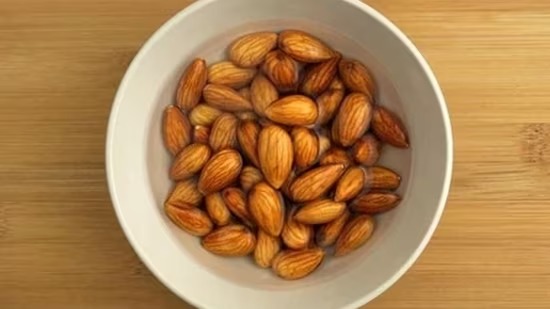
1. Soaked almonds for PCOS, acne relief

Kapoor says eating soaked almonds can help relieve PCOS, acne and achieve glowing skin. Soak 5-7 almonds overnight, peel them in the morning and consume daily.

2. Soaked raisins and kesar for period troubles

For period pain and irregular periods, 6-8 soaked raisins and 2 strands kesar can be soaked overnight. It can be consumed the next morning.

3. Soaked black raisins for hair fall

For hair fall and immunity related problems, soak black raisins overnight and consume next morning.

4. Soaked walnuts for memory and concentration

Two walnuts can be soaked overnight and consumed in the morning to boost brain power, memory, and concentration. It is great for kids to boost their academic performance.

5. Soaked moong for women and kid’s health

Soak 2 tbsp moong and consume in the morning for better hair, muscle health and good Skin. It is especially great for teenagers and women.

6. Soaked figs for constipation

Two soaked figs can do wonders for your gut health. Kapoor says it can help relieve constipation especially in pregnant women and senior citizens.

HOW TO SOAK

– Wash thoroughly

– Soak overnight in clean drinking water

– Discard water in morning

– Consume walnuts/figs directly.

– Green moong can be left to sprout (cover with sieve or cloth) for 6-8 hours. Steam and consume with salad.

Read more at-https://bit.ly/3WjahYj

Categories
COVID-19 Government Guidelines Medical Updates Medicine & Health

7 foods to consume in winter to avoid cold and cough

If you are falling ill frequently and feel low on energy all the time, you may need an immunity boost. Here are foods you must consume in winter season to avoid infections.

Cold and cough is a common symptom of many viral infections be it flu, Covid, RSV (respiratory syncytial virus) that are rampant in winter season. If you are falling ill frequently and feel low on energy all the time, you may need an immunity boost. Winter is a time of illnesses, but it is also a season of superfoods. Eating leafy green vegetables like mustard and spinach, seasonal fruits like amla and oranges can help improve your immunity and guard you against infections. While all we crave for during biting cold is some comfort food, we should instead add healthy ingredients to our meals.

“The ultimate goal for the cold and flu season? Trying not to get sick in the first place because prevention is the best way to protect yourself. Good nutrition – along with exercise and getting enough sleep – is the key to keeping your body fit to fight off germs,” says Nutritionist Lovneet Batra in her recent Instagram post.

She also lists some foods that one can eat to prevent cold and cough in the season.

7 foods to consume in winter to avoid cold and cough

Garlic

Garlic has natural antibacterial properties and a compound called allicin that helps in fighting off infections.

Turmeric milk

Golden milk is often used as a home remedy against colds. It can help build immunity. You can also add black pepper for instant action.

Tulsi

Tulsi does wonders by acting as a natural immune system booster while keeping infections at bay.

Almonds

Almonds are high in vitamin E, which fortifies the immune system. They also contain zinc, a mineral that has been beneficial during colds and coughs.

Amla

This seasonal fruit is rich in Vitamin C, which is known to have excellent immunity-boosting and antioxidant properties. Consuming Vitamin C regularly is associated with better performance of macrophages and other cells of the immune system.

Read more at-https://bit.ly/3GLDeGC

Categories
COVID-19 Government Guidelines Medical Updates Medicine & Health

What we know about ‘Kraken’ Covid Variant XBB.1.5; why it’s causing concern

A new Covid variant that was first detected last year has quickly become the dominant strain in the US — and picked up a creepy moniker along the way.

A new Covid variant that was first detected last year has quickly become the dominant strain in the US — and picked up a creepy moniker along the way. Nicknamed the ‘kraken variant’ by some, it surged through the nation and has now been identified in at least 37 other countries, according to the World Health Organization. Is it more dangerous? Does it spread more easily? And how will it affect China’s Covid outbreak?

Here are all your questions, answered:

What is the new variant?

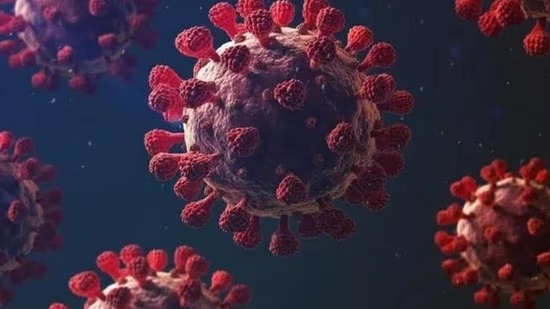
XBB.1.5 is a descendant of the omicron XBB subvariant — which is itself a cross between two earlier strains: BA.2.75 and BA.2.10.1.

The original XBB variant has already caused waves of infection in countries including Singapore and India since the WHO first raised concern about it last October.

How fast is XBB.1.5 spreading?

While accounting for just 2% of all Covid cases at the start of December, the latest estimates from the US Centers for Disease Control and Prevention show that it surged to become the second-most dominant strain in the first week of January, responsible for about 28% of all national infections. In the northeast, that figure has jumped above 70%.

XBB.1.5 is “the most transmissible sub-variant which has been detected yet,” said the WHO’s Covid-19 technical lead, Maria Van Kerkhove, during a press conference on Jan. 4. Health authorities are warning it could be much more widespread than current data show, thanks to its undetected proliferation tied to a drop-off in testing.The US has accounted for the bulk of sequenced variant cases — around eight in 10 — reported across the world since October 2022, followed by the UK. The proportion of infections caused by XBB.1.5 is lower in other countries, although the picture may rapidly change. Estimates from the Wellcome Sanger Institute found that the variant made up around 4% of Covid infections in England as of mid-December, while Canada has found a handful of such cases.

In Europe, XBB.1.5 may drive an increase in the number of cases, though it’s unlikely to happen in January since it’s present in such low levels currently, according to a Jan. 9 statement from the European Centre for Disease Prevention and Control.

Scientists pointed out that the sub-variant has a much stronger affinity to ACE2, a key receptor for the virus, which allows it to bind more easily and boosts its transmissibility.

What we know about ‘Kraken’ Covid Variant XBB.1.5; why it's causing concern

Is it more dangerous than previous variants?

There haven’t been significant differences in the severity of symptoms reported between cases caused by XBB.1.5 and previous variants. Like other strains that concerned scientists, however, it’s attracting attention because it is exhibiting signs of immunity escape. That means it has an ability to evade natural immunity or previous protection provided by vaccines, and re-infect people who have recovered from an earlier bout of Covid.

Still, data remains limited on XBB.1.5’s propensity to cause severe disease or death. The WHO has said the variant doesn’t carry mutations linked to changes in severity, although it notes that there is a lack of research findings to make that claim conclusively.

Previous therapies to tackle Covid — like monoclonal antibody treatments — were rendered ineffective by previous strains. That trend has continued with the new variant. Scientists in a recent peer-reviewed article published in the journal Cell warned that subvariants like XBB pose “serious threats” to current Covid vaccines, while the WHO has called XBB variants some of the “most antibody-resistant variants to date.” Higher transmissibility also means more people are likely to get infected, and thereby suffer severe outcomes.

It’s unclear if the US experience with XBB.1.5 will extend to other countries. America, unlike many other developed nations, suffers from low vaccination rates. Only 15% of the population aged five and above has received an updated bivalent booster dose. The rate is slightly better among the vulnerable elderly population, including those aged 65 and above, with fewer than four in 10 receiving the shot. Hospitalization rates for Covid are already rising, amid a surge in other winter-season infections like influenza.

Has it reached China yet and what will be its impact?

China, which is going through a major wave of infections after dismantling its stringent Covid Zero policy in December, has yet to report any domestic cases of XBB.1.5. Shanghai has detected a handful of infections caused by the variant and said all were imported cases. But health agencies across the world, including the WHO, have raised concerns that China isn’t providing enough genomic sequencing information to come to a definitive conclusion.

In the meantime, the country’s Covid wave is being driven by two other omicron strains: BA.5.2 and BF.7. Together they account for 97.5% of all local infections, according to genomic sequencing data from the Chinese Center for Disease Control and Prevention.

Authorities have tried to allay fears that XBB variants will drive new waves of infection in China, where experts are arguing that the recent mass outbreak will provide short-term protection. Still, many people — already spooked by the strained healthcare system and limited availability of treatments — aren’t convinced. A widely circulated viral post claiming the XBB variant may lead to vomiting and diarrhea led to an anti-diarrheal medication selling out across China as panicked buyers snapped it up.

Where did the ‘Kraken’ name come from?

Covid variants are currently named by an expert group convened by the WHO. It identifies so-called variants of concern that have potential global public health significance, such as reducing the effectiveness of current pandemic measures, using the Greek alphabet. Previous strains like alpha, beta and delta fell under the convention.

But the last Greek-named variant, omicron, emerged more than a year ago and left no room for the emergence of other, significantly different strains. Omicron has spawned multiple lineages, including XBB.1.5, and their names stem from a mix of alphabets and numbers known as “Pango.”

That has led to the rise in popularity of informal online nicknames, including “Kraken.” The moniker for XBB.1.5 was proposed by an evolutionary professor on Twitter to match the strength of the new strain with the mythological sea monster.

Read more at-https://bit.ly/3GAxSOl

Categories
Medical Equipments Medical Updates Medicine & Health

Diabetes: 5 best and worst fruits for managing blood sugar

Some fruits are good for people with diabetes, while others are not. However, every fruit has its own benefits and should be consumed on a regular basis. Experts on best and worst fruits for managing your blood sugar levels.

People who are diagnosed with diabetes often hesitate in adding fruits to their daily diet fearing they could raise their blood sugar levels being sweet in taste. However, their fear is only partly true. Fruits are a storehouse of fibre, vitamins, antioxidants and all the essential nutrients that are important in maintaining gut health, immunity and overall health. But at the same time, they also have a type of sugar called fructose that is naturally present in fruits. In fact, studies claim that consumption of fruits regularly can cut risk of diabetes. This doesn’t mean though that people with diabetes can fill their plate with all sorts of fruits and consume them multiple times a day without fear of sugar spikes. There are certain fruits that are high in GI (glycaemic index) while some are low GI which means they are broken down slowly and raise blood sugar only gradually over a period of time. Once you know which fruits are more suitable for your blood sugar levels, you can consume them in the quantities recommended by your diabetologist. Even fruits with high GI can be consumed but in smaller quantities.

“Some fruits are good for people with diabetes, while others are not. However, every fruit has its own benefits and should be consumed on a regular basis, weekly, or seasonal basis. Like many other foods, fruit can make your blood sugar go up. Your HbA1c, or average blood sugar level, can also go up if you experience frequent spikes in your blood sugar. Despite the well-established health benefits of eating fresh fruits, the sugar content of fruits has raised questions about its effect on glucose levels and their suitability for people with diabetes,” says Dr V. Mohan – Chairman and Chief Diabetologist- Dr Mohan’s Diabetes Specialities Centre.

Diabetes: 5 best and worst fruits for managing blood sugar

THE RIGHT QUANTITY OF FRUITS FOR PEOPLE WITH DIABETES

“There is nothing like the best and worst fruits for diabetics. Diabetics can eat all the fruits, but for the fruits with a higher glycaemic index, the portion size of those fruits needs to be controlled. Where the difficulty occurs is when fruits with a higher glycaemic index are ingested in excess. Therefore, if you have diabetes, you should consume 150–200 g of fruit every day. But if your sugar levels are higher, this quantity drops to 100 to 150 grams a day. The quantities of higher-glycaemic fruits can be around 100 grams. So, portion control is key when it comes to fruits,” says Dr Charu Dua, Chief Clinical Nutritionist, Amrita Hospital, Faridabad, on fruits for diabetes.

Dr Dua, however, adds that it is important that diabetic patients do not combine fruits with the main meals like breakfast, lunch, and dinner, because usually our food is rich in carbohydrates and fruits are the source of carbohydrates.

“It’s a good idea to have a fruit between meals, and it’s crucial to pair fruits with protein. So, if you combine fruits with nuts in the mid-morning, the absorption rate of carbohydrates converted into glucose and absorption are going to slow down. The easiest and healthiest alternative is to combine fruits with a protein, almonds, or one teaspoon of seeds. It’s also a good idea to pop and top it with cucumbers and tomatoes. However, adding nuts, such as peanuts or occasionally paneer, will delay the body’s absorption of glucose and prevent a surge in blood sugar after eating fruit,” says Dr Dua.

It’s important to keep in mind that if you have diabetes, you should eat fruits, chew them properly, and stay away from fruit juices because they are quickly absorbed and can raise your blood glucose levels. Consuming the fruit will also give you fibres, which assist in managing and regulating your blood sugar levels. So, have fruits and nuts in mid-morning time.

BEST FRUITS FOR PEOPLE WITH DIABETES

As per Dr Mohan, the best five recommended fruits for people with diabetes are apple, guava, orange, papaya and melons. He also explains why these fruits are good for managing the metabolic disorder.

– Firstly, these fruits are naturally low in fat, calories and sodium. Additionally, the majority of them are loaded with nutrients that we frequently fail to get enough of. Folate, Vitamin C, potassium, and dietary fibre are few examples of such nutrients.

– Potassium, which helps maintain healthy blood pressure, is abundant in these fruits.

– Vitamin C, which is essential for tissue growth and repair, wound healing, and maintaining healthy teeth and gums, is abundant in guava and citrus fruits.

– We get folate—a group of naturally occurring B vitamins known as B9—from citrus fruits, apple, melons, papaya which aid in the production of red blood cells.

“Whole fruits, not juice, give us a feeling of fullness with fewer calories. They also contain dietary fibre, which helps us digest food and maintain healthy bowel movements and lowers blood cholesterol and the risk of heart disease. So, please take whole fruit instead on fruit juices,” says Dr Mohan.

WORST FRUITS FOR PEOPLE WITH DIABETES

Five fruits that are to be eaten less frequently or in smaller quantities are mango, jack fruits, banana, chickoo, grapes according to Dr Mohan. He also explains why.

“These fruits usually increase the blood glucose level and to avoid spikes in blood sugar, people with diabetes must closely monitor their sugar intake,” says Dr Mohan, adding that it depends on how much fruit one eats.

“It is fine, if you take one or two slices or small quantities of these restricted fruits as sugar levels can rise if they are consumed in large quantities. We see several patients with uncontrolled diabetes after taking large quantities of these fruits every season. Hence, you can limit your consumption of these fruits to one or two slices, so that you can still enjoy these fruits. If you want to lower your blood glucose levels, take these fruits in the intervals between meals. You can also limit your consumption of cereals like rice and chapatis in lunch and dinner,” says Dr Mohan.

Dr Mohan says every person with diabetes has a different response to fruits and it’s imperative to check the impact of fruits on blood sugar levels.

“Please do check your blood sugar levels to see if these fruits have an effect on your blood sugar levels. If you want to add fruits, use a continuous glucose monitor sensor, you can easily see which fruits affect your glucose levels and which do not,” says the expert.

“All people with diabetes do not respond in a similar manner with respect to fruits. The body is able to tolerate the intake of fruits if your glucose level (diabetes)is under good control. In those with poor control, blood glucose levels tend to increase further with fruits,” concludes Dr Mohan.

Read more at-https://bit.ly/3W3GFxU

Categories
COVID-19 Government Guidelines Medical Updates Medicine & Health

Booster dose of Covid-19 increases resilience of antibody response: Study

The most recent study explains how Pfizer and Moderna mRNA boosters affect our Covid-19 antibodies’ ability to remain over time. The researchers found that all patients, including those who had recovered from a Covid-19 infection, developed more robust antibodies in response to a booster.

Recent research from the University of Virginia School of Medicine discussed the benefits of a Covid-19 booster vaccine dose. The most recent study clarifies how Pfizer and Moderna mRNA boosters influence the persistence of our Covid-19 antibodies. According to the researchers, a booster produced more durable antibodies in all individuals, including those who had recovered from a Covid-19 infection.

The researchers have published their latest findings in the scientific journal Annals of Allergy, Asthma & Immunology. “These results fit with other recent reports and indicate that booster shots enhance the durability of vaccine-elicited antibodies,” said senior researcher Jeffrey Wilson, MD, PhD, of UVA Health’s Division of Asthma, Allergy and Immunology.

Tracking Covid-19 antibodies: Wilson and his collaborators looked at antibody levels following a booster in 117 UVA employee volunteers and compared those results with the levels seen in 228 volunteers after their primary vaccination series. Antibody levels one week to 31 days after the primary series and booster were similar, but the boosted antibodies stuck around longer regardless of whether the person had had Covid-19.

“Our initial thought was that that booster would lead to higher antibody levels than the primary vaccine series, but that was not what we found,” said researcher Samuel Ailsworth, the first author of a new scientific paper outlining the findings. “Instead, we found that the booster led to longer-lasting antibodies.”

Antibody levels naturally decline over time after an infection or after vaccination, but higher levels are thought to be more protective. Thus, longer-lasting antibodies would be expected to provide more sustained immunity against severe Covid-19.

Booster dose of Covid-19 increases resilience of antibody response

The researchers found that the antibodies generated by the Moderna booster proved longer lasting than those generated by the Pfizer booster. Moderna’s antibody levels exceeded Pfizer’s out to five months, the end of the study period. Although the findings were statistically significant, Wilson notes that both mRNA vaccine boosters provide enhanced and fairly similar levels of protection against Covid-19 in recently published large epidemiologic studies. Because the frequency of Covid-19 infections in the community was relatively high when the boosters were being given, the authors also studied the effect of COVID-19 infection on antibody levels. The findings suggest that the “enhanced antibody durability observed after booster vaccination was not explained by hybrid immunity,” the researchers report in their paper.

The new results are the latest from Wilson’s team tracking the antibody response to the Covid-19 vaccines over time. The researchers previously found that after the primary vaccination series the antibodies generated by Pfizer’s Covid-19 vaccine rose more slowly and declined more quickly than those generated by the Moderna vaccine. That study also found that older recipients of the Pfizer vaccine generated fewer antibodies than did younger recipients – but this wasn’t the case for Moderna, where age did not appear to be a factor.

In the latest results, younger booster recipients initially generated more antibodies than did older recipients, but this difference disappeared with time. Wilson notes that this study adds to the accumulating evidence that boosters are important in protecting the community from Covid-19. “Although only about half of the U.S. population that is eligible for a booster has received one, it is increasingly clear that boosters enhance the protection that is conferred by the primary series mRNA vaccines alone,” he said.

Read more at-https://bit.ly/3Ie0a3E

Categories
Government Guidelines Medical Equipments Medical Updates Medicine & Health

High blood cholesterol increases risk of Alzheimer’s and heart disease: Study

Researchers from the University of Colorado School of Medicine and the Linda Crnic Institute for Down Syndrome have discovered that the harmful effects of cholesterol on the brain and blood vessels may be caused by a single mechanism.

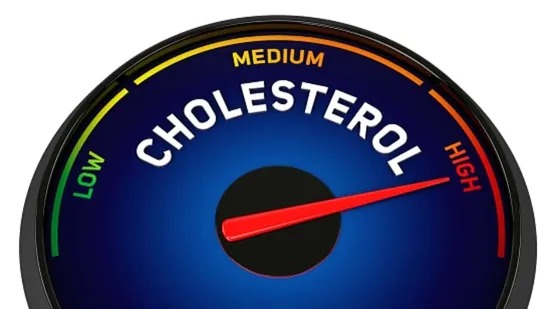
Researchers at the Linda Crnic Institute for Down Syndrome and the University of Colorado School of Medicine have found that a single mechanism may underlie the damaging effect of cholesterol on the brain and on blood vessels. High levels of blood cholesterol increase the risk of both Alzheimer’s disease and heart disease, but it has been unclear exactly how cholesterol damages the brain to promote Alzheimer’s disease and blood vessels to promote atherosclerosis.

Using insights gained from studying two much rarer disorders, Down Syndrome and Niemann Pick-C disease, researchers at the Linda Crnic Institute for Down Syndrome and the Department of Neurology of the University of Colorado School of Medicine found that cholesterol wreaks havoc on the orderly process of cell division, leading to defective daughter cells throughout the body.

In the new study published this week in the on-line journal PLOS ONE, Antoneta Granic, PhD, and Huntington Potter, PhD, show that cholesterol, particularly in the LDL form, called ‘bad cholesterol’, causes cells in both humans and mice to divide incorrectly and distribute their already-duplicated chromosomes unequally to the next generation. The result is an accumulation of defective daughter cells with the wrong number of chromosomes and therefore the wrong number of genes. Instead of the correct two copies of each chromosome, and thus two copies of each gene, some cells acquired three copies and some only one.

High blood cholesterol increases risk of Alzheimer's and heart disease

Granic and Potter’s study of the effects of cholesterol on cell division included a prominent finding of cells carrying three copies of the chromosome (#21 in humans and #16 in mice) that encodes the amyloid peptide that is the key component of the neurotoxic amyloid filaments that accumulate in the brains of Alzheimer patients.

Human trisomy 21 cells are significant because people with Down syndrome have trisomy 21 in all of their cells from the moment of conception, and they all develop the brain pathology and many develop the dementia of Alzheimer’s disease by age 50. Earlier studies by Granic, Potter and others have shown that as many as 10% of cells in an Alzheimer patient, including neurons in the brain, have three copies of chromosome 21 instead of the usual two. Thus, Alzheimer’s disease is, in some ways, a form of acquired Down syndrome. Furthermore, mutant genes that cause inherited Alzheimer’s disease cause the same defect in chromosome segregation as does cholesterol, thus indicating the presence of a common cell division problem in both familial and ‘sporadic’ (non-familial) Alzheimer’s disease.

The new research also found trisomy 21 neurons in the brains of children with what, until now, was thought to be an unrelated neurodegenerative disease (Niemann Pick type C), caused by a mutation affecting cholesterol physiology. This result suggests that neurodegeneration itself might be linked to chromosome missegregation. Such a model is supported by the finding of Thomas Arendt, MD, and colleagues at the University of Leipzig that 90% of the neuronal cell death observed at autopsy in Alzheimer patients is due to the creation and selective loss of neurons with the wrong number of chromosomes.

Identifying the specific problem caused by cholesterol will lead to completely new approaches to therapy for many human diseases, including Alzheimer’s disease, atherosclerosis and possibly cancer, all of which show signs of defective cell division. Granic and Potter already have found a potentially simple approach to preventing cholesterol from causing cells to distribute their chromosomes unequally into their new daughter cells. Specifically, when cells in culture were first treated with ethanol, the subsequent exposure to bad cholesterol was without effect on cell division: Each daughter cell received the correct number of chromosomes.

Read more at-https://bit.ly/3Z4MmOP

Categories
Government Guidelines Medical Updates Medicine & Health

Omicron BF.7: Cases of highly infectious strain rise in India; experts on symptoms, precautions and fresh wave

Three cases of BF.7 strain, that is driving the current wave of Covid infections in China, have been detected in India so far. Will it cause a fresh wave in India? What are its symptoms? Know from experts.

Three cases of Omicron BF.7 strain, that is driving the current wave of Covid infections in China, have been detected in India so far. The first case of the highly infectious strain with greater transmissibility was detected in Gujarat earlier in October. With 2 in Gujarat and 1 in Odisha, the number of Omicron BF.7 cases in India now stand at 3. While this hasn’t really created a big panic so far, the new Omicron variant is known to spread very fast and has a shorter incubation period. It has been reported that it will infect 60% of people in China in the coming three months. Looking at the transmissibility of the virus, is a new Covid wave expected in India too? We asked a few experts.

IT COULD BE A HORRIBLE SCENARIO: EXPERT ON POSSIBILITY OF FRESH COVID WAVE

Dr Ravindra Gupta, Dept of Internal Medicine at the CK Birla Hospital (R), Gurugram says that with people travelling across the world at this point, the possibility of Covid spreading worldwide is high.

“Currently, coronavirus is taking its new mutation and is in the form of Covid BF.7 which is a variant of Omicron. This variant is found to infect China and has a high transmission ability. It is very quick to transfer to other people and has a short incubation period as well. It is informed to be infecting people very easily. It has also been suspected that 60% of people in China will be infected by this variant in the next three months. It is a horrible scenario that could take place and with people traveling all across the globe, it is possible for the disease to spread worldwide with air travel,” says Dr Gupta.

Dr Charu Dutt Arora, Consultant Physician and Infectious Disease Specialist Head, Ameri Health, Asian Hospital, Faridabad says the news of a recent spike in Covid-19 infected positive cases across China, Japan, Hong Kong, Brazil and US have caused a state of distress across the world, including India. He says that the tweet of Mr Eric Dengi, an epidemiologist from China stating that “this virus can lead to deaths of millions across China in next few months” is concerning.

Omicron BF.7: Cases of highly infectious strain rise in India; experts on symptoms, precautions and fresh wave

QUICKER INFECTION RATE, GET VACCINATED

“The wave of Covid-19 in China is being caused by virus Omicron BF.5.2.1.7, also called as BF.7. It is a variant mutant of the Omicron and has one of the highest transmissibility amongst all COVID variants so far. The R0 value of this mutant as per studies is approximately 10-18.6 which means that any infected individual can infect 10-18.6 people around him. Also, there is quicker infection rate of this virus, in hours, which makes it difficult to be detected in RT-PCR test. People who are not vaccinated or have weaker immunity such as elderly citizens, children, pregnant females or ones with multiple co-morbidities (cancer, uncontrolled diabetes, cardiac or kidney diseases) are at a high risk of catching this infection.

Dr Amitabha Ghosh, Consultant, Internal Medicine, Manipal Hospitals, Gurugram says that although the new variant is not as fatal it transmits faster than other Omicron variants.

FOURTH SHOT OF COVID VACCINE CAN HELP

“Just like other variants of Omicron, BF.7 is also another subvariant that has a very fast transmission rate. As per several data, the rate of fatality is not high for this variant but surely it transmits faster than the other Omicron variants. In India, there are very few cases of mortality and hospitalization but it also depends on various factors including a person’s immunity and pre-existing comorbidities,” says Dr Ghosh.

Dr Gupta says while the symptoms are mild, the wave in China is expected to kill one million people alone. He says that a fourth shot of vaccine may be helpful in preventing these probable deaths.

OMICRON BF.7 SYMPTOMS

“The symptoms remain the same as with any other upper respiratory infection such as fever, cough, sore throat, and running nose. There is suspicion that this wave could kill one million people alone in China. It is also probable that if people get three to four shots of the vaccine, they may get protected. It is therefore very important for everyone to be more vigilant and responsive to taking Covid vaccines. A fourth vaccine might be helpful in preventing this serious gruesome scenario. A person infected with this virus, even if they are asymptomatic, can transmit the virus to another 10-18 people. Only time will tell, what happens in the next few months, but we should be vigilant, should seriously follow Covid appropriate behaviour, and avoid traveling as much as possible,” says Dr Gupta.

“The common symptoms include common cold, fever, fatigue, sore throat, headache and body pain. Cough and respiratory symptoms are also present in infected patients. People are also presenting with abdominal symptoms such as stomach pain and loose motions,” says Dr Arora.

“The signs and symptoms of BF.7 are pretty similar to other omnicorn variants fever, sore throught, runny nose. Cases of pneumonia with BF.7 variant are definitely lesser and the ones that are seen in an elderly population or people with underlying conditions. We are not seeing too many hospitalisation with Omicron and early data from countries that are seeing BF.7 also tell us that the mortality of BF.7 is low,” says Dr Trupti Gilada, Infectious disease specialist, Masina Hospital, Mumbai.

OMICRON BF.7 PRECAUTIONS

Dr Ghosh says one must maintain proper hygiene, wear a mask, wash hands, to prevent the infection. He says that people with low immunity must be extra cautious while vaccine and booster shots can be useful in preventing mortality and complications of the subvariants.

“Till now it is not clear which age group it affects the most but it is certain that people with low immunity are at a higher risk. Also, now that people are more exposed to COVID and its variants, they are automatically developing immunity against this virus and the upcoming variants. With the help of vaccines and booster shots, people are now able to tackle the virus in a better way and it has helped in preventing of the complications of the subvariants,” says Dr Ghosh.

“It is imperative that one must follow COVID appropriate behaviour and rules as laid by the local bodies in order to control the spread. With restrictions eased out worldwide and the festive season in-swing, it is important to continue mass vaccination drive. Test-Track-Treat-Vaccinate is the most important strategy to check this infection and its community outbreaks,” says Dr Arora.

IS THERE A NEED TO PANIC?

“Going forward the yardstick to measure the severity of a covid wave should not be mere number of cases because most of these will be mild. The yardatick should now be number of moderate to severe cases of those requiring oxygen or those requiring hospitalization. So public health action needs to be based on severe infections because mild infections will be common everytime there is a new mutation. And India paid its price with the delta wave where we lost a lot of our people and those who survived have good immunity to covid and so is the status of our very good vaccination. So for India per se, we have a comparatively immune population and those who will be infected with BF.7 in future should be mild and while we are on the watchout, we should continue to do genomic studies and understand what every variant looks like, and it still should not be a cause of panic,” says Dr Gilada.

Read more at-https://bit.ly/3hU57nh

Categories
Medical Updates Medicine & Health

Use masks in crowded places, take precaution dose of Covid vaccine: V K Paul

Synopsis

Only 27-28 per cent of India’s eligible population have taken the precaution dose of COVID-19, NITI Aayog member (Health) Dr V K Paul on Wednesday and advised people to take the jab and wear masks in crowded places. He urged people not to panic and clarified that there was no change in the guidelines for international air travel so far.

Only 27-28 per cent of India’s eligible population have taken the precaution dose of COVID-19, NITI Aayog member (Health) Dr V K Paul on Wednesday and advised people to take the jab and wear masks in crowded places. He urged people not to panic and clarified that there was no change in the guidelines for international air travel so far.

Use masks in crowded places, take precaution dose of Covid vaccine: V K Paul

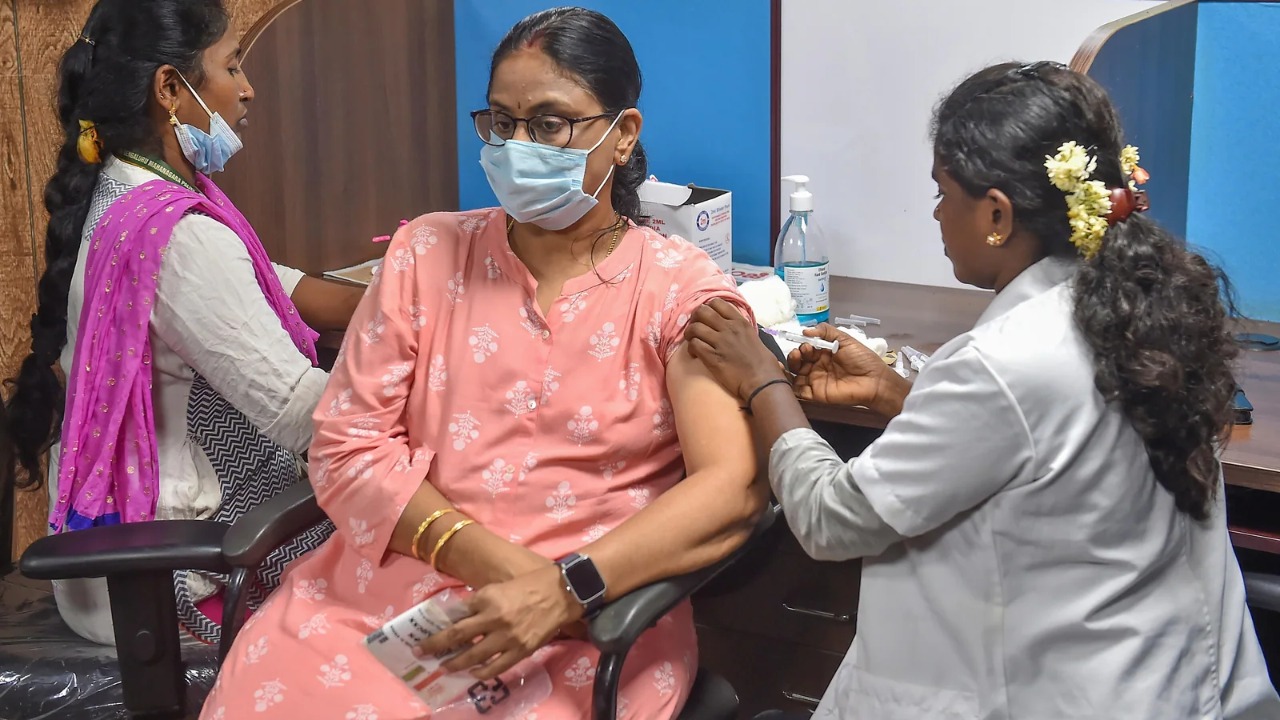
“People should wear masks in crowded areas. Those who have comorbidities or are elderly should especially adhere to this,” Paul said.

Paul made the statements following a review meeting held by Union Health Minister Mansukh Mandaviya amid a surge in Covid cases globally, especially in China.

“In view of the rising cases of COVID-19 in some countries, I reviewed the situation with experts and officials today. Covid is not over yet. I have directed all concerned to be alert and strengthen surveillance. We are prepared to manage any situation,” Mandaviya said in a tweet.

The secretaries of health, department of Pharmaceutical, department of Biotechnology, Ayush, Indian Council of Medical Research (ICMR) Director General Rajiv Bahl, Paul and National Technical Advisory Group on Immunization (NTAGI) Chairman Dr N K Arora attended the meeting among others.

In view of th erise in cases in Japan, the US, Republic of Korea, Brazil and China, the Union Health Ministry on Tuesday had urged all states and Union Territories to ramp up the whole genome sequencing of Covid positive samples to keep track of emerging variants.

In a letter to states and UTs, Union Health Secretary Rajesh Bhushan had said such an exercise will enable timely detection of newer variants, if any, circulating in the country and will facilitate undertaking of requisite public health measures.

Read more at-https://bit.ly/3YLMPFC