Categories
Medical Updates Medicine & Health

Ways to know yourself better: Therapist shares tips

From self-reflection to knowing strengths and weaknesses, here are a few ways to know ourselves better.

Self-awareness is a journey of its own. It’s a lifelong journey of finding out about us and knowing ourselves better. “Getting to know yourself is a lifelong journey of self-discovery and self-awareness. It’s a process that involves introspection, self-reflection, and a willingness to explore your thoughts, feelings, and experiences. The self-discovery journey is about developing a deep and evolving understanding of who you are, what you want, and how you can live a fulfilling life in alignment with your true self. Try to be patient and compassionate with yourself throughout this process,” wrote Therapist Lucille Shackleton as she shared a few tips on how we can know ourselves better.

Self-reflection: We should spend time knowing about the way we feel and the way we think. Investing time in our thoughts and emotions will help us to understand ourselves better and get more clarity.

How our past affects our present: Our past experiences play a significant role in growing our perspectives, triggers, glimmers, needs and behavioral patterns. We should carefully analyse past experiences and try to understand how they have impacted on our present situations and thought process.

Ways to know yourself better: Therapist shares tips

Explore interests: When we find a passion and a goal, no matter what, we should chase them and try to incorporate them in our daily lives. Doing things that make us happy will help us to see the brighter side of things.

Explore values: Everyone has their own belief system – it consists of the ethics, values and beliefs that we abide by. We should explore the belief system that we need for our lives and try to stick to it.

Strengths and weaknesses: Knowing about our abilities, strengths and weaknesses will help us to get more clarity on the things that we are good at and the things that we need to work on.

Mindfulness: Practicing mindfulness and meditation brings us closer to our own thoughts and beliefs. This helps us to know our perspectives and opinions better.

Seek feedback: We should always be open to constructive feedback to understand what we are doing wrong – we should work on those areas.

Read more at-https://shorturl.at/jpGN8

Categories
Medical Updates Medicine & Health

HealthCraze: Showcasing the next chapter in Indian healthcare

Delhi, 4th Oct, 2023: Following the tremendous success of the first roundtable, Peer Capital, 2070 Health, and Amazon Web Services (AWS) got together for a second edition of ‘HealthCraze’. This initiative brought together entrepreneurs, operators, academics, policymakers, and investors from the healthcare sector in an exclusive, invite-only discussion for another glimpse into the future of health innovation complete with opportunities and challenges.

Set against the backdrop of an accelerating Indian economy, HealthCraze acknowledged the role of startups as the frontrunners of transformation and the latent potential that healthcare innovation harbors for value creation. With this backdrop, the participants started off by discussing AI in healthcare: the many value propositions it holds across patient care, clinical workflows, and clinician augmentation, areas where they are witnessing steady adoption, and finally, methods for balancing its challenges and benefits.

The many use cases of AI in healthcare can be split into low implementation solutions that mainly address administrative functions like insurance verification, coding, note-taking, etc., and high implementation solutions largely used for clinical decision-making. There are early signs of adoption in the former with clinicians and hospital systems addressing staff shortages and optimizing costs with such solutions. For the latter, participants concurred that it was the right time to build such tools but they emphasized the need for vigilance to ensure strong data integrity, guardrails, and accuracy. For instance, AI hallucinations, where large language models generate false information or facts, was a prevalent concern.

HealthCare: Showcasing the next chapter in Indian healthcare

Participants felt that while building the product, Al developers should keep in mind the target audience and the value proposition for them. Pankaj Jethwani, CEO at 2070 Health, said, “It is imperative for AI solutions to demonstrate a return on investment for potential customers. This can be in the form of cost savings due to replacement of outdated systems or enhancement of operational efficiency, or reduction in liabilities by decreasing human errors.” Shifting gears, HealthCraze-II also delved into understanding how the concept of ‘inflection point’ is defined in healthcare and how startups reach it.One way to define inflection point is – it is the pivotal moment in a startup’s growth trajectory when there’s no longer a need to explain the category they belong to. A good measure is the “mummy test” – if you can explain the category to your mother/parents without having to provide an explanation, it means that the category is well understood across age groups!

“Inflection points can manifest at the product, geographic or enterprise level, varying with categories. For B2C solutions, organic customer acquisition signifies establishment, while reliance on programs/doctors indicates developmental stages. For B2B players, a key measure is sales cycle contraction – conversion from skeptic to immediate payer i.e. – the day they don’t need a trial and are willing to pay from the first day.” explains Rohit, Managing Partner – Peer Capital.

Read more at-https://shorturl.at/fGTX6

Categories
Government Guidelines Medical Updates Medicine & Health

Long Covid patients are much more likely to have multiple organ abnormalities

MRI scans revealed that people with long COVID were 14 times more likely to have lung abnormalities than people who never had the disease.

It wasn’t that long ago that some people speculated that long COVID was all in the mind – a psychosomatic illness. Thankfully, that period of speculation is now behind us. We have compelling evidence that long COVID is very real and very harmful. I’m the lead investigator on an ongoing study called C-More which looks at the long-term harms caused by COVID.

People with long COVID who had abnormalities involving more than two organs were four times more likely to report “severe” or “very severe” mental and physical impairment.

In the beginning

When COVID first emerged, doctors perceived it to be a respiratory illness, with patients reporting pronounced coughing, shortness of breath and symptoms akin to pneumonia.

But as our global understanding of the disease evolved, so did our appreciation of this complex disease.

Reports began to emerge that the virus was capable of not just affecting the lungs but also other organs, such as the heart, kidneys, brain and blood vessels, causing a broader assault.

Studies identifying the viral proteins in various organs also began to emerge, demonstrating the virus’s fondness for certain tissues that were not part of the lungs.

Originally, the main theory put forward was that SARS-CoV-2 (the virus that causes COVID) was directly infecting cells across multiple organs.

But, as data accumulated, a more nuanced understanding emerged. It was observed that in some patients, the immune system, in its defence against the virus, overshot its response, leading to what’s termed a “cytokine storm”.

This hyperactive immune reaction wasn’t always discriminative, causing unintended damage to organs not directly under viral attack.

Further reports highlighting the predisposition of the virus to induce excess clotting, mitochondrial disruption (mitochondria being the powerhouses of our cells) and reactivation of other viruses emerged.

Long Covid patients are much more likely to have multiple organ abnormalities

More importantly, there was a growing number of patients continuing to report persistent disabling symptoms arising from multiple organs, even after surviving the initial infection, also known as long COVID, a condition now thought to affect one in ten people.

So the narrative shifted. COVID wasn’t merely a short respiratory affliction, but a multisystem disease with the potential for long-term complications, challenging our assumptions about how to treat the disease.

The birth of C-More

To shed light on these questions, the C-More study was launched in the UK, focusing on the after-effects of the virus in patients who had been hospitalized.

Few studies on long COVID have looked at multiple organ harm in the same patient. And those that have, have tended to focus on patients who weren’t hospitalized with COVID.

This makes our study unique. However, as with any pioneering study, there are some limitations.

The latest results, mentioned above, are based on preliminary data (interim analysis from half the study population). A complete analysis is still awaited.

Pre-COVID MRI scans from patients were not available, making definitive conclusions about the link between COVID and the organ changes difficult.

The control participants were not an exact match to the patient population, but we adjusted our analyses to account for any differences, ensuring the findings were as accurate as possible.

The MRI scans didn’t always explain the symptoms experienced in individual organs.

For instance, even if the MRI showed an organ to be normal, a patient could still exhibit related symptoms. The only strong tie identified was between lung abnormalities and chest tightness.

Still, this study was an important effort to better understand the long-term effects of COVID on multiple organ health.

It reminds us to be vigilant of the potential for long-term consequences of the disease and the importance of vaccination – particularly in people at risk of severe infections.

Doctors and healthcare services around the world can now refine follow-up care, with a focus on lung, brain, kidney and blood vessel health among patients recovering from serious COVID infections, based on our study’s results.

Read more at-https://shorturl.at/ewIZ9
Categories
Medical Updates Medicine & Health

10 ways sitting for 10 hours daily is affecting your brain and raising risk of dementia

Long hours of sitting can put you at an increased risk of dementia compared to those who sit less, says a new study published in the peer-reviewed journal JAMA. While this has become a norm in modern lifestyle, this can severely impact brain health, as per experts. So far, sedentary lifestyle has been associated with increased risk of heart disease, diabetes, stroke, and even death, however this kind of behaviour can also cause cognitive decline, mood disorders, sleep disturbances and increased stress among other mental health issues.

If your job entails long hours of sitting, one must ensure to keep the brain active and stimulated by playing crosswords and other such activities. It is also advised to take a 2-minute break every 30 minutes or maybe work on a standing desk that’s becoming popular nowadays among professionals.

How sedentary lifestyle can affect brain?

Dr Kunal Bahrani, Director-Neurology, Fortis Escorts Hospital, Faridabad explains that a sedentary lifestyle, which involves prolonged periods of sitting and little physical activity, can have several negative effects on the brain.

Here are some of the ways in which a sedentary lifestyle can impact brain health:

1. Cognitive decline

Studies have shown that people who lead sedentary lives are at a higher risk of cognitive decline and conditions like dementia and Alzheimer’s disease. Regular physical activity has been linked to improved memory, attention, and cognitive function.

2. Mood

Physical activity is known to release endorphins, which are natural mood lifters. When you are sitting all the time, the flow of these hormones is restricted, and one ends up feeling low.

3. Mental health

A sedentary lifestyle can increase the risk of depression, anxiety, and other mood disorders. Additionally, being inactive can lead to stress and lower overall mental well-being.

4. Reduced blood flow

Physical activity increases blood flow throughout the body, including the brain. When you are sedentary, blood flow to the brain can be compromised, which may lead to reduced oxygen and nutrient delivery to brain cells. This can affect cognitive function and overall brain health.

5. Reduced brain plasticity

Physical activity promotes neuroplasticity, which is the brain’s ability to adapt and reorganize itself. This is crucial for learning, memory, and skill development. A sedentary lifestyle can hinder neuroplasticity and make it more difficult for the brain to adapt to new challenges.

6. Obesity and metabolic disorders

Sedentary living is often associated with weight gain and an increased risk of obesity, which can lead to various metabolic disorders like type 2 diabetes. These conditions can have a negative impact on brain health, including an increased risk of cognitive impairment.

7. Sleep disturbances

Lack of physical activity can disrupt sleep patterns. Poor sleep can impair cognitive function, memory consolidation, and emotional regulation, leading to various cognitive and mood issues.

8. Increased stress

Sedentary lifestyles can contribute to chronic stress, which has been linked to structural and functional changes in the brain, particularly in regions associated with memory and emotion regulation.

9. Decreased brain-derived neurotrophic factor (BDNF)

BDNF is a protein that supports the growth, function, and survival of brain cells. Physical activity increases BDNF levels, while a sedentary lifestyle can lead to reduced BDNF production, potentially impacting brain health.

10. Social isolation

Sedentary behaviour often leads to isolation and reduced social interaction. Social engagement is important for brain health as it stimulates cognitive function and emotional well-being.

10 ways sitting for 10 hours daily is affecting your brain and raising risk of dementia

How to protect brain from negative effects of sedentary lifestyle

To mitigate the negative effects of a sedentary lifestyle on the brain, it is essential to incorporate regular physical activity into your routine. Even small amounts of exercise, such as walking, can have a positive impact on brain health.

Reducing the risk to brain health involves adopting a holistic approach that incorporates various lifestyle changes and practices, says Dr Bahrani.

Here are lifestyle changes you should consider:

1. Stay physically active: Regular physical exercise is one of the most effective ways to support brain health. Aim for at least 150 minutes of moderate-intensity aerobic activity or 75 minutes of vigorous-intensity aerobic activity per week, as recommended by health guidelines.

2. Eat a brain-healthy diet: Consume a balanced diet rich in fruits, vegetables, whole grains, lean proteins, and healthy fats. Omega-3 fatty acids, found in fish like salmon and walnuts, are particularly beneficial for brain health. Minimize processed foods, sugar, and saturated fats.

3. Manage stress: Chronic stress can negatively impact brain health. Practice stress management techniques such as mindfulness meditation, deep breathing exercises, yoga, and progressive muscle relaxation to reduce stress levels.

4. Get adequate sleep: Prioritize quality sleep, aiming for 7-9 hours of uninterrupted sleep per night. Establish a regular sleep schedule and create a comfortable sleep environment to improve sleep quality.

5. Limit alcohol and avoid substance abuse: Consume alcohol in moderation, if at all, and avoid illicit drug use. Excessive alcohol and drug abuse can have detrimental effects on brain health.

6. Protect your head: Take precautions to prevent head injuries. Wear helmets when engaging in activities that carry a risk of head trauma, such as cycling or playing contact sports.

7. Avoid smoking and tobacco use: Quit smoking and avoid exposure to second-hand smoke. Smoking and tobacco products can harm blood vessels and brain function.

Read more at-https://shorturl.at/fklmB

Categories
Medical Equipments Medical Updates Medicine & Health

Increasing daily steps by 3,000 can reduce blood pressure in older adults

The study explores how 3000 daily steps can help in regulating blood pressure in older adults.

A new study discovered that increasing exercise by 3,000 steps per day can significantly reduce high blood pressure in older persons.

Pescatello worked in Duck-Chun Lee’s lab at Iowa State University with Elizabeth Lefferts, the paper’s primary author, and others.

The findings were published in the Journal of Cardiovascular Development and Disease.

“We’ll all get high blood pressure if we live long enough, at least in this country,” Pescatello said. “That’s how prevalent it is.”

Pescatello is an expert on hypertension (the clinical term for high blood pressure) and exercise. Her previous research has demonstrated that exercise can have a significant immediate and long-lasting impact on lowering blood pressure in hypertensive adults.

This study sought to determine if older adults with hypertension could receive these benefits by moderately increasing their daily walking, which is one of the easiest and most popular forms of physical activity for this population.

It’s easy to do, they don’t need any equipment, they can do it anywhere at almost any time,” Lee said.

The study focused on a group of sedentary older adults between ages 68 and 78 who walked an average of about 4,000 steps per day before the study.

After consulting existing studies, Lee determined that 3,000 steps would be a reasonable goal. This would also put most participants at 7,000 daily steps, in line with the American College of Sports Medicine’s recommendation.

“3,000 steps is large enough but not too challenging to achieve for health benefits,” Lee said.

The team conducted the study during the height of the COVID-19 pandemic, which meant they had to do everything remotely.

The researchers sent participants a kit with pedometers, blood pressure monitors, and step diaries for participants to log how much they were walking each day.

Increasing daily steps by 3,000 can reduce blood pressure in older adults

On average, participants’ systolic and diastolic blood pressure decreased by an average of seven and four points, respectively, after the intervention.

“It’s exciting that a simple lifestyle intervention can be just as effective as structured exercise and some medications,” Lefferts saud.

The findings suggest that the 7,000-step regimen the participants in the study achieved is on-par with reductions seen with anti-hypertensive medications. Eight of the 21 participants were already on anti-hypertensive medications. Those participants still saw improvements in systolic blood pressure from increasing their daily activity.

“In a previous study, we found that when exercise is combined with medication, exercise bolsters the effects of blood pressure medication alone,” Pescatello said. “It just speaks to the value of exercise as anti-hypertensive therapy. It’s not to negate the effects of medication at all, but it’s part of the treatment arsenal.”

The researchers found that walking speed and walking in continuous bouts did not matter as much as simply increasing total steps.

“We saw that the volume of physical activity is what’s really important here, not the intensity,” Pescatello said.

“Using the volume as a target, whatever fits in and whatever works convey health benefits.”

Read more at-https://shorturl.at/ekmF5

Categories
COVID-19 Medical Updates Medicine & Health

Cough sound analysis assists in determining severity of Covid-19 patients

The study states that assessing the cough sounds can help in detecting the risk of severe pneumonia

While most persons infected with COVID-19 experience minor symptoms and recover in a matter of weeks, the global pandemic caused by the SARS-CoV-2 virus remains a significant health danger.

Some of those infected may develop more severe illness and pneumonia, resulting in a more bleak outlook.

Although techniques for assessing patients’ risk have been created, diagnostic and prognostic tools rely mostly on expensive and less accessible imaging technologies such as radiography, ultrasonography, or computed tomography (CT).

As a result, there is a need for the development of a simpler and more easily accessible prognostic tool that allows healthcare providers to identify individuals who have developed or are at risk of getting severe disease. This would simplify patient triage and allow for earlier intervention, even at home or in primary care settings.

In the early stages of COVID-19, a research team directed by IBEC and Hospital del Mar, with support from the Universitat Politècnica de Catalunya (UPC), CIBER-BBN, and CIBERES, conducted a study based on the analysis and interpretation of cough sounds.

Cough sound analysis assists in determining severity of Covid-19 patients

This method is given as a potentially predictive, straightforward, and user-friendly tool for assessing the risk of severe pneumonia.

The study included smartphone recordings of voluntarily coughing sounds from 70 patients with SARS-CoV-2 infection, all taken within the first 24 hours of their hospitalisation.

IBEC performed an acoustic analysis of these recordings, which revealed significant changes in cough sounds depending on the severity of the respiratory ailment, which had previously been confirmed by imaging tests and the requirement for supplemental oxygen.

According to the findings, this approach might be utilised to classify COVID-19 patients as mild, moderate, or severe, as well as to monitor patients with chronic COVID-19. The study used data obtained at Hospital del Mar between April 2020 and May 2021, and the results were published in the European Respiratory Journal Open Research.

Read more at-https://shorturl.at/dlnuI

Categories
COVID-19 Medical Updates Medicine & Health

Long Covid prevalence vastly overestimated?

A group of scientists claim that flawed studies lacking control groups has mislead and increased public anxiety.

Our understanding of COVID is constantly evolving, much as the virus is itself. For example, new evidence shows that anti viral drugs aiming to treat the disease may in fact be fueling the virus’ evolution. Scientists said antiviral use increases the genetic diversity of the virus in the wild and provided more options for future evolution.

Another area is long COVID. Some studies estimate the prevalence of post-COVID symptoms is 25-45%.

However, scientists have cast doubt on these studies.

An opinion piecein BMJ Evidence-Based Medicine claims these studies have been misleading and vastly overestimate the prevalence of long COVID.

“Overly broad definitions”, “methodological flaws”, “striking absence of control groups”: these are just some of the issues of long COVID research studies according to scientists writing in an influential medical journal.

The US authors believe poorly conducted studies and lack of clarity around how to diagnoselong COVID has led “undue concern and anxiety” in the public.

They claim that treatable conditions are commonly misdiagnosed as long COVID, which diverts attention and funds away from people who truly suffer from conditions not caused by COVID-19.

“I think this publication is important because it gives food for thought. The first thesis put forward by the authors is that the frequency of long COVID is overestimated. I partially agree with that,” said Andreas Stallmach, head of the long COVID Center, Jena University Hospital, Germany.

The researchers call for clearer definitions and diagnostic criteria for long COVID, and the use of longitudinal studies with appropriate controls to better monitor the illness.

Long COVID or post-COVID symptoms?

One of the major issues the piece highlights is the lack of consistent terminology around long COVID and related post-COVID syndromes and symptoms.

None of the definitions provided by health bodies like the World Health Organization (WHO) and the US Centers for Disease Control and Prevention (CD) requires a causal link between the COVID-19 virus and a long COVID diagnosis.

The piece highlights several studies which failed to confirm prior COVID-19 infection in patients included in long COVID studies.
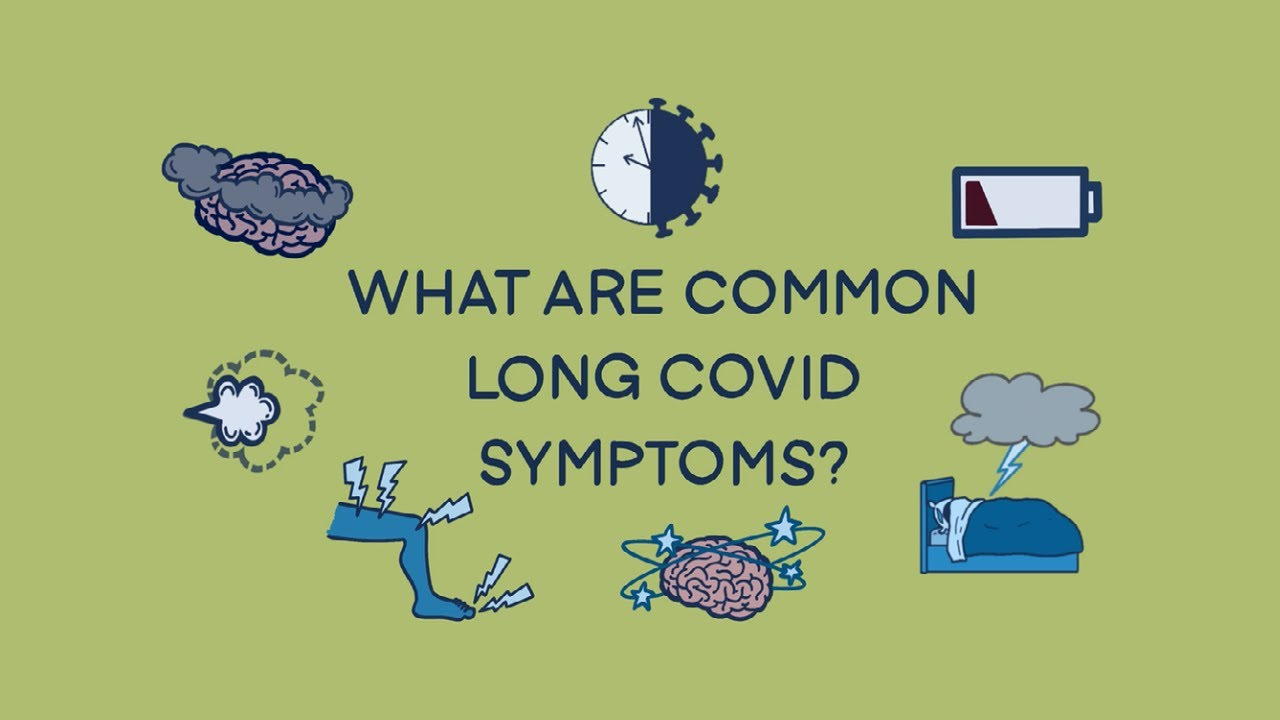
Long Covid prevalence vastly overestimated?

“Many studies include a broad range of symptoms without any evidence of a causal link to SARS-CoV-2 infection,” the authors write.

“Over 200 symptoms are now associated with COVID-19. All are largely unspecific and without a causal connection to the disease,” Peter Berlit, Secretary General, German Society for Neurology (DGN), told media outlets.

According to Berlit, the only hallmark symptoms of COVID-19 are impaired sense of smell and taste.

“There are also quite specific patterns of neurocognitive disorders that can last longer. But very few long-lasting symptoms can be attributed solely to COVID-19,” he said.

Studies lack rigor

The authors also claim many studies lack control groups with people who didn’t test positive for COVID-19, highlight a recent systemic review which identified control groups were only included in 11% of long COVID studies.

“I agree with the shortcomings described in the BMJ analysis. For example, the initial lack of control groups, the lack of a clear definition of the disease. Such deficiencies can distort the risk of disease.” said Clara Leman, an infectious disease specialist at Cologne University Hospital.

Berlit added that inadequate control groups in many studies have certainly contributed to the disease risk being overestimated today.

“Even in the opinion of many doctors, the number of long COVID patients is far too high,” said Berlit.

Long Covid not as prevalent as thought?

The piece highlights several, rigorous, long COVID studies which the authors believe give an accurate, “more reassuring” picture of long COVID prevalence.

For example, the study would refute the WHO’s claims that 36 million people in Europe are suffering from long COVID.

For example, a UK study found that 12 common symptoms of long COVID were prevalent in 5% of people 12-16 weeks after a COVID-19 infection.

However, the same symptoms were found in 3.4% of people who did not have a COVID-19 infection, showing only a 1.4% difference.

These figures also show how relatively common symptoms are in the population at any given time, say the authors.

The study calls for a new definition of long COVID which should include continuous symptoms after confirmed COVID-19 infection, and take into considering physical and mental health, which may contribute to an individual’s post-COVID experience.

“The fundamental problem is that there are currently no clear biomarkers or radiological findings that allow a clear diagnosis of long COVID,” said Lehmann.

Long COVID still a major health issue for some

The fact remains that many people are still struggling with debilitating long COVID symptoms, with women less likely to recover from long COVID.

While the authors strongly criticized the state of long COVID research, they hope their recommendations for research of long COVID will improve standards of medicine for those who do have long COVID.

Berlit stated that he agrees, saying we need to know more about patients’ history and social situation, as many previous physical and mental illnesses lead to an increased risk of long COVID.

“I’m not talking about long COVID being an imaginary illness, but depending on your previous illness and your life situation, just dealing with the potentially serious infection can lead to long-lasting symptoms,” said Berlit.

Researchers have identified a number of risk factors, but are still trying to work out what exactly causes long COVID in some people, and not in others.

Read more at-https://shorturl.at/cHILV