Categories
COVID-19 Government Guidelines Medical Updates Medicine & Health

What we know about ‘Kraken’ Covid Variant XBB.1.5; why it’s causing concern

A new Covid variant that was first detected last year has quickly become the dominant strain in the US — and picked up a creepy moniker along the way.

A new Covid variant that was first detected last year has quickly become the dominant strain in the US — and picked up a creepy moniker along the way. Nicknamed the ‘kraken variant’ by some, it surged through the nation and has now been identified in at least 37 other countries, according to the World Health Organization. Is it more dangerous? Does it spread more easily? And how will it affect China’s Covid outbreak?

Here are all your questions, answered:

What is the new variant?

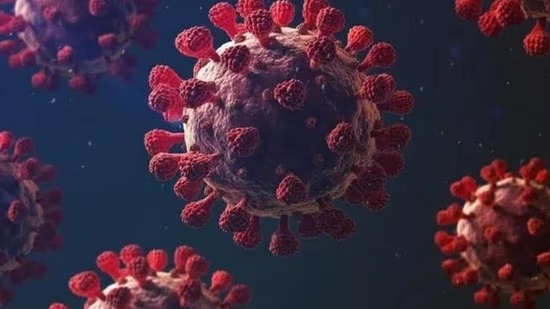
XBB.1.5 is a descendant of the omicron XBB subvariant — which is itself a cross between two earlier strains: BA.2.75 and BA.2.10.1.

The original XBB variant has already caused waves of infection in countries including Singapore and India since the WHO first raised concern about it last October.

How fast is XBB.1.5 spreading?

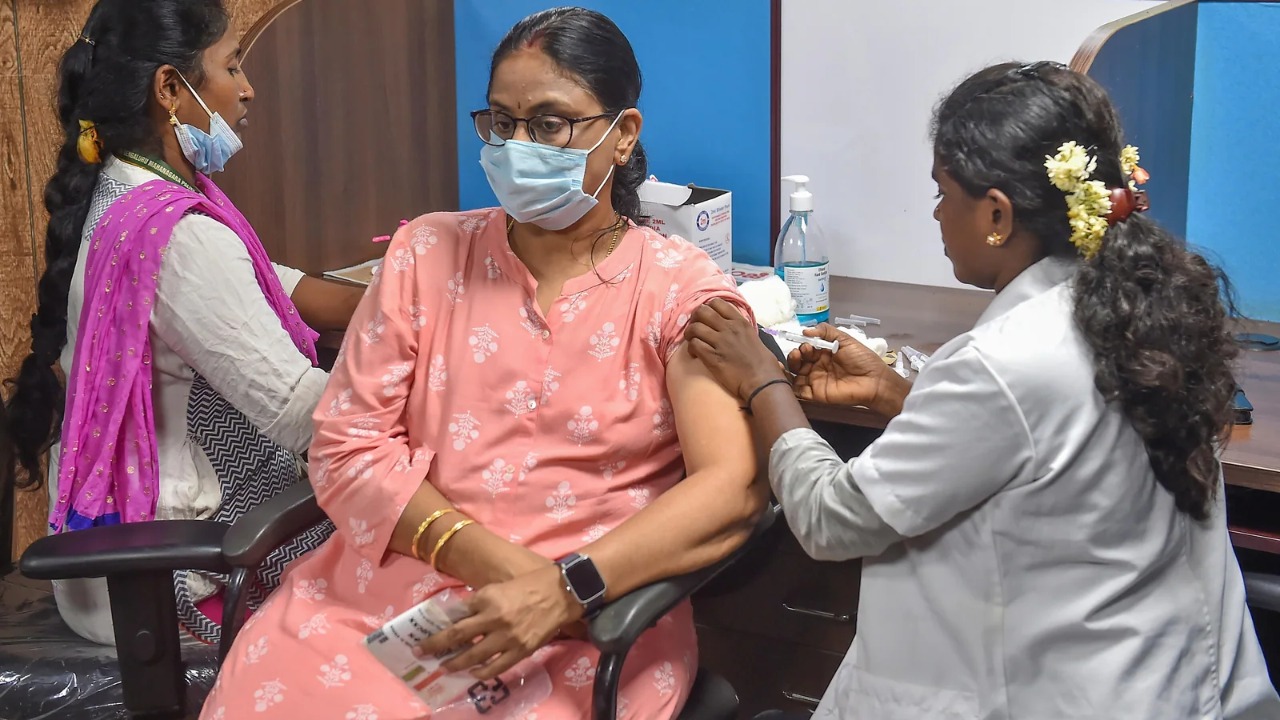
While accounting for just 2% of all Covid cases at the start of December, the latest estimates from the US Centers for Disease Control and Prevention show that it surged to become the second-most dominant strain in the first week of January, responsible for about 28% of all national infections. In the northeast, that figure has jumped above 70%.

XBB.1.5 is “the most transmissible sub-variant which has been detected yet,” said the WHO’s Covid-19 technical lead, Maria Van Kerkhove, during a press conference on Jan. 4. Health authorities are warning it could be much more widespread than current data show, thanks to its undetected proliferation tied to a drop-off in testing.The US has accounted for the bulk of sequenced variant cases — around eight in 10 — reported across the world since October 2022, followed by the UK. The proportion of infections caused by XBB.1.5 is lower in other countries, although the picture may rapidly change. Estimates from the Wellcome Sanger Institute found that the variant made up around 4% of Covid infections in England as of mid-December, while Canada has found a handful of such cases.

In Europe, XBB.1.5 may drive an increase in the number of cases, though it’s unlikely to happen in January since it’s present in such low levels currently, according to a Jan. 9 statement from the European Centre for Disease Prevention and Control.

Scientists pointed out that the sub-variant has a much stronger affinity to ACE2, a key receptor for the virus, which allows it to bind more easily and boosts its transmissibility.
What we know about ‘Kraken’ Covid Variant XBB.1.5; why it's causing concern

Is it more dangerous than previous variants?

There haven’t been significant differences in the severity of symptoms reported between cases caused by XBB.1.5 and previous variants. Like other strains that concerned scientists, however, it’s attracting attention because it is exhibiting signs of immunity escape. That means it has an ability to evade natural immunity or previous protection provided by vaccines, and re-infect people who have recovered from an earlier bout of Covid.

Still, data remains limited on XBB.1.5’s propensity to cause severe disease or death. The WHO has said the variant doesn’t carry mutations linked to changes in severity, although it notes that there is a lack of research findings to make that claim conclusively.

Previous therapies to tackle Covid — like monoclonal antibody treatments — were rendered ineffective by previous strains. That trend has continued with the new variant. Scientists in a recent peer-reviewed article published in the journal Cell warned that subvariants like XBB pose “serious threats” to current Covid vaccines, while the WHO has called XBB variants some of the “most antibody-resistant variants to date.” Higher transmissibility also means more people are likely to get infected, and thereby suffer severe outcomes.

It’s unclear if the US experience with XBB.1.5 will extend to other countries. America, unlike many other developed nations, suffers from low vaccination rates. Only 15% of the population aged five and above has received an updated bivalent booster dose. The rate is slightly better among the vulnerable elderly population, including those aged 65 and above, with fewer than four in 10 receiving the shot. Hospitalization rates for Covid are already rising, amid a surge in other winter-season infections like influenza.

Has it reached China yet and what will be its impact?

China, which is going through a major wave of infections after dismantling its stringent Covid Zero policy in December, has yet to report any domestic cases of XBB.1.5. Shanghai has detected a handful of infections caused by the variant and said all were imported cases. But health agencies across the world, including the WHO, have raised concerns that China isn’t providing enough genomic sequencing information to come to a definitive conclusion.

In the meantime, the country’s Covid wave is being driven by two other omicron strains: BA.5.2 and BF.7. Together they account for 97.5% of all local infections, according to genomic sequencing data from the Chinese Center for Disease Control and Prevention.

Authorities have tried to allay fears that XBB variants will drive new waves of infection in China, where experts are arguing that the recent mass outbreak will provide short-term protection. Still, many people — already spooked by the strained healthcare system and limited availability of treatments — aren’t convinced. A widely circulated viral post claiming the XBB variant may lead to vomiting and diarrhea led to an anti-diarrheal medication selling out across China as panicked buyers snapped it up.

Where did the ‘Kraken’ name come from?

Covid variants are currently named by an expert group convened by the WHO. It identifies so-called variants of concern that have potential global public health significance, such as reducing the effectiveness of current pandemic measures, using the Greek alphabet. Previous strains like alpha, beta and delta fell under the convention.

But the last Greek-named variant, omicron, emerged more than a year ago and left no room for the emergence of other, significantly different strains. Omicron has spawned multiple lineages, including XBB.1.5, and their names stem from a mix of alphabets and numbers known as “Pango.”

That has led to the rise in popularity of informal online nicknames, including “Kraken.” The moniker for XBB.1.5 was proposed by an evolutionary professor on Twitter to match the strength of the new strain with the mythological sea monster.

Read more at-https://bit.ly/3GAxSOl

Categories
COVID-19 Government Guidelines Medical Updates Medicine & Health

Long Covid symptoms fading for mild coronavirus infections, says new study

Long covid is defined as symptoms persisting or new symptoms appearing more than four weeks after initial infection. A new study reveals that most Long Covid symptoms that developed after a mild coronavirus infection lingered for several months but returned to normal within a year.

The effects of long Covid tend to resolve within a year of mild infection, with vaccinated people at lower risk of breathing difficulties compared with unvaccinated people, according to a study.

Researchers examined the health records of almost 2 million people in Israel who tested for Covid-19 over a 19-month period. Over 70 long Covid conditions were analyzed within a group of infected and matched uninfected members. They also compared conditions in vaccinated versus unvaccinated people.

Their study published in the BMJ medical journal found most symptoms that developed after a mild infection lingered for several months, but returned to normal within a year.

“The long Covid phenomenon has been feared and discussed since the beginning of the pandemic,” the researchers wrote. “This nationwide dataset of patients with mild Covid-19 suggests that mild disease does not lead to serious or chronic long term morbidity.”

Previous studies have indicated that vaccination tends to lead to milder cases of Covid infection and long Covid.

Long Covid symptoms fading for mild coronavirus infections

Long covid is defined as symptoms persisting or new symptoms appearing more than four weeks after initial infection. An estimated 1.5 million people in the UK, or 2.4% of the population, were suffering from long Covid symptoms in March. These include fatigue, shortness of breath, loss of smell, loss of taste and difficulty concentrating.

Some of the limitations of the study include incomplete measurement within the medical records, meaning the data might not fully reflect diagnoses and outcomes reported, according to the researchers.

“The general message that symptoms improve over time is encouraging,” said Peter Openshaw, professor of experimental medicine at Imperial College London, who was not part of the research team. “The study adds to the evidence that outcomes are improved by vaccination, even if vaccines don’t prevent viral transmission very well.”

Read more at-https://bit.ly/3k4LycJ

Categories
COVID-19 Government Guidelines Medical Updates Medicine & Health

Child’s weight has little effect on mood, behavioural disorders: Study

Children with obesity are more likely to be diagnosed with depression, anxiety, or attention-deficit hyperactivity disorder (ADHD). But the nature of the relationship between obesity and these mental health conditions is not clear. Obesity might contribute to mental health symptoms, or vice versa.

According to a new study, childhood BMI is unlikely to have a significant impact on children’s mood or behavioural disorders.

The results suggest that some previous studies, which have shown a strong link between childhood obesity and mental health, may not have fully accounted for family genetics and environmental factors.

Children with obesity are more likely to be diagnosed with depression, anxiety, or attention-deficit hyperactivity disorder (ADHD). But the nature of the relationship between obesity and these mental health conditions is not clear. Obesity might contribute to mental health symptoms, or vice versa. Alternatively, a child’s environment might contribute to both obesity and mood and behavioural disorders.

“We need to better understand the relationship between childhood obesity and mental health,” says lead author Amanda Hughes, Senior Research Associate in Epidemiology at Bristol Medical School, University of Bristol, UK. “This requires teasing apart the contributions of child and parent genetics and the environmental factors affecting the whole family.”

Hughes and colleagues examined genetic and mental health data from 41,000 eight-year-old children and their parents from the Norwegian Mother, Father, and Child Cohort Study and Medical Birth Registry of Norway. They assessed the relationship between children’s body mass index (BMI) — a ratio of weight and height — and symptoms of depression, anxiety and ADHD. To help separate the effects of the children’s genetics from the influence of other factors that affect the whole family, they also accounted for parental genetics and BMI.

Child's weight has little effect on mood, behavioural disorders: Study

The analysis found a minimal effect of a child’s own BMI on their anxiety symptoms. There was also conflicting evidence about whether a child’s BMI influenced their depressive or ADHD symptoms. This suggests that policies aiming to reduce childhood obesity are unlikely to have a big impact on the prevalence of these conditions. “At least for this age group, the impact of a child’s own BMI appears small. For older children and adolescents, it could be more important,” says Neil Davies, Professor at University College London, UK.

When they looked at the effect of the parents’ BMI on the children’s mental health, the team found little evidence that the parents’ BMI affected children’s ADHD or anxiety symptoms. The data suggested that having a mother with a higher BMI might be linked with depressive symptoms in children, but there was little evidence of any link between the child’s mental health and the father’s BMI.

“Overall, the influence of a parent’s BMI on a child’s mental health seems to be limited. As a result, interventions to reduce parents’ BMIs are unlikely to have widespread benefits to children’s mental health,” says Alexandra Havdahl, Research Professor at the Norwegian Institute of Public Health, Norway. Havdahl is a co-senior author of the study alongside Neil Davies and Laura Howe, Professor of Epidemiology and Medical Statistics at Bristol Medical School.

“Our results suggest that interventions designed to reduce child obesity are unlikely to make big improvements in child mental health. On the other hand, policies which target social and environmental factors linked to higher body weights, and which target poor child mental health directly, may be more beneficial,” Hughes concludes.

Read more at-https://bit.ly/3iqs81A

Categories
COVID-19 Government Guidelines Medical Equipments Medical Updates Medicine & Health

Early intervention effective in treating neurodevelopmental disorders: Study

The results suggest that critical period plasticity in the amygdala is increased and may be shifted to earlier developmental time-points. This could cause a ‘maladaptive’ form of plasticity and yet one that can be treated with therapeutic intervention at key developmental time points.

A new study suggests that therapeutic interventions to treat neurodevelopmental disorders may be more effective if done during the early stages of brain development.

“In order to stop the progression of neurodevelopmental disorders, it is important to identify how and when brain circuits are changing during development. Our study identifies when circuits are altered in addition to how brain circuits are corrected,” said the study’s senior author Molly Huntsman, PhD, associate professor at the University of Colorado Skaggs School of Pharmacy and Pharmaceutical Sciences located on the University of Colorado Anschutz Medical Campus.

The study, published in The Journal of Neuroscience, looks at Fragile X Syndrome (FXS), a pervasive neurodevelopmental disorder and a common cause of intellectual disability, autism and anxiety disorders.

Early intervention effective in treating neurodevelopmental disorders: Study

“Currently, there are no approved or effective therapies targeting specific pathophysiology underlying the clinical manifestations of FXS,” Huntsman said, adding, “We’re hoping to provide answers for when and how to treat FXS to help with therapeutic options eventually.”

The CU Skaggs School of Pharmacy researchers identified potential causal circuit-level changes during a critical period of brain development susceptible to therapeutic intervention. They focused on the amygdala — the brain region where fear and anxiety are processed.

Using a mouse model of FXS, they identified a critical period of increased circuit plasticity occurring in early brain development. They showed that fear-learning emerges in the brain during these periods of increased plasticity. At the same time, they demonstrated that early intervention ameliorates it.

The results suggest that critical period plasticity in the amygdala is increased and may be shifted to earlier developmental time-points. This could cause a ‘maladaptive’ form of plasticity and yet one that can be treated with therapeutic intervention at key developmental time points.

Age at the time of treatment, the study said, is important because early pharmacological intervention was shown as effective in reducing fear-learning in the mouse model.

“This is highly significant and addresses a critical barrier for understanding how circuits develop in a mouse model of autism and intellectual disability and even more important, for therapeutic intervention-directed treatment options,” Huntsman said.

Read more at-https://bit.ly/3Za6oYm

Categories
COVID-19 Government Guidelines Medical Equipments Medical Updates Medicine & Health

Ischemic Heart Disease: Causes, risk factors, symptoms, diagnosis, treatment of coronary heart disease

Ischemic cardiac diseases reduces the heart’s ability to pump blood which might lead to heart attacks, or irregular heart rhythm and heart failure as well. Here’s all you need to know about its causes, risk factors, different symptoms in men and women, diagnosis and treatment.

A partial or total blockage of the arteries pumping the heart muscle with blood results in ischemic heart disease, a health condition that is sometimes also referred to as coronary heart disease. If the coronary arteries were thought of as a network of tubes, then as they progressively become blocked, the blood that is flowing through them, in this situation, is prevented from properly reaching its destination, the heart.

The prevalence of ischemic heart disease is currently decreasing in developed countries due to improved treatments and healthier lifestyles; but the same is increasing in developing countries. In either case, ischemic heart disease remains the leading cause of death among adults in both developing and developed countries.

Causes:

A significant population in both developed and developing nations are affected by ischemic heart disease, which is a prevalent condition. In an interview with HT Lifestyle, Dr Yogendra Singh, Associate Director at Max Super Speciality Hospital’s Department of Cardiology in Dehradun, explained, “Ischemic heart diseases occur when blood flow to the heart decreases, which prevents the heart which is a muscle from receiving enough oxygen. Ischemic cardiac diseases reduces the heart’s ability to pump blood which might lead to heart attacks, or irregular heart rhythm and heart failure as well. The decrease in blood flow is a result of blockage in the heart’s arteries. Under this condition, the treatment usually is to improve the blood flow in arteries by simultaneously reducing the blockage.”

Dr MM Yusuf, Consultant Cardiac Surgeon at Apollo Hospital in Chennai’s Greams Road, elaborated, “Ischemic Heart Disease (IHD) denotes, narrowing or blockage in the blood vessels over the heart, (Coronary arteries). These vessels supply blood to the heart muscles and enable good function. There are 3 blood vessels, 2 on the left and 1 on the right side of the heart. Triple vessel or multivessel coronary artery disease indicates disease in all these 3 vessels. These narrowing or blockages are caused by fat deposits within the blood vessel, which reduces blood supply to the heart muscle. This can lead to angina (chest pain), breathing difficulty or heart attack which can lead to death.”

Ischemic Heart Disease: Causes, risk factors, symptoms, diagnosis, treatment of coronary heart disease

Risk factors and symptoms:

Dr Yugal Kishore Mishra, Head of Cardiac Sciences and Chief Cardiovascular Surgeon at Manipal Hospital in Delhi’s Dwarka, revealed, “The risk of this condition rises with age and is common in the elderly. In terms of men and women, men are more likely to have ischemic heart disease as compared to women. According to various studies, men and women who are 65 to 94 years old are twice as likely to have coronary heart disease than those who are 35 to 64 years old. The most common symptom of ischemic heart disease in men is myocardial infarction (heart attack), while the most common symptom in women is angina pectoris.”

Talking about the common risk factors for ischemic heart disease, Dr MM Yusuf blamed diabetes, high blood pressure, high cholesterol, smoking and family history of IHD.

Diagnosis:

According to Dr Yogendra Singh, it is advised to consult a doctor for advice if one experiences persistent or severe chest pain. He said, “An ischemic cardiac condition can be diagnosed with the help of an ECG, stress test, echocardiogram, coronary angiography, and cardiac CT scan, which will show which artery or arteries are afflicted. Your doctor might advise drugs, surgery, or a combination of the two depending on the seriousness of your disease. Consume a balanced diet low in saturated fat, cholesterol and sodium to help treat coronary artery disease and reduce your risk of problems. Additionally, you’ll receive advice on how to exercise safely given your condition. Don’t think of lifestyle adjustments as temporary remedies. Instead, resolve to create lasting healthy behaviours.”

Treatment for Ischemic Heart Disease

Dr Yugal Kishore Mishra shared, “Increasing blood flow to the heart muscle is part of the treatment for ischemia heart disease. Treatment options include prescription drugs, an angioplasty procedure to unblock clogged arteries, or bypass surgery. The treatment of ischemic heart disease, there are a number of treatments in each class. To control any ischemic episodes, using medication is sometimes the best course of action. In other circumstances, when dealing with a more serious issue or if medication is not enough, it is recommended to unblock the artery.”

He added, “Sometimes, there can be numerous lesions or blocked coronary arteries that make angioplasty a challenge so in such cases a heart bypass surgery can be the best option to open up the blocked arteries of the heart. A robotic assisted bypass surgery of heart is considered to be the best option for heart disease. Robotic heart surgery is performed through very small chest incisions. Surgeons can perform open-heart surgery without as much trauma as they can with minimally invasive procedures using robot-controlled tools and microscopic instruments. In order to prevent a recurrence of angina or an infarction, this can be supported by long-term treatment (heart attack). To lower the risk of heart disease, a mix of lifestyle modifications and medication therapy is prescribed.”

As per Dr Yogendra Singh, treatment options include:

  • Medications
  • Angioplasty
  • Bypass Surgery

Explaining the process, he said, “A long, thin tube (catheter) is placed into the blocked area of your artery during coronary angioplasty. The artery is widened by inserting a wire carrying a tiny balloon there and inflating it. To keep the artery open, a tiny coil of wire mesh called a stent is typically employed. Drug eluting stents are safe and effective. This procedure can be performed radially from the groin to the thigh or from the wrist. As a result of it being easier, more accurate and less painful than the femoral technique, radial angioplasty is gaining more popularity.”

He added, “Contrarily, a coronary artery bypass surgery involves the creation of a graft that allows blood to move around a blocked or constricting coronary artery using a vascular from another region of your body. This kind of open-heart surgery is typically only performed on patients with several narrowed coronary arteries.”

Dr MM Yusuf suggested, “Sensible eating, regular exercise and good lifestyle would prevent IHD. Ischemic Heart Disease is widely prevalent in India. Patients with risk factors should have regular health checks and follow preventive measures, while patients with IHD should seek medical help early and take appropriate treatment. The outcomes of treatment are extremely good with minimally invasive treatment procedures hence, patients need not be worried and keep away from getting appropriate treatment.”

He recommended, “Patients affected with IHD can be treated depending on the severity of the coronary artery stenosis (narrowing / blockage). Minimal stenosis can be managed with medications and lifestyle modifications. Significant stenosis in 1 or 2 vessels can be treated with angioplasty and stent insertion. Much more severe and multiple blockages especially in diabetics or patients with reduced heart function is best treated by Coronary Artery Bypass Graft (CABG) surgery. Use of Internal Mammary Artery in CABG has the best long-term outcome.”

Traditionally, CABG was performed by splitting open the chest bone and patients would take 3 to 6 months to recover depending on their age and other co-morbid conditions. Dr MM Yusuf revealed, “Over the past decade minimally invasive cardiac surgery with the use of surgical robot (Robotic assist CABG) has significantly reduced the trauma and recovery in treating patients requiring CABG surgery. Patients undergoing robotic assisted CABG stay in hospital for 2 to 4 days and recover to full normal activity within 2 to 3 weeks. Over the years, CABG had been performed with the use of cardiopulmonary bypass (CPB) and cardioplegic arrest. With the advent of self-retaining coronary stabilizers and intracoronary shunts, CABG is being performed in many centers without the use of CPB-Off Pump CABG (OPCABG).”

He added, “However, conventional CABG has its own limitations in terms of being invasive and associated with morbidity. Stroke, bleeding, wound infections, arrhythmias, prolonged ICU stay and hospital stay has been the known common complications of conventional CABG. Minimally Invasive Direct Coronary Artery Bypass Surgery (MIDCAB) is gaining increasing popularity in recent years owing to its technique and lesser incidence of complications associated with conventional CABG and OPCABG surgery.”

He explained, “Conventional CABG uses median sternotomy. In contrast, MIDCAB is performed using anterolateral thoracotomy in the 4th or 5th intercostal space using a 5-7 cm incision. Thorax is entered through this incision. LIMA is harvested either under direct vision or using Robotic assistance or thoracoscope camera. Bypass Grafting is then performed under direct vision with the aid of MICS instruments – MICS retractor system, MICS stabilizer (Octopus Nuvo) and Heart positioner (Starfish NS). Intracoronary shunts and mister blower are used to keep the field bloodless. The notable advantages of MIDCAB surgery are decrease in incidence of post operative complications such as stroke, decrease in ICU stay & hospital stay, lesser blood product transfusion, lesser wound infection, quick recovery and better cosmoses. The disadvantages being longer learning curve and limited working space.”

Talking about Minimally Invasive Hybrid Coronary Artery Revascularization (MIHCR), he said, “Minimally Invasive Hybrid Coronary artery Revascularization (MIHCR) combines the benefits of PCI and OPCABG surgery. This involves IMA grafting to one or two major coronary arteries, usually the left coronaries through a left mini thoracotomy, followed by the stenting of the non-LAD vessels. MIHCR provides the advantages of reduced incidence of MACCE in the immediate post operative period with best long term outcome. This less invasive procedure minimizes the incidence of known complications of off pump coronary artery bypass surgery and hastens the recovery. Another added advantage with MIHCR is that the patency of IMA can be assessed while undergoing PCI to non- bypassed vessel. This provides an opportunity for the graft to be revised in case of need while the patient is still in hospital.”

He concluded, “Due to these advantages it is emerging as the method of choice among the younger population as it enables faster return to routine activities and also among the older group as it is less invasive and reduces post-operative complications.

There is a growing interest in MIHCR, although conventional open techniques remain more popular, a study to assess the early outcomes of MIHCR in our population is opted here.

Read more at-https://bit.ly/3GDFd0U

Categories
COVID-19 Government Guidelines Medical Updates Medicine & Health

Booster dose of Covid-19 increases resilience of antibody response: Study

The most recent study explains how Pfizer and Moderna mRNA boosters affect our Covid-19 antibodies’ ability to remain over time. The researchers found that all patients, including those who had recovered from a Covid-19 infection, developed more robust antibodies in response to a booster.

Recent research from the University of Virginia School of Medicine discussed the benefits of a Covid-19 booster vaccine dose. The most recent study clarifies how Pfizer and Moderna mRNA boosters influence the persistence of our Covid-19 antibodies. According to the researchers, a booster produced more durable antibodies in all individuals, including those who had recovered from a Covid-19 infection.

The researchers have published their latest findings in the scientific journal Annals of Allergy, Asthma & Immunology. “These results fit with other recent reports and indicate that booster shots enhance the durability of vaccine-elicited antibodies,” said senior researcher Jeffrey Wilson, MD, PhD, of UVA Health’s Division of Asthma, Allergy and Immunology.

Tracking Covid-19 antibodies: Wilson and his collaborators looked at antibody levels following a booster in 117 UVA employee volunteers and compared those results with the levels seen in 228 volunteers after their primary vaccination series. Antibody levels one week to 31 days after the primary series and booster were similar, but the boosted antibodies stuck around longer regardless of whether the person had had Covid-19.

“Our initial thought was that that booster would lead to higher antibody levels than the primary vaccine series, but that was not what we found,” said researcher Samuel Ailsworth, the first author of a new scientific paper outlining the findings. “Instead, we found that the booster led to longer-lasting antibodies.”

Antibody levels naturally decline over time after an infection or after vaccination, but higher levels are thought to be more protective. Thus, longer-lasting antibodies would be expected to provide more sustained immunity against severe Covid-19.

Booster dose of Covid-19 increases resilience of antibody response

The researchers found that the antibodies generated by the Moderna booster proved longer lasting than those generated by the Pfizer booster. Moderna’s antibody levels exceeded Pfizer’s out to five months, the end of the study period. Although the findings were statistically significant, Wilson notes that both mRNA vaccine boosters provide enhanced and fairly similar levels of protection against Covid-19 in recently published large epidemiologic studies. Because the frequency of Covid-19 infections in the community was relatively high when the boosters were being given, the authors also studied the effect of COVID-19 infection on antibody levels. The findings suggest that the “enhanced antibody durability observed after booster vaccination was not explained by hybrid immunity,” the researchers report in their paper.

The new results are the latest from Wilson’s team tracking the antibody response to the Covid-19 vaccines over time. The researchers previously found that after the primary vaccination series the antibodies generated by Pfizer’s Covid-19 vaccine rose more slowly and declined more quickly than those generated by the Moderna vaccine. That study also found that older recipients of the Pfizer vaccine generated fewer antibodies than did younger recipients – but this wasn’t the case for Moderna, where age did not appear to be a factor.

In the latest results, younger booster recipients initially generated more antibodies than did older recipients, but this difference disappeared with time. Wilson notes that this study adds to the accumulating evidence that boosters are important in protecting the community from Covid-19. “Although only about half of the U.S. population that is eligible for a booster has received one, it is increasingly clear that boosters enhance the protection that is conferred by the primary series mRNA vaccines alone,” he said.

Read more at-https://bit.ly/3Ie0a3E

Categories
COVID-19 Government Guidelines Medical Equipments Medical Updates Medicine & Health

Cancer vaccine hunt makes progress, finally

A small study shows promise in deploying mRNA technology against melanoma, but fighting tumors is vastly more complex than tackling Covid.

The long-awaited cancer vaccine revolution is getting a little closer to reality. New data from Moderna Inc. and Merck & Co. suggest that after decades of failures, researchers are finally figuring out the right way to design a vaccine that can teach immune cells how to recognize and combat tumors.

Earlier this month, the companies said that when used in concert with Merck’s cancer immunotherapy Keytruda, Moderna’s mRNA cancer vaccine reduced the risk of certain skin cancers from returning or patient deaths by 44% compared with Keytruda alone.

That number justly generated a lot of excitement. It’s the first time an mRNA-based cancer vaccine has proven itself in a randomized study, and with an unambiguously positive outcome. If that result holds up in larger trials, it would be a huge advance both for the mRNA technology behind Covid vaccines and for the field of cancer vaccines in general.

But there are a lot of steps between achieving early, positive data for a subset of melanoma patients and developing a widely accessible, cost-effective treatment. Among the more daunting challenges: The vaccine needs to be tailored to the genetic makeup of an individual patient’s tumors.

The study was small, enrolling just 157 people at high risk of their late-stage skin cancer returning. (Moderna and Merck have yet to make available the full dataset, though they plan to do so at an upcoming conference.) Still, even if the results are slightly less dramatic in a bigger study, the vaccine could make a difference for patients. “That would be a substantial change,” translating into long-term remissions, says Julie Bauman, director of the George Washington University Cancer Center. Bauman led an earlier study of Moderna’s cancer vaccine.

The study enrolled melanoma patients who had undergone surgery to remove any signs of their cancer. Unlike vaccines the public is used to taking — mass-produced shots that aim to prevent people from catching a contagious disease like the flu or polio, Moderna’s cancer vaccine instead is intended to keep the disease from returning. It does that by training immune cells to recognize as dangerous proteins found on a patient’s own tumor cells.

The hope was that the vaccine would amplify the already substantial benefit of Keytruda, which blocks a method that cancer cells use to hide from the immune system. Amazingly, the combination worked.

Cancer vaccine hunt makes progress, finally

Moderna already demonstrated its capacity for developing and manufacturing mRNA vaccines. It had been working on vaccines for cancer and infectious diseases for more than a decade when the coronavirus pandemic hit, prompting the company to pivot to developing a Covid shot that, along with a similar one developed by Pfizer Inc. and BioNTech, became the first widespread commercial application of mRNA technology.

Building a successful cancer vaccine will be much more difficult. Moderna starts with a biopsy of a patient’s tumor, which it then sequences and uses artificial intelligence to pick out the mutations likely allowing the cancer to thrive. Then, mRNAs encoded for the most relevant cancer-driving proteins are packed inside a delivery system called a lipid nanoparticle, the same kind of delivery method used in Covid vaccines.

From tumor biopsy to first vaccine dose, the process can take between eight and 10 weeks, says Moderna Chief Medical Officer Paul Burton. Repeating this over and over for each patient enrolled in the clinical trial was a major undertaking, he adds.

Now imagine doing that for a commercial drug earmarked for thousands rather than for a few hundred people in a controlled study. There are nearly 100,000 cases of melanoma annually in the US, according to the American Cancer Society. While most cases are curable when detected early, more than 7,500 people die every year of the disease.

Bringing down the “needle-to-needle” time between biopsy and immunization will be critical to ensuring the treatment isn’t just promising, but practical and accessible to anyone who might benefit from it. One way to speed things up would be to establish regional hubs to quickly process biopsies.

Another measure that eventually could accelerate the development of the melanoma vaccine would be to simplify the vaccine’s components. Currently, the vaccine targets a laundry list of 34 mutated proteins to garner the full effect. It would be worth figuring out whether returns start to diminish after, say, 15 or 20 proteins.

Researchers also would like to understand whether certain types of tumors rely on common drivers that, if discovered, could be the foundation for a more broadly designed vaccine that could have some tailor-made components sprinkled in.

Burton says that Moderna so far hasn’t seen any common drivers that could help generalize components of the vaccine, but that data are limited — and the hope is that some clues might emerge as the vaccine is used over the long term and many more people are treated.

Scientists also still need to study the best way to use this vaccine for long-term suppression of cancer, considering, for example, whether people need to continue taking it every three weeks for life, or if they can get by with a periodic boost. And if someone’s disease progresses, does the vaccine itself need to be retooled to match new mutations that might have cropped up?

Perhaps the biggest question right now is whether the effect seen in melanoma can be extended to other types of cancer. Moderna Chief Executive Officer Stephane Bancel told CNBC recently that the company is moving aggressively into Phase 3 studies with the belief that “anywhere Keytruda works, this should work.”

Keytruda, meanwhile, is approved to treat a long list of cancers beyond melanoma—so many, in fact, that it’s expected to bring in more than $24 billion in sales in 2023. Bancel suggested that the vaccine might even make possible responses in tumors where Keytruda has failed, either on its own or by acting synergistically with Merck’s drug.

That’s an optimistic claim—worth studying, but a feat that has eluded other cancer immunotherapies. Melanoma is what’s known as a “hot” tumor, or one that features many mutations and has plenty of immune cells milling about, ready to be pushed into doing their cancer-killing job. It’s reasonable to be hopeful that Moderna’s vaccine could extend Keytruda’s benefits in other hot tumors, such as those found in lung cancer.

But “cold” tumors, or ones without that crowd of immune cells ready to be activated, are a much tougher proposition. In an earlier small study of the Moderna vaccine in solid tumors, for example, none of the patients with colon cancer — a notoriously “cold” tumor — responded, Bauman says.

Another immense challenge is the very high likely cost of a personalized therapy on top of Keytruda, which on its own carries a list price of around $185,000 per year. The only upside to that hefty price tag is that the companies will be motivated to answer these questions as quickly as possible. Indeed, Bancel has said that Moderna plans to aggressively invest in cancer.

All that money flowing into Moderna’s cancer vaccine will teach the field not just about that one product, but how to design, test and use other ones. Let’s hope that’s the catalyst for the true cancer vaccine revolution, one that could convert cancer from a potentially lethal illness into a chronic, stable disease.

Read  more at-https://bit.ly/3GuFwe8

Categories
COVID-19 Government Guidelines Medical Equipments Medical Updates Medicine & Health

What is POTS; experts on symptoms of post Covid condition that causes heart palpitations

Many post Covid patients who mistakenly believe their rapid heartbeat is due to anxiety could be suffering from POTS. Know all the symptoms of the disorder.

Do you experience dizzinessfatigue or rapid heart beat while getting up from the bed or a chair after prolonged sitting? You could be suffering from Postural orthostatic tachycardia syndrome (POTS), a condition that causes the heart to beat faster than usual. Our autonomic nervous system or the part of the nervous system that controls muscles of internal organs such as heart, blood vessels, lungs, stomach, and intestines is usually tasked with maintaining a healthy balance between heart rate and blood pressure to keep the blood flowing at a regular pace. In POTS, however, this function gets disrupted. Many post Covid patients who may mistakenly believe their rapid heartbeat is due to anxiety could be suffering from POTS.

WHAT IS POTS

“When you move from laying down or sitting to standing up, POTS, a disorder that causes your heart to beat more quickly than usual, can occur,” says Dr. Rajiv Dang, Senior Director and HOD – Internal Medicine and Medical Director, Max Hospital Gurugram.

What is POTS; experts on symptoms of post Covid condition that causes heart palpitations

SYMPTOMS OF POTS

– Dizziness or lightheadedness after prolonged standing or sitting

– Fainting

– heart palpitations

– fatigue or exhaustion

– Feeling anxious

– Excessive sweating

– Headache

– Shortness of breath

POTS symptoms can worsen on hot days, doing strenuous activities or during menstruation.

HOW POTS IS A LONG COVID MANIFESTATIOn

“We have what is basically one of the manifestations of long Covid syndrome, Postural Orthostatic Tachycardia Syndrome. People visit the doctor with mild palpitations and a lot of patients feel that it is anxiety but it may not be anxiety. It may be a symptom of the long Covid called POTS, the palpitations and so on, but it may remain for two months, six months or maybe more but it settles over a period of time. You may treat each patient differently according to their symptoms,” says Dr Vasant Nagvekar, co-director of infectious disease at Sir HN Reliance Foundation Hospital.

No matter what posture your body is in, your autonomic nervous system normally maintains a healthy balance between your heart rate and blood pressure to keep your blood flowing at a regular pace.

“If you have POTS, your body is unable to balance the reaction of your heart rate and blood vessel constriction (squeezing). This signifies that your body is unable to maintain a constant and stable blood pressure level,” says Dr Dang.

“There is no hard evidence of the connection between Covid and POTS but we have witnessed that post Covid patients come with this issue and it could be an effect of long Covid,” says Dr Nagvekar.

Read more at-https://bit.ly/3jybP2V

Categories
COVID-19 Government Guidelines Medical Updates Medicine & Health

Nasal vaccine to prevent Omicron: Know how it works as booster, side effects

The unique and first of its kind Covid vaccine does not require an injection and is administered as nasal drops. All you want to know about nasal vaccines.

Bharat Biotech’s nasal vaccine, iNCOVACC, will soon be available as booster shot for eligible adults come fourth week of January. Nasal vaccines, which are sprayed into the nose directly, however, cannot be taken by those who have already taken their booster shots and is recommended as first booster shot. People who fear the jab can take a sigh of relief as the administration of these vaccines is quick and painless. This nasal vaccine will be administered to people twice with the gap of 28 days. Known as heterologous booster, any 18 + individual can take it who has already received covaxin or covishield vaccine earlier.

What is nasal vaccine

“In direction towards our efforts to prevent spread of covid 19, India had come up with a yet another novel nasal covid vaccine. It is a unique, first of its kind, covid vaccine as it does not require an injection instead it is administered as nasal drops. It has been cleared by DCGI, for administration, as heterologous booster, in 18+ individuals who have already received covaxin or covishield vaccine earlier,” says Dr. Gurmeet Singh Chabbra, Director Pulmonology Marengo QRG Hospital, Faridabad.

Nasal vaccine to prevent Omicron: Know how it works as booster, side effects

How is nasal vaccine given

It is an adeno virus vector based recombinant replication deficient stabilized spike protein vaccine. Heterologous booster vaccination means administration of vaccine other than the primary vaccination.

“It is given as 0.5ml dose (8 drops – 4 drops in each nostril) to be repeated after 4 weeks interval,” says Dr Chabbra.

How does it work

“Nasal vaccine stimulates immunity by development of neutralizing IgG, mucosal IgA and T cell response. It acts at the site of entry of covid virus – the nasal mucosa by local IgA antibody response and possibly preventing both infection to the individual and spread to others. It would help prevent spread from even asymptomatic and mild cases,” says Dr Chabbra.

Side effects of nasal vaccines

“Mild side effects may include headache, fever, running nose and sneezing. It is not to be given to those who are allergic to any of its component or had a severe allergic reaction to it in past and having acute infection or fever,” adds Dr Chabbra.

Read more at-https://bit.ly/3WxpYvM

Categories
COVID-19 Government Guidelines Medical Updates Medicine & Health

Heart health: Tips to prevent heart attack during early morning walk in winters

Early morning chill can play havoc with your heart health, especially if one exercises without a warm-up or does not wear appropriate clothing. Here are tips from cardiologists on how to prevent early morning heart attacks.

According to researchers most heart attacks happen during early hours of morning from 4am to 10am as there is an increase in secretion of certain hormones like epinephrine, norepinephrine, and cortisol, that may trigger increase in oxygen demand and blood pressure. Also decreased levels of endothelial progenitor cells can also increase chances of heart attack. Winter mornings can further aggravate the risk of heart attack as the morning chill can affect cardiac health of high-risk people meaning those who have hypertension, diabetes or lung issues. Experts say that these people should avoid morning workouts or walks in early hours and even if they go for walks in the morning, they should cover their ears, chest, legs and head well.

“We all know that heart attacks happen during early hours of waking and during winter season because of cold weather. It also further aggravates risk of heart attack. All those people who are high risk which means who have family history of heart disease, have high blood pressure, those who are diabetic and those who have some other lung problem, it is not advisable that they go for early morning winter walks (or workouts),” says Dr Udgeath Dhir, Director and Head of Cardiothoracic and Vascular Surgery (CTVS), Fortis Memorial Research Institute in a telephonic conversation with HT Digital.

Heart health: Tips to prevent heart attack during early morning walk in winters

WHY EARLY MORNING WALK IN WINTER CAN INCREASE RISK OF HEART ATTACK

“During winters the body is already trying to increase metabolism for conserving body heat, already the body is in hyperactive moment. If at all we have to go for early morning walks, we have to protect us from early morning cold. We need to cover our extremities which means the head, the ears, the hands, and our toes. Your chest area should be warm enough and never start exercise without a warm-up. Warm up is most important and it is more crucial during winter season. If we aren’t exercising without proper warm up and those who are at high risk can have heart attack and strokes in winter,” says Dr Dhir.

“Winter mornings increase the risk of cardiovascular conditions. Blood pressure is inversely proportional to winter. Chilly weather increases the pressure and as a result, our heart beats faster and even more blood is required to pump which is not favourable to someone with a weak heart. We cannot do anything about the climate, so taking precautions is the best way to tackle the problem,” says Dr. Manjinder Sandhu, Vice Chairman, Cardiology, Paras Hospitals, Gurugram.

POLLUTION AND COLD CAN BE A DEADLY COMBO

“In present scenario when there is pollution plus winter so there is smog. These are not good for lungs and heart. The air we breathe it is extra load on lungs and lungs are attached to heart, so it is extra load for heart. This can pose problem for patients who have lung issues like asthma, chronic bronchitis, smokers and certain sensitive people and in turn can lead to some heart dysfunction. These people can avoid early morning walks in winter,” says Dr Dhir.

IDEAL TIME FOR WALKS DURING WINTER

“Ideal time is not early morning and late evenings. Exercise is important for us. But we have to take the maximum benefit out of those exercise. Elderly and high-risk people should avoid early morning walk. Once there is a little sun outside, they can go for a walk or evening time. Warm-up, covering extremities, check your blood pressure, or blood sugar level are some of the points to be considered before venturing out. Try to be stress-free. That’s most important,” says Dr Dhir.

TIPS to AVOID HEART ATTACK IN EARLY WINTER MORNINGS

Below are the precautions listed by Dr Sandhu

– Regularly check your blood pressure and get in touch with the nearest healthcare provider as soon as any symptoms are witnessed.

– Stay warm and avoid stepping out in extremely low temperatures, especially early morning walks are a big no.

– Maintain regular indoor physical activities and a healthy diet that further helps you maintain your blood pressure or deal with any issues in winter.

– Do not exert yourself too much. It can result in heart attacks, heart failure, and fatal outcomes.

– Avoid fatty, fried, sweet foods with high cholesterol levels.

– If you have any existing medical conditions, keep a close watch and maintain any treatment or medication.

– Avoid OTC pills and any self-treatment habit.

– Avoid smoking and alcohol consumption.

Read more at-https://bit.ly/3jwjb71