Categories
COVID-19 Government Guidelines Medical Equipments Medical Updates

Paxlovid reduced hospitalisation, death risk during Omicron wave: Study

Antiviral drug, paxlovid, significantly reduced the likelihood of hospitalisation or death from COVID-19 in people at risk of severe illness during the Omicron wave, according to a study.

Antiviral drug, paxlovid, significantly reduced the likelihood of hospitalisation or death from COVID-19 in people at risk of severe illness during the Omicron wave, according to a study. The research, published in the Canadian Medical Association Journal, aimed to evaluate the effectiveness of paxlovid, a combiantion of nirmatrelvir and ritonavir drugs, in preventing severe illness during the emergence of the Omicron variant.

The researchers from Public Health Ontario looked at data on adults with mild disease in Ontario, Canada who tested positive for SARS-CoV-2 by polymerase chain reaction (PCR) test between April 4 and August 31, 2022.

They compared 8,876 patients treated with nirmatrelvir–ritonavir with 1,68, 669 who were not treated. Most patients were older than 70 years, were vaccinated and had potential drug–drug interactions.

A previous randomised controlled trial conducted before the emergence of the Omicron variant had found nirmatrelvir–ritonavir to be effective at treating patients.

However, that trial did not include people who had been vaccinated or who had potential drug–drug interactions.

Paxlovid reduced hospitalisation, death risk during Omicron wave: Study

“Our study, in conjunction with previous clinical trials and observational research, supports the effectiveness of nirmatrelvir–ritonavir at reducing hospital admission from COVID-19 and all-cause death,” said study lead author Kevin Schwartz from Public Health Ontario.

The researchers found that for every 62 people treated with nirmatrelvir–ritonavir, the medication prevented one case of severe COVID-19.

“This study highlights the importance of testing for SARS-CoV-2 if you have symptoms, and access to Paxlovid for those at risk for severe COVID-19,” Schwartz said.

“If you test positive for COVID-19, are over 60 years of age, or if you have other risk factors for severe infection, such as chronic medical conditions or are undervaccinated, contact your health care provider or pharmacy within 5 days of symptoms starting and ask about Paxlovid,” the scientist added.

Read more at-https://bit.ly/3YxzfFe

Categories
COVID-19 Government Guidelines Medical Equipments Medical Updates

Mucosal vaccines for respiratory viruses are difficult to develop: Study

Vaccines that provide long-lasting protection against influenza, coronaviruses and respiratory syncytial virus (RSV) are difficult to develop. New study, explore the challenges and outline approaches to improved vaccines.

Vaccines that provide long-lasting protection against influenza, coronaviruses and respiratory syncytial virus (RSV) are difficult to develop. In a new review article in Cell Host & Microbe, researchers from the National Institute of Allergy and Infectious Diseases (NIAID), part of the NIH, explore the challenges and outline approaches to improved vaccines. Anthony S. Fauci, M.D., former NIAID director, is an author along with Jeffery K. Taubenberger, M.D., PhD, and David M. Morens, M.D.

Unlike the respiratory viruses that cause measles, mumps and rubella — for which vaccination or recovery from illness provides decades-long protection against future infection — flu, RSV, SARS-CoV-2 and ‘common cold’ coronaviruses share several characteristics that enable them to cause repeated re-infections. These include very short incubation periods, rapid host-to-host transmission and replication in the nasal mucosa rather than throughout the body. This last feature — non-systemic replication — means these viruses do not stimulate the full force of the adaptive immune response, which typically takes a week or more to mount.

A next generation of improved vaccines for mucosa-replicating viruses will require advances in understanding on several fronts, the authors say. For instance, more must be learned about interactions between flu viruses, coronaviruses and RSV and the components of the immune response that operate largely or exclusively in the upper respiratory system. Over time, these interactions have evolved and led to ‘immune tolerance’, wherein the human host tolerates transient, limited infections by viruses that are generally non-lethal to avoid the destructive consequences of an all-out immune system attack.

Mucosal vaccines for respiratory viruses are difficult to develop: Study

The authors note that mucosal immunization appears to be an optimal route of vaccination for the viruses of interest, when feasible. However, to develop useful mucosal vaccines, significant knowledge gaps must be filled including finding ideal vaccine formulations; determining dosage size, frequency and timing; and developing techniques for overcoming immune tolerance.

The NIAID authors urge fellow researchers to ‘think outside the box’ to make strides toward vaccines that can elicit durable protection against these viruses of considerable public health impact. They conclude, “we are excited and invigorated that many investigators…are rethinking, from the ground up, all of our past assumptions and approaches to preventing important respiratory viral diseases and working to find bold new paths forward.”

Read more at-https://bit.ly/3XpXVye

Categories
COVID-19 Government Guidelines Medical Equipments Medical Updates Medicine & Health

Actual Covid infections in India 17 times higher than reported: BHU study

Synopsis

According to government data, nearly 4.5 crore people in India have been infected with COVID-19 so far. However, the study published in the International Journal of Infectious Diseases (IJID) estimated that the actual coronavirus cases in the country may be between 58 to 98 crores.

The actual COVID-19 infections in India may be around 17 times higher than the official figure, a study led by researchers at Banaras Hindu University (BHU) suggests. According to government data, nearly 4.5 crore people in India have been infected with COVID-19 so far. However, the study published in the International Journal of Infectious Diseases (IJID) estimated that the actual coronavirus cases in the country may be between 58 to 98 crores.

The research “has shown that the actual corona infection in India was at least 17 times higher,” according to a statement by BHU.

“The discrepancy observed in our study is due to the overwhelming number of asymptomatic people, which was several-fold higher than the true official infection,” said BHU geneticist Professor Gyaneshwer Chaubey.

“Asymptomatic cases were more inclined towards the younger population,” Chaubey, who led the study, told PTI.

The study involved 88 scientists from 34 research institutes across the country.

Actual Covid infections in India 17 times higher than reported: BHU study

The team conducted serosurvey (antibody testing) among 2,301 individuals in urban areas of fourteen Indian districts in six states during the month of September-December 2020.

The most striking aspect of this study was that a large proportion of the Indian population was asymptomatic for COVID infection and the age group 26-35 had the maximum number of asymptomatic people, the researchers said.

The team conducted the research among a large number of people — street vendors — living in urban areas from fourteen Indian districts who are most at risk of corona infection.

“For the first time, we have used a novel approach to estimate the frequency of people infected in a certain geographical region,” said BHU’s Prajjval Pratap Singh, the study’s first author.

Samples were taken of only those people who self-reported that they never had any Covid symptoms or positive RT PCR test.

The minimum proportion of antibody-positive people was observed in Raipur district of Chhattisgarh (2 per cent), while the maximum proportion of antibody-positive persons was found in Ghazipur district (47 per cent) of Uttar Pradesh.

The research also revealed that the cases reported by the government were several times lower than the actual incidence of infection.

Through mathematical calculations, it was estimated that the actual corona cases in India are between 58 to 98 crores, the researchers said.

“The extensive serosurveillance has enabled us to have a clear picture rather than antigen testing or RT-PCR test,” said Professor VN Mishra from BHU, who led the medical testing in the study.

India on Wednesday recorded 96 fresh COVID-19 cases, while the number of active cases increased to 1,785, according to Union health ministry data.

With the new cases, the total tally stands at 4.46 crore (4,46,83,639). The death toll increased to 5,30,746 with one death reported from Uttara pardesh the data stated.

Read more at-https://bit.ly/3RSmsuy

Categories
COVID-19 Government Guidelines Medical Updates Medicine & Health

India reports 109 new covid cases

Covid cases are declining across the country with daily and weekly positivity recorded at 0.08%.

India has reported 109 new covid cases in the last 24 hours, with active cases declining to 1,781, the union health ministry data on Thursday showed. ‘

The total number of covid cases has reached 4.47 crore, and covid related deaths stood at 530,748 since the onset of covid pandemic.

Covid cases are declining across the country with daily and weekly positivity recorded at 0.08%.

Karnataka reported 108 active cases while Kerala has 1218 active cases. Maharashtra has 83 active cases, Odisha 88 cases, Rajasthan 10 cases, Tamil Nadu 36 active cases, Uttar Pradesh 16 and West Bengal 43 cases.

Around 4,41,51,219 people have recovered from the infection with the current recovery rate touching 98.81%.

With the rapid decline in the trajectory of covid cases, scientists believe that Omicron and its sub-lineages will not affect India as large number of populations is already exposed to the virus and vaccinated. Scientists say that people in India have developed hybrid immunity (due to vaccination and natural infection). However, they suggest people wear masks in crowded places and complete their vaccination doses if not done yet.

India reports 109 new covid cases

At present, large number of cases are being reported in China and other countries as a result of which the government has tightened covid preparedness measures. The government has directed the INSACOG under the supervision of Department of Biotechnology (DBT) to keep a close watch on covid situation in the country and continue to do constant genome sequencing to track any new variant.

The government is conducting RT-PCR testing for people returning from China, Hong Kong, Japan, Singapore, Thailand, and South Korea and mandated the filling up of ‘Air Suvidha’ forms for travelers from six countries under which 72-hour prior RT-PCR testing is compulsory.

The country has conducted over 1,41,248 tests in the last 24 hours taking the total trajectory of covid testing to 91.67 crore so far.

Under the covid vaccination drive, more than 220.61 crore vaccine doses have been administered to the people across the country so far. In the last 24 hours, around 1,13,507 vaccine doses were administered.

Besides, surveillance at the hospital level is also going on to monitor lnfluenza-like illness (lLl) & SARI cases.

Read more at-https://bit.ly/3loHftC

Categories
COVID-19 Government Guidelines Medical Updates Medicine & Health

Common diseases and how to prevent them with the help of supplements

Multivitamins and minerals, probiotics and prebiotics and other botanical compounds and herbs can help in achieving a balanced intake of essential nutrients. Here’s how these supplements can help ward off common diseases and maintain a healthy lifestyle.

Insufficiencies in nutrition and nutritional deficiencies are universal issues that have a deleterious impact on health and well-being however, a variety of ailments that are now ubiquitous can be prevented by taking supplements as they are a great way to ensure that your body is getting the nutrients it needs to improve your diet and fend off common diseases. Incorporating a well-balanced diet along with the use of supplements are preventative measures that can lower your risk of developing various health problems.

Therefore, multivitamins and minerals, probiotics and prebiotics, and other botanical compounds and herbs can help in achieving a balanced intake of essential nutrients. Let’s discuss how these supplements can help ward off common diseases and maintain a healthy lifestyle.

Probiotics and prebiotics (microbes) for digestive health

Probiotics (microbes) are widely consumed dietary supplements for the purpose of promoting healthy digestion and improving the balance of good and bad bacteria in the gut. Good bacteria have the ability to reduce symptoms of irritable bowel syndrome and maintain a healthy digestive system.

One can include prebiotics in their diet to curb digestive issues, as probiotics and prebiotics provide the good bacteria with food that helps them grow and thrive in the gut.

Multivitamins and minerals for malabsorption

In addition to probiotics and prebiotics, multivitamins and mineral supplements are extensively beneficial, as the body needs certain vitamins and minerals to function properly. For those with malabsorption or difficulty absorbing nutrients, multivitamins provide an excellent way to ensure one is receiving the essential nutrients needed.

In this regard, salient multivitamins and minerals like vitamins A, C, D, E, K, B-complex and folic acid, along with other vitamins and minerals (including beta-carotene, copper, potassium, zinc, calcium, iodine and iron), are beneficial, as they help support healthy organ functioning, provide energy and regulate the immune system. Therefore, for those with malabsorption, taking a multivitamin supplement can help ensure that they are receiving the necessary nutrients and vitamins to maintain good health.

In an interview with HT Lifestyle, Dr Yogini Patil, BAMS and Nutritionist at LivLong, shared, “People who suffer greatly from malabsorption can benefit from adding supplements to their diets. If we talk in brief about why malabsorption occurs, it is caused by digestive issues such as colitis, gastritis, IBS, and IBD, among others. Therefore, adding supplements for those who suffer from malabsorption can be beneficial, as they provide essential nutrients to the body without any further burden on the digestive system.”

She added, “Supplements containing herbs and botanical compounds have anti-inflammatory and antioxidant properties that can boost the immune system and protect it against infectious agents. Ultimately, people can greatly benefit from dietary supplements, which are an excellent way to avoid nutrient deficiencies and support the immune system while ensuring that the digestive system is not overburdened.”
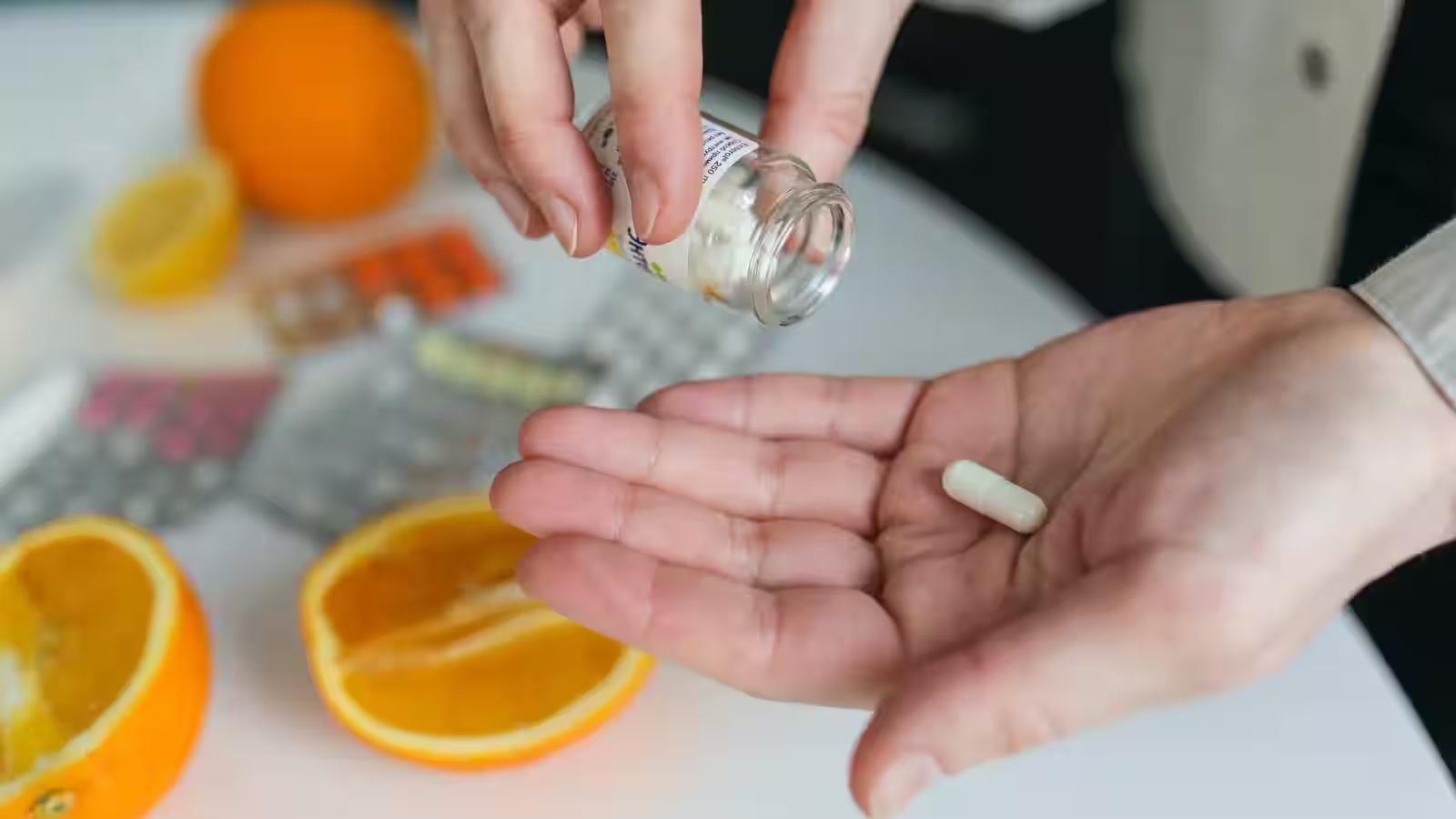
Common diseases and how to prevent them with the help of supplements

Botanical compounds and herbs for immunity

Combining a multivitamin supplement with botanical compounds and herbs is a great way to support the body’s immune system. One can incorporate herbs and botanical compounds like echinacea, ginger, caffeine, and curcumin to reduce inflammation and facilitate the body’s immune system.

To elaborate on specific botanical herbs and compounds, echinacea can be used to boost the immune system, ginger can help reduce inflammation, caffeine has antioxidant and energy-boosting properties and curcumin is a powerful anti-inflammatory agent. Kamayani Naresh, Health Expert and Founder of Zyropathy, revealed, “With a hectic lifestyle and sedentary habits, it becomes burdensome to meet nutrient requirements thus, supplements are an excellent way to avoid deficiencies and support the immune system.”

Believing that it is crucial to incorporate supplements into our diet regimen as sometimes we are unable to reap proper nutrients from our food, he said, “While it is mandatory to focus on eating whole foods and maintaining a balanced diet, supplements can be an integral player in improving our overall health routine. In the end, supplements are a great way to prevent nutrient deficiencies, support the immune system and keep the digestive system from becoming overworked.”

Read more at-https://bit.ly/3DNZoHo

Categories
COVID-19 Government Guidelines Medicine & Health

World Cancer Day: High-grade vs low-grade cancer; what’s the difference, symptoms, treatment

World Cancer Day 2023: While low grade tumours spread slowly, high-grade malignancies are aggressive and necessitate immediate treatment to prevent disease from spreading to other parts of the body. All you want to know.

 Cancer is caused by changes to our genes that control the way our cells function. Genetics, environmental factors, lifestyle factors can all affect your chances of having cancer. Some cancers are inherited which means you may be born with a predisposition to cancer. However, most of the cancers occur due to environmental and lifestyle reasons. Our bodies are made up of trillions of cells and the healthy body function is maintained with old cells dying and new cells replacing them. However, in case of cancer, the DNA of a cell gets damaged and there are too many of such abnormal cells which are beyond immune system’s control. These abnormal cells form tumour and in many cases they spread to other body parts if not treated. Some of the cancers are fast growing or high grade, others are slow growing or low grade. Cancer cells that have more genetic damage grow faster than those will less damage.

Stages of cancer

While low grade tumours spread slowly, high-grade malignancies are aggressive and necessitate immediate treatment to prevent disease from spreading to other parts of the body.

“Cancer is a broad category of disorders that all have one thing in common: they all occur when normal cells transform into cancer cells that multiply and spread. For most malignancies, the stage is a Roman numeral ranging from I to IV, with IV being the most advanced and indicating that cancer has spread. Stages are sometimes further classified by letters such as A and B,” says Dr Anil Kumar MD (Internal Medicine) (PGIMER), DM (Medical Oncology and Hematology), Consultant Medical Oncologist, Jindal Naturecure Institute, Bangalore.

World Cancer Day: High-grade vs low-grade cancer; what's the difference, symptoms, treatment

Difference between high-grade and low-grade cancer

Cancer cells that look like healthy cells and tissue are low grade tumours while those that look abnormal in appearance are high grade; they spread more rapidly.

Cancer cells in high-grade (poorly differentiated) tumours seem considerably different from normal cells. High-grade malignancies typically have a good response to therapy due to high cell multiplication rate than low-grade tumours and necessitate immediate treatment to prevent the disease from spreading to other parts of the body. In contrast, cancer cells in low-grade (well-differentiated) tumours resemble cells in normal tissue. In general, these tumours spread slowly. Most cancer grades are based on how aberrant the cancer cells appear under a microscope. This is known as differentiation,” adds Dr Anil.

Symptoms

“The grade is significant because tumours with more abnormal-looking cells develop and spread more quickly. Painless lump, change in bowel habits or blood in stools, constipation, non-healing ulcer, bloody nipple discharge, excessive bleeding per vagina, change in voice, difficulty swallowing, foreign body sensation in the throat, change in the appearance of a mole, fatigue, weakness, loss of appetite, weight changes are the most common symptoms of both types of cancer,” says Dr Anil.

Prevention, diagnosis and treatment

Screening is one way, while early diagnosis is another. It is defined as the presumed detection of undetected disease in a population of persons who appear healthy and asymptomatic utilising tests, examinations, or other methods that may be provided to the target population rapidly and cheaply.

“A screening programme must involve the full screening process, from inviting the target group to providing access to effective care for those who are diagnosed with the disease. Cancer screening tests can help in the early detection of the disease, which raises the likelihood of a successful course of treatment,” adds the expert.

Read more at-https://bit.ly/3Ys7Dkx

Categories
COVID-19 Medical Equipments Medicine & Health

New biomaterial may repair tissue damage from heart attack

Scientists have developed a new biomaterial that can be injected intravenously, reduces inflammation in tissue and that could be used to repair the damage to cardiac tissue resulting from a heart attack.

Scientists have developed a new biomaterial that can be injected intravenously, reduces inflammation in tissue and that could be used to repair the damage to cardiac tissue resulting from a heart attack. The researchers at the University of California (UC) San Diego, US, also provided proof of concept in a rodent model that the biomaterial could be beneficial to patients with traumatic brain injury and pulmonary arterial hypertension, the study said. The biomaterial was tested and proven effective in treating tissue damage caused by heart attacks in both rodent and large animal models, according to the study.

“This biomaterial allows for treating damaged tissue from the inside out,” said Karen Christman, a professor at UC San Diego, and the lead researcher on the team that developed the material.

“It’s a new approach to regenerative engineering,” said Christman.

A study on the safety and efficacy of the biomaterial in human subjects could start within one to two years, Christman said.

The study is published in the journal Nature Biomedical Engineering.

After a heart attack, scar tissue develops, which diminishes muscle function and can lead to congestive heart failure. There is no established treatment for repairing the resulting damage to cardiac tissue that follows a heart attack.

“Coronary artery disease, acute myocardial infarction, and congestive heart failure continue to be the most burdensome public health problems affecting our society today,” said Dr. Ryan R. Reeves, a physician in the UC San Diego Division of Cardiovascular Medicine.

“As an interventional cardiologist, who treats patients with coronary artery disease and congestive heart failure on a daily basis, I would love to have another therapy to improve patient outcomes and reduce debilitating symptoms,” said Reeves.

The team wanted to develop a treatment that could be administered immediately after a heart attack. This meant developing a biomaterial that could be infused into a blood vessel in the heart at the same time as other treatments such as angioplasty or a stent, or injected intravenously, the study said.

New biomaterial may repair tissue damage from heart attack

“We sought to design a biomaterial therapy that could be delivered to difficult-to-access organs and tissues, and we came up with the method to take advantage of the bloodstream – the vessels that already supply blood to these organs and tissues,” said Martin Spang, the paper’s first author.

According to the study, one advantage of the new biomaterial is that it gets evenly distributed throughout damaged tissue, because it is infused or injected intravenously.

Researchers in Christman’s lab started with the hydrogel they developed, which was proven to be compatible with blood injections as part of safety trials. But the particle size in the hydrogel was too big to target leaky blood vessels, the study said.

Spang, then a PhD student in Christman’s lab, solved this issue by putting the liquid precursor of the hydrogel through a centrifuge, which allowed for sifting out bigger particles and keeping only nano-sized particles, the study said.

The resulting material was put through dialysis and sterile filtering before being freeze dried. Adding sterile water to the final powder results in a biomaterial that can be injected intravenously or infused into a coronary artery in the heart, the study said.

Researchers then tested the biomaterial on a rodent model of heart attacks. They expected the material to pass through the blood vessels and into the tissue because gaps develop between endothelial cells in blood vessels after a heart attack, the study said.

But something else happened.

The biomaterial bound to those cells, closing the gaps and accelerating healing of the blood vessels, reducing inflammation as a result. Researchers tested the biomaterial in a porcine model of heart attack as well, with similar results, the study said.

The team also successfully tested the hypothesis that the same biomaterial could help target other types of inflammation in rat models of traumatic brain injury and pulmonary arterial hypertension. Christman’s lab will undertake several preclinical studies for these conditions, the study said.

Read more at-https://bit.ly/3l0UCQe

Categories
COVID-19 Medical Equipments Medical Updates Medicine & Health

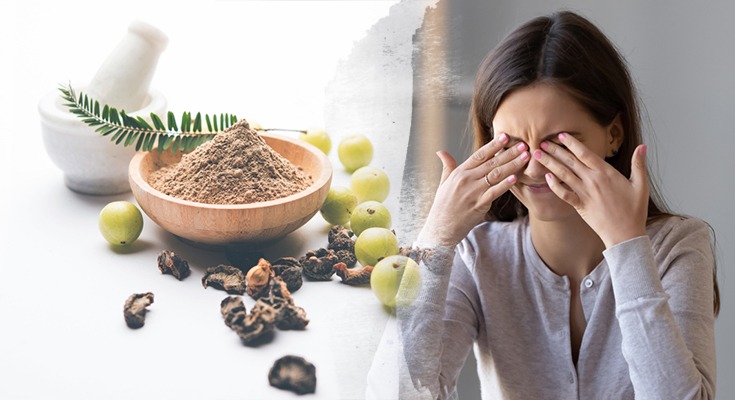
Ayurvedic remedies to improve eye health

January is Glaucoma Awareness Month and for the uninitiated, glaucoma may cause visual impairment due to optic nerve dysfunction, which is essential for communication between the brain and the eyes however, Ayurvedic experts believe that with the aid of Ayurveda, this serious issue can be stopped from worsening and there are increased chances of curing the long-term illness. As per some experts, Ayurveda, the ancient Indian medicine system, offers various simple remedies to maintain healthy eyes.

In an interview with HT Lifestyle, Dr Mahendar Singh Basu, Ayurvedic Eye Specialist and Founder of Dr. Basu Eye Hospital, shared, “According to Ayurveda, you should gently wash your eyes in the morning with cold water while holding some water in your mouth. You might also use rosewater or gulaab-jal, which is known to have cooling effects. Additionally, medicated ghee can be applied to the eyes in Netra Basti, an ayurvedic therapy. To perform this remedy, you need to lie down, and when a dough structure resembling a well is created around the eye, pour the ghee on top of it. Your eyes’ toxins will be removed by doing it.”

He added, “Tratak Karma, a meditation in front of a candle in a dark room or gazing at a point for a short duration, improves your vision. The tratak method is beneficial in treating a variety of eye ailments by eliminating dullness and a sluggish demeanour, according to ancient Ayurvedic teachings. You can also use cucumber cotton pads soaked with fresh goat’s milk to cool eye patches. When put on top of the eyes, it has a cooling effect and refreshes them completely. Moreover, Triphala, a potent herb concoction that combines three fruits – Amla, Bhibitaki and Haritaki is recommended by Ayurveda to cure Glaucoma. It can be applied through eye drops or ingested, and it helps in reducing eye strain, redness and swelling.”

Ayurvedic remedies to improve eye health

Asserting that Ayurveda aims to manage health concerns from their root, Dr Yogini Patil, BAMS and Nutritionist at LivLong, insisted that while this may take considerable time to show results, the effect is long-lasting and comprehensively rejuvenating. She suggested:

● Applications of “PratimarshNasya” daily (the procedure in which medicines are applied through the nasal cavity) cleanses shirostrotas thus preventing eye diseases.

● “PadaAbhyanga” or foot massage with herbal oils is beneficial for good vision and eye health.

● Daily application of “NetraAnjan” (medicated kajal) as a “dincharya” is the best ophthalmic medicine to prevent eye diseases.

● Eating foods rich in Vitamin A such as carrots and leafy greens is also beneficial for maintaining healthy eyes.

● Practicing yoga asanas such as Shirshasana and Trataka can also improve eyesight and reduce stress on the eyes.

● A good, balanced mental status and 6-8 hours of sound sleep is the key to better eye health.

Note: It is always essential to consult with an Ayurvedic practitioner before indulging in any new treatment regimen.

Read more at-https://bit.ly/40gmdx5

Categories
COVID-19 Government Guidelines Medical Equipments Medical Updates

Long Covid might teach us how to prevent Alzheimer’s

Researchers are uncovering links between viruses and brain diseases, which could point to a whole new approach to treatment.

Science is starting to uncover an unnerving fact about viruses: Some might affect our brains over the long haul. It came as a shock that SARS-CoV-2 can lead to lingering neurological problems — a post-viral syndrome we call long Covid. But the phenomenon might not be unique to this virus.

Scientists are finding links between common viruses such as influenza and brain diseases like multiple sclerosis, Parkinson’s, Alzheimer’s and ALS. Researchers are hoping that identifying a viral link might finally allow scientists to figure out what causes these mysterious, deadly ailments and develop new treatments.

A new study, published last week and summarized in Science, used a vast trove of electronic medical records to find thousands of people with neurodegenerative diseases and tease out correlations with 22 different kinds of infections. The biggest viral risk factor for dementia was encephalitis, which is an infection of the brain often caused by a mosquito or tick-borne disease. Other viruses tied to dementia included influenza, herpes zoster (shingles) and HPV.

Earlier studies had looked for specific viral links to Alzheimer’s and found correlations with herpes and some forms of HPV. And a study published last year showed that Epstein-Barr virus was necessary for developing MS. But scientists still haven’t figured out exactly what role the viruses play — whether they’re a direct trigger or have some peripheral role. Almost everyone on the planet carries Epstein-Barr virus, which causes mononucleosis, but only a tiny fraction ends up getting MS.

To better understand how viruses might be affecting the brain, I stopped by the National Institutes of Health to visit Avindra Nath, who is one of the few neurologists specializing in viruses — an interest he picked up after treating AIDS patients in the early 1980s. In 2014, he was the first neurologist to travel to Liberia to treat Ebola patients, and he said a fraction of those who recover suffer neurological symptoms similar to long Covid — especially chronic fatigue.

He told me that what really interests him are viruses that are embedded in our genetic codes — called endogenous retroviruses. They may have snuck in through a sexually transmitted virus that works itself into an embryo. These viruses are a source of genetic variation — and can add novel DNA to our genomes. Like mutations, these occasionally incur an advantage and spread through the population. About 8% of our genome is made of these embedded viruses.

Long Covid might teach us how to prevent Alzheimer’s

Nath’s interest in these started when he was treating a patient who had both HIV and ALS, and after taking antiretroviral drugs, the ALS disappeared. A series of human and animal studies convinced Nath that ALS might sometimes be triggered by an embedded virus called HERV-K.

Normally HERV-K is active during fetal development, so it may have spread through the human population because it does something useful in utero. But after we’re born, it normally shuts off (due to external chemical switches that bind to DNA).

Sometimes, he told me, these “off switches” fail, and one of these embedded viruses can become reactivated. That failure might be part of the cause of ALS. After years of animal studies, he started preliminary human trials assessing the effects of antiviral drugs on patients with ALS. He’s now planning a placebo-controlled clinical trial for drugs that he’s shown can suppress HERV-K.

He’s also studying the kinds of viruses we catch from the outside world. He thinks viruses are more likely to trigger brain diseases indirectly — not by getting directly into neurons, but by prompting inflammation. It’s the immune system’s response that causes the problem.

He’s now studying people with neurological problems following Covid infection — something that he estimates affected about 10% of people infected before vaccines were available and a much smaller fraction today. He said that at first he was very skeptical of claims that the virus hides out in the brain, but more recent studies have made him take it seriously, especially autopsy studies done by Dan Chertow at the NIH. It might be that those residual traces of the virus are causing persistent inflammation.

It’s possible that this has always been happening to some fraction of people who pick up common viruses. It’s just that it didn’t get all that much attention before the Covid pandemic. Nath said virology and neurology were two completely different worlds, and he was unique in trying to navigate both fields at the same time.

If viruses do indeed play a role in some of our most feared and costly diseases, that could point to a whole new approach to treatment and prevention. In the future, everyone might get vaccinated against Epstein-Barr virus as a protection against MS. And it may turn out that you can reduce your odds of getting Alzheimer’s disease by getting that shingles shot and a flu shot every year. If HPV adds to the risk, it could motivate the medical community to redouble its efforts to get that vaccine to more people.

Scientists could even eventually develop a universal, variant-proof Covid vaccine that would finally prevent the risk of long Covid.

Someday, people may look back at all the expensive drugs we tested for dementia and other brain diseases and wonder how we overlooked the benefits of cheap vaccines for so long.

Read more at-https://bit.ly/3kGNokj

Categories
COVID-19 Government Guidelines Medical Updates Medicine & Health

Practising gratitude can help you reduce stress: Research

Gratitude has a special stress-buffering effect on responses to and recovery from acute psychological stress, which can help to enhance cardiovascular health, according to a study done by researchers from Irish universities with 68 adults.

Researchers from Irish institutions discovered that gratitude has a unique stress-buffering effect on both reactions to and recovery from acute psychological stress, which can contribute to better cardiovascular health. Knowing that stress affects humans and has an impact on their health and well being, specifically causing high blood pressure and increasing cardiovascular morbidity and coronary heart disease, it is critical to understand our reactions to stress and determine whether there are any factors that can play key stress-buffering roles.

In the article “Gratitude, affect balance, and stress buffering: A growth curve examination of cardiovascular responses to a laboratory stress task”, published in January in the Journal of Psychophysiology, Brian Leavy, Brenda H. O’Connell and Deirdre O’Shea propose that, although previous research suggest that gratitude and affect-balance play key stress-buffering roles, to date little has been known about the impact of these variables on cardiovascular recovery from acute psychological stress.

That was the focus of the study by the researchers from the Universities of Maynooth and Limerick in Ireland, who also sought to find out whether affect balance moderates the relationship between gratitude and cardiovascular reactions to acute psychological stress.

The research carried out at the Irish University of Maynooth involved 68 undergraduate students (24 male and 44 female), aged between 18 and 57 years. This study used a within-subjects experimental design with lab tasks in which stress was induced to participants and then cardiovascular reactivity and recovery in response to this was measured.

Practising gratitude can help you reduce stress: Research

The results showed that state gratitude predicted lower systolic blood pressure responses throughout the stress-testing period, which means that the state of gratitude has a unique stress-buffering effect on both reactions to and recovery from acute psychological stress. It was also found that affect balance amplifies the effects of state gratitude.

These findings have clinical utility as there are several low-cost gratitude interventions which can contribute to well-being (Wood et al., 2010). For example, previous research has shown how cardiac patients who make use of gratitude journals have better cardiovascular outcomes than those who do not (Redwine et al., 2016).

Combined with the results of this study and previous work, gratitude may thus constitute a useful point of intervention for the improvement of our cardiovascular health.

Read more at-https://bit.ly/3Rb4u6f