Categories
COVID-19 Government Guidelines Medical Equipments Medical Updates

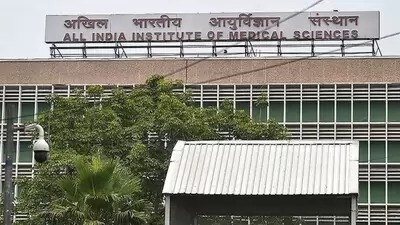
AIIMS Delhi to set up robotic surgery training facility

Synopsis

It said that robotic-assisted surgery is one of the newest areas of innovation in minimally invasive surgery. AIIMS Delhi has been an early adopter of this innovation in medical technology and has a talent pool of faculty using robotic surgical systems for many years.

AIIMS Delhi will soon set up a robotic surgery training facility in its campus here to train its doctors and other healthcare professionals across India. The premier hospital will float an open expression of interest (EOI) to invite Robotic Surgery System manufacturers (OEMs) to co-create and develop robotic surgery training facilities at AIIMS on a not-for-profit basis within the next 3-6 months, according to an office memorandum issued by AIIMS director Dr M Srinivas said on Friday.

AIIMS Delhi will provide around 500 sq ft of space, academic areas, cadavers/tissues for training and a pool of trained faculty among others, the memorandum stated.

It said that robotic-assisted surgery is one of the newest areas of innovation in minimally invasive surgery. AIIMS Delhi has been an early adopter of this innovation in medical technology and has a talent pool of faculty using robotic surgical systems for many years.

AIIMS Delhi to set up robotic surgery training facility

“Keeping in view the availability of adequate number of master trainers at AlIMS New Delhi, there is an immediate requirement to establish Robotic Surgery Training Facilities herein for imparting training to doctors from AIIMS New Delhi and other healthcare facilities in India,” the memorandum said.

“Accordingly, it is desired that an open expression of interest (EOI) should be floated to invite Robotic Surgery System manufacturers (OEMs) to co-create and develop Robotic Surgery Training facilities at various campuses of AIIMS, New Delhi on not-for-profit basis within the next 3-6 months,” it said.

The OEMS shall be expected to install the complete robotic surgery training platform and provide related accessories and consumables, etc free of cost. OEMS may at their own cost, also invite external experts for imparting training on any newer techniques with the prior permission of AIIMS, New Delhi, the document stated.

Read more at-https://bit.ly/3ZmAt6w

Categories
COVID-19 Government Guidelines Medical Equipments Medical Updates Medicine & Health

Influenza (flu) vs Covid: Symptoms, differences and similarities

Despite the fact that COVID-19 and influenza (flu) are both contagious respiratory illnesses, they are caused by separate viruses. COVID-19 is induced by contact with a coronavirus (SARS-CoV-2) that was discovered in 2019. Flu is caused by infection with a flu virus (influenza viruses).

From no signs (asymptomatic) to severe symptoms, COVID-19 and the flu can both have a range of symptoms. The flu and COVID-19 both commonly exhibit these symptoms:

Experiencing chills or feeling feverish, Cough, Respiratory issues or shortness of breath, Fatigue, Sore throat, Runny or congested nostrils, Headache, Vomiting, Diarrhea (more common in children with flu, but can occur in any age with COVID-19), Taste or scent alteration or loss, though this occurs more frequently with COVID-19.

How does it spread?

Similarities:

People who are close to or in direct contact with one another are more likely to contract COVID-19 or the flu. Both are primarily transmitted by virus-containing large and small particles that are released when COVID-19 or flu patients cough, sneeze, or talk. Majority of transmission occurs through the inhalation of large and tiny droplets, it is still possible for someone to become infected by touching another person who has the virus

Differences:

Superspreading episodes for COVID-19 have been found to be higher than those for flu. This implies that the virus that causes COVID-19 can rapidly and easily spread to a large number of people and cause ongoing spreading among people over time.
People without symptoms, people with very mild symptoms, and people who never experience symptoms can all transmit the virus that causes COVID-19 to others (asymptomatic people).

Similarities: For both COVID-19 and the flu, it may take one or more days for a person to start showing signs after contracting the infection. The virus that causes COVID-19 can be contracted even if no signs are present. Flu viruses can also infect people even when they show no signs.

Differences: Compared to the flu, COVID-19 patients may encounter symptoms later in the course of the illness where as an individual typically experiences symptoms one to four days after infection in flu.

Influenza (flu) vs Covid: Symptoms, differences and similarities

Differences:
Compared to the flu, COVID-19 may render an individual more contagious for a prolonged period of time.

Flu
Before showing symptoms, people who have the flu virus are possibly contagious for about one day. However, it is thought that the majority of those who transmit the flu virus infection are already exhibiting flu-like symptoms.
Although some individuals may continue to be contagious for a little longer periods, older children and adults with the flu appear to be most contagious during the first 3–4 days of their illness.

COVID-19
The COVID-19 virus can start spreading between two and three days before symptoms appear, but it reaches its highest infectiousness the day before symptoms start. The COVID-19 virus can also propagate among people even when they are asymptomatic. People are typically deemed contagious for eight days after the onset of their symptoms.

Similarities: COVID-19 and the flu both have the potential to cause serious sickness and complications. Those at higher risk comprise of older people, individuals with particular underlying medical problems, pregnant women.

Differences:

Even healthy individuals can develop a severe COVID-19 illness that requires hospitalisation and results in death. Some COVID-19 patients may go on to acquire multisystem inflammatory syndrome or post-COVID conditions (MIS)

Certified treatments

Similarities:

People who are more likely to develop complications or who have been admitted to the hospital with COVID-19 or the flu should receive the proposed treatments and supportive care to assist with symptom relief and complications.

Differences:

Flu
Guidelines for treating COVID-19 have been established by the National Institutes of Health (NIH), and they are frequently updated as new information about potential treatments becomes available. Antiviral therapy is included here for individuals who aren’t admitted but are at higher risk.

COVID-19
Guidelines for treating COVID-19 have been established by the National Institutes of Health (NIH), and they are frequently updated as new information about potential treatments becomes accessible. This covers both antiviral treatment for patients hospitalised with severe COVID-19 and antiviral treatment for non-hospitalized individuals at higher risk for the virus. People who are more likely to develop severe COVID-19 should get help as soon as their first symptoms appear.

Read more at-https://bit.ly/3SIeeWe

Categories
COVID-19 Government Guidelines Medical Updates

Early-life stress can disrupt brain’s reward circuits: Research

In addition to CRH, projection fibres co-expressed gamma-aminobutyric acid. They found that this new pathway, when stimulated, suppresses several types of reward behaviours in male mice.

A novel brain link may provide a new therapeutic target for the treatment of mental illness by explaining how early stress and adversity cause the reward circuit in the brain to function improperly. This circuit’s dysfunction is regarded to be the root cause of a number of severe illnesses, including depression, drug misuse, and excessive risk-taking.

In an article recently published online in Nature Communications, Dr Tallie Z. Baram, senior author and UCI Donald Bren Professor and Distinguished Professor in the Departments of Anatomy & Neurobiology, Pediatrics, Neurology and Physiology & Biophysics, and Matt Birnie, lead author and a postdoctoral researcher, describe the cellular changes in the brain’s circuitry caused by exposure to adversity during childhood.

“We know that early-life stress impacts the brain, but until now, we didn’t know how,” Baram said. “Our team focused on identifying potentially stress-sensitive brain pathways. We discovered a new pathway within the reward circuit that expresses a molecule called corticotropin-releasing hormone that controls our responses to stress. We found that adverse experiences cause this brain pathway to be overactive.”

“These changes to the pathway disrupt reward behaviours, reducing pleasure and motivation for fun, food and sex cues in mice,” she said. “In humans, such behavioural changes, called ‘anhedonia,’ are associated with emotional disorders. Importantly, we discovered that when we silence this pathway using modern technology, we restore the brain’s normal reward behaviours.”

Early-life stress can disrupt brain's reward circuits

Researchers mapped all the CRH-expressing connections to the nucleus accumbens, a pleasure and motivation hub in the brain, and found a previously unknown projection arising from the basolateral amygdala. In addition to CRH, projection fibres co-expressed gamma-aminobutyric acid. They found that this new pathway, when stimulated, suppresses several types of reward behaviours in male mice.

The study involved two groups of male and female mice. One was exposed to adversity early in life by living for a week in cages with limited bedding and nesting material, and the other was reared in typical cages. As adults, the early adversity-experiencing male mice had little interest in sweet foods or sex cues compared to typically reared mice. In contrast, adversity-experiencing females craved rich, sweet food. Inhibiting the pathway restored normal reward behaviours in males, yet it had no effect in females.

“We believe that our findings provide breakthrough insights into the impact of early-life adversity on brain development and specifically on control of reward behaviours that underlie many emotional disorders. Our discovery of the previously unknown circuit function of the basolateral amygdala-nucleus accumbens brain pathway deepens our understanding of this complex mechanism and identifies a significant new therapeutic target.” Baram said. “Future studies are needed to increase our understanding of the different and sex-specific effects of early-life adversity on behaviour.”

Read more at-https://bit.ly/3m9iulk

Categories
COVID-19 Government Guidelines Medical Equipments Medical Updates

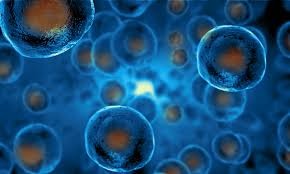
What is a stem cell transplant?

A third patient was reported HIV-free this week after receiving a stem cell transplant. Here’s everything you need to know about the procedure.

A study published February 9 declared a third person free of HIV after receiving a specific type of bone marrow, or stem cell, transplant. The 53-year-old man, who researchers are calling the “Düsseldorf” patient, received the treatment in 2013 and has been monitored since.

Like the two others — known as the “Berlin” and “London” patients, respectively — the man was positive for Type 1 HIV (HIV-1) and received a specific type of stem cell transplant to help treat a cancer diagnosis.

Both the Düsseldorf and Berlin patients had leukemia, while the London patient had Hodgkin’s lymphoma. (Also Read | ‘Duesseldorf patient’ cured of HIV, cancer after stem cell transplant: Study)
What is a stem cell transplant?

What are stem cells?

“Stem cell” is an umbrella term that refers to cells that are constantly dividing and have the potential to form different cell types.

Most of the body’s cells are very specialized and can’t change type — they will be stuck as heart muscle cells, neurons or intestine wall cells for the rest of their “lives”.

In contrast, stem cells are more like teenagers about to graduate high school.

They have the potential to become pretty much anything — a lawyer, nurse, scientist, journalist, influencer or TikToker — and must adapt to new trends.

What are hematopoietic stem cells?

The three HIV-free patients all received an allogenic hematopoietic stem cell (HSC) transplant.

The terms “bone marrow” and “stem cell” are often used interchangeably when talking about this procedure, because there are HSCs in our bone marrow.

HSCs are a cell-producing machinery that can give rise to blood and immune system cells through a process called hematopoiesis, which comes from two Greek words that together mean “blood making”.

You might not realize it, but every day HSCs produce around 300 billion new cells in your bone marrow.

Different types of stem cells

But not all teenagers are equally flexible when it comes to figuring out what they want to become. Some may be really into art, while others may be passionate about science and incapable of drawing a tree.

Stem cells also have different types of potential. Some can generate many different cell types, while others only a few.

Pluripotent stem cells can generate all the different types of cells required for an embryo to develop. Multipotent stem cells, on the other hand, can only generate a few types of cells.

Adult humans have multipotent stem cells in parts of the body where the cells need constant replenishment, like the skin, bones and gonads.

Scientists received the Nobel Prize in 2012 after proving it’s possible to manipulate already-differentiated cells into becoming pluripotent again through a process called “cell reprogramming”.

Since then, stem cell therapy has become a very active field of research.

Hematopoietic stem cell transplant

There are several types of stem cell therapies, and despite being harsh and risky, the HSC transplant is the most popular.

The procedure attempts to fix unhealthy bone marrow by replacing it with healthy marrow from a donor. It treats conditions that are often life-threatening, like certain types of cancers or blood/immune disorders such as sickle cell disease.

Stem cell transplants are classified by the origin of the stem cells that are being transplanted. For example, if the cells come from the body of the person who is being treated, the procedure is called an autologous stem cell transplant. If they come from someone else, it’s considered allogenic.

Each of the three HIV-free patients received an allogenic HSC transplant.

A high-risk transplant

Before receiving an HSC transplant, a patient is required to undergo a harsh “conditioning” regimen, which can include chemotherapy and radiotherapy.

Both treatments can have serious side effects, like infections, organ failure and even death. They are conducted in order to destroy the patient’s unhealthy bone marrow and heavily suppress their immune system, which allows the transplant to properly integrate.

If the treatment is successful, the transplanted cells will trigger an immune reaction against any residual cancer cells, helping clear them in what’s called a graft-versus-tumour effect.

But things can go awry. In some cases, the donor’s transplanted immune cells may start to recognize the recipient’s body as foreign and attack it, leading to graft-versus-host disease.

Graft-versus-host disease can affect the skin, the intestines and the liver. In some cases, it can even be life-threatening.

Not a treatment for HIV

Due to its high risk, researchers from the three HIV-remission studies have repeatedly cautioned that HSC transplants should not be seen as a treatment for HIV, which can be well managed with anti-retroviral treatment.

Researchers across the world are still looking for a cure or vaccine for the virus.

Read more at-https://bit.ly/3EzfjJY

Categories
COVID-19 Government Guidelines Medical Equipments Medical Updates

Circovirus involved in human hepatitis: Study

Circoviruses are a family of small, highly resistant DNA viruses that were initially identified in 1974 in various animal species, where they can cause respiratory, renal, dermatological and reproductive problems. HCirV-1 is a novel virus that is distant from known animal circoviruses.

Scientists from the Institut Pasteur, Necker-Enfants Malades Hospital (AP-HP), Inserm in the Imagine Institute, Universite Paris Cite and the Alfort National Veterinary School (EnvA) have identified a previously unknown species of circovirus, provisionally named human circovirus 1 (HCirV-1).

Circoviruses are a family of small, highly resistant DNA viruses that were initially identified in 1974 in various animal species, where they can cause respiratory, renal, dermatological and reproductive problems. HCirV-1 is a novel virus that is distant from known animal circoviruses. It was shown to be implicated in damage to the liver of a patient undergoing immunosuppressive treatment. This discovery of the first circovirus in humans, linked to hepatitis, was published in the journal Emerging Infectious Diseases on January 3, 2023.

Although the transmission of animal viruses to humans is regularly reported in the scientific literature, it is rare for a novel virus to be identified in a patient in Europe. But as part of a recent study, scientists and physicians have identified the first circovirus involved in human hepatitis. “The patient had unexplained chronic hepatitis, with few symptoms. She had received a heart-lung transplant 17 years earlier and had been monitored regularly since. We had access to a large number of samples over several years and were therefore able to identify this novel virus, which was completely unexpected,” explains Marc Eloit, last author of the study, Head of the Institut Pasteur’s Pathogen Discovery laboratory and a Professor of Virology at the Alfort National Veterinary School (EnvA). His laboratory specializes in the identification of pathogens in patients suspected of severe infection of unknown cause.

In March 2022, in collaboration with the Department of Clinical Microbiology at Necker-Enfants Malades Hospital (AP-HP), the pathological tissue samples of this 61-year-old female patient receiving immunosuppressive treatment, whose hepatitis had no identifiable cause, were sequenced to search for microbial sequences. The RNA (ribonucleic acid) sequences extracted from the tissues were analyzed and compared with those of known microbes. “The aim is to identify sequences of interest among all the sequences obtained, which is like searching for a needle in a haystack!” continues the scientist Marc Eloit. These thousands of RNA sequences were analyzed in parallel using mNGS (metagenomic next-generation sequencing) high-throughput sequencing techniques and sophisticated algorithms. After ruling out common etiologies, the analysis led to the identification of a previously unknown species of circovirus, provisionally named human circovirus 1 (HCirV-1). No other viral or bacterial sequence was found.

Circovirus involved in human hepatitis: Study

The involvement of HCirV-1 in the hepatitis was then demonstrated by analyzing samples taken from the patient in previous years as part of her post-transplant treatment. The results showed that the HCirV-1 viral genome was undetectable in the blood samples from 2017 to 2019, then that its concentration peaked in September 2021. Viral replication in liver cells was demonstrated (2 to 3% of liver cells were infected), pointing to the role of HCirV-1 in liver damage: once the virus has used the resources in the liver cell to replicate, it destroys the cell.

From November 2021 onwards, following antiviral treatment, the patient’s liver enzymes returned to normal levels, indicating the end of hepatic cytolysis.

Diagnosing hepatitis of unknown etiology remains a major challenge, as shown by the cases of acute hepatitis reported in children in the United Kingdom and Ireland last April and signaled by WHO. “We need to know the cause of the hepatitis, and especially whether or not it is viral, to be able to offer suitable treatment and monitor patients effectively. The identification of this novel virus that is pathogenic in humans, and the development of a test that can be performed by any hospital laboratory, offers a new tool for diagnosing and monitoring patients with hepatitis,” stresses Anne Jamet from the Department of Clinical Microbiology at Necker-Enfants Malades Hospital (AP-HP), who is also affiliated with Inserm and co-last author of the study.

Although some circoviruses are pathogenic for animals and vaccines can be administered, especially in pigs, this is the first known circovirus to be pathogenic for humans. The patient’s symptoms remained mild; the virus was able to be identified because she was being closely monitored following her combined transplant. The origin of the virus — whether it is circulating in humans or of animal origin — has yet to be identified, and the source of infection (contact, food, etc.) remains unknown. Following their discovery, the scientists developed a specific PCR test that is now available for etiological diagnosis of hepatitis of unknown origin. A serological test is also being developed.

“These results show the value of this type of sequencing analysis in identifying novel or unexpected pathogens. It is always important for clinicians to know whether or not an infection is viral so that they can adapt the treatment accordingly. It is also crucial to be able to identify a novel pathogen when an infection remains unexplained and to develop a diagnostic test, because any new case of human infection with an emerging pathogen may potentially signal the start of an outbreak,” concludes Marc Eloit. The test is available for the medical community and can now be easily performed for other cases of unexplained hepatitis.

Read more at-https://bit.ly/3xN8GQI

Categories
COVID-19 Government Guidelines Medical Equipments Medical Updates

Adenovirus cases spike in West Bengal: Symptoms, treatment and precautions

Adenovirus: Adenovirus causes mild cold or flu-like illness which can affect people of all ages, according to US Centers for Disease Control and Prevention (CDC).

Bengal health authorities have been asked to be vigilant after the state recorded a big spike in adenovirus cases that has led to pediatric wards in state-run and private hospitals filling up fast. Health officials say at least 32 per cent of samples sent to the National Institute of Cholera and Enteric Diseases (ICMR-NICED) in Kolkata since January have tested positive for the virus. Two children – a six-month-old boy and 2.5-year-old girl – died Sunday, though the cause of deaths has not yet been formally identified as the adenovirus, which causes a mild cold, or flu-like, illness that can affect people of all ages.

Adenovirus cases spike in West Bengal: Symptoms, treatment and precautions

Symptoms:

Infected people may have relatively mild symptoms like a cold or flu, a fever, and a sore throat, or acute bronchitis, pneumonia, conjunctivitis and acute gastroenteritis, which is an inflammation of stomach. Adenovirus can cause mild and severe illnesses but the latter is relatively uncommon. People with weak immune systems, existing respiratory or cardiac diseases are at higher risk of developing severe illness from adenovirus.

Transmission:

The virus is usually transmitted by physical contact with an infected person, the United States’ Centers for Disease Control and Prevention said. It can also be spread through the air (via coughs and sneezes) or a patient’s stool; for example, while changing diapers.

Treatment:

There is currently no specific course of treatment or approved antiviral medication. Since most cases are mild, they are managed by pain-killlers or medication to manage symptoms.

Doctors suggest the best way to tackle the infection is prevention. Steps to avoid getting infected include avoiding touching your eyes, nose or mouth with contaminated hands and to regularly use soap or sanitiser to wash your hands.

Read more at-https://bit.ly/3lQDddM

Categories
COVID-19 Government Guidelines Medical Equipments Medical Updates

COVID-19 infection increases diabetes risk: Research

Diabetes disrupts normal metabolism and metabolic processes, preventing the pancreas from producing enough insulin, a hormone that helps regulate blood levels of glucose and amino acids.

Those who have undergone COVID-19 have a higher risk of having new-onset diabetes, which is the main cause of cardiovascular disease, according to research from Cedars-Smidt Sinai’s Heart Center.

The findings, published in the journal JAMA Network Open, also suggest that the risk of Type 2 diabetes appears lower in individuals who were already vaccinated against COVID-19 by the time they were infected.

“Our results verify that the risk of developing Type 2 diabetes after a COVID-19 infection was not just an early observation but, in fact, a real risk that has, unfortunately, persisted through the Omicron era,” said Alan Kwan, MD, first and corresponding author of the study and a cardiovascular physician in the Smidt Heart Institute at Cedars-Sinai.

The trend, Kwan says, is concerning because most people in the United States will eventually experience a COVID-19 infection. “This research study helps us understand–and better prepare for–the post-COVID-19 era of cardiovascular risk,” Kwan said.

COVID-19 infection increases diabetes risk: Research

To determine the rising rates of diabetes, investigators evaluated medical records from 23,709 adult patients who had at least one documented COVID-19 infection and were treated within the Cedars-Sinai Health System in Los Angeles from 2020-2022. The average patient was 47 years old, and 54% of subjects were female.

Within the study time frame:

– The combined risk of Type 2 diabetes after COVID-19 exposure–accounting for both vaccinated and unvaccinated patients–was 2.1%, with 70% occurring after COVID-19 infection versus 30% happening prior to COVID-19 exposure.

– The risk of Type 2 diabetes after COVID-19 exposure for unvaccinated patients was 2.7%, with 74% occurring after COVID-19 infection versus 26% happening prior to COVID-19 exposure.

– The risk of Type 2 diabetes after COVID-19 exposure for vaccinated patients was 1.0%, with 51% occurring after COVID-19 infection versus 49% happening prior to COVID-19 exposure.

“These results suggest that COVID-19 vaccination prior to infection may provide a protective effect against diabetes risk,” said Kwan. “Although further studies are needed to validate this hypothesis, we remain steadfast in our belief that COVID-19 vaccination remains an important tool in protecting against COVID-19 and the still-uncertain risks that people may experience during the post-infection period.”

Susan Cheng, MD, MPH, senior author of the study, professor of Cardiology, and director for Cardiovascular Population Sciences in the Smidt Heart Institute, says these findings broaden the medical field’s understanding of the effects of COVID-19 on the body, while simultaneously unearthing yet-to-be-answered questions.

“Although we don’t yet know for certain, the trends and patterns that we see in the data suggest that COVID-19 infection could be acting in certain settings like a disease accelerator, amplifying risk for a diagnosis that individuals might have otherwise received later in life,” said Cheng, the Erika J. Glazer Chair in Women’s Cardiovascular Health and Population Science. “So, it could be that instead of being diagnosed with diabetes by age 65, a person with preexisting risk for diabetes might–after a COVID-19 infection–be more likely to develop diabetes by age 45 or 55.”

Diabetes disrupts normal metabolism and metabolic processes, preventing the pancreas from producing enough insulin, a hormone that helps regulate blood levels of glucose and amino acids. Because diabetes can damage vital organs and blood vessels, people with diabetes are at higher risk for heart attack and stroke.

The disease affects an estimated 26 million people in the United States.

This research, Kwan says, is one piece of the puzzle that will help researchers understand how to prevent metabolic as well as cardiovascular disease risk in the future.

“As we learn how to live with COVID-19, we also have to be prepared to recognize and treat the various conditions linked to its aftereffects,” said Kwan. “Our ultimate goal–with every research study we conduct–is to find ways to keep people healthy and able to engage in their everyday activities and lives.”

Read more at-https://bit.ly/3lMXil2

Categories
COVID-19 Government Guidelines Medical Equipments Medical Updates

Health ministry to organise ‘Chintan Shivir’ to explore ways to build trust on Indian drugs

Synopsis

“The aim is to build trust and confidence on the quality of Indian drugs, cosmetics and medical devices in the domestic and global markets.”

The Union Health Ministry will organise a two-day ‘Chintan Shivir’ from February 26 to explore ways to build trust on Indian drugs, cosmetics and medical devices in domestic and export markets and strengthen the regulations to ensure their quality, officials said on Tuesday. The Chintan Shivir on ‘Drugs: Quality Regulations and Enforcement’ holds significance against the backdrop of questions being raised about the quality of some Indian drugs amid instances of Global Pharma Healthcare recalling entire lots of eye drop linked to vision loss in the US and India-made cough syrups being linked to children deaths in Gambia and Uzbekistan.

At the two-day event to be organised in collaboration with the Department of Pharmaceuticals in Hyderabad, experts and officials will review the predictability, transparency and accountability in the regulation of quality of drugs, ensure compliance to Indian pharmacopoeia standards and develop robust network for pharmacovigilance and materiovigilance programmes, the officials said.

The event will also see introduction of digital tools for uniform and effective regulation.

“The aim is to build trust and confidence on the quality of Indian drugs, cosmetics and medical devices in the domestic and global markets.

“Experts will also deliberate on effective enforcement at the field level for ensuring quality, safety and efficacy till the last mile. Discussions will focus on the present enforcement mechanism in place to address spurious, adulterated and substandard drugs, and the necessity for greater coordination between the states and the Centre in this regard and the issues and challenges in enforcement,” an official said.

Health ministry to organise 'Chintan Shivir' to explore ways to build trust on Indian drugs

The shivir will also deliberate on creation of a unified IT platform for all regulatory activities such as an online National Drug Licensing Portal (NDLS).

The Central Drugs Standard Control Organisation (CDSCO) is the regulatory authority and under the Drugs and Cosmetics Act and rules made thereunder, it is responsible for approval of new drugs, conduct of clinical trials, control over the quality of imported drugs in the country and coordination of the activities of State Drug Control Organizations by providing expert advice with a view of bringing about the uniformity in the enforcement of the said Act, the official explained.

The Drugs and Cosmetics Act, 1940 and rules made thereunder have entrusted various responsibilities to Central and state regulators for regulation of drugs and cosmetics. It envisages uniform implementation of the provisions of the Act and rules for ensuring the safety, rights and wellbeing of patients by regulating the drugs and cosmetics.

Read more at-https://bit.ly/3Iy4Ocl

Categories
COVID-19 Government Guidelines Medical Updates Medicine & Health

Organ damage persists in 59% of long Covid patients a year after diagnosis: Study

Scientists have found that organ damage persisted in 59 per cent of long Covid patients a year after initial symptoms, even in those not severely affected when first diagnosed with the virus, according to a new study.

Scientists have found that organ damage persisted in 59 per cent of long Covid patients a year after initial symptoms, even in those not severely affected when first diagnosed with the virus, according to a new study. The study also found that 29 per cent of patients with long COVID had multi-organ impairment, with persistent symptoms and reduced function at six and twelve months, it said.

The comprehensive study of organ impairment in long COVID patients over 12 months focused on patients reporting extreme breathlessness, cognitive dysfunction and poor health-related quality of life, it said.

According to the study, of the 536 patients who were studied, 13 per cent were hospitalised when first diagnosed with COVID-19, with 32 per cent of people taking part in the study being healthcare workers.

The study found that of the 536 patients, 331, or 62 per cent, were identified with organ impairment six months after their initial diagnosis. It is published in the Journal of the Royal Society of Medicine.

Organ damage persists in 59% of long Covid patients a year after diagnosis: Study

These patients were followed up six months later with a 40-minute multi-organ MRI scan (Perspectum’s CoverScan), analysed in Oxford, the study said.

“Symptoms were common at six and twelve months and associated with female gender, younger age and single organ impairment,” said Amitava Banerjee, Professor of Clinical Data Science at the UCL Institute of Health Informatics, UK.

The study reported a reduction in symptoms between six and 12 months, it said. Extreme breathlessness came down from being reported in 38 per cent of the patients to 30 per cent of patients, the study said, while cognitive dysfunction came down from 48 per cent to 38 per cent.

Poor health-related quality of life came down from 57 per cent to 45 per cent of patients, the study said.

“Several studies confirm persistence of symptoms in individuals with long COVID up to one year.

“We now add that three in five people with long COVID have impairment in at least one organ, and one in four have impairment in two or more organs, in some cases without symptoms,” said Banerjee.

“Impact on quality of life and time off work, particularly in healthcare workers, is a major concern for individuals, health systems and economies.

“Many healthcare workers in our study had no prior illness, but of 172 such participants, 19 were still symptomatic at follow-up and off work at a median of 180 days,” said Banerjee.

The underlying mechanisms of long COVID remain elusive, said the researchers, who did not find evidence by symptoms, blood investigations or MRI to clearly define long COVID subtypes, the study said.

They said that future research must consider associations between symptoms, multi-organ impairment and function in larger cohorts.

“Organ impairment in long COVID has implications for symptoms, quality of life and longer-term health, signalling the need for prevention and integrated care for long COVID patients,” said Banerjee.

Read more at-https://bit.ly/3Kc6cmh

Categories
COVID-19 Government Guidelines Medical Updates Medicine & Health

Free sugars linked with higher risk of cardiovascular disease: Study

The authors suggest that replacing free sugars with non-free sugars – mostly those naturally occurring in whole fruits and vegetables – and a higher fibre intake, may help protect against cardiovascular disease.

An increased diet of free sugars – both added sugars and those found naturally in honey and fruit juice linked to an increased risk of cardiovascular disease, according to a study. The findings support the global dietary recommendation to limit free sugar consumption to less than 5 per cent of total daily energy consumption.

The findings of the study were published in BMC Medicine.

Free sugars linked with higher risk of cardiovascular disease: Study

Rebecca Kelly and colleagues analysed data from 110,497 individuals from the UK Biobank who had completed at least two dietary assessments. The researchers tracked individuals for around 9.4 years and during this time, total cardiovascular disease (heart disease and stroke combined), heart disease, and stroke occurred in 4,188, 3,138, and 1,124 participants, respectively.

The authors found total carbohydrate intake was not associated with cardiovascular disease outcomes. However, when looking at the types and sources of carbohydrates consumed, they found that higher free sugar intake from foods such as sugary drinks, fruit juice and sweets, was associated with increased risk of all cardiovascular disease outcomes. For each 5% higher total energy from free sugars, the associated risk of total cardiovascular disease was 7% higher. The authors found that the risk of heart disease was 6% higher, while the risk of stroke was 10% higher. Additionally, consuming five grams higher fibre per day was associated with 4% lower risk of total cardiovascular disease, but this association did not remain significant after accounting for body mass index (BMI).

The authors suggest that replacing free sugars with non-free sugars – mostly those naturally occurring in whole fruits and vegetables – and a higher fibre intake, may help protect against cardiovascular disease.

Read more at-https://bit.ly/3k5OeXT