Categories
COVID-19 Government Guidelines Medicine & Health

How cognitive behavioral therapy helps reduce post-viral fatigue after Covid-19: Study

Those who suffer from COVID-19 post-viral fatigue benefit from cognitive behavioural treatment, which results in fewer fatigue and attention issues.

Those who suffer from COVID-19 post-viral fatigue benefit from cognitive behavioural treatment, which results in fewer fatigue and attention issues.

Lead researcher, Hans Knoop, Professor of Medical Psychology at Amsterdam UMC found that “After behavioural therapy, patients not only had less symptoms but also functioned better both physically and socially. Those improvements were still present even after six months.” Today, research from Amsterdam UMC, RadboudUMC and three other hospitals is published in Clinical Infectious Diseases.

How cognitive behavioral therapy helps reduce post-viral fatigue after Covid-19

Following a COVID-19 infection, a significant majority of individuals experience persistent symptoms. The most prevalent symptom is extreme and persistent exhaustion, which is also known as long-COVID or Post-Covid Syndrome. those who underwent cognitive behavioural therapy were compared to those who got standard treatment in the ReCOVer research, which was supported by ZonMw. Typical care included GP or expert monitoring, physiotherapy, and/or occupational therapy.

Cognitive behavioural therapy for patients with persistent fatigue after COVID-19 focuses on reducing fatigue by dealing with the symptoms differently. “Together with patients, we look, for example, at how they can improve their sleep-wake rhythm. We also help them become more active again with small, safe steps. For example, by going for short walks,” said Knoop.

Cognitive behavioural therapy has clear results for these patients. Most participants experienced significantly less fatigue and improved concentration after treatment. They also made significant progress socially and physically. The results also proved to be stable over time. After six months, the differences, compared with those received regular care, were still present. “Cognitive behavioural therapy also appears to be a safe treatment. Our research shows that the symptoms did not worsen, and new symptoms arose less often,” added Knoop.

Read more at-https://bit.ly/3Bm1ltg

Categories
COVID-19 Government Guidelines Medical Equipments Medical Updates

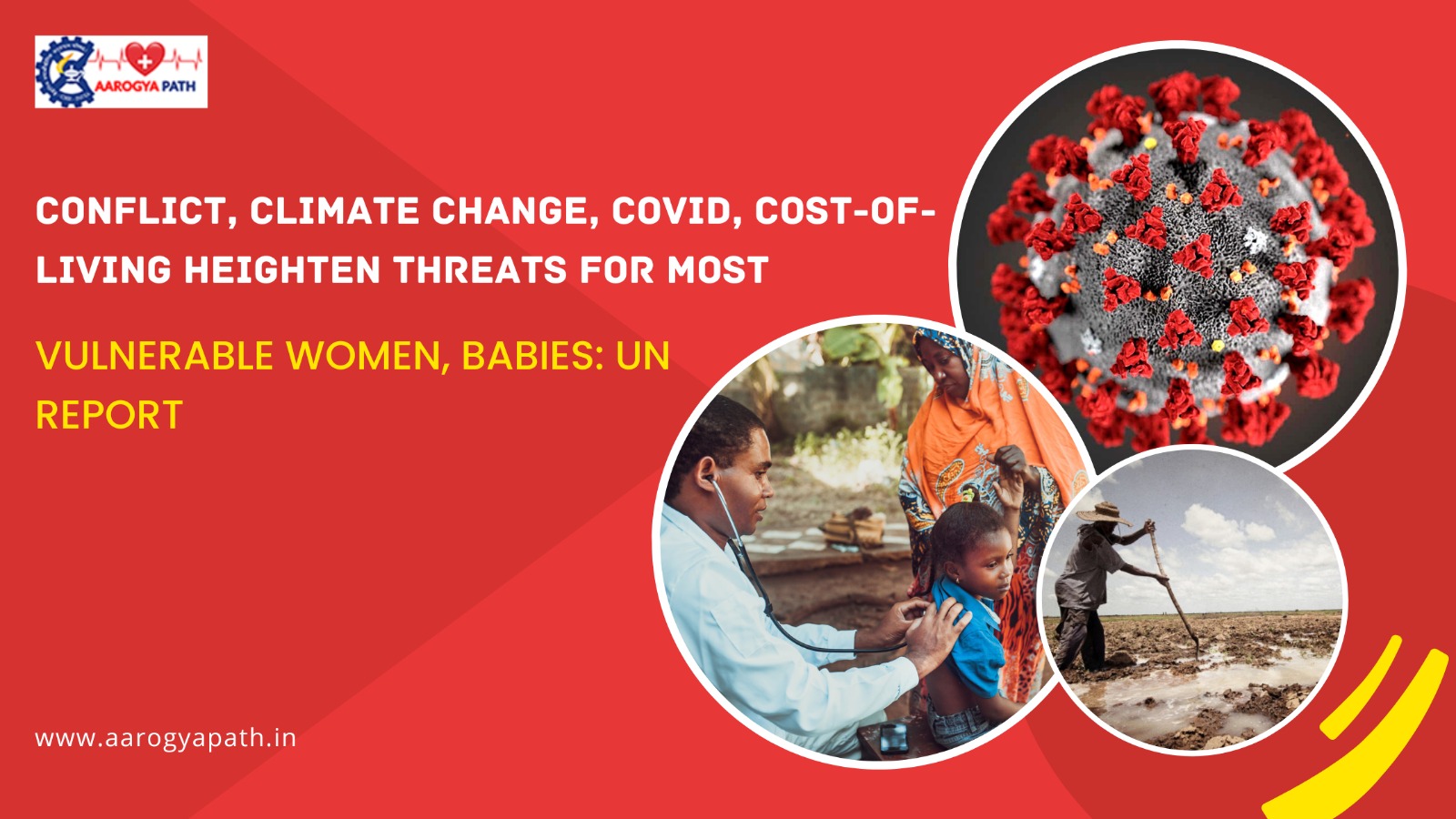
Conflict, climate change, Covid, cost-of-living heighten threats for most vulnerable women, babies: UN report

The report sounds the alarm on a silent emergency of preterm birth which is impeding progress in improving children’s health and survival.

An estimated 13.4 million babies were born preterm in 2020, with 45 per cent of them being born in just five countries, including India, China and Pakistan, according to a report released by the United Nations agencies and partners on Wednesday. The report titled ‘Born Too Soon: Decade of Action on Preterm Birth’ is developed by more than 140 individuals from 46 countries and is produced by the World Health Organisation (WHO) and the United Nations Children’s Fund (UNICEF) together with PMNCH — the world’s largest alliance for women, children, and adolescents.

The report sounds the alarm on a “silent emergency” of preterm birth which is impeding progress in improving children’s health and survival.

The global preterm birth rate was 9.9 per cent in 2020, compared to 9.8 per cent in 2010. An estimated 13.4 million babies were born pre-term in 2020, with nearly 1 million dying from preterm complications, which is equivalent to around 1 in 10 babies born early (before 37 weeks of pregnancy) worldwide.

In 2020, Bangladesh had the highest estimated preterm birth rate (16.2 per cent), followed by Malawi (14.5 per cent) and Pakistan (14.4 per cent). Rates are also high in high-income countries, such as Greece (11.6%), and the United States of America (10.0%), the report stated.

“Almost half (45 per cent) of all preterm babies in 2020 were born in just five countries: India, Pakistan, Nigeria, China and Ethiopia,” it said.

The report highlighted that preterm birth rates have not changed in the past decade in any region of the world and that “four Cs” – conflict, climate change, COVID-19 and the cost-of-living crisis – heighten threats for the most vulnerable women and babies in all countries.

For example, air pollution is estimated to contribute to 6 million preterm births each year.

Nearly 1 in 10 preterm babies are born in the 10 most fragile countries affected by humanitarian crises, according to a new analysis in the report. Climate science is increasingly exposing the direct and indirect effects of climate change on pregnant women, stillbirths and preterm birth.

Conflict, climate change, Covid, cost-of-living heighten threats for most vulnerable women, babies: UN report

According to it, 1.2 million babies are ‘born too soon’ in the 10 most fragile countries affected by humanitarian crises, where accessing care for women and babies is particularly challenging.

“More investment is needed to specifically mitigate risks and to increase focus on women and babies in policies and programmes addressing the climate emergency,” it said.

“Born too soon underlines why we must increase investment and accountability for preterm birth – the world’s largest cause of death of children under the age of five. Progress is flatlining for maternal and newborn health, as well as the prevention of stillbirths, and is now pushed back further through the devastating combination of COVID-19, climate change, expanding conflicts and rising living costs,” said Helga Fogstad, Executive Director, PMNCH.

“By working together in partnership – governments, donors, the private sector, civil society, parents, and health professionals – we can sound the alarm about this “silent emergency”, and bring preterm prevention and care efforts to the forefront of national health and development efforts, building human capital by supporting families, societies and economies everywhere,” Helga added.

With the report coming at a time when the International Maternal Newborn Health Conference (IMNHC) is being held at Cape Town from May 8, the WHO, UNICEF, UNFPA and PMNCH called for increased investments, accelerated implementation of established national policies for maternal and newborn care to improve care for women and newborns and mitigate risks from preterm births.

They also called for promoting education through the life cycle; supporting smarter economic investments, with co-financing across sectors; strengthening climate adaptation responses across the life course; and advancing the coordination and resilience of emergency systems, besides investing in locally-led innovation and research to support improvements in quality of care and equity in access.

Ensuring quality care for these tiniest, most vulnerable babies and their families is absolutely imperative for improving child health and survival, said Dr Anshu Banerjee, Director for Maternal, Newborn, Child and Adolescent Health and Ageing at WHO.

“Progress is also needed to help prevent preterm births — this means every woman must be able to access quality health services before and during pregnancy to identify and manage risks,” he said.

Read more at-https://bit.ly/42pnXVr

Categories
COVID-19 Government Guidelines Medical Equipments Medical Updates

Long COVID linked with self-perceived cognitive deficits related to anxiety and depression

Experiencing persistent symptoms of COVID more than four weeks after initial infection is called Long COVID.

Symptomatic long COVID may be associated with self-perceived cognitive difficulties such as memory problems, according to a study. Long COVID is described as experiencing persistent symptoms of the disease more than four weeks after initial infection. Researchers at the University of California, Los Angeles (UCLA) in the US noted that over one in three people experiencing long COVID symptoms perceived such cognitive deficits, which have been found to be related to anxiety and depression.

The findings, published recently in the journal JAMA Network Open, show that psychological issues such as anxiety or depressive disorders may play a part in some people who are experiencing long COVID, technically known as post-COVID-19 condition, or PCC.

“This perception of cognitive deficits suggests that affective issues—in this case anxiety and depression—appear to carry over into the long COVID period,” said study senior author Neil Wenger, a professor at UCLA.

“This is not to say that long COVID is all in one’s head, but that it is likely not a single condition and that for some proportion of patients there is likely a component of anxiety or depression that is exacerbated by the disease,” Wenger said in a statement.

The researchers surveyed 766 patients who had confirmed symptomatic COVID infection and had either been hospitalised at UCLA or at one of 20 health care facilities in the US or were referred to the programme by a primary care physician and been treated as outpatients.

Long COVID linked with self-perceived cognitive deficits related to anxiety and depression

Patients were surveyed by telephone at 30 days, 60 days and 90 days following hospital discharge or, in the case of non-hospitalised patients, after the date of a positive COVID test to ascertain if they felt their health was back to normal.

The researchers found that 276 (36.1 per cent) of the patients surveyed perceived during the acute illness or the following weeks that they had cognitive difficulties.

The study also found that these patients were twice as likely as those without perceived cognitive deficits to report experiencing physical symptoms at 60 and 90 days.

The researchers acknowledged some limitations to the findings. These include a lack of objective cognition measures because the survey relied on subjective responses about cognitive deficits.

They also did not have data on participants’ possible cognition, depression, and anxiety prior to COVID infection.

The findings may not apply to other patient cohorts given that participants were treated at an academic medical centre and were referred to the programme based on physicians’ belief that the patients were at clinically high risk for cognition deficits, the researchers added.

Read more at-https://bit.ly/3HOjmnu

Categories
COVID-19 Government Guidelines Medical Equipments Medical Updates

What to eat when you have Covid

Having a healthy diet is associated with a reduced risk of COVID. And, if you do have COVID, a healthy diet is associated with milder symptoms.

Deciding what to eat can be mentally taxing, especially when you are not feeling well. However, our diet plays a role in preventing and managing poor health, including COVID. Having a healthy diet is associated with a reduced risk of COVID. And, if you do have COVID, a healthy diet is associated with milder symptoms. When we are sick it can be challenging to even think about food. However, the best way to fight the infection is by providing your body with foods that best support you to heal.

Fresh fruit, vegetables, whole grains and various forms of protein are broken down into substances by the body to support your immune system.

The Australian Guide to Healthy Eating suggests we eat a variety of fresh foods every day including:

*Two serves of fruit and five serves of vegetables

*Whole grains, such as wholemeal pasta, brown rice or wholemeal bread.

What to eat when you have Covid

*Healthy fats, such as avocado or olive oil.

*Meat and meat alternatives (such as lean beef, chicken, tofu or legumes) and dairy (such as cheese or milk).

*Eating these kinds of foods every day helps provide our body with the nutrients required to fight infections and remain healthy.

*Avoiding processed and ultra processed foods is also encouraged due to the high levels of salt and sugar and lack of nutrition found in these types of foods.

What about chicken soup or similar?

A great way to get all the nutrition your body requires when sick with COVID is through homemade chicken soup, chicken avgolemono, chicken congee or other similar dishes.

Why? Here are four good reasons:

1. It’s easy and cheap to make.

The great thing about chicken soup is you can pop it in one pan (or into a slow cooker), throw all the ingredients in together and let it simmer away.

While the ingredients in chicken soup pack a powerful nutritional punch, they don’t cost the Earth.

2. It’s easy to absorb.

The boiling process releases the nutritional elements found in the ingredients and aids in digestion and absorption of these vital nutrients.

3. It’s full of vitamins and minerals.

Essential vitamins and minerals found in chicken soup include: iron, magnesium, sodium, potassium, calcium, chromium, copper, zinc, vitamin A, vitamin C, vitamin B6 and vitamin B12.

4. It’s flavoursome and powerful.

The tasty flavour of chicken soup is enhanced by the seventeen different amino acids found in chicken soup. These amino acids also provide strength for your immune system.

Nutrition can support immune health but it’s not the only answer

The best way to treat and manage a COVID infection is to avoid it in the first place. So remember to practise good hygiene, like washing your hands regularly, and maintain your recommended vaccine schedule.

Practising a healthy lifestyle will also reduce your risks of not only contracting COVID, but also developing chronic disease. This includes not smoking or vaping, maintaining healthy physical activity habits, getting enough sleep and reducing alcohol consumption.

The current recommendation for maximum alcohol intake is ten standard drinks in one week, and no more than four standard drinks in one day.

  • Don’t forget to drink plenty of water
  • Water is crucial when you’re sick.

Being dehydrated can enhance symptoms of colds and infections, including COVID. It is also associated with a higher risk of developing long COVID.

Aim to drink at least two litres of water per day, even more if you have a high body weight or have been losing fluids through vomiting or sneezing/runny nose.

If you don’t feel like having plain water, there are many healthy alternatives such as tea, broth or soup.

Eating a healthy and balanced diet is an important part of maintain good health and vitality.

Getting caught up in fads or buying supplements can be expensive and there is controversy around their effectiveness.

In the long run, eating healthy will make you feel better and save you money

Read more at-https://bit.ly/44hviHR

Categories
COVID-19 Government Guidelines Medical Equipments Medical Updates

Post-COVID-19 conditions change a person’s immunological response: Study

The study found that after people with long COVID-19 received the vaccine, they produced antibodies against the virus that causes COVID-19 for months longer.

A recent study from Cedars-Sinai’s Smidt Heart Institute reveals that extended COVID-19 may be caused by a dysfunction of the immune system. The study, published in BMC Infectious Diseases, found that after people with long COVID-19 received the COVID-19 vaccine, they produced antibodies against the virus that causes COVID-19 for months longer than expected.

When a person has an infection, the immune system typically responds by making antibodies that block germs from entering cells. Vaccines imitate an infection so that the body’s immune system knows to release certain antibodies when it comes across a virus. In both cases, the immune system eventually stops creating antibodies when the suspected infection is gone.

“There’s general consensus that some level of aberrant immune response happens in long COVID-19, and this study adds to the evidence to suggest this is true,” said Catherine Le, MD, co-director of the Cedars-Sinai COVID-19 Recovery Program and a senior author of the study.

Post-COVID-19 conditions change a person's immunological response: Study

Long COVID-19, a condition in which people experience COVID-19-related symptoms three months or more after initial infection with the virus that causes COVID-19, is estimated to affect 65 million people worldwide. Common symptoms include fatigue, shortness of breath, and cognitive dysfunction such as confusion and forgetfulness. Some symptoms can have debilitating effects.

To study the immune response of people with long COVID-19, investigators analysed blood samples from 245 people diagnosed with long COVID-19 and 86 people who had COVID-19 and fully recovered. All the study participants had received either one or two doses of a COVID-19 vaccine regimen.

“We examined one part of the immune system response, the production of antibodies, which is mediated by immune cells called B-cells,” Le explained.

Specifically, the investigators looked at two types of antibodies that attack the virus that causes COVID-19. One of these is called the spike protein antibody, which attacks a protein on the exterior of the virus. The other is the nucleocapsid antibody, which attacks the part of the virus that allows it to replicate.

The investigators found that people who were diagnosed with long COVID-19 produced higher levels of spike protein and nucleocapsid antibodies than people without long COVID-19. Eight weeks after receiving a dose of the COVID-19 vaccine, antibody levels in people without long COVID-19 began to decrease, as was expected. People with long COVID-19, however, continued to have elevated antibody levels, especially of nucleocapsid antibodies.

“What you would expect after getting a COVID-19 vaccination is a jump in your spike protein antibody levels, but you wouldn’t expect a significant increase in nucleocapsid antibody levels,” said Susan Cheng, MD, MPH, the Erika J. Glazer Chair in Women’s Cardiovascular Health and Population Science, director of the Institute for Research on Healthy Aging in the Department of Cardiology at the Smidt Heart Institute, and a senior author of the study. “You would also expect these levels to eventually decrease and not persist for so long after vaccination.”

Although this study shows that long COVID-19 affects the immune system, it’s too soon to draw firm conclusions from these findings, according to the study’s authors.

“Theoretically, the production of these antibodies could mean that people are more protected from infection,” Le said. “We also need to investigate if the elevated immune response corresponds with severity or number of long COVID-19 symptoms.”

Investigators are continuing to study blood samples from people with long COVID-19. They are hoping to identify a measurable molecule that could be used to diagnose long COVID-19 and better understand the biological processes that cause it.

Read more at-https://bit.ly/421TZq0

Categories
COVID-19 Government Guidelines Medical Equipments

India logs 11,692 Covid cases in 24 hours, active caseload climbs to 66,170

Synopsis

India on Friday registered 11,692 new Covid-19 cases taking the tally of coronavirus infections in the country to 66,170, according to the Union Health Ministry data. The death toll has increased to 5,31,258 with 28 deaths, which includes nine reconciled by Kerala, stated the updated data.

India on Friday logged 11,692 new Covid-19 cases, while the active caseload increased to 66,170, according to the Union Health Ministry data.

India on Friday logged 11,692 new Covid-19 cases, while the active caseload increased to 66,170, according to the Union Health Ministry data.

With 28 deaths, which includes nine reconciled by Kerala, the death toll has increased to 5,31,258.

The Covid case tally was recorded at 4.48 crore (4,48,69,684)
The active cases now comprise 0.15 per cent of the total infections and the national Covid-19 recovery rate has been recorded at 98.67 per cent, the ministry said.

India logs 11,692 Covid cases in 24 hours, active caseload climbs to 66,170

The number of people who have recuperated from the disease surged to 4,42,72,256, while the case fatality rate was recorded at 1.18 per cent.

According to the ministry’s website, 220.66 crore doses of Covid vaccine have been administered in the country so far under the nationwide vaccination drive.

Amid rising cases of coronavirus across the country, Principal Secretary to the Prime Minister, P.K. Mishra, had undertook a review meeting to oversee the level of preparedness and public health response to it on Wednesday.

According to PTI sources in the know of things, Mishra advised officials to ensure operational readiness of hospital infrastructure till the sub-district level.

He also highlighted the need to examine the Covid-19 situation regularly and update advisories to guide the states.

Mishra also exhorted upon continuation of the ongoing time-tested strategy of Test-Track-Treat-Vaccination and adherence to Covid appropriate behaviour among the people.

The Indian Medical Association (IMA) on Monday had advised citizens not to panic amid rising cases, saying that they should maintain proper hygiene.

“Don’t panic. We have controlled it before, We will do it now also with your support. Covid cases are rising, but don’t panic. Maintain hygiene,” reported ANI, citing  the statement.

According to leading epidemiologists and virologists, the new Covid variant — XBB.1.16 — could be the reason behind the increase in cases.

“People in high-risk groups — pregnant ladies, those over the age of 60, those with chronic illnesses, and those with underlying health conditions, immunocompromised — face an increased risk of severe illness and death from Covid-19. We need to protect them,” read the statement.

Read more at-https://bit.ly/3oUcwq6

Categories
COVID-19 Government Guidelines Medical Equipments

India logs 7,178 fresh Covid-19 cases, active caseload at 65,683

Synopsis

The active cases now comprise 0.15 per cent of the total infections and the national Covid-19 recovery rate has been recorded at 98.67 per cent, the ministry said. The number of people who have recuperated from the disease surged to 4,43, 01,865 while the case fatality rate was recorded at 1.18 per cent.

India on Monday logged 7,178 fresh Covid-19 cases taking the tally of active coronavirus infections to 65,683, according to the Union Health Ministry data.

The cases have witnessed a dip after 69 days, reported PTI, citing data shared by the Union Health Ministry.

With 16 deaths, which includes eight reconciled by Kerala, the death toll has increased to 5,31,345.

The active cases stood at 65,683. The daily positivity rate has been recorded at 9.16 per cent and the weekly positivity rate was pegged at 5.41 per cent.

The Covid case tally was recorded at 4.48 crore.
India logs 7,178 fresh Covid-19 cases, active caseload at 65,683

The active cases now comprise 0.15 per cent of the total infections and the national Covid-19 recovery rate has been recorded at 98.67 per cent, the ministry said.

The number of people who have recuperated from the disease surged to 4,43, 01,865 while the case fatality rate was recorded at 1.18 per cent.

A total of 220.66 crore total vaccine doses (95.21 crore second doses and 22.87 crore precautionary doses) have been administered so far under the Nationwide Vaccination Drive.

Indian Medical Association (IMA) had earlier advised citizens not to panic amid rising Covid cases, saying that they should maintain proper hygiene.

IMA, in a statement, had said, “Don’t panic. We have controlled it before, We will do it now also with your support. Covid cases are rising, but don’t panic. Maintain hygiene.”

Covid-related deaths are mostly being reported in people above 60 years or those with lifestyle diseases such as diabetes, among others, the statement said.

It added that the likely reasons behind the rising Covid cases are a lax observance of Covid protocol and Covid-appropriate behaviour. Many people lowered their guard against the coronavirus, it claimed.

People with symptoms refused to get tested, which may have allowed the virus to spread undetected and infect more people, added the statement.

The statement said, “The vaccination drive has developed a false sense of security, and so we lowered the guard against the infection. The virus that causes Covid, keeps mutating and leading to the birth of new strains such as XBB.1.16. This new variant is believed to be more transmissible as compared to the previous variants, but luckily not so lethal.”

According to leading epidemiologists and virologists, the new Covid variant — XBB.1.16 — could be the reason behind the increase in cases.

“People in high-risk groups — pregnant ladies, those over the age of 60, those with chronic illnesses, and those with underlying health conditions, immunocompromised — face an increased risk of severe illness and death from Covid-19. We need to protect them,” read the statement.

It added that the rising cases show that the virus is still around and people need to take necessary precautions. “Covid-19 is spreading in our community. Stay safe by taking some simple precautions, the statement said.

Further, it stated, “People with symptoms such as fever, cough, sore throat, headache, body ache, loss of smell or taste, breathlessness should get tested for corona.”

The statement further advised people to cough into a bent elbow or tissues and dispose of them in a closed bin, the statement added.

The statement added, “Washing hands frequently. Wash all parts of your hands often (at least 20 seconds if using an alcohol-based hand rub, and at least 40 seconds with soap and water).”

It also advised people to wear a mask, especially in crowded places.

The statement also asked the citizens to avoid crowded places and poorly ventilated settings, to the extent possible.

“Ventilation is an important factor in preventing the virus that causes Covid-19 from spreading. Recirculated air from split air conditioning units, fans or any system that runs with a recirculation mode should be avoided where possible, unless, in a single occupancy room with no one else present,” it added.

The statement also advised citizens to avoid spitting in public.

Read more at-https://bit.ly/43XNNRz

Categories
COVID-19 Government Guidelines Medical Updates Medicine & Health

India’s new COVID-19 cases jump 30% to 10,158; active tally nears 45,000-mark

Synopsis

The detection of new cases over the last 24 hours is a sharp 29.7% jump from 7,830 cases reported on Wednesday. Amid the recent upsurge in the number of Covid cases, medical experts have warned that the new XBB1.16 variant is able to evade the immune system of the people and the upcoming four weeks are very crucial.

Total instances of Covid-19 infections went up by 10,158 over the last 24 hours while active infections rose to 44,998, as per the latest data available on the Union Health Ministry website.

The detection of new cases over the last 24 hours is a sharp 29.7% jump from 7,830 cases reported on Wednesday.

The number of active cases has increased to 44,998, the data updated on Thursday showed.

India had reported 7,830 coronavirus infections on Wednesday.

The daily positivity rate was recorded at 4.42 per cent while the weekly positivity rate was 4.02 per cent. The active cases now constitute 0.10 per cent of the total infections.

India's new COVID-19 cases jump 30% to 10,158; active tally nears 45,000-mark

The nationwide COVID-19 recovery rate has been recorded at 98.71 per cent,according to the health ministry website. The case fatality rate was recorded at 1.19 per cent.

The number of people who have recuperated from the disease rose to 4,42,10,127.

According to the ministry’s website, 220.66 crore doses of Covid vaccine have been administered in the country.

Covid in India is moving towards the endemic stage, so the cases may keep rising for the next 10-12 days after which they will subside, official sources told PTI on Wednesday. The sources said even though the cases are increasing, hospitalisation is low and expected to remain low.

The current rise in Covid cases is being driven by XBB.1.16, which is a sub variant of Omicron, they added.

While Omicron and its sub-lineages continue to be the dominant variant, most of the assigned variants have little or no significant transmissibility, disease severity or immune escape.

The prevalence of XBB.1.16 increased from 21.6 per cent in February this year to 35.8 per cent in March. However, no evidence of an increase in hospitalisation or mortality has been reported, the source added.

Officials say more than 10 lakh beds are currently available across the country. Out of which, over 3 lakh beds are oxygen-supported, 90,785 are ICU beds, and 54,040 are ICU-cum-ventilator beds.

As part of the government healthcare infrastructure preparedness, 77,923 ventilators are functional, 261,534 oxygen concentrators, 685,567 oxygen cylinders are functional.

Besides a total 8,652,974 PPE kits and 28,039,957 N-95 masks are in stock. The health ministry has also stocked 668,432,658 paracetamol doses, 97,170,149 doses of Azithromycin and other essentials.

Also, 14,698 total Basic Life Support Ambulances and 4,557 Advance Life Support Ambulances are available. In addition to this, the government has 208,386 doctors oriented on Covid-19 management.

Read more at-https://bit.ly/41GgO28

Categories
COVID-19 Government Guidelines Medical Equipments Medical Updates Medicine & Health

New Covid variant Arcturus or XBB.1.16: Experts on tips for people with diabetes, hypertension

A new Covid variant Arcturus or XBB.1.16 is leading to rise in infections across the country. Here’s what people with chronic diseases should do.

Covid variant Arcturus or XBB.1.16 is driving the current surge of Covid infections across the country and while this has left people worried, experts assure that there is no need to panic and with social distancing, masking, vaccination and other precautions, one can curb the spread. While people infected with Covid are largely reporting mild symptoms, those who have chronic diseases need to be careful as experts warn they are at risk of severe complications from the disease. Experts note that people with diabetes, blood pressure or other chronic diseases may have more risk of ICU admission and death as compared to others and thus it’s important for them to manage their disease well.

“Cardiovascular disease risk is increased in such patients. Diabetes mellitus causes micro and macrovascular problems, including cardiovascular disease. It has been shown that diabetic people with Covid-19 are at a greater risk of developing it. Covid-19 might cause an increase in blood pressure, so make sure to take your medicines as prescribed. Ask your doctor if you should start monitoring your blood pressure at home or adjust your medications. If you’re unwell, you should check your blood sugar more frequently. If it remains above 250 mg/dL, see your doctor,” says Dr Aniket Mule, Consultant Internal Medicine, Wockhardt Hospitals, Mira Road.

New Covid variant Arcturus or XBB.1.16: Experts on tips for people with diabetes, hypertension

“Non-communicable diseases such as diabetes, hypertension and other metabolic problems are known as the bedrock for many other life-threatening health conditions. During the second wave of the pandemic, it was widely documented that people with diabetes and poor glycaemic control had 5 times higher rate of ICU admissions and deaths compared to those without the condition. Therefore, it is imperative for them to focus on glycaemic control. A recent study by ICMR revealed that 60% of Indians with diabetes have poor glycaemic control, and we can imagine how challenging it has been for all stakeholders to keep the ICU admissions and fatalities as low as possible in these circumstances,” says Dr Arbinder Singal, CEO and Co-Founder, Fitterfly.

Hypertension can cause Covid complications too

Dr Singal says hypertension also affects patients in ways similar to diabetes as far as Covid risk is concerned.

“It was also revealed that in 40% of the people with diabetes, hypertension was a co-existing condition. It has also been observed that in many cases where patients had diabetes and hypertension co-existing, there was a greater occurrence of blood clotting, and the impact of Covid proved to be extremely severe in these instances. Another important thing to note is that in the case of people with severe Covid infections, steroids were administered as medicines, and they can cause a sharp spike in blood glucose,” says Dr Singal.

How people with chronic diseases can manage Covid

“Isolate the individual who has Covid or is awaiting test results within the home. You and everyone the sick person lives with or has lately lived with are now considered close contacts of a Covid patient,” says Dr Mule.

“The most important thing is to continuously monitor blood glucose and blood pressure levels. COVID can cause a spike in both. If there is a rise in blood glucose, then appropriate medication etc. should be taken in consultation with the healthcare specialist,” says Dr Singal.

What preventive measures can people take

“Do not enter the same room as the ill individual unless both of you wear a mask covering your mouth and nose. If using cotton masks, they should fit securely and have many layers; surgical masks or N95 masks provide better protection. By cracking up a window, they may keep air moving in their space. Set up a fan aiming out the window if feasible or use an air filtration device that you buy or create.

To keep virus particles out of the air, make sure the ill person coughs into their mask or cloth, or their elbow or a tissue. Tissues should be discarded after one use. Wash your hands frequently and thoroughly with soap or an alcohol rub. Soap or disinfectants can be used to clean surfaces,” adds Dr Mule.

“People with diabetes must be extremely careful about their blood sugar levels and regularly monitor them. It is a must to ensure adherence to the medication schedule alongside regular exercise, nutrition, rest, hydration etc. Good blood sugar control of HbA1c of less than 7 and fasting levels of less than 126 can be very helpful in preventing the risk of Covid infections. For achieving a good glycaemic control, lifestyle interventions using as digital therapeutics programs can help. Another important thing is to ensure adequate nutrition through a healthy diet that includes fruits and vegetables and meets the body’s need for micro-nutrients,” adds Dr Singal.

Read more at-https://bit.ly/41wkmUG

Categories
COVID-19 Government Guidelines Medical Equipments Medical Updates Medicine & Health

Chromosomal breakage caused by virus can lead to cancer: Study reveals

EBV is a common virus that spreads through saliva and affects over 90% of the global population during childhood.

When people kiss, share drinks, or use the same eating utensils, the Epstein-Barr virus (EBV) primarily transmits through saliva. It should therefore come as no surprise that EBV is one of the most widespread viruses, affecting more than 90% of the population of world, primarily during childhood. The findings of the study were published in the journal Nature.

EBV is a cause of infectious mononucleosis and other infections, however frequently there are no symptoms. Although the majority of infections are small and transient, the virus is still present and can occasionally go dormant or reactivate. Long-lasting latent infections are associated with a number of cancers as well as several chronic inflammatory disorders.

Researchers at University of California San Diego, UC San Diego Moores Cancer Center and Ludwig Cancer Research at UC San Diego, describe for the first time how the virus exploits genomic weaknesses to cause cancer while reducing the body’s ability to suppress it.

These findings show “how a virus can induce cleavage of human chromosome 11, initiating a cascade of genomic instability that can potentially activate a leukemia-causing oncogene and inactivate a major tumor suppressor,” said senior study author Don Cleveland, PhD, Distinguished Professor of Medicine, Neurosciences and Cellular and Molecular Medicine at UC San Diego School of Medicine.

“It’s the first demonstration of how cleavage of a ‘fragile DNA’ site can be selectively induced. “Throughout every person’s genome or full set of genes are fragile sites, specific chromosomal regions more likely to produce mutations, breaks or gaps when replicating. Some are rare, some are common; all are associated with disorders and disease, sometimes heritable conditions, sometimes not, such as many cancers.

Chromosomal breakage caused by virus can lead to cancer: Study reveals

In the new study, Cleveland and colleagues focus on EBNA1, a viral protein that persists in cells infected with EBV. EBNA1 was previously known to bind at a specific genomic sequence in the EBV genome at the origin of replication. The researchers found that EBNA1 also binds a cluster of EBV-like sequences at a fragile site on human chromosome 11 where increasing abundance of the protein triggers chromosomal breakage.

Other prior research has shown that EBNA1 inhibits p53, a gene that plays a key role in controlling cell division and cell death. It also suppresses tumor formation when normal. Mutations of p53, on the other hand, are linked to cancer cell growth.

When the scientists examined whole-genome sequencing data for 2,439 cancers across 38 tumor types from the Pan-Cancer Analysis of Whole Genomes project, they found that cancer tumors with detectable EBV revealed higher levels of chromosome 11 abnormalities, including 100% of the head and neck cancer cases.

“For a ubiquitous virus that is harmless for the majority of the human population, identifying at-risk individuals susceptible to the development of latent infection-associated diseases is still an ongoing effort,” said the study’s first author Julia Li, PhD, a postdoctoral fellow in Cleveland’s lab.

Read more at-https://bit.ly/3okwx93