Categories
COVID-19 Government Guidelines Medical Updates Medicine & Health

Omicron BF.7: Is mixing Covid vaccines more effective against the new subvariant? What experts say

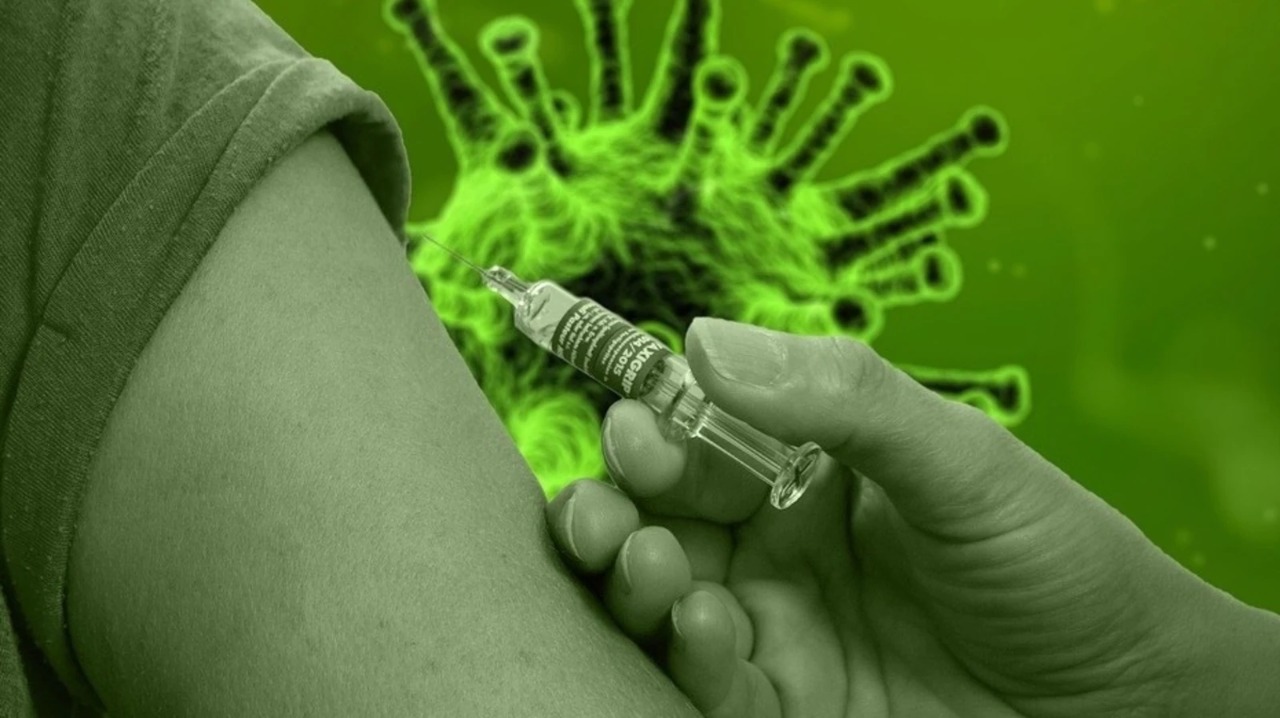
Omicron BF.7: Is mixing Covid vaccines more effective against the new subvariant?

Amid rising cases of Omicron BF.7 in China and other parts of the world, there has been concerns of a fresh wave triggered by the subvariant in India in the coming months. Omicron BF.7 was first found in India in July and so far, just 4 cases have been detected across Gujarat and Odisha. Experts say we do not need to press the panic button as yet but at the same time renew social distancing measures and keep our guards on.

Getting booster shots is one of the ways to boost immunity against the new variant. According to a new AIG study, Hyderabad-based Biological E’s Corbevax booster in individuals already vaccinated with Covishield can offer maximum protection against Omicron variants. The study found that people who were given Corbevax showed higher levels of antibodies.

Following incidents of people inadvertently taking different vaccines in two separate doses, Indian Council of Medical Research (ICMR) study found that mix and match of vaccines had no adverse effect. There has, however, been concern around whether it is safe or mixing of two different vaccines could actually be more effective and provide better shield against different variants of Coronavirus.

So, can combining vaccines offer better protection against Omicron BF.7 and new emerging subvariants? We asked experts.
Omicron BF.7: Is mixing Covid vaccines more effective against the new subvariant? What experts say

‘MIXING SHOTS A PROMISING STRATEGY’

“Mixing Covid shots or what we call as heterologous boosting is a promising strategy in our fight against this pandemic. As per limited research it has been found that waning immunity is a concern in giving us protection from the virus. Mixing shots such as vector-based vaccines (Covishield) followed by mRNA based (Pfizer) can result in boosted or better immune protection. mRNA based vaccines generate a good antibody response and vector-based vaccines provide a good T Cell response. So, a combination of both seems to provide a promising protection,” says Dr. Shivanshu Raj Goyal, Consultant Pulmonologist, Artemis Hospitals, Gurugram.

“Side effects can vary from individuals but mixing vaccines is a good strategy to provide safe and effective protection and in some cases mixing vaccines mount lifetime immunity by kicking memory B and T cells into action, less seen otherwise. Whatever strategy we should follow and most beneficial to all would be updated timely by MoHFW on timely intervals and should be followed,” says Dr Goyal.

‘NO SIDE EFFECTS, IT CAN BOOST IMMUNITY’

“Mass Covid vaccination has played a key role in limiting the severity of Covid waves across India. Various Covid vaccines have been used globally after scientific approval the curb this pandemic. With the recent news of new variants, booster dose is to protect you and enhance your protection against severe covid infections. Sometimes availability or shortage of the same make of vaccine is a problem. However, mixing the vaccines has no side effects rather it can boost the immunity and give multiple ways to our immune system to identify the offending virus and act rapidly,” says Dr Rahul Sharma, Additional Director Pulmonology, Fortis Hospital Noida.

‘Mixing Covid vaccines need of the hour’

Covid vaccines booster strategy is need of the hour. Usually, sequential boosters are recommended.

Mixing heterologous immune response is an emerging concept. In initial US-based trials and studies it was observed that though it was necessity borne intervention turned out to be useful owing to mixing of vaccines resulted in increase in type of immune responses and potential prolonged immunogenic effect. Researchers have found that following one dose of the AstraZeneca with a dose of the Pfizer-BioNTech vaccine produces more stronger and better immune responses, as measured by blood tests.

Mixing vaccines gives advantage in pathogen recognition and better immunogenic responses in terms of all arms of immunity, says Dr Neha Rastogi Panda, Consultant Infectious Diseases, Fortis Memorial Research Institute, Gurugram.

‘Mixing of vaccines proven to be non-inferior or superior’

“Government of India has permitted the usage of Corbevax vaccine as a precaution dose after completion of six months from administration of second dose of either Covaxin or Covishield vaccines in adult population in August 2022. Decision of this by Covid-19 working Group was based on scientific evidence generated through double blinded randomised control trial of Corbevax vaccine phase-3 clinical study evaluating immunogenicity and safety of booster dose Corbevax vaccine in adult volunteers previously vaccinated with two doses of either Covaxin or Covishield. As per the global scientific evidence, usage of mixing of two different vaccines have been proven to be non-inferior or superior as compared to single vaccine usage in Covid-19 illness in terms of immunogenicity which is measured by antibodies level and T cell mediated immunity measured by CD4 and CD8 levels,” says Dr Manoj Sharma, Senior Consultant, Internal medicine, Fortis Hospital Vasant Kunj.

“Mixing of two different vaccines may give the immune system multiple ways to recognise a pathogen (Virus). In a Spanish study, 448 individuals who received a mix of AstraZenecia dose followed By Pfizer BioNTech dose, robust immune response was noted with fewer side effects. Similarly, Sputnik vaccine when combined with AstraZenecia also revealed stronger immune response,” says Dr Sharma.

Benefits of heterologous vaccination

Although the approved COVID vaccines provide a high level of protection against symptomatic infection and severe illness, there is increasing evidence to suggest waning of immunity over time. Also, it has been seen that some of the subvariants/sub lineages are immune-evasive i.e., can cause infection in those already having some immunity against SARS CoV-2 virus. Heterologous vaccination approach refers to the mixing of more than one type of vaccines. There are reasons to believe that immunization with different types of vaccines might provide immunological advantages. Mixing of vaccines provides a broadened level of protection, and for a longer duration. There is sufficient scientific data available to date to suggest superior immunological response with heterologous vaccines approach. Studies have shown better and prolonged immunological response following mixing and matching, both inactivated as well as mRNA-based vaccines. This benefit has been found with mixing of vaccines in primary series as well as booster dosing,” says Dr Rohit Kumar Garg, Consultant, Department of Infectious Diseases, Amrita Hospital, Faridabad.

Read more at-https://bit.ly/3WEIdjf
Categories
Medical Updates Medicine & Health

Use masks in crowded places, take precaution dose of Covid vaccine: V K Paul

Synopsis

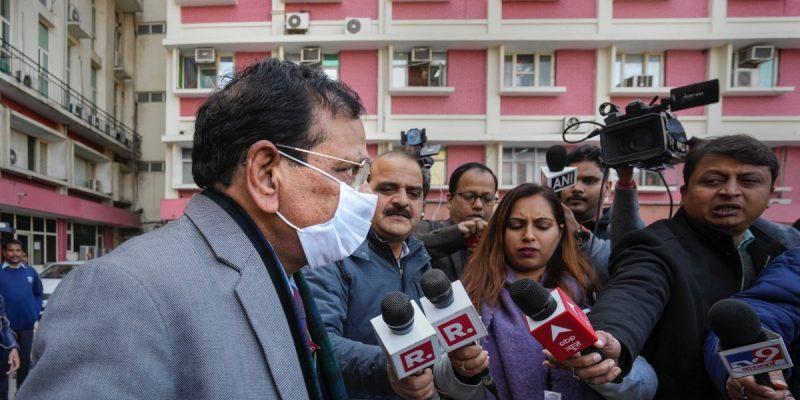
Only 27-28 per cent of India’s eligible population have taken the precaution dose of COVID-19, NITI Aayog member (Health) Dr V K Paul on Wednesday and advised people to take the jab and wear masks in crowded places. He urged people not to panic and clarified that there was no change in the guidelines for international air travel so far.

Only 27-28 per cent of India’s eligible population have taken the precaution dose of COVID-19, NITI Aayog member (Health) Dr V K Paul on Wednesday and advised people to take the jab and wear masks in crowded places. He urged people not to panic and clarified that there was no change in the guidelines for international air travel so far.

Use masks in crowded places, take precaution dose of Covid vaccine: V K Paul

“People should wear masks in crowded areas. Those who have comorbidities or are elderly should especially adhere to this,” Paul said.

Paul made the statements following a review meeting held by Union Health Minister Mansukh Mandaviya amid a surge in Covid cases globally, especially in China.

“In view of the rising cases of COVID-19 in some countries, I reviewed the situation with experts and officials today. Covid is not over yet. I have directed all concerned to be alert and strengthen surveillance. We are prepared to manage any situation,” Mandaviya said in a tweet.

The secretaries of health, department of Pharmaceutical, department of Biotechnology, Ayush, Indian Council of Medical Research (ICMR) Director General Rajiv Bahl, Paul and National Technical Advisory Group on Immunization (NTAGI) Chairman Dr N K Arora attended the meeting among others.

In view of th erise in cases in Japan, the US, Republic of Korea, Brazil and China, the Union Health Ministry on Tuesday had urged all states and Union Territories to ramp up the whole genome sequencing of Covid positive samples to keep track of emerging variants.

In a letter to states and UTs, Union Health Secretary Rajesh Bhushan had said such an exercise will enable timely detection of newer variants, if any, circulating in the country and will facilitate undertaking of requisite public health measures.

Read more at-https://bit.ly/3YLMPFC

Categories
Medical Updates Medicine & Health

Health minister reviews Covid situation, directs officials to be alert, strengthen surveillance

Synopsis

In view of the rise in cases in Japan, the United States of America, Republic of Korea, Brazil and China the Union Health Ministry on Tuesday urged all states and Union territories to ramp up the whole genome sequencing of positive samples of Covid to keep track of emerging variants.

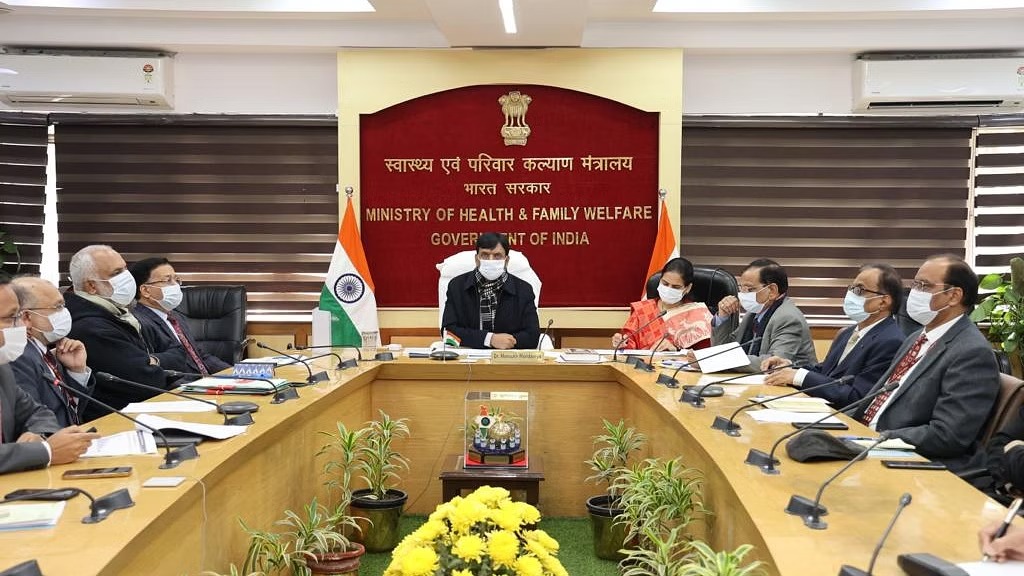
Union Health Minister Mansukh Mandaviya on Wednesday reviewed the COVID-19 situation in the country in view of a sudden spurt in cases in some parts of the world, and directed officials to be alert and strengthen surveillance.
“In view of the rising cases of Covid-19 in some countries, reviewed the situation with experts and officials today. COVID is not over yet. I have directed all concerned to be alert and strengthen surveillance. We are prepared to manage any situation,” Mandaviya said in a tweet.

The secretaries of health, department of pharmaceuticals, department of biotechnology, Ayush, Indian Council of Medical Research (ICMR) Director General Rajiv Bahl, Member (Health) of NITI Aayog Dr V K Paul and National Technical Advisory Group on Immunization (NTAGI) Chairman Dr N K Arora attended the meeting among other officials.

Health minister reviews Covid situation, directs officials to be alert, strengthen surveillance

In a letter to states and UTs, Union Health Secretary Rajesh Bhushan had said such an exercise will enable timely detection of newer variants, if any, circulating in the country and will facilitate undertaking of requisite public health measures.

In view of the rise in cases in Japan, the United States of America, Republic of Korea, Brazil and China the Union Health Ministry on Tuesday urged all states and Union territories to ramp up the whole genome sequencing of positive samples of Covid to keep track of emerging variants.

COVID has been rapidly spreading in China. Informal reports show that about 40 percent of Beijing’s residents are currently infected with COVID. The CCP has, however, changed its agenda to project COVID as a mere flu.

As cases rise in major Chinese cities, even people with mild symptoms are rushing to the hospitals. Emergency call operators are receiving 30,000 calls a day, six times the average number of calls received.

According to Voices Against Autocracy, there are queues outside fever clinics in various cities. Drugs and medicines are in short supply and hospitals are under stress as doctors and nurses catch the virus. Doctors who have tested positive or are asymptomatic are also being asked to come to work, risking further transmission.

According to data from Ctrip, a China-based travel service provider, flight searches in China have increased by 160 per cent. Searches for train tickets have increased by 600 percent.

Many rural areas in China are not prepared to handle the rise in cases. The vaccination rate is low and the vulnerable population is in high numbers. The death toll in China is thus going to remain high, according to the Voices Against Autocracy report.

Recently, Epidemiologists predicted that at least three COVID waves will hit China during the winter.

According to The Hong Kong Post, it is certain that the Chinese government was “under-prepared” as it decided to end its zero-COVID policy abruptly after people held protests across the country.

The Chinese government has so far remained silent on the number of deaths. However, the Chinese authorities have warned of successive waves of COVID infections in the coming months, as cases continue to increase after the lifting of restrictions earlier this month.

Read more at-https://bit.ly/3PMXlbF

Categories
Government Guidelines Medical Updates Medicine & Health

Over 1,500 private hospitals empanelled under Ayushman Bharat in last one year: Mansukh Mandaviya

Synopsis

Under the Ayushman Bharat scheme launched in 2018, the government provides health security cover to 10 crore families or 50 crore people of India.

Union Health Minister Mansukh Mandaviya on Friday said more than 1,500 private hospitals have been empanelled under the Ayushman Bharat scheme in the last one year. The scheme is reviewed every month and out-of-pocket expenditure of patients under the scheme has come down, Mandaviya said, replying to a question in Lok Sabha.

Under the scheme launched in 2018, the government provides health security cover to 10 crore families or 50 crore people of India.

Over 1,500 private hospitals empanelled under Ayushman Bharat in last one year: Mansukh Mandaviya

Today, 4.5 crore needy people have been empanelled under the scheme, the minister said.

He said seven-eight lakh beneficiary cards are printed daily and the ministry was working to ensure that 50 crore cards are made available in the next four-six months.

“Poor and needy people are covered under the Ayushman Bharat scheme and they can avail Rs 5 lakh health security cover. Any hospital can empanel under the scheme … In the last one year, more than 1,500 private hospitals have been empanelled under the scheme,” Mandaviya said during the Question Hour.

The minister said 22,000 hospitals, both public and private, have been empanelled under the scheme so far.

Read more at-https://bit.ly/3HThkDA
Categories
Government Guidelines Medical Updates Medicine & Health Techniques

Vitamin C to zinc; important nutrients you must add to your winter diet

There are few essential nutrients that you must include in your diet in order to prepare your body and mind for the cold weather.

Wonder why you always feel lethargic, sleepy and low on energy during winter? Days are shorter and nights are longer in winter and this disturbs our circadian rhythm causing the body to produce more melatonin. Considering we may not get enough sun exposure on certain days; the levels of Vitamin D may also go down causing mood swings and anxiety. To tackle all these winter woes, one should step out more in the sun and also add the right nutrients to the diet for improving immunity, mood and prevent against winter ailments. Iron is important to regulate body temperature while zinc can provide protection from cold. Vitamin C boosts immunity and protects against seasonal illnesses.

“Winter is just like every season, the cold days also demand special care. So, it’s important to alter your diet according to the needs of the particular season. During winters, people take special care of their diets and try to include as many warm and nutritious foods, to improve their immunity an improve your skin and hair from dryness and dullness. A healthy winter diet is like internal layering of your body to protect against the harsh cold and the diseases that come with it. There are few vitamins that you must include in your diet, in order to prepare your body for the cold weather. During winter mood swings are common and the vitamins in your diet will boost your mood as well,” says Sukanya Poojary, Executive Nutritionist, Cloudnine Group of Hospitals, Malleshwaram, Bangalore.

Vitamin C to zinc; important nutrients you must add to your winter diet

MUST HAVE NUTRIENTS IN YOUR DIET FOR WINTERS

Poojary on all the winter nutrients that you must add to your diet.

IRON

Iron help to regulate body temperature during winter and also helps maintain healthy skin, hair, cells growth apart from maintaining haemoglobin.

Sources: Honey, red meat, green leafy vegetables, dry fruits and seeds, fortified foods, jaggery, beetroot, spinach, broccoli pomegranate.

Recipes: Mixed sprouts and Chana dal tikki,ragi upma, methi and moong sprouts wrap, pineapple and coriander juice, watermelon guava juice.

CALCIUM

Calcium is very important for growing kids. Body needs calcium to build and maintain strong bones. Your heart, muscles and nerves also need calcium to function properly. Some studies suggest that calcium, along with vitamin D, may have benefits beyond bone health: perhaps protecting against cancer, diabetes and high blood pressure.

Sources: Green leafy vegetables, milk and milk products, lean meat, dry fruits and seeds, soya products

Recipes: Guava and paneer salad, turmeric milk, rajma chat, paneer burji, broccoli and almond soup.

ZINC

Research has shown that taking zinc within 24 hours of the first sign of a cold can reduce the duration of the cold. Zinc is the essential mineral that needs to be included in your winter diet because zinc mineral contains more than 300 enzymes that helps in repairing wounds, maintaining growth in children and fertility in adults, and protecting against free radicals along with other functions.

Sources: Eggs, meat, oysters, seafood, tofu, black-eyed peas, and wheat germ

Recipes: Spinach and chickpea soup, Badam milkshake, avocado milkshake, Bean chat, Sesame ladoos, and roasted pumpkin seeds.

FOLIC ACID

Folic acid is essential for proper cell growth. Also referred to as folate or vitamin B9, it is one important nutrient for every woman, especially the ones who are pregnant or trying to conceive.

Sources: Spinach, beetroot, broccoli. Mustard green, orange, Banana, egg.

Recipes: Banana pancakes, broccoli paratha, egg masala, palak dhal.

VITAMIN C

This one’s nature’s immunity booster and is present in a number of seasonal vegetables and fruits. It is important to consume Vitamin C to ward off cold, cough and other seasonal diseases. Drinking a glass of warm water with lemon juice may help you boost Vitamin C levels in the body.

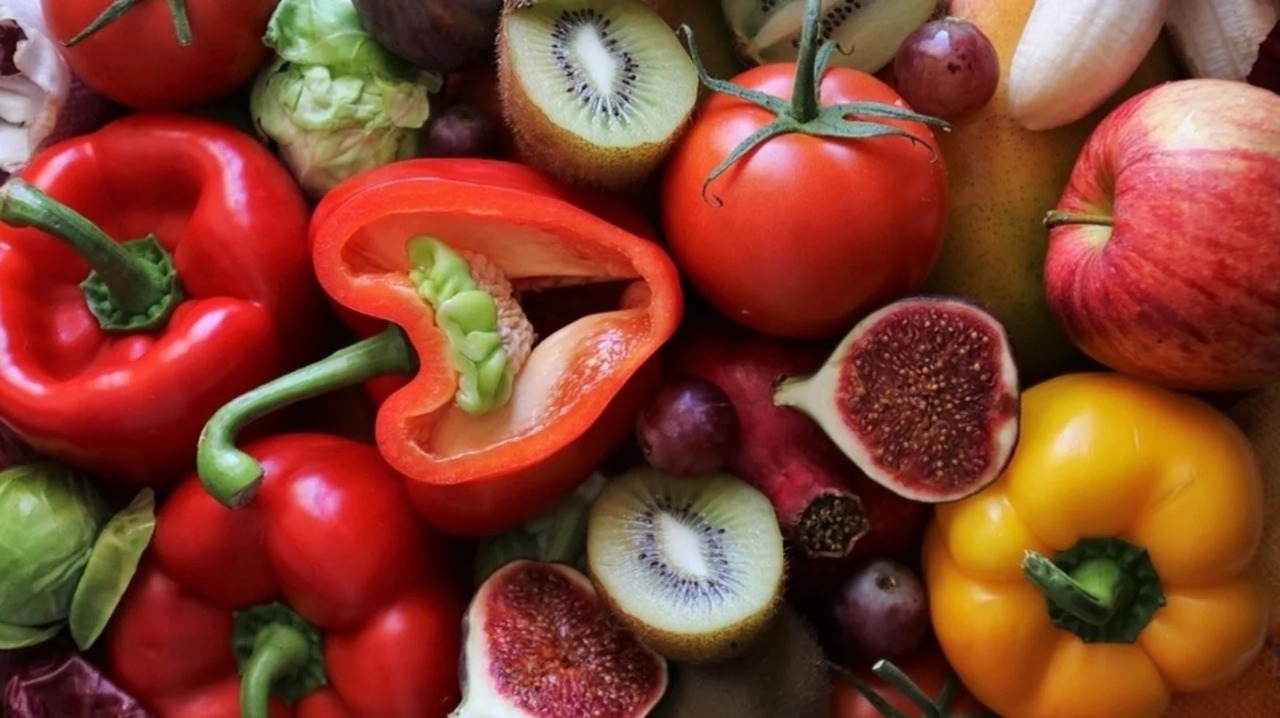
Sources: Carrots, beetroots, citrus fruits, green leafy vegetables, tomato, kiwi fruits

Recipes: Lemon and coriander soup, kiwi jam, orange with mozzarella, lemon rasam, beetroot and orange soup.

VITAMIN A

Vitamin A acts as an antioxidant and supports the health of bones, teeth and soft tissues. It also supports the health of the immune system by maintaining the body’s natural defences.

Sources: Spinach, carrot, apricots and sweet potatoes, pulses, tomato.

Recipes: Spicy potato and roti roll, chana subzi, tomato soup, dalia veg risotto.

VITAMIN D

During winters, days get shorter and nights get longer, the levels of Vitamin D or the sunshine vitamin may be depleted in the body. It’s essential to consume it with your food.

Sources: Egg yolk, orange juice, dairy products, soya milk, fatty fish like tuna, mackerel, salmon.

Recipes: Cream of broccoli and mushroom soup, egg paratha, lassi, fish cutlet, oats idli.

Read more at-https://bit.ly/3FGI33s

Categories
Medical Equipments Medical Updates Medicine & Health

Origins of serious illnesses in children: research

They discovered that mutated LCH cells had properties similar to both monocytes and dendritic cells, as well as a relatively newly discovered type of dendritic cell, the so-called dendritic cell type 3 (DC3).

Researchers from the Karolinska Institutet and the Karolinska University Hospital have pinpointed the causes of the severe cancer-like condition LCH. Science Immunology’s findings might inspire the development of fresh, specialised therapies.

The deadly cancer-like condition known as Langerhans’ Cell Histiocytosis (LCH) primarily affects youngsters and, in extreme circumstances, can be fatal. In Sweden, the illness affects five to ten kids annually, usually before the age of ten.

In the case of LCH, immune cells, which are normally tasked with identifying and destroying cancer cells, develop a malignant mutation.

Origins of serious illnesses in children: research

“The origin of the LCH cells has been discussed for decades. Some researchers are convinced that LCH is derived from a certain type of immune cell called dendritic cells, while others believe that they come from related cells called monocytes,” says Egle Kvedaraite, a doctor and researcher at the Department of Medical Biochemistry and Biophysics at Karolinska Institutet and first author of the new study.

The researchers from Karolinska Institutet together with scientists from Singapore Immunology Network and Newcastle University have now been able to show that both theories are close to the truth. The researchers combined so-called single-cell sequencing, the microscopy of samples and the tracking of cells from patients recruited from, among others, Karolinska University Hospital.

They discovered that mutated LCH cells had properties similar to both monocytes and dendritic cells, as well as a relatively newly discovered type of dendritic cell, the so-called dendritic cell type 3 (DC3).

“Today we know that DC3 has a separate pathway of development, separate from other dendritic cells and monocytes, and knowledge of this was crucial in our study,” says Egle Kvedaraite.

Researchers discovered that the different cell types could communicate with each other to promote the development of LCH and thereby create a self-reinforcing effect.

“Among the treatment options for LCH, targeted therapy can be successfully applied, but the disease comes back when the targeted treatment is discontinued. This poses a serious challenge for patients, as a lifelong treatment for children is not a good option given the side effects,” says Egle Kvedaraite.

This new understanding of the origin of this type of cancer has the potential to contribute to the development of new targeted treatments.

“The findings could lead to a treatment aimed at eliminating the pathological cells,” says Egle Kvedaraite.

Read more at-https://bit.ly/3v219fs

Categories
Medical Equipments Medical Updates Medicine & Health

Nutritional recommendations for type 1 diabetes in children

Parents need to learn to manage the food intake of the child with type 1 diabetes while keeping their condition in mind without making the kid feel restricted with food choices and train her/him for the same. Here are nutritional recommendations by experts for managing type 1 diabetes in children.

Type one Diabetes Mellitus is an autoimmune condition characterized by insulin deficiency and hyperglycemia in people with underlying genetic susceptibility. The diagnosis is established based on the tests, fasting blood glucose (FBS), oral glucose tolerance test (OGTT), glycated hemoglobin (HbA1c) or random plasma glucose (along with characteristic signs and symptoms of hyperglycemia), using standards recommended by American Diabetes Association.

Nutritional recommendations for type 1 diabetes in children

As per the ICMR (Indian Council Of Medical Research), there are certain guidelines laid down for the management of nutrition in Type I DM as nutrition and lifestyle management play a vital role. The diagnosis of yype 1 diabetes in a child can be harsh to take as the child becomes dependent on the external supply of insulin through injections or insulin pipes as the body no longer produces insulin, an essential hormone.

The parents need to learn to manage the food intake of the child while keeping the condition in mind without making the child feel restricted with food choices and train the child for the same. In an interview with HT Lifestyle, Moumita Routh, Dietician at Apollo Cradle and Children’s Hospital in Bangalore’s Koramangala, advised, “One of the important choices that need to be made is with regard to the diet of the child. The nutrients are essential for healthy growth. Carbohydrates are essential to the supply of energy. The monitored consumption of complex carbs like vegetables and whole grain is the best replacement for simple carb like those found in white bread that spikes up the sugar level.”

She cautioned, “Children should also be kept away from food that contains saturated fat, trans fat, and cholesterol along with high amounts of salt to keep children safe from heart risks and high blood pressure, both of which are the risk factors of Type 1 diabetes in children. Avoid sugary drinks and treats, however on special occasions balance the consumption throughout the day.”

Bringing her expertise to the same, Sharanya Shastry, Sports and Clinical Nutritionist, suggested a few recommendations for managing type 1 diabetes in children –

1- Complex carbohydrates to be included:

Generally, carbs are thrown out of the diet but in the case of pediatrics and adolescents, it is going to hamper their growth. Hence including complex carbs like millet (locally grown – Foxtail millet, jowar, adlay seed extract, whole wheat bread with hummus as a spreading) is beneficial but yes, you don’t have to rule out carbs totally from the diet.

2- Including good quality protein

In children especially, protein of good quality and bioavailability is extremely important for growth and repair. They are made of amino acids and act as building blocks for the body and they also prevent sugar spikes. Including boiled eggs with breakfast (especially boiled egg whites daily), including lean cuts of meat (chicken breast – specifically in the form of a stew or a soup or boiled, fish – steamed or in the form of a fish cutlet) can show better results biochemically and psychologically. Meat fried, canned, or stored for a longer duration is generally avoided since they contain trans fat.

Other vegetarian sources are –

  • Horse gram soup
  • Oat–chia smoothie using low-fat milk with pea protein powder isolate (unflavored)
  • Soya (fermented, called MISO) or
  • Hand pound rice with vegetable dal – for any one meal or Multigrain bread stuffed with bell peppers, cucumbers, and hummus as a spreading
  • Oats- green gram chila are some of the delicious options

3- Including good fats

For growing children, controlling their food choices are extremely challenging. Hence including omega 3 and omega 6 fatty acids in the form of sesame, walnuts, flaxseeds, and sunflower seeds in the forms of laddus, smoothies/shakes. Home-made ghee when consumed within the limit (1tsp/day) prevents spikes and keeps the person full. Therefore than consuming artificial butter/readymade cheese it is advisable to give your kids a tsp of homemade ghee to make the meal more nutritious and tastier. Anything fermented (homemade batter for idli/dosa), miso, and kombucha are better alternatives.

4- Fiber

It is important to include an adequate amount of fiber in the diet but when it comes to kids, this might give rise to constipation or bloating, or acidity if there’s not much physical activity. Hence including the right mix of insoluble and soluble fiber is essential. Example – whole wheat ajwain-peas parents with home-set curd and boiled channa/chole or kidney beans – corn-bell pepper-zucchini salad or a vegetable roll or an oat pancake with some tangy vegetable sauce are exciting options in a way through which you can push in fiber in the meal.

5 – Sweeteners

Sweeteners are much more sweeter than sugar and when not consumed in adequate quantity, they can cause hyperglycemia and it can get very addictive.

Therefore, reading the food labels and their nutritional value is very essential whenever you are buying any such ready-to-eat products. It is also quintessential to note that diets that motivate you to starve or deprive yourself of calories or put you on any salads or soups are not sustainable.

Read more at-https://bit.ly/3VUFbGX

Categories
Medical Updates Medicine & Health

Ayurveda tips: 5 herbs for people with diabetes to prevent heart attack

Heart attack, sudden cardiac arrest cases are on rise across the country and people with diabetes are twice at risk. Ayurveda expert talks about five herbs for diabetics that they consume to prevent risk of heart attack.

Heart attack and sudden cardiac arrest cases are on rise across the country and even younger people leading apparently healthy lifestyles are found to have hidden cardiac issues that sometimes do not have any symptoms. Covid has played its own role in weakening our hearts while the cocktail of sedentary lifestyle and stress could prove to be deadly for cardiac health. People with diabetes are twice at risk of heart attack or stroke compared to people who are not suffering from the metabolic disorder.

Ayurveda tips: 5 herbs for people with diabetes to prevent heart attack

As the diabetes progresses, the heart health deteriorates and one becomes susceptible to sudden cardiac events. High blood sugar over the time can damage blood vessels and the nerves of the heart. Diabetics have other complications too that often accompany the disease like high blood pressure which can further affect heart function. So, if you have diabetes and your blood sugar levels remain uncontrolled most of the times, your heart is likely to be affected and it is important for you to make appropriate lifestyle changes. A healthy diet, staying active and lowering stress levels can help people with diabetes in not only maintaining healthy blood sugar levels but also optimum heart health.

Herbs for diabetics that can prevent heart attack

“People with diabetes (especially senior citizens) are more prone to heart diseases (high cholesterol, hypertension which eventually leads to heart attacks) due to reduced metabolism and liver function over a period of time due to being on diabetes medications,” writes Ayurveda expert Dr Dixa Bhavsar in her recent Instagram post.

Dr Bhavsar also suggests 5 herbs that can help manage sugar levels effectively and even prevent heart diseases:

1. Punarnava

It is the best diuretic which helps reduce sugar levels, blood pressure and even cholesterol. It is also good for liver, kidneys and eyes and is useful in preventing diabetic retinopathy, and nephropathy. It also improves metabolism.

How to take

You can have 2-5 gm of punarnava on an empty stomach daily.

2. Shunthi

Freshly crushed dry ginger powder is best cardio-protective and wonderful for metabolism. It also reduces overall inflammation and is good for heart.

How to take

You can have half tsp of it before meals once a day with warm water.

3. Marich (black pepper)

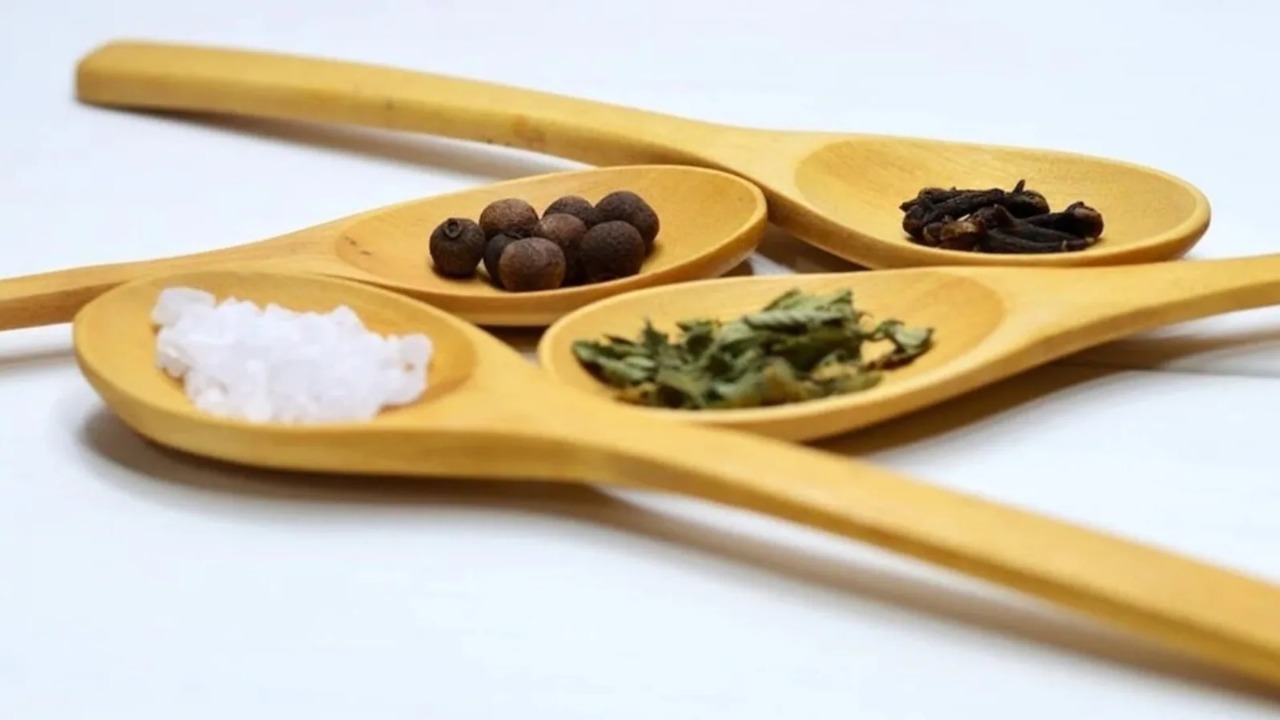
This easily available herb can aid in improving insulin sensitivity, digestion and even reducing bad cholesterol and triglycerides helping you prevent heart attacks especially in senior citizens.

How to take

You can take 1 black pepper daily in the morning.

4. Ela (Cardamom)

It is best for heart health and helps improve sugar levels by reducing cravings for sweet foods. Also relieves excess thirst – which is often experienced in diabetes patients.

How to take

It can be taken in tea, or powder of 1 elaichi can be taken 1 hour post meal with warm water.

5. Arjun-Chaal

It is the best herb for prevention of heart diseases as well as improving its function. Good for every kind of heart issue from blood pressure, cholesterol to tachycardia.

How to take

Every person with diabetes or heart disease in genes should consume it as a tea at bedtime.

“I request you all to incorporate these herbs in the routine for patients with diabetes, obesity (and high sugar levels), insulin resistance, heart diseases in genes. These herbs are best for senior citizens’ heart health,” says Dr Bhavsar.

Read more at-https://bit.ly/3YcsYyV

Categories
Government Guidelines Medical Equipments Medical Updates Medicine & Health Techniques

How oxytocin drives connections of newly integrated adult-born neurons: Research

To better understand brain plasticity, a team of researchers at Baylor College of Medicine and Texas Children’ Hospital used mouse models to investigate how brain cells build connections with new neurons born in adult brains.

The brain’s capacity to change itself by reorganising preexisting neural networks and establishing new ones to gain new functional qualities enables learning new skills, mastering a musical instrument, and adapting to the environment’s constant change. Additionally, this aids in the stability, strength, and health of neuronal circuits.

To better understand brain plasticity, a team of researchers at Baylor College of Medicine and Texas Children’ Hospital used mouse models to investigate how brain cells build connections with new neurons born in adult brains. Their findings, published in the journal Genes & Development, not only expand our understanding of brain plasticity but also open new possibilities for treating certain neurodevelopmental disorders and repairing injured circuits in the future.

How oxytocin drives connections of newly integrated adult-born neurons: Research

“In this study, we wanted to identify new molecules that help new neurons build connections in the brain,” said corresponding author Dr. Benjamin R. Arenkiel, professor of molecular and human genetics and neuroscience at Baylor and the Duncan Neurological Research Institute at Texas Children’s. “We worked with the olfactory bulb, the part of the brain that is involved in the sense of smell. In mice, the olfactory bulb is a highly plastic sensory area and has a remarkable capacity to maintain plasticity into adulthood via continuous integration of adult-born neurons. We discovered that oxytocin, a peptide, or short protein, produced in the brain, drives events that contribute to neural circuit plasticity.”

The researchers discovered that the levels of oxytocin increase in the olfactory bulb, peaking at the time the new neurons incorporate themselves into neural networks. Using viral labeling, confocal microscopy and cell-type specific RNA sequencing, the team discovered that oxytocin triggers a signaling pathway – a series of molecular events inside cells – that promotes the maturation of synapses, that is, the connections of newly integrated adult-born neurons. When the researchers eliminated the oxytocin receptor, the cells had underdeveloped synapses and impaired function.

“Importantly, we found that synapse maturation occurs by regulating the morphological development of cells and the expression of a number of structural proteins,” said Arenkiel, a MacNair Scholar at Baylor.

“The most exciting aspect of this study is that our findings suggest that oxytocin drives development and synaptic integration of new neurons within the adult brain, directly contributing to adaptability and circuit plasticity,” said first author Brandon T. Pekarek, a graduate student – research assistant in the Arenkiel lab.

The findings, which are relevant to all mammals, including humans, open new possibilities to improve neurological conditions. “Oxytocin is normally present in our brain, so if we understand how to turn it on or off or mobilize it, we can help keep our circuit connections healthy by promoting the growth of underdeveloped connections or strengthening new ones,” Arenkiel said. “Our findings also suggest that oxytocin could promote the growth of new neurons to repair damaged tissue. Further studies are needed to explore these possibilities.”

Read more at-https://bit.ly/3hfj8vC

Categories
Government Guidelines Medical Equipments Medical Updates Medicine & Health Techniques

Budget 2023: NATHEALTH seeks rationalisation of GST for healthcare sector

Synopsis

​​In its submission to the finance ministry on Wednesday , the industry body said that the healthcare sector has not been able to derive the benefits of the GST transition in comparison to other sectors. In fact, the embedded taxes in the sector have increased in the post-GST regime compared to pre-GST period, it noted.

Healthcare industry body NATHEALTH has sought rationalisation of GST and enhanced insurance coverage especially in smaller cities and towns from the upcoming Budget.

n its submission to the finance ministry on Wednesday , the industry body said that the healthcare sector has not been able to derive the benefits of the GST transition in comparison to other sectors.

In fact, the embedded taxes in the sector have increased in the post-GST regime compared to pre-GST period, it noted.

Budget 2023: NATHEALTH seeks rationalisation of GST for healthcare sector

The industry body has recommended imposition of 5 per cent merit rate on the output healthcare services for all healthcare establishments (both private and government) with the option to claim full input tax credits.
Levying 5 per cent GST rate on output services for all private hospitals and an optional dual rate structure for government healthcare establishments could be an alternative, it added.

Presently GST is exempt on the healthcare services. NATHEALTH recommends imposition of 5 merit rate on these services as this would allow healthcare service providers to claim input tax credit, thereby lowering their embedded taxes burden.

NATHEALTH also sought clearance of working capital arrears both for providers and procurement organisations.

“It is imperative to build infrastructural capabilities so that people have greater access to quality and critical healthcare services. Viability gap funding by the government is essential to set up hospitals in tier-1 and tier-2 cities, encouraging increased investment in the healthcare infrastructure,” NATHEALTH President Shravan Subramanyam said.

Uniform adoption of Ayushman Bharat Digital Mission is another imperative which calls for clearly defined delivery models for innovative modules developed by private players, he added.

“If all payment backlogs both for providers and suppliers under insurance and public procurement are cleared, it would significantly improve the availability of healthcare infrastructure,” Subramanyam said.
It also sought an increase in budgetary allocation for the health sector.

Read more at-https://bit.ly/3hcmL5C