Categories
Government Guidelines Medical Equipments Medical Updates

Full provisions of medical devices regulation to come into force from October 1: DCGI

Synopsis

Speaking to reporters on the sidelines of the 9th International Pharmaceutical Exhibition (iPHEX) being organised by the Pharmaceuticals Exports Promotion Council (Pharmexcil) here, Raghuvanshi said the regulations would ensure quality in the production of medical devices. “In the medical devices, we are categorising into four groups. Two groups (A and B) are already notified. C and D are left which will happen from October 1,” he said.

Medical devices of all four categories (A, B, C, and D) will be brought under the regulation by October 1 and as of now only two groups (A and B) are being regulated, Drugs Controller General of India (DCGI) Rajeev Singh Raghuvanshi said on Wednesday. Speaking to reporters on the sidelines of the 9th International Pharmaceutical Exhibition (iPHEX) being organised by the Pharmaceuticals Exports Promotion Council (Pharmexcil) here, Raghuvanshi said the regulations would ensure quality in the productivity in the production of medical devices.

“In the medical devices, we are categorising into four groups. Two groups (A and B) are already notified. C and D are left which will happen from October 1,” he said.

The Union Cabinet on April 26 approved the National Medical Devices Policy, 2023 to give a thrust to the sector with quality controls. The market size of the medical devices sector in India is estimated to be USD 11 billion (approximately Rs 90,000 crore) in 2020 and its share in the global medical device market is estimated to be 1.5 per cent, an official release had earlier said.

Full provisions of medical devices regulation to come into force from October 1: DCGI
Earlier during the inaugural session of iPHEX, S V Veeramani, Chairman of Pharmexcil, highlighted that the Indian pharmaceutical industry has carved out a unique distinction in reaching 200 countries in the world.

He said the Indian pharma exports were pegged at USD 25.39 billion in FY 23 and the target for the current year is USD 28 billion.

Ravi Udaya Bhaskar, Director General of Pharmexcil, said the Indian pharmaceutical industry has contributed substantially to healthcare through the supply of quality, affordable generic medicines to nearly 200 countries and is popularly called as the ‘Pharmacy of the World’.

Bhaskar further said earlier all the eight editions attracted over 4,500 foreign delegates, including regulatory officials, public procurement agencies, journalists and importers from more than 120 countries, 3,500 exhibitors and one lakh visitors.

Read more at-https://shorturl.at/egjMZ

Categories
COVID-19 Government Guidelines Medical Equipments Medical Updates

Immune response against bystander virus, not SARS-CoV-2 causes long Covid: Study

Immune inflammatory reaction not against Covid, but against a harmless bystander virus present in the body, driving a cytokine storm, may be behind long Covid.

Immune inflammatory reaction not against COVID-19, but against a common, harmless, dormant “bystander” virus present in the body, driving a cytokine storm, may be behind long Covid, a new research has found. Analysing Covid-patients’ blood samples, researchers found that 3 months after being hospitalised for severe infection, there was no rapid increase in the immune cells targeting SARS-CoV-2, but an increase in those targeting the dormant Cytomegalovirus (CMV). CMV is usually harmless but can stay in your body for life once infected with it.

The finding indicated that the prolonged inflammation at 3 months in severe patients may not be driven by SARS-CoV-2 but instead may be “bystander driven”.

Immune response against bystander virus, not SARS-CoV-2 causes long Covid: Study

“Long Covid occurs in one out of ten COVID-19 cases, but we still don’t understand what causes it.

“Several theories proposed include whether it might be triggered by an inflammatory immune response towards the virus that is still persisting in our body, sending our immune system into overdrive or the reactivation of latent viruses such as human cytomegalovirus (CMV) and Epstein Barr virus (EBV),” said Laura Rivino, senior lecturer at the University of Bristol, UK, and the study’s lead author.

The researchers analysed blood samples of 63 patients hospitalised for mild, moderate or severe COVID-19 infection at the start of the pandemic when vaccines were not available.

The study also found patients with severe COVID-19 to display a higher number of long Covid symptoms compared to mild and moderate patients, even as the team’s analysis revealed no direct association between long Covid symptoms and Covid-related immune inflammatory responses.

Further, 79 per cent of all the patients reported at least one ongoing long Covid symptom with breathlessness and excessive fatigue being the most common, the study published in the journal eLife said.

The significant dysfunction found in the immune profiles of severe patients at 3 months indicated that inflammation may persist even for months post-recovery, even though results showed the inflammation in these patients to resolve over time.

At 12 months, the researchers found, both the immune profiles and inflammatory levels of patients with severe disease were similar to those of mild and moderate patients.

“Our findings suggest that prolonged immune activation and long Covid may correlate independently with severe COVID-19.

“Larger studies should be conducted looking at both a larger number of patients, including if possible vaccinated and non-vaccinated COVID-19 patients, and measuring a larger range of markers and cytokines.

“Understanding whether inflammation and immune activation associate with long Covid would allow us to understand whether targeting these factors may be a useful therapy for this debilitating condition,” said Rivino.

Read more at-https://shorturl.at/lnoM8

Categories
Government Guidelines Medical Equipments Medical Updates Medicine & Health

Cancer can occur at any time or age; symptoms and warning signs to look out for

Cancer can occur at any time or age, although the risk generally increases with age. Be aware of these symptoms whether they be genetic or related to lifestyle.

Cancer is characterised by the abnormal growth and division of cells in the body, which can form tumours or invade nearby tissues and there are numerous types of cancer, each with its own unique characteristics and treatment approaches but can have devastating effects on individuals and their families, causing physical, emotional and financial challenges. However, advancements in medical research and technology have led to improved diagnosis, treatment and survival rates for many types of cancer where prevention and early detection play a crucial role in fighting against cancer, emphasising the importance of healthy lifestyle choices, regular screenings and awareness of risk factors.

Support networks, medical professionals and research institutions tirelessly work towards finding better treatments and ultimately, a cure for this disease but the battle against cancer requires a collective effort from individuals, communities and organisations to raise awareness, support those affected and contribute to ongoing research efforts, with the ultimate goal of eradicating cancer and improving the quality of life for those impacted by it. In an interview with HT Lifestyle, Dr Vikram Vora, Medical Director at Indian Subcontinent – International SOS, shared, “Cancer can indeed occur at any time or age, although the risk generally increases with age. It’s essential to be aware of the risks whether they be genetic or related to lifestyle.”

Cancer can occur at any time or age; symptoms and warning signs to look out for

He advised, “Vulnerable individuals must be aware of the symptoms and signs of cancer so that they can seek early medical intervention. Some common symptoms and warning signs like unexplained weight loss, fatigue, changes in skin colour, persistent pain, changes in bowel or bladder habits, unusual bleeding, difficulty swallowing or persistent indigestion, changes in a cough or hoarseness, lumps or thickening are associated with cancer and could indicate malignancies. These abnormalities can occur at any age and not gender-specific. Regular check-ups and screenings can help detect cancer early, when there is a high likelihood of a favourable response to treatment.”

Bringing his expertise to the same, Dr (Prof) Vijay Patil, Consultant – Medical Oncology at PD Hinduja Hospital and MRC in Mumbai, echoed that cancer is a disease that can occur at any time or age, though it is commonly known to affect older individuals. He said, “It is important to understand that cancer does not discriminate based on age, gender or lifestyle choices. While certain factors such as exposure to harmful chemicals, smoking and poor dietary habits can contribute to the development of cancer, there are cases where people with no known risk factors have also been diagnosed with the disease. Early detection and regular screening are crucial in detecting cancer in its early stages, regardless of age, and can significantly improve outcomes for patients.”

He too highlighted that the common symptoms and warning signs of cancer include unexplained weight loss, persistent fatigue, changes in bowel or bladder habits, difficulty swallowing, persistent coughing or hoarseness, unusual bleeding or discharge, lumps or thickening in the breast or other body parts, unexplained pain and fever. He concluded, “It is important to note that these symptoms are not exclusive to cancer and could also be due to other medical conditions. If you experience any of these symptoms for an extended period, it is recommended that you see a healthcare professional for further evaluation. Early detection and treatment can improve the chances of successful cancer treatment.”

Read more at-https://shorturl.at/zBGZ4

Categories
COVID-19 Government Guidelines Medical Updates Medicine & Health

Doctors on essential medical tests one should go for after the age of 30 and 40

Experts say that certain basic tests can be started after the age of 30 while others pertaining to heart can be added after the age of 40. All you want to know

With age, wear-and-tear starts happening in the body. A faulty lifestyle, however, speeds it up and in many cases even advances ageing process. The youth usually tend to ignore their health and remain oblivious to underlying issues till they take the shape of a full-blown disease. No wonder, the reports of sudden cardiac arrests and brain strokes are on the rise these days. As symptoms of a serious disease take time to appear, ignorance to early signals at time cost very dearly. It is therefore important to go for preventive health check-up to diagnose a disease early on and go for curing it. People who have history of heart disease, diabetes, blood pressure, cancer in their families especially should not delay getting the required tests so as to nip the disease in the bud and start early treatment.

“The precarious nature of human life has become all the more evident over the past few years as new viruses and illnesses are emerging and with that a host of health problems. But only a healthy body can and will be able to deal with the various environmental and mental health issues. With age, the immunity and healing capacity of body goes on decreasing and a person should seek regular medical advice and can periodically perform certain medical tests to stay fit. Basic tests can be started after the age of 30 and certain tests pertaining to heart can be added after the age of 40,” says Dr Tushar Tayal, Consultant, Internal Medicine, CK Birla Hospital.

“There is no specific test recommended below the age of 40 to any gender unless there is a family history of critical genetic illness like sickle cell anaemia, thalassemia etc, some disorders like hypertension, diabetes and history of sudden death etc. In above conditions it’s not required to undergo all the tailored health checks but consult medical specialists to know what is required.

We are seeing rise in people of younger age group coming to our OPD and asking to recommend various tests however, it is recommended that tests should only be done if it is prescribed by medical specialist,” says Dr Mugdha Tapdiya, Senior Consultant- Internal Medicine, Fortis Hospital, Vasant Kunj.

Dr Tapdiya says that people under 40 should go for specific tests only if there is easy fatiguability, less sleep, disturbed sleep, headache for more than two weeks, breathing difficulties, recurrent fever, joint pain, muscles stiffness or cramps, dry eyes or any other symptom that does not explain the uneasiness or is unusual.

Doctors on essential medical tests one should go for after the age of 30 and 40

At what age is complete health check-up required

“Complete health screening check-ups are recommended after age of 42 years and every two years up to the age 60 years; after that it is recommended to have health checks every year. However again it is preferred to have a tailored tests for each individual after age 60 years rather than undergoing fixed health care packages. Best is to listen to your body. Body will give some or the other symptoms if there is any underlying proliferating disease,” says Dr Tapdiya.

Tests to undergo after 30 and 40

However, in case of risk factors or any other discomfort, one should get tested after taking advice from their medical expert. Dr Tayal shares list of tests people should undergo at the age of 30 and some additional tests for people over 40.

Blood pressure monitoring: This should be done bi-annually, especially in people with strong family history; ideally BP should be below 130/84 mm Hg.

HbA1C: It can be done annually in people with sedentary lifestyle, obesity and strong family history to rule out diabetes. A person is nondiabetic at an HBA1C value below 5.7, prediabetic till 6.3 and diabetic above 6.4.

Liver function test: It can be done annually to rule out chronic liver disease and fatty liver disease.

Thyroid function test: If symptoms of underactive thyroid are present such as weight gain, hair loss and irregular menses, then you must get this test done.

Vitamin D and B12: This can be done annually and if found deficient appropriate supplements and dietary changes can be implemented.

Lipid profile: Especially in sedentary people and those with family history of heart disease this test is important. LDL cholesterol should ideally be below 100 And HDL should be in the high normal range.

Usg abdomen: This can be done annually in people with history of fatty liver or gall bladder/kidney polyps.

Breast ultrasound: Get this done every three years to rule out breast malignancy till the age of 40.

Pap smear test: This should be performed every three years to detect early changes of cervical cancer.

Screening for sexually transmitted infections: This should be done annually in individuals belonging to high-risk groups.

Tests after 40

After 40 years of age, following additional tests can be done:

1. Stool occult blood: This test can be done for early detection of colon cancer.

2. Prostate specific antigen: This is a blood marker for detection of prostate cancer in men, especially if there is family history of prostate cancer.

3. Mammogram: This should be done annually in women for early detection of breast cancer.

4. ECG -Electrocardiogram: This can be done annually for early detection of heart disease.

Read more at-https://bit.ly/3ZMDGM5

Categories
COVID-19 Government Guidelines Medical Equipments Medical Updates Medicine & Health

Influenza (flu) vs Covid: Symptoms, differences and similarities

Despite the fact that COVID-19 and influenza (flu) are both contagious respiratory illnesses, they are caused by separate viruses. COVID-19 is induced by contact with a coronavirus (SARS-CoV-2) that was discovered in 2019. Flu is caused by infection with a flu virus (influenza viruses).

From no signs (asymptomatic) to severe symptoms, COVID-19 and the flu can both have a range of symptoms. The flu and COVID-19 both commonly exhibit these symptoms:

Experiencing chills or feeling feverish, Cough, Respiratory issues or shortness of breath, Fatigue, Sore throat, Runny or congested nostrils, Headache, Vomiting, Diarrhea (more common in children with flu, but can occur in any age with COVID-19), Taste or scent alteration or loss, though this occurs more frequently with COVID-19.

How does it spread?

Similarities:

People who are close to or in direct contact with one another are more likely to contract COVID-19 or the flu. Both are primarily transmitted by virus-containing large and small particles that are released when COVID-19 or flu patients cough, sneeze, or talk. Majority of transmission occurs through the inhalation of large and tiny droplets, it is still possible for someone to become infected by touching another person who has the virus

Differences:

Superspreading episodes for COVID-19 have been found to be higher than those for flu. This implies that the virus that causes COVID-19 can rapidly and easily spread to a large number of people and cause ongoing spreading among people over time.
People without symptoms, people with very mild symptoms, and people who never experience symptoms can all transmit the virus that causes COVID-19 to others (asymptomatic people).

Similarities: For both COVID-19 and the flu, it may take one or more days for a person to start showing signs after contracting the infection. The virus that causes COVID-19 can be contracted even if no signs are present. Flu viruses can also infect people even when they show no signs.

Differences: Compared to the flu, COVID-19 patients may encounter symptoms later in the course of the illness where as an individual typically experiences symptoms one to four days after infection in flu.

Influenza (flu) vs Covid: Symptoms, differences and similarities

Differences:
Compared to the flu, COVID-19 may render an individual more contagious for a prolonged period of time.

Flu
Before showing symptoms, people who have the flu virus are possibly contagious for about one day. However, it is thought that the majority of those who transmit the flu virus infection are already exhibiting flu-like symptoms.
Although some individuals may continue to be contagious for a little longer periods, older children and adults with the flu appear to be most contagious during the first 3–4 days of their illness.

COVID-19
The COVID-19 virus can start spreading between two and three days before symptoms appear, but it reaches its highest infectiousness the day before symptoms start. The COVID-19 virus can also propagate among people even when they are asymptomatic. People are typically deemed contagious for eight days after the onset of their symptoms.

Similarities: COVID-19 and the flu both have the potential to cause serious sickness and complications. Those at higher risk comprise of older people, individuals with particular underlying medical problems, pregnant women.

Differences:

Even healthy individuals can develop a severe COVID-19 illness that requires hospitalisation and results in death. Some COVID-19 patients may go on to acquire multisystem inflammatory syndrome or post-COVID conditions (MIS)

Certified treatments

Similarities:

People who are more likely to develop complications or who have been admitted to the hospital with COVID-19 or the flu should receive the proposed treatments and supportive care to assist with symptom relief and complications.

Differences:

Flu
Guidelines for treating COVID-19 have been established by the National Institutes of Health (NIH), and they are frequently updated as new information about potential treatments becomes available. Antiviral therapy is included here for individuals who aren’t admitted but are at higher risk.

COVID-19
Guidelines for treating COVID-19 have been established by the National Institutes of Health (NIH), and they are frequently updated as new information about potential treatments becomes accessible. This covers both antiviral treatment for patients hospitalised with severe COVID-19 and antiviral treatment for non-hospitalized individuals at higher risk for the virus. People who are more likely to develop severe COVID-19 should get help as soon as their first symptoms appear.

Read more at-https://bit.ly/3SIeeWe

Categories
Medical Equipments Medical Updates Medicine & Health

Brain disorders and human cognition: An insight

Human intellect is a distinguishing aspect of human evolution that distinguishes humans from other apes. Despite the fact that there have been over 100 million mutations since the human-chimp split, only a small percentage of these have been shown to be relevant.

Computer modelling was used by National Institutes of Health (NIH) researchers to find mutations in the human genome that are likely to have changed how human intelligence evolved. This groundbreaking human genomics study may advance our understanding of human health and pave the way for the creation of novel treatments for challenging brain diseases.

The study’s findings were released in Science Advances.

Human intellect is a distinguishing aspect of human evolution that distinguishes humans from other apes. Despite the fact that there have been over 100 million mutations since the human-chimp split, only a small percentage of these have been shown to be relevant. Researchers from the National Library of Medicine (NLM) and the National Cancer Institute (NCI) developed an artificial intelligence (AI) model of gene regulation in the human brain to help them traverse this huge terrain of genetic alterations. The model discovered hundreds of mutations that are likely influencing neocortical development and enhancing mathematical ability acquisition via changed brain gene regulatory pathways.

When the human genome was sequenced in 2001, researchers learned that only 2 per cent of the sequence of our genome is used for coding genes that, in turn, translate into proteins. This is the sequence information that is being used by every single cell. The function of the other 98 per cent of our DNA — often referred to as “noncoding DNA” — remains relatively unknown. It is believed that 95 per cent of disease associations hide within these noncoding parts of our genome.

Brain disorders and human cognition: An insight

The research group of Ivan Ovcharenko, PhD, senior investigator in the Computational Biology Branch of NLM’s Intramural Research Program teamed up with the research group of Sridhar Hannenhalli, PhD, senior investigator in NCI’s Center for Cancer Research to create an AI model that measures the effect of noncoding genome mutations on human brain function and development. This led to the identification of a group of noncoding mutations disrupting brain regulatory pathways and potentially causing various complex brain disorders, including autism.

“There are treasure islands within the sea of noncoding DNA in the human genome that are critically important for regulating human genes,” said Dr Ovcharenko.

“Mutations in these regions are largely benign, but there is a class of mutations which detrimentally impact the function of regulatory regions in the brain and affect cellular activity there. By being able to address the impact of individual mutations, we are advancing towards understanding the mechanism of complex diseases and disorders and paving the way for the development of novel therapeutic approaches.” (ANI)

Read more at-https://bit.ly/3ZplqZp

Categories
COVID-19 Government Guidelines Medical Equipments Medical Updates

What is a stem cell transplant?

A third patient was reported HIV-free this week after receiving a stem cell transplant. Here’s everything you need to know about the procedure.

A study published February 9 declared a third person free of HIV after receiving a specific type of bone marrow, or stem cell, transplant. The 53-year-old man, who researchers are calling the “Düsseldorf” patient, received the treatment in 2013 and has been monitored since.

Like the two others — known as the “Berlin” and “London” patients, respectively — the man was positive for Type 1 HIV (HIV-1) and received a specific type of stem cell transplant to help treat a cancer diagnosis.

Both the Düsseldorf and Berlin patients had leukemia, while the London patient had Hodgkin’s lymphoma. (Also Read | ‘Duesseldorf patient’ cured of HIV, cancer after stem cell transplant: Study)
What is a stem cell transplant?

What are stem cells?

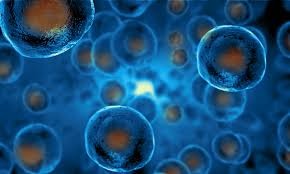
“Stem cell” is an umbrella term that refers to cells that are constantly dividing and have the potential to form different cell types.

Most of the body’s cells are very specialized and can’t change type — they will be stuck as heart muscle cells, neurons or intestine wall cells for the rest of their “lives”.

In contrast, stem cells are more like teenagers about to graduate high school.

They have the potential to become pretty much anything — a lawyer, nurse, scientist, journalist, influencer or TikToker — and must adapt to new trends.

What are hematopoietic stem cells?

The three HIV-free patients all received an allogenic hematopoietic stem cell (HSC) transplant.

The terms “bone marrow” and “stem cell” are often used interchangeably when talking about this procedure, because there are HSCs in our bone marrow.

HSCs are a cell-producing machinery that can give rise to blood and immune system cells through a process called hematopoiesis, which comes from two Greek words that together mean “blood making”.

You might not realize it, but every day HSCs produce around 300 billion new cells in your bone marrow.

Different types of stem cells

But not all teenagers are equally flexible when it comes to figuring out what they want to become. Some may be really into art, while others may be passionate about science and incapable of drawing a tree.

Stem cells also have different types of potential. Some can generate many different cell types, while others only a few.

Pluripotent stem cells can generate all the different types of cells required for an embryo to develop. Multipotent stem cells, on the other hand, can only generate a few types of cells.

Adult humans have multipotent stem cells in parts of the body where the cells need constant replenishment, like the skin, bones and gonads.

Scientists received the Nobel Prize in 2012 after proving it’s possible to manipulate already-differentiated cells into becoming pluripotent again through a process called “cell reprogramming”.

Since then, stem cell therapy has become a very active field of research.

Hematopoietic stem cell transplant

There are several types of stem cell therapies, and despite being harsh and risky, the HSC transplant is the most popular.

The procedure attempts to fix unhealthy bone marrow by replacing it with healthy marrow from a donor. It treats conditions that are often life-threatening, like certain types of cancers or blood/immune disorders such as sickle cell disease.

Stem cell transplants are classified by the origin of the stem cells that are being transplanted. For example, if the cells come from the body of the person who is being treated, the procedure is called an autologous stem cell transplant. If they come from someone else, it’s considered allogenic.

Each of the three HIV-free patients received an allogenic HSC transplant.

A high-risk transplant

Before receiving an HSC transplant, a patient is required to undergo a harsh “conditioning” regimen, which can include chemotherapy and radiotherapy.

Both treatments can have serious side effects, like infections, organ failure and even death. They are conducted in order to destroy the patient’s unhealthy bone marrow and heavily suppress their immune system, which allows the transplant to properly integrate.

If the treatment is successful, the transplanted cells will trigger an immune reaction against any residual cancer cells, helping clear them in what’s called a graft-versus-tumour effect.

But things can go awry. In some cases, the donor’s transplanted immune cells may start to recognize the recipient’s body as foreign and attack it, leading to graft-versus-host disease.

Graft-versus-host disease can affect the skin, the intestines and the liver. In some cases, it can even be life-threatening.

Not a treatment for HIV

Due to its high risk, researchers from the three HIV-remission studies have repeatedly cautioned that HSC transplants should not be seen as a treatment for HIV, which can be well managed with anti-retroviral treatment.

Researchers across the world are still looking for a cure or vaccine for the virus.

Read more at-https://bit.ly/3EzfjJY

Categories
COVID-19 Government Guidelines Medical Equipments Medical Updates

Circovirus involved in human hepatitis: Study

Circoviruses are a family of small, highly resistant DNA viruses that were initially identified in 1974 in various animal species, where they can cause respiratory, renal, dermatological and reproductive problems. HCirV-1 is a novel virus that is distant from known animal circoviruses.

Scientists from the Institut Pasteur, Necker-Enfants Malades Hospital (AP-HP), Inserm in the Imagine Institute, Universite Paris Cite and the Alfort National Veterinary School (EnvA) have identified a previously unknown species of circovirus, provisionally named human circovirus 1 (HCirV-1).

Circoviruses are a family of small, highly resistant DNA viruses that were initially identified in 1974 in various animal species, where they can cause respiratory, renal, dermatological and reproductive problems. HCirV-1 is a novel virus that is distant from known animal circoviruses. It was shown to be implicated in damage to the liver of a patient undergoing immunosuppressive treatment. This discovery of the first circovirus in humans, linked to hepatitis, was published in the journal Emerging Infectious Diseases on January 3, 2023.

Although the transmission of animal viruses to humans is regularly reported in the scientific literature, it is rare for a novel virus to be identified in a patient in Europe. But as part of a recent study, scientists and physicians have identified the first circovirus involved in human hepatitis. “The patient had unexplained chronic hepatitis, with few symptoms. She had received a heart-lung transplant 17 years earlier and had been monitored regularly since. We had access to a large number of samples over several years and were therefore able to identify this novel virus, which was completely unexpected,” explains Marc Eloit, last author of the study, Head of the Institut Pasteur’s Pathogen Discovery laboratory and a Professor of Virology at the Alfort National Veterinary School (EnvA). His laboratory specializes in the identification of pathogens in patients suspected of severe infection of unknown cause.

In March 2022, in collaboration with the Department of Clinical Microbiology at Necker-Enfants Malades Hospital (AP-HP), the pathological tissue samples of this 61-year-old female patient receiving immunosuppressive treatment, whose hepatitis had no identifiable cause, were sequenced to search for microbial sequences. The RNA (ribonucleic acid) sequences extracted from the tissues were analyzed and compared with those of known microbes. “The aim is to identify sequences of interest among all the sequences obtained, which is like searching for a needle in a haystack!” continues the scientist Marc Eloit. These thousands of RNA sequences were analyzed in parallel using mNGS (metagenomic next-generation sequencing) high-throughput sequencing techniques and sophisticated algorithms. After ruling out common etiologies, the analysis led to the identification of a previously unknown species of circovirus, provisionally named human circovirus 1 (HCirV-1). No other viral or bacterial sequence was found.

Circovirus involved in human hepatitis: Study

The involvement of HCirV-1 in the hepatitis was then demonstrated by analyzing samples taken from the patient in previous years as part of her post-transplant treatment. The results showed that the HCirV-1 viral genome was undetectable in the blood samples from 2017 to 2019, then that its concentration peaked in September 2021. Viral replication in liver cells was demonstrated (2 to 3% of liver cells were infected), pointing to the role of HCirV-1 in liver damage: once the virus has used the resources in the liver cell to replicate, it destroys the cell.

From November 2021 onwards, following antiviral treatment, the patient’s liver enzymes returned to normal levels, indicating the end of hepatic cytolysis.

Diagnosing hepatitis of unknown etiology remains a major challenge, as shown by the cases of acute hepatitis reported in children in the United Kingdom and Ireland last April and signaled by WHO. “We need to know the cause of the hepatitis, and especially whether or not it is viral, to be able to offer suitable treatment and monitor patients effectively. The identification of this novel virus that is pathogenic in humans, and the development of a test that can be performed by any hospital laboratory, offers a new tool for diagnosing and monitoring patients with hepatitis,” stresses Anne Jamet from the Department of Clinical Microbiology at Necker-Enfants Malades Hospital (AP-HP), who is also affiliated with Inserm and co-last author of the study.

Although some circoviruses are pathogenic for animals and vaccines can be administered, especially in pigs, this is the first known circovirus to be pathogenic for humans. The patient’s symptoms remained mild; the virus was able to be identified because she was being closely monitored following her combined transplant. The origin of the virus — whether it is circulating in humans or of animal origin — has yet to be identified, and the source of infection (contact, food, etc.) remains unknown. Following their discovery, the scientists developed a specific PCR test that is now available for etiological diagnosis of hepatitis of unknown origin. A serological test is also being developed.

“These results show the value of this type of sequencing analysis in identifying novel or unexpected pathogens. It is always important for clinicians to know whether or not an infection is viral so that they can adapt the treatment accordingly. It is also crucial to be able to identify a novel pathogen when an infection remains unexplained and to develop a diagnostic test, because any new case of human infection with an emerging pathogen may potentially signal the start of an outbreak,” concludes Marc Eloit. The test is available for the medical community and can now be easily performed for other cases of unexplained hepatitis.

Read more at-https://bit.ly/3xN8GQI

Categories
COVID-19 Government Guidelines Medical Equipments Medical Updates

Health ministry to organise ‘Chintan Shivir’ to explore ways to build trust on Indian drugs

Synopsis

“The aim is to build trust and confidence on the quality of Indian drugs, cosmetics and medical devices in the domestic and global markets.”

The Union Health Ministry will organise a two-day ‘Chintan Shivir’ from February 26 to explore ways to build trust on Indian drugs, cosmetics and medical devices in domestic and export markets and strengthen the regulations to ensure their quality, officials said on Tuesday. The Chintan Shivir on ‘Drugs: Quality Regulations and Enforcement’ holds significance against the backdrop of questions being raised about the quality of some Indian drugs amid instances of Global Pharma Healthcare recalling entire lots of eye drop linked to vision loss in the US and India-made cough syrups being linked to children deaths in Gambia and Uzbekistan.

At the two-day event to be organised in collaboration with the Department of Pharmaceuticals in Hyderabad, experts and officials will review the predictability, transparency and accountability in the regulation of quality of drugs, ensure compliance to Indian pharmacopoeia standards and develop robust network for pharmacovigilance and materiovigilance programmes, the officials said.

The event will also see introduction of digital tools for uniform and effective regulation.

“The aim is to build trust and confidence on the quality of Indian drugs, cosmetics and medical devices in the domestic and global markets.

“Experts will also deliberate on effective enforcement at the field level for ensuring quality, safety and efficacy till the last mile. Discussions will focus on the present enforcement mechanism in place to address spurious, adulterated and substandard drugs, and the necessity for greater coordination between the states and the Centre in this regard and the issues and challenges in enforcement,” an official said.

Health ministry to organise 'Chintan Shivir' to explore ways to build trust on Indian drugs

The shivir will also deliberate on creation of a unified IT platform for all regulatory activities such as an online National Drug Licensing Portal (NDLS).

The Central Drugs Standard Control Organisation (CDSCO) is the regulatory authority and under the Drugs and Cosmetics Act and rules made thereunder, it is responsible for approval of new drugs, conduct of clinical trials, control over the quality of imported drugs in the country and coordination of the activities of State Drug Control Organizations by providing expert advice with a view of bringing about the uniformity in the enforcement of the said Act, the official explained.

The Drugs and Cosmetics Act, 1940 and rules made thereunder have entrusted various responsibilities to Central and state regulators for regulation of drugs and cosmetics. It envisages uniform implementation of the provisions of the Act and rules for ensuring the safety, rights and wellbeing of patients by regulating the drugs and cosmetics.

Read more at-https://bit.ly/3Iy4Ocl

Categories
COVID-19 Government Guidelines Medical Equipments Medical Updates Medicine & Health

Actual Covid infections in India 17 times higher than reported: BHU study

Synopsis

According to government data, nearly 4.5 crore people in India have been infected with COVID-19 so far. However, the study published in the International Journal of Infectious Diseases (IJID) estimated that the actual coronavirus cases in the country may be between 58 to 98 crores.

The actual COVID-19 infections in India may be around 17 times higher than the official figure, a study led by researchers at Banaras Hindu University (BHU) suggests. According to government data, nearly 4.5 crore people in India have been infected with COVID-19 so far. However, the study published in the International Journal of Infectious Diseases (IJID) estimated that the actual coronavirus cases in the country may be between 58 to 98 crores.

The research “has shown that the actual corona infection in India was at least 17 times higher,” according to a statement by BHU.

“The discrepancy observed in our study is due to the overwhelming number of asymptomatic people, which was several-fold higher than the true official infection,” said BHU geneticist Professor Gyaneshwer Chaubey.

“Asymptomatic cases were more inclined towards the younger population,” Chaubey, who led the study, told PTI.

The study involved 88 scientists from 34 research institutes across the country.

Actual Covid infections in India 17 times higher than reported: BHU study

The team conducted serosurvey (antibody testing) among 2,301 individuals in urban areas of fourteen Indian districts in six states during the month of September-December 2020.

The most striking aspect of this study was that a large proportion of the Indian population was asymptomatic for COVID infection and the age group 26-35 had the maximum number of asymptomatic people, the researchers said.

The team conducted the research among a large number of people — street vendors — living in urban areas from fourteen Indian districts who are most at risk of corona infection.

“For the first time, we have used a novel approach to estimate the frequency of people infected in a certain geographical region,” said BHU’s Prajjval Pratap Singh, the study’s first author.

Samples were taken of only those people who self-reported that they never had any Covid symptoms or positive RT PCR test.

The minimum proportion of antibody-positive people was observed in Raipur district of Chhattisgarh (2 per cent), while the maximum proportion of antibody-positive persons was found in Ghazipur district (47 per cent) of Uttar Pradesh.

The research also revealed that the cases reported by the government were several times lower than the actual incidence of infection.

Through mathematical calculations, it was estimated that the actual corona cases in India are between 58 to 98 crores, the researchers said.

“The extensive serosurveillance has enabled us to have a clear picture rather than antigen testing or RT-PCR test,” said Professor VN Mishra from BHU, who led the medical testing in the study.

India on Wednesday recorded 96 fresh COVID-19 cases, while the number of active cases increased to 1,785, according to Union health ministry data.

With the new cases, the total tally stands at 4.46 crore (4,46,83,639). The death toll increased to 5,30,746 with one death reported from Uttara pardesh the data stated.

Read more at-https://bit.ly/3RSmsuy