Categories
COVID-19 Government Guidelines Medical Equipments Medical Updates

Immune response against bystander virus, not SARS-CoV-2 causes long Covid: Study

Immune inflammatory reaction not against Covid, but against a harmless bystander virus present in the body, driving a cytokine storm, may be behind long Covid.

Immune inflammatory reaction not against COVID-19, but against a common, harmless, dormant “bystander” virus present in the body, driving a cytokine storm, may be behind long Covid, a new research has found. Analysing Covid-patients’ blood samples, researchers found that 3 months after being hospitalised for severe infection, there was no rapid increase in the immune cells targeting SARS-CoV-2, but an increase in those targeting the dormant Cytomegalovirus (CMV). CMV is usually harmless but can stay in your body for life once infected with it.

The finding indicated that the prolonged inflammation at 3 months in severe patients may not be driven by SARS-CoV-2 but instead may be “bystander driven”.
Immune response against bystander virus, not SARS-CoV-2 causes long Covid: Study

“Long Covid occurs in one out of ten COVID-19 cases, but we still don’t understand what causes it.

“Several theories proposed include whether it might be triggered by an inflammatory immune response towards the virus that is still persisting in our body, sending our immune system into overdrive or the reactivation of latent viruses such as human cytomegalovirus (CMV) and Epstein Barr virus (EBV),” said Laura Rivino, senior lecturer at the University of Bristol, UK, and the study’s lead author.

The researchers analysed blood samples of 63 patients hospitalised for mild, moderate or severe COVID-19 infection at the start of the pandemic when vaccines were not available.

The study also found patients with severe COVID-19 to display a higher number of long Covid symptoms compared to mild and moderate patients, even as the team’s analysis revealed no direct association between long Covid symptoms and Covid-related immune inflammatory responses.

Further, 79 per cent of all the patients reported at least one ongoing long Covid symptom with breathlessness and excessive fatigue being the most common, the study published in the journal eLife said.

The significant dysfunction found in the immune profiles of severe patients at 3 months indicated that inflammation may persist even for months post-recovery, even though results showed the inflammation in these patients to resolve over time.

At 12 months, the researchers found, both the immune profiles and inflammatory levels of patients with severe disease were similar to those of mild and moderate patients.

“Our findings suggest that prolonged immune activation and long Covid may correlate independently with severe COVID-19.

“Larger studies should be conducted looking at both a larger number of patients, including if possible vaccinated and non-vaccinated COVID-19 patients, and measuring a larger range of markers and cytokines.

“Understanding whether inflammation and immune activation associate with long Covid would allow us to understand whether targeting these factors may be a useful therapy for this debilitating condition,” said Rivino.

Read more at-https://shorturl.at/lnoM8

Categories
Government Guidelines Medical Equipments Medical Updates

Soon you may need doctor’s prescription for cough syrups

Synopsis

The Drugs Technical Advisory Board (DTAB), India’s apex drug advisory body, in its meeting last month was also considering a proposal for exempting dried Ivy leaf extract sugar free cough syrup from the requirements of a prescription.

The government is considering whether cough syrups should be sold on the prescription of a registered medical practitioner (RMP) only. A sub-committee of experts has been constituted to examine the requirement of RMPs for the sale of various cough syrups in the country, people in the know told ET.

Cough syrups are widely available over the counter as of now.

Soon you may need doctor's prescription for cough syrups

The Drugs Technical Advisory Board (DTAB), India’s apex drug advisory body, in its meeting last month was also considering a proposal for exempting dried Ivy leaf extract sugar free cough syrup from the requirements of a prescription.

However, after deliberating the matter, the DTAB recommended “that a sub-committee should be constituted to examine the requirement of RMP for sale of various cough syrups in the country,” the minutes of the meeting said.

The sub-committee will also examine the proposal to exempt dried Ivy leaf extract cough syrup from the warning “to be sold by retail in the prescription of RMP only.”

India-made cough syrups have been under the scanner in the recent past with many countries linking it with deaths of children in their countries.

Read more at-https://shorturl.at/bjnzM

Categories
Government Guidelines Medical Equipments Medical Updates Medicine & Health

Cancer can occur at any time or age; symptoms and warning signs to look out for

Cancer can occur at any time or age, although the risk generally increases with age. Be aware of these symptoms whether they be genetic or related to lifestyle.

Cancer is characterised by the abnormal growth and division of cells in the body, which can form tumours or invade nearby tissues and there are numerous types of cancer, each with its own unique characteristics and treatment approaches but can have devastating effects on individuals and their families, causing physical, emotional and financial challenges. However, advancements in medical research and technology have led to improved diagnosis, treatment and survival rates for many types of cancer where prevention and early detection play a crucial role in fighting against cancer, emphasising the importance of healthy lifestyle choices, regular screenings and awareness of risk factors.

Support networks, medical professionals and research institutions tirelessly work towards finding better treatments and ultimately, a cure for this disease but the battle against cancer requires a collective effort from individuals, communities and organisations to raise awareness, support those affected and contribute to ongoing research efforts, with the ultimate goal of eradicating cancer and improving the quality of life for those impacted by it. In an interview with HT Lifestyle, Dr Vikram Vora, Medical Director at Indian Subcontinent – International SOS, shared, “Cancer can indeed occur at any time or age, although the risk generally increases with age. It’s essential to be aware of the risks whether they be genetic or related to lifestyle.”

Cancer can occur at any time or age; symptoms and warning signs to look out for

He advised, “Vulnerable individuals must be aware of the symptoms and signs of cancer so that they can seek early medical intervention. Some common symptoms and warning signs like unexplained weight loss, fatigue, changes in skin colour, persistent pain, changes in bowel or bladder habits, unusual bleeding, difficulty swallowing or persistent indigestion, changes in a cough or hoarseness, lumps or thickening are associated with cancer and could indicate malignancies. These abnormalities can occur at any age and not gender-specific. Regular check-ups and screenings can help detect cancer early, when there is a high likelihood of a favourable response to treatment.”

Bringing his expertise to the same, Dr (Prof) Vijay Patil, Consultant – Medical Oncology at PD Hinduja Hospital and MRC in Mumbai, echoed that cancer is a disease that can occur at any time or age, though it is commonly known to affect older individuals. He said, “It is important to understand that cancer does not discriminate based on age, gender or lifestyle choices. While certain factors such as exposure to harmful chemicals, smoking and poor dietary habits can contribute to the development of cancer, there are cases where people with no known risk factors have also been diagnosed with the disease. Early detection and regular screening are crucial in detecting cancer in its early stages, regardless of age, and can significantly improve outcomes for patients.”

He too highlighted that the common symptoms and warning signs of cancer include unexplained weight loss, persistent fatigue, changes in bowel or bladder habits, difficulty swallowing, persistent coughing or hoarseness, unusual bleeding or discharge, lumps or thickening in the breast or other body parts, unexplained pain and fever. He concluded, “It is important to note that these symptoms are not exclusive to cancer and could also be due to other medical conditions. If you experience any of these symptoms for an extended period, it is recommended that you see a healthcare professional for further evaluation. Early detection and treatment can improve the chances of successful cancer treatment.”

Read more at-https://shorturl.at/zBGZ4

Categories
Medical Equipments Medical Updates

Eye drops slow nearsightedness progression in children: Study

The study shows that daily drop of low dose of atropine in each eye is better than placebo at limiting eyeglass prescription changes.

According to the findings of recent clinical research, the first medication therapy to reduce the onset of nearsightedness in children may be on the horizon.

The three-year study found that a daily drop in each eye of a low dose of atropine, a drug used to dilate pupils, was better than a placebo at limiting eyeglass prescription changes and inhibiting elongation of the eye in nearsighted children aged 6 to 10.

That elongation leads to myopia, or nearsightedness, which starts in young kids and continues to get worse into the teen years before leveling off in most people. In addition to requiring life-long vision correction, nearsightedness increases the risk for retinal detachment, macular degeneration, cataracts and glaucoma later in life – and most corrective lenses don’t do anything to stop myopia progression.

“The idea of keeping eyeballs smaller isn’t just so people’s glasses are thinner – it would also be so that in their 70s they don’t suffer visual impairment,” said lead study author Karla Zadnik, professor and dean of the College of Optometry at The Ohio State University.


“This is exciting work for the myopia research community, which I’ve been part of for 35 years. We’ve talked about treatment and control for decades,” she said. “And it’s exciting to think that there could be options in the future for millions of children we know are going to be myopic.”

The results of the CHAMP (Childhood Atropine for Myopia Progression) trial are published today (June 1, 2023) in JAMA Ophthalmology.

Eye drops slow nearsightedness progression in children: Study

About one in three adults worldwide is nearsighted, and the global prevalence of myopia is predicted to increase to 50% by 2050. Though one federally approved contact lens can slow progression of nearsightedness, no pharmaceutical products are approved in the United States or Europe to treat myopia.

Animal studies years ago hinted at atropine’s ability to slow the growth of the eye, but the full-strength drug’s interference with near vision and concerns about pupil dilation hindered early considerations of its potential as a human therapy for myopia. More recent research has suggested a low dose of atropine might be the ticket.

This new double-masked, randomized phase 3 trial assessed the safety and effectiveness of two low-dose solutions, with atropine concentrations of either .01% or .02%, versus placebo. Treatment for each of the 489 children aged 6 to 10 assessed for the drug’s effectiveness consisted of one daily drop per eye at bedtime, which minimized the disruption of any blurring effects atropine might have on vision.

Researchers were a bit surprised to find that the most significant improvements at all time points compared to placebo resulted from the solution containing .01% of atropine. Though the .02% atropine formulation was also better at slowing progression of myopia than placebo, the results were less consistent.

“The .01% story is clearer and more obvious in terms of significantly slowing both the growth of the eye as well as then resulting in a lower glasses prescription,” Zadnik said.

Including a measure of the eye’s growth was a key component of the study because “the field is actually moving toward axial elongation being as important as, or more important than, the glasses prescription in terms of the most meaningful outcome,” she said. “If we’re trying to slow eye growth to prevent bad outcomes for people in their 80s, measuring the eye growth directly is really important.”

The drugs’ safety was assessed in a larger sample of 573 participants that also included children as young as 3 and up to age 16. Both low-dose formulations were safe and well tolerated. The most common side effects were sensitivity to light, allergic conjunctivitis, eye irritation, dilated pupils and blurred vision, although reports of these side effects were few.

The CHAMP trial was the first study of low-dose atropine to include placebo controls for three years and to involve a large, diverse population recruited from 26 clinical sites in North America and five countries in Europe. In a second section of the trial, researchers are evaluating how the eyes respond when the treatment is over.

The experimental drug is made without preservatives and, if federally approved as a therapy, would be distributed in single-use packaging for convenience and to prevent contamination. Off-label low-dose atropine that can currently be obtained at compounding pharmacies may contain preservatives that can lead to dry eye and corneal irritation, researchers noted.

The experimental product studied in the CHAMP trial is manufactured by Vyluma, a New Jersey development-stage biopharmaceutical company with a focus on pharmaceutical treatments for refractive errors of the eye. A subsidiary of Nevakar Inc., Vyluma sponsored the trial, has submitted a New Drug Application to the FDA to seek approval in the U.S. and has partnered with two companies to commercialize the product outside the United States..

Zadnik led the study as a paid expert consultant to Vyluma. Jennifer Fogt, assistant professor at Ohio State, also worked on the trial. Additional co-authors Erica Schulman of SUNY College of Optometry; Ian Flitcroft of the Center for Eye Research in Dublin, Ireland; Louis Blumenfeld of Eye Physicians of Central Florida; and Tung Fong, Eric Lang, Houman Hemmati and Simon Chandler of Vyluma represented the CHAMP trial group investigators.

Read more at-https://shorturl.at/krDJ9

Categories
Government Guidelines Medical Equipments Medical Updates

7 best supplements for a healthy heart

Here’s how we can fulfil the nutrition quota of our body and make our hearts happy and healthy with these seven supplements.

Heart issues are the leading cause of death across the globe affecting more than 17.9 million lives every year so, it is no secret that heart health is the most important in the human body and we don’t need studies to prove it. Your brain and heart pretty much shape the entire body and its functions where health experts believe that conditions like stroke and hypertension arise due to mental and physical issues in the body.

Yes, stress is also a leading factor in such matters but do you think your everyday diet provides enough for your heart? In an interview with HT Lifestyle, Dr Amit Deshpande, Founder and Director at Activist, shared, “If you are living in an urban environment, nothing you consume is 100% pure. “Adulterated” is a small word, your food items contain the unhealthiest substances if not washed properly. This creates a huge deficiency of essential nutrients in the body. And, supplements foster the bridging of this nutritional gap. Yes, people are still doubtful about their advantages and very few of us take them seriously.”

He added, “Supplements are readily available and do not even need a prescription at times, but there are better ways of taking this path. Consult an expert, don’t be one! Our busy schedules have no space for a nutrition-rich diet and we have become too comfortable with the sedentary lifestyle. Junk food, an imbalanced sleep routine, mental stress (cheers to hours and hours on social media platforms), and ignorance of health are significant factors that harm our heart health.”

7 best supplements for a healthy heart

According to him, we can fulfil the nutrition quota of our body and make our hearts happy and healthy with these seven supplements:

  1. Omega 3 Fatty Acids – These supplements work miraculously in lowering triglycerides (the most common type of fats in the body), inflammation, stroke, and other heart conditions. Food items like walnuts, chia seeds, fish, flaxseed oil, and canola oil are rich sources of Omega 3 Fatty Acids. One must work hard to keep up with a routine to add these items in adequate amounts if not possible via diet, taking the Omega 3 Fatty Acids capsules is a great option. It aids in the maintenance of cardiovascular functioning and the regulation of cholesterol levels while reducing plaque buildup in the arteries.
  2. Magnesium – According to a study, magnesium lowers blood pressure by 12 points. It is one of the 3 micro-minerals (along with calcium and zinc) responsible for around 300 biochemical reactions in the body. Magnesium deficiency can lead to muscle contractions, cramps, seizures, abnormal heart rhythms, personality changes, and coronary spasms. Cashew nuts, almonds, whole grains, legumes, seeds, and dairy products are some of the rich sources of magnesium. Managing them can be challenging hence, magnesium supplements will do the job better.
  3. Cod Liver Oil – This fish oil supplement is famous for its numerous benefits to the human body. Rich in antioxidants, healthy fats and minerals, cod liver oil can help reduce risk factors for heart diseases. The supplement can contribute a great deal to decreasing inflammation and reducing liver fat. It is also said that cod liver oil is excellent in the development & maintenance of healthy bones and teeth. These are often suggested by healthcare providers and that is the right method to consume them. Do not go for supplements without a prescription or doctor’s recommendations.
  4. Folate (folic acid) – It is said that folic acid (vitamin B) has been shown to lower the risk of heart attack and stroke in many people. Vegetables, beans, and citrus fruits are terrific sources of folate. The supplement is naturally present in many food items however in the form of a capsule or others it can be a part of your routine. If you are already on some medications, treatments or therapies, folic acid intake cannot be effective. You better have a word with an expert before beginning the dosage.
  5. Grape Seed Extract – If you are diagnosed with hypertension, grape seed extract is just the right thing to include in your routine. It is full of antioxidants and lowers blood pressure. According to a study, around 100mg-800mg of grape seed extract every day for 8-16 weeks can help maintain blood pressure if you have symptoms or are suffering from pre hypertension.
  6. Multivitamins – Scurvy, beriberi, pellagra, and rickets are some of the classic examples of vitamin deficiencies. While malnutrition is a silent culprit in developing countries, multivitamin supplements can make a big difference. A meal consisting of plenty of fruits, vegetables, whole grains, protein and more is good but at times not enough. For a person suffering from chronic conditions like cardiovascular diseases, it is already late to consider essential nutrition; however, you can begin consuming these supplements from an early age to avoid trouble.
  7. Ashwagandha – People with high blood pressure have a dire need for calming food items. While these are not always sufficient, supplements comprising Ashwagandha calm the brain, reduce swelling, lower blood pressure and help alter the immune system. Ashwagandha is used for ages now and works fantastically in reducing physical and mental stress of any kind. These days, ashwagandha has become a prime tea variant among premium beverages as well. One can include it in many ways to improve heart health.

Read more at-https://shorturl.at/cuBFP

Categories
COVID-19 Government Guidelines Medicine & Health

How cognitive behavioral therapy helps reduce post-viral fatigue after Covid-19: Study

Those who suffer from COVID-19 post-viral fatigue benefit from cognitive behavioural treatment, which results in fewer fatigue and attention issues.

Those who suffer from COVID-19 post-viral fatigue benefit from cognitive behavioural treatment, which results in fewer fatigue and attention issues.

Lead researcher, Hans Knoop, Professor of Medical Psychology at Amsterdam UMC found that “After behavioural therapy, patients not only had less symptoms but also functioned better both physically and socially. Those improvements were still present even after six months.” Today, research from Amsterdam UMC, RadboudUMC and three other hospitals is published in Clinical Infectious Diseases.

How cognitive behavioral therapy helps reduce post-viral fatigue after Covid-19

Following a COVID-19 infection, a significant majority of individuals experience persistent symptoms. The most prevalent symptom is extreme and persistent exhaustion, which is also known as long-COVID or Post-Covid Syndrome. those who underwent cognitive behavioural therapy were compared to those who got standard treatment in the ReCOVer research, which was supported by ZonMw. Typical care included GP or expert monitoring, physiotherapy, and/or occupational therapy.

Cognitive behavioural therapy for patients with persistent fatigue after COVID-19 focuses on reducing fatigue by dealing with the symptoms differently. “Together with patients, we look, for example, at how they can improve their sleep-wake rhythm. We also help them become more active again with small, safe steps. For example, by going for short walks,” said Knoop.

Cognitive behavioural therapy has clear results for these patients. Most participants experienced significantly less fatigue and improved concentration after treatment. They also made significant progress socially and physically. The results also proved to be stable over time. After six months, the differences, compared with those received regular care, were still present. “Cognitive behavioural therapy also appears to be a safe treatment. Our research shows that the symptoms did not worsen, and new symptoms arose less often,” added Knoop.

Read more at-https://bit.ly/3Bm1ltg

Categories
COVID-19 Government Guidelines Medical Equipments Medical Updates

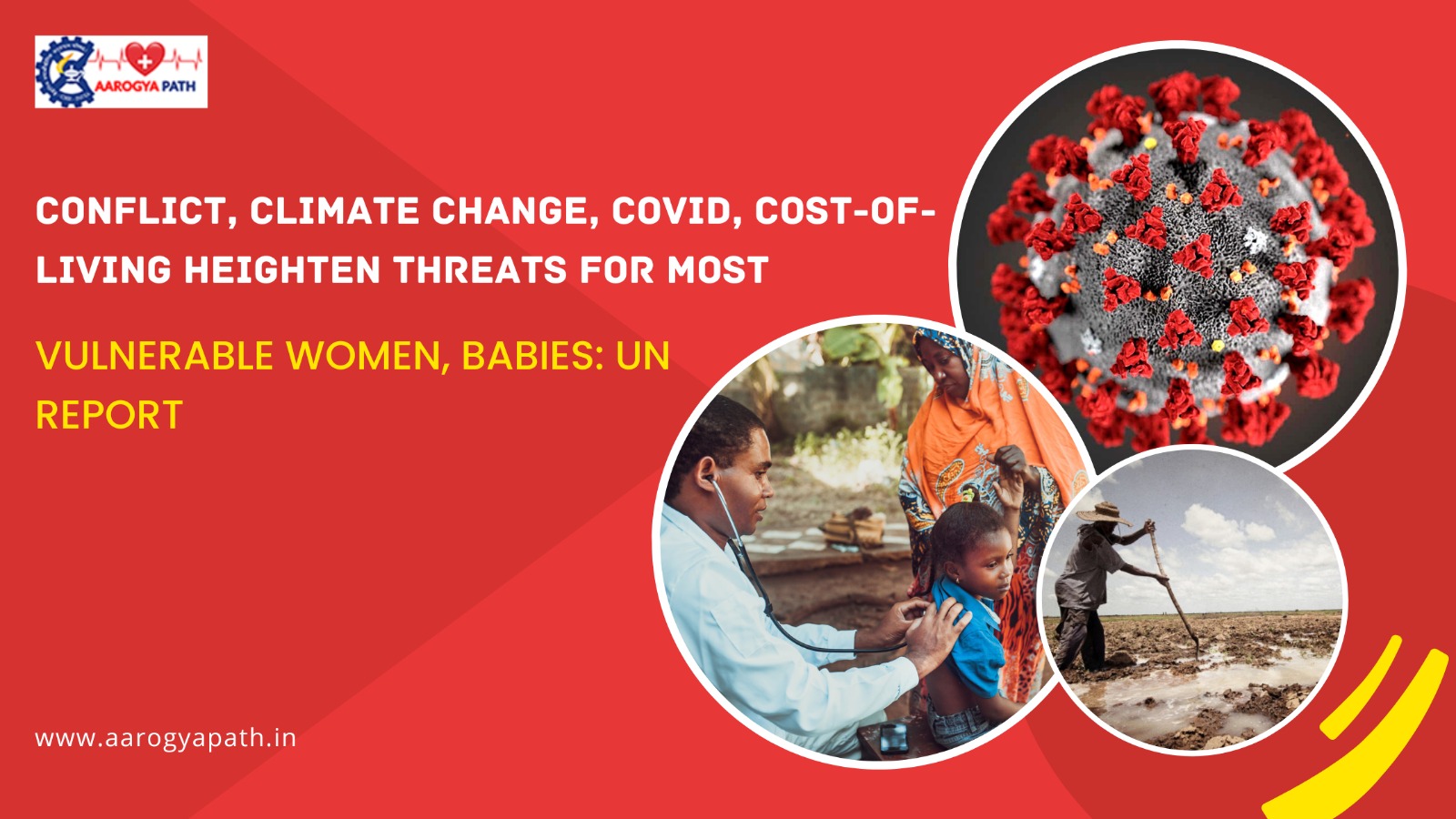
Conflict, climate change, Covid, cost-of-living heighten threats for most vulnerable women, babies: UN report

The report sounds the alarm on a silent emergency of preterm birth which is impeding progress in improving children’s health and survival.

An estimated 13.4 million babies were born preterm in 2020, with 45 per cent of them being born in just five countries, including India, China and Pakistan, according to a report released by the United Nations agencies and partners on Wednesday. The report titled ‘Born Too Soon: Decade of Action on Preterm Birth’ is developed by more than 140 individuals from 46 countries and is produced by the World Health Organisation (WHO) and the United Nations Children’s Fund (UNICEF) together with PMNCH — the world’s largest alliance for women, children, and adolescents.

The report sounds the alarm on a “silent emergency” of preterm birth which is impeding progress in improving children’s health and survival.

The global preterm birth rate was 9.9 per cent in 2020, compared to 9.8 per cent in 2010. An estimated 13.4 million babies were born pre-term in 2020, with nearly 1 million dying from preterm complications, which is equivalent to around 1 in 10 babies born early (before 37 weeks of pregnancy) worldwide.

In 2020, Bangladesh had the highest estimated preterm birth rate (16.2 per cent), followed by Malawi (14.5 per cent) and Pakistan (14.4 per cent). Rates are also high in high-income countries, such as Greece (11.6%), and the United States of America (10.0%), the report stated.

“Almost half (45 per cent) of all preterm babies in 2020 were born in just five countries: India, Pakistan, Nigeria, China and Ethiopia,” it said.

The report highlighted that preterm birth rates have not changed in the past decade in any region of the world and that “four Cs” – conflict, climate change, COVID-19 and the cost-of-living crisis – heighten threats for the most vulnerable women and babies in all countries.

For example, air pollution is estimated to contribute to 6 million preterm births each year.

Nearly 1 in 10 preterm babies are born in the 10 most fragile countries affected by humanitarian crises, according to a new analysis in the report. Climate science is increasingly exposing the direct and indirect effects of climate change on pregnant women, stillbirths and preterm birth.

Conflict, climate change, Covid, cost-of-living heighten threats for most vulnerable women, babies: UN report

According to it, 1.2 million babies are ‘born too soon’ in the 10 most fragile countries affected by humanitarian crises, where accessing care for women and babies is particularly challenging.

“More investment is needed to specifically mitigate risks and to increase focus on women and babies in policies and programmes addressing the climate emergency,” it said.

“Born too soon underlines why we must increase investment and accountability for preterm birth – the world’s largest cause of death of children under the age of five. Progress is flatlining for maternal and newborn health, as well as the prevention of stillbirths, and is now pushed back further through the devastating combination of COVID-19, climate change, expanding conflicts and rising living costs,” said Helga Fogstad, Executive Director, PMNCH.

“By working together in partnership – governments, donors, the private sector, civil society, parents, and health professionals – we can sound the alarm about this “silent emergency”, and bring preterm prevention and care efforts to the forefront of national health and development efforts, building human capital by supporting families, societies and economies everywhere,” Helga added.

With the report coming at a time when the International Maternal Newborn Health Conference (IMNHC) is being held at Cape Town from May 8, the WHO, UNICEF, UNFPA and PMNCH called for increased investments, accelerated implementation of established national policies for maternal and newborn care to improve care for women and newborns and mitigate risks from preterm births.

They also called for promoting education through the life cycle; supporting smarter economic investments, with co-financing across sectors; strengthening climate adaptation responses across the life course; and advancing the coordination and resilience of emergency systems, besides investing in locally-led innovation and research to support improvements in quality of care and equity in access.

Ensuring quality care for these tiniest, most vulnerable babies and their families is absolutely imperative for improving child health and survival, said Dr Anshu Banerjee, Director for Maternal, Newborn, Child and Adolescent Health and Ageing at WHO.

“Progress is also needed to help prevent preterm births — this means every woman must be able to access quality health services before and during pregnancy to identify and manage risks,” he said.

Read more at-https://bit.ly/42pnXVr

Categories
COVID-19 Government Guidelines Medical Equipments Medical Updates

Long COVID linked with self-perceived cognitive deficits related to anxiety and depression

Experiencing persistent symptoms of COVID more than four weeks after initial infection is called Long COVID.

Symptomatic long COVID may be associated with self-perceived cognitive difficulties such as memory problems, according to a study. Long COVID is described as experiencing persistent symptoms of the disease more than four weeks after initial infection. Researchers at the University of California, Los Angeles (UCLA) in the US noted that over one in three people experiencing long COVID symptoms perceived such cognitive deficits, which have been found to be related to anxiety and depression.

The findings, published recently in the journal JAMA Network Open, show that psychological issues such as anxiety or depressive disorders may play a part in some people who are experiencing long COVID, technically known as post-COVID-19 condition, or PCC.

“This perception of cognitive deficits suggests that affective issues—in this case anxiety and depression—appear to carry over into the long COVID period,” said study senior author Neil Wenger, a professor at UCLA.

“This is not to say that long COVID is all in one’s head, but that it is likely not a single condition and that for some proportion of patients there is likely a component of anxiety or depression that is exacerbated by the disease,” Wenger said in a statement.

The researchers surveyed 766 patients who had confirmed symptomatic COVID infection and had either been hospitalised at UCLA or at one of 20 health care facilities in the US or were referred to the programme by a primary care physician and been treated as outpatients.

Long COVID linked with self-perceived cognitive deficits related to anxiety and depression

Patients were surveyed by telephone at 30 days, 60 days and 90 days following hospital discharge or, in the case of non-hospitalised patients, after the date of a positive COVID test to ascertain if they felt their health was back to normal.

The researchers found that 276 (36.1 per cent) of the patients surveyed perceived during the acute illness or the following weeks that they had cognitive difficulties.

The study also found that these patients were twice as likely as those without perceived cognitive deficits to report experiencing physical symptoms at 60 and 90 days.

The researchers acknowledged some limitations to the findings. These include a lack of objective cognition measures because the survey relied on subjective responses about cognitive deficits.

They also did not have data on participants’ possible cognition, depression, and anxiety prior to COVID infection.

The findings may not apply to other patient cohorts given that participants were treated at an academic medical centre and were referred to the programme based on physicians’ belief that the patients were at clinically high risk for cognition deficits, the researchers added.

Read more at-https://bit.ly/3HOjmnu

Categories
Medical Equipments Medical Updates

Structural reforms in offing in organ donation, transplant sector: Health Minister Mansukh Mandaviya

Synopsis

According to the Ministry of Health and Family Welfare, the number of total organ transplants in the country has substantially increased from less than 5,000 in 2013 to more than 15,000 in 2022.

Union Health Minister Mansukh Mandaviya on Wednesday said far-sighted structural changes are in the offing to reform the organ donation and organ transplant sector in the country.

Mandaviya reviewed the status of organ donations and transplants with senior officers of the Health Ministry on Wednesday.

According to the Ministry of Health and Family Welfare, the number of total organ transplants in the country has substantially increased from less than 5,000 in 2013 to more than 15,000 in 2022.

Now, more organs per deceased donor are being utilised due to better coordination through the Network of Organ and Tissues Transplant Organisations at the National (NOTTO), Regional (ROTTO) and State levels (SOTTO). In 2016, 2,265 organs were utilised from 930 deceased donors while 2,765 could be utilised from 904 deceased donors in 2022.

NOTTO is working on a Transplant Manual as a step-by-step guide for implementing Organ Donation and Transplantation Programme in hospitals and also on a Standard Course for training Transplant Coordinators. Both these documents will be completed and released shortly, the Ministry said in a statement.

Structural reforms in offing in organ donation, transplant sector: Health Minister Mansukh Mandaviya

Four verticals for coordination, IEC, Training and HR/accounts have been created in the NOTTO for better implementation of the programme.

Recently, the central government granted special casual leaves of up to 42 days to central government employees, who donate an organ to another human being, as a special welfare measure in public interest.

The Ministry of Health and Family Welfare is also imbibing learnings from international best practices for further policy reforms towards the augmentation of organ donation and transplantation in the country, the Ministry said in a statement.

Read more at:https://bit.ly/3VDC9b0
Categories
Medical Equipments Medical Updates

Surge of activity linked to consciousness in dying brain: Study

The study sheds light on the neurophysiologic mechanisms, where fastest brain activity has been visible in dying brain.

Near-death experience accounts that include stories of white light, visitation from deceased loved ones, hearing voices, among other characteristics, grab our imagination and are ingrained in our culture.

The fact that these reports have so many similarities makes one wonder if there is something fundamentally real underlying them. It is also possible that those who have survived death are revealing glimmers of a consciousness that persists even after the heart has stopped beating.

A new study published in the Proceedings of the National Academy of Science, provides early evidence of a surge of activity correlated with consciousness in the dying brain.

The study, led by Jimo Borjigin, Ph.D., associate professor in the Department of Molecular & Integrative Physiology and the Department of Neurology, and her team is a follow-up to animal studies conducted almost ten years ago in collaboration with George Mashour, M.D., Ph.D., the founding director of the Michigan Center for Consciousness Science.

Surge of activity linked to consciousness in dying brain: Study

Similar signatures of gamma activation were recorded in the dying brains of both animals and humans upon a loss of oxygen following cardiac arrest.

“How vivid experience can emerge from a dysfunctional brain during the process of dying is a neuroscientific paradox. Dr. Borjigin has led an important study that helps shed light on the underlying neurophysiologic mechanisms,” said Mashour.

The team identified four patients who passed away due to cardiac arrest in the hospital while under EEG monitoring. All four of the patients were comatose and unresponsive. They were ultimately determined to be beyond medical help and, with their families’ permission, removed from life support.

Upon removal of ventilator support, two of the patients showed an increase in heart rate along with a surge of gamma wave activity, considered the fastest brain activity and associated with consciousness.

Furthermore, the activity was detected in the so-called hot zone of neural correlates of consciousness in the brain, the junction between the temporal, parietal and occipital lobes in the back of the brain. This area has been correlated with dreaming, visual hallucinations in epilepsy, and altered states of consciousness in other brain studies.

These two patients had previous reports of seizures, but no seizures during the hour before their deaths, explained Nusha Mihaylova, M.D., Ph.D., a clinical associate professor in the Department of Neurology who has collaborated with Dr. Borjigin since 2015 by collecting EEG data from deceased patients under ICU care. The other two patients did not display the same increase in heartrate upon removal from life support nor did they have increased brain activity.

Because of the small sample size, the authors caution against making any global statements about the implications of the findings. They also note that it’s impossible to know in this study what the patients experienced because they did not survive.

“We are unable to make correlations of the observed neural signatures of consciousness with a corresponding experience in the same patients in this study. However, the observed findings are definitely exciting and provide a new framework for our understanding of covert consciousness in dying humans,” she said.

Read more at-https://bit.ly/410Eldv