Categories
COVID-19 Government Guidelines Medical Equipments Medical Updates Medicine & Health

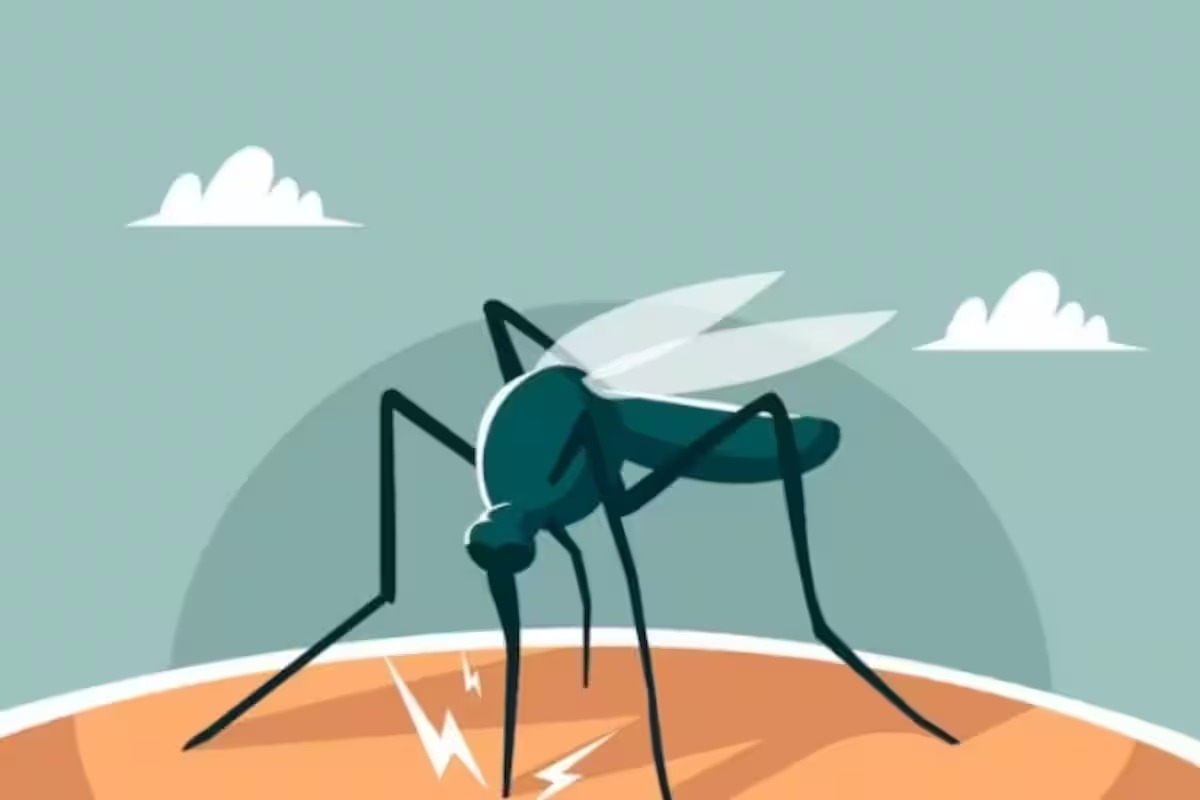
Overflowing Yamuna raises risk of dengue; common signs and symptoms of the disease you should know

The flooding of Yamuna river inundating low-lying areas has led to the fear of dengue spread. High-grade fever to severe headaches, here’re symptoms of dengue.

While dengue cases have been on the rise ever since the monsoon rains began in the national capital, the flooding of Yamuna river inundating low-lying areas has led to the fear of virus spread growing multi-fold. Almost 140 cases of dengue were reported in Delhi which has raised alarm over the spread of the deadly virus. Transmitted by bite of mosquito, dengue can have both mild and major symptoms. People who have suffered from dengue previously are at higher risk of getting severe dengue. Prevention is always better than cure in case of dengue. The mosquitoes that spread the disease are active during the day and people are at risk of getting bitten while doing their chores, working or even sitting. To tackle this, full sleeved clothes should be worn, and use of mosquito repellents are suggested even during the day.

“With monsoon around the corner, we anticipate dengue and other vector borne diseases. Till last year, statistics show number of cases of the vector-borne disease climbing to over 3000 plus in national capital, according to NVBDCP report. We all are aware that dengue is a viral illness which gets transmitted through the bite of female Aedes mosquitoes. Dengue fever cannot spread directly from person to person unlike Covid-19 or flu, says Dr Neha Rastogi Panda, Consultant, Infectious Disease, Fortis Memorial Research Institute, Gurugram.
Overflowing Yamuna raises risk of dengue; common signs and symptoms of the disease you should know

Dengue is a viral disease transmitted by the infective bite of a mosquito called Aedes aegypti. Human beings develop disease after 5–6 days of being bitten by infected female mosquitoes that feed both indoors and outdoors during the daytime (from dawn to dusk). These mosquitoes thrive in areas with standing water including puddles, water tanks, containers and old tires. It occurs in two forms – classical dengue fever also known as ‘break bone’ fever and dengue haemorrhagic fever (DHF) which is life threatening. It is highly contagious and spreads from one person to another through mosquito bites,” says Dr Tushar Tayal, Consultant- Internal Medicine, CK Birla Hospital, Gurugram.

“The infection is characterized by flu-like symptoms which include a sudden high-grade fever coming in separate waves, pain behind the eyes, muscle, joint and bone pain, severe headache, abdominal fullness and discomfort and a skin rash with red spots which happens by the fifth day of illness,” says Dr Tayal.

Dengue illness can be prevented by using basic steps of hygiene and source control to ensure and eliminate any possible breeding locations in your home, such as watering cans, buckets, and clogged drains.

Signs and symptoms of dengue explained by Dr Panda

1. High fever: One of the primary signs of dengue fever is a sudden onset of high fever, often reaching 104°F (40°C). The fever typically lasts for 2 to 7 days.

2. Severe headache: Dengue fever is often accompanied by an intense headache, especially behind the eyes. This headache can be debilitating and persistent.

3. Pain behind the eyes: Individuals with dengue fever may experience pain and discomfort behind their eyes. This symptom is often described as a deep ache.

4. Joint and muscle pain: Dengue fever is known for causing severe joint and muscle pain, earning it the nickname ‘breakbone fever.’ The pain can be widespread and excruciating.

5. Rash: A characteristic rash may develop on the skin after a few days of fever. It typically appears as small, red, and raised spots and can be itchy.

6. Nausea and vomiting: Dengue fever can cause gastrointestinal symptoms such as nausea, vomiting, and abdominal pain. These symptoms may contribute to dehydration.

7. Fatigue: Individuals affected by dengue often experience extreme fatigue and weakness, even after the fever subsides. This fatigue can persist for weeks.

8. Bleeding: In some cases, dengue fever can lead to bleeding manifestations, such as nosebleeds, bleeding gums, or easy bruising. If severe, it may indicate dengue hemorrhagic fever, a potentially life-threatening condition.

Myths associated with dengue

“More than this illness, myths and panic associated with dengue is viral. The majority (90%) of people recover from this viral infection without much medical intervention following simple dictum of preventing dehydration by drinking with plenty of water, ensuring rest and relief of fever and pain with paracetamol. Severe/complicated dengue is seen in only about 10 per cent patients and only 5 per cent of dengue patients need to be hospitalised,” says Dr Panda.

“It is essential to note that dengue symptoms can vary from person to person, and some individuals may have mild or no symptoms at all. However, anyone experiencing the aforementioned symptoms, especially in areas with a high prevalence of dengue, should seek medical attention promptly,” concludes Dr Panda.

Read more at-https://shorturl.at/DEKQV

Categories
Medical Equipments Medical Updates

Eye drops slow nearsightedness progression in children: Study

The study shows that daily drop of low dose of atropine in each eye is better than placebo at limiting eyeglass prescription changes.

According to the findings of recent clinical research, the first medication therapy to reduce the onset of nearsightedness in children may be on the horizon.

The three-year study found that a daily drop in each eye of a low dose of atropine, a drug used to dilate pupils, was better than a placebo at limiting eyeglass prescription changes and inhibiting elongation of the eye in nearsighted children aged 6 to 10.

That elongation leads to myopia, or nearsightedness, which starts in young kids and continues to get worse into the teen years before leveling off in most people. In addition to requiring life-long vision correction, nearsightedness increases the risk for retinal detachment, macular degeneration, cataracts and glaucoma later in life – and most corrective lenses don’t do anything to stop myopia progression.

“The idea of keeping eyeballs smaller isn’t just so people’s glasses are thinner – it would also be so that in their 70s they don’t suffer visual impairment,” said lead study author Karla Zadnik, professor and dean of the College of Optometry at The Ohio State University.


“This is exciting work for the myopia research community, which I’ve been part of for 35 years. We’ve talked about treatment and control for decades,” she said. “And it’s exciting to think that there could be options in the future for millions of children we know are going to be myopic.”

The results of the CHAMP (Childhood Atropine for Myopia Progression) trial are published today (June 1, 2023) in JAMA Ophthalmology.

Eye drops slow nearsightedness progression in children: Study

About one in three adults worldwide is nearsighted, and the global prevalence of myopia is predicted to increase to 50% by 2050. Though one federally approved contact lens can slow progression of nearsightedness, no pharmaceutical products are approved in the United States or Europe to treat myopia.

Animal studies years ago hinted at atropine’s ability to slow the growth of the eye, but the full-strength drug’s interference with near vision and concerns about pupil dilation hindered early considerations of its potential as a human therapy for myopia. More recent research has suggested a low dose of atropine might be the ticket.

This new double-masked, randomized phase 3 trial assessed the safety and effectiveness of two low-dose solutions, with atropine concentrations of either .01% or .02%, versus placebo. Treatment for each of the 489 children aged 6 to 10 assessed for the drug’s effectiveness consisted of one daily drop per eye at bedtime, which minimized the disruption of any blurring effects atropine might have on vision.

Researchers were a bit surprised to find that the most significant improvements at all time points compared to placebo resulted from the solution containing .01% of atropine. Though the .02% atropine formulation was also better at slowing progression of myopia than placebo, the results were less consistent.

“The .01% story is clearer and more obvious in terms of significantly slowing both the growth of the eye as well as then resulting in a lower glasses prescription,” Zadnik said.

Including a measure of the eye’s growth was a key component of the study because “the field is actually moving toward axial elongation being as important as, or more important than, the glasses prescription in terms of the most meaningful outcome,” she said. “If we’re trying to slow eye growth to prevent bad outcomes for people in their 80s, measuring the eye growth directly is really important.”

The drugs’ safety was assessed in a larger sample of 573 participants that also included children as young as 3 and up to age 16. Both low-dose formulations were safe and well tolerated. The most common side effects were sensitivity to light, allergic conjunctivitis, eye irritation, dilated pupils and blurred vision, although reports of these side effects were few.

The CHAMP trial was the first study of low-dose atropine to include placebo controls for three years and to involve a large, diverse population recruited from 26 clinical sites in North America and five countries in Europe. In a second section of the trial, researchers are evaluating how the eyes respond when the treatment is over.

The experimental drug is made without preservatives and, if federally approved as a therapy, would be distributed in single-use packaging for convenience and to prevent contamination. Off-label low-dose atropine that can currently be obtained at compounding pharmacies may contain preservatives that can lead to dry eye and corneal irritation, researchers noted.

The experimental product studied in the CHAMP trial is manufactured by Vyluma, a New Jersey development-stage biopharmaceutical company with a focus on pharmaceutical treatments for refractive errors of the eye. A subsidiary of Nevakar Inc., Vyluma sponsored the trial, has submitted a New Drug Application to the FDA to seek approval in the U.S. and has partnered with two companies to commercialize the product outside the United States..

Zadnik led the study as a paid expert consultant to Vyluma. Jennifer Fogt, assistant professor at Ohio State, also worked on the trial. Additional co-authors Erica Schulman of SUNY College of Optometry; Ian Flitcroft of the Center for Eye Research in Dublin, Ireland; Louis Blumenfeld of Eye Physicians of Central Florida; and Tung Fong, Eric Lang, Houman Hemmati and Simon Chandler of Vyluma represented the CHAMP trial group investigators.

Read more at-https://shorturl.at/krDJ9

Categories
Government Guidelines Medical Equipments Medical Updates Medicine & Health

Health expert on the best treatments for asthma

You should know that best symptoms are controlled via medication only. Health expert reveals the best treatments for asthma.

Asthma is a lung disease leading to the narrowing of the airways and is blocked by excess mucus thus, one will have breathing problems. The symptoms of asthma are wheezing, fatigue, cough, chest tightness and even weakness and if left untreated, asthma can lead to higher morbidity and mortality rates in the country.

The causes of asthma can be attributed to pollen, dust mites, feathers, smoke, fumes, and pollution thus, it will be imperative for one to seek treatment without any delay. You will have to follow the instructions given by the doctor only and you should know that symptoms are controlled via medication only.

In an interview with HT Lifestyle, Dr Abhijit Ahuja, Pulmonologist at Zen Multispeciality Hospital in Chembur, suggested the following as the best treatments for asthma:

· You need to sit with the doctor and decide on the action plan. One will be prescribed medication to manage the symptoms of asthma. You shouldn’t self-medicate as doing so can be risky. You will have to note down the triggers and manage them accordingly.

· Take bronchodilators which are medications beneficial for making breathing easier by relaxing the muscles in the lungs and widening the airways (bronchi). They can help to deal with the symptoms of asthma. You should take the medication in the mentioned dosage. Do not skip the medication at all. If you are taking steroids then you will have to do so under the guidance of the treating doctor.

Health expert on the best treatments for asthma

· One can even take injections. If you are detected with severe asthma then injections containing medicines called biologic therapies are given to the patient. These can help to control the symptoms of asthma. These medications are not advised to each and every one. The doctor will examine you and then only recommend the symptoms.

· Bronchial thermoplasty is the type of surgery that can be recommended by the doctor for asthma patients.

· One with asthma will have to do breathing exercises to improve lung capacity. You can ask the expert about the exercises that are suitable for you.

· Follow a well-balanced diet. It will be imperative for you to eat well. Avoid eating foods that are high in fat and calories. Stay away from sweets, desserts, sodas, and colas. Take supplements advised by the doctor only and do not go overboard on them.

· Exercise daily for at least 30 minutes every day and you will surely feel better. But, do not do any rigorous activities. You will have to speak to the fitness trainer before initiating any fitness routine.

Read more at-https://bit.ly/3VmAvKL

Categories
COVID-19 Government Guidelines Medical Equipments Medical Updates Medicine & Health

Chromosomal breakage caused by virus can lead to cancer: Study reveals

EBV is a common virus that spreads through saliva and affects over 90% of the global population during childhood.

When people kiss, share drinks, or use the same eating utensils, the Epstein-Barr virus (EBV) primarily transmits through saliva. It should therefore come as no surprise that EBV is one of the most widespread viruses, affecting more than 90% of the population of world, primarily during childhood. The findings of the study were published in the journal Nature.

EBV is a cause of infectious mononucleosis and other infections, however frequently there are no symptoms. Although the majority of infections are small and transient, the virus is still present and can occasionally go dormant or reactivate. Long-lasting latent infections are associated with a number of cancers as well as several chronic inflammatory disorders.

Researchers at University of California San Diego, UC San Diego Moores Cancer Center and Ludwig Cancer Research at UC San Diego, describe for the first time how the virus exploits genomic weaknesses to cause cancer while reducing the body’s ability to suppress it.

These findings show “how a virus can induce cleavage of human chromosome 11, initiating a cascade of genomic instability that can potentially activate a leukemia-causing oncogene and inactivate a major tumor suppressor,” said senior study author Don Cleveland, PhD, Distinguished Professor of Medicine, Neurosciences and Cellular and Molecular Medicine at UC San Diego School of Medicine.

“It’s the first demonstration of how cleavage of a ‘fragile DNA’ site can be selectively induced. “Throughout every person’s genome or full set of genes are fragile sites, specific chromosomal regions more likely to produce mutations, breaks or gaps when replicating. Some are rare, some are common; all are associated with disorders and disease, sometimes heritable conditions, sometimes not, such as many cancers.

Chromosomal breakage caused by virus can lead to cancer: Study reveals

In the new study, Cleveland and colleagues focus on EBNA1, a viral protein that persists in cells infected with EBV. EBNA1 was previously known to bind at a specific genomic sequence in the EBV genome at the origin of replication. The researchers found that EBNA1 also binds a cluster of EBV-like sequences at a fragile site on human chromosome 11 where increasing abundance of the protein triggers chromosomal breakage.

Other prior research has shown that EBNA1 inhibits p53, a gene that plays a key role in controlling cell division and cell death. It also suppresses tumor formation when normal. Mutations of p53, on the other hand, are linked to cancer cell growth.

When the scientists examined whole-genome sequencing data for 2,439 cancers across 38 tumor types from the Pan-Cancer Analysis of Whole Genomes project, they found that cancer tumors with detectable EBV revealed higher levels of chromosome 11 abnormalities, including 100% of the head and neck cancer cases.

“For a ubiquitous virus that is harmless for the majority of the human population, identifying at-risk individuals susceptible to the development of latent infection-associated diseases is still an ongoing effort,” said the study’s first author Julia Li, PhD, a postdoctoral fellow in Cleveland’s lab.

Read more at-https://bit.ly/3okwx93

Categories
COVID-19 Government Guidelines Medical Equipments Medical Updates Medicine & Health

Covid XBB.1.16: Symptoms of new Covid variant Arcturus in adults, children and elderly

Here are the symptoms of new Covid variant Arcturus or XBB.1.16 in adults, children and elderly. All you want to know.

Covid variant XBB.1.16, also known as Arcturus, has been dubbed as the ‘variant under monitoring’ by WHO (World Health Organisation) after it was found to be spreading fast in many parts of the world. According to recent WHO data, a total of 712 XBB.1.16 sequences were found in 21 countries. XBB 1.16 is a subvariant of the Omicron variant, which emerged in late 2021 and has since then replaced delta as the dominant variant around the world. Carrying additional spike mutations, Arcturus variant is considered more transmissible and immune-evasive than its predecessors and may escape immunity acquired by previous infections or vaccines. While the symptoms of XBB.1.16 are not very different from the previous strains and the disease caused by it largely remains mild, in case of vulnerable population like children and elderly, it can cause slightly different symptoms.

What is XBB.1.16 or Arcturus?

“XBB.1.16 variant, a sub-lineage of Omicron variant, is believed to be the cause of recent concerning surge in number of Covid cases. According to available reports based on genome sequencing, XBB 1.16 has few additional spike mutations. As per the available data, it seems to more transmissible and immune evasive, i.e. causing infections in patients with pre-existing natural or vaccine induced immunity,” says Dr Rohit Kumar Garg, Consultant, Department of Infectious Diseases, Amrita Hospital, Faridabad.

Covid XBB.1.16: Symptoms of new Covid variant Arcturus in adults, children and elderly

Common symptoms of XBB.1.16 or Arcturus in adults

Experts say the loss of taste and smell seen in the days of spread of Delta variant is uncommon now while symptoms like fever, sore throat, running nose, body ache, diarrhoea, fatigue are more common in Covid patients.

“The symptoms of XBB 1.16 are not much different from previous variants. Some of the common symptoms in adults include fever, sore throat, running nose, cough, body ache, myalgia, fatigue, diarrhoea. Symptoms due to shortness of breath, low oxygen saturation, respiratory distress can be seen in patients who develop severe illness,” says Dr Garg.

“Infected adults may experience symptoms like fever, cough, cold, nasal discharge/running nose, blocked nose, sneezing, soreness and irritation in throat, scratchy throat, change of voice/hoarse voice, shortness of breath, headache, body aches, fatigue, nausea, diarrhoea, chest pain. Loss of taste and smell as seen with Delta variant of Covid-19 is not much seen now,” says Dr Gurmeet Singh Chabbra, Director- Pulmonology, Marengo Asia Hospitals, Faridabad.

Symptoms of XBB.1.16 or Arcturus in children

Children in addition to sore throat, runny nose, blocked nose may have conjunctivitis or pink eye in this current surge of Covid infections.

“XBB.1.16 variant symptoms reported in children are high fever, cough, itchy conjunctivitis — or pinkeye — without pus, but with ‘sticky eyes’. Scratchy throat also leading to difficulty in swallowing, running nose, blocked nose seems to be more common symptoms in current Covid variant,” says Dr Chabbra.

“In cases of children, an additional symptom i.e., an itchy, pink eye (conjunctivitis) has been noted amongst others,” says Dr Garg.

“XBB covid in children has behaved like any other viral infection. Symptoms are typically indistinguishable from flu-like illness. Children get secondarily affected after someone in the family is infected with Covid. The treatment is aimed at maintaining hydration, giving paracetamol, multivitamins and bedrest with quarantine for 5 days. Most of the children recover very well. There is no need to panic with this new strain, especially for children. Children above 12 years should get Covid vaccination done,” says Dr Prashant Udavant, Paediatrician, Neonatologist at Ruby Hall Clinic.

Symptoms of XBB.1.16 or Arcturus in elderly or those with chronic conditions

Elderly patients must be treated keeping in account their risk factors considering they are more at risk to develop severe disease.

“According to available data, there is no increased severity associated with XBB 1.16 infection, compared to recently circulating variants. The nature of diseases is mild illness in majority of the patients infected with XBB 1.16. A very minor proportion of patients, with high-risk conditions such as elderly age group, immunocompromising condition (cancer, HIV, steroids etc), comorbid conditions such as diabetes, cardiovascular conditions, respiratory conditions etc, have been noted to develop severe disease,” says Dr Garg.

“Symptoms in elderly are usually the same as in an adult. But elderly is more prone to develop severe disease on account of their age-related immunosenescence (age related dysfunction of immune system) and associated co-morbid conditions rendering them prone to a more prolonged suffering and death,” says Dr Chabbra.

“Elderly may have a relatively lower temperature on presentation than an adult as mean body temperature decreases with age. As per IDSA modification of temperature of 99-degree Fahrenheit measured twice or single oral temperature of more than 100-degree Fahrenheit or incremental increase of 2-degree Fahrenheit from base line should be considered as definition of fever in elderly,” as per Dr Chabbra.

“Elderly, especially those over 85 years of age, are more likely to present with delirium and asthenia. It may be difficult to differentiate acute cough and shortness of breath in elderly patients with chronic lung disease,” adds Dr Chabbra.

Prevention tips for XBB.1.16

Dr Chabbra says people should wear triple-layered masks, take care of hand hygiene and follow social distancing measures. According to the expert, vaccination may prevent hospitalisation and severe disease in those with risk factors of severe disease.

“Avoid venturing outside in crowded areas unless necessary. Avoid touching your nose, eyes and mouth.

Isolate yourself immediately if symptoms appear and contact your doctor for further advise. Take adequate rest, maintain hydration, take healthy diet, fruits etc if you have been diagnosed with Covid. You may need multivitamins if found deficient. Your doctor may advise changes in treatment if you are on treatment for some chronic disease. You should monitor your oxygen saturation via pulse oximeter, pulse rate, respiratory rate and inform your doctor accordingly,” says Dr Chabbra.

“Amidst the resurgence of Covid cases and the looming threat of seasonal flu, we must not succumb to fear, but instead empower ourselves with knowledge and take necessary precautions. Influenza symptoms tend to manifest for a brief period of less than a week, with peak intensity lasting 1-2 days. To alleviate these symptoms, the recommended course of action is to administer paracetamol while avoiding antibiotics. Also, patients with comorbidities or underlying health conditions must seek professional assistance. Furthermore, to minimise the likelihood of contracting seasonal infections, it is imperative that basic hygiene protocols and preventive measures are diligently observed. As we presently have a few patients who are hospitalised with moderate to severe Covid pneumonia, it is vital to enforce Covid appropriate conduct, including the use of face masks and self-isolation in the event of influenza-like symptoms, says Dr Arunesh Kumar, Senior Consultant and Head of Pulmonology /Respiratory Medicine, Paras Health, Gurugram.

Read more at-https://bit.ly/3UCYDYV

Categories
Government Guidelines Medical Equipments Medical Updates

Health spend growth dips as Covid fades

Synopsis

As a proportion of GDP, health spending has declined post-pandemic, dropping from 1.23% in 2020-21 to 1.19% in FY23 and is expected to slip further in the coming year to 1.17%. The Centre’s health spending eased from 0.41% of GDP to 0.3% of GDP over this period.

The combined health expenditure of the Centre and 17 large states is expected to log 9.6% growth in 2023-24, down sharply from an average of 16.1% between 2020-21 and 2022-23.

As a proportion of GDP, health spending has declined post-pandemic, dropping from 1.23% in 2020-21 to 1.19% in FY23 and is expected to slip further in the coming year to 1.17%.

Health spend growth dips as Covid fades

The Centre’s health spending eased from 0.41% of GDP to 0.3% of GDP over this period.

“The increase in expenditure on health has been very small. Adjusted for inflation, economic and population growth, the health budget has declined in India,” said Dr Chandrakant Lahariya, a public health expert.

These 17 states account for 80% of the country’s overall health expenditure. The analysis excludes Tamil Nadu, union territories and north-east states, except Assam.

Read more at-https://bit.ly/3KyORUA

Categories
COVID-19 Government Guidelines Medical Equipments Medical Updates Medicine & Health

COVID XBB 1.16 variant: Tracker finds high cases in India, know the symptoms

A new variant of COVID XBB, namely XBB 1.16 is in news currently for driving infection cases in the country. As per an international COVID tracking platform, the highest number of sequences of this sublineage have come from India followed by Brunei, the US and Singapore, media reports have said.The prevalence of this variant of COVID virus can lead to a fresh wave of infections, reports have predicted.

The COVID positivity rates in states like Maharashtra, Karnataka and Gujarat have increased. Maharashtra, from where this new variant is believed to have originated, reported 155 COVID positive cases in a single day along with two deaths. Telangana recorded more than 100 cases on Tuesday and Wednesday combinedly. In states like Rajasthan, Madhya Pradesh, Tamil Nadu, HimachalPradesh and J&K the positivity rate is between 5% and 10%.

So far, no different symptom related to the new circulating COVID variant has been reported.The classic symptoms of COVID which give a preliminary idea about the infection are headache, muscle pain, fatigue, sore throat, runny nose and cough.Apart from the classic signs people also experience abdominal pain and discomfort, and diarrhea.

“In India, XBB.1.16 is showing a high prevalence in the states of Maharashtra and Gujarat as per covSPECTRUM. XBB 1.16 has not descended from XBB.1.5 but both have descended from XBB and more recently XBB.1,” TOI has reported quoting a top expert from India’s genome sequencing network.”XBB is currently dominating in India, and the latest uptick in cases in the country could be a result of XBB 1.16 and perhaps XBB 1.5 but a few more sample runs would clear the picture,” the expert has told the media.

COVID XBB 1.16 variant: Tracker finds high cases in India, know the symptoms

The new variant is circulating at a faster pace and is already seen as a threat. Going with the previous experience of dealing with the virus, mutants of COVID virus are smarter in escaping immunity and are contagious in nature. The Omicron variant, of which the XBB 1.16 is a sub-sub variant, is notorious for its high transmission rate. Since the later months of 2021, the Omicron variant has been circulating worldwide replacing the Delta variant.As of now less is known about the course of action of the variant is not known. The rate of hospitalisation which is a serious concern during a COVID wave is also unknown. Hence people need to be careful about their own safety and also take care of those who are in the vulnerable groups.

Avoid going outdoors when you have few symptoms of the infectionAvoid going near to those who have the symptoms of the infectionAvoid going to crowded places without wearing masksDo not touch the face, especially nose, mouth and eyes, without cleaning the handsDo not touch any exposed and unclean surfaceKeep kids and older people isolated when someone in the family or in the neighbourhood has COVID.Keep the indoor air circulating. Stale air indoors is a breeding ground for coronavirus.

XBB 1.16 scare has arised amid scare around the H3N2 influenza virus which has claimed 7 lives in the country so far.H3N2 is a seasonal influenza virus caused by the viruses which are part of the viral family Orthomyxoviridae. Health experts have said that H3N2 virus does not affect the lungs and is mild in nature except for older people and those with comorbidities.COVID led to global pandemic and nationwide shut down in 2020. While things have returned to normalcy health experts are constantly warning people to stay safe from the viral infection. COVID also poses another risk of complications which are combinedly referred to as long COVID.

Read more at-https://bit.ly/42lTUP2

Categories
Government Guidelines Medical Equipments Medical Updates

Indian scientists identify better drug treatment for severe scrub typhus

Synopsis

The study, published in the New England Journal of Medicine (NEJM), shows that treating patients with a combination of intravenous antibiotics doxycycline and azithromycin is more effective than the current monotherapy of using either drug alone.

A team of Indian scientists has identified a significantly more effective treatment for severe scrub typhus – a life-threatening bacterial infection that kills thousands of people every year. The study, published in the New England Journal of Medicine (NEJM), shows that treating patients with a combination of intravenous antibiotics doxycycline and azithromycin is more effective than the current monotherapy of using either drug alone.

Using data from the Intravenous Treatment for Scrub Typhus (INTREST) clinical trial, researchers from several Indian institutes compared the efficacy and safety of three 7-day intravenous antibiotic treatments (doxycycline, azithromycin, or a combination of both) in patients with severe scrub typhus.

They found that combination therapy was superior to therapy with intravenous doxycycline or azithromycin alone. Patients who were treated with combination antibiotics had fewer complications from the infection on day 7.

The poor outcome, defined as a composite of death, persistent complications or prolonged fever was reduced by nearly one-third, to 33 per cent for combination therapy versus 47 per cent for doxycycline and 48 per cent for azithromycin, according to the researchers.

INTREST is the largest ever randomised controlled trial on the treatment of scrub typhus, and the only one on the treatment of severe scrub typhus.

Indian scientists identify better drug treatment for severe scrub typhus

“Combination therapy with intravenous doxycycline and azithromycin is a better, more effective way to treat severe scrub typhus than monotherapies of either drug by itself,” said INTREST study lead author Professor George M Varghese, from Christian Medical College (CMC) in Vellore, Tamil Nadu.

“This new evidence will change treatment guidelines, leading to swifter recovery and potentially saving thousands of lives of people with scrub typhus in the future,” Varghese said in a statement.

A life-threatening infection caused by the bacteria Orientia tsutsugamushi, scrub typhus is transmitted to humans by bites from tiny infected mites.

Scrub typhus is a major public health threat in India, other South Asian countries and around the tropics and kills an estimated 10 per cent of the approximately one million people infected by it every year.

Scrub typhus typically presents as fever that may be associated with headache, cough, shortness of breath, and brain symptoms like confusion and disorientation.

One-third of patients develop severe disease that affects multiple organs in the body and leads to lethally low blood pressures.

Death rates in severe diseases can reach up to 70 per cent without treatment and 24 per cent with treatment.

Researchers do not know for certain why a combination of doxycycline and azithromycin should be more clinically effective in the treatment of severe scrub typhus than either of the drugs alone.

The study found that when both azithromycin and doxycycline were administered together to patients with severe scrub typhus, the bacteria were cleared away quicker and patients improved faster.

This could be because doxycycline and azithromycin stop the bacteria from producing proteins through different, but complementary, mechanisms, the researchers said.

As a consequence the combination of the two drugs may have reduced bacterial growth and multiplication, leading to quicker control of bacterial growth and more rapid resolution of symptoms, they said.

The team at CMC Vellore collaborated with researchers at Mahidol Oxford Tropical Medicine Research Unit, Thailand, and Wellcome Trust Thailand Asia and Africa Programme for the study.

PGI Chandigarh, IGMC Shimla, PGIMS Rohtak, JIPMER Pondicherry, CMC Vellore, SVIMS Tirupati and KMC Manipal were the seven participating centres across India.

Read more at-https://bit.ly/3ZYwYmC

Categories
Medical Equipments Medical Updates Medicine & Health

Brain disorders and human cognition: An insight

Human intellect is a distinguishing aspect of human evolution that distinguishes humans from other apes. Despite the fact that there have been over 100 million mutations since the human-chimp split, only a small percentage of these have been shown to be relevant.

Computer modelling was used by National Institutes of Health (NIH) researchers to find mutations in the human genome that are likely to have changed how human intelligence evolved. This groundbreaking human genomics study may advance our understanding of human health and pave the way for the creation of novel treatments for challenging brain diseases.

The study’s findings were released in Science Advances.

Human intellect is a distinguishing aspect of human evolution that distinguishes humans from other apes. Despite the fact that there have been over 100 million mutations since the human-chimp split, only a small percentage of these have been shown to be relevant. Researchers from the National Library of Medicine (NLM) and the National Cancer Institute (NCI) developed an artificial intelligence (AI) model of gene regulation in the human brain to help them traverse this huge terrain of genetic alterations. The model discovered hundreds of mutations that are likely influencing neocortical development and enhancing mathematical ability acquisition via changed brain gene regulatory pathways.

When the human genome was sequenced in 2001, researchers learned that only 2 per cent of the sequence of our genome is used for coding genes that, in turn, translate into proteins. This is the sequence information that is being used by every single cell. The function of the other 98 per cent of our DNA — often referred to as “noncoding DNA” — remains relatively unknown. It is believed that 95 per cent of disease associations hide within these noncoding parts of our genome.

Brain disorders and human cognition: An insight

The research group of Ivan Ovcharenko, PhD, senior investigator in the Computational Biology Branch of NLM’s Intramural Research Program teamed up with the research group of Sridhar Hannenhalli, PhD, senior investigator in NCI’s Center for Cancer Research to create an AI model that measures the effect of noncoding genome mutations on human brain function and development. This led to the identification of a group of noncoding mutations disrupting brain regulatory pathways and potentially causing various complex brain disorders, including autism.

“There are treasure islands within the sea of noncoding DNA in the human genome that are critically important for regulating human genes,” said Dr Ovcharenko.

“Mutations in these regions are largely benign, but there is a class of mutations which detrimentally impact the function of regulatory regions in the brain and affect cellular activity there. By being able to address the impact of individual mutations, we are advancing towards understanding the mechanism of complex diseases and disorders and paving the way for the development of novel therapeutic approaches.” (ANI)

Read more at-https://bit.ly/3ZplqZp

Categories
Medical Equipments Medical Updates Medicine & Health

National Protein Day: Everyday tips for healthy protein consumption

While it is important to consume enough protein, it is also crucial to ensure that the sources of protein are healthy and nutritious. Check out some expert approved tips for healthy protein consumption.

Protein is an essential macronutrient that plays a vital role in building and repairing tissues, regulating hormones, and supporting a healthy immune system. While it is important to consume enough protein, it is also crucial to ensure that the sources of protein are healthy and nutritious. Despite its many benefits, many people struggle to consume enough protein in their diet, which can lead to a host of health problems. That’s why National Protein Day is an excellent opportunity to focus on incorporating more high-quality protein into your daily routine. Whether you’re a vegetarian, vegan, or meat-eater, there are plenty of delicious and healthy protein-rich foods to choose from.

On National Protein Day, Soumava Sengupta, CEO, BUILD., shared some tips with HT Lifestyle for healthy protein consumption.

National Protein Day: Everyday tips for healthy protein consumption

1. Choose lean protein sources: Lean protein sources such as chicken, turkey, fish, and legumes are excellent options for healthy protein consumption. They are low in saturated fat and provide important nutrients like iron, zinc, and vitamin B12.

2. Incorporate plant-based proteins: Plant-based proteins such as tofu, tempeh, nuts, and seeds are great sources of protein for vegetarians and vegans. They are also typically high in fibre and other important nutrients.

3. Don’t forget about eggs: Eggs are an excellent source of protein, as well as vitamin D, vitamin B12, and choline. Aim to incorporate eggs into your diet in a variety of ways, such as scrambled, hard-boiled, or in omelettes.

4. Use protein powder wisely: Protein powder/whey proteins can be a convenient way to add protein to your diet, but it is important to choose a high-quality, minimally processed brand. Additionally, be mindful of added sugars and other additives in protein powders.

5. Balance your meals: When planning meals, aim to include a source of protein, carbohydrates, and healthy fats. This will not only help ensure that you are getting enough protein but also help keep you feeling full and satisfied.

6. Snack smart: Snacks can be a great opportunity to sneak in some extra protein. Some healthy protein-packed snack options include Greek yogurt, string cheese, and hummus with veggies.

7. Watch your portions: While protein is important, it is also important not to overdo it. Aim for a portion size of about 3-4 ounces of lean protein per meal.

8. Stay hydrated: Drinking enough water is important for overall health, including proper digestion and absorption of nutrients like protein. Aim to drink at least 8 cups of water per day.

Incorporating healthy protein sources into your diet is essential for overall health and wellness. By choosing lean protein sources, incorporating plant-based proteins, and balancing your meals, you can ensure that you are getting enough protein to support your body’s needs.

Additionally, snacking smart and watching your portions can help you avoid overdoing it on protein. With these everyday tips for healthy protein consumption, you can feel confident that you are providing your body with the nutrients it needs to thrive.

Read more at-https://bit.ly/3kw32zs